Life on the Vermont Homestead: Not for the Faint of Heart

Let me tell you something right now: homesteading in Vermont ain’t your cozy Pinterest fantasy. It’s not sipping raw milk in a flower crown while your goat poses for Instagram. It’s real. It’s raw. And it will chew you up and spit you out if you don’t know what the hell you’re doing. I’m talking black flies in your eyeballs, pipes that freeze solid by October, and crops that rot if you blink wrong during August humidity. You either toughen up or get back to the city where people think basil grows in the spice aisle.

People romanticize this lifestyle without knowing a damn thing about what it takes to survive out here, especially in the Green Mountains where the only thing greener than the landscape is a flatlander trying to milk a goat for the first time. But for those of us who know what we’re doing—those of us who bust our knuckles fixing busted solar inverters during January sleet—we thrive. And we earn every damn bite we eat.

15 Homestead Skills You Better Learn, Or Go Home

  1. Firewood Chopping and Stacking
    If you don’t know how to fell a tree, buck it up, and stack it so it seasons right, you’ll freeze your ass off and deserve it. Vermont winters don’t play nice.
  2. Animal Husbandry
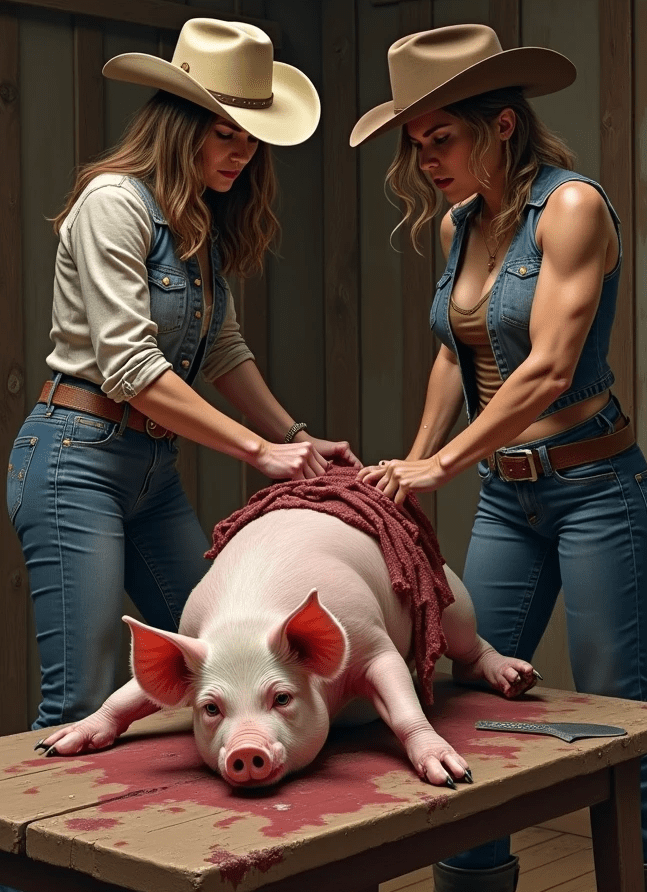
    Chickens, goats, pigs, sheep. You better know how to feed them, birth them, vaccinate them, and yes, butcher them. We don’t raise pets—we raise protein.
  3. Composting
    Your waste better be working for you. Composting is the law of the land—nutrients in, nutrients out. And don’t come at me with that plastic bin nonsense.
  4. Preserving Food
    Canning, fermenting, drying, root cellaring—if you don’t know how to make summer harvests last through February, you’ll be buying limp grocery store lettuce like a chump.
  5. Basic Carpentry
    You’ll build chicken coops, cold frames, fences, and when the roof leaks? Guess who’s the roofer? You.
  6. Water Management
    Gravity-fed systems, rain catchment, greywater rerouting—you need to make every drop count, especially when your well pump quits mid-winter.
  7. Seed Saving
    Stop buying seeds like it’s a subscription service. Grow heirlooms, save the seeds, and you’ll never be at the mercy of shortages again.
  8. Cooking from Scratch
    There’s no takeout where we live. If you can’t turn a raw chicken and a handful of potatoes into a week of meals, get out of my face.
  9. Soap Making
    Because I’m not paying $9 for some factory-scented nonsense when I’ve got lard, lye, and lavender in my own damn backyard.
  10. Knitting and Mending Clothes
    If you think darning socks is quaint, wait until you rip your last pair during a blizzard and the road’s closed for three days.
  11. First Aid and Herbal Medicine
    There’s no urgent care around the corner. Chamomile for sleep, comfrey for bruises, garlic for infections. Know your plants or pay the price.
  12. Chainsaw Maintenance
    The saw is your best friend and your worst enemy. Sharpen that chain, mix your fuel right, and respect it—or it’ll bite you.
  13. Solar Power Setup and Maintenance
    You want off-grid? Then learn the difference between a charge controller and an inverter, or you’ll be reading by candlelight for the rest of your life.
  14. Trapping and Hunting
    Rabbits, deer, maybe even bear if things get tight. It’s not about sport—it’s about putting meat in the freezer.
  15. Plumbing and Septic Know-How
    One clogged pipe and you’re knee-deep in your own stupidity. Know how to snake a drain, insulate a pipe, and never trust PVC glue in the cold.

DIY Homestead Hacks That’ll Save Your Sanity (and a Few Bucks)

1. The “5-Gallon Gravity Shower” Hack
You want hot water but don’t have a fancy solar system? Paint a 5-gallon bucket black, mount it on a platform, and let the sun do the work. Add a spigot, hang a shower curtain in the woods, and boom—your very own hillbilly spa.

2. Eggshell Calcium Powder
Don’t throw those eggshells away! Dry them, crush them, and grind them into a fine powder. Sprinkle into garden beds for calcium-rich soil or feed to chickens for stronger shells. It’s like gold dust from the coop.

3. DIY Solar Dehydrator
All you need is an old window, some scrap wood, a black-painted back panel, and mesh trays. Angle it toward the sun, and you’ve got a food dehydrator that costs zero to run and works even during late September.


Vermont-Specific Rants from the Trenches

Now let’s talk about Vermont specifically, because folks seem to think living here is like moving into a Norman Rockwell painting. You think Vermont means cozy cabins and hot cider? Sure, if you like shoveling snow 3 times a day, running a generator when the inverter gives up, and chasing bears out of the compost pile at 2 a.m. with a shotgun in your bathrobe.

Vermont’s short growing season is not a joke. If you don’t get your seedlings in by Memorial Day and have your beds covered by frost in late September, you just flushed your growing efforts down the composting toilet. Speaking of which—if you’re not managing your humanure system responsibly, stay the hell off my land. We don’t poison our soil with ignorance.

And let’s talk taxes. They’re high. Ridiculously high. You think you’re gonna sell a few jars of jam and skate by? Good luck. Every chicken you raise, every log you cut, every damn goat you sell comes with paperwork, fees, inspections, and a bureaucracy that’s never set foot on a working farm.

But we do it anyway. Not because it’s easy, but because we’re stubborn and free and refuse to live under the fluorescent lights of a cubicle farm. We raise our own food, fix our own roofs, grow our own medicine, and take pride in knowing that when the power goes out or the store shelves go bare, we’ve already got what we need.

That’s Vermont homesteading. It’s mud season and sugaring and frost heaves that’ll wreck your axle. It’s biting wind and biting insects and stubborn neighbors who’ve been on their land longer than the state flag’s been flying. It’s resilience, not romance.


Final Word from a Grumpy Homesteader

So if you’re dreaming about Vermont homesteading, do me a favor: wake up. You’ll bleed, curse, and cry—but if you make it through a winter and still want more? Well then, maybe you’ve got what it takes.

Just don’t ask to borrow my chainsaw.
Virginia Homestead Lifestyle

Virginia Homestead Lifestyle: The Rant You Need from an Angry Homesteader

Let me tell you something right off the bat — this modern world’s gone soft. Folks can’t go two hours without a drive-thru meal, their third iced coffee, and their precious little phone telling them how to breathe. Meanwhile, out here in the rolling hills of Virginia, we’re doing things the way our great-grandparents did — with grit, with dirt under our fingernails, and without needing to Google “how to boil water.”

You want the Virginia homestead lifestyle? Good. But don’t expect it to be all cute chickens and fresh eggs. This ain’t a Pinterest board. This is real life. Real work. And if you’re not willing to break a sweat, bleed a little, and maybe cry into your calloused hands now and then, you might as well turn back now and go back to your soy lattes and your HOA complaints.

Now that we’ve weeded out the weak, let me give you a crash course in what it really means to homestead in Virginia. We’ve got four solid seasons here — from blazing humidity in July to frozen ground in January. If you don’t respect the land and the weather, the land will eat you alive. Period.

Let’s start with the 15 skills you better learn fast if you want to make it out here:


1. Gardening (with actual results)

I’m not talking about a pot of basil on your windowsill. You better learn how to grow food — tomatoes, potatoes, beans, squash, corn. Figure out succession planting, crop rotation, and pest control that doesn’t destroy your soil. This is survival gardening, not Instagram.

2. Canning and Preserving

If you don’t know what a pressure canner is, you’re behind. Water bath canning for high-acid stuff, pressure canning for low-acid. Learn it, practice it, and keep your shelves stocked. Freezers fail — jars don’t.

3. Basic Carpentry

You’re going to need to build things. Coops, sheds, fences, maybe even a barn if you’re ambitious. A hammer, a saw, a level — get familiar with them. Ain’t nobody got time to wait on contractors who charge $200 just to show up.

4. Animal Husbandry

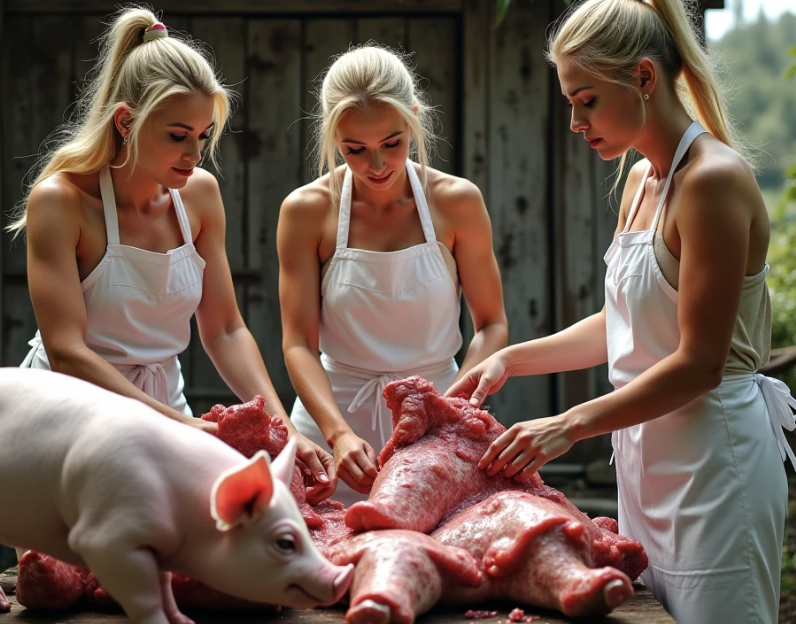
Chickens, goats, rabbits, maybe a couple pigs. You need to know how to feed them, breed them, and when the time comes — butcher them. Harsh? Maybe. But it’s honest.

5. Composting

Waste nothing. That pile of kitchen scraps and animal bedding can turn into black gold. Know what to compost, how to keep it hot, and how to use it.

6. Seed Saving

You really want to be self-sufficient? Stop buying seeds every spring. Learn how to save them. Tomatoes, beans, squash — they’re easy starters.

7. Hunting and Trapping

Deer season isn’t just for fun. It fills your freezer. Know the laws, respect the game, and sharpen your shot. Trapping’s trickier, but muskrats and raccoons don’t belong in your chicken coop.

8. Firewood Management

Chainsaw skills, axe work, splitting, stacking, seasoning — your heat depends on it if you’re off-grid or using a wood stove. Start early, or you’ll be burning green wood and cursing yourself in January.

9. Food Storage (beyond the pantry)

Root cellars, smokehouses, drying racks — these old-school methods still work. Don’t act surprised when the power goes out and your freezer full of meat is suddenly a liability.

10. Beekeeping

Not just for honey. Bees help everything grow. They’re finicky, though. Treat them right and they’ll give you liquid gold and pollinate your crops. Treat them wrong and they’ll abandon you.

11. Basic Veterinary Skills

Can’t call the vet every time a chicken sneezes or a goat limps. Learn how to treat wounds, give shots, and recognize illness. Your animals are your livelihood.

12. Soap Making

Store shelves empty? You’ll still be clean. Lye, fat, and patience. That’s all it takes. Plus, it beats rubbing synthetic nonsense on your skin.

13. Sewing and Mending

Clothes tear. Blankets wear out. Learn how to stitch a seam and patch a hole. Keep your gear going instead of tossing it.

14. Water Management

Wells, rainwater catchment, filtering, hauling — know it all. When the faucet stops running, will you know where to turn?

15. Emergency Medical Know-How

A well-stocked first aid kit won’t save you if you don’t know how to use it. Splints, wound care, recognizing infections — these are essential.


You still with me? Good. Then let me sweeten the pot with 3 DIY homestead hacks that’ll save your hide one day:


Hack #1: 5-Gallon Bucket Nesting Boxes

You don’t need to spend a fortune on fancy nesting boxes. Take a few 5-gallon buckets, cut off the top third at a 45° angle, bolt them to the wall at a slight upward tilt, and throw in some pine shavings. Chickens love ‘em, and they’re easy to clean. Durable, too — and free if you salvage from restaurants or bakeries.


Hack #2: Solar-Powered Electric Fence from Recycled Parts

Predators don’t care how much your livestock cost. Keep them out with a DIY solar electric fence. Repurpose an old solar yard light, a small car battery, and some wire from that junk pile you keep meaning to clean up. Hook up a low-voltage fence charger, and bam — perimeter security without raising your electric bill.


Hack #3: DIY Root Cellar in a Trash Can

Don’t have the time or money for a full root cellar? Bury a metal trash can up to the rim in a shady spot. Line the bottom with gravel for drainage, then stack your root veggies in layers of sand or sawdust. Pop the lid on and cover with straw bales in winter. It’ll stay cool and dark — perfect for carrots, potatoes, and turnips.


Living the Virginia homestead lifestyle isn’t about prepping for doomsday. It’s about living honestly — away from the noise, the lies, and the weakness of a society that’s forgotten how to feed itself. It’s about waking up with the sunrise, working your body to the bone, and falling asleep with pride instead of anxiety.

People say, “I could never do that. It’s too hard.” Damn right, it’s hard. That’s the point. If you’re looking for ease, go back to your concrete jungle. But if you’re looking for a life with meaning, sweat, and real satisfaction — get your boots on. We’ve got work to do.


So go on — till that soil, raise that barn, gather those eggs, and for the love of all things sacred — stop whining. This is Virginia. We don’t just survive out here. We thrive.

Arkansas Homesteading in a World Gone Soft

Let me make one damn thing clear right off the bat: this lifestyle is not for the weak. It’s not for suburbanites dreaming of sipping herbal tea on a Pinterest-perfect porch while chickens lay eggs like it’s some kind of fairy tale. No. Homesteading in Arkansas — in this unforgiving, beautiful, humid mess of a land — is for people ready to bleed, sweat, and fight tooth and nail for freedom. If you aren’t ready to break your back and outthink every crisis the world throws your way, turn around and go back to your HOA-gated sugar cube of a house.

Now that we’ve cleared out the soft-bellied dreamers, let’s talk real homesteading — the kind that’s rooted deep in the Ozark clay, where you grow your own food, raise your own meat, harvest your own power, and look the modern system dead in the eye and say: No thanks, I’ll do it my way.

Arkansas is one of the last damn strongholds of real freedom in this country. We’ve got the land. We’ve got the water. We’ve got the independence-minded people. And if you’ve got the guts, you can build a life that doesn’t depend on corporate supply chains, grid-fed everything, or politicians screwing up your future.

But listen close: you better know your skills. You screw up here, and you’re not just making a mess — you’re losing livestock, killing your crops, or freezing your butt off in a winter storm. So here are 15 critical homesteading skills every serious Arkansan homesteader better master — or die trying.


15 Essential Homestead Skills for Arkansas Survivors

  1. Seed Saving & Heirloom Gardening
    GMO garbage won’t cut it. You better learn to save your own seeds from strong, local heirloom plants that thrive in the Arkansas heat and humidity.
  2. Rainwater Harvesting & Filtration
    You think your well’s invincible? Think again. Learn to collect and purify rainwater — before the droughts and EPA regulations catch up to you.
  3. Solar Power Setup & Maintenance
    The grid goes down every time a squirrel sneezes. Learn to harness that brutal southern sun and run your homestead off solar like a boss.
  4. Composting & Soil Regeneration
    Arkansas clay ain’t exactly nutrient gold. Learn how to build your soil from the ground up — literally — using compost, manure, and biochar.
  5. Animal Husbandry (Chickens, Goats, Pigs)
    If you can’t raise and butcher your own meat, what the hell are you even doing? Get yourself livestock and learn how to keep ’em alive and productive.
  6. Off-Grid Cooking (Rocket Stove, Solar Oven, Dutch Oven)
    When the propane runs out, you better know how to cook on something besides a plastic-clad gas range. Build it. Test it. Master it.
  7. Root Cellaring & Food Preservation
    Canning, drying, fermenting — it’s not optional. Your grocery store backup plan won’t mean squat during an ice storm or economic collapse.
  8. Basic Carpentry & Construction
    Cabin walls don’t build themselves. Sheds rot. Fences fall. Know how to build and repair like your life depends on it — because someday, it just might.
  9. Blacksmithing & Tool Repair
    Learn to fix what breaks. You won’t find replacements when the supply chain’s down and the hardware store shelves are empty.
  10. First Aid & Herbal Medicine
    The hospital’s 40 miles away and closed half the time. Learn the plants in your own backyard and keep a real med kit — not a Hello Kitty Band-Aid box.
  11. Trapping & Wild Game Processing
    You’ll thank yourself when deer season is gone and food’s tight. Coons, rabbits, squirrels — learn how to trap and use every part.
  12. Firewood Processing & Wood Stove Maintenance
    Electric heat fails. Always has, always will. You’ll need firewood stacked high and dry. Learn to fell, buck, split, and cure your wood right.
  13. Fencing & Livestock Containment
    A goat outside the fence is a goat in the neighbor’s tomatoes — and a .22 bullet away from being a problem. Build sturdy, predator-proof fencing.
  14. Water Pump & Plumbing Repair
    When the well pump fails in July, you’ll either know how to fix it — or you’ll be sweating while your wife packs the kids for the city.
  15. Barter & Trade Savvy
    Money’s great until it’s worthless. Know the value of eggs, pork, labor, ammo, and skills in a barter economy — and don’t get taken for a fool.

3 DIY Homestead Hacks That’ll Save Your Butt

  1. DIY Rocket Stove for Off-Grid Cooking
    Use old bricks, a metal pipe, and some elbow grease to build a high-efficiency rocket stove in your backyard. Cooks fast, burns clean, and doesn’t use more than a handful of twigs. When propane tanks are empty and your generator’s out of gas, this bad boy will keep your family fed and your coffee hot.
  2. 50-Gallon Barrel Rainwater Catchment System
    Cut the top off a food-grade barrel, add a mosquito screen, and rig up a PVC overflow. Hook it to your downspouts with a first-flush diverter. Add a spigot at the bottom and boom — you’re harvesting 50 gallons of off-grid water per storm, without touching your well.
  3. Solar-Powered Electric Fence from Salvaged Panels
    Got an old solar panel and a car battery? Hook them up to a DC-powered fence charger. Keeps your goats in and the coyotes out without touching your utility bill. Cheap, reliable, and damn near bulletproof.

Arkansas Isn’t a Game — It’s a Battlefront

The government doesn’t care about you. The power company sees you as a dollar sign. The grocery store shelves are three days away from empty during any decent panic. You are the last line of defense between your family and chaos. And the only way you win is by learning, adapting, and never backing down.

Don’t sit on YouTube “researching” forever. Get your boots dirty. Plant something. Fix something. Butcher something. And for the love of everything worth living for — stop expecting the system to save you.

Arkansas is fertile ground for the independent and the bold. The laws are in your favor. The land is still affordable in places. And the people — the right people — will help you if you’re worth a damn. But you better bring grit. Bring skill. Bring that fire in your belly that says, “I don’t need handouts. I’ve got hands, and I’ve got the will.”

This ain’t a damn trend. It’s a way of life. And it might just be the last one left that makes any sense.