
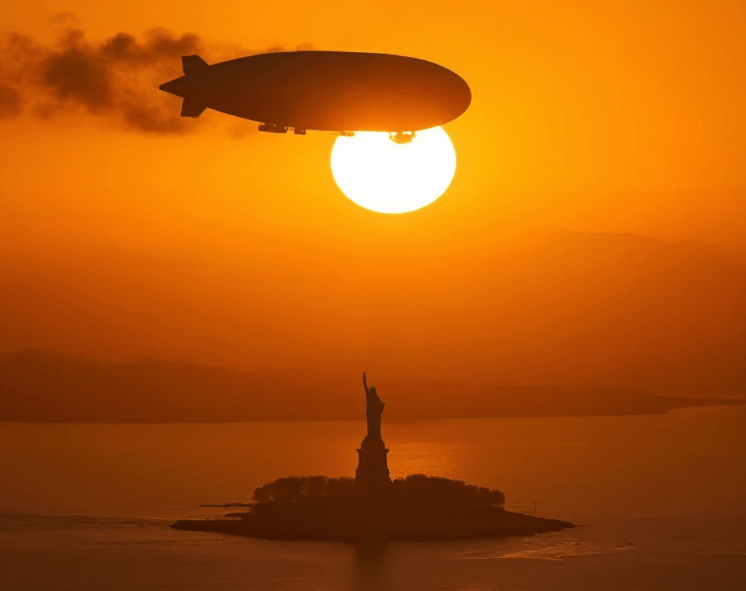
Let me tell you something straight: New York isn’t the glitzy, picturesque wonderland people want you to believe. Beneath the skyscrapers, the subways, and the tourist-packed streets lurks a deadly reality that most people are too naive to acknowledge. If you think a stroll in Central Park or a weekend at the Adirondacks is harmless, think again. Death comes quietly, unexpectedly, and without warning. And if you want even the slightest chance of survival, you better pay attention to the top 10 killers in New York—and how to survive them. I’m not here to sugarcoat it. This is grim. This is real. And it’s life or death.
1. The Subway System – A Maze of Metal and Madness
You step onto the subway thinking it’s just a mode of transportation, but one misstep, one loose handhold, or one distracted second, and you’re toast. Subways are magnets for criminal activity, unexpected train arrivals, and slippery conditions that can turn a simple fall into a catastrophic end.
Survival Tactic: Never be distracted by your phone. Stay behind the yellow line, avoid empty cars late at night, and always have an escape route in mind. Carry a personal alarm or whistle; the panic it creates may just save your life.
2. Extreme Weather Events – Mother Nature’s Fury

Hurricanes, blizzards, flash floods—you name it, New York experiences it. People romanticize the snowy winters, but frostbite and hypothermia are silent killers. Summer? Heatwaves can sneak up on you, causing heatstroke faster than you can hydrate.
Survival Tactic: Always check weather warnings and never underestimate local advisories. Stock emergency supplies: water, non-perishable food, a thermal blanket, and a first-aid kit. Know your high-ground evacuation routes for floods and always dress in layers for winter.
3. Aggressive Wildlife – Not Just in the Wilderness
You think New York’s wildlife is cute? Think again. Coyotes prowl suburban streets at night, snapping up small pets, and raccoons can carry diseases that are deadly to humans. And don’t forget venomous insects—ticks with Lyme disease and mosquitoes carrying West Nile Virus.
Survival Tactic: Never approach wildlife. Keep trash sealed, maintain a safe distance from animals, and use repellents and protective clothing. If bitten, seek medical help immediately; the city hospitals are your lifeline here.
4. Urban Crime – The Hidden Predator
Pickpockets, muggers, and random violent acts are not myths—they’re a daily reality in certain parts of New York. Walking alone at night can feel like a death sentence if you’re unprepared.
Survival Tactic: Always stay alert, avoid dimly lit areas, and keep valuables hidden. Self-defense training isn’t optional—it’s mandatory. Carry a legal deterrent like pepper spray or a tactical flashlight. And never trust the “safe” neighborhoods blindly; danger doesn’t announce itself.
5. Traffic Chaos – Steel Beasts on Wheels
New Yorkers drive like maniacs. Pedestrians think they have the right of way; drivers think the city belongs to them. One distracted driver, one ignored traffic signal, and it’s over.
Survival Tactic: Never assume vehicles will stop. Look both ways twice, even at crosswalks. Wear bright clothing if you walk or bike, and always have an escape route in mind. Avoid distractions, and keep your phone in your pocket. Your life depends on it.
6. Building Fires – Silent Killers in Plain Sight
New York is a concrete jungle, and fires can spread faster than most people realize. Faulty wiring, unattended candles, or kitchen accidents can turn a cozy apartment into a death trap.
Survival Tactic: Always have a fire extinguisher, smoke detectors, and a pre-planned escape route. Never assume the fire department will arrive in time; self-rescue knowledge is crucial. And for God’s sake, test your escape route—it’s not just theory, it’s life or death.
7. Water Hazards – Lakes, Rivers, and Storm Drains
From the Hudson to the Erie Canal, water is everywhere in New York. But currents, tides, and hidden underwater hazards turn recreational swimming and boating into potentially lethal activities. Storm drains and subway tunnels can become deadly traps during floods.
Survival Tactic: Learn to swim and wear a life jacket near open water. Avoid areas prone to flooding and never underestimate the power of currents. Carry a waterproof survival kit if you venture near water, including a whistle, rope, and signaling device.
8. Falling Objects – A Threat You Can’t Always See

Construction sites, crumbling buildings, and even city streets can drop debris on your head without warning. A loose brick, a falling sign, or a collapsing scaffold can end your life instantly.
Survival Tactic: Always be aware of your surroundings. Avoid walking near construction zones, look up periodically, and keep your head protected if you’re in a high-risk area. Sometimes, the best defense is simply not being there when disaster strikes.
9. Food and Water Contamination – The Invisible Assassin
Most people assume city food and water are safe—but contamination from bacteria, mold, or chemical pollutants can kill slowly or suddenly. From raw street food to polluted lakes, ignoring these risks is suicidal.
Survival Tactic: Drink only treated or bottled water, cook food thoroughly, and practice good hygiene. Have water purification tablets or a portable filter ready. In New York, assuming everything is safe is a gamble you won’t survive losing.
10. Mental Collapse – The Overlooked Killer
This one’s not flashy, but make no mistake: mental breakdowns can kill you just as efficiently as anything else. The stress of the city, coupled with the constant threat of danger, can cause panic, poor decisions, and fatal mistakes.
Survival Tactic: Stay mentally vigilant. Practice mindfulness, stress management, and situational awareness. Always have a plan B and don’t rely on others to save you. In survival, the weakest mind is the first casualty.
Final Thoughts: Embrace Paranoia, or Die

Here’s the ugly truth: most people walk around New York thinking the worst will never happen to them. They’re naïve, lazy, and oblivious—and that’s exactly why so many die prematurely. If you want to survive, you can’t just hope for the best. You need vigilance, preparation, and a healthy dose of paranoia.
Carry your tools, know your risks, and treat every step outside as a potential life-or-death decision. Because in New York, it often is.


 TheDailyChristian