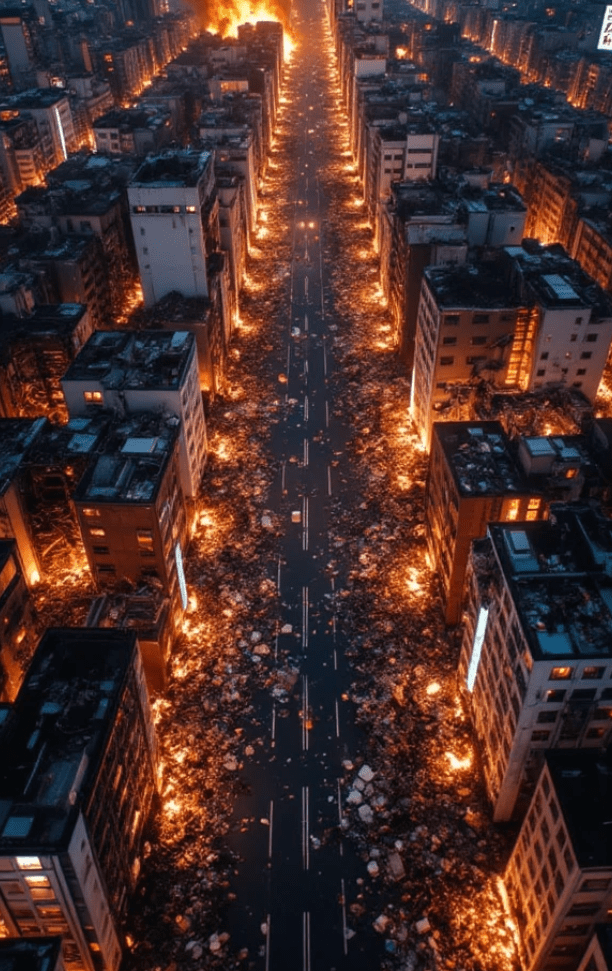
How To Stay Safe and Survive During a Riot in Colorado

If you live in Colorado, or anywhere that has seen rising tensions and civil unrest, you need to understand one thing: hope is not a plan. When a riot breaks out—whether it’s due to political turmoil, racial tensions, or widespread panic—you must already be ten steps ahead. As someone who’s trained in survival and self-defense for over 15 years, I’m going to give you hard-earned advice that could mean the difference between getting home safe or becoming a statistic.

Let’s break it down into what matters: how to stay safe during a riot, defend yourself if needed, and even improvise weapons if you’re caught with nothing but your wits and your environment.


8 Self-Defense Skills Every Prepper Must Master During a Riot

  1. Situational Awareness

Your first and best defense isn’t a weapon—it’s your mind. Situational awareness means reading a crowd, noticing exits, spotting threats early, and trusting your gut. During a riot, never put in headphones, never stare at your phone. You should always be scanning, assessing, and planning a route out.

  1. De-escalation and Verbal Judo

You don’t want to fight in a riot unless you absolutely have to. Learn to talk people down, mirror their body language subtly, and maintain non-threatening posture. If you can talk your way out of a fight, you’ve already won. Riot situations are chaotic—don’t add fuel to the fire.

  1. Escaping Grabs and Holds

Crowds can get physical fast. Learn how to break wrist grabs, choke holds, and bear hugs. Use your hips and leverage, not brute strength. Techniques like the “C clamp” on the wrist or “shrimping” away from a bear hug can give you just enough space to escape and reposition.

  1. Blunt Force Defense

Learn to wield everyday objects as blunt weapons. A flashlight, walking stick, umbrella, or even a full water bottle can be used defensively. Your goal isn’t to fight like it’s a movie—it’s to strike, stun, and flee. Aim for the nose, throat, or kneecaps.

  1. Knife Defense and Retention

If you carry a blade for self-defense, you better know how to use it and keep it. Practice drawing and deploying your knife quickly, and more importantly, know how to stop someone from taking it. Use tight body control and guard your dominant side when moving through crowds.

  1. Improvised Shielding

Trash can lids, backpacks, and even car doors can be used to shield against thrown bottles, rocks, or blunt weapons. Carry your pack in front when things get hairy—it’s extra padding for your vitals and can act as a push-shield through crowds.

  1. Mob Movement and Escape Routes

Move with the flow of a crowd, never against it. Fighting it will wear you out fast. Your aim is to drift to the edges and duck into an alley, store, or underground passage. Practice spotting side exits and fire doors. Know Colorado’s downtown layouts if you live in places like Denver, Boulder, or Colorado Springs.

  1. Striking with Purpose

If escape is not an option and force is necessary, don’t throw wild punches. Aim for disabling strikes. A palm heel to the chin, elbow to the temple, or knee to the thigh can drop someone fast. Remember: defend, disable, disengage, and disappear.


3 DIY Survival Skills to Build Improvised Weapons

In a crisis, your ability to improvise may be your only advantage. Here are three quick DIY weapon-building skills every serious prepper should know:

1. PVC Pipe Baton

Grab a 1″ thick PVC pipe from a hardware store (or scavenge one from an abandoned property). Fill it with sand or small rocks for weight, cap both ends with duct tape or rubber stoppers, and you’ve got a homemade baton. Tape the grip end for better handling. Blunt, durable, and totally legal to carry in most states if you call it a walking stick.

2. Sock Sap (Blackjack)

Find a sturdy sock and fill it with quarters, rocks, or small metal parts. Tie it off and you’ve got a sap—a flexible, concealable striking tool that’s effective at close range. It’s not meant to kill—it’s meant to discourage and disable.

3. Makeshift Spear or Pike

Duct tape a kitchen knife, broken bottle, or even sharpened metal object to a broomstick, curtain rod, or branch. You’ve now got a spear-like weapon that keeps attackers at a distance. This is ideal for home defense during extended unrest when your doors or windows may be compromised.


Mindset: The Prepper’s Edge

You can have all the tools, all the training, and still panic if your mindset isn’t right. Panic is the enemy. Your goal in a riot is not to play hero. Your goal is to get home alive.

Here’s the mental protocol I run through in every emergency:

  1. Assess – What’s happening? Where is the threat?
  2. Plan – What’s my nearest safe route or cover?
  3. Act – Move with intent. Don’t hesitate.
  4. Adapt – If the plan fails, switch immediately. No freezing.

Practice these scenarios in your mind often. Walk through local areas you visit frequently and note exit points, choke points, and places to hide. Knowing your environment is as critical as any tool on your belt.


Riot Survival Kit: Essentials to Carry in Colorado

Always keep a compact go-bag in your car or backpack. Here’s what should be inside if you live in a volatile area:

  • N95 mask (for smoke or pepper spray)
  • Goggles (to shield your eyes from debris or chemicals)
  • Flashlight (blunt and bright—can double as a baton)
  • Multitool
  • Water bottle
  • Compact first aid kit
  • Leather gloves (to grab hot or broken surfaces)
  • Map of your local area (GPS may go down)
  • Energy bar or compact food

Add a bandana, whistle, and cash—because ATMs and credit cards may not work when cities shut down.


Final Word: Train Now, Thank Yourself Later

Don’t wait until the sirens wail. Learn the skills. Drill them. Practice with friends or in self-defense classes. Colorado is beautiful, but even beauty can turn chaotic in the right storm. Whether you’re in Aurora, Pueblo, or Fort Collins, remember this:

No one is coming to save you. You are your own first responder.

Prepare now, move smart, and you’ll not only survive—you’ll lead.

How To Stay Alive During a Los Angeles Riot

When the streets of Los Angeles erupt in chaos—burning storefronts, sirens wailing, mobs overrunning city blocks—you don’t want to be figuring things out in the moment. As a seasoned survival prepper and self-defense trainer, I’ve learned that survival doesn’t depend on luck. It depends on preparation, situational awareness, and knowing how to respond when society takes a nosedive.

Riots, especially in a sprawling city like LA, are unpredictable and can spiral out of control within minutes. It doesn’t matter if you’re caught in Koreatown or driving near Melrose when the flash mobs hit—you need to know how to defend yourself, protect your loved ones, and get out alive.

This guide lays out 8 must-know self-defense skills, 3 DIY weapons you can make from household items, and the mindset you need to adopt when the city turns into a war zone.


Understand the Environment

First, get real about where you are. Los Angeles is a sprawling urban jungle with over 4 million people, and it has a history of civil unrest—from the 1992 Rodney King riots to the George Floyd protests in 2020. When a riot starts, it spreads fast. You need to know the chokepoints, escape routes, and danger zones in your neighborhood.

Download offline maps and mark exits out of your area. Freeways can get jammed—sometimes it’s better to travel on foot through alleys than be stuck in a car.


8 Must-Know Self-Defense Skills

These aren’t gimmicks. These are battle-tested techniques that can save your life:

1. Situational Awareness (SA)

Your first and strongest weapon. Always know your surroundings—who’s near you, where cover is, and where the exits are. Riots are fluid; mobs move. Don’t stand still and don’t look like an easy target.

Pro tip: Keep your head on a swivel—avoid tunnel vision.

2. Verbal De-escalation

Not every confrontation needs to go physical. Being able to read body language and talk someone down is underrated. Stay calm. Use strong, clear voice commands. Maintain distance and confidence without aggression.

3. Open-Hand Strikes

If you must defend yourself, open-hand strikes are safer for your hands than punches. Target the eyes, throat, and nose—areas that disable, not just hurt.

4. Knee Strikes

If someone gets too close, a knee to the midsection or groin can end the fight quickly. Practice good balance and aim.

5. Escape From Grabs

Learn basic escapes from wrist grabs, chokes, and bear hugs. Practice the principle of going “with the grab” to break free using leverage and momentum—not strength.

6. Improvised Weapon Use

A pen, belt, flashlight, or broken chair leg can become a powerful weapon if used right. Practice using household items as force multipliers.

7. Ground Defense

Fights may go to the ground. Learn how to shrimp, bridge, and get to your feet. Never stay flat on your back during a riot—mob mentality shows no mercy.

8. Team Movement Tactics

If you’re with family or a small group, you need to move like a unit. Establish hand signals. Appoint a point person. Never break formation unless you absolutely have to.


3 DIY Survival Weapons From Household Items

If you’re caught without a firearm, knife, or baton, don’t panic. The best survivalists know how to build tools with what’s available. Here are three effective DIY survival weapons you can create with common items in a pinch.

1. PVC Pipe Baton

Materials: 18-24 inch PVC pipe (¾” diameter), duct tape, sand or nails for weight.

How To Make: Fill the pipe with sand or nails, cap both ends with duct tape, and wrap the handle with extra tape for grip. It’s lightweight, concealable, and can deliver bone-cracking force in close quarters.

2. Sling Weapon From Paracord and a Sock

Materials: Paracord, a rock or a padlock, thick sock.

How To Make: Place the heavy object inside the sock, tie the open end with paracord, and now you have a makeshift flail. Easy to conceal, fast to deploy, and devastating when used against limbs or to clear space.

3. Modified Tactical Flashlight

Materials: Heavy-duty flashlight, steel nuts, epoxy.

How To Make: Epoxy a couple of steel nuts around the head of your flashlight. You’ve now turned a common tool into a bludgeon that can break bones and glass alike.


What to Do When the Riot Starts

1. Get Off the X
If you see crowds forming or hear sirens nearby, move. Don’t film it. Don’t spectate. The X is the danger zone—get off it and don’t look back.

2. Secure Your Home
If you can’t evacuate, barricade entrances using furniture and tools. Booby-trap the approach with noise-makers (like aluminum cans on string). A dog, even a small one, can give you vital early warning.

3. Blend In
Wear neutral colors—gray, tan, brown. Avoid tactical clothing or bright colors. Don’t give anyone a reason to think you’re with the opposing side. Use calm, slow body language. Avoid eye contact.

4. Go Grey Man
Blend into the environment. Hide valuables, ditch flashy gear, and move low-profile. The grey man survives because no one notices him. That’s your goal.

5. Know When to Fight and When to Flee
A real survivalist doesn’t fight every battle. If escape is possible, take it. If confrontation is unavoidable, finish it fast and disappear.


Bonus Tips for Staying Alive

  • Have a go-bag with first aid, water, a multi-tool, N95 mask, flashlight, extra phone battery, gloves, and protein bars.
  • Memorize key phone numbers. Don’t rely solely on your cell service.
  • Use radios or encrypted apps like Signal if communication goes down.
  • Secure your documents and cash. Riots are a magnet for looting—if your home burns, your ID and emergency cash better not be in your sock drawer.

Train Before You Need It

None of this matters if you’re not training. Self-defense and survival are perishable skills. Practice them. Drill your family or group. Take classes in Krav Maga, Brazilian Jiu-Jitsu, or urban survival tactics. When it hits the fan, you’ll either react with clarity—or panic and become part of the problem.


Final Words

Los Angeles is a beautiful, complex, and volatile city. If the next riot breaks out tomorrow, will you be ready? Or will you be scrambling for supplies, wondering how to defend your home with a frying pan and hope?

Get prepared. Stay trained. Think ahead. And never underestimate the power of calm, confident readiness.

Stay sharp out there.

How To Stay Safe and Survive During a Riot in Illinois (Mainly Chicago)

Let’s be clear — if you’re waiting until a riot breaks out in Illinois to figure out how to stay alive, you’re already behind. I’ve spent over a decade training in survival tactics, martial arts, tactical weapons, and real-world defense scenarios. Riots are chaotic, fast-moving, and unforgiving. Whether it’s Chicago, Springfield, or a rural town seeing unexpected unrest, your preparation and mindset will determine if you make it out in one piece. This guide is for those who take survival seriously.

Understand the Environment: Illinois in Crisis

Illinois has diverse terrain — from crowded urban centers to isolated farmland. Riots can erupt over political unrest, police action, economic crashes, or even sports events gone sideways. In cities like Chicago, the density means escape routes are limited. In more rural areas, law enforcement can be slow to respond. No matter where you are, the principles of riot survival remain the same: stay informed, stay mobile, stay armed (legally and effectively), and stay smart.


8 Critical Self-Defense Skills You Need to Master

You don’t need to be a black belt to survive, but you damn well need to know how to protect yourself when things go sideways. Here are the eight skills every survival-minded person should have locked down:

1. Situational Awareness

This isn’t just “keeping your head on a swivel.” It’s about reading a crowd, spotting tension, locating exits, and identifying threats before they become problems. Train your eyes and ears to work together.

2. Escape and Evasion Tactics

If a riot breaks out, your first goal should always be to get out of the area. Learn how to move through crowds, blend in, use alleys, avoid bottlenecks, and even climb fences or navigate rooftops if necessary.

3. Verbal De-escalation

Sometimes, you don’t need to fight. You need to calm someone down or talk your way out of a bad spot. Practice using a calm, assertive voice and body language that shows you’re not prey, but also not a threat.

4. Krav Maga Basics

Krav Maga was built for real-world violence. Learn basic strikes (palm heel, elbow, knee), how to disarm an attacker, and how to neutralize threats quickly.

5. Improvised Weapon Use

In a riot, your fancy self-defense weapon might be confiscated. A belt buckle, pen, tactical flashlight, or even your keys can be used to protect yourself. Practice turning everyday objects into tools of survival.

6. Knife Defense and Offense

Know how to use and defend against a blade. Learn grip techniques, slashing and stabbing targets, and how to block or deflect a knife attack. Blades are common in street fights — train accordingly.

7. Ground Fighting

You might get taken to the ground. Brazilian Jiu-Jitsu (BJJ) or basic wrestling moves can save your life when you’re pinned or overwhelmed. Learn to break guard, choke escapes, and how to use leverage.

8. Firearm Handling Under Stress (Legally)

If you’re in Illinois and legally carry, you must train with your firearm under simulated stress. Shooting paper at the range is not the same as drawing your weapon while under attack. Learn trigger discipline, aiming under pressure, and when to shoot — or when not to.


3 DIY Survival Weapons You Can Build at Home

These weapons are for last-resort defense. They’re legal to possess in most places if built properly and used only in self-defense. But check Illinois laws before creating or carrying any of these.

1. PVC Pipe Baton

  • Materials: 1.5″ PVC pipe, steel rods or sand, duct tape
  • How to Build: Fill the PVC with steel rods or sand for weight, cap both ends, and wrap in duct tape for grip. It’s light, concealable, and hits hard — perfect for keeping attackers at bay.

2. Tactical Sling Weapon

  • Materials: Paracord, nuts or ball bearings, sturdy pouch
  • How to Build: Create a basic sling with a paracord pouch that holds heavy ball bearings. With practice, this becomes a silent, ranged weapon. Aim for knees, elbows, or the face to incapacitate.

3. Nail and Board Trap (Home Defense)

  • Materials: Wooden board, 3” nails, hammer
  • How to Build: Drive nails through the board, spacing them out about 1” apart. Hide it under a welcome mat or near entry points to slow down intruders. Simple deterrent when you’re stuck in place.

Urban Survival Tactics: Illinois-Specific Tips

Here’s where things get tactical. Riots aren’t just about physical fights — it’s psychological, logistical, and geographical.

1. Know Your Urban Escape Routes

In downtown Chicago, avoid major arteries during civil unrest. Stick to side streets, alleyways, and pedestrian bridges. Learn which parking garages connect via underground tunnels. In Springfield or Peoria, use railways or canal paths as quick exits.

2. Blend In or Go Ghost

Wearing tactical gear may make you a target. Dress like the locals, move with the crowd, and don’t draw attention. If needed, stash a change of clothes in a bug-out bag. Ditch bright colors, logos, or military patterns.

3. Build a Bug-Out Bag for Riot Scenarios

Include:

  • Gas mask or N95 respirator (tear gas/pepper spray)
  • Compact crowbar or Halligan tool (for barriers)
  • Energy bars, water, lighter, gloves, and first aid
  • Burner phone (no tracking)
  • Compact trauma kit: tourniquet, gauze, hemostatic agent

When to Stand Your Ground — And When to Run

Let’s not play Hollywood hero. If you can leave, do it. If you’re trapped and cornered, you defend your life with everything you’ve got. Remember this rule: Don’t die on the sidewalk over someone else’s cause. Live to fight another day, preferably somewhere safe.

If you’re protecting your family or property and cannot flee:

  • Fortify entrances with furniture, cords, and makeshift barriers
  • Cut power and silence electronics to avoid detection
  • Arm yourself with legally allowed weapons and know how to use them effectively
  • Keep lights off, stay silent, and use shadows to your advantage

Psychological Warfare: Controlling Your Fear

Fear is natural — but panic is fatal. Train your body through stress drills. Run with a weighted bag. Do pushups after holding your breath. Learn to control adrenaline. If your heart’s pounding and hands are shaking, your survival chances drop fast.

Practice staying calm by rehearsing “what if” scenarios. The more your brain runs simulations, the less it freaks out under pressure. Mindset isn’t fluff — it’s your most powerful weapon.


Final Thoughts from a Prepared Mind

Surviving a riot in Illinois isn’t about being paranoid — it’s about being prepared. You don’t get a second chance when chaos comes to your door. Know the law, train your body, sharpen your mind, and keep your gear ready.

You can’t stop a riot. But you can survive one. And for those of us who live by the code of self-reliance, that’s what matters most.