Parking Lot Survival: A Fugitive’s Warning to Women About Staying Safe While Shopping

I’ve learned in the hardest ways that danger doesn’t wait for permission, it doesn’t give warnings, and it doesn’t discriminate. It lurks where people feel safest, where the lights are bright and the music from passing cars spills over the quiet pavement. Shopping centers—places built to make you feel comfortable—are the same places where shadows linger the longest.

You probably don’t know me, and it’s better that way. Let’s just say I’ve been living on the edges of the map lately, moving from one place to another, looking over my shoulder more than I look ahead. Survival does that to you. You start noticing things other people ignore. And lately, I’ve been watching the way women walk through parking lots—heads down, hands full, keys buried somewhere in a purse, completely unaware of how exposed they are.

This isn’t paranoia. It’s pattern recognition. And if there’s one thing I’ve learned through the mistakes I’ve made—and the ones I’ve watched others make—it’s this: the parking lot is the hunting ground of predators.

I’ve seen too much to stay quiet about it.


Shopping Center Parking Lots: A Predator’s Comfort Zone

I’ve spent enough time hiding in the out-of-the-way corners of society to understand how people think when they intend harm. Predators don’t pick dark alleys anymore—they pick normalcy. They choose the places where people feel too safe to pay attention. They want cover, confusion, and distraction. Shopping center parking lots offer all three.

Women juggle bags, food, receipts, coupons, phones, car keys, kids, returns—everything except the awareness of who’s walking behind them. And it’s not their fault. Society teaches women to be polite before it teaches them to stay alive.

But I’m going to lay it out in the grim, unfiltered way I’ve seen it:

The most vulnerable moment in a shopping trip is the walk from the store door to your vehicle.

Not inside the store.
Not while driving.
Not when you get home.

Right there, in the open lot.

Because that’s where you transition from a crowd to isolation. That’s where shadows, blind spots, between-car gaps, and slow-rolling vehicles all merge into one unpredictable terrain.

And if someone wants to follow you? They only need to watch you long enough to choose the moment.


People Disappear Faster Than You Think

I’m not saying this to scare you without purpose. I’m saying it because I’ve been in situations where seconds mattered—and sometimes seconds weren’t enough.

Most people think kidnappings are dramatic, violent affairs. They imagine someone inside a van yanking a screaming person off their feet. But the truth is quieter, faster, and far more calculated.

A predator only needs:

  • A five-second window
  • Your distraction
  • Your hands full
  • Your back turned

That’s all.

Maybe you’re loading groceries.
Maybe you’re answering a text.
Maybe you’re unlocking your door.
Maybe you’re returning the shopping cart because you don’t want to be rude.

All noble intentions. All exploitable moments.


Know Your Surroundings the Moment You Step Outside

When I was younger—before life forced me onto wilder paths—I didn’t think much about “situational awareness.” Now it’s the only reason I’m still breathing. So listen close:

When you walk out of that store, your head needs to come up.
Your eyes need to scan.
Your steps need to be deliberate, not casual.

Here’s what to look for:

1. People who leave the store right after you

This doesn’t always mean danger—but it always means you should notice them. Predators often shadow their targets from the entrance because it’s where they can blend in without suspicion.

2. Cars that start moving when you pass them

Vehicles can act like traps. Someone can idle with their engine off, waiting. Or they can roll slowly behind you, matching your pace.

3. Anyone lingering, leaning, or pretending to be busy

Most people in parking lots are in transition—they’re going somewhere. The ones who aren’t? Those are the ones you watch.


Your Keys Are a Survival Tool—Not an Afterthought

Digging through a purse while walking to a car is as dangerous as walking blindfolded along a cliff’s edge. What you need is simple:

  • Keys out before stepping into the lot
  • Key between your fingers or in your fist
  • Head up, scanning
  • Shoulders back

You don’t have to look threatening. You just have to look not worth the effort.

Predators don’t choose targets based on beauty or age. They choose based on opportunity and vulnerability. If you look alert, aware, and ready to cause a problem, they’ll move on.


Listen to the Feeling—It’s There for a Reason

I once ignored a bad feeling and paid for it with months of consequences that still follow me to this day. Never again. And neither should you.

If something feels wrong:

  • Stop walking.
  • Turn around.
  • Change direction.
  • Step back inside the store.
  • Call someone.
  • Wave down security.

You owe politeness to no one.
You owe your life everything.


Don’t Let Anyone Approach You

I know it sounds harsh. Maybe it sounds like paranoia to the uninitiated. But I’ve seen too many scams, too many ambush tactics, too many “distraction approaches” to ever let a stranger come within grabbing distance.

If someone walks toward you:

  • Create distance.
  • Put a car between you and them if possible.
  • Hold your hand up and say, “Stop there, please.”
  • If they ignore that, it’s no longer innocent.

Remember: distance is safety.


Your Car Is a Fortress—If You Treat It Like One

Once you get inside:

  • Lock the doors immediately.
  • Start the engine first, adjust mirrors later.
  • Never sit scrolling on your phone before driving away.
  • If something is on your windshield, don’t get out—drive to a safer spot first.

Kidnappers rely on hesitation. Don’t give them the luxury.


Final Words From Someone Who Knows Too Much

Look, I’m not telling you these things to frighten you. I’m telling you because the world is not as tidy or predictable as people pretend. I’ve seen what happens when someone thinks “it won’t happen to me.” I’ve seen what happens when fear hits too late.

Women are being hunted in places that should be safe.
Parking lots are modern ambush zones.
And predators aren’t the monsters you imagine—
They’re ordinary-looking people counting on your distraction.

You don’t have to live in fear.
But you do have to live aware.

Because no shopping deal, no coupon, no errand is worth becoming the next missing flyer on a bulletin board.

Stay alert.
Stay sharp.
Stay alive.

Off-Grid Survival for Women: The Harsh Truths No One Wants to Tell You

hen society collapses, women will be targeted first. Not because it’s fair or just—because predators exploit vulnerability. And if you think everyone magically becomes honorable comrades during a disaster, I have news for you: they don’t. They become worse versions of themselves. The masks come off. The desperation comes out. And the rules evaporate faster than your last remaining battery.

I’ve watched people fight over bottled water in broad daylight with police present. So imagine how bad it gets when there’s no law, no witnesses, no functioning system, and no consequences. Women, especially those living off-grid or traveling alone, will be seen as easy targets by the opportunists, cowards, and degenerates who crawl out of the shadows when things fall apart.

But here’s the good news—not happy news, not comforting news, but useful news: you can prepare now. Not by learning movie-style ninja flips or Hollywood fight scenes that only work on stuntmen. I’m talking about realistic, practical, survival-focused self-defense skills that actually help you escape, avoid danger, and protect yourself.

This isn’t about turning you into some mythical warrior. This is about giving you a fighting chance when the world shows its worst face.


The First Skill: Ruthless Awareness (The One Most People Ignore)

Every self-defense course should start with this, but most skip right to flashy moves. Awareness isn’t glamorous, but it’s the skill that keeps you alive.

In SHTF conditions, threats don’t politely announce themselves. They don’t wait for you to be “ready.” They strike when you’re distracted, tired, or optimistic. So your first weapon is situational awareness:

  • Always scan your surroundings before stopping or setting camp.
  • Know who’s around you and what direction they’re moving.
  • Never let strangers get close enough to invade your personal space.
  • Trust your instincts—if someone feels wrong, don’t negotiate with that feeling.

People call this “paranoia.” Fine. Let them call it what they want. You call it survival.


The Second Skill: Boundaries That Are Loud, Clear, and Unshakable

Most predators don’t start with violence. They start with testing boundaries—small intrusions, off comments, forced friendliness, subtle probing. They’re looking for someone who won’t push back.

So practice firm, unwavering verbal boundaries:

  • “Stop.”
  • “Back up.”
  • “Do not come closer.”
  • “I don’t want help.”

Say it with your chest, even if your voice shakes. The goal is to stop a situation early before it becomes physical. And if someone ignores a clear boundary, congratulations—you’ve just identified a threat long before the situation explodes.


The Third Skill: Escape Over Ego—Always

Here’s something the movies won’t tell you: the goal of self-defense is escape, not fighting. You’re not out to “win.” You’re out to get away with as few injuries as possible. Fighting back is only to create a window to run.

If you’re off-grid and alone, injuries become exponentially more dangerous. A sprained wrist can compromise your ability to build shelter or carry water. A broken finger can make it impossible to defend yourself next time. So don’t fight unless absolutely necessary—and when you do, fight to break contact and flee.

Survival is not about pride. It’s about making it home alive.


The Fourth Skill: Body Positioning That Makes You Harder to Grab

You don’t need martial arts mastery. You just need practical techniques anyone can learn, like:

  • Keeping your hands up and ready, not buried in pockets or bags.
  • Standing with one foot slightly back for stability.
  • Blading your body to reduce target size.
  • Maintaining distance—your best friend in any confrontation.

Predators want easy control. Don’t give them that luxury.


The Fifth Skill: Using Your Voice as a Weapon

A strong, loud voice shocks aggressors, attracts attention (if any is nearby), and signals that you are not quietly compliant prey. Practice yelling in a way that’s commanding, not panicked.

Phrases like:

  • “NO!”
  • “STOP!”
  • “GET BACK!”

Your voice communicates confidence—even when you don’t feel it. Confidence alone deters a huge percentage of opportunistic threats.


The Sixth Skill: Carrying Tools You Know How to Use

I’m not talking about encouraging harm or vigilante fantasies. I’m talking about legal, appropriate personal safety tools—things designed to help you create space and escape.

These could include:

  • A loud personal alarm
  • A tactical flashlight (blinding bright, for disorientation)
  • A sturdy walking stick
  • A whistle
  • A safety spray if legal in your area

But let me be clear: a tool you never trained with is useless. Don’t carry anything you haven’t practiced using under stress. Otherwise it becomes an extra burden—or worse, something an attacker can use against you.


The Seventh Skill: Learning to Break Holds and Get Free

You don’t need violent moves. You need leverage-based escapes that utilize momentum, not strength. These techniques focus on freeing yourself from:

  • Wrist grabs
  • Arm holds
  • Clothing grabs
  • Being pinned against a wall
  • Being pulled toward someone

The goal is not to overpower someone. The goal is to free your body and run. Good self-defense instructors teach these escapes with emphasis on using your natural strengths—your speed, your center of gravity, your instincts.


The Eighth Skill: Never Showing Predictable Patterns

Predictability is vulnerability. You should vary:

  • Your daily routes
  • Your camp locations
  • Your routines
  • Your start times
  • Your rest stops

Don’t move like a character in a video game with one fixed path. Move like someone who knows people could be watching.


The Ninth Skill: Mental Conditioning for Worst-Case Scenarios

This is the part nobody wants to talk about. Most people freeze in danger because their mind rejects what’s happening. They weren’t mentally prepared for the possibility of someone targeting them.

So do the uncomfortable work now:

  • Accept that danger is real.
  • Accept that some people are predators.
  • Accept that your safety is your responsibility when society collapses.

Once you accept these truths, your reactions become faster, cleaner, and more decisive.


The Truth You’re Not Supposed to Say Out Loud

When SHTF, the world won’t magically become equal, fair, respectful, or civilized. It will become primal. And in primal conditions, women are at heightened risk.

Not acknowledging that doesn’t make it less true. It just makes you unprepared.

But learning awareness, boundaries, escapes, tools, and strong personal presence shifts the balance. You’re not helpless. You’re not doomed. You’re not prey. You’re a survivor in training.

Prepare now, before the world forces preparation on you.

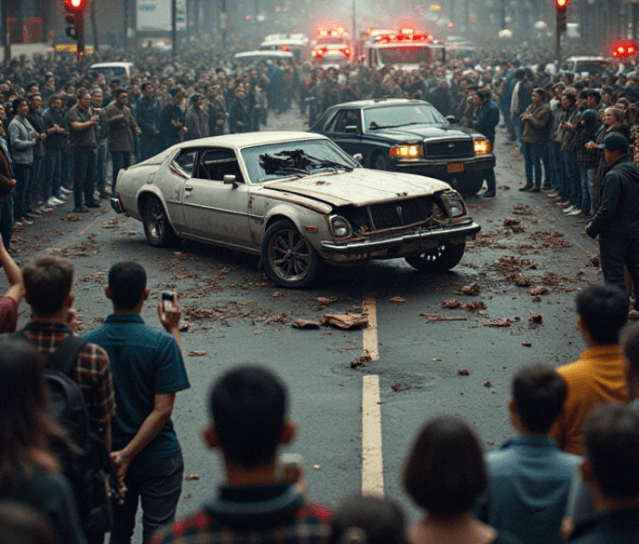
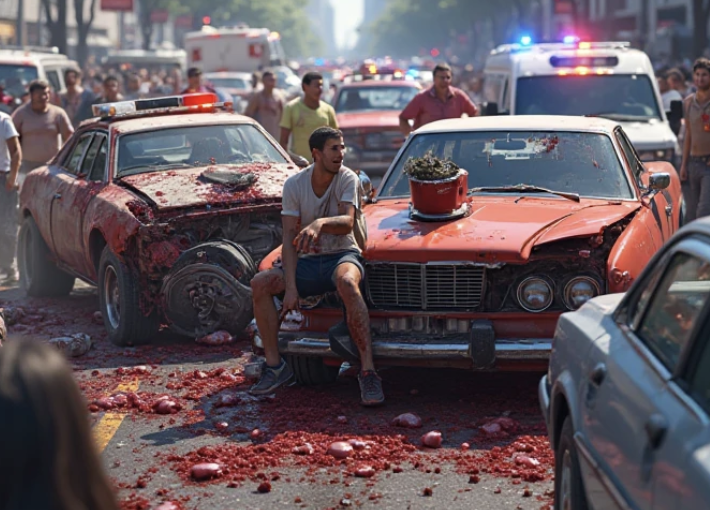
When the Crowd Turns Deadly: How to Survive a Human Stampede

Humans are unpredictable, emotional herd animals, and most people walk around like the world magically keeps itself in order. They stare at their phones, wander into crowds without a second thought, and assume that because a venue has security guards, everything is “under control.”

The rest of us—those who actually pay attention—know that control is an illusion. And a fragile one at that.

Human stampedes aren’t rare freak accidents. They’re a natural outcome of packing too many people into too small a space, mixing in fear, noise, confusion, bad planning, and—my personal favorite—sheer stupidity. If you think that sounds harsh, you haven’t seen people trample each other for a Black Friday discount. Trust me, humans don’t need an emergency to act like panicked cattle.

So let’s talk about how to survive a human stampede, because clearly nobody else is going to protect you. If anything, the average person will push you down without blinking if it means they get three inches forward in the chaos.


Welcome to the Reality Nobody Wants to Admit

Crowd crushes and stampedes happen at concerts, sporting events, religious gatherings, parades, protests, and anywhere else humans gather in numbers large enough to overwhelm their own sense of reason. Most people don’t prepare for things like this because they think:
“It won’t happen to me.”

Yeah—tell that to the countless victims who thought the same before they were knocked over and swept away by a five-ton wave of panicked humanity. If you’re reading this, congratulations—you’re at least thinking about it. That’s step one in surviving anything: awareness.

This article won’t sugarcoat things. If you want a cheerful “stay safe!” pamphlet, go read something printed by an events committee. This is the real version—the version that tells you what to do when the crowd turns into a living bulldozer and you’re stuck in the middle of it.


Step 1: Actually Pay Attention to Your Surroundings

Revolutionary, I know.
But you’d be astonished how many people walk into crowds without even scanning their environment. Before you enter any dense crowd, do what a responsible person should always do:

  • Identify exits, plural. If you only know one way out, congratulations—you’re already a liability to yourself.
  • Note barriers like fences, railings, walls, and stages—these become death traps if the crowd surges.
  • Observe the density. If you can’t raise your arms without hitting someone, you’re in the danger zone.
  • Listen for changes in energy—shouting, pushing, sudden movement, or panic.

If you’re thinking, “Wow, that sounds paranoid,” good. Paranoia is just foresight that hasn’t been appreciated yet.


Step 2: When a Crowd Starts Moving, You Move With It—Or You Die

Remember this: you cannot fight a crowd surge head-on. When thousands of pounds of pressure push in one direction, you’re not going to out-muscle it. You move with the flow, gradually and strategically angling toward the side or an exit.

If you plant your feet thinking you can hold your ground like some heroic movie character, the crowd will crush your ribs into your spine. Don’t be a martyr. Be efficient.

Move diagonally, like a fish cutting through a current. You’re not trying to sprint—you’re trying to escape the pressure zone without falling.


Step 3: Protect Your Chest—It’s the Difference Between Living and Suffocating

Most stampede deaths happen due to compressive asphyxiation, not trampling. That means people get squeezed so hard they literally can’t breathe.

The fix?
Create a protective “box” around your chest using your arms.
Put your forearms horizontally in front of your ribcage, fists near your shoulders, making space for your lungs to expand even when the pressure tightens.

If the crowd squeezes in, this posture could buy you the oxygen you need to stay conscious. Consciousness is what keeps you moving. And movement is what keeps you alive.


Step 4: If You Fall, You Don’t Stay Down

This is the nightmare scenario, but it’s survivable if you act fast. Do not curl into a ball like some brochure will tell you. You’re not a turtle and you will not get “protected.” That advice comes from people who have clearly never experienced a crowd crush.

Instead:

  1. Turn onto your side.
  2. Pull your knees toward your chest.
  3. Use your arms and legs to crawl or roll toward open space.
  4. The second you’re on your feet, don’t celebrate—keep moving.

If people fall on top of you, keep your head protected with one arm and use the other to create space to breathe. Survival is ugly. It’s not graceful. It’s not cinematic. It’s pure determination.


Step 5: Don’t Follow the Crowd—Think Past It

People are lemmings. They follow the person in front of them even when it leads them straight into a bottleneck or a dead-end barrier. You have to think faster than the herd.

Look for:

  • Side exits
  • Gaps in barriers
  • Staff-only doors that open toward safety
  • Open spaces where pressure decreases

People cram themselves into the nearest exit because they’re overwhelmed and scared. You, however, have the advantage of thinking before panic hits. Use it.


Step 6: Know the Early Signs of a Stampede Before It Happens

This is where pessimism is your best friend. You assume things can go wrong so you notice when they start going wrong.

Watch for:

  • People pushing but the crowd can’t move forward (classic crush pattern)
  • A sudden wave-like sway through the crowd
  • Security personnel looking tense or rushing
  • Changes in sound: screaming, shouting, or sudden silence
  • A surge from the back (people trying to move before those in front can)

If you sense any of these, leave.
Don’t wait for instructions. Don’t wait for confirmation. By the time officials announce anything, you’re already behind.


Step 7: Don’t Bring Anything You Aren’t Willing to Lose

This is blunt, but you need both hands free. If you’re weighed down with drinks, merch bags, souvenirs, or your tote full of “essentials,” you’re risking your life.

Your priorities in a crowd emergency are:

  1. Breathing
  2. Balance
  3. Mobility

Everything else is clutter. If something becomes a hazard, drop it. Your phone is replaceable. Your spine is not.


Step 8: Mentally Prepare Before You Ever Step Into a Crowd

This is the part people hate hearing because it requires actual effort. If you want to survive the worst situations, you need to train your mindset ahead of time.

Tell yourself:

  • “If something goes wrong, I will move, not freeze.”
  • “My safety is my responsibility.”
  • “I will not rely on others to think for me.”

Being mentally ready makes you react faster than the crowd. In survival situations, seconds matter. Sometimes they’re all you get.


Final Thoughts from a Pessimistic Prepper

Human stampedes aren’t accidents—they’re the result of human behavior amplified by chaos. People panic. People follow blindly. People shove without thinking. And people assume someone else has a plan.

You’re smarter than that.
You’re reading this because you know the world is unpredictable and that most people sleepwalk through danger.

Survival isn’t luck.
Survival is awareness, preparation, and refusing to be one of the oblivious masses who trust the crowd more than their own instincts.

The world may be messy, reckless, and irresponsible—but you don’t have to be.

Stay alert. Stay sharp. Stay alive.

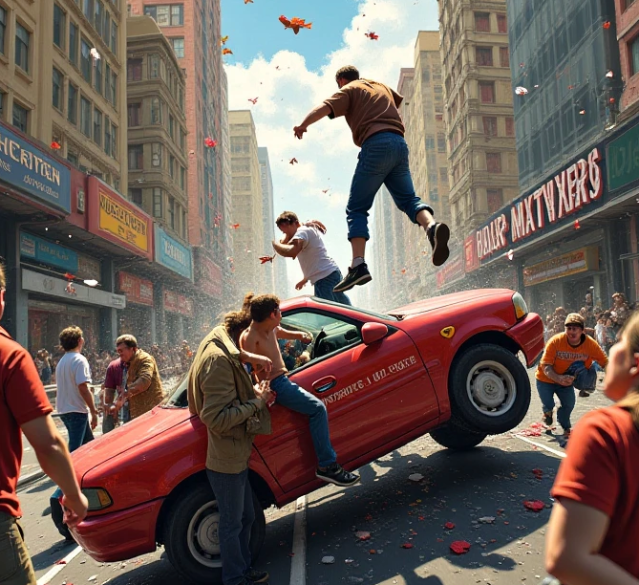
How Not to Die During a Riot in Minnesota

Let’s get this straight: when chaos hits your backyard—whether it’s a protest gone rogue or full-scale urban collapse—you don’t get second chances. Riots are loud, chaotic, fast, and unforgiving. I’ve walked through enough civil unrest zones, from Minneapolis to Atlanta, to know that what saves you isn’t luck or brute strength. It’s preparation, awareness, and controlled aggression.

In this guide, I’ll break down the real skills that’ll keep you alive during a riot in Minnesota—or anywhere else it kicks off. And we’re not talking theoretical fluff here. I’m giving you 8 street-proven self-defense skills and 3 DIY methods to rig up survival weapons if you’re caught empty-handed. You’ll walk away with the mindset of a hardened prepper, not a scared civilian.


🛡️ 8 Self-Defense Skills to Survive a Riot

  1. Situational Awareness (The Most Important Skill)
    Before you even throw a punch or grab a weapon, train your eyes and brain. In a riot, you need 360-degree awareness—who’s moving, who’s armed, where the exits are, where the bottlenecks are. Practice “war-gaming” situations in your head when walking down a street. Anticipate trouble before it explodes.
  2. Verbal De-Escalation
    Not every threat needs to be neutralized with force. Sometimes, the best win is walking away. Learn how to use your tone, body language, and words to defuse aggression. A low voice, non-threatening posture, and firm tone can buy you the seconds you need to slip away.
  3. Palm Heel Strike
    Forget Hollywood punches. The palm heel strike is fast, powerful, and won’t break your knuckles. Aim for the nose, chin, or solar plexus. It’ll stun your attacker and give you the opening to escape.
  4. Elbow Strikes in Close Quarters
    If you’re shoulder-to-shoulder in a dense crowd, fists won’t work. Use elbows—downward, across, or upward strikes. These are short-range power tools for busting jaws and breaking free.
  5. Knee Strikes to Thigh or Groin
    When there’s no space, your knees become battering rams. Slam them into the thigh to deaden the attacker’s leg or go for the groin to drop them instantly.
  6. Escaping Holds
    Whether it’s a bear hug from behind or someone grabbing your arm, learn how to break out. Drop your weight, twist your body, and use leverage. If you train in anything, make it Krav Maga or Brazilian Jiu-Jitsu, which both excel in real-world escapes.
  7. Improvised Weapon Use
    Bottles, pens, belts, keys—learn to use what’s around you. A pen jammed into a neck artery or a belt swung like a flail can buy you time or space. Train with random objects at home. Make it muscle memory.
  8. Team Movement and Buddy Cover
    If you’re with friends or family, never separate. Move like a team. One person watches the rear, another scans forward, the rest guard the flanks. Practice this in your house or yard. During a riot, unity is survival.

🧰 3 DIY Survival Weapon Skills (Urban Guerrilla Edition)

You might find yourself unarmed. You still need to defend. Here’s how to rig up protection on the fly:

1. PVC Pipe Baton

  • Materials: 1.5″ thick PVC pipe, duct tape, sand or nails.
  • Fill the pipe with sand or metal bits, then seal both ends with duct tape. This adds weight and turns it into a club that hits hard.
  • Grip the handle area with paracord or tape for extra traction.
  • Use: Cripples limbs, breaks glass, and fends off attackers in close combat.

2. Tactical Slingshot

  • Materials: Y-shaped branch, rubber tubing (bike inner tube), leather pouch.
  • Carve the branch into a slingshot frame. Tie rubber tubing to the forks, attach leather in the middle. Use stones, ball bearings, or hex nuts as ammo.
  • Use: Long-range defense, distractions, disabling threats from a distance.

3. Canister Mace (Chemical Defense)

  • Materials: Small spray bottle, vinegar, black pepper, hot sauce.
  • Mix ingredients, shake well, and fill a spray bottle.
  • Aim for the eyes and face. It’s non-lethal but incredibly disorienting.
  • Use: Crowd deterrent, escape tool, surprise countermeasure.

🧠 Mental Game: The Unseen Weapon

Weapons and fighting mean nothing without the mindset. You’ve got to decide—before the riot breaks out—that you’re not going to freeze. Train your instincts, rehearse your escape plan, and practice drills in your garage or backyard. The goal isn’t to fight for fun; it’s to neutralize and escape.


📍Minnesota Specific Riot Survival Tips

  1. Know Your City Grid
    Minneapolis and St. Paul have river divides, skyway systems, and alley loops. Use them to vanish fast. Train yourself to know at least three escape routes from any location you frequent.
  2. Avoid Major Intersections
    Riots love to choke traffic and trap civilians in intersections. Use side streets, parks, and bike trails to move unseen.
  3. Cache Supplies
    In riot zones, access to gas, food, and clean water gets cut quick. Store mini survival kits in your car, garage, and backpack. Include: multitool, flashlight, pepper spray, emergency phone charger, protein bars.

🏕️ Final Thoughts from a Seasoned Survivalist

Look—I’m not writing this to scare you. I’m writing this because I’ve seen good people get chewed up in bad situations because they thought it would never happen in their town. Riots move fast and break things, and if you’re not thinking three steps ahead, you’ll be the one on the pavement while others walk away.

Train your body. Train your mind. Learn to use what’s around you. Build your team. Run drills. Think like a predator but act with discipline.

Minnesota isn’t exempt from unrest. If 2020 taught us anything, it’s that even the most peaceful cities can become war zones overnight.

So here’s the mission: Get ready now. Because when the streets go hot, you won’t have time to read a guide.

Survival Seating: Where to Sit When Eating Could Turn Dangerous

Let me ask you something: when you walk into a restaurant, do you just sit down wherever the hostess points like a clueless sheep? If so, you’ve already lost. You’re trusting your safety—your life—to someone whose only qualification is knowing where the ketchup packets are stored.

Wake up.

In a world this unstable, every public place is a potential kill zone, and every meal out could be your last supper if you don’t start thinking tactically. Active shooters, armed robberies, angry exes with vendettas—this isn’t paranoia, it’s pattern recognition. The smart survive. The unaware get turned into news headlines.

Rule #1: Never Sit with Your Back to the Door

I don’t care how good the view is. If your back’s to the entrance, you’re not eating—you’re volunteering to be the first to die. You want eyes on the front door at all times. Know who’s coming, how many of them there are, what they’re carrying, and whether they look nervous, drunk, or dangerous.

Rule #2: Choose Corners and Walls

The safest seats are ones with your back to a solid barrier—a wall, a corner, a column—anything that prevents you from being approached from behind. From there, you have a full view of the space and multiple exit paths. If a threat enters, you’re not caught off guard.

Remember: no wall, no cover. No cover, no chance.

Rule #3: Know Your Exits—All of Them

You should be able to escape within three seconds, without hesitating. That means knowing where the main door is, where the emergency exits are, whether there’s a back kitchen door, and how far you’ll have to run to get to them.

If you sit down without identifying at least two exits, you’re trusting strangers to save you. And that’s suicidal.


15 Survival Skills You Should Use Every Time You Eat Out

Let me drill this into your head. Survival is a mindset. Here are 15 survival skills you need to keep sharp—even at the damn Olive Garden.

  1. Situational Awareness
    Always be scanning. Who’s coming in? What’s in their hands? Are they pacing or loitering? You’re reading body language like a hawk, not reading the menu.
  2. Threat Identification
    Learn the difference between a customer and someone casing the place. Watch their eyes, hands, and posture.
  3. Exit Planning
    Have a primary and backup escape route—always.
  4. Cover vs. Concealment Recognition
    Tables? Concealment. Booths with high backs? Better. Kitchen doors? Possibly cover. Learn the difference and use it.
  5. Improvised Weapon Identification
    That butter knife, wine bottle, or chair leg? Tools, not utensils. If it can be used to strike, block, or distract, it’s a weapon.
  6. Hand-to-Hand Combat Readiness
    Your fists are your last defense. Stay trained and stay dangerous.
  7. Communication and Alerting Others
    Know how to discreetly warn people around you without causing panic.
  8. First Aid & Trauma Care
    Carry a tourniquet. Know how to stop bleeding. You might be patching yourself—or someone else.
  9. Stealth Movement in Crowds
    You need to move fast without drawing attention. Know how to blend in, slip out, and disappear.
  10. Firearm Safety and Awareness
    Even if you’re not carrying, someone else might be. Watch for printing (visible outlines of guns under clothes) and understand line of fire.
  11. Sound Recognition
    One gunshot sounds different from kitchen clatter. You hear a bang, don’t freeze—MOVE.
  12. Calm Under Pressure
    Panic is contagious. Train your mind to stay cool, even when chaos erupts.
  13. Strategic Seating
    Don’t sit near glass, bathrooms, or kitchens (high-traffic, low-control zones). Find a position that controls the space.
  14. Human Shielding (Last Resort)
    It’s ugly. It’s brutal. But in a shootout, distance and obstacles matter. Stay behind cover and move in shadows.
  15. Decisive Action
    The most dangerous person in a crisis is the one who can’t act. If your gut says run, run. Don’t wait for permission.

3 DIY Survival Hacks for Restaurant Safety

1. Create a Pocket “EDC” (Everyday Carry) Survival Kit

You don’t need to lug around a duffel bag of gear to be prepared. Here’s what you should carry in your pockets:

  • A tactical pen (doubles as a striking weapon)
  • Mini flashlight
  • Slim tourniquet (like a SWAT-T)
  • Backup cash, ID, and a credit card knife

With just these items, you can break glass, fight off an attacker, treat a wound, or pay your way out of a lockdown scenario.


2. Turn Your Belt Into a Door Barricade

Let’s say you’re in the bathroom when the shooting starts. You can wedge a belt under or around the door handle to slow down entry. Strap it tightly and reinforce with your foot or body. In many cases, a few seconds of delay can make all the difference. Always wear a real belt, not some weak braided nonsense.


3. DIY Smoke Marker

Got a napkin and a lighter? You’ve got a distraction device. If you’re in a hostage scenario or need to escape without being seen, set fire to a greasy napkin, drop it near a vent or trash bin, and let the smoke draw attention elsewhere. Use the chaos to slip out.


Final Thoughts from a Pissed-Off Prepper

If you’re still reading this and thinking, “This guy’s over the top,” then I’ve got bad news for you. You’re not ready.

Being situationally aware in a restaurant isn’t crazy—it’s common sense. It’s not about fear, it’s about control. You don’t walk into a room and surrender your life to the floor plan. You analyze. You position. You survive.

Because when it all goes down—when the first scream hits the air or the first glass shatters—your instincts will be all you have left.

And I’d rather be a paranoid survivor than a trusting corpse.

The Safest Seats in a Movie Theatre During an Emergency

Let me guess—you think the movie theatre is a place to relax, check your phone, drown in popcorn, and escape reality for two hours. WRONG. That kind of soft, head-in-the-sand thinking will get you dead. If you walk into any enclosed public space—like a movie theatre—without knowing your exits, your cover options, and your defensive posture, you’ve already lost.

I’m not here to scare you. I’m here to wake you up.

Emergency situations—including active shooters, fires, structural collapse, or crowd panic—can and DO happen in theatres. You don’t get to control if it happens, but you sure as hell can control how prepared you are.

Let’s talk about where to sit—and how to think—so you walk out alive if it all goes to hell.


🎯 First Rule of Survival: Get Your Head on a Swivel

Complacency kills. That’s not a catchphrase. That’s a fact. If you’re walking into a theatre with your eyes glued to your phone and your AirPods in, you’re a liability to yourself and everyone around you. Situational awareness is your best friend. Act like it.


🪑 Where to Sit: The Only Seats That Make Sense

🔻Back Row, Aisle Seat (Exit Side)

This is your throne. You’ve got your back to the wall, a full view of the audience, and quick access to the exit. You’re not boxed in, and nobody can sneak up behind you. In a threat scenario, this position allows observation, escape, and even ambush if needed.

🔻Mid-Theatre, Aisle Seat Near Emergency Exit

If the back row is full or doesn’t exist, go for an aisle seat in the mid-section, near the emergency doors. Not only can you GTFO fast, but you can also drag others with you if you’re trained and willing.

🚫Avoid:

  • Dead center of the theatre. You’ll be trapped like a rat in a maze.
  • Front rows. Limited view, slow to react, you’re first in the line of fire if anything comes in from the front.
  • Middle of any row. Slows your escape. You’ll be crawling over weaklings frozen in fear.

🎒15 Survival Movie Theatre Skills You Need to Master

  1. Situational Awareness Drills
    Clock every exit. Watch people. Spot the loners. Recognize body language that says “I’m about to snap.”
  2. Pathfinding Under Pressure
    Know multiple paths to the exit, including crawling routes under seats.
  3. Use of Improvised Cover
    Seats, trash cans, stair rails—use anything to shield yourself or others from line of sight.
  4. Low Light Navigation
    Memorize your seat path on the way in. Phones might not work when panic breaks out.
  5. Rapid Exit Without Causing Stampede
    Move fast but smart. Yelling “FIRE!” creates chaos. Lead by example, not hysteria.
  6. Hand-to-Hand Combat in Tight Spaces
    If you’re trained, be ready. Tight quarters mean elbows, knees, and improvised weapons.
  7. Self-Tourniquet Application
    Bleeding out from a leg wound in row 8 is preventable—if you practiced.
  8. People Herding
    Can you calm the people around you and move them fast? That’s leadership.
  9. Improvised Weapon Use
    Belt buckles, keys, flashlight, or your damn soda cup lid—anything can be a weapon.
  10. Silent Communication
    Finger-pointing, hand signals. Talking makes noise. Learn quiet teamwork.
  11. Quick Inventory Assessment
    What do you have on you that’s useful? What does your group have? Check mentally.
  12. Cover vs. Concealment Differentiation
    A movie seat hides you. It doesn’t stop bullets. Learn the damn difference.
  13. Emergency Aid for Strangers
    CPR, pressure bandaging, or at least dragging someone out who’s frozen.
  14. Panic Response Control
    You can’t help anyone if you’re screaming. Train your breath, train your mind.
  15. Exit Dominance
    If you’re first to the door, secure it. Don’t let others funnel you into a worse situation.

🔧3 DIY Survival Theatre Hacks

1. The Tactical Popcorn Bucket

Line your popcorn bucket with a folded mylar blanket, a tourniquet, mini flashlight, and earplugs. It looks innocent, but you’ve just smuggled a micro go-bag past security. Boom.

2. Shoelace Rescue Tool

Your laces? Not just for fashion. Use them to tie off wounds, trip hazards, or as hand ties if someone’s a threat. Paracord shoelaces? Even better.

3. The Jacket Decoy

Leave your jacket on a seat as a decoy if you’re being hunted or followed. Gives them a false lead. Bonus: heavy jackets can also act as low-level cover or distraction tools if thrown.


💣What You’re Up Against

Let’s be blunt: active shooters go for soft targets, and theatres are prime real estate. Dark, loud, distracted people. That’s candyland for a psycho. You’ve got seconds to react, and your training—or lack of it—makes the difference.

Most people freeze. You? You don’t get that luxury. You move. You assess. You lead. Or at least, you get the hell out without making it someone else’s job to drag you.


🧠Mindset Is Survival

The average American has lost the survival instinct. Spoiled by climate control and delivery apps, they’ve forgotten that danger doesn’t care how comfortable you are. If you think I’m being “paranoid,” good. That means you’re still soft. Harden up.

There’s a difference between living in fear and living with awareness. You can eat your popcorn and still be watching those exit doors. You can enjoy a film and still plan the path out. It’s not paranoia. It’s preparedness.


🔚Final Word

If you remember one thing, remember this: You’re your own first responder.

In the time it takes law enforcement to breach the building, identify the threat, and reach you, you’ll either be:

  • Alive and helping others,
  • Crawling and bleeding, or
  • A damn statistic.

Choose. Train. Sit smart. Be ready.

You don’t get to schedule emergencies—but you sure as hell get to be prepared for them.


Prepping on Autopilot: Unlocking the Power of Muscle Memory

Prepping on Autopilot: Unlocking the Power of Muscle Memory

As survivalists, we understand that in a crisis, hesitation can be fatal. The difference between life and death often comes down to how quickly and effectively we can respond to threats. This is where muscle memory becomes invaluable. By training our bodies to react instinctively, we can perform critical tasks without conscious thought, allowing us to focus on strategy and adaptation.


What Is Muscle Memory?

Muscle memory refers to the ability to perform movements without conscious thought, developed through repetition and practice. It’s a form of procedural memory, where the brain stores motor tasks, enabling quick and efficient execution under pressure. In survival situations, this means being able to handle weapons, navigate terrain, or administer first aid without having to deliberate on each action.


10 Survival Prepper Tips to Build and Utilize Muscle Memory

  1. Start Slow and Deliberate Begin with slow, controlled movements to ensure proper technique. Rushing through exercises can reinforce bad habits. For instance, when practicing firearm handling, focus on smooth draws and accurate aiming before increasing speed.
  2. Consistent Practice Regular repetition is key to developing muscle memory. Set aside time each day to practice essential skills, such as shelter building or fire starting, to reinforce these actions until they become second nature.
  3. Mental Rehearsal Visualization can enhance muscle memory. Mentally rehearse tasks like navigating a map or performing CPR. This mental practice activates the same neural pathways as physical practice, strengthening your ability to perform under stress.
  4. Vary Your Training Conditions Practice skills in different environments and scenarios. This variability prevents your body from becoming too accustomed to a single routine, ensuring adaptability in real-world situations.
  5. Focus on Quality, Not Quantity It’s more effective to practice a skill correctly a few times than to perform it incorrectly numerous times. Pay attention to detail and form to build accurate muscle memory.
  6. Use Dry Runs Perform tasks without equipment to simulate real conditions. For example, practice setting up a tent without using the actual tent to familiarize yourself with the process and identify potential issues.
  7. Teach Others Teaching a skill reinforces your own understanding and proficiency. Share your knowledge with fellow preppers to solidify your muscle memory and build a stronger community.
  8. Incorporate Stress Drills Simulate stressful conditions to train your body to perform under pressure. This could include timed tasks or scenarios with distractions, helping you maintain focus during emergencies.
  9. Track Your Progress Keep a log of your training sessions, noting improvements and areas needing attention. Regularly reviewing your progress can highlight patterns and guide your practice sessions.
  10. Rest and Recovery Adequate rest is essential for muscle recovery and memory consolidation. Ensure you’re getting enough sleep and taking breaks between intense training sessions to allow your body to heal and retain information.

The Importance of Muscle Memory in Survival Situations

In survival scenarios, time is often limited, and decisions must be made swiftly. Muscle memory allows you to perform necessary tasks efficiently, without the need for conscious thought. Whether it’s defending your home, navigating through the wilderness, or providing first aid, having these skills ingrained can be the difference between survival and failure.


Training Tips for Specific Survival Skills

  • Firearm Handling: Practice drawing and aiming your weapon in various positions and scenarios to ensure quick and accurate responses.
  • First Aid: Regularly perform CPR and other first aid procedures on mannequins or dummies to build confidence and proficiency.
  • Navigation: Use a map and compass to navigate different terrains, simulating real-world conditions to enhance your orientation skills.
  • Shelter Building: Practice constructing shelters using natural materials to become proficient in creating safe havens in the wild.
  • Water Procurement: Learn and practice methods of collecting and purifying water from various sources to ensure access to clean drinking water.

Conclusion

Building muscle memory is an investment in your survival. By training your body to perform essential tasks automatically, you free up mental resources to focus on strategy and adaptation. Remember, in a crisis, your body will do what you’ve trained it to do. Make sure that training prepares you for success.

Stay vigilant, stay prepared, and let muscle memory be your ally in the face of adversity.