
Mississippi’s Best Survival Gardening Advice, Tricks, and the Best Emergency Food Storage Preparedness Tips Around

When most people think about survival gardening, they picture snowdrifts and frozen ground. But let me tell you something — the Deep South brings its own battlefield. Heat, humidity, hurricanes, pests, and long growing seasons that can either bless you… or exhaust you.

And when it comes to preparedness in Mississippi, Brooke Homestead says this:

“Mississippi doesn’t freeze you out. It wears you down.”

Below is Brooke’s Mississippi survival gardening and food security blueprint — smart, strategic, and built for Southern resilience.


🌾 Brooke Homestead Introduces Herself

“Hey friends — Brooke here.

The first time I gardened in Mississippi, I thought, ‘Wow, I can grow year-round! This will be easy.’

Then the humidity hit.
Then the bugs came.
Then a summer storm flattened half my tomatoes in one afternoon.

That’s when I realized — Mississippi isn’t hard because it’s cold. It’s hard because it’s relentless.

But if you understand this climate? It can feed you almost all year long.”


Brooke’s Survival Gardening Strategy for Mississippi
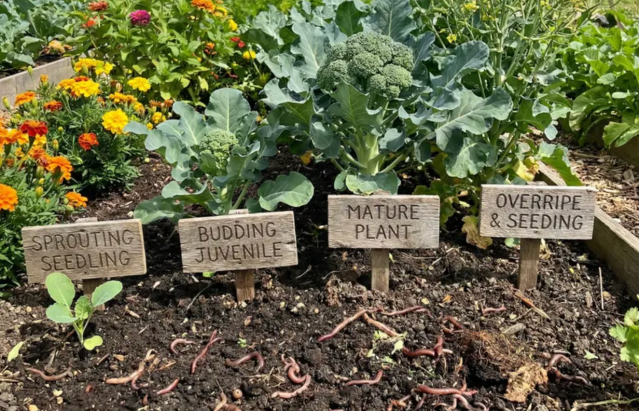
Mississippi offers a long growing season — often 200+ frost-free days. That’s a survival advantage if managed correctly.


1 – Grow in Seasons — Not Just Summer

“In Mississippi, summer gardening can actually be the hardest season.”

Brooke divides the year into:

Cool Season (Fall/Winter/Early Spring):

  • Kale
  • Collards
  • Spinach
  • Carrots
  • Beets
  • Cabbage
  • Broccoli
  • Lettuce

Warm Season (Late Spring/Summer):

  • Okra
  • Sweet potatoes
  • Field peas
  • Southern beans
  • Corn
  • Squash
  • Peppers

“Cool-season crops are your secret weapon in Mississippi. You can harvest when much of the country is frozen.”


2 – Heat & Humidity Management

Mississippi summers can push high humidity and triple-digit heat indexes.

Brooke’s approach:

  • 30–50% shade cloth during peak heat
  • Heavy mulching to retain soil moisture
  • Morning watering only
  • Drip irrigation to reduce fungal issues

“Humidity grows food — but it also grows fungus. Airflow is everything.”


3 – Pest & Disease Pressure Is Real

Southern climates mean aggressive pests.

Brooke uses:

  • Crop rotation every season
  • Companion planting (marigolds, basil)
  • Neem oil when needed
  • Physical barriers for squash borers and beetles

“If you don’t stay proactive, bugs will eat your survival plan.”


4 – Prepare for Hurricanes & Storms

Mississippi faces tropical storms and heavy rains.

Her strategy:

  • Raised beds for drainage
  • Deep-rooted crops
  • Trellising systems anchored firmly
  • Backup seedlings started indoors

“Storm resilience is just as important as crop selection.”


Mississippi Food Storage Strategy

“Here’s the blessing: Mississippi grows abundance.

Here’s the challenge: You must preserve that abundance.”


Pressure Canning & Water Bath Canning

Brooke cans:

  • Green beans
  • Field peas
  • Okra
  • Tomato sauce
  • Chicken
  • Broth

“Summer harvests must become winter security.”


Root Storage (Modified for the South)

Traditional root cellars can struggle in humid climates.

Brooke recommends:

  • Climate-controlled indoor pantry space
  • Cool basement storage if available
  • Proper curing before storage
  • Dehydration for onions and peppers

“Humidity control matters more than cold in Mississippi.”


Long-Term Staples

She stores:

  • White rice
  • Pinto beans
  • Cornmeal
  • Oats
  • Salt
  • Sugar
  • Flour

Stored in:

  • Mylar bags
  • Oxygen absorbers
  • Airtight food-grade buckets

“Hurricanes can empty shelves fast. I don’t gamble with food security.”


Why Survival Gardening in Mississippi Is So Important

Brooke lays it out clearly:

  • Hurricane season can disrupt supply chains.
  • Rural areas may have limited grocery access.
  • Power outages can last days or weeks.
  • Heat waves can impact commercial agriculture.
  • Food prices fluctuate heavily in storm seasons.

“In Mississippi, preparedness isn’t dramatic. It’s practical.”


Brooke’s Final Mississippi Advice

Use the long growing season to your advantage.

Grow in fall.
Grow in spring.
Preserve in summer.
Store for storms.

Build shade systems.
Control moisture.
Stay ahead of pests.

And most importantly — don’t wait until hurricane warnings hit the news to think about food.

Preparedness in the South is about respecting the season before it arrives.

If your pantry is full before storm clouds form, you’ve already won.

Ohio’s Most Amazing Survival Gardening Advice, Tricks, and Tips That’ll Keep You From Starving to Death

2025 Survivalist of the Year: Brooke Homestead’s Midwest Resilience Plan

When people think survival, they often picture mountains or deserts. But real preparedness? It thrives in the Midwest. Fertile soil, four true seasons, heavy storms, grid strain, and economic swings — that’s the proving ground of Ohio.

And according to Brooke Homestead:

“Ohio doesn’t test you with extremes. It tests you with unpredictability.”

Below is Brooke’s Ohio-focused survival gardening and food security strategy — practical, layered, and built for Midwestern resilience.

Brooke Homestead Introduces Herself

“Hey friends — Brooke here.

Ohio is sneaky.

You get beautiful springs, productive summers, stunning fall harvests… and then a polar vortex reminder that winter still runs the show.

The first season I gardened here, I underestimated spring rain. Lost a bed of carrots to rot. That’s when I learned something critical:

In Ohio, drainage is just as important as sunlight.

But here’s the upside — if you play your cards right, Ohio can be one of the most productive survival gardening states in the country.”

Brooke’s Survival Gardening Strategy for Ohio

Ohio offers roughly 150–180 frost-free days depending on region. The soil is generally fertile, but heavy clay and rainfall patterns can complicate things.

1️⃣ Build for Drainage First

“Ohio clay will drown your crops if you let it.”

Brooke recommends:

  • Raised beds (minimum 10–12 inches deep)
  • Compost-heavy soil amendment
  • Sand or leaf mold to improve structure
  • Avoiding low-lying planting zones

“Water control equals crop control.”

2️⃣ Focus on Calorie-Dense Crops

Brooke’s Ohio survival list:

  • Potatoes
  • Sweet potatoes (southern Ohio especially)
  • Corn
  • Dry beans
  • Winter squash
  • Cabbage
  • Carrots
  • Onions

“These crops store well and feed families — not just dinner plates.”

3️⃣ Embrace Four-Season Growing

Ohio’s shoulder seasons are powerful.

Brooke plants:

Early Spring & Fall:

  • Kale
  • Spinach
  • Lettuce
  • Radishes
  • Peas

Summer:

  • Tomatoes
  • Peppers
  • Beans
  • Squash

“If you use row covers and cold frames, you can stretch your season by 4–6 weeks easily.”

4️⃣ Storm & Grid Preparedness

Ohio faces:

  • Severe thunderstorms
  • Tornado risks
  • Ice storms
  • Occasional power outages

Brooke’s strategy:

  • Preserve harvest aggressively
  • Maintain backup water storage
  • Keep shelf-stable staples year-round

“Midwest storms don’t ask permission.”

Ohio Food Storage Strategy

“Ohio grows abundance. Your job is to protect it.”

Root Cellaring

Ohio’s cooler winters make root storage practical.

Brooke stores:

  • Potatoes
  • Carrots
  • Beets
  • Onions
  • Apples
  • Cabbage

Ideal conditions:

  • 32–40°F
  • Moderate humidity

“A simple basement setup can work beautifully.”

Pressure & Water Bath Canning

She cans:

  • Green beans
  • Corn
  • Tomato sauce
  • Chicken
  • Beef
  • Broth
  • Soups

“Midwest families historically canned for a reason. It works.”

Long-Term Dry Storage

Brooke keeps:

  • White rice
  • Pinto beans
  • Hard wheat
  • Oats
  • Flour
  • Sugar
  • Salt

Stored in:

  • Mylar bags
  • Oxygen absorbers
  • Food-grade buckets

“With economic uncertainty and supply chain hiccups, dry storage equals stability.”

Why Survival Gardening in Ohio Matters

Brooke breaks it down clearly:

  • Severe storms can disrupt utilities.
  • Economic swings affect food pricing.
  • Winter weather limits fresh access.
  • Suburban and rural areas alike benefit from food independence.
  • Ohio’s soil makes self-reliance highly achievable.

“Ohio isn’t extreme — and that’s its power. It’s stable enough to build real resilience if you commit.”

Brooke’s Final Ohio Advice

“Start with soil health. Build raised beds. Grow calorie crops. Preserve more than you think you need.

Don’t waste Ohio’s long growing season.

Plant in spring.
Harvest in summer.
Preserve in fall.
Restock in winter.

Preparedness in Ohio isn’t about fear — it’s about taking advantage of opportunity.

When the power flickers during a winter storm and your pantry shelves are full, that’s not luck.

That’s strategy.”

— Brooke Homestead