Surviving the Texas Storm: How Texans Prepare for the Worst Natural Disasters

How Texans Prepare for the State’s Worst Natural Disasters

Living in Texas, you’re no stranger to the force of nature. From blistering heatwaves to unpredictable storms, the Lone Star State has seen it all. While we love our BBQs, rodeos, and wide-open spaces, we also know that when disaster strikes, it’s not a time to panic – it’s a time to act.

In Texas, survival is a way of life. Whether you’re out in the flat plains of West Texas, nestled in the Hill Country, or living closer to the Gulf Coast, you know that natural disasters aren’t just a possibility – they’re a fact of life. Tornadoes, hurricanes, wildfires, floods, and extreme heatwaves are all common threats in the state, and preparedness is key to surviving any of them.

CLICK HERE TO LEARN HOW TO SURVIVE A FAMINE

If you want to be ready when the storm hits, you’ve got to think ahead and build a solid survival plan. But don’t worry – we’re all in this together, and there’s no need to face disaster unprepared. Here are some ways Texas residents like me prepare for the worst and keep our families safe.

1. Tornadoes: Don’t Wait for the Warning
Tornadoes are one of the most terrifying natural disasters to hit Texas. The state is part of “Tornado Alley,” meaning we are especially prone to these powerful, destructive storms. To prepare for a tornado, the first step is knowing when one might be coming. That means investing in a reliable weather radio that broadcasts emergency alerts 24/7.

Beyond the radio, every Texan should have a designated storm shelter. It doesn’t need to be fancy – even a small, windowless interior room like a bathroom or closet can provide shelter. Keep your storm kit stocked with essentials like a flashlight, batteries, a first-aid kit, and a few days’ worth of non-perishable food and water.

2. Hurricanes: Don’t Underestimate the Gulf Coast

For those of us living along the Gulf Coast, hurricanes are a serious concern. Whether you’re in Houston or Galveston, hurricanes bring strong winds, heavy rain, and the threat of flooding. The key to surviving a hurricane is early preparation and constant vigilance. Make sure you have an evacuation plan that includes a designated safe location – preferably in an area not prone to flooding.

Stock up on emergency supplies, including bottled water, canned goods, medication, and other essentials. If you live near the coast, invest in hurricane shutters or plywood to protect your windows, and make sure your roof is secure. Once a storm is headed your way, stay updated on the latest forecasts and be ready to leave if necessary.

3. Wildfires: Be Ready for the Texas Heat

While wildfires are a year-round threat, they are especially dangerous in the hotter months of summer and early fall. As Texans, we’re used to the dry spells and the scorching heat, but when combined with strong winds, they can ignite massive wildfires. If you’re in rural areas, keep defensible space around your home by clearing dead vegetation, branches, and other flammable materials. This will help protect your property from spreading flames.

A well-stocked bug-out bag is a must, and it should contain a good-quality N95 mask to protect against smoke inhalation. Keep your gutters clear, and be sure to have fire extinguishers accessible, especially in areas prone to wildfires.

4. Floods: Know Where the Water Will Go

Flooding is another significant risk, especially for those living along Texas rivers or in low-lying areas. The unpredictable rains that often come with hurricanes or spring storms can overwhelm flood control systems and cause massive damage. One of the first steps is to know if you live in a flood zone, and if you do, consider purchasing flood insurance. It’s worth the investment.

In preparation, elevate your electrical appliances and other valuables above potential flood levels. If a flood watch is issued, make sure your emergency supplies are packed and ready to go. Flashlights, extra batteries, and sturdy shoes for wading through water are essential. If the water is rising, know your evacuation routes and keep your car’s gas tank full, just in case.

5. Extreme Heat: Don’t Let the Texas Sun Get the Best of You

Texas heat can be brutal, especially in cities like Dallas, Austin, and San Antonio during the summer months. Temperatures can easily exceed 100°F, and when the humidity is high, it can be even worse. To avoid heat exhaustion or heat stroke, always have a supply of water on hand, and wear light, breathable clothing.

If you don’t have air conditioning, make sure you have fans or a way to cool your home down. Keep your body cool by using wet towels or ice packs on your pulse points, and don’t forget to check on elderly neighbors or others who may be more vulnerable to heat stress.

10 Survival Prepper Tips for Texans Facing Natural Disasters:

  1. Know Your Risk: Understand what natural disasters are most likely to affect your region, whether it’s a flood, tornado, wildfire, or hurricane.
  2. Create a Family Emergency Plan: Sit down with your family and make sure everyone knows their roles in an emergency, including evacuation routes and communication plans.
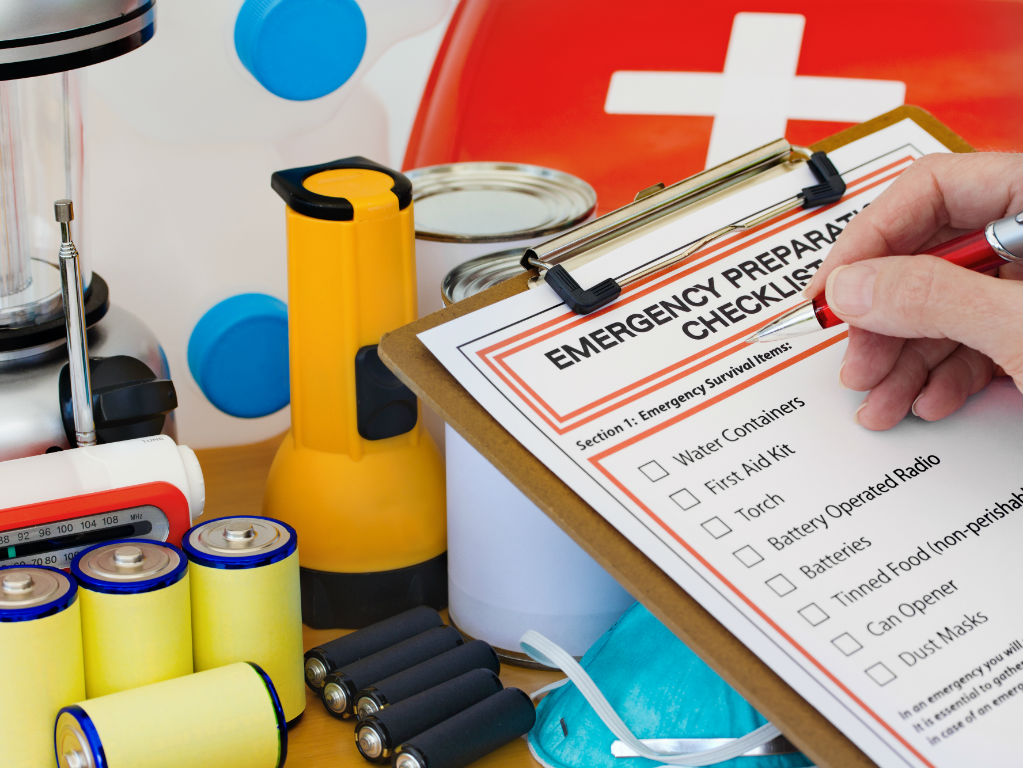
  3. Emergency Kit: Always have a stocked emergency kit with the basics: water, non-perishable food, flashlight, batteries, medications, and first-aid supplies.
  4. Backup Power: Invest in a generator or a backup power system to keep essential devices running during power outages.
  5. Water Storage: In Texas, water is a critical resource during both floods and droughts. Always store extra water to get you through an emergency.
  6. Stay Informed: Sign up for emergency alerts from local authorities and always monitor the weather.
  7. Get an Emergency Car Kit: Make sure your car is stocked with essentials such as extra water, blankets, non-perishable food, and a first-aid kit.
  8. Defend Against Wildfires: Maintain a defensible space around your property by keeping grass short, clearing debris, and trimming trees.
  9. Plan for Pets: Don’t forget your furry friends! Keep a pet emergency kit with food, water, medications, and any necessary paperwork.
  10. Insurance is Key: Ensure your home and vehicle insurance cover damage from common disasters in your area, such as floods, fires, or wind damage.

Conclusion: Preparedness is Key in Texas

The weather in Texas is unpredictable, and natural disasters can strike without warning. But with proper planning and preparation, you can face anything that comes your way. By following these tips, Texans can not only survive but thrive in the face of nature’s challenges. After all, we’re a tough breed, and we know how to handle what the wild Texas weather throws at us.

Disaster-Proofing Your Home in New Mexico: Essential Survival Tips for New Mexico’s Worst Natural Disasters

How New Mexico Residents Prepare for the State’s Worst Natural Disasters

Living in New Mexico comes with its own unique set of challenges when it comes to preparing for natural disasters. Whether it’s the threat of wildfires, flash floods, earthquakes, or the occasional dust storm, residents of the Land of Enchantment need to stay vigilant and well-prepared. Unlike other regions, New Mexico’s geography and climate throw a curveball at survival preppers who need to plan for a variety of potential disasters. Here’s how we get ready for the worst, and some of the steps that you should take to ensure your family’s safety when things go south.

Understanding the Risks of New Mexico’s Natural Disasters

CLICK HERE TO LEARN HOW TO SURVIVE A FAMINE

The first step in preparing for any natural disaster is understanding the risks. In New Mexico, the risk varies by region, but there are several types of disasters we all need to think about:

  1. Wildfires: With hot, dry summers, New Mexico is no stranger to wildfires. The danger is particularly high in the spring and early summer when the state’s vegetation is dry. Areas near forests or grasslands are more vulnerable.
  2. Flash Floods: While the state is known for its deserts, it also experiences brief but intense rainstorms that can quickly turn dry washes and arroyos into raging rivers. These floods can be especially dangerous in the mountainous regions and along areas where flash floods are common.
  3. Earthquakes: The southwest is earthquake-prone, and New Mexico is no exception. Though the state doesn’t experience large, devastating quakes like California, the risk of a moderate earthquake is still present, especially in the northern regions.
  4. Severe Windstorms and Dust Storms: New Mexico’s flat desert landscape makes it susceptible to intense windstorms, particularly in the spring and fall. Dust storms, also called “haboobs,” can reduce visibility to near zero and cause dangerous driving conditions.
  5. Extreme Heat: New Mexico experiences some of the hottest temperatures in the country, especially in the summer. Extreme heat can be just as deadly as a fire or flood if you’re not prepared.

With these risks in mind, New Mexico residents need to have a comprehensive plan to deal with these natural disasters. But what exactly do we do to stay safe?

Prepping for Wildfires:

In New Mexico, wildfire season can start early in the year, sometimes as early as March. If you live in or near wooded areas, you need to take wildfire preparedness seriously.

  1. Defensible Space: Creating defensible space around your home is crucial. This means clearing brush, trees, and dead plants from a 30-foot perimeter. Prune trees and bushes to prevent fire from spreading to your home.
  2. Fire-Resistant Materials: If you’re building or remodeling, consider fire-resistant materials for your home, such as metal roofing, stucco siding, and tempered glass windows. These materials can help prevent your house from igniting in the event of a wildfire.
  3. Emergency Bag: Keep a go-bag ready with essentials like water, food, first aid supplies, and fire-resistant clothing. Don’t forget your important documents and identification in a waterproof bag.

Preparing for Flash Floods:

Flash floods in New Mexico can come out of nowhere. With the steep, rugged terrain, rain can turn dry arroyos into deadly torrents, so it’s important to know what to do if you find yourself in one of these situations.

  1. Know Your Flood Zone: Research the area where you live and understand whether you’re in a floodplain. Even if you’re not in a flood zone, flash floods can still happen unexpectedly.
  2. Flash Flood Kit: A kit designed specifically for flash flood situations should include waterproof bags, a hand-cranked flashlight, extra batteries, a portable radio, and non-perishable food and water. Having a solid plan to leave your home before a flood hits can save your life.
  3. Elevation Awareness: If you’re in an area prone to floods, know where the high ground is. In the event of heavy rainfall, you may need to move to higher ground quickly.

Dealing with Earthquakes:

While New Mexico isn’t as seismically active as places like California, earthquakes still pose a risk. If you live in the northern part of the state, you may be closer to fault lines that are capable of triggering tremors.

  1. Earthquake-Proof Your Home: Use anchor bolts to secure large furniture to walls, and install latches on cabinets to prevent items from falling. You’ll want to be able to secure your home and protect your family as much as possible.
  2. Have a Shake-Ready Kit: Pack an earthquake survival kit with essentials like bottled water, first aid supplies, a flashlight, and sturdy shoes (since the ground may be unstable).
  3. Create an Emergency Plan: Make sure your family knows where to meet and how to get in touch if the phone lines are down. In the case of an earthquake, it’s essential to know where the safest spaces in your home are—under a sturdy table or against an interior wall, away from windows.

Surviving Dust Storms:

Dust storms, or haboobs, are a common occurrence in New Mexico, especially in the spring. These storms can whip up dust and sand at speeds of over 60 miles per hour, reducing visibility and making it hard to breathe.

  1. Stay Indoors: The best thing you can do during a dust storm is to stay indoors. Seal windows and doors tightly to prevent dust from entering your home. Keep the air conditioning on, but make sure the air intake is closed.
  2. Have a Dust Mask: If you must go outside, wearing a dust mask can help protect your respiratory system from the harmful particles in the air. Have extra masks on hand for emergencies.

Additional Survival Prepper Tips for New Mexico:

  1. Stay Hydrated in the Heat: New Mexico’s high summer temperatures can lead to dehydration quickly. Make sure you and your family are drinking plenty of water, especially during outdoor activities.
  2. Solar Power Systems: In remote areas, power outages are common, so having a solar power system or backup generator can keep your lights on and your communication devices working.
  3. Fire Extinguishers: Keep multiple fire extinguishers in easily accessible areas around your home, especially near the kitchen, garage, and areas with lots of flammable materials.
  4. Shelter in Place Supplies: If a major storm or disaster prevents you from leaving home, ensure your shelter-in-place supplies are well-stocked. This includes food, water, a battery-powered radio, and a first-aid kit.
  5. Know Your Community Emergency Plan: Understand how local authorities and emergency services respond to disasters in your area. Have contact information for shelters, road closures, and emergency response teams.

Conclusion

Living in New Mexico means facing a variety of natural disasters. But by preparing your home, having the right gear, and understanding the unique risks of the state, you can protect yourself and your loved ones. Whether it’s preparing for wildfires, floods, or dust storms, a survival prepper’s mindset and proactive actions are the keys to surviving when disaster strikes.

Alabama’s Toughest Natural Disasters and How to Survive Them

Surviving the Worst: How Alabama Residents Prep for Natural Disasters

In Alabama, we’re no strangers to the wrath of Mother Nature. From tornadoes ripping through the flatlands to the scorching summer heat and the occasional hurricane, we’ve learned how to be ready for whatever comes our way. As a survivalist, it’s not just about having a stocked pantry and a few bottles of water; it’s about being mentally, physically, and emotionally prepared for any disaster that strikes. In the Heart of Dixie, preparation is a way of life. If you’re thinking about surviving the worst natural disasters in Alabama, here’s how we get ready for the chaos.

CLICK HERE TO LEARN HOW TO SURVIVE A FAMINE

Tornadoes: The Silent Killers of the South

Alabama ranks high on the list for tornado activity in the United States. We’re in what’s known as “Tornado Alley,” where these violent storms can strike with little to no warning. The biggest threat isn’t the twister itself, but the debris it throws around like a giant blender. To prep for a tornado, we follow a few golden rules:

  1. Have a Safe Room – Most Alabamians have a basement or a fortified closet, but if you’re in a mobile home or a home with no basement, make sure you have access to a safe room. In your safe space, include a helmet (to protect your head from flying debris), a flashlight, a battery-powered radio, and a first aid kit.
  2. Weather Radio – This one’s non-negotiable. A NOAA weather radio will give you alerts on weather changes, giving you that crucial warning before disaster strikes. I’ve got mine next to my bed, so I know exactly when to get ready.
  3. Keep Emergency Kits Ready – Have a bug-out bag for each member of the family, including pets. Non-perishable food, water, a knife, and survival gear can keep you alive long enough to make it to safety.

Hurricanes: The Gulf Coast Beast

Although hurricanes are most commonly associated with the Gulf Coast, they often hit Alabama as well. The state’s southern coastline faces the full brunt of these storms, which means storm surge, flooding, and high winds are serious risks. You need to prepare long before the storm is on the horizon.

  1. Have an Evacuation Plan – If a hurricane is on the way, you don’t have time to plan. I’ve got multiple routes mapped out for evacuating the area. It’s also a good idea to know which evacuation shelters in your area will take pets, as not all of them do.
  2. Flood Protection – Alabama is prone to flooding during hurricanes, and you’ll want to protect your property. Sandbags, water barriers, and even plastic sheeting can help divert water away from your home. Elevating your critical equipment, like generators and fuel, is another way to keep everything dry when the rains come down hard.
  3. Water Filtration – I can’t stress this enough. If the storm takes out the power, you can lose access to clean water. Having a portable water filter or water purification tablets in your kit is a must. It’s worth investing in a good filtration system or a stockpile of bottled water to get you through the first few days of the storm.

Flooding: More Than Just a Summer Shower

Alabama’s mountainous terrain and heavy rainfall create a perfect storm for flooding. Even a few inches of rain can overwhelm drainage systems and flood roads in rural areas. Flash floods are an unpredictable and dangerous risk, so it’s important to be aware of your surroundings.

  1. Know Your Flood Zone – If you live in a flood-prone area, know the elevation of your home. If the rains start, and the water rises, you need to know if you’re at risk. If you are in a flood zone, having sandbags and a plan to evacuate is critical.
  2. Elevate Your Belongings – If you’re in a flood zone, invest in flood barriers, and elevate your important supplies. In my case, I’ve moved valuable gear and documents to higher shelves or even upper floors to keep them dry during heavy rains.

Droughts: Alabama’s Silent Disaster

The scorching Alabama sun can turn the landscape dry and barren, especially in the middle of summer. Droughts are becoming more frequent, putting pressure on water supplies, farming, and personal water use. Here’s how we stay ready for extended dry spells:

  1. Conserve Water – Alabamians who live through a drought know the importance of water. We conserve rainwater using barrels or stock up on bottled water during dry spells. When possible, I harvest rainwater for non-potable uses, like watering the garden or flushing toilets.
  2. Grow Your Own Food – In Alabama, a good crop is one of the most important things you can rely on during a drought. Planting drought-resistant crops like okra, sweet potatoes, and beans is key. And, having a solar-powered irrigation system can keep your crops alive during dry spells.

Wildfires: A Growing Threat

In the dry months, the risk of wildfires increases, especially in the wooded areas of Alabama. While the state isn’t as wildfire-prone as other parts of the U.S., it’s still a danger that shouldn’t be underestimated.

  1. Create Defensible Space – A defensible space is an area around your home that’s cleared of vegetation and other fire hazards. If you live in an area with lots of trees or brush, clearing out dry leaves and brush, and using fire-resistant materials on your home can help protect against wildfires.
  2. Fire Extinguishers and Fire Tools – Keep a fire extinguisher handy, and if you’re in an area prone to wildfires, have fire-starting tools, water, and hoses to put out small flames before they spread.

10 Additional Survival Prepper Tips for Alabama’s Disasters:

  1. Keep a full gas tank – Never let your car’s gas tank dip below half, especially during storm season, as you never know when evacuation or travel will become necessary.
  2. Maintain a 72-hour kit – This kit should contain everything you need for 72 hours, including food, water, clothing, and hygiene products.
  3. Check your insurance coverage – Review your homeowner’s insurance to ensure it covers natural disasters, especially tornadoes and floods.
  4. Secure your home – Install storm shutters, reinforce doors, and make sure windows are able to withstand high winds.
  5. Keep important documents safe – Store all critical documents (ID, insurance papers, etc.) in waterproof containers.
  6. Stockpile essentials – Non-perishable food, medical supplies, and other emergency gear will make a huge difference if you lose access to stores.
  7. Train your family – Everyone should know what to do in case of an emergency, including how to use a fire extinguisher, where to shelter, and how to stay calm.
  8. Back up important data – Store vital data like medical records and family contacts on a portable hard drive or in the cloud.
  9. Keep a multi-tool – A good, sharp multi-tool can be invaluable in an emergency. I never leave home without mine.
  10. Join a community prepper group – Networking with others who are prepping for disasters can offer tips, resources, and a safety net in case the worst happens.

Final Thoughts

Living in Alabama means living with the threat of natural disasters, but we don’t just sit around and wait for the next big one. Instead, we’re always prepared. Whether it’s a tornado or hurricane or even an unexpected flood, we’ve got our bases covered. The key to surviving Alabama’s worst disasters isn’t just about having a stockpile of food or a basement full of supplies. It’s about knowing how to adapt, having the right mindset, and being part of a community that’s always prepared to survive and thrive.

Surviving West Virginia’s Natural Disasters: A Prepper’s Reality Check

Living in West Virginia means living with an ever-present connection to the wild, rugged land. It’s beautiful, but the unpredictable nature of the region’s weather and terrain requires that you be prepared for everything from flash floods and wildfires to severe storms and even the occasional earthquake. Whether you’re living off the grid or in a small town nestled in the Appalachian Mountains, the reality is that disasters can hit at any moment, and being prepared could mean the difference between life and death.

CLICK HERE TO LEARN HOW TO SURVIVE A FAMINE

West Virginia residents know firsthand the importance of survival preparedness. The state’s unpredictable weather patterns and challenging geography can quickly turn a calm day into a battle for survival. As a prepper, I’ve learned how vital it is to be prepared for natural disasters that can strike without warning. And since we’re talking about the Mountain State, the risks are unique: flooding from sudden rainstorms, powerful winds from tornadoes, or even forest fires in some areas. It’s no secret that West Virginia can be a beautiful and dangerous place to live, which is why I’ve taken survival preparedness seriously.

1. Understanding the Common Natural Disasters in West Virginia

Before diving into how you can prep, let’s talk about the disasters that most commonly hit West Virginia. Understanding what you’re up against is step one in any prepper’s strategy.

  • Flooding: The mountainous terrain and frequent thunderstorms make flooding a serious risk, especially during spring and fall.
  • Severe Storms: West Virginia gets its fair share of thunderstorms, which often bring heavy rains, high winds, and even tornadoes.
  • Winter Weather: Snowstorms, ice storms, and freezing temperatures are common in the winter months, creating hazardous conditions on the roads and in homes without power.
  • Wildfires: While less common than in places like California, wildfires do occur, particularly in areas with dry summers and dense forests.
  • Earthquakes: Earthquakes are less frequent but still a concern in certain parts of the state, particularly the northern region.

2. 10 Survival Prepper Tips for West Virginia Residents

As a prepper in West Virginia, I’ve put together the following tips to help you navigate the state’s unique natural disasters. These aren’t just “nice-to-haves” — they’re essentials that could save your life when the situation gets dire.

1. Build a Bug-Out Bag for Every Member of Your Family

You never know when you’ll need to leave your home quickly. Whether it’s a flash flood or a wildfire spreading rapidly, a bug-out bag is your first line of defense. Pack essentials like water, non-perishable food, a first-aid kit, a flashlight, extra clothing, and a multi-tool. Make sure every family member has one, and don’t forget about your pets!

2. Install a Reliable Water Filtration System

Access to clean water may be cut off in the event of a natural disaster, especially during a flood or severe storm. Having a portable water filter or a filtration system installed at home is crucial. You don’t want to risk drinking contaminated water when your life could depend on staying hydrated.

3. Know the Flash Flood Zones

Flash floods are one of the most dangerous risks in West Virginia, especially after heavy rainstorms. Know the flood zones in your area and plan accordingly. If you live in a flood-prone area, elevate your critical supplies and home systems to prevent water damage.

4. Secure a Heat Source for Winter

Winters in West Virginia can get downright brutal. Losing power during a snowstorm or ice storm can leave you in the cold fast. Keep a backup heat source, such as a wood stove or kerosene heater, and stockpile firewood or fuel. I’ve seen too many people caught in the cold because they weren’t ready.

5. Reinforce Your Home Against Severe Winds

Severe storms and tornadoes can tear through parts of West Virginia. To protect your home, reinforce doors and windows, especially if you’re in an area that is prone to high winds. Consider installing storm shutters or buying a safe room kit to safeguard your family during high winds.

6. Stock Up on Non-Perishable Food

When disaster strikes, grocery store shelves can be emptied within hours. Make sure you’ve got at least a two-week supply of non-perishable food items, including canned goods, freeze-dried meals, and dried beans. You’ll also want a manual can opener — don’t rely on electricity for this.

7. Learn Basic First Aid and CPR

In a disaster, help might not come immediately, especially in remote parts of West Virginia. That’s why you need to know how to treat injuries, administer CPR, and handle medical emergencies. I recommend taking a first-aid and CPR course, and always keeping a well-stocked first-aid kit with you.

8. Know How to Navigate Without GPS

When a disaster strikes, cell phone towers might go down, making GPS useless. Learn how to read a map and use a compass. In rural areas, especially those deep in the mountains, this could be the key to getting out alive when roads are blocked or destroyed.

9. Prepare for Extended Power Outages

In the winter, heavy snow and ice can knock out power lines. During summer storms, it’s the high winds that often take down power. Keep a generator on hand, along with fuel, to keep your home running in case the power goes out. Don’t forget extra batteries for your devices, too!

10. Have an Emergency Communication Plan

If you and your family get separated during a disaster, you need a way to get back in touch. Have a communication plan in place. Designate meeting spots, and make sure everyone knows how to reach one another if cell towers go down. Invest in a two-way radio for backup communication.

3. Additional Considerations for Prepping in West Virginia

While the above tips will help with common natural disasters, West Virginia’s unique geography and weather patterns also present additional challenges. As a prepper, it’s vital to stay vigilant and adjust your plans accordingly.

  • High Altitude Survival: If you’re living in the mountains, the altitude and rugged terrain can pose additional dangers in a disaster. Make sure you’re physically prepared for hiking long distances or evacuating with a heavy load.
  • Wildlife Safety: In the forests, encounters with wildlife, especially black bears or coyotes, are a concern. Keep your food stored safely and have a bear spray or firearm ready if necessary.
  • Keep Local Emergency Contacts Handy: Know who to call in your area, whether it’s a local sheriff or emergency services. Establish relationships with neighbors, too. When disaster strikes, neighbors can be your first line of help.

4. Conclusion: Prep for the Worst, Hope for the Best

In West Virginia, natural disasters are a reality, but being prepared can make all the difference. As preppers, we don’t live in fear, but in readiness. We respect the wild beauty of this state and prepare for its unpredictability. Whether it’s a flash flood, a snowstorm, or a wildfire, having a plan and the right tools can keep you safe through whatever nature throws our way. So, gear up, stay smart, and keep your family safe. After all, survival isn’t just about enduring; it’s about thriving in the face of adversity.

Surviving Vermont’s Worst Disasters: Are You Prepared for the Worst?

This is How Vermont Residents Prepare for the State’s Worst Natural Disasters

Living in Vermont, we understand that the weather and natural environment can be unpredictable and harsh, especially when it comes to natural disasters. Being a prepper here means adapting to the unique challenges that our beautiful state offers. From snowstorms to floods, we know firsthand that being prepared can make all the difference when the worst happens.

Vermont’s natural disasters aren’t like the catastrophic hurricanes or earthquakes you might hear about in other parts of the country. Instead, they come in the form of things like heavy snow, intense flooding, ice storms, and even the occasional tornado. While we’re lucky enough to be far removed from some of the extreme weather patterns, we don’t take our safety lightly. We know that preparation isn’t just about stockpiling supplies; it’s about having the skills, knowledge, and mindset to thrive no matter what nature throws at us.

The Power of Preparation in Vermont

CLICK HERE TO LEARN HOW TO SURVIVE A FAMINE

Vermont’s weather is not for the faint-hearted. Winters can bring heavy snowfalls, freezing temperatures, and power outages that can last for days. In the summer, flooding from sudden rains can wreak havoc on homes, roads, and infrastructure. And then there’s the unpredictable threat of tornadoes, especially in the spring. As preppers, we don’t sit around waiting for a disaster to strike. We actively plan, prepare, and adapt to make sure we’re as self-sufficient as possible when the worst happens.

The Top Natural Disasters Vermonters Face

  1. Heavy Snowstorms and Blizzards
    Winters in Vermont are brutal, with snowstorms and blizzards often hitting the state hard. It’s not unusual for a storm to dump several feet of snow, and combined with subzero temperatures, these events can cause power outages, block roads, and make travel nearly impossible.
  2. Flooding from Spring Rains
    Vermont’s rivers and streams are subject to rapid rises in water levels during the spring thaw or after heavy rainfalls. This can lead to severe flooding, especially in areas near the Winooski and Otter Creek. Flooding can damage homes, businesses, and infrastructure, and the aftermath is often a long recovery process.
  3. Ice Storms
    Ice storms are another common issue. Freezing rain can coat everything, including trees and power lines, leading to widespread power outages. These storms can be just as dangerous as blizzards and often result in hazardous driving conditions and downed trees.
  4. Tornadoes
    While Vermont is not as tornado-prone as places like the Midwest, tornadoes do occur here, typically in the spring and early summer. They can cause sudden and violent destruction in their path, and while they are generally weaker than those in more tornado-prone areas, they can still be deadly.
  5. Wildfires
    While not as common as in western states, wildfires have become more of a concern in Vermont in recent years due to changing climate patterns. Dry conditions combined with gusty winds can create the perfect storm for fast-moving fires in forested areas, especially in the late summer and fall.

The Importance of Self-Reliance

Being a prepper in Vermont isn’t just about having a stash of supplies in your basement or garage. It’s about self-reliance, resourcefulness, and building a lifestyle that can withstand whatever nature throws your way. Here are ten essential tips that all Vermonters should consider when preparing for natural disasters:

1. Winterize Your Home and Vehicles

Snow and freezing temperatures are a given in Vermont. Ensure your home is well-insulated, with backup heating options such as a wood stove or propane heater. Keep your car stocked with essentials like blankets, extra gloves, and a shovel. Never rely on your car to keep you warm for long periods.

2. Stockpile Emergency Supplies

The importance of having a solid supply of food, water, and medical necessities cannot be overstated. In Vermont, snowstorms and power outages can keep us cut off from stores for days. Store at least 72 hours’ worth of supplies, including non-perishable food, bottled water, and any medications you may need.

3. Invest in a Generator

Vermont’s winter storms often result in power outages that can last for several days. A generator can be a game-changer, providing power for essentials like lighting, heating, and refrigeration. Ensure your generator is in good working order and that you have enough fuel to run it.

4. Create an Emergency Evacuation Plan

Flooding, wildfires, and even tornadoes can force you to evacuate. Know the safest routes out of your area and establish a communication plan with family and neighbors. Practice this plan regularly so that everyone knows what to do in case of an emergency.

5. Be Prepared for Ice Storms

Ice storms can create hazardous conditions very quickly. Keep your driveway and walkways clear of ice, and keep a supply of sand or salt handy for traction. In the event of a power outage, a battery-powered radio or a crank-powered device can keep you informed.

6. Prepare Your Land for Fires

Even if wildfires aren’t frequent in Vermont, they are a possibility, especially with the changing climate. Clear brush and dead trees from around your property, and make sure that you have a water source nearby in case of a fire emergency.

7. Stay Informed with Weather Alerts

Vermont’s weather can change quickly. Sign up for emergency weather alerts, whether through your phone or local news stations, so you’re always in the loop. A NOAA weather radio is also a great backup in case the power goes out.

8. Have a Bug-Out Bag Ready

A bug-out bag (BOB) should contain the basics for survival: food, water, clothing, first aid supplies, and tools. Make sure that every family member has one, and keep it easily accessible in case you need to leave in a hurry.

9. Understand Local Terrain and Risks

Vermont’s landscape can be both beautiful and dangerous. Understand your local risks, whether that’s flooding along a river, avalanche zones, or areas prone to wildfires. Knowing the terrain can help you make better decisions when it comes to evacuation and survival strategies.

10. Grow Your Own Food

If you have the space, growing your own food is a sustainable and rewarding practice. Vermont’s growing season may be short, but hardy crops like root vegetables and cold-weather crops can thrive here. A garden can help you stay self-sufficient, especially if grocery stores become inaccessible.

Community Preparedness: Helping Each Other

In Vermont, we’re a tight-knit community. Whether it’s lending a hand to a neighbor after a blizzard or checking in on elderly family members during an ice storm, we know the value of community in times of disaster. Keep in touch with your neighbors and family members and establish a support system. In emergencies, it’s not just about surviving on your own—it’s about surviving together.

Conclusion

While Vermont may not face the same level of natural disasters as other parts of the country, we’re still vulnerable to the forces of nature. As Vermonters, we understand the importance of preparation, self-reliance, and community. By following these tips and taking a proactive approach to disaster preparedness, we can ensure that we’re ready for whatever comes our way. When disaster strikes, it’s not about panicking; it’s about staying calm, staying prepared, and staying safe.

Christians Should be Worried about the Upcoming AI invasion

If you’re a Christian that’s living in the United States of America,
Then please know that I am writing this survival prepper article
For you, and all of those that you love, because what I’m about to
Tell you below, may change the way you think about technology and
religion!

What the heck am I saying?

Here I go…

There’s a quiet revolution happening.

One that might be as silent and sneaky as mercury in our waters.

It’s the invasion of Artificial Intelligence, or AI, in our workplaces.

I remember a time when jobs were straightforward.

You’d become trained in one skill, found employment, and if you were good, you’d retire with a golden watch.

But the landscape’s shifting, folks, and it’s shifting faster than ever before.

In just Richmond alone, over 75,000 jobs are at risk.

Jobs with real people. And real families.

AI is quickly taking over tasks once performed by good men. For many, this means the looming risk of job displacement.

But if there’s anything I’ve come to appreciate in recent years, it’s the power of pushing back.

No matter how difficult things may seem, there’s always a way to stand our ground.

So what can we do to push back against AI?

Well, there are two routes we can take.

First and foremost, just as we stockpile essentials for emergencies, it’s essential to have a savings buffer.

Ensure you have enough to cover your basic needs, including food and water, for a while. Just in case your job ever becomes obsolete.

It’s not about surrendering, it’s about being ready for anything.

And then there’s the long-term answer.

There are jobs and tasks that AI can’t perform.

And let me tell ya, if you want to ensure you’re not left in the AI dust, diversify your skill set.

Immerse yourself in learning opportunities outside your primary field.

Join workshops, read widely, and learn different skills. Make yourself irreplaceable by being adaptable.

Remember, folks, in the same way we prep for natural emergencies or any other unexpected event, we should be prepping for the changing landscape of work.

The world doesn’t cease spinning, and neither should our desire to learn and adapt.

Don’t let the AI wave take you by surprise.

Prepare, adapt, and diversify.

Because when the employment landscape shifts dramatically, it’ll be the ones who walk away from the herd who thrive.

So stay vigilant – and ready to respond to different challenges.

How To Become Your Own Food Supplier

Nothing gives you greater peace of mind than being able to supply your own food.

When you know that your family will not go hungry no matter what, you can feel a sense of security that most people can’t understand…

A sense of security that most people will not ever understand.

In the times we are experiencing, there are plenty of challenges that could lead to a food shortage.

From recession to global crises, we have seen everything during the past months.

I want to share with you how you can become your own food supplier, so that you can always survive comfortably.

If you follow everything in this article, then there is no possible way that your family can ever go hungry.

Long-term Food Storage

Let’s talk about the elephant in the room.

If you want to have enough food no matter what, you need to stockpile.

Below you will find the most essential goods you need to store.

Canned goods

Canned goods are non-negotiable when we are preparing for emergencies.

These little metal containers can last for years, making them ideal for long-term storage. 

But remember, variety is key! 

Stock up on fruits, vegetables, meats, and even soups. 

And don’t forget to keep them in a cool, dry place away from direct sunlight to prolong their freshness.

Dehydrated and freeze-dried foods

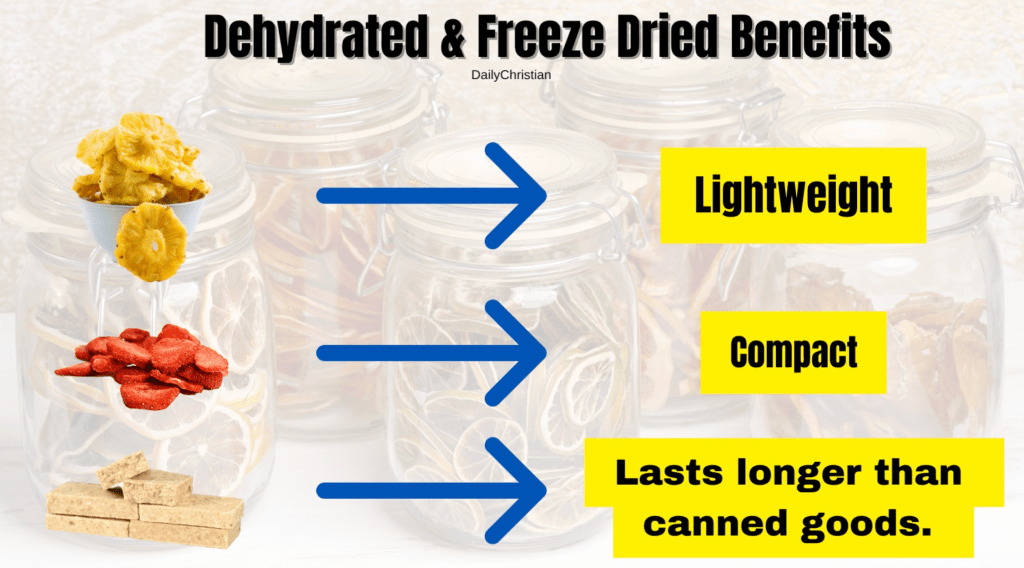
Dehydrated and freeze-dried foods are a step further toward self-sustenance. 

They’re lightweight, compact, and last even longer than canned goods. 

You can either dehydrate your own food or shop for ready-made options. 

Either way, make sure you store them properly in airtight containers to maintain their quality.

Mylar bags

Friends, this is where things start getting exciting.

Vacuum sealing your mylar bags can help you preserve your food’s freshness for years. 

You heard me right, years! 

Just make sure you follow the storage guidelines like keeping them in a cool, dark place to ensure they stay in tip-top condition.

Growing Your Own Food

When you’ve stockpiled as much food as you can, it’s time to make use of your garden.

Or, in other words, it’s time to select crops.

In survival situations, calories should be your main focus.

The main type you need to grow is calorie-dense crops like potatoes and corn.

Then there are nutrient-rich crops like leafy greens and tomatoes.

Everyone should have some of those in their backyard.

What a lot of people often neglect, however, are beans, peas, and squash. 

These plants provide valuable nutrients and improve soil health through nitrogen fixation and natural pest control.

If you don’t have a lot of space, consider container or vertical gardening.

These methods allow you to grow more food in less space.

Which is really important when you are trying to maximize your produce.

Raising Livestock

I don’t know how many people raise their own livestock anymore…

But it is a game changer for sustainable living.

The No. 1 choice when deciding what animals to raise is chickens.

They provide a steady supply of eggs and meat, and their manure can be used as fertilizer for your garden. 

The second option should be goats.

Goats are a valuable addition to any small homestead, providing milk, cheese, and meat.

Some other excellent options are rabbits, ducks, and goats.

They can also be used for land clearing and weed control, as they are browsers by nature.

By carefully selecting and managing small-scale livestock, you can create a diverse and sustainable food supply for your family, even in challenging times. 

Research each animal’s specific needs and local regulations to ensure a successful and responsible food supply chain.

Foraging and Hunting

There could come a time when in spite of how self-sustained you’ve become…

You have to abandon everything and evacuate.

It’s a very unfortunate situation.

One that a lot of folks don’t even want to think about.

But remember, we are preparing for any eventuality.

If we have to bug out with nothing but our clothes and a small kit, we have to rely on our skills for survival.

Knowing how to forage and hunt for food can make a huge difference in these situations.

First, let’s talk about foraging for wild edibles.

This is something that you have to do safely.

Take the time to learn about the wild edible plants native to your region. 

Invest in a reputable field guide or attend local workshops to become familiar with plant identification. 

And for the love of God, be cautious of look-alikes!

Some edible plants have toxic counterparts.

If you eat something that you were not supposed to…

When there is no hospital nearby…

Let’s talk about something else.

Hunting

Knowing how to hunt can be invaluable in times of crisis.

A single adult deer can provide meat that can feed a family of four to six people for several weeks.

If you are good at hunting, you’ll be able to take care of your loved ones with no issues.

It’s crucial to invest time in developing your hunting skills, as it’s something that’s more complicated than most people think.

Tracking and stalking an animal requires a lot of experience and patience.

Also, make sure you know the local laws and regulations, and don’t ever hunt without a permit.

Practice ethical hunting by targeting abundant species, taking clean shots to minimize suffering, and making full use of the animal to minimize waste.

And of course, know how to properly skin, butcher, and package the meat, as well as how to store and cook it.

Foraging and hunting skills can secure nutritional food for everyone in your family in times of crisis.

Community and Cooperation

Humans have survived for such a long time thanks to building communities.

We are in this together.

Your local community is invaluable for sharing resources, knowledge, or even a helping hand. 

In times of need, we can ensure that everyone survives.

If you want help from your neighbors, don’t be shy to ask.

And don’t hesitate to help them in return.

Trading with your fellow preppers is an excellent way to strengthen connections and ensure everyone’s needs are met.

And speaking of togetherness, why not establish a community garden?

Collective food production has numerous benefits, like increased food security and shared labor. 

By assigning roles and responsibilities, you can create an efficient and thriving garden that benefits everyone involved.

When it comes to ensuring you have enough food to feed your family, anything goes.

I would advise you to take advantage of every one of the tips in this article.

The key to survival is preparation.

So take the time to produce your own food, and comfortably make it unscathed out of any emergency.

Are You Making This Fatal Emergency Food Mistake?

There’s no question about it…

Emergency food is a crucial part of preparedness.

However, there is one issue that most people overlook, when it comes to their food storage…

Sanitation.

Whether it’s a natural disaster or a power outage, the risk of foodborne illnesses can increase in emergency situations.

And this makes it crucial to follow proper food safety guidelines.

If you ignore this step, then your whole family instantly becomes vulnerable to food poisoning and disease.

To minimize the risk of foodborne illness, it’s important to keep your cold food cold (below 40°F). 

This can be achieved by using a cooler or insulated container with ice packs to keep perishable items cold.

Additionally, it’s important to regularly examine the temperature of refrigerated and frozen items to ensure they are being stored at the correct temperature.

When you prepare the food, it’s crucial to practice good hygiene. 

This includes washing hands frequently and cleaning every surface and utensil thoroughly.

If you don’t have any running water, you can use a hand sanitizer or wipes for that step.

If you’re using alternative energy sources, such as a wood-fired stove or solar cooker, it’s important to ensure the cooking temperature is high enough to kill harmful bacteria. 

So we’ve covered preparation.

Let’s talk about storage.

It’s very important to store perishable items in airtight containers and to rotate food regularly to prevent spoilage.

If you suspect that a food item has gone bad, throw it out.

The water that you use to cook is also vital.

If the water supply is compromised, it’s important to boil or treat water before consuming or using it for food preparation.

These steps might seem boring, but they play a very vital role in preparedness.

Don’t neglect them!

In fact, if you think someone else could benefit from following these precautions, why don’t you share this with them?

How To Build A Sustainable Survival Shelter (Step-By-Step Instructions)

Extreme weather conditions can strike at any moment.

And there could be a time when your house might not be able to sustain them.

Most houses are not built to withstand extreme hurricanes, floods, or thunderstorms.

Having a sustainable shelter that can withstand the elements and provide protection is crucial for ensuring your survival in times of crisis.

But building such a shelter is no easy feat. 

It requires careful consideration, planning, and execution.

In this article, I will walk you through every step of the way – so you have no hesitation before start building your shelter.

You will be able to start working on this project with confidence.

Before you do this, however, there is something you need to consider…

Assess The Challenge

Creating a sustainable shelter involves overcoming several obstacles.

If you go into this unprepared, you will probably give up halfway through.

I am not saying this to scare you, but to make sure you are committed to completing this project the right way – without half-assing any step.

First things first, you need to ensure you don’t break your local building codes and regulations. 

Consult with local authorities and experts to ensure you’re following the rules.

If you are not careful, it can also be very expensive.

You need to be prepared to keep your ear to the ground, and look for eco-friendly or recycled materials that are readily available in your area to reduce expenses.

Does this sound too bothersome?

If not, then let’s dive into how you can start right away.

Pick The Right Spot

Selecting the right site for your sustainable shelter can make a huge difference in its effectiveness.

To make the decision, think of the type of terrain you’ll be building on. 

Look for areas that are flat and stable, and steer away from areas that are prone to flooding or erosion. 

You should also take the natural resources available into consideration.

Look for areas that are close to water sources or areas that have a lot of sun or wind.

Finally, consider accessibility.

Make sure the site is easy to reach, and not too far from your house.

Look for areas that are close to roads or other transportation options.

Once you’ve found your spot, you can move on to the next step:

Adhere To The 4 Sustainability Principles

The main difference between shelters and houses is that they are going to run on electricity.

We are building these things to have a way to survive when the grid goes down.

You need a different way to retain heat in the winter and stay cool in the summer.

The four key principles when creating a sustainable shelter are:

  1. Energy efficiency,
  2. Renewable energy,
  3. Water conservation,
  4. And waste management. 

To maximize energy efficiency, ensure proper insulation, and utilize passive solar design principles. 

Renewable energy sources can reduce dependence on non-renewable ones. 

Consider solar, wind, or micro-hydro power, and invest in energy storage solutions to ensure you always have power when you need it.

Harvesting and conserving water is also essential. Install a rainwater collection system, and make sure to use water-efficient appliances and fixtures.

Lastly, incorporate waste management strategies, such as composting and recycling, to minimize waste generation and promote a closed-loop system.

Make Sure It’s Stable

Your shelter has to be able to survive anything.

The foundation, walls, and roof must be robust and resilient to withstand extreme weather conditions. 

Begin with a strong foundation, using materials like reinforced concrete or stone. 

Reinforce walls and roofs with sturdy framing and sheathing materials, such as steel or engineered wood.

Design your shelter to resist wind by incorporating aerodynamic features and anchoring the structure firmly to the foundation. 

Earthquake-resistant construction techniques can include shear walls, moment-resisting frames, and base isolation systems.

These things can be complicated, especially if you haven’t ever done this before.

If you’re not 100 percent certain you will be able to complete this step safely, consult with a local expert.

And make sure they are aware of the appropriate techniques for the local regulations and soil.

Implement Passive Cooling and Heating

Passive cooling and heating techniques can help keep your shelter comfortable and livable year-round.

Building orientation and layout are particularly important.

Orient your shelter so that it receives maximum sun exposure in the winter, and minimum sun exposure in the summer. 

This can help keep your shelter warm in the winter and cool in the summer.

Using natural ventilation can also help keep your shelter comfortable year-round. 

Make sure to design your shelter with plenty of windows and doors to allow for natural airflow.

Another way to control the temperature without electricity is by incorporating thermal mass and insulation.

If you can, try to incorporate every option.

Ensure Security and Defense

Ensuring security and defense is crucial for any sustainable shelter. 

It might seem impossible for a shelter without electricity…but there are many ways to do that.

The first one is to make your shelter “invisible.”

In other words, to camouflage it and keep it concealed from potential threats.

Plant trees or shrubs around your shelter to help it blend in with the surrounding landscape.

Implementing perimeter security measures can also help keep your shelter safe. 

A simple fence can do wonders to protect you from intruders.

But if you want to go a step further, design a safe room inside your shelter.

Make sure the room is well-ventilated, has a secure door, and is stocked with emergency items such as food and water.

Final Thoughts

I understand that this is a lot to take in one go.

It took me a long time, and I consulted with many people to write this article.

Read this again and again if you have to.

Building a sustainable shelter requires careful planning, adaptability, and a commitment to environmentally responsible practices.

But you don’t have to feel overwhelmed.

Take this one step at a time.

And if you think you have to, consult with a local professional to make sure your shelter is stable.

Remember, you are not designing a second house – you are ensuring you have a place to survive in harsh conditions.

Keep this in mind and you will create an incredible shelter that will help you make it through anything.

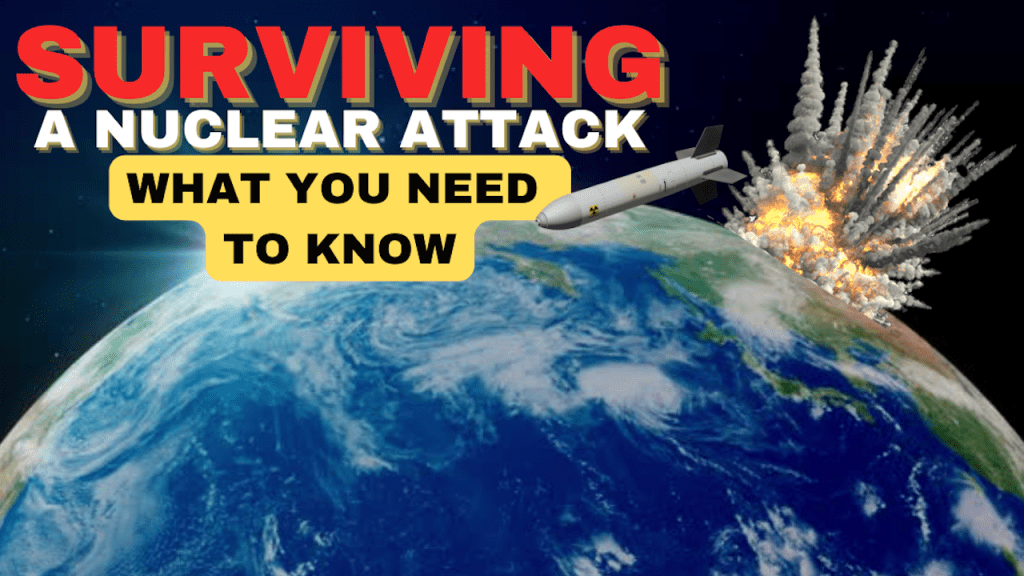
Surviving a Nuclear Attack – What You Need to Know

On March 24, 2023, tyrant Kim Jong-un boasted about a nuclear drone, that can cause a “radioactive tsunami.”

Supposedly, this drone can remain unseen by moving underwater.

And it can create mass destruction.

Folks, I haven’t seen a more pathetic person than Kim Jong-un.

He is short, fat, and looks like a teenage boy.

And despite being the leader of a whole country…no one takes him seriously.

This is why he might pull the trigger.

He is willing to risk the balance between the U.S. and North Korea for a dick-measuring contest.

But there are more nuclear attack threats for the U.S. other than Kim Jong-un.

Russia just moved its nuclear weapons outside the country for the first time ever.

This was issued in response to the conflict with Ukraine…but how sure are we that Russia doesn’t have ulterior motives?

Who’s to say that they will not turn these nuclear weapons facing our way after they’re done with Ukraine?

If history has taught us anything…it’s that each war crime brings the next one like a string of dominos.

I don’t know where we should expect a nuclear attack from…

But I know one thing…

This is a real threat.

And yet, if you ask anyone in the street about their plans in case of a nuclear attack, they will tell you that “everyone would die anyway.”

So there is no point in preparing for it.

But they are wrong.

With the right preparation, you and your family can survive anything.

And I will show you exactly how to do that in this article.

Preparing for a Nuclear Attack

The first step is simply knowing the potential sources of nuclear threats in your area.

Whether they are military bases…

Nuclear power plants…

Or other facilities that handle radioactive materials…

These are the places where an attack could cause the most damage.

So this is where the enemy is most likely to strike.

If there are any places like these close to your area, take note of them.

Once you have a basic understanding of the risks and scenarios, you can create a nuclear emergency plan. 

Let’s see how you can do that.

Finding Shelter

In the event of a nuclear attack, finding suitable shelter is one of the most important things you can do to protect yourself. 

You need to find a place to live in for one or two days – so you can survive without having to evacuate.

Depending on the type of nuclear weapon used and the distance from the explosion, the ideal shelter may vary.

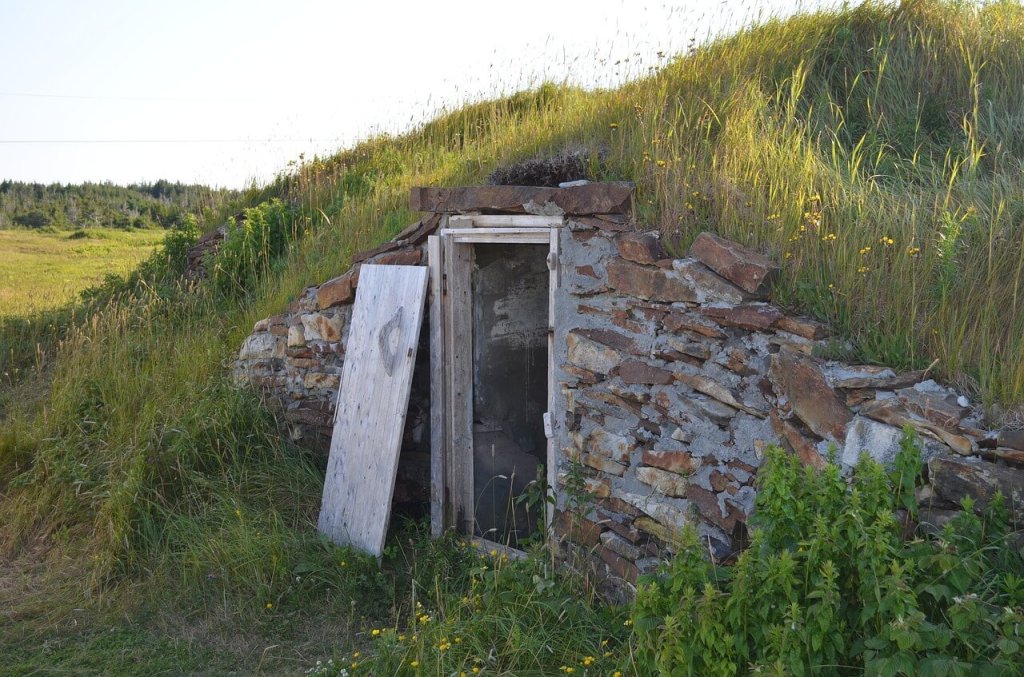
In general, however, the greatest shelter will be located underground, in a thick-walled building, or in a reinforced concrete structure. 

Ideally, the shelter should be as far away from the blast site as possible and should have as few windows as possible.

Once you’ve found a suitable shelter, you are ready for the next step…which is where most people will make a fatal mistake…

Protecting Yourself from Radiation Exposure

One of the biggest risks of a nuclear attack is radiation exposure.

It can cause a range of health problems including cancer, radiation sickness, birth defects, and many more.

To protect yourself, it’s important to understand the different types of radiation and their effects on the body. 

Alpha and beta particles can be stopped by clothing or a thin layer of material.

While gamma rays are much more penetrating and require thicker barriers or protective gear.

A nuclear attack will most likely cause every type – so you need to be prepared for every type.

To protect yourself and your loved ones from gamma rays, you have to use protective gear like masks, gloves, and suits. 

A gas mask with a HEPA filter can protect against inhaling radioactive particles.

While gloves and suits made from materials like rubber or plastic can protect against skin contact with contaminated surfaces.

If you wait to look for these things after the nuclear attack…you will just not find them.

Everyone is going to be looking for them.

Stock up on protective gear and essential items before a nuclear emergency occurs.

Remember, the better you prepare, the better you’ll sleep at night.

In addition, it’s important to decontaminate yourself and your surroundings – just in case.

This may involve washing exposed skin and hair with soap and water, discarding contaminated clothing and objects, and sealing any contaminated areas to prevent the spread of radioactive particles.

But What If You Become Exposed?

Have you ever heard the phrase “If you want to make God laugh, tell Him your plans?”

Sometimes no matter how well we are prepared…our plans fall short.

It’s something that everyone has to accept.

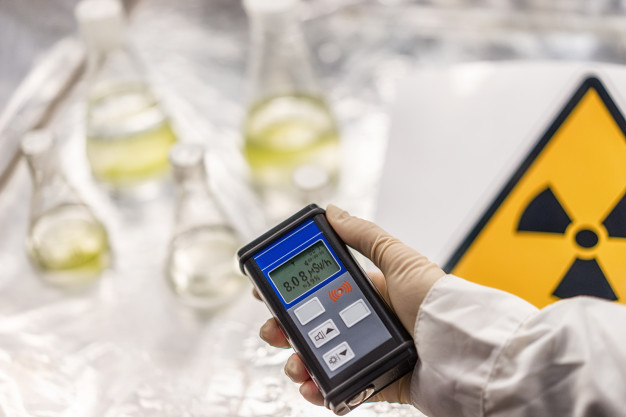
To ensure you haven’t become exposed to radiation, use a radiation detector.

You can find one for under 100 bucks on Amazon.

These devices can measure radiation levels in the environment and in your body.

And they can help you determine when it’s safe to exit your shelter or take other actions to protect yourself.

If you do experience radiation exposure, it’s important to seek professional attention as quickly as possible.

While there is no cure for radiation sickness, hospitals can provide supportive care to manage symptoms and help your body recover.

In addition, regular checkups and monitoring can help detect any long-term health problems that may arise afterward.

The effects of radiation can last for years or even decades.

And they may require ongoing attention and monitoring.

However, with the right support and resources, it is possible to recover and rebuild after a nuclear attack.

This may involve working with local authorities and community organizations to

  • Clean up contaminated areas
  • rebuild infrastructure
  • and provide support for survivors

Overall, protecting yourself from radiation exposure requires a combination of knowledge, preparation, and guts.

By understanding the risks, preparing for the worst, and staying informed and connected, you can be better equipped to face this daunting challenge. 

Remember folks, every little bit can make a difference in an emergency.