Does Your Family Refuse To Prep? Try This

I’ve heard the same thing many times…

“I want to convince my family to prep with me, but they just don’t want to cooperate.”

If this happens in your household as well, I have some good news…

There is a simple way to fix that.

Preparing for emergencies is not something easy.

If you don’t have your family’s support, then you will most likely burn out.

You simply can’t do everything yourself.

But how can you convince your loved ones to take their survival seriously?

Shouldn’t that be the first ones to care about that, anyway?

Well, as it turns out…no.

Psychologists have repeatedly talked about this.

It is very common for humans to neglect their own safety.

But it is extremely rare for someone to ignore their loved ones’ safety.

This is the reason that people neglect to take their medication so often.

But no one ever forgets to give their dogs their medication, for example.

People value their loved one’s safety more than their own.

It’s quite a paradox…

But this is what happens.

And you can use that paradox to convince your family to take control of their survival.

How?

Well, it’s in the way you communicate with them.

Don’t make prepping about them.

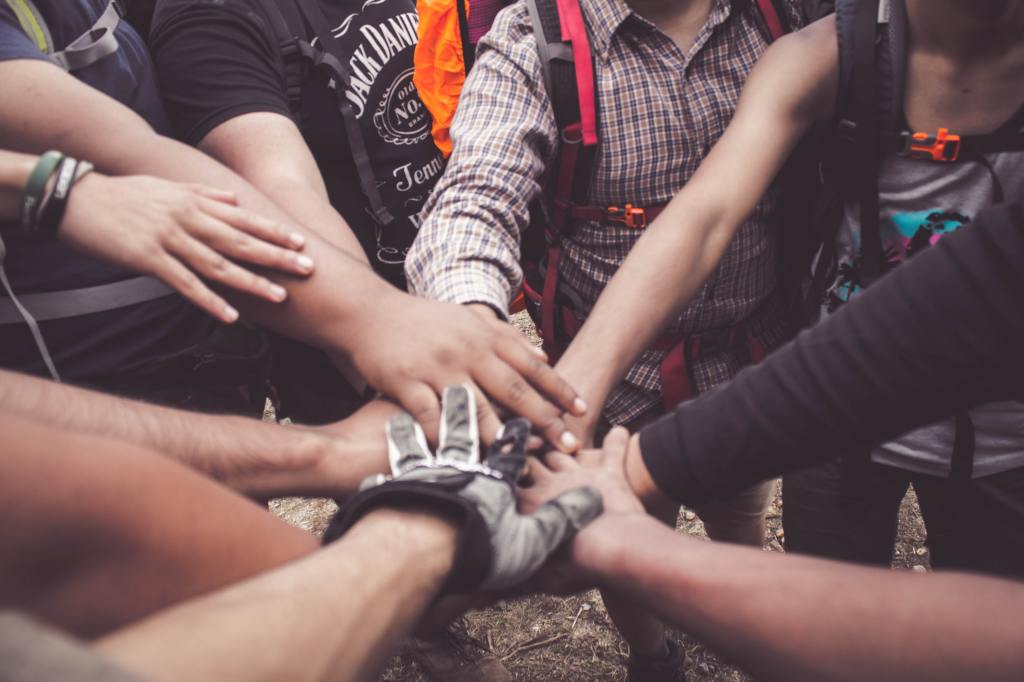
Make it about the whole family.

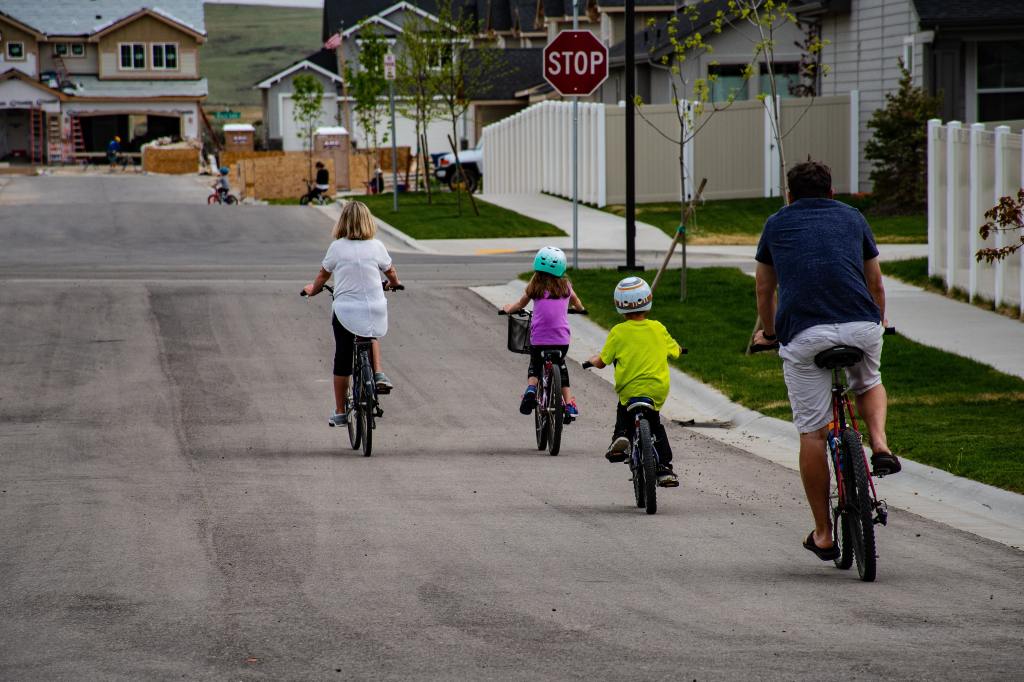
If you talk to your partner, explain to him or her that it is for their children’s safety.

If you talk to your children, show them how they can help their parents.

You will instantly see a shift in how they view prepping.

They will be happy to assist you with whatever you need.

This might be manipulative to some…

But what is wrong with helping someone take control of their survival?

A lot of people nowadays put way too much trust in the government.

When SHTF, however, the government might not be on our side.

There could be a time when we have to do everything ourselves.

When that time comes, we have to be ready.

Prepping is necessary to survive these times.

So don’t let your family take their survival for granted.

Use this simple method to convince them to start preparing.

3 Ways To Produce Power Without Electricity

Time and time again we have witnessed our power grid fail to work in emergencies.

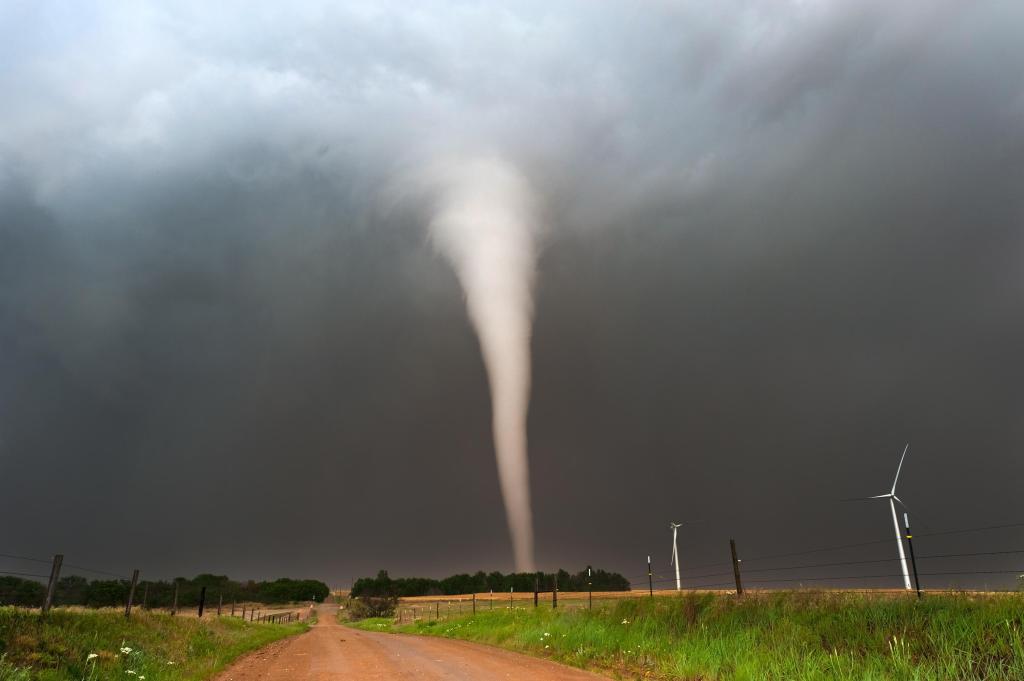
Whether it’s from a storm, an earthquake, or a tornado, power outages are very frequent in the U.S.

If we want to be self-sufficient, we have to reduce our reliance on the grid. 

One way to do this is by exploring alternative energy sources.

These sources are not just environmentally friendly but also allow us to generate our own power.

In this newsletter, we’ll take a look at three popular alternative energy sources: solar, wind, and biomass.

  • Solar Energy

Solar energy is one of the most widely used alternative energy sources.

And is ideal for preppers who want to reduce their energy bills and carbon footprint.

Solar panels convert sunlight into energy.

And with advances in technology, they’ve become much more efficient. 

Installing a solar panel system can be a bit costly at first…

But over time, it will pay for itself as you no longer have to use the power grid for electricity.

  • Wind Energy.

Wind energy is another popular alternative energy source, especially for those who live in windy areas. 

Wind turbines generate electricity by harnessing the power of the wind. 

Just like with solar panels, wind turbines can be a significant upfront payment, but will be reducing your electricity bills in the future.

Additionally, wind turbines are relatively low-maintenance and have a long lifespan.

  • Biomass Energy.

Biomass energy is a type of renewable energy that is generated from organic matter, such as wood chips, agricultural waste, and sewage. 

It can be used to generate electricity or heat houses.

Unlike solar and wind energy, biomass energy is often used in rural areas and is ideal for preppers who have a lot of land and want to make the most of it.

I believe that every prepper should have at least one way to produce natural energy.

Whether it’s from the sun, wind, or biomass, the decision is up to you.

It will vastly reduce your reliance on the grid, and you will be saving important resources in the future.

Do you produce your own energy in your house? I’d love to hear about it!

Take These Documents With You When You Bug Out

If you are ever forced to bug out, you will have to face a harsh reality:

Anything you don’t take with you might not still be there when you come back.

Important documents might be destroyed, stolen, or simply lost.

That is why you should keep a USB file with every essential document in your bug-out bag.

Most preppers have already taken this precaution…

But they don’t usually know if they’ve covered everything.

That is why I will share a small list with you, that contains every important document that you should always have.

  1. Identification Documents. This includes your government-issued ID such as a passport, driver’s license, and birth certificate.
  1. Emergency Contacts. List of important contacts of family, friends, doctors, and emergency services.
  1. Health Records. Keep a record of your family’s history. This should include prescription medications, allergies, and any previous surgeries or treatments.
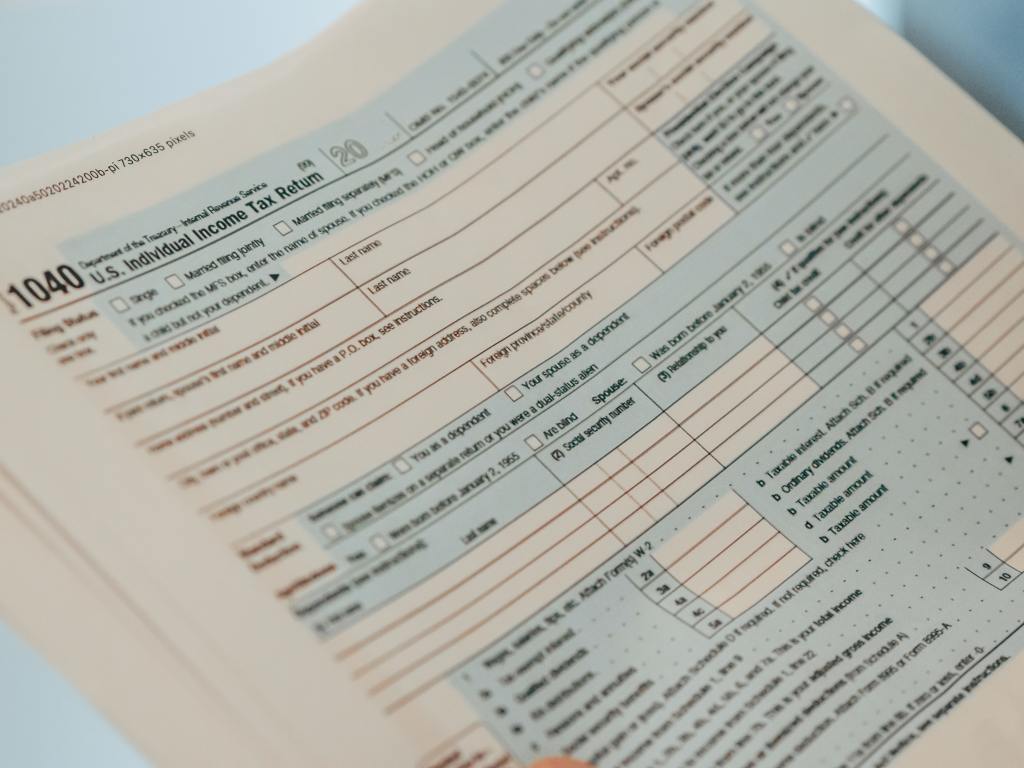
  1. Records Statements. Anything tax-related, accounting documents or anything that is essential financially fits this category.
  1. Estate Planning Documents. This includes your will, living will, durable power of attorney, and any other documents related to your assets and finances.
  1. Your Property Documents: Deeds, liens, and package policy documents should be kept in a safe place.
  1. Vehicle Papers. Keep every necessary paper of your vehicles in a separate folder.

If you don’t have any of these 7 documents, you may find yourself in a bad situation.

Your bug-out bag should contain a USB stick that includes everything.

But this is not enough,

You should also keep several physical copies of these documents somewhere in your house.

Remember, we prepare for any eventuality.

Just as your physical copies could become lost, so could your digital ones.

The point is to stay safe no matter what.

If you have multiple versions of these important documents, then you will not have anything to worry about.

P.S. Can you think of any other essential documents? Hit reply and let me know!

Why You Should Be More Worried About The Earthquake In Turkey

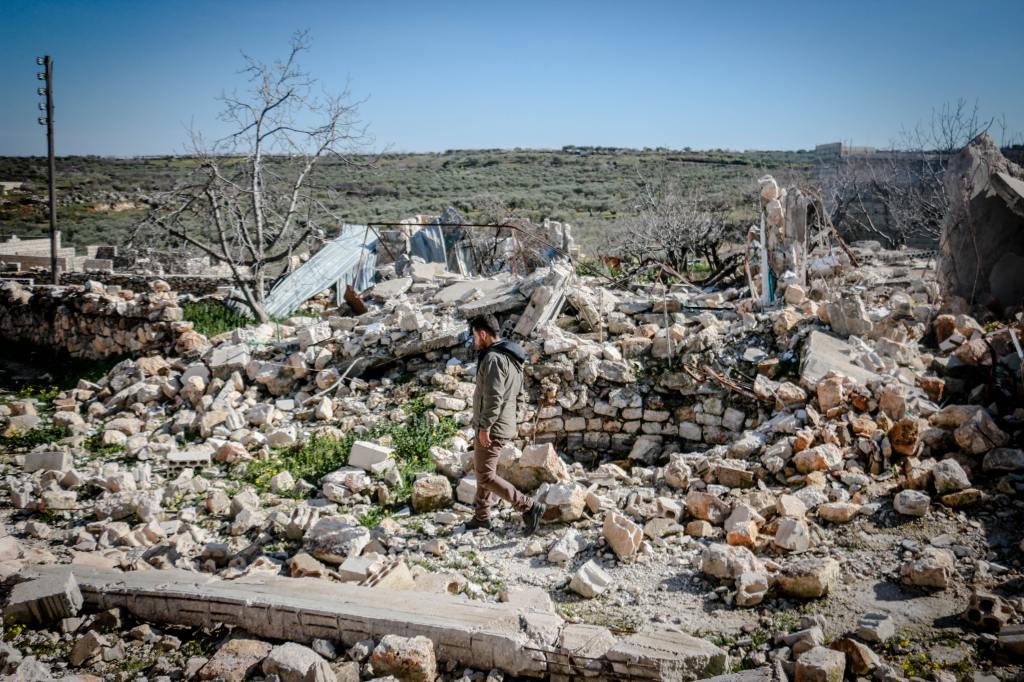
My heart ached as I watched the news a few weeks ago.

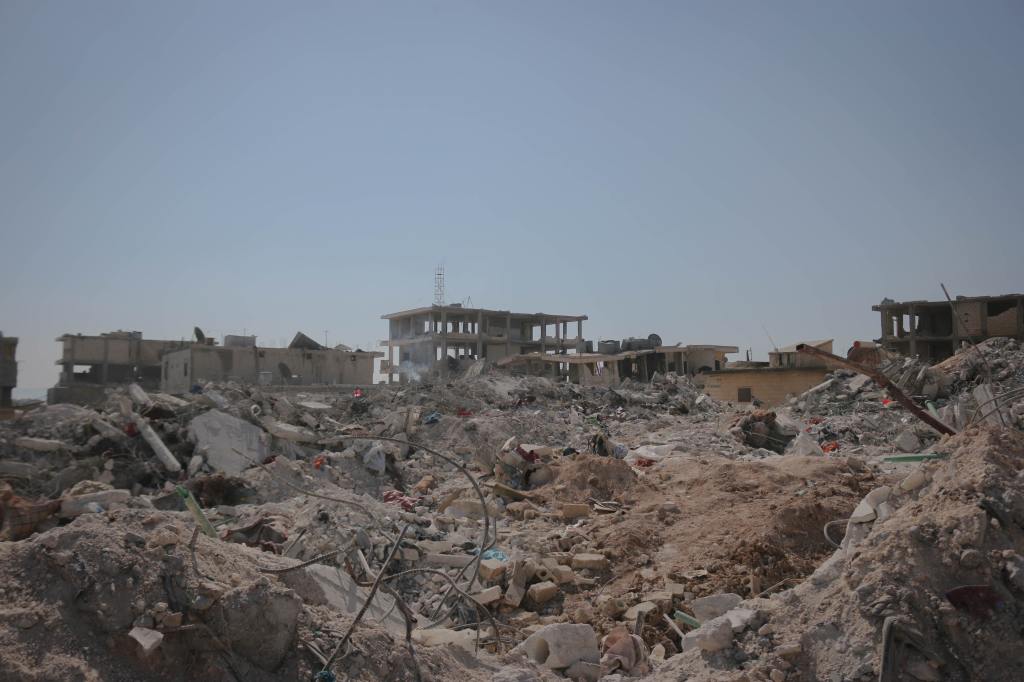
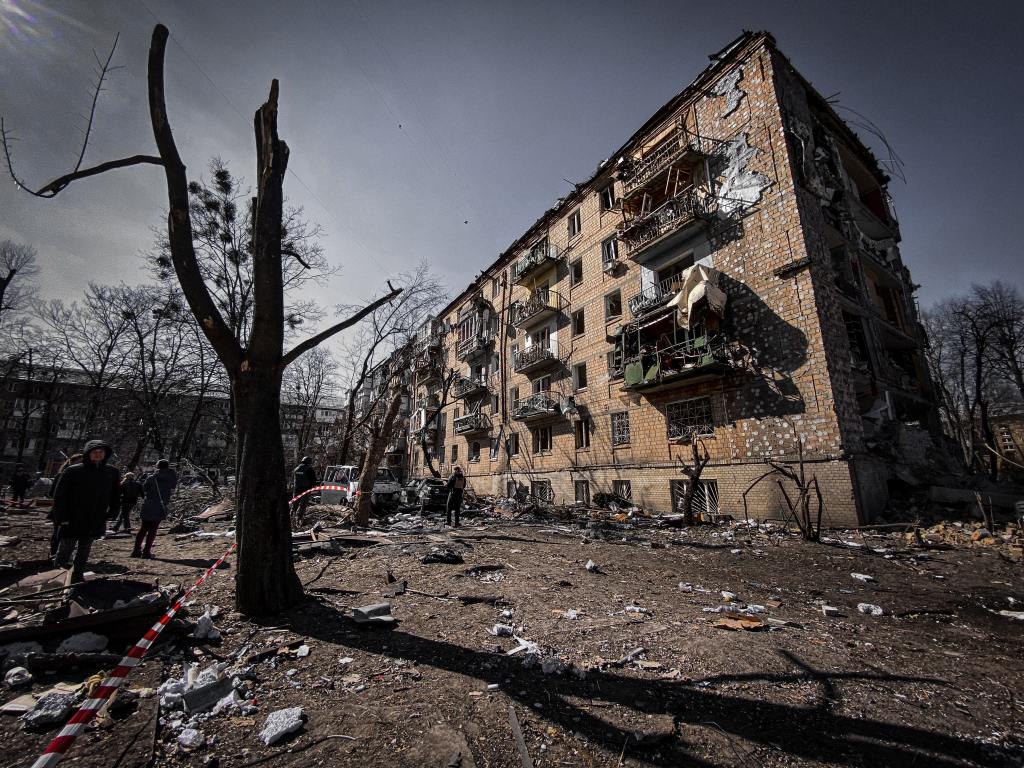
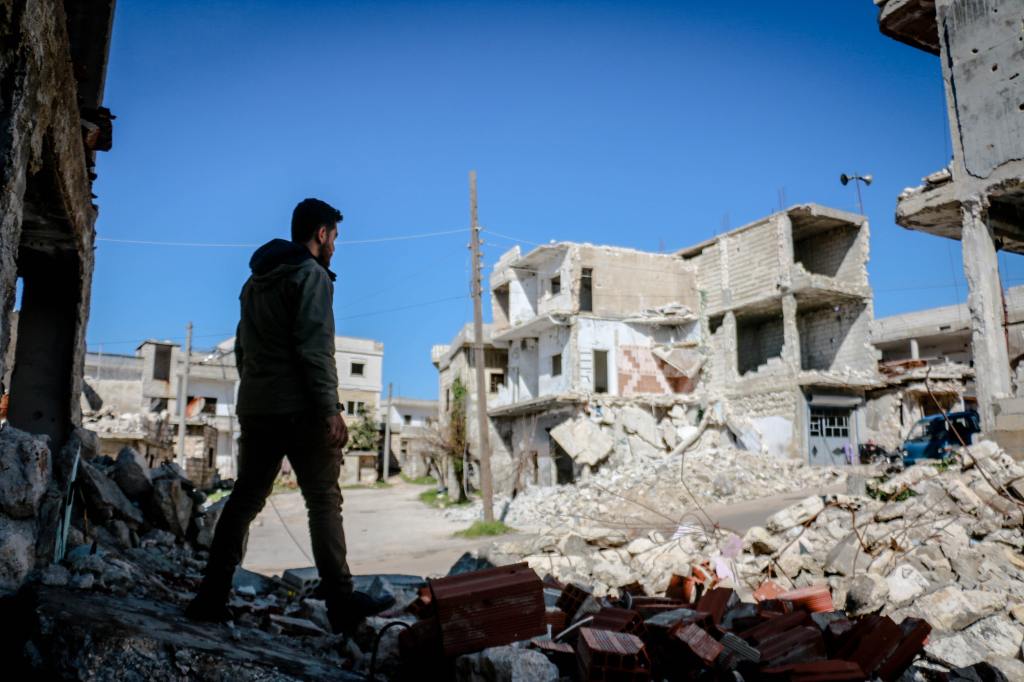
They were showing the aftermath of the earthquake in Turkey and Syria.

More than 40,000 innocent people lost their lives.

The survivors barely made it…

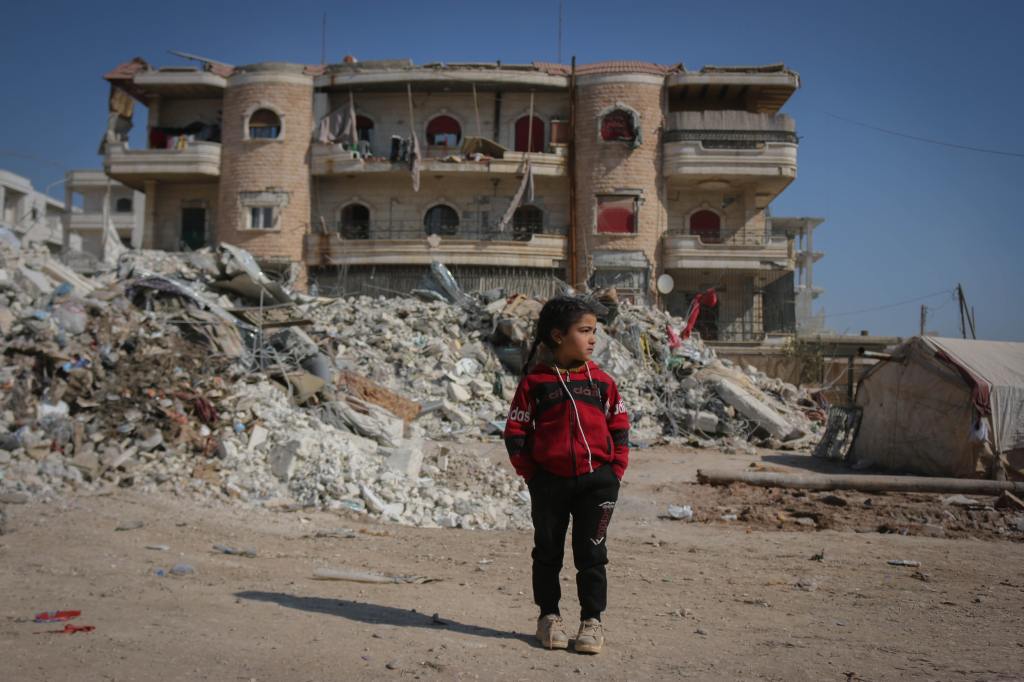
But they didn’t have a house to return to…

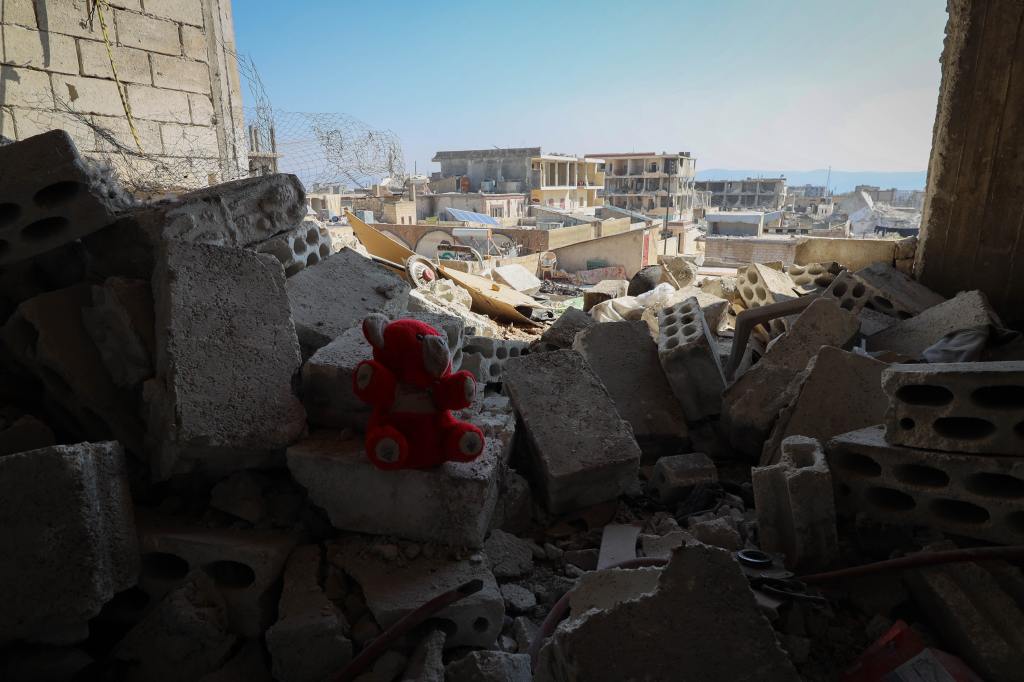
Most buildings were destroyed during the earthquake.

The news were showing children trapped in the ruins for more than 100 hours.

When they finally got rescued, they were exhausted.

This time it wasn’t our children…

But tomorrow, it might…

Because, behind this massive catastrophe hides something that should be making every American worried.

If more people knew about this, they would not be able to sleep at night.

The magnitude of the earthquake isn’t the one that destroyed so many families…

People’s greed did.

You see, the area where the disaster happened is one of the most vulnerable ones in Turkey.

Why wasn’t it properly built against earthquakes?

Was it simply a miscalculation?

Well, as it turns out…it wasn’t.

Expert civil engineers from different countries say that these buildings were built with insufficient protection.

Why would the contractors not build them properly?

This is where things start to make sense.

Before construction starts, contractors are paid a certain amount.

They then use a percentage of that amount to shop for the materials that will keep the building steady.

But if they use less than what is necessary, they keep the remaining amount for themselves.

The Turkish government is suspecting that this is what happened.

And they have already arrested more than 100 contractors.

Some of them even got caught at the airport while they were trying to flee.

But what does this have to do with the U.S.?

Well, who’s to say that our contractors are not doing the same thing?

People’s greed knows no boundaries.

If a similar earthquake happened in one of our states, the consequences could be even  more catastrophic.

There are a lot more people in the U.S…

And the houses are built much closer to each other.

If an earthquake hit somewhere in their area, unsuspecting families could be destroyed overnight.

That’s why everyone should be prepared for the possibility of an earthquake.

Teach yourself and your loved ones basic earthquake drills.

And always keep a bug-out bag ready.

You can’t ever be too careful with these things.

If someone you know doesn’t take prepping seriously, share this post with them.

You will be doing them a massive favor.

Your Grocery Bills Are About To Increase (Unless You Do This)

If you are an American, chances are eggs are not ever missing from your house.

There was some bad luck around eggs, however, that will make you reconsider your breakfast options.

I love my scrambled eggs in the morning as much as the next guy…

But they are about to become so expensive that will they will be leaving a bad taste in your mouth.

As if inflation wasn’t enough…

The bird flu just affected 52,700,000 poultry in the U.S. alone.

This is not a small number.

Chickens are either dying or being put down because of that disease.

And eggs are already almost 3 times more expensive than what they were a year ago.

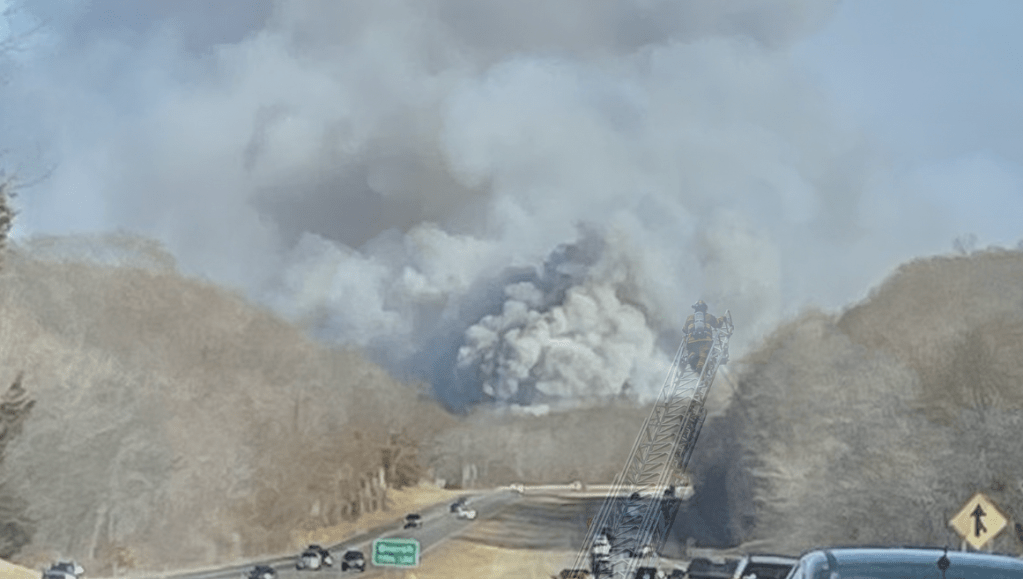
I also read that a fire recently broke out at an egg facility in Connecticut, and killed 100,000 birds.

It is almost like eggs are cursed.

They will keep getting more expensive.

How much more can our wallets take?

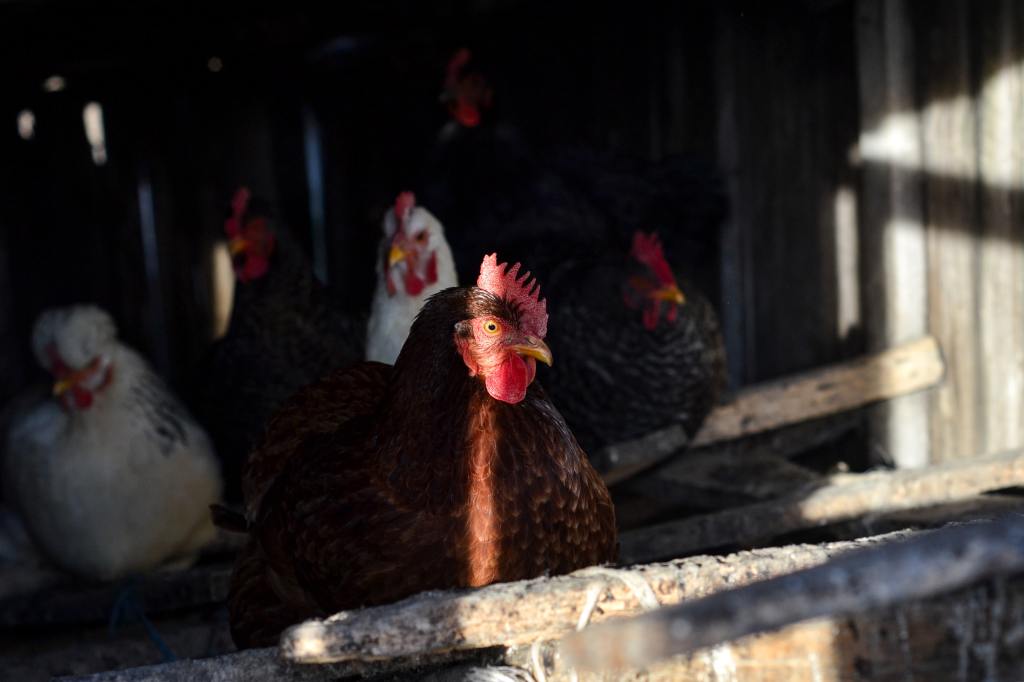
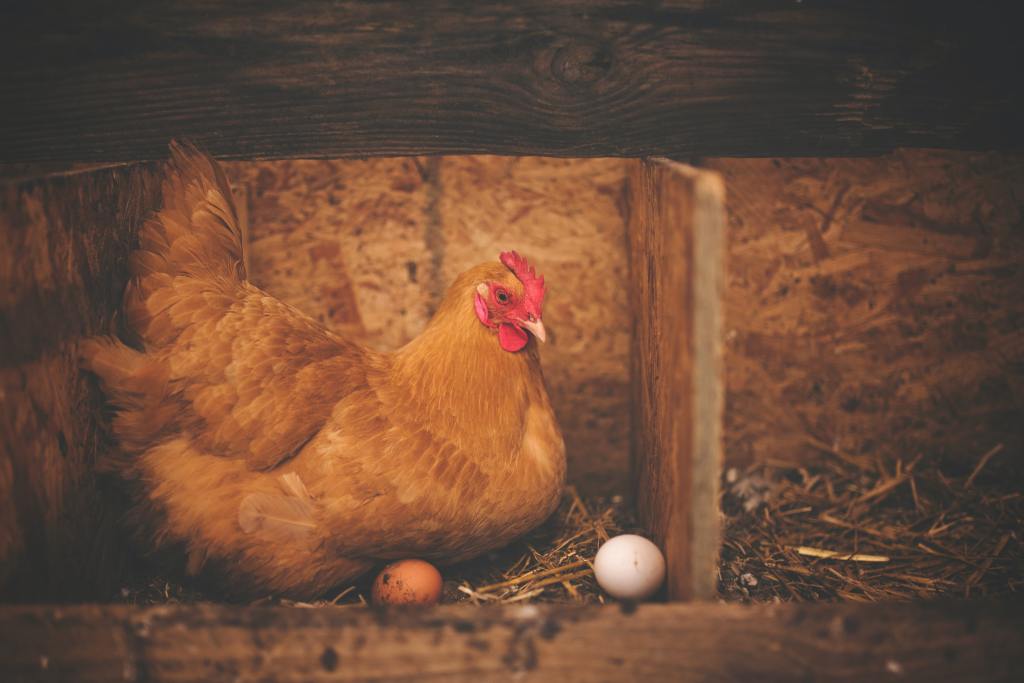
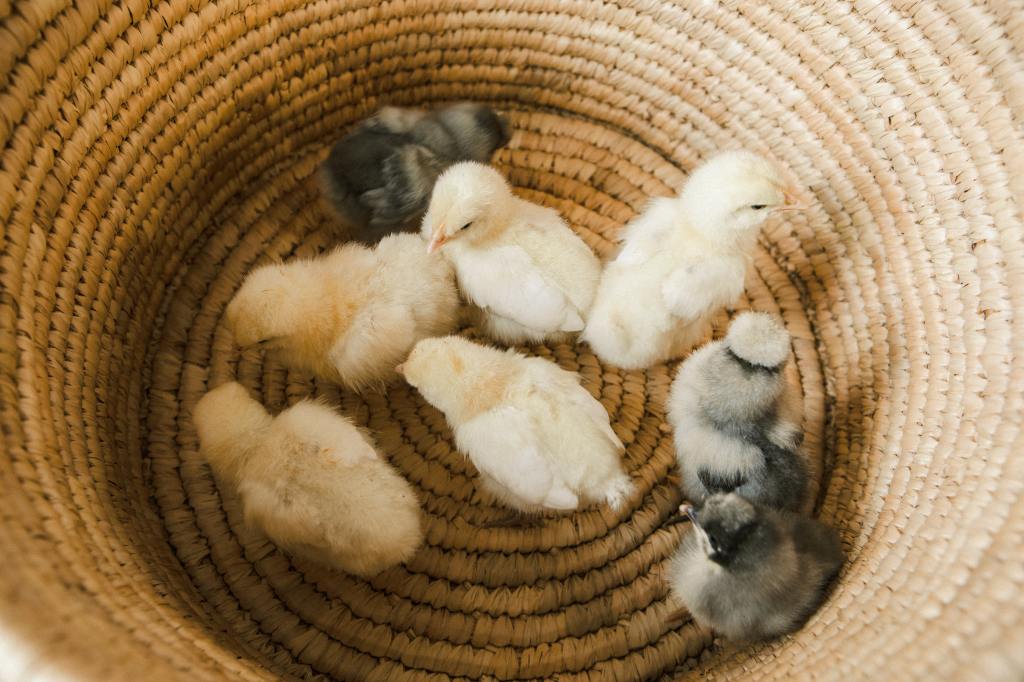
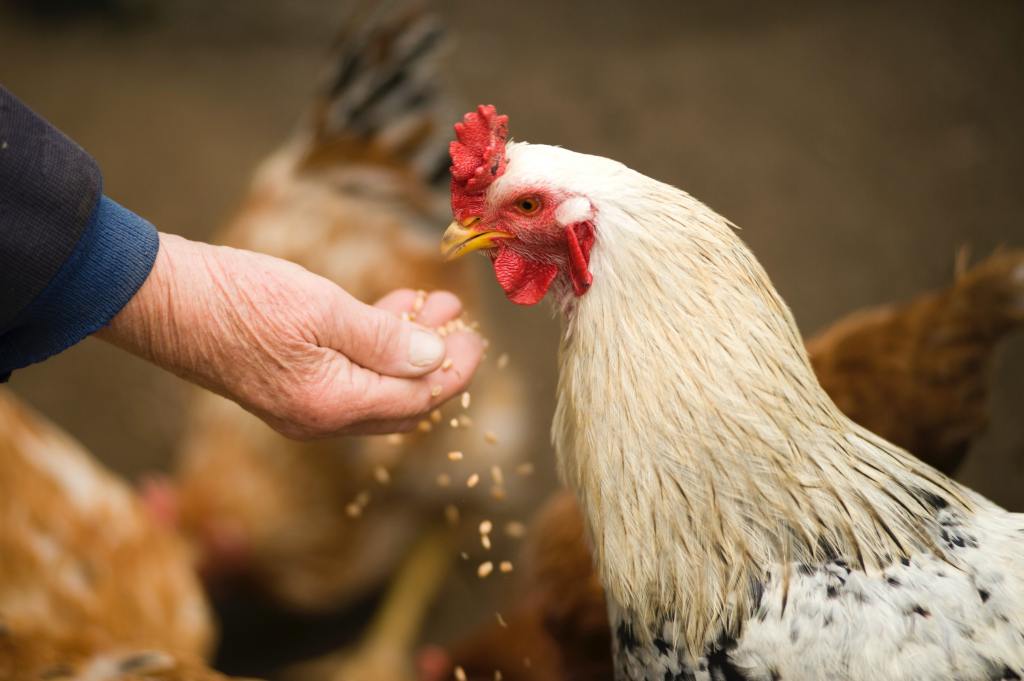
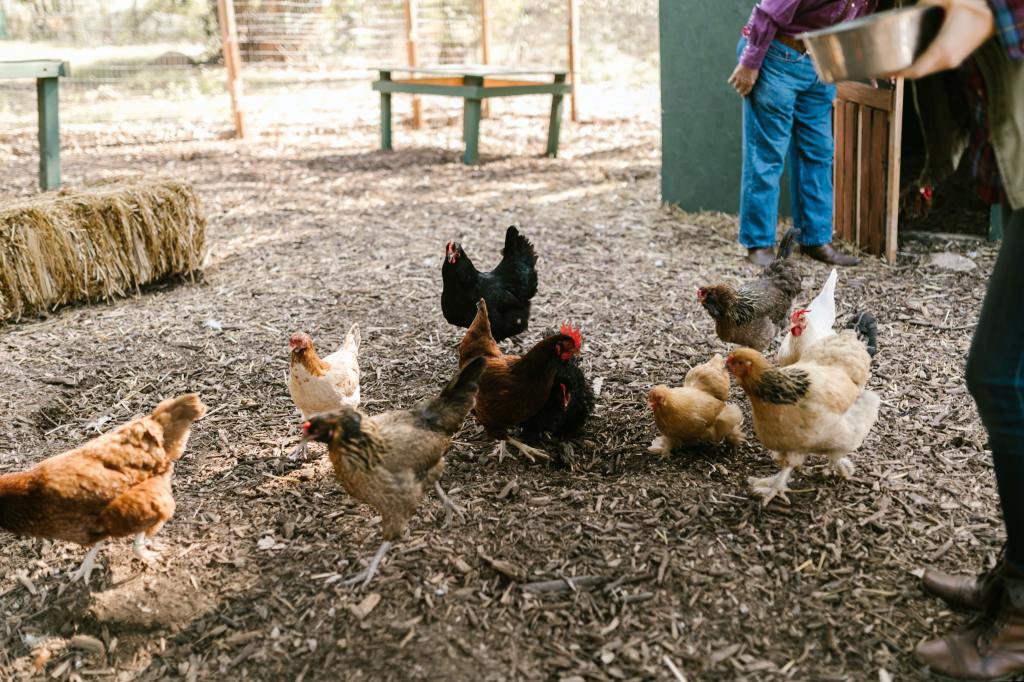
If you don’t want your jaw to drop every time you shop for groceries, I suggest you raise your own chickens.

Raising your own chickens is not just good for your wallet, but for your health too.

You will be the one who chooses what to feed them.

So you will know that they’ll produce nutritious eggs that are not filled with any weird hormones.

With just a little bit of effort, you can set up a small coop in your backyard and start raising a few chickens.

It’s a fun and rewarding hobby, and it will pay for itself in no time.

There are many breeds of chickens out there.

And you can even choose breeds that are known for their laying ability.

This will also give you peace of mind, knowing that if things come to worse, you will always have emergency food.

If you enjoy eggs as much as I do, this decision is a no-brainer.

It will help you feed your family nutritious eggs even when they become too expensive.

Are You Making This “Airport Baggage” Mistake?

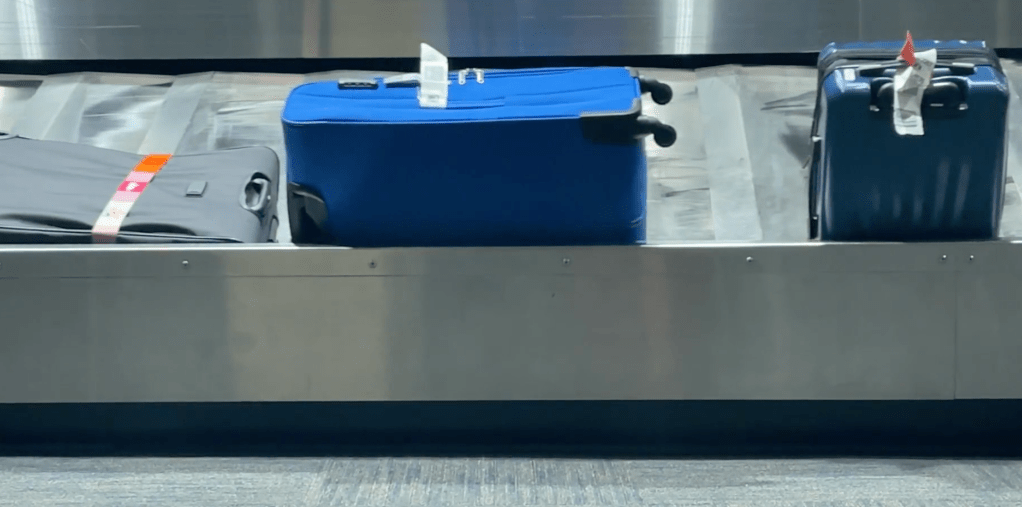
If you have ever been to the airport, you have probably noticed that there is always someone with a massive bag.

It’s as if they are taking a whole month’s worth of clothing with them.


Up until recently, that person was my partner.

She would always stuff as many things as possible inside her bag.

And it would always exceed the weight limit.

This might be harmless in the airport…

But it is simply a glimpse of what would happen in a bugging-out scenario.

People always have a hard time deciding on what to bring with them, and what to abandon.

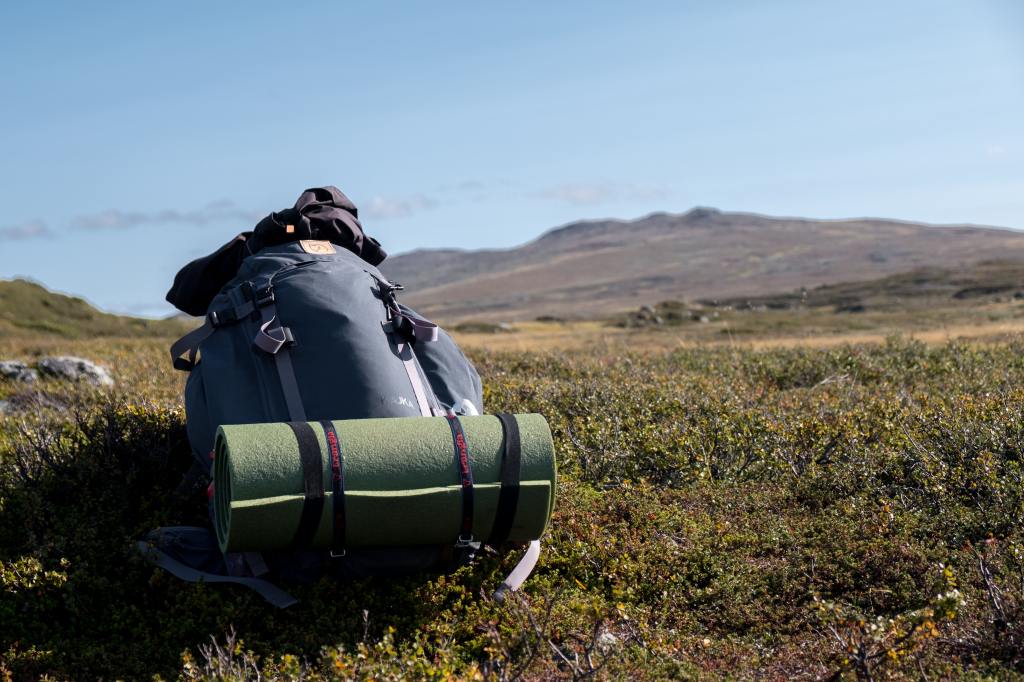
In a survival situation, most people would overpack, resulting in a bug-out bag that is too heavy to carry comfortably. 

This can lead to fatigue, injuries, and even abandonment of the bag.

As a prepper, you should know that you shouldn’t be carrying anything non-essential.

For example, a shelter and sleeping bag should be the first items on the list, followed by food, water, and medication. 

Clothing should also be prioritized, with warm layers for cold weather and lightweight items for warmer weather.

Anything that is unnecessary in emergencies should be left behind.

For example, books, electronics, or jewelry have no place in a bug-out bag.

I know that some people attach sentimental value to certain items…

But nothing is worth more than our lives.

Preppers should also regularly review and update their bug-out bag. 

Over time, gear or clothing can become outdated or worn.

And different items may become available that are more practical for bug-out scenarios. 

Updating the bag on a regular basis can help ensure that you have the most essential and practical gear when you need it.

The “Airport Baggage” mistake is something that a lot of inexperienced people will make in emergencies.

But if you follow these tips, you can ensure that you have a bug-out bag that is both practical and manageable to carry.

P.S. Did you find this newsletter helpful? Reply yes if so!

What Zombie Apocalypse Movies Can Teach Us About Surviving

There is a point in every zombie apocalypse movie, where the characters have to make a very important decision.

They are usually stuck inside a shelter, with few resources, while death is knocking on their doors.

And they have to decide between two options:

  1. Stay inside and try to fight the zombies
  2. Escape and look for food or other survivors

But they almost always go with option C: “Fighting among themselves.”

They start blaming each other and end up dying.

It happens so often that it’s almost comic.

But this might not be too far from reality.

When the stakes are high, people see blank.

It’s like when a cat freezes in the middle of the street when it sees a car approaching.

Staying calm is crucial in emergency situations.

If, God forbid, you ever find yourself in one, you will be called to make a lot of snap decisions.

You might have to decide between staying inside your house or bugging out…

Which items you will carry with you…

Who to contact…

These are very important considerations.

One wrong move might mean the loss of a loved one.

You can’t correctly judge your options if you panic.

It’s like when characters in the zombie movies fight each other instead of working together.

You have to stay level-headed.

I understand that this is not something easy, however.

When a tornado rips your roof out, or when a fire breaks out in your area, it’s not exactly a walk in the park.

Most people – and understandably so – panic.

This would not happen, however, if they already had a plan in place.

If you are a survivalist, then you are probably aware of the importance of preparation.

We try to imagine any disaster that might befall us, and try to stay ahead of it.

This could mean having a plan for bugging out scenarios…

Or having a plan for when the food in your grocery store runs out.

Whatever it is, doing preparation beforehand protects us from losing our shit in emergencies.

So let’s keep prepping and remain collected even in the worst of situations.

The Most Important Aspect Of Preparedness (Do This First)

When we hear the word “preparedness,” we usually think about preparing our house for survival or improving our prepping skills.

These things will not matter, however, if we fall sick when SHTF.

Imagine if a tornado hit, and you suddenly raised a 104°F fever.

You wouldn’t even be able to protect yourself – much less your whole family.

Having a strong immune system is a crucial aspect of preparedness.

When emergencies strike, the last thing you want is to be bogged down by illness. 

That’s why you should take simple steps to keep your immune system in top shape.

First and foremost, make sure you sleep at least 7 hours every night. 

Sleep is essential for every aspect of our lives.

Next, eat wholefood meals.

A lot of people nowadays are poisoning their bodies with ultra-processed foods and packaged meals.

Make sure to include plenty of fruits, vegetables, and whole grains in your meals.

These foods are rich in vitamins and minerals that are essential for a healthy immune system.

Also, consider adding probiotic-rich foods like yogurt and kefir to your nutrition, as they help to keep your gut healthy, which is where 70 percent of your immune system is located.

In addition, stay hydrated by drinking plenty of water throughout the day.

Water helps to flush out toxins and keep your immune system functioning properly. 

These 3 things are the most important factors in a strong immune system.

But we shouldn’t neglect exercise. It helps our bodies function properly and shields us from disease.

If your job involves manual labor, then you probably have that covered.

Otherwise, you should aim for at least 30 minutes of moderate exercise daily.

Whether it’s a brisk walk, a jog, or a gym session, make sure you move your body every day.

You should also minimize stress.

Chronic stress can be detrimental to our health.

If you find yourself stressed daily, you need to look for a way to change that.

Keeping our immune system strong is not often discussed in the prepping world.

Yet, staying healthy is a crucial aspect of preparedness.

If you think someone will benefit from the tips in this newsletter, why don’t you forward it to them?

How Much Should You Depend On Your Community For Survival?

Becoming self-reliant is a goal that every prepper should strive for.

But this doesn’t mean that we should try to do everything by ourselves.

When SHTF, everything could be an asset for survival.

And one of the most powerful ones could be our local community.

It can protect our lives in emergencies.

But, the question that often arises is – how much should we depend on our community for survival? 

The answer to this is not a simple one.

First and foremost, it’s crucial to understand that relying solely on your community for survival is not a wise choice. 

While it’s true that there’s strength in numbers, it’s always better to have a backup plan. 

This means having a stockpile of essential items, weapons, and resources that can keep you and your loved ones secure in emergencies.

However, the reason that humans have survived for so long is that they formed communities.

We share resources, knowledge, and support each other in our efforts to rebuild.

This sense of community spirit can be incredibly helpful in providing emotional support and reducing stress during difficult times.

Additionally, communities work as a deterrent to looters.

Knowing that there are well-prepared individuals in the area can often discourage people who might take advantage of crises.

And yet, It’s important to remember that relying on others also comes with its own set of risks.

For instance, if you’re relying on a community for food and water, you may find yourself in a bad spot at some point.

During emergencies, people always hoard essentials.

Remember when everyone panic-bought toilet paper two years ago?

This is why striving to become self-sufficient is essential…even if you currently don’t have to.

Remember, we are preparing for the worst.

We should take advantage of what our communities can provide for us.

But we should also keep prepping to stay independent.

The key is to find balance.

Don’t become too isolated.

But also, don’t blindly depend on your community’s resources.

How To Tend To Your Garden With Minimum Water

I am one of the most tolerant people you’ll ever meet.

I don’t mind if someone is a bit late for our appointment…if they talk over me during a conversation…or if they are sometimes slightly rude.

I always give people the benefit of the doubt.

But as a prepper, there is one thing that I can’t tolerate…

Waste.

I regularly people wasting their resources as if they want to destroy Earth.

Just last week, I saw someone water their garden an hour after it stopped raining.

I am not kidding…

I decided to use the frustration I felt when I saw that, and write about simple ways to spend minimum water when tending to your garden.

I’ll share with you simple tips that I use myself, as well as ideas I discovered just last night when I was doing research.

  1. Water your plants in the morning or evening when temperatures are cooler to reduce evaporation.
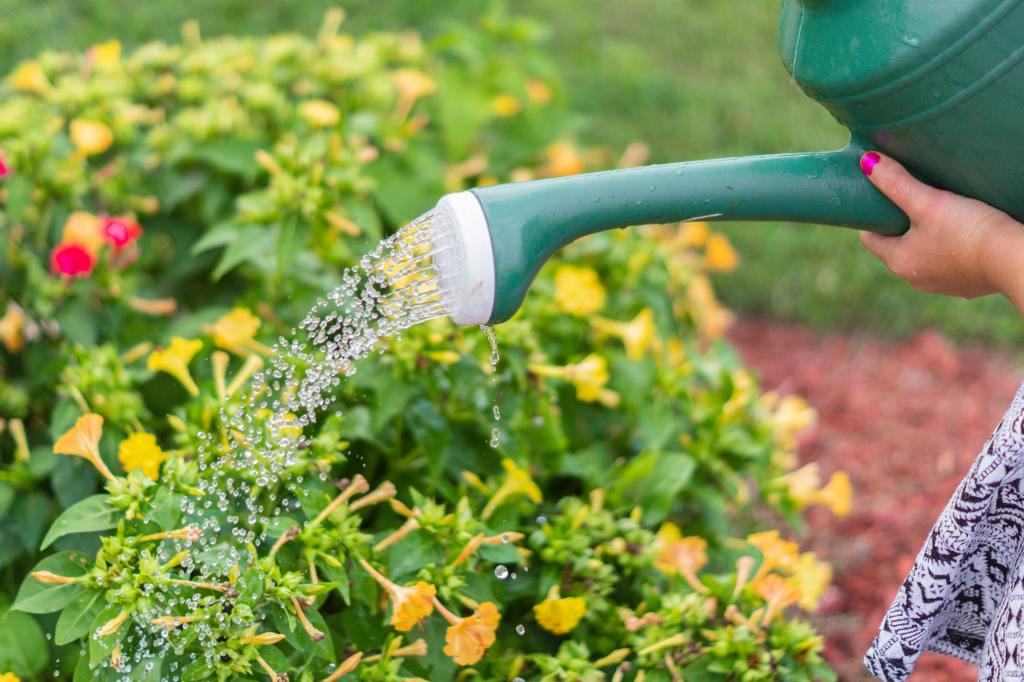
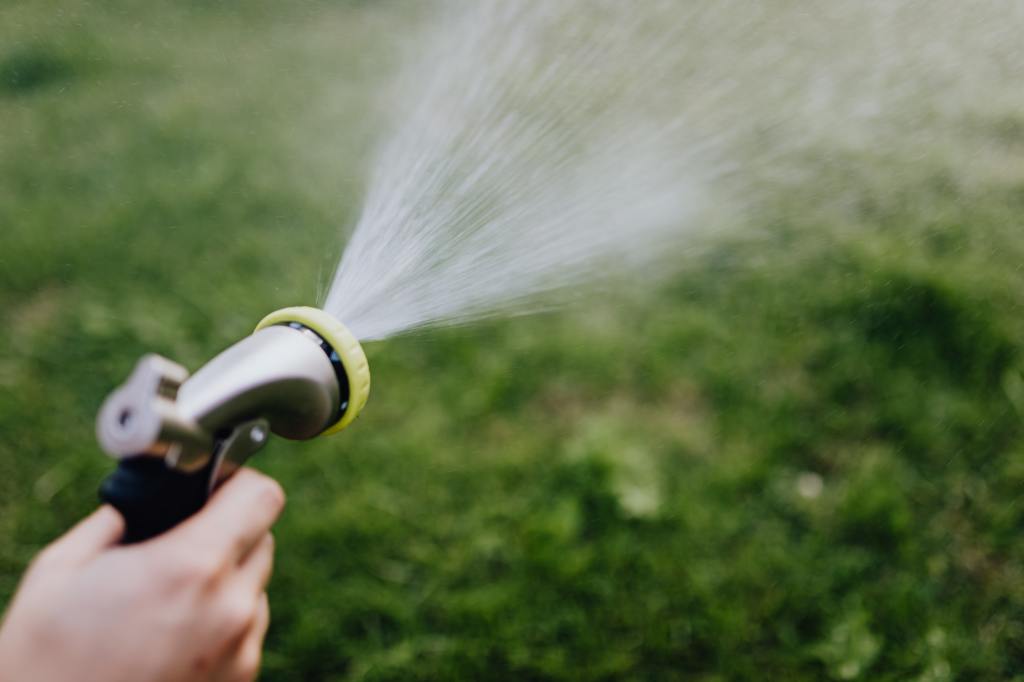
  1. Use a watering can, hose, or soaker hose instead of a sprinkler, which can waste a lot of water.
  1. Water your plants deeply and less frequently, rather than a little bit every day. This encourages deep roots and reduces the need for frequent watering.

  1. Consider using drought-resistant plants that are well-adapted to your local climate.
  1. Place mulch around your plants to reduce water evaporation and help retain moisture in the soil.
  2. Gather rainwater in barrels or buckets to use for watering your garden, instead of using tap water.
  1. Use a drip irrigation system to deliver water directly to the roots of your plants, which is more efficient and reduces water waste.
  1. Maintain healthy soil by adding compost and organic matter, which helps retain moisture and reduce the need for frequent watering.
As you can see, some of these ideas are basic, while others require some lateral thinking (especially the first one!)

By implementing these water conservation techniques in your garden, you will greatly reduce your water usage.
And you will also create a more sustainable garden that is better equipped to handle droughts and dry spells.

Do you know any other techniques on how to waste less water when tending to your garden?

If so, hit reply and let me know.

I would love to share them with other preppers.