Surviving Ohio: The 10 Most Dangerous Things That Could Kill You at Any Moment

The state of Ohio, with its cornfields, sleepy suburbs, and so-called “friendly people,” is quietly plotting your demise. Most of the population strolls around blind to the fact that death is lurking behind seemingly innocent facades—your local forest, a quiet pond, even the air you breathe. I’m done watching idiots get themselves killed while pretending everything is “fine.”

Here’s a cold, unfiltered rundown of the top 10 most dangerous things in Ohio that can easily end your life, and what you absolutely must do to survive them. Spoiler alert: if you think luck or a polite smile will save you, you’re already halfway to the morgue.


1. Tornadoes

Ohio isn’t Oklahoma, but don’t let that fool you—tornadoes are unpredictable, brutal, and they love Ohio in spring. These rotating death funnels can obliterate homes in seconds, hurl cars like toys, and turn your entire life into a nightmare in minutes.

How to survive:

  • Never, ever ignore tornado warnings. Your “I’ll wait it out” mentality will get you killed.
  • Have a storm cellar or a reinforced basement stocked with essentials.
  • Keep helmets and heavy blankets on hand—anything to protect your skull from flying debris.

Ignoring tornadoes is like challenging a bear to a thumb war. You’ll lose.


2. Rattlesnakes and Other Venomous Critters

Ohio is home to the Eastern Massasauga rattlesnake. Cute? Sure. Deadly? Absolutely. Most people never see them until it’s too late. Combine that with aggressive bees, spiders, and other venomous creatures, and your backyard can quickly become a death trap.

How to survive:

  • Watch your step in tall grass or near rivers.
  • Keep a snakebite kit handy and know how to use it.
  • Do NOT try to handle any venomous animals. You are not a superhero.

3. Flooding

Flooding in Ohio is subtle and sinister. A seemingly calm river can swell in hours, destroying homes, sweeping cars away, and drowning the unprepared. Many deaths happen not because people can’t swim, but because they underestimate water power.

How to survive:

  • Monitor local flood alerts—this isn’t optional.
  • Never drive or walk through floodwaters. A few inches can turn into a swift, deadly current.
  • Elevate critical items in your home and have an evacuation plan.

4. Poisonous Plants

Yes, you read that right. Ohio’s forests are full of plants that can slowly, painfully kill you if ingested or touched. Poison hemlock, wild parsnip, and deadly mushrooms aren’t folklore—they’re real, and they’re everywhere.

How to survive:

  • Learn to identify toxic flora. Ignorance is fatal.
  • Never eat foraged plants unless you are 100% sure they are safe.
  • Protect your skin when walking through thick vegetation.

5. The Ohio Highways

Forget bears, snakes, or tornadoes—humans on the road are just as deadly. Ohio’s highways are crawling with reckless drivers, distracted teenagers, and commuters fueled by coffee and rage. Statistics show thousands die in car accidents each year, many preventable.

How to survive:

  • Defensive driving isn’t optional. Assume every driver is trying to kill you.
  • Avoid driving at night on rural roads; wildlife is just waiting to plow into your car.
  • Seatbelts are the bare minimum—think of them as life insurance, not a suggestion.

6. Extreme Weather

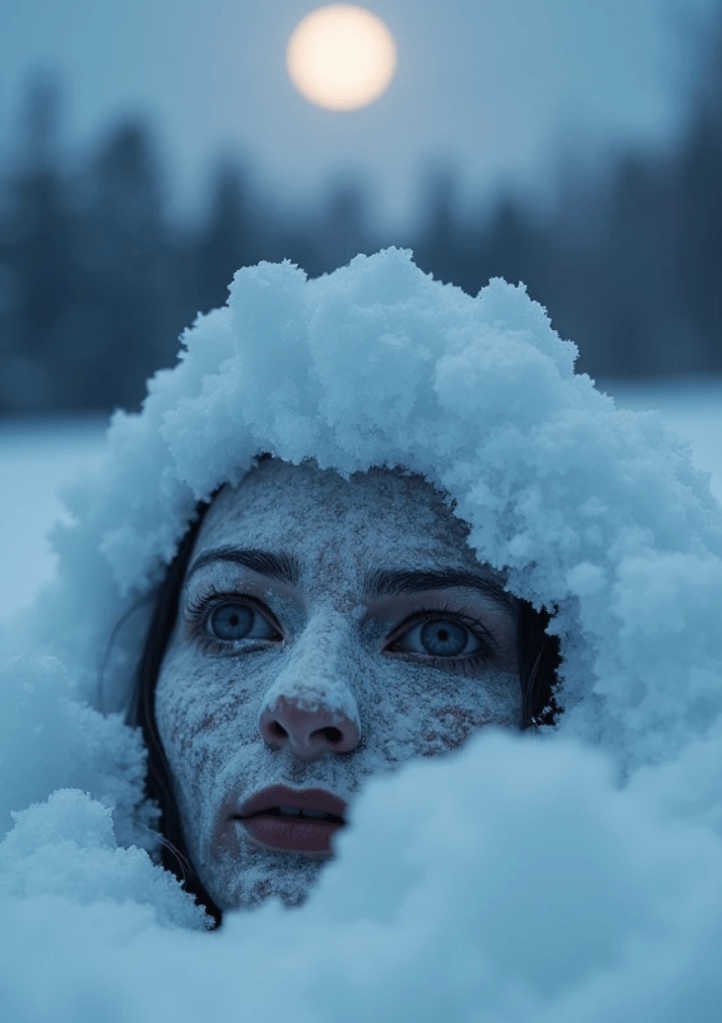
Ohio doesn’t just have tornadoes. Winters bring bone-chilling cold, ice storms, and hypothermia-inducing blizzards. Summers are sweltering, humid, and perfect for heatstroke. Nature here will test your body, patience, and survival skills.

How to survive:

  • Stock layered clothing for winter and hydration strategies for summer.
  • Never underestimate exposure—frostbite and heatstroke are silent killers.
  • Have backup heat sources and cooling methods in case the grid fails.

7. Drowning in Lakes and Rivers

Ohio has thousands of lakes, rivers, and ponds. People go to swim, fish, or boat without realizing that water can end their life in moments. Currents, cold water shock, or even just poor swimming skills can kill you faster than you think.

How to survive:

  • Always wear a life jacket while boating or fishing.
  • Swim only in designated areas with lifeguards if possible.
  • Never underestimate cold water—it can incapacitate you in minutes.

8. Rabid Animals

Rabies isn’t a legend here; it’s a very real and very deadly threat. Bats, raccoons, and even stray dogs can carry the virus. A single bite can be fatal if not treated immediately.

How to survive:

  • Avoid wild animals, especially if they are acting unusually aggressive or tame.
  • Vaccinate pets and keep them away from wildlife.
  • Seek immediate medical attention if bitten—time is critical.

9. Foodborne Illnesses

You think dying in Ohio means a tornado or snakebite? Think again. Contaminated food, whether from local farms, restaurants, or your own kitchen, kills hundreds every year. Bacteria like E. coli and Salmonella are stealthy killers.

How to survive:

  • Wash hands, cook meat thoroughly, and store food properly.
  • Be skeptical of “fresh” produce from unknown sources.
  • When in doubt, throw it out. Your life is worth more than a moldy tomato.

10. The Complacent Mindset

Finally, the most lethal danger of all is your own ignorance. People assume Ohio is “safe” because it’s not New Orleans, not California, not Alaska. That complacency kills more than snakes, floods, and tornadoes combined.

How to survive:

  • Always be aware of your surroundings.
  • Learn survival skills, first aid, and basic self-defense.
  • Never trust that luck will keep you alive. It won’t.

Conclusion

Ohio might look peaceful with its rolling hills, cornfields, and “friendly” neighborhoods, but underneath lurks a deadly cocktail of natural, human, and environmental hazards. Tornadoes, floods, venomous creatures, and your own stupidity are waiting to end your life.

If you want to survive, you need to wake up. Be vigilant, be prepared, and respect every threat like it has a vendetta against your sorry existence—because, honestly, it does. Don’t wait until it’s too late. In Ohio, death doesn’t send a warning; it just comes for you quietly, and often, ruthlessly.

You’ve been warned.

Stay Safe in the Silver State: Prepper Tips for Nevada’s Natural Disasters

Surviving the Deserts and Earthquakes of Nevada: A Prepper’s Guide

Nevada, the Silver State, is well-known for its vast desert landscapes, glimmering casinos, and a lifestyle deeply rooted in independence. But beyond the glitzy lights and urban sprawl, residents are aware of the harsh realities of living in a state susceptible to a variety of natural disasters. As a prepper in Nevada, you’ve got to be ready for anything—from extreme heatwaves and wildfires to earthquakes and floods. In this guide, I’m going to walk you through how we prepare for Nevada’s worst natural disasters and offer 10 survival prepper tips that every Nevadan should know.

1. Understand the Nevada Landscape and Hazards

Nevada is a diverse state, but it’s known for its arid desert climate and rugged mountain terrain. The northern part of the state experiences extreme cold temperatures and heavy snow in the winter, while the southern part remains hot and dry year-round. Both extremes present unique survival challenges, especially during natural disasters. Residents in the north must prepare for snowstorms and freezing temperatures, while those in the south face the ever-present threat of wildfires and extreme heat.

CLICK HERE TO LEARN HOW TO SURVIVE A FAMINE

2. Wildfires: The Ever-Present Danger

Wildfires are a frequent and devastating threat in Nevada, particularly during the dry summer months. Wildfires can spread rapidly, consuming dry vegetation and quickly becoming uncontrollable. As a prepper, it’s vital to have a plan to evacuate if a wildfire is near. Prepare your home by creating defensible spaces around your property, clearing away dry vegetation, and investing in fire-resistant materials for your home.

Prepper Tip #1: Create an evacuation route and practice it with your family. Always have your go-bag ready, and be prepared to leave at a moment’s notice. Ensure that everyone knows where the emergency rendezvous point is.

3. Earthquakes: Nevada’s Hidden Danger

Nevada may not be as famous for earthquakes as California, but it’s a major player in the seismic zone. In fact, Nevada experiences more than 600 earthquakes each year, with some of them strong enough to cause significant damage. The west of the state is part of the Walker Lane Fault Zone, which is an active fault line. While most of these quakes are small, the potential for a large, damaging earthquake exists.

Prepper Tip #2: Secure your home by anchoring heavy furniture and shelving units to the wall. Store your emergency supplies in easy-to-reach places, and practice earthquake drills with your family.

4. Extreme Heat: Surviving Nevada’s Searing Summers

Summer temperatures in Nevada can easily exceed 100°F, especially in the southern part of the state. The desert climate makes it easy to become dehydrated, and prolonged exposure to the sun can result in heatstroke. Extreme heat can also lead to power outages and water shortages.

Prepper Tip #3: Invest in a good solar-powered air conditioning system or fans that can help you keep cool during power outages. Always keep a large water supply on hand—aim for at least a gallon per person per day for a week. Hydration is key.

5. Flash Flooding: A Surprising Hazard

While Nevada is mostly dry, flash floods can happen unexpectedly, especially during monsoon season. These floods can quickly transform dry riverbeds into raging torrents of water, sweeping away vehicles and homes in a matter of minutes. It’s crucial to know when flash flood warnings are issued and have a plan to get to higher ground if necessary.

Prepper Tip #4: Know the flood-prone areas in your area and avoid building or storing valuables in low-lying areas. If you live near a wash or riverbed, keep a set of waterproof clothing and emergency supplies ready to go.

6. Snowstorms and Winter Weather: Northern Nevada’s Challenge

Though much of Nevada is desert, northern regions like Reno and the surrounding areas can experience heavy snowfalls during the winter months. These snowstorms can lead to road closures, power outages, and the isolation of communities.

Prepper Tip #5: Keep a winter survival kit in your vehicle, including blankets, chains for your tires, extra food and water, and a flashlight. It’s also a good idea to have a backup generator for when the power goes out during a storm.

7. Droughts: A Long-Term Issue

Nevada is one of the driest states in the U.S., and droughts are an ongoing concern. With a reliance on the Colorado River for water, the state faces constant pressure from declining water levels. In prolonged drought conditions, water shortages become a critical issue.

Prepper Tip #6: Collect and store rainwater whenever possible. Having a rainwater harvesting system installed can provide a valuable backup water supply. Also, consider investing in a high-efficiency water filtration system for your home.

8. Tornadoes: A Rare but Real Threat

Though rare in Nevada, tornadoes can and do occur, primarily in the northern and central parts of the state. Tornadoes can come with little warning, and their destructive power can level entire structures. It’s vital to be prepared and understand what to do if one should strike.

Prepper Tip #7: Have a designated safe room or basement in your home that’s reinforced to withstand the wind and debris of a tornado. Keep it stocked with emergency supplies like first aid kits, water, and non-perishable food.

9. Pests and Rodents: An Unlikely Survival Threat

While not traditionally thought of as a disaster, Nevada’s desert environment can bring pests like scorpions, rattlesnakes, and rodents into close contact with humans. These animals can be dangerous and spread disease, especially if they’re driven to seek shelter due to natural disasters.

Prepper Tip #8: Seal up cracks and gaps in your home, especially in the foundation, to keep out pests. Always inspect outdoor gear and supplies before bringing them inside, and consider investing in pest-proof containers for food storage.

10. Power Outages: Be Ready for the Worst

The heat, wildfires, and snowstorms in Nevada can all contribute to power outages. Whether it’s a widespread blackout or a localized issue, losing electricity can be a serious survival challenge, especially if it’s during extreme weather.

Prepper Tip #9: Install a backup power system, like a generator, to keep essential appliances running. Solar-powered chargers for your phones and other devices can also be a lifesaver when the grid goes down.

11. Stay Informed: Knowledge is Key

Living in a state prone to natural disasters means staying informed. Nevada residents need to know when disasters are on the horizon and have access to reliable weather and emergency information sources.

Prepper Tip #10: Invest in a weather radio with battery backup, so you can receive up-to-date information during emergencies. Also, consider downloading emergency apps on your phone that will alert you to local disaster warnings.

Conclusion

Being a survival prepper in Nevada means more than just stacking up supplies—it’s about preparing for the unique natural disasters the state faces. Whether you’re braving the scorching summer heat, preparing for an earthquake, or evacuating from a wildfire, the key to survival is planning and preparation. With these 10 survival tips, you can be confident that you’re ready for whatever Nevada throws your way. Keep your head in the game, your supplies stocked, and your mind sharp. Survival in the Silver State isn’t just about luck—it’s about being prepared for anything.

Alabama Survivalist’s Guide to the 30 Best Campsites for Preppers

As a prepper living here in Alabama, you know it’s vital to be ready for any situation life may throw at you. Whether you’re looking to get away from the chaos for a weekend, practice your skills, or stock up on knowledge, camping in Alabama is a must for every survival enthusiast. Alabama offers diverse landscapes, from dense forests to winding rivers and tranquil lakes, that serve as the perfect environment for honing survival skills.

Camping in the great outdoors allows you to practice important skills like shelter-building, fire-starting, and finding clean water, all while familiarizing yourself with the unique terrain of Alabama. Whether you’re a seasoned prepper or just starting out, this state has a wide range of sites for every skill level. Here’s a guide to 30 of the best camping sites in Alabama that will have you prepared for anything.

1. Cheaha State Park

Nestled in the Talladega Mountains, Cheaha State Park is Alabama’s highest point and offers some of the most breathtaking views in the state. It’s a great spot for those looking to practice navigation skills, bushcraft, or simply enjoy a solid, rugged campsite surrounded by nature. With access to hiking trails, waterfalls, and ample wildlife, this site is perfect for prepping and survival training.

2. Bankhead National Forest

Bankhead is a vast, remote national forest with endless opportunities for camping, hiking, and exploring. The dense woods and rugged terrain offer a great challenge for preppers. The wilderness here will test your skills with its diverse plant and animal life, making it an ideal spot for honing your survival tactics.

3. Tuskegee National Forest

If you’re looking for a less populated area where you can focus on practice, Tuskegee National Forest offers a great location for survivalists. With miles of trails, various wildlife, and access to natural water sources, you’ll be able to get in some good, hands-on survival training here.

4. Talladega National Forest

This forest stretches across several counties and is one of the largest natural areas in the state. With miles of trails and access to both camping and primitive sites, Talladega is ideal for preppers looking to practice wilderness survival and testing their gear in a challenging environment.

5. Guntersville State Park

Known for its beautiful views of Lake Guntersville, this park has everything from rustic campsites to modern amenities. It’s a great place for preppers looking to practice water-based survival skills and fishing. Plus, the park has plenty of wildlife and varied terrain to help build your prepper skills.

6. Hocking Hills State Park

This park offers dense woods and deep ravines that’ll put your navigation and shelter-building skills to the test. The landscape here is perfect for practicing tactics in a natural, challenging environment. While the park is well-known for its beauty, it’s also a fantastic location for honing survival instincts.

7. Oak Mountain State Park

Oak Mountain is the largest state park in Alabama, with 10,000 acres of natural beauty. Preppers can take advantage of the park’s variety of landscapes, including lakes, forests, and meadows. Perfect for testing your survival skills in different terrain, Oak Mountain offers primitive campsites that simulate real-world survival scenarios.

8. Little River Canyon National Preserve

For a prepper looking for diverse terrain, this canyon offers cliffs, rivers, and forests. This preserve is ideal for practicing search-and-rescue, building natural shelters, and living off the land. With its remote location, you can spend a few days without any distractions, sharpening your survival instincts.

9. Monte Sano State Park

Monte Sano offers rugged mountain trails and picturesque views that challenge even the most seasoned campers. The park is popular for its rock climbing and hiking trails, which give preppers a chance to practice building endurance and assessing their survival gear in tough environments.

10. Lurleen B. Wallace State Park

This park is great for prepping in isolation. It offers lakes, wooded campsites, and miles of trails. Lurleen B. Wallace State Park is ideal for practicing stealth camping techniques or honing your skills in fishing, foraging, and wilderness survival.

11. Lake Guntersville State Park

With over 6,000 acres of outdoor adventures, Lake Guntersville State Park is another prepper’s paradise. It’s an excellent location to practice building fire, shelter, and water purification, plus there’s plenty of room for long hikes and observation of wildlife.

12. DeSoto State Park

DeSoto State Park, with its large waterfalls and abundant wildlife, offers plenty of opportunities for survivalists to practice finding resources, constructing shelters, and testing out camping gear. There are also various rugged trails here for those looking for challenges.

13. Wind Creek State Park

Located near Lake Martin, this park offers more than just beautiful views—it’s perfect for honing your water-based survival skills. With boating access and miles of trails, Wind Creek is great for any prepper wanting to perfect their skills on both land and water.

14. Birmingham’s Ruffner Mountain Nature Preserve

If you’re in the city and want a quick wilderness escape, Ruffner Mountain offers a great location for testing your skills while being close to urban areas. With many different ecosystems, this nature preserve gives preppers a chance to practice on relatively rough terrain.

15. Pine Glen Recreation Area

Located in the William B. Bankhead National Forest, this site offers some primitive camping with access to multiple hiking and mountain biking trails. It’s the perfect spot for someone looking to get serious about wilderness survival and hone their skills.

16. Flatwoods Campground

Located in the Talladega National Forest, this primitive site is ideal for prepping in isolation. The terrain is hilly, and the area offers good opportunities to practice bushcraft and other survival skills.

17. Tuscumbia Nature Preserve

A beautiful and often overlooked spot, this park has great camping sites for anyone wanting to escape into nature for a weekend of survival training. The abundance of wildlife makes it ideal for learning how to track, forage, and survive in the wild.

18. Tallassee River Campground

This spot provides a serene setting along the river, with ample opportunities for fishing, swimming, and water survival training. The terrain here is somewhat rugged, which is perfect for preparing yourself for a variety of environments.

19. Flat Rock Park

Ideal for those looking to do a little more advanced prepper training, this park offers primitive campsites surrounded by thick forests. It’s a peaceful spot for sharpening your skills in fire starting, shelter building, and more.

20. Wind Creek State Park

A perfect place for testing survival techniques along the water’s edge, Wind Creek features excellent areas to practice fishing, water navigation, and emergency water purification skills.


30 Top Alabama Campsites for Survival Preppers:

  1. Cheaha State Park
  2. Bankhead National Forest
  3. Tuskegee National Forest
  4. Talladega National Forest
  5. Guntersville State Park
  6. Hocking Hills State Park
  7. Oak Mountain State Park
  8. Little River Canyon National Preserve
  9. Monte Sano State Park
  10. Lurleen B. Wallace State Park
  11. Lake Guntersville State Park
  12. DeSoto State Park
  13. Wind Creek State Park
  14. Birmingham’s Ruffner Mountain Nature Preserve
  15. Pine Glen Recreation Area
  16. Flatwoods Campground
  17. Tuscumbia Nature Preserve
  18. Tallassee River Campground
  19. Flat Rock Park
  20. Wind Creek State Park
  21. Pine Glen Campground
  22. Beavers Bend State Park
  23. Little River Canyon National Preserve
  24. Blue Springs State Park
  25. Desoto State Park
  26. Choccolocco Mountain Trails
  27. Cheaha Wilderness Area
  28. Coosa River Canoe Trail
  29. Alabama Highlands Trail
  30. White Sands Campground