The Brutal Truth Why Your “Survival Kit” Is A Joke – And What You Actually Need to Survive

Let’s get something straight: the world is not your friend. It never has been. And every time you scroll through social media watching people argue about meaningless garbage — politics, celebrity drama, whatever nonsense is trending — you can almost feel civilization cracking under the weight of its own stupidity. Most people think “preparedness” means buying a flashlight and hoping the government saves them. These are the same people who panic when the grocery store runs out of milk for 48 hours. Pathetic.

But you’re here because you’re not one of them — or at least, you’re trying not to be. You want a real survival kit. A kit that won’t crumble the moment the power grid collapses or society finally implodes under its own ignorance. Good. Because we’re done pretending that everything is fine. It’s not. And if you don’t have the right essentials, you’re going to learn the hard way why every serious survivalist keeps their gear ready, organized, and non-negotiable.

Below are the actual best survival kit essentials — not the watered-down, cute little lists written by lifestyle bloggers who think “minimalist living” is the same thing as surviving catastrophe. This is the gear you need when the world stops pretending.


1. A Real Knife — Not a Toy

If your knife came in a plastic package at a gas station, throw it in the trash. A survival knife is not a fashion accessory. It’s a tool, a weapon, a lifeline, and in the worst-case scenario, the only thing between you and becoming a cautionary tale.

Your knife should be:

  • Full-tang
  • Carbon steel or high-quality stainless
  • Strong enough to baton wood
  • Sharp enough to cut rope, fabric, and meat

The world will not hesitate to put you in situations where your knife is your only defense. Expect it.


2. Water Filtration — Because Clean Water Won’t Magically Appear

People act like water is always going to flow from their faucets forever. News flash: when the grid goes down, the pumps stop. And when that happens, the unprepared will drink whatever they can find — contaminated ponds, roadside runoff, bacteria-infested puddles. They’ll get sick. You won’t. Because you’ll have:

  • A portable water filter (Sawyer Mini or similar)
  • Purification tablets
  • A metal canteen for boiling water

Without clean water, you have 3 days. Maybe. Plan accordingly.


3. Fire-Starting Gear — Because Cold and Darkness Don’t Care
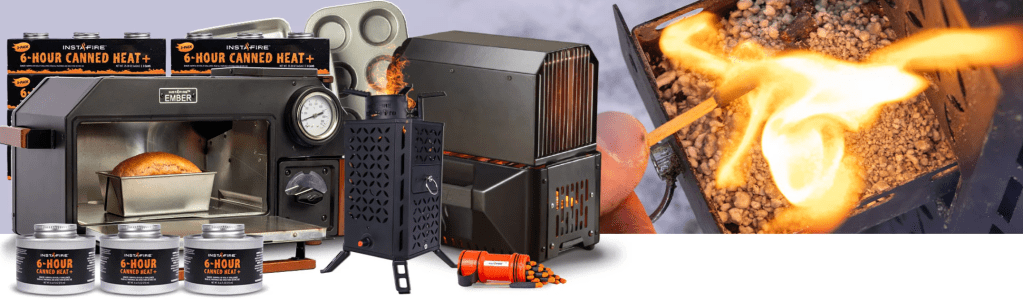
If you think one cheap lighter is enough, you’re already halfway to failure. You need multiple ways to create fire because fire means warmth, sterilization, cooking, signaling, and psychological stability.

A real kit includes:

  • Ferro rod
  • Stormproof matches
  • Butane lighter
  • Tinder sources (cotton balls, fatwood, etc.)

Fire is life. And life doesn’t come easy.


4. Shelter Materials — Because Exposure Will Kill You First
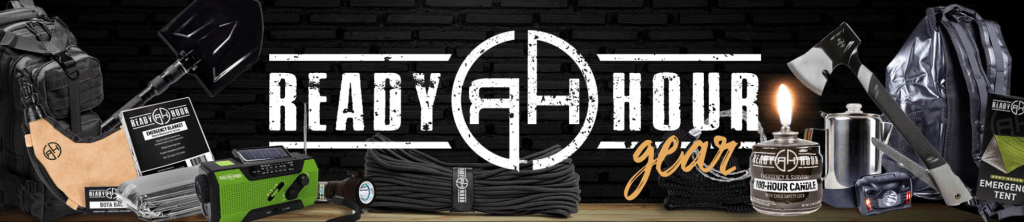
Most people think they’re invincible. They aren’t. One night of cold rain will crush morale and end your chances. Shelter isn’t optional — it’s the backbone of survival.

Your kit must include:

  • Emergency reflective blanket
  • Tarp or lightweight shelter
  • Paracord
  • Stakes or makeshift anchors

Comfort is irrelevant. Survival is everything.


5. First Aid — Because Injuries Don’t Heal Themselves

The world is full of hazards — rusty nails, broken glass, cliffs, hostile people, and plain old bad luck. And guess what? Hospitals won’t be open when everything collapses.

Your first aid essentials:

  • Bandages, gauze, and wraps
  • Antiseptic wipes
  • Antibiotic ointment
  • Painkillers
  • Trauma supplies (tourniquet, hemostatic gauze)
  • Medical gloves

There’s no dignity in dying from an infection. Handle it.


6. Multi-Tool — Because You Need More Than Two Hands

A multi-tool is the unsung hero of survival gear. Opening cans, fixing gear, cutting wire, tightening screws — it’s the stuff you don’t think about until you need it. And in survival situations, you will need it.

Avoid the cheap ones. If it breaks in your hand when you’re desperate, that’s on you.


7. Reliable Light Source — Because Darkness Is the Enemy
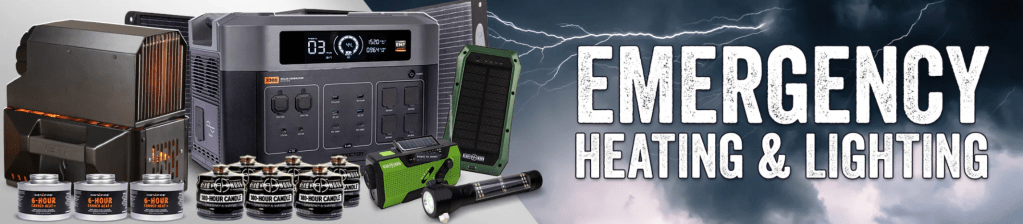
A flashlight is more than a convenience — it’s control. It’s the ability to move, work, and defend yourself at night. It’s the difference between panic and clarity.

You need:

  • A rugged LED flashlight
  • Spare batteries
  • A small back-up light or headlamp

Without light, your environment owns you.


8. Navigation Gear — Because Phone GPS Is a Luxury
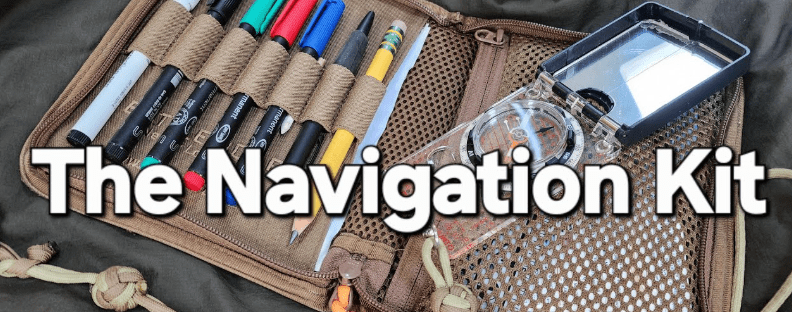
Technology-dependent people are going to be completely lost — literally. Batteries die. Cell towers fail. Satellites get compromised. And then what?

Your kit must include:

  • Compass
  • Physical map of your region
  • Backup notes of routes, landmarks, and safe zones

If you can’t navigate without a smartphone, you’re prey.


9. Food Rations — Because Hunger Makes People Stupid
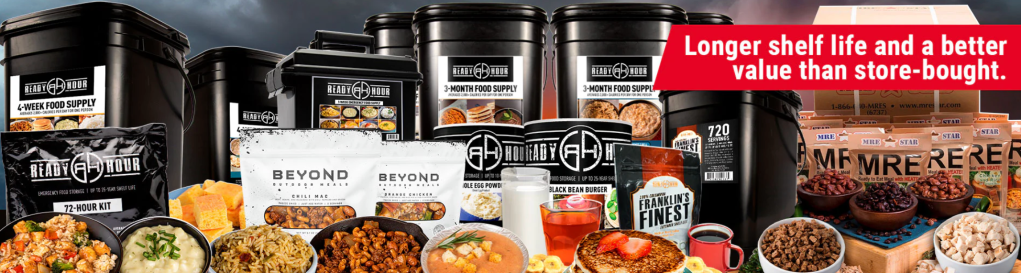
When people get hungry, they make bad decisions — desperate decisions. You need rations that don’t rely on refrigeration, cooking, or delicate packaging.

Go for:

  • High-calorie emergency bars
  • Freeze-dried meals
  • Nuts and protein-dense snacks

This isn’t gourmet dining. This is “stay alive until tomorrow.”


10. Clothing Layers — Because Weather Doesn’t Care About Your Plans
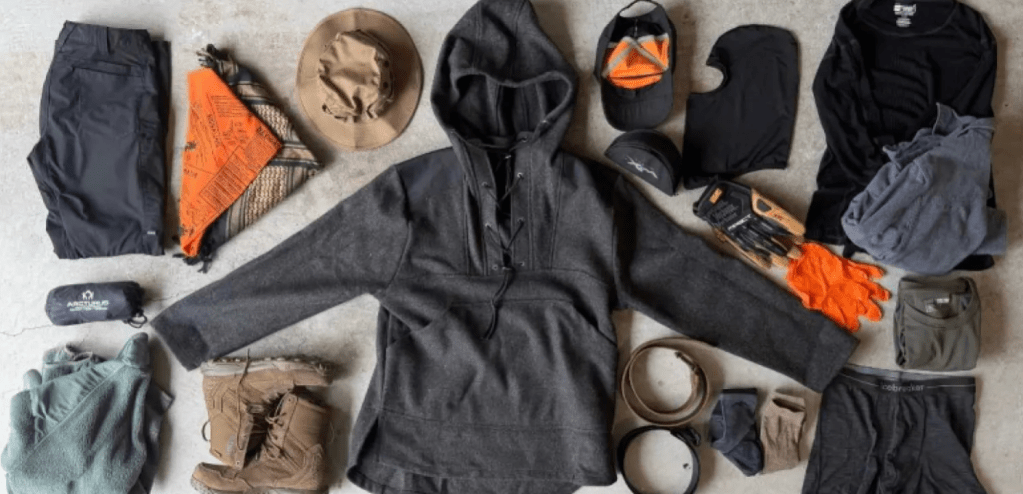
A proper survival kit includes more than gear — it includes what you wear. Weather changes faster than society collapses, and if you aren’t ready, the environment will make you pay.

Pack:

  • Thermal base layers
  • Waterproof shell
  • Wool socks
  • Gloves and a beanie

Comfort is optional. Protection is not.


11. Self-Defense Tools — Because People Become the Real Threat
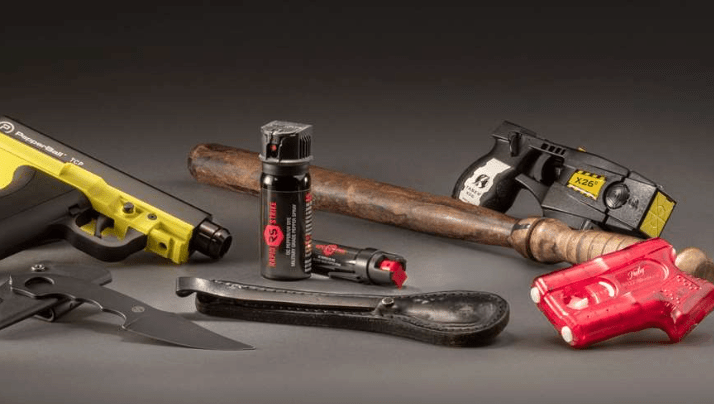
When systems fail, people unravel. Desperation turns good people dangerous, and dangerous people malicious. You don’t need paranoia — you need realism.

Consider carrying:

  • Pepper spray
  • A sturdy knife (again — you should have two)
  • A tactical pen
  • A self-defense training mindset

Because the worst thing you can do in a crisis is trust the wrong person.


12. The Mental Will to Survive

All the gear in the world can’t save someone who’s mentally weak. Survival demands grit — the kind this modern world has stripped from most people. When panic hits, when exhaustion tries to break you, when the world around you falls apart, the only thing that keeps you alive is your will.

And that’s something no one can pack for you.


Conclusion

The world is unpredictable, fragile, and full of people who think “preparedness” is unnecessary until it’s too late. Don’t be one of them. Build your survival kit like your life depends on it — because one day, it might.

When the world fails — and it will — your survival kit is either your life insurance or a reminder of your own negligence. Choose wisely.


How To Stay Safe and Survive During a Riot in Pennsylvania

When civil unrest erupts, the rules of normal society get tossed out the window. If you find yourself in Pennsylvania during a riot—whether in Philly, Pittsburgh, or a small town—you need to shift from civilian mindset to survivalist instinct fast. I’ve lived through hurricanes, blackouts, and civil unrest. Let me tell you: chaos doesn’t send a warning text.

If you’re caught unprepared, you’re a target. But with the right mindset, skills, and tools, you can protect yourself and your loved ones. Here’s how a seasoned survival prepper handles a riot scenario.


First: Situational Awareness is Your Survival Bedrock

Before you ever have to throw a punch or swing a bat, your awareness will keep you alive. Monitor your surroundings constantly. Know the difference between a peaceful crowd and a mob ready to burn everything in sight. Stay updated on local news, and if something starts brewing, trust your gut. Don’t wait. Get out early if you can.

Install police scanner apps and follow local emergency channels. If you’re on foot, avoid bottlenecks like alleyways or fences. If you’re in a vehicle, keep your gas tank above half at all times and know at least three alternate routes out of town.


8 Self-Defense Skills Every Prepper Should Master

In a riot, 911 is likely overwhelmed or unavailable. That means you are your own first responder. Whether you’re defending yourself or your family, here are the self-defense skills that matter most:

  1. Situational De-escalation
    Learn how to defuse tension verbally and with body language. Sometimes not fighting is the smartest fight you’ll win.
  2. Krav Maga Basics
    This Israeli martial art was designed for real-world violence. Focus on neutralizing threats fast—groin strikes, eye gouges, and throat punches are not dirty; they’re smart.
  3. Palm Heel Strikes
    Avoid hurting your own hand. A palm heel to the nose or jaw is devastating and easy to learn.
  4. Elbow Strikes
    In close quarters, nothing beats the elbow. Short, fast, and bone-breaking.
  5. Improvised Weapon Training
    Know how to turn a flashlight, pen, or belt buckle into a weapon. A sturdy tactical pen can be life-saving.
  6. Ground Defense
    If you end up on the ground, know how to protect your face and get back up. Jiu-jitsu fundamentals are invaluable here.
  7. Escape From Grabs
    Practice breaking holds. A wrist grab can lead to a beatdown—or a quick reversal if you’ve trained properly.
  8. Weapon Retention & Disarmament
    If someone pulls a weapon on you, your goal is either to flee or disarm fast. Learn the basics of redirecting a knife or firearm—timing and confidence are everything.

3 DIY Survival Weapons You Can Make at Home

Even if you don’t own firearms or they’re not accessible, you can arm yourself legally and discreetly with DIY tools that pack serious deterrent value.

1. PVC Pipe Baton

  • Materials: 1-inch diameter PVC pipe (2 feet), sand or BBs, duct tape.
  • Instructions: Fill the pipe with BBs or sand to give it weight, seal both ends, wrap with duct tape for grip. It hits hard and won’t attract as much attention as a metal bat.

2. Improvised Spear

  • Materials: A broomstick, kitchen knife, duct tape, paracord.
  • Instructions: Lash the knife to the end of the stick tightly. Works for both defense and deterrent purposes, especially if you’re defending your home.

3. Slingshot with Metal Ammo

  • Materials: Commercial slingshot, ball bearings or marbles.
  • Instructions: Practice accuracy. A slingshot can take down small game or discourage an aggressive attacker without the noise of a firearm.

How To Fortify & Escape Your Home During a Riot

If a riot is headed your way, bugging in is your first line of defense. Fortify your home with these quick strategies:

  • Block ground-floor windows with furniture or plywood. You’re not trying to win a war, just discourage entry.
  • Turn off all lights at night to avoid drawing attention.
  • Create a safe room. If intruders enter, you need one locked, fortified space to regroup and plan an escape if needed.

If the situation escalates and you must bug out:

  • Don’t take major roads. They’re likely jammed or under police/military lockdown.
  • Move at dawn or dusk. Less visibility, less risk.
  • Dress like a grey man. Neutral colors, no tactical gear that screams “prepared.” You want to blend in, not stand out.

Quick-Access Riot Survival Kit

Here’s what every Pennsylvanian should keep ready when unrest flares up:

  • Tactical flashlight with strobe
  • Filtered water bottle or Lifestraw
  • Multi-tool or fixed blade knife
  • First aid kit with blood clotting gauze
  • Smoke mask or N95
  • Sturdy gloves (for climbing or dealing with debris)
  • Copies of ID in a waterproof bag
  • Map with marked safe routes out of town
  • Cash in small bills
  • Energy bars or MREs

Mindset: The Ultimate Survival Tool

If you panic, you lose. Stay calm, focused, and decisive. Panic is contagious. So is confidence. Your demeanor will influence your family and those around you. In a riot, fear spreads like fire. Be the firebreak.

Trust your instincts. Don’t hesitate. If you see things are spiraling, don’t wait for permission to act. It’s always better to leave too early than one minute too late.


Final Thoughts From a Seasoned Prepper

Riots in Pennsylvania aren’t just a big-city problem anymore. With social tension boiling across the country, even rural towns can become hotspots overnight. You don’t need to be a doomsday bunker-dweller to be prepared. You just need to take your safety seriously.

Train your body. Train your mind. Prepare your home. Learn to defend yourself and protect what matters.

Because in the end, when the system fails, you’re all you’ve got.

Michigan’s Worst Roads to Drive on During a Disaster

I’ve driven across the windswept deserts of Arizona in a sandstorm, through Appalachia with a busted axle, and in the dead of a Montana blizzard using nothing but chains and grit. But let me tell you—few things test your mettle like driving in Michigan after a disaster hits. Cracked pavement, narrow shoulderless highways, forgotten forest roads—if you’re not prepared, Michigan will eat you alive. The state’s infrastructure is a patchwork quilt of old industrial routes, pothole-riddled backstreets, and seasonal access roads that seem to vanish when you need them most.

So when disaster strikes—be it an ice storm, tornado, chemical spill, or civil unrest—you better be ready to outdrive the chaos. Below are the roads you should avoid in Michigan when SHTF, the survival driving skills to get you out of harm’s way, and a few DIY hacks if your tank runs dry in the middle of nowhere.


The 5 Worst Roads in Michigan to Drive on During a Disaster

1. I-94 Between Detroit and Jackson

I-94 is a vital artery, but in a crisis, it turns into a clogged vein. Construction is constant, traffic backups are brutal, and exits are limited. When panic sets in, this stretch becomes a parking lot. Worse, if you’re caught during a snowstorm or flash freeze, you’re stuck—possibly for hours, maybe days.

2. M-39 (Southfield Freeway)

This one’s a death trap when it rains, snows, or floods. The underpasses flood so fast you’d think Poseidon had a hand in designing them. In a disaster, your odds of getting stuck under a flooded viaduct are alarmingly high.

3. M-10 (Lodge Freeway)

Known for sharp turns and reckless drivers, M-10 is tough to manage even on a good day. In a mass-evacuation or emergency situation, it becomes a twisted mess of broken-down vehicles and frustrated drivers with nowhere to go.

4. Telegraph Road (US-24)

Once a major thoroughfare, Telegraph has aged poorly. Deep potholes, worn paint, and uneven surfaces make it a tire killer. Add a disaster scenario and you’re looking at suspension damage, loss of control, or worse.

5. M-59 (Hall Road)

Hall Road is Michigan’s strip mall superhighway—cluttered, confusing, and full of people who drive like they’ve never seen a turn signal. When things go bad, everyone floods here, hoping for supplies. You’ll find gridlock, road rage, and nowhere to go.


15 Survival Driving Skills You Need When the Grid Goes Down

  1. Know Your Exit Routes
    Always memorize at least three ways out of your city—main roads, back roads, and rural trails.
  2. Read the Terrain
    In Michigan, snow hides potholes and floods disguise sinkholes. Train yourself to read water lines, tree movement, and road texture.
  3. Drive Without GPS
    Learn to read paper maps, follow compass bearings, and use natural landmarks like rivers and elevation to navigate.
  4. Brake Feathering on Ice
    Avoid slamming your brakes on slick roads. Instead, feather them—light, pulsing taps that keep traction without losing control.
  5. Off-Road Transitioning
    When roads fail, you’ll need to take to the forest, ditches, or fields. Know how to gently drop off curbs and cross rough terrain without bottoming out.
  6. High Water Assessment
    Never drive through standing water unless you can judge depth. If you can’t see the road markings, it’s too deep.
  7. Combat Reverse
    Master the art of reversing through narrow passages under pressure—especially important during blocked escape routes.
  8. Swerve Control
    Practice controlling your vehicle during evasive maneuvers. Swerving too hard leads to rollover—keep your hands light and don’t overcorrect.
  9. Engine Management in Cold Weather
    Michigan winters are brutal. Keep a block heater, monitor oil viscosity, and always carry a thermal blanket for engine emergencies.
  10. Clutch & Coast
    If you’re running low on fuel or trying to escape silently, knowing how to coast in neutral or clutch can save gas and reduce noise.
  11. Know How to Fix a Flat (Fast)
    Disasters don’t wait for AAA. Practice changing a tire under five minutes—blindfolded, if you want a challenge.
  12. Use Mirrors Like a Hawk
    You can’t afford tunnel vision. Train yourself to check mirrors every five seconds—spot ambushes, detours, and traffic snarls early.
  13. Run Flat Awareness
    Not every tire will die with a bang. Feel for pull, vibration, and steering lag—change it before it strands you.
  14. Situational Lights Discipline
    Use brake lights sparingly when fleeing. Tail lights scream your position. Know when to go dark.
  15. Evade & Obscure
    Use smoke, road flares, or mud to obscure your vehicle from pursuers or drones. Always be ready to vanish.

3 DIY Survival Driving Hacks When You Run Out of Gas

  1. Siphon with a Water Bottle and Tube
    Keep a few feet of clear tubing and a clean water bottle. You can siphon fuel from abandoned vehicles using gravity and suction. Just be careful—gas fumes are toxic. Never do this near flame or spark.
  2. Emergency Biofuel Blend
    If you’re driving a diesel engine, you can blend vegetable oil (from restaurants or pantries) with a small amount of rubbing alcohol and let it settle. Filter well. It’s rough—but it might get you 10–20 more miles to safety.
  3. Solar Heat & Pressure Hack
    On sunny days, place a sealed metal gas can in a hot area (like the car roof) to slightly pressurize remaining vapors. Then, carefully tip it toward your fuel intake using gravity to draw every drop. Slow, but better than nothing.

Final Word From the Road

I’ve driven through chaos in more places than I can count—New Orleans post-Katrina, NorCal during wildfire evacuations, and Flint during the water crisis. If there’s one thing I’ve learned, it’s this: mobility is survival. If your vehicle becomes a prison on wheels, you’re done.

Michigan is a land of contrast—gleaming cities, thick pine forests, frozen lakes, and endless cornfields. But its roads weren’t built for disaster. They were built cheap, patched over decades, and stretched beyond their limits. So you’ve got to make up the difference with skill, smarts, and nerve.

Keep your rig maintained. Practice those survival driving skills like your life depends on them—because one day, it just might. And when you’re sitting at the edge of the road, watching others panic while you’re quietly driving off into the woods with a full tank, you’ll know you’ve made it to a higher level.

Stay sharp. Stay quiet. Keep moving.


Surviving the Inferno: Life After a Super Volcano

Let me be clear: if you’re waiting on FEMA, the government, or your local grocery store to save you when a super volcano blows, you’re already dead. You’ll be one of the clueless masses choking on ash, begging for canned beans, and wondering why Wi-Fi isn’t working. This isn’t a Hollywood movie. This is the real damn deal. A super volcano, like the one ticking under Yellowstone, won’t just mess up your weekend. It’ll wipe out global agriculture, blackout the sky, crash economies, and toss billions into survival mode—most of whom don’t have a single clue how to stay alive.

If you want to survive, listen up. Here’s the brutal truth and the survival skills you’ll need when the Inferno hits.


🔥 What Happens When a Super Volcano Erupts?

You think lava is the biggest threat? Think again. The real killers are ashfall, starvation, poisoned water, and the bitter, freezing cold that comes when sunlight can’t pierce the ash cloud for months—or even years.

Ash will collapse roofs. Kill engines. Clog your lungs. Every major crop will fail. Transportation will shut down. Grid goes down. Welcome to the new Dark Ages. Hope you enjoyed your last frappuccino.

Now let’s talk about how you stay alive.


🔪 15 Survival Skills You Better Know

1. Fire Starting – In Any Damn Condition

You need fire. For warmth. For cooking. For boiling water. If you can’t start a fire in wind, rain, or snow, enjoy hypothermia.

2. Water Purification

Ash and debris will pollute every water source. Learn how to boil, filter, and treat water with bleach or purification tablets. Or die of dysentery like it’s 1849.

3. Food Preservation

Know how to can, dehydrate, ferment, and smoke meat. If you don’t have a year’s worth of preserved food, you’ll be raiding dumpsters in three weeks.

4. Hunting & Trapping

Cows won’t fall from the sky. Learn how to hunt, clean, and cook wild game. Snares, traps, and bows aren’t hobbies—they’re lifelines.

5. Foraging

Can you tell the difference between wild carrots and poison hemlock? No? Then you better learn fast. Edible plants are out there—so are deadly ones.

6. Self-Defense

People will kill for food. Period. If you can’t protect yourself, your family, and your supplies, you’re just a walking loot box.

7. Basic First Aid

Hospitals will be overwhelmed or gone. You need to treat burns, infections, wounds, and broken bones with what you’ve got. Pain doesn’t care if you’re squeamish.

8. Navigation Without GPS

You’ll need to move without Google Maps. Learn how to use a compass, read a map, and follow natural signs. Satellites don’t care if you’re lost.

9. Ash Filtration & Air Safety

Ash will suffocate you. You need respirators, makeshift filters, and sealed spaces. Learn how to rig a clean-air zone in your home.

10. Building Temporary Shelter

If your roof collapses or you’re on the move, you better know how to construct a shelter out of anything—tarps, trees, even junk.

11. Cooking Without Power

Grid’s gone. No microwave. No gas. Learn how to cook over a fire, with solar ovens, or improvised stoves made from metal cans.

12. Bartering & Trade

Money will be toilet paper. Learn how to trade goods, skills, and information. Ammunition, antibiotics, clean water—that’s your new currency.

13. Situational Awareness

Don’t walk into danger with your head in the ash. Stay alert, watch others, and listen for threats. Sheep get eaten. Wolves survive.

14. Waste Disposal

Disease will spread fast if you don’t manage human waste and trash. Build latrines. Dig trenches. Sanitation isn’t optional—it’s survival.

15. Mental Fortitude

If you can’t keep your head straight, you won’t last a week. Panic gets you killed. Weakness gets you robbed. Harden up or shut up.


🛠️ 3 DIY Survival Hacks You Won’t Learn From TikTok

⚙️ 1. DIY Ash Respirator

Ash in your lungs = death. Take a bandana or cloth, soak it lightly with water or a baking soda solution, and strap it over your nose and mouth. It won’t stop microscopic particles, but it’ll give you a fighting chance when commercial masks are gone.

⚙️ 2. Rocket Stove from Tin Cans

When the gas is out and wood is scarce, make a rocket stove from two tin cans. It focuses the flame, uses minimal fuel, and gets hot fast. Look it up. Practice now. Don’t wing it during a blizzard.

⚙️ 3. Trash Bag Shelter

Black contractor bags aren’t just for garbage—they’re body heat lifesavers. Cut one open for a tarp. Stuff it with leaves for insulation. Wear one as an emergency poncho. Light, cheap, and lifesaving.


🧊 Cold Is Coming – And It Won’t Stop

After the eruption, the global temperature drops. Crops fail. Frostbite becomes common. If you don’t have layers, wool, mylar blankets, and a way to heat your shelter, you’re done. Stockpile fuel—wood, propane, alcohol stoves, anything. Learn how to insulate your home with blankets, bubble wrap, and even dirt. Cold doesn’t care if you’re tired.


📦 What Should You Have Stocked Yesterday?

Let me make this easy. Here’s what your dumbass should already have:

  • At least six months of food. A year is better.
  • Water filters, purification tabs, bleach.
  • Medical supplies: trauma kits, antibiotics, antiseptics.
  • Respirators or masks, plus duct tape and plastic sheeting.
  • Fuel and fire sources: lighters, flint, alcohol, propane.
  • Defense tools: firearms, blades, training.
  • Seeds for long-term sustainability.
  • Manuals and books—don’t rely on dead electronics.

🧠 Final Word: This Isn’t a Drill

I’m not here to comfort you. I’m not here to lie. I’m here to tell you that when the Inferno comes, you’re either prepared, or you’re a corpse waiting for the ash to bury you.

Don’t waste time arguing with people who think the government has a plan. Don’t wait until the supermarket shelves are empty. Train. Stock. Build. Harden.

You want to live?

Then act like it.