Rhode Island’s 10 Biggest Killers – How To Survive From Becoming a Statistic

Rhode Island may be the smallest state in the union, but don’t let its size fool you. Danger doesn’t need square mileage to work its way into your life—it only needs complacency.

I’ve spent decades studying survival: wilderness, urban, maritime, kitchen-based (because yes, survival starts with what you eat and how you cook it), and human behavior under stress. And after analyzing patterns of accidental and preventable deaths in Rhode Island, one thing becomes painfully clear:

Most people don’t die because the world is unfair.
They die because they weren’t prepared.

This article breaks down the Top 10 non-disease, non-cancer, non-old-age causes of death in Rhode Island, explains why they happen, and—most importantly—what you must do to survive them.

Think of this like a perfectly executed meal. Every ingredient matters. One mistake, and dinner’s ruined. Or worse—you are.

Let’s sharpen the knives.


1. Motor Vehicle Crashes (Cars, Motorcycles, and Pedestrians)

Why People Die This Way in Rhode Island

Rhode Island drivers suffer from a deadly combination:

  • Dense traffic
  • Short trips that breed complacency
  • Aggressive driving habits
  • Weather that changes its mind every 15 minutes

Most fatal crashes involve:

  • Speeding
  • Distracted driving (phones, GPS, food)
  • Alcohol or drug impairment
  • Failure to wear seatbelts
  • Motorcyclists without proper protective gear

Pedestrians are especially vulnerable in urban areas like Providence, Pawtucket, and Warwick.

How to Survive It

A survivalist treats driving like operating heavy machinery—because that’s exactly what it is.

Rules to live by:

  • Wear your seatbelt every single time. No excuses.
  • Assume every other driver is tired, angry, distracted, or stupid.
  • Slow down in rain, fog, and snow. Physics doesn’t care about your schedule.
  • Motorcyclists: full-face helmet, armored jacket, gloves, boots. You are meat without armor.
  • Pedestrians: wear reflective gear at night and never assume a driver sees you.

Survival mindset: You’re not trying to win the drive. You’re trying to survive it.


2. Drug Overdoses (Accidental Poisoning)

Why People Die This Way

Rhode Island has been hit hard by the opioid and fentanyl crisis. Many overdose deaths are:

  • Accidental
  • Involving unknown potency
  • Mixed with alcohol or other drugs
  • Occurring alone, with no one to help

Even experienced users misjudge doses when fentanyl contaminates substances.

How to Survive It

This is not a moral issue. This is chemistry and physiology.

Life-saving measures:

  • Never use alone
  • Carry naloxone (Narcan) and know how to use it
  • Avoid mixing substances
  • Test substances when possible
  • Seek help early—overdose symptoms escalate fast

Survival is about odds. Stacking them in your favor is the only move.


3. Falls (Especially at Home and at Work)

Why People Die This Way

Falls are one of the most underestimated killers. In Rhode Island, fatal falls often involve:

  • Ladders
  • Stairs
  • Slippery surfaces
  • Roof work
  • Construction and industrial jobs

Head injuries turn a simple misstep into a permanent end.

How to Survive It

A prepper respects gravity like a wild animal—it’s always hunting.

Stay alive by:

  • Using proper ladders and stabilizers
  • Wearing non-slip footwear
  • Installing handrails and adequate lighting
  • Never rushing physical tasks
  • Wearing helmets in high-risk work environments

In the kitchen, I don’t rush a knife. On a ladder, I don’t rush gravity.


4. Suicide (Self-Harm)

Why People Die This Way

This is not weakness. It’s isolation, untreated mental distress, and hopelessness.

Contributing factors include:

  • Economic stress
  • Substance abuse
  • Relationship breakdowns
  • Chronic stress
  • Untreated mental health issues

Many deaths occur during moments of temporary crisis that feel permanent.

How to Survive It

Survival sometimes means staying alive long enough for the storm to pass.

Critical survival steps:

  • Remove yourself from isolation
  • Talk to someone immediately
  • Seek professional support
  • Reduce access to lethal means during crisis periods

If you or someone you know is in immediate danger, contact 988 (Suicide & Crisis Lifeline) in the U.S.

A true survivalist knows when to fight—and when to call in backup.


5. Fires and Smoke Inhalation

Why People Die This Way

Most people don’t burn to death—they suffocate from smoke.

Common causes include:

  • Faulty wiring
  • Cooking accidents
  • Space heaters
  • Candles
  • Smoking indoors

Many fatalities occur at night when people are asleep.

How to Survive It

Fire safety is non-negotiable.

Your survival checklist:

  • Install smoke detectors on every level of your home
  • Test them monthly
  • Keep fire extinguishers accessible
  • Never leave cooking unattended
  • Practice fire escape plans

In my kitchen, I control heat. Fire respects discipline, not arrogance.


6. Drowning (Ocean, Rivers, Lakes, Pools)

Why People Die This Way

Rhode Island’s coastline is beautiful—and unforgiving.

Drownings often involve:

  • Strong currents and rip tides
  • Cold water shock
  • Alcohol consumption
  • Overestimating swimming ability
  • Lack of life jackets

How to Survive It

Water doesn’t care how confident you feel.

Rules of survival:

  • Learn rip current escape techniques
  • Wear life jackets when boating or fishing
  • Avoid swimming alone
  • Limit alcohol near water
  • Respect cold water temperatures

A chef knows water can kill a sauce—or save it. Same element, different outcome.


7. Carbon Monoxide Poisoning

Why People Die This Way

Carbon monoxide is silent, invisible, and deadly.

Common sources:

  • Gas heaters
  • Furnaces
  • Generators
  • Grills used indoors
  • Blocked exhaust vents

People often fall asleep and never wake up.

How to Survive It

This one is stupidly preventable.

Do this now:

  • Install carbon monoxide detectors
  • Never run engines indoors
  • Maintain heating systems
  • Keep vents clear

If you can smell danger, it’s already too late. CO gives no warning.


8. Workplace Accidents

Why People Die This Way

Industries like construction, manufacturing, and maritime work carry inherent risks.

Deaths often involve:

  • Heavy machinery
  • Falls
  • Electrocution
  • Crushing injuries
  • Safety shortcuts

How to Survive It

Golden rule: Safety rules are written in blood.

  • Wear protective gear
  • Follow lockout procedures
  • Speak up about unsafe conditions
  • Never bypass safety systems
  • Stay alert and rested

Professional survival means respecting systems designed to keep you alive.


9. Extreme Weather Exposure (Hypothermia & Heat)

Why People Die This Way

Rhode Island weather kills quietly.

Hypothermia occurs:

  • In cold, wet conditions
  • With inadequate clothing
  • During power outages
  • Among the homeless or unprepared

Heat-related deaths happen during summer heatwaves.

How to Survive It

Dress and plan like weather wants you dead—because sometimes it does.

Survival basics:

  • Layer clothing
  • Stay dry
  • Prepare emergency heating and cooling
  • Hydrate aggressively in heat
  • Never underestimate “mild” weather

Weather is the original apex predator.


10. Violence and Homicide

Why People Die This Way

Most violent deaths involve:

  • Firearms
  • Domestic disputes
  • Gang-related incidents
  • Escalated conflicts

Often, victims knew their attackers.

How to Survive It

Violence avoidance is survival mastery.

Stay alive by:

  • Avoiding high-risk environments
  • De-escalating conflicts
  • Being situationally aware
  • Securing your home
  • Seeking help in volatile relationships

The best fight is the one you never enter.


Final Survivalist Thoughts

Survival isn’t about fear—it’s about preparation.

Most of the ways people die in Rhode Island are:

  • Predictable
  • Preventable
  • The result of ignored warnings

You don’t need to live in a bunker or eat freeze-dried beans (though I can make beans taste better than Gordon Ramsay ever could).

You just need discipline, awareness, and respect for reality.

Live sharp. Stay prepared. And don’t die stupid.

Paradise Can Kill You: The Top 10 Ways People Die in Hawaii

Hawaii looks like paradise. Turquoise water. Warm trade winds. Lush mountains. Smiling faces.

But paradise has teeth.

I’ve spent years living, training, diving, and hunting in Hawaiian waters and wilderness. I’m a survivalist by trade and mindset, a prepper by necessity, and a shark hunter because understanding apex predators keeps you alive—both in the ocean and on land.

Most people who die in Hawaii don’t die peacefully in their sleep at 90. They die suddenly, violently, or because they underestimated this place.

Hawaii is not Disneyland. It is raw, wild, and indifferent to human error.

This article breaks down the top 10 non–old-age-related ways people die in Hawaii, why they die, and what you must do to avoid becoming another statistic.

This isn’t fear-mongering. This is survival intelligence.


1. Drowning (Ocean, Rivers, and Flash Floods)

The #1 silent killer in Hawaii

Why People Die This Way

Drowning is the leading non-age-related cause of death in Hawaii. Locals know this. Tourists ignore it.

Common reasons:

  • Underestimating rip currents
  • Swimming at unprotected beaches
  • Entering the ocean during high surf advisories
  • Alcohol use before swimming
  • River swimming during rain (flash floods)
  • Overconfidence in personal swimming ability

Hawaii’s ocean is not a pool. It’s a moving battlefield.

Rip currents here are fast, powerful, and invisible. Rivers can turn lethal in minutes due to upstream rain—even when skies are blue where you’re standing.

How to Survive It

Ocean Survival Rules:

  • Swim only at lifeguarded beaches
  • Learn to spot rip currents (dark channels, fewer breaking waves)
  • If caught in a rip: DO NOT FIGHT IT
    • Float
    • Signal
    • Swim parallel when released
  • Never turn your back on the ocean
  • Don’t swim alone

River Survival Rules:

  • If it rained anywhere inland, stay out
  • Avoid narrow valleys and waterfalls after storms
  • Heed warning signs—they exist because people died

Survival mindset: The ocean doesn’t care how confident you feel.


2. Motor Vehicle Accidents (Cars, Motorcycles, Scooters)

Why People Die This Way

Hawaii has narrow roads, blind curves, steep cliffs, and distracted drivers.

Top killers:

  • Speeding on unfamiliar roads
  • Driving tired or intoxicated
  • Tourists unfamiliar with terrain
  • Motorcycle crashes
  • Scooter accidents without helmets

Rain turns roads slick. Locals drive aggressively. Tourists hesitate at the worst moments.

That mix kills people.

How to Survive It

  • Drive defensively, not politely
  • Assume others will do something stupid
  • Avoid night driving in rural areas
  • Never speed on coastal or mountain roads
  • Wear helmets—always
  • If riding a motorcycle: assume invisibility

Prepper rule: Metal, speed, and terrain are unforgiving.


3. Hiking Accidents and Falls

Why People Die This Way

Instagram kills hikers.

People die from:

  • Hiking unmaintained trails
  • Slipping on wet volcanic rock
  • Heat exhaustion
  • Getting lost
  • Falling from ridges or waterfalls

Hawaii’s terrain is vertical and unstable. Mud becomes grease. Rocks crumble. One misstep can mean a 200-foot drop.

How to Survive It

  • Research trails before hiking
  • Avoid “illegal” or “closed” trails
  • Wear real hiking shoes, not sandals
  • Bring more water than you think you need
  • Start early; finish early
  • Tell someone where you’re going

If you don’t see locals hiking it—don’t hike it.


4. Drug Overdose (Including Prescription Drugs)

Why People Die This Way

Hawaii has a serious substance abuse problem beneath the surface beauty.

Common causes:

  • Opioids
  • Methamphetamine
  • Mixing drugs with alcohol
  • Unregulated street drugs
  • Tourists partying harder than their bodies can handle

Isolation increases risk. Help arrives slower in rural areas.

How to Survive It

  • Avoid unknown substances
  • Never mix drugs and alcohol
  • Use the buddy system
  • Carry naloxone if you or friends are at risk
  • Know your limits—and respect them

Survival isn’t macho. It’s disciplined.


5. Suicide

Why People Die This Way

Island life can feel isolating. Cost of living is brutal. Mental health resources are stretched thin.

People struggle silently.

How to Survive It

  • Stay connected
  • Seek help early
  • Watch for signs in others
  • Remove access to lethal means during crisis
  • Understand that asking for help is survival, not weakness

Even the strongest warriors need backup.


6. Shark Attacks (Yes, They Happen)

Why People Die This Way

Shark fatalities are rare—but when they happen, they’re violent and fast.

Contributing factors:

  • Murky water
  • Dawn and dusk swimming
  • Fishing activity nearby
  • Wearing shiny objects
  • Bleeding wounds

Sharks are not monsters. They are apex predators doing their job.

How to Survive It (From a Shark Hunter)

  • Avoid swimming at dawn/dusk
  • Stay out of murky water
  • Never swim near fishermen
  • Remove shiny jewelry
  • If attacked: fight back—eyes, gills, snout
  • Get out fast and control bleeding

Respect sharks. Understand them. Fear ignorance, not teeth.


7. Homicide and Violent Crime

Why People Die This Way

Most violence happens between people who know each other, often involving drugs, alcohol, or domestic disputes.

Tourists are rarely targeted—but complacency kills.

How to Survive It

  • Avoid high-risk neighborhoods at night
  • Don’t escalate conflicts
  • Trust your instincts
  • Secure your home
  • Situational awareness beats weapons

Survival starts with avoidance.


8. Fire and Carbon Monoxide Poisoning

Why People Die This Way

Common causes:

  • Faulty wiring
  • Improper generators
  • Grilling indoors
  • No smoke detectors
  • Poor ventilation

Hawaii homes often lack basements and firebreaks. Fires spread fast.

How to Survive It

  • Install smoke and CO detectors
  • Never use grills indoors
  • Use generators outside only
  • Have fire extinguishers
  • Practice evacuation plans

Fire doesn’t warn you. Prepare anyway.


9. Heat Illness and Dehydration

Why People Die This Way

People underestimate tropical heat.

Causes:

  • Hiking without water
  • Alcohol dehydration
  • Working outdoors without breaks
  • Ignoring early symptoms

Heat kills quietly.

How to Survive It

  • Hydrate constantly
  • Wear light clothing
  • Take shade breaks
  • Know heat exhaustion signs
  • Respect your limits

Water is life. Treat it that way.


10. Natural Disasters (Volcanoes, Flash Floods, Tsunamis)

Why People Die This Way

Hawaii is geologically alive.

Threats include:

  • Lava flows
  • Volcanic gas
  • Earthquakes
  • Tsunamis
  • Flash floods

People die when they ignore warnings.

How to Survive It

  • Know evacuation routes
  • Monitor alerts
  • Have go-bags ready
  • Don’t sightsee disasters
  • Obey authorities

Nature always wins. Adapt or perish.


Final Survival Thoughts from the Field

Hawaii doesn’t kill people randomly.

People die here because they assume paradise means safety.

Survival is about:

  • Awareness
  • Preparation
  • Respect for environment
  • Discipline

Whether you’re swimming, driving, hiking, partying, or just living—Hawaii demands humility.

Survive long enough, and you’ll see its beauty isn’t fragile—it’s lethal.

And it’s worth respecting.

Top Survival Foods You Better Have Before Everything Goes Wrong (And It Will)

If you’re reading this, congratulations—you’ve at least realized that the world is one minor disaster away from going completely off the rails. Most people wander through life thinking the grocery store shelves magically refill themselves, or that disasters only happen on TV. Spoiler alert: they don’t. And when things inevitably go sideways, those same people will be crying in parking lots looking for bottled water. Meanwhile, you—if you actually follow through—might stand a fighting chance. But only if you stock the right survival food in your kit. And please, for your own sake, don’t pack the usual garbage people think qualifies as “emergency food.”

So let’s go through the best survival food items for your survival kit—the ones that won’t get you killed. I’ll even break down why they matter, though frankly, it’s the kind of common sense people should already know.


Why Survival Food Matters (If That Isn’t Obvious Already)

Look, survival isn’t a cooking show. You’re not going to be flambéing anything when the power’s out or when you’re trekking through debris and broken glass. Survival food has one job: keep you alive. That means it has to meet a few basic criteria that too many people ignore:

  • Long shelf life – Because you’re not rotating your stock like a grocery store.
  • High-calorie density – Starving is a terrible hobby.
  • Low preparation requirement – You may not even have clean water, let alone a working stove.
  • Portability – If your kit weighs as much as your regrets, you won’t make it far.

If a food item doesn’t meet those requirements, it doesn’t belong in your survival kit. Period.


1. Peanut Butter: The Undisputed Champion of Not Dying

Peanut butter is cheap, dense, portable, shelf-stable, and calorie-loaded. It’s basically the perfect survival food. Unless you’re allergic—in which case, well, you’ve got a different set of problems.

One jar can pack over 2,500 calories, tons of fat (which you need when you’re burning energy like a madman), and protein. You don’t need to heat it, cook it, or refrigerate it. You don’t even need to like it—survival isn’t a gourmet experience.


2. Energy Bars: Because You Won’t Be Sitting Down for a Meal

Forget your fancy protein bars with quinoa sprinkles and “forest berry drizzle.” I’m talking about high-calorie, dense energy bars—the type hikers choke down because they’re too useful to ignore.

These bars take up almost no space and deliver a hit of carbs, fats, and sugars that can keep your body from shutting down while you’re slogging through a disaster zone.

Just keep in mind that some bars pretend to be healthy and barely hit 150 calories. If you want to survive, not starve, pick bars in the 300–400 calorie range. And no, you don’t get bonus points for organic.


3. Canned Meat: The Not-So-Glamorous Lifesaver

A lot of people gag at the idea of canned meat, which tells me they’ve never been hungry enough. Tuna, chicken, spam, salmon—pick your protein. These cans last forever, they’re packed with nutrients, and they can be eaten straight from the can if you don’t mind looking like a character from a post-apocalyptic movie.

To make it even better, canned meats don’t need refrigeration until they’re opened. Just remember to pack a can opener unless you plan on bashing the cans open with a rock like a caveman.


4. Rice and Beans: The Classic Combo That Refuses to Die

If civilization ends tomorrow, rice and beans will probably still be around in some dusty pantry. And for good reason:

  • Together, they form a complete protein.
  • They’re cheap.
  • They store forever—especially if you repackage them with oxygen absorbers.

Yes, they require cooking and water, which isn’t ideal. That’s why these belong in your home stash or long-term survival bag, not your small emergency kit or bug-out bag. Still, they’re worth mentioning because few foods give you more nutrition per dollar.


5. Freeze-Dried Meals: The Fancy Option (But Actually Smart)

Freeze-dried meals get mocked by people who think survival food should taste like cardboard. But here’s the reality: these meals are lightweight, last 20–30 years, and only require hot water. That’s a pretty sweet deal when the alternative is gnawing on dry pasta.

Get meals that have at least 500 calories per pouch, not those pathetic backpacking meals made for people pretending to “rough it.” Go for brands known for high calorie counts and decent macros.

And don’t forget: freeze-dried isn’t the same as dehydrated. Freeze-dried lasts much longer and keeps more nutrients intact. Your future half-starved self will thank you—though you might not deserve it.


6. Instant Oatmeal: Low Glamour, High Payoff

Instant oats are a survival staple. They’re cheap, flexible, lightweight, and ridiculously easy to prepare. In worst-case scenarios, you can even “cold soak” them in water if you have to. Sure, the texture will be awful, but again, this is survival—not brunch.

Pick plain oats, not the sugary varieties. You need calories, not cavities.


7. Trail Mix: Because You’ll Need Fuel, Not Motivation

Trail mix is what happens when nuts, dried fruit, and chocolate decide to form a survival alliance. It’s loaded with fats, carbs, and sugar—all things your doomsday body will burn through in minutes.

Make sure your trail mix includes:

  • Nuts (fat and protein)
  • Dried fruit (quick carbs)
  • Chocolate or M&Ms (morale and calories)

Skip the trendy stuff with kale chips or yogurt drops. The goal is survival, not pretending to be healthy during the apocalypse.


8. Hardtack or Survival Rations: The Food Brick You’ll Hate but Depend On

Hardtack is basically the bread equivalent of a brick—hard, tasteless, and nearly indestructible. But it lasts decades if kept dry and can keep you alive when everything else runs out.

Modern emergency rations (like 2,400–3,600 calorie bars) are much more efficient. Yes, they taste like slightly sweet cardboard, but they’re designed to survive heat, cold, moisture, and probably nuclear winter. And you only need a few bars to survive a couple of days.


9. Shelf-Stable Ready-to-Eat Meals (MREs)

If you want the convenience of a full meal without any preparation, MREs are the way to go. They come with heaters, so you can eat hot food even if everything around you is on fire—literally or metaphorically.

They’re heavy, so don’t pack too many in a go-bag, but having one or two can make a miserable situation slightly less unbearable.


Final Thoughts: If You Don’t Prepare Now, Don’t Complain Later

Most people wait until disaster hits before realizing they should’ve prepared. Don’t be one of them. A survival kit without proper food is just a fancy bag of regrets. Start with the basics above and pack enough calories to sustain you for at least 72 hours. More if you actually want a fighting chance.

Because when things fall apart—and they will—your survival kit is the only thing standing between you and becoming another cautionary tale that people pretend they learned something from.

Best Survival Products Hiding in Your Grocery Aisles

Civilization is not a guarantee—it’s a temporary arrangement held together by apathy, duct tape, and a population that assumes “someone else” is handling things. Maybe that used to be true. Not anymore. Every week the cracks get wider, and every year we pretend that supply chains, government agencies, and corporate giants will somehow keep functioning even as everything around us falls apart.

And yet, most people wander through grocery stores like zombies, tossing snacks into their carts and giggling on their phones, never stopping to consider that the lights above their heads and the food on those shelves rely on systems that can collapse overnight. All it takes is one power grid failure, one fuel shortage, one cyberattack, one natural disaster—pick your poison—and the whole façade drops.

I’m tired of watching people sleepwalk through danger. I’m tired of pretending everything is fine. So here’s the truth: if you’re even half awake, you should already be stocking up. Fortunately, you don’t need a bunker, a forest cabin, or a shipping container full of MREs to prepare. You can find real, practical, shelf-stable survival gear right inside your everyday grocery store—if you know what to look for.

Below are the best survival products you can buy before the masses finally panic or the shelves go bare (again).


1. Canned Meat: The Only Protein You Can Trust When Reality Crumbles

Everyone loves to sneer at canned meat—right until the day the refrigerated section dies and the fresh meat aisle becomes a biohazard zone. Canned chicken, tuna, spam, and roast beef are some of the most underrated survival foods on the planet.

They last for years, require no cooking, maintain protein content, and can be eaten straight out of the can. When the world decides to malfunction, people who used to mock canned meat will regret tossing organic kale chips into their carts instead of stocking up like sane adults.

Stop worrying about the label aesthetics and grab the cans. Protein is survival, period.


2. Rice and Beans: The Boring Duo That Will Keep You Alive Longer Than Your Favorite Politician

People roll their eyes at rice and beans because they’re “too basic.” Well, guess what? Basic foods built civilizations long before electricity, refrigeration, and food delivery apps turned humanity soft. Rice and beans together form a complete protein, and both store for absurdly long periods if you keep them dry.

Everyone wants “fun” survival foods. Good luck staying alive on granola bars and high-priced freeze-dried meals. Rice and beans aren’t glamorous, but they’ll outlast every influencer who thinks prepping is a quirky aesthetic.


3. Peanut Butter: Nutrient-Dense, Calorie-Dense, and Doesn’t Give a Damn About Power Outages

One jar of peanut butter contains thousands of calories, lasts over a year, and requires no heating or preparation. That’s called dependable. Meanwhile, the world around you is becoming the opposite of dependable.

If inflation spikes, if the grid goes down, if transportation collapses even for a week—you will want foods that don’t care about temperature, convenience, or refrigeration. Peanut butter will carry you through days when chaos eats everything else.

Grab the jars. All of them.


4. Salt: The Mineral That Built Empires (And Will Save You When Your Fridge Is Just a Box of Rotting Hope)

Modern people treat salt like a seasoning. Precarious societies treat it like gold. In a real crisis, salt becomes one of the most valuable survival items on the planet because it preserves food, balances electrolytes, and extends the lifespan of almost anything perishable.

Refrigeration is temporary. Salt is forever. A few dollars now could save your entire supply stash later.


5. Shelf-Stable Milk: You’ll Thank Yourself When Fresh Dairy Turns Into Toxic Waste

You don’t have to live without milk during a crisis. Shelf-stable milk (boxed or powdered) lasts months to years and can be used for cooking, coffee, cereal, and sanity. When fresh milk disappears—and it will, very quickly—you’ll be watching people panic over shortages you solved months ago.

Most people don’t even realize shelf-stable milk exists. That’s why it’s still sitting quietly on store shelves. For now.


6. Instant Coffee: The Survival Comfort That Will Keep You From Losing Your Mind

Humans underestimate morale. They think survival is only calories, water, and shelter. But a demoralized mind collapses faster than a crumbling supply chain. That’s where instant coffee comes in.

When your entire neighborhood is losing it, when the sun rises on chaos, when the nights feel too long and too dark—one hot cup of coffee can keep your sanity tethered. Instant coffee stores forever, requires only water, and can be a mental anchor when everything else gets ugly.


7. Bottled Water: The Most Boring Thing in the Store, But the First Thing to Vanish

People laugh at preppers storing bottled water—right until a storm hits and they’re fighting strangers for the last case. Water is life. Water goes fast. Water stops being available the moment pumps lose electricity.

If the grocery store STILL has a wall of bottled water, consider it a miracle. Get it while you can. You will never regret having too much water—but you will regret not having enough.


8. First-Aid Supplies: Because Hospitals Might Be the First Thing to Collapse

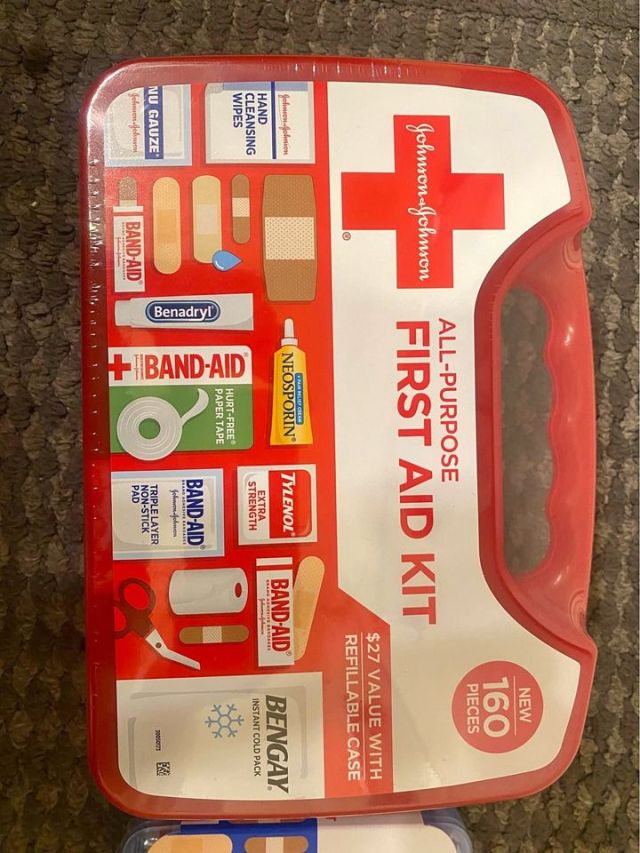
Most grocery stores stock basic medical supplies that become invaluable when the healthcare system becomes overwhelmed. Gauze, bandages, antiseptic wipes, pain relievers, and antibacterial ointments can turn a crisis into an inconvenience instead of a death sentence.

People will scream that “someone” is coming to help. The problem is that “someone” is never as fast or reliable as your own preparation.


9. Trash Bags and Aluminum Foil: The Silent Titans of Survival

No one talks about these, and maybe they should start. Industrial-sized trash bags can be used for shelter, insulation, water collection, sanitation, and gear protection. Aluminum foil can cook, reflect heat, block moisture, and preserve food.

When you look at a simple shopping bag and see survival tools instead of household products, that’s when you finally wake up to how fragile this world has become.


10. Manual Can Opener: Because Electricity Won’t Open Anything for You

People buy stacks of canned food and forget the one item that actually lets them access it. A manual can opener is the difference between eating and starvation when the grid decides it’s had enough.

You don’t need a fancy one. You just need one that works without power—something the modern world seems to have forgotten how to function without.


Final Thoughts (Not That Anyone Listens)

The grocery store is more than a place to wander around mindlessly while the world deteriorates outside. It’s a temporary armory of supplies, a sanctuary before the storm, a fragile lifeline that won’t stay intact forever. The things that keep you alive in a crisis are sitting there on the shelves right now—quiet, unappreciated, ignored by a population that thinks the system will always work.

The truth? It won’t. And when it fails, you’ll either be the one holding the last can opener…
or the one begging for it.

How to Survive Ohio’s Worst Natural Disasters

Ohio’s Natural Disasters: The Top Prepper Tips You Need

Living in Ohio means experiencing a variety of natural disasters that can strike at any moment, and for those of us who have embraced the survivalist mindset, preparation is key. Ohio may not have the frequent wildfires or hurricanes that other parts of the country face, but we are certainly not immune to serious threats like tornadoes, severe winter storms, flooding, and even earthquakes. As a survival prepper in Ohio, I’ve learned that the only way to face these challenges is to plan ahead, be aware of the risks, and make sure that you and your loved ones are ready for whatever comes our way.

1. Understanding Ohio’s Most Dangerous Natural Disasters

CLICK HERE TO LEARN HOW TO SURVIVE A FAMINE

Ohio is known for its unpredictable weather patterns, which can sometimes change in the blink of an eye. The state is especially susceptible to severe storms, tornadoes, flooding, and harsh winters. Understanding the nature of each disaster is critical to being able to prepare for them.

Tornadoes: The Silent Destroyer

Ohio is part of “Tornado Alley,” and although we don’t experience as many tornadoes as states like Kansas or Oklahoma, we still see dozens of them each year. In fact, Ohio averages 15-20 tornadoes annually, particularly in the spring and summer months. Tornadoes can strike with little warning, and their damage is often catastrophic. Knowing how to respond quickly and effectively is crucial.

Winter Storms and Extreme Cold

While not as intense as some of the blizzards that hammer the Northeast, Ohio still experiences significant winter storms, with heavy snowfalls, freezing rain, and temperatures that regularly dip below zero. These winter conditions can leave roads impassable, power lines downed, and homes without heat.

Flooding

Ohio has many rivers, and when heavy rain hits, they can overflow and flood homes, roads, and fields. The worst flooding in Ohio’s history occurred in 1937, but more recent floods have still caused severe damage. Communities along the Ohio River and its tributaries are particularly vulnerable, but flash floods can also strike with little warning anywhere in the state.

Earthquakes

While Ohio is not known for frequent seismic activity, the state has experienced earthquakes in the past. The 1937 Anna Earthquake and the 1931 Anna Earthquake were both significant, and there is always the possibility of a small earthquake occurring near Ohio’s fault lines.

Extreme Heat

Though Ohio winters can be harsh, the summer months can bring scorching heatwaves, especially in urban areas where heat islands form. These high temperatures can lead to heat exhaustion, dehydration, and in severe cases, heatstroke, especially for vulnerable populations like the elderly and children.

Severe Thunderstorms and Lightning

Thunderstorms are frequent in Ohio, particularly in the spring and summer. These storms can bring dangerous lightning, hail, and strong winds. A particularly dangerous aspect of these storms is the possibility of downed power lines and flooding due to heavy rain.

2. Building a Comprehensive Emergency Kit for Ohio’s Disasters

A major part of prepping is ensuring that you have the right supplies. Whether you’re dealing with a tornado, a winter storm, or flooding, certain items will be essential to your survival. Here’s a breakdown of what every Ohioan prepper should have in their emergency kit:

  1. Water – At least one gallon per person per day for at least three days.
  2. Non-perishable food – Canned goods, freeze-dried meals, and protein bars.
  3. First-aid kit – Bandages, antiseptics, pain relievers, and prescription medications.
  4. Flashlights – Preferably hand-crank or solar-powered to save batteries.
  5. Extra batteries – Always have spares for flashlights, radios, and other devices.
  6. Portable charger – Solar-powered chargers are the best option.
  7. Blankets and sleeping bags – Warmth is essential in Ohio’s cold winters.
  8. Multi-tool – A good multi-tool can help in a variety of situations.
  9. Weather radio – A NOAA weather radio will keep you updated on the latest emergency alerts.
  10. Fire-starting tools – Matches, lighters, and a fire starter.
  11. Important documents – Copies of IDs, insurance papers, and medical records.
  12. Clothing and footwear – Pack durable and weather-appropriate clothing for each member of your family.
  13. Pet supplies – Don’t forget your furry friends – food, water, and medicines.
  14. Cash – During and after a disaster, access to banks and ATMs may be limited.

In addition to these supplies, make sure you have a plan for food storage, heating, and cooking if the power goes out for an extended period.

3. Ten Survival Prepper Tips for Ohio Residents

Preparing for natural disasters isn’t just about having an emergency kit—it’s also about knowing how to respond in different situations. Here are ten tips for Ohio preppers:

  1. Have a Shelter Plan – Ohio is home to tornadoes, and you need to know where to go for safety. A basement or storm cellar is ideal, but if you don’t have one, a small interior room without windows is your best option.
  2. Winterize Your Home – Before winter hits, make sure your heating system is in good working condition, windows are sealed, and you have extra blankets, coats, and warm clothing on hand. Stock up on salt for driveways and sidewalks, and keep a snow shovel handy.
  3. Know Your Flood Zones – Research the flood-prone areas in your community and consider moving valuable items to higher ground. Keep an emergency evacuation route mapped out in case floodwaters rise unexpectedly.
  4. Prepare for Power Outages – Ohio’s storms can knock out power for days at a time. Have backup generators, a battery-powered charger, and enough fuel to run them for several days. Keep the refrigerator door closed to prevent food from spoiling.
  5. Stockpile Emergency Water – Ohioans know that floods can happen after heavy rains, but so can droughts. Keep a good supply of water on hand, especially if you’re in an area susceptible to supply interruptions.
  6. Stay Informed – Always keep an eye on the weather forecast, especially during spring and summer, when severe weather is most common. A reliable weather radio can be a lifesaver.
  7. Create a Family Communication Plan – If the power goes out, and you are separated from your family, it’s essential to know how to contact each other. Have a designated meeting point, and ensure that everyone knows how to reach emergency services.
  8. Learn Basic First Aid – In emergencies, medical care may be delayed, so it’s important to know how to treat injuries, stop bleeding, and perform CPR if necessary.
  9. Secure Your Home – For tornadoes and other high-wind events, reinforce your roof, windows, and doors. In some cases, it may even be worth investing in storm shutters or a reinforced storm shelter.
  10. Practice Emergency Drills – Practice your tornado, fire, and flood evacuation plans regularly. The more familiar you and your family are with your disaster plan, the quicker and more calmly you’ll respond in an emergency.

4. Prepare for the Unexpected

Ohio residents know that disaster preparation is a way of life. In a state where the weather can change in an instant, it’s not just about surviving; it’s about thriving during difficult times. Whether it’s stockpiling the right supplies, learning new skills, or building a strong network of like-minded preppers, you have to be ready for anything. Ohio’s natural disasters may not be predictable, but your ability to respond can make all the difference when it matters most.

Conclusion: Preparedness is Key to Ohio’s Survival

As a survival prepper in Ohio, I’ve come to understand that the state’s weather and environmental conditions can be unpredictable, and no matter how resilient we might think we are, nature has a way of keeping us on our toes. Ohioans have faced some of the most extreme weather patterns in the country, and while the state may not be at the forefront of national disaster headlines, the risks are still very real. The responsibility to stay prepared falls on all of us, and it’s a crucial step in ensuring not only our own survival but the well-being of our families and communities.

The Importance of Preparation

Preparation is the foundation of survival in Ohio. Whether it’s a tornado barreling down on a summer afternoon, a blizzard that traps you indoors for days, or a flash flood sweeping through a nearby river, knowing what to do when disaster strikes can be the difference between life and death. The state may be known for its agriculture, vibrant cities, and the rolling landscapes of rural areas, but it is also home to volatile weather patterns and natural disasters that can be just as severe as those in other parts of the country.

Having a plan, a kit, and the knowledge to respond quickly can reduce panic and help you manage the situation more effectively. Ohio’s residents are no strangers to challenges, and our history of overcoming adversity has fostered a strong spirit of community and resilience. But it’s not just about having the right equipment—it’s about mindset. Being proactive in preparing for the worst allows you to remain calm in the face of chaos, which ultimately makes it easier to help others when disaster strikes.

Adaptability: The Key to Surviving Natural Disasters

One of the most important lessons I’ve learned as an Ohio prepper is the need to be adaptable. Natural disasters don’t come with a warning sign, and their impact can be immediate and devastating. The very nature of preparedness involves not just accumulating supplies, but developing the skills to think critically in high-stress situations. Whether you’re preparing for a tornado, winter storm, or flood, each event requires a different strategy, and being flexible in your approach is essential.

For example, a winter storm might force you to focus on keeping your home warm and your water supply clean, while a tornado may leave you seeking shelter in the lowest, most secure part of your home. Being adaptable in these situations—whether it’s your response to power outages, first aid, or even how to deal with damaged property—will enhance your chances of survival.

Building Community and Support Networks

While personal preparedness is crucial, the strength of any prepper’s plan is greatly enhanced when they have a support network. In Ohio, we’re no strangers to community spirit, and fostering relationships with neighbors and local organizations can make a significant difference when disaster strikes. In times of emergency, those who have worked together in advance to share resources, ideas, and skills will find it easier to come together and help one another out.

Consider starting a local prepper group or participating in community preparedness activities. Whether it’s sharing information about weather patterns, emergency response training, or simply creating a list of local resources, building a network will help ensure that your community remains strong and self-sufficient during difficult times. The better connected we are, the more effective our response will be.

The Role of Ongoing Learning

Survival isn’t a one-time thing—it’s an ongoing process of learning, improving, and adapting to new risks. In Ohio, where the weather is ever-changing, staying up-to-date on emergency procedures, weather patterns, and even new survival techniques is essential. Don’t wait for the next disaster to occur before you start thinking about what you might have missed in your preparation. Constantly improve your knowledge about self-defense, food storage, first aid, and even long-term survival techniques like farming or water purification.

Take courses, read books, watch videos, and engage with other preppers to expand your skill set. The more you learn, the more prepared you’ll be when a disaster strikes. And don’t forget the psychological aspect of survival. Managing stress, maintaining a positive attitude, and staying focused during the chaos of a natural disaster are critical survival skills that can be just as important as physical preparedness.

Ohio’s Future: Preparedness for the Next Generation

As we look to the future, it’s essential to consider the long-term effects of natural disasters on Ohio’s communities. Flooding, tornadoes, and harsh winters will continue to be a reality for generations to come, and the next generation of Ohioans will need to be just as prepared as we are. It’s our responsibility to teach younger generations about survival, preparedness, and resilience. Passing down knowledge about emergency procedures, practical survival skills, and the importance of being self-reliant will ensure that future generations are ready to face Ohio’s unpredictable natural events.

Consider getting children and young adults involved in your prepping activities. Teach them how to prepare an emergency kit, practice evacuation drills, and educate them on the importance of maintaining mental and physical health during an emergency. Ensuring that they are equipped with these life-saving skills will go a long way in making sure Ohio remains a resilient and prepared state in the years to come.

In Conclusion: A Call to Action

If there’s one thing I’ve learned in my years as a prepper living in Ohio, it’s that we can’t afford to wait for a disaster to happen before we take action. Being proactive is the only way to ensure our safety and the safety of our loved ones. In a state that’s prone to tornadoes, flooding, extreme winter weather, and other natural events, preparation is not just an option—it’s a necessity.

Start by assessing your current level of preparedness. Take stock of your emergency supplies, review your family’s disaster plan, and ensure that you have the skills and knowledge to respond effectively when the worst happens. Look for ways to improve your preparedness and invest in your future safety by learning new skills, connecting with others, and staying informed.

At the end of the day, survival in Ohio isn’t just about facing the next disaster; it’s about thriving in the face of adversity, supporting one another, and living with a mindset of readiness that will help us weather any storm. Stay prepared, stay informed, and always be ready to adapt—because in Ohio, you never know what the weather will bring tomorrow, but you can be sure that your preparedness will give you the best chance to survive, no matter what.