Surviving Vermont’s Most Dangerous Insects

Most people think Vermont is safe.

They picture rolling green hills, maple syrup, quiet towns, clean air, and a slower pace of life. They imagine danger comes from winter storms or maybe the occasional bear wandering too close to a campsite.

That kind of thinking gets people killed.

Not quickly.
Not dramatically.
But quietly, stupidly, and preventably.

The real threats in Vermont aren’t loud. They don’t roar. They don’t chase you. They sting, bite, infect, and disappear—while you’re busy assuming nothing serious could happen here.

I’ve spent years studying survival, risk patterns, and real-world emergencies. And one thing is constant: people underestimate small threats. Especially insects. Especially in places they believe are “low-risk.”

This article exists because complacency is deadlier than venom.

Let’s talk about the most dangerous insects in Vermont, how they can kill you under the wrong conditions, and—most importantly—what you can do to survive when things go wrong.


First, a Hard Truth About “Lethal” Insects in Vermont

Before we go any further, let’s be clear and professional:

Vermont does not have insects that routinely kill healthy people through venom alone.

There are no aggressive tropical spiders.
No scorpions.
No assassin bugs spreading Chagas disease.

But death doesn’t require exotic monsters. It requires biology, bad timing, and ignorance.

In Vermont, insects become deadly through:

  • Severe allergic reactions (anaphylaxis)
  • Disease transmission
  • Delayed medical response
  • Isolation from help
  • Repeated exposure or multiple stings

That’s how people die in “safe” places.


1. Bees, Wasps, Hornets, and Yellowjackets: The Most Immediate Killers
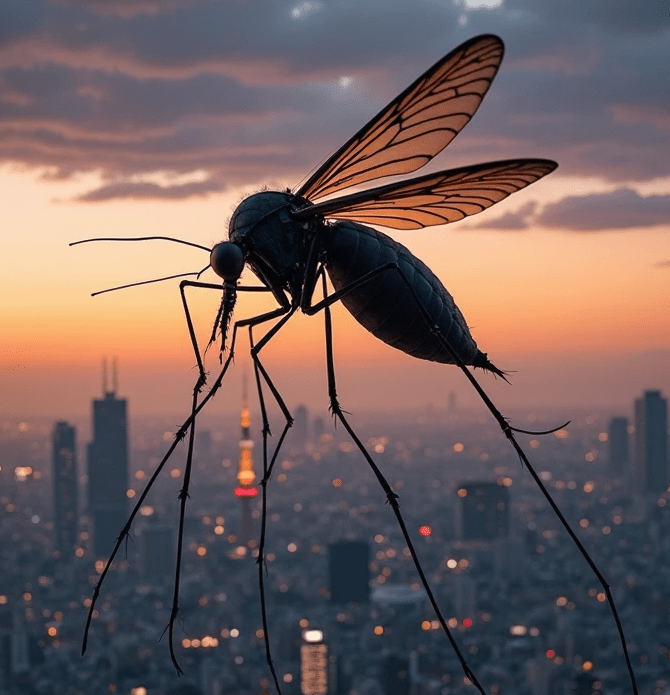
If you want the number one insect threat in Vermont, stop looking for something exotic.

It’s stinging insects.

Why They’re Dangerous

For most people, a sting is painful but survivable.

For others, a single sting can trigger anaphylaxis, a rapid and life-threatening allergic reaction that can:

  • Close airways
  • Drop blood pressure
  • Cause loss of consciousness
  • Kill within minutes

Many people do not know they are allergic until it happens.

That’s the nightmare scenario.

Yellowjackets and hornets are especially dangerous because:

  • They are aggressive
  • They sting repeatedly
  • They defend nests violently
  • They often attack in groups

You don’t need to provoke them. Landscaping, hiking, woodpiles, and outdoor eating are enough.

Survival Reality Check

If you are stung and experience:

  • Trouble breathing
  • Swelling of the face or throat
  • Dizziness or collapse

You are in a medical emergency.

Waiting it out is how people die.

Prepper Survival Measures

A professional prepper doesn’t rely on luck:

  • Know where nests commonly form (ground, eaves, sheds)
  • Wear protective clothing when working outdoors
  • Avoid scented products outdoors
  • Keep distance—don’t “tough it out”
  • If you know you’re allergic, emergency medication is not optional—it’s survival equipment

Angry truth?
People die every year because they didn’t want to “make a big deal” out of a sting.


2. Ticks: The Slow Killers Everyone Ignores

Ticks don’t look scary.

That’s their advantage.

Vermont has several tick species capable of transmitting serious diseases, including:

  • Lyme disease
  • Anaplasmosis
  • Babesiosis
  • Powassan virus (rare, but severe)

These are not inconveniences. They are life-altering illnesses.

Why Ticks Are Dangerous

Tick-borne diseases don’t kill quickly. They:

  • Damage the nervous system
  • Attack joints and organs
  • Cause chronic fatigue and pain
  • Create long-term disability

In rare cases, complications can be fatal—especially when diagnosis is delayed.

The real danger is neglect.

People don’t check.
They don’t treat bites seriously.
They don’t act early.

Survival Reality Check

Ticks don’t need wilderness. They thrive in:

  • Backyards
  • Tall grass
  • Wooded edges
  • Parks
  • Trails

You don’t need to be an outdoorsman to be exposed.

Prepper Survival Measures

Professionals treat tick prevention as routine discipline:

  • Full body checks after outdoor exposure
  • Light-colored clothing to spot ticks
  • Keeping grass and brush trimmed
  • Understanding that “I’ll check later” is unacceptable

Complacency doesn’t cause symptoms immediately. It ruins lives quietly.


3. Mosquitoes: Disease Vectors with a Body Count

Mosquitoes are responsible for more human deaths worldwide than any other animal.

Vermont is not immune.

While rare, mosquitoes in the region can carry serious viruses, including Eastern Equine Encephalitis (EEE).

EEE is uncommon—but when it happens, it is brutal.

Why Mosquitoes Are Dangerous

Severe mosquito-borne illnesses can cause:

  • Brain inflammation
  • Seizures
  • Permanent neurological damage
  • Death in extreme cases

The danger isn’t the bite. It’s what the bite injects.

Survival Reality Check

Outbreaks don’t announce themselves loudly. They emerge quietly, seasonally, and unpredictably.

People who think “it’s just a mosquito” are gambling with odds they don’t understand.

Prepper Survival Measures

Survival is about reducing exposure:

  • Limit outdoor activity at peak mosquito hours
  • Eliminate standing water near living areas
  • Use physical barriers like screens and protective clothing
  • Don’t ignore public health warnings—they exist for a reason

This isn’t paranoia. It’s risk management.


4. Fire Ants and Other Biting Insects: Rare, But Not Harmless
While fire ants are not native or widespread in Vermont, isolated encounters and travel exposure still matter.

Biting insects can cause:

  • Severe skin infections
  • Secondary bacterial complications
  • Dangerous reactions in vulnerable individuals

The threat increases with poor hygiene, immune compromise, or delayed treatment.

Survival Reality Check

Infections kill more people historically than venom ever has.

Ignoring wounds is how survival stories turn into obituaries.


The Bigger Picture: Why Insects Kill People Who “Should Have Been Fine”

People don’t die because insects are powerful.

They die because:

  • They underestimate risk
  • They delay action
  • They assume help will arrive fast
  • They trust luck instead of preparation

I’m angry about that—not at nature, but at denial.

Professional survival isn’t about fear.
It’s about respect for reality.


What a Real Survival Prepper Does Differently

A professional prepper doesn’t panic.
They prepare.

They understand:

  • Small threats compound
  • Minor injuries escalate
  • Delays kill

They treat prevention as boring—but mandatory.

No heroics.
No bravado.
No gambling with biology.


Final Thoughts: Vermont Is Beautiful—But It Doesn’t Care About You

Nature is not kind.
It is indifferent.

Vermont’s insects don’t hunt you—but they don’t forgive ignorance either.

You don’t survive by assuming you’re safe.
You survive by accepting that you’re not.

Stay alert.
Stay informed.
And stop underestimating the smallest things.

They’ve ended more lives than most people want to admit.
Vermont’s Best Campsites for Off-Grid Survival Training

The Best Campsites for Vermont Survival Preppers: Top 30 Hidden Gems to Know

As a Vermont survival prepper, it’s essential to have a keen eye for locations that not only provide peace and solitude but also offer a wealth of resources for self-sufficiency. Whether you’re planning for an extended off-grid stay or just want to get away from it all, Vermont has some of the best campsites that offer everything from dense forests and flowing rivers to mountains that promise strategic vantage points. These sites are perfect for preppers who want to practice essential skills like fire starting, water purification, trapping, and navigation, all while keeping an eye on their preparedness plans.

Vermont is a state that’s ripe for prepping, with its rugged terrain and abundance of natural resources. The state offers an ideal blend of beautiful landscapes, safety, and isolation. If you’re ready to tap into Vermont’s survival potential, here are 30 of the best campsites for preppers, along with some key tips on why these sites should be your go-to for both training and relaxation.

1. Green Mountain National Forest

Let’s start with the crown jewel of Vermont’s outdoor experience. Green Mountain National Forest stretches across a vast area, filled with dense woods, hidden trails, and pristine lakes. Perfect for bugging out, it’s one of the best locations to practice wilderness survival skills. The area has countless campsites, ranging from established to primitive sites, where you can practice everything from bushcraft to long-term camping strategies.

CLICK HERE TO LEARN HOW TO SURVIVE A FAMINE

2. Smuggler’s Notch State Park

This one is perfect for learning about terrain navigation and survival in mountainous regions. Smuggler’s Notch is known for its steep cliffs and dense forest, making it a challenge for anyone who wants to test their skills in tough conditions. The park has a number of campgrounds that cater to preppers looking to escape and practice their off-grid living techniques.

3. Mount Mansfield State Forest

For those wanting a higher elevation experience, Mount Mansfield offers breathtaking views and tough terrain. It’s Vermont’s highest peak, so it’s a prime spot for honing navigation and shelter-building skills while you take in the incredible vistas.

4. Lake Willoughby

This hidden gem in the Northeast Kingdom provides some of the clearest water in the state, making it perfect for fishing, water purification training, and even just enjoying some fresh water in the wild. The surrounding forests and hiking trails offer ample opportunities to learn primitive skills, and the area is isolated enough for a peaceful retreat.

5. Silver Lake State Park

Silver Lake offers opportunities for water-based survival skills. From fishing and boating to learning how to purify water, you’ll find plenty of natural resources here. Plus, the surrounding woods are home to an array of edible plants and wildlife to practice foraging.

6. Camel’s Hump State Park

A prime spot for a rugged, survivalist experience, Camel’s Hump State Park offers rugged, rocky terrain and thick woods. You can practice tracking, shelter-building, and identifying edible plants and animals. It’s also great for honing your ability to move stealthily through the wilderness.

7. Lake Champlain Islands

Situated along Vermont’s border with New York, the Lake Champlain Islands offer access to both water and land resources. Perfect for preppers who want to practice fishing, trapping, and wilderness navigation, this area is an ideal spot for a long-term survival test.

8. Elmore State Park

A peaceful and quiet location, Elmore State Park offers an opportunity for preppers to practice stealth camping. The wooded areas and lake offer various ways to learn about living off the land, and its isolation ensures a less crowded environment for prepper-style camping.

9. Underhill State Park

Underhill is one of the more rugged parks in Vermont. This park is perfect for climbing, survival skills training, and tactical movements. Its mountainous terrain and dense forest make it an excellent location to practice bushcraft and self-sufficiency.

10. The Long Trail

Stretching from Massachusetts to Canada, the Long Trail is a famed hiking route, but it also offers plenty of remote areas to practice wilderness survival. With primitive campsites scattered along the way, it’s ideal for those looking to hone their skills in a more isolated environment.

11. Moscow Woods

Moscow Woods offers a more isolated experience for those wanting to learn skills like hunting, foraging, and building shelters. The dense forest provides cover, and its proximity to the Lamoille River means water access is easily within reach.

12. Gifford Woods State Park

Gifford Woods is a great place for preppers to get back to basics. The park is dense with trees and wildlife, offering plenty of foraging and hunting opportunities. It’s also a great spot for practicing shelter-building and learning how to make use of the natural resources around you.

13. State Forests Near Brandon

Brandon’s state forests are rich in flora and fauna, making it an ideal environment for preppers who want to practice gathering wild food. It also has streams and ponds that offer water purification opportunities.

14. Niquette Bay State Park

This park offers easy access to Lake Champlain and is perfect for preppers who want to practice water-based survival tactics. It also offers plenty of land resources, such as berries and game, and is close to Burlington for any supplies you may need.

15. Big Basin Campground

Located in the heart of Vermont, Big Basin Campground offers a secluded environment perfect for learning all the aspects of wilderness living, from fire-starting techniques to food preservation. It’s ideal for those wishing to train with minimal distractions.

16. Quechee State Park

Situated along the Ottauquechee River, Quechee offers a more tranquil camping experience. It’s a fantastic place for practicing navigation and finding shelter in a mixed forest and riverine landscape. The proximity to water makes it an ideal location for testing your water purification and fishing skills.

17. Brighton State Park

Brighton’s remote location in the Northeast Kingdom provides ample space for camping and practicing wilderness survival. It’s an excellent spot for fishing, wildlife tracking, and learning how to forage for wild food in Vermont’s northern woods.

18. Woodford State Park

Located near the Green Mountains, this park offers opportunities for both water and woodland survival techniques. Its remote location makes it great for secluded training, and it’s known for its wildlife, including deer and wild turkey.

19. Lye Brook Falls Wilderness Area

For the more advanced prepper, Lye Brook Falls offers challenging terrain, waterfalls, and a variety of wildlife. It’s perfect for survivalists looking for tough conditions to train in and develop a variety of outdoor skills.

20. North Beach Campground

Located near Burlington, North Beach offers a unique blend of lakefront camping and wooded areas. This is a great place for water survivalists looking to practice kayaking or canoeing in Vermont’s waterways.

21. Kettle Pond State Park

This park offers a mix of woodland and water-based survival opportunities, including fishing, water purification, and boat-building. It’s a peaceful and secluded place to practice these skills without interference.

22. Harriman Reservoir

Harriman Reservoir offers a fantastic location for preppers who want to combine survival skills with water-based activities. It’s remote enough to provide the necessary privacy for long-term camping and practicing your wilderness survival skills.

23. Woods Hill State Forest

For those looking for complete isolation, Woods Hill State Forest offers a rare opportunity to practice being completely off-grid. The forest is dense with vegetation, and its steep terrain offers unique challenges for preppers to overcome.

24. Moose Bog

Moose Bog offers a unique combination of marshland and forest, providing a variety of skills for the survivalist to learn, from navigating wetlands to building natural shelters. It’s also a good spot for tracking and observing wildlife.

25. New Discovery State Park

Known for its pristine forests and proximity to nearby mountain ranges, New Discovery offers many opportunities for backwoods survival training. The park’s isolation makes it an ideal spot for preppers to test their skills in true wilderness conditions.

26. Pine Hill Park

This park is located near Middlebury and offers both wooded areas and access to the Otter Creek, a great resource for preppers to practice water purification and fishing techniques.

27. Mount Philo State Park

With its panoramic views and wooded terrain, Mount Philo offers an ideal spot for learning shelter-building, fire-making, and map reading. It’s a perfect training ground for beginners and experienced preppers alike.

28. Warren Falls

Known for its scenic beauty, Warren Falls is a great place to practice water-based survival skills. The falls are surrounded by dense woods, providing an opportunity for stealthy camping and survival skill practice.

29. Bolton Valley Resort

For the more adventurous prepper, Bolton Valley Resort provides a great mixture of alpine terrain and deep woods, perfect for building winter survival skills. It’s a great place to practice shelter-building in harsh conditions.

30. Stowe Mountain Resort

Not only is it a popular tourist destination, but Stowe offers incredible opportunities for those looking to practice winter survival techniques. Its mountainous environment is ideal for testing cold-weather gear and practicing emergency winter survival tactics.


Conclusion:

Vermont is home to countless beautiful and remote campsites that cater to preppers looking to practice their survival skills. Whether you’re focused on water purification, shelter building, hunting, or foraging, these locations offer unparalleled opportunities for both beginners and seasoned survivalists alike.

By choosing the right spot, you can sharpen your skills, learn new techniques, and immerse yourself in the wild. Remember, always prioritize safety, carry the right equipment, and respect the environment while you prepare for the challenges ahead.