Clear to the Last Drop: Mastering Water Purification Methods

Listen up, because I’m only going to say this once—your cushy modern lifestyle has made you soft, blind, and dangerously dependent on a system that’s teetering on the brink of collapse. You think that faucet will always spit out clean water? You think bottled water will save you when the trucks stop rolling? Wake the hell up. When the grid goes down, the shelves empty out, and the government forgets your ZIP code, the only water you’ll have is the water you can purify yourself. You better learn how to turn sludge into salvation—now. Not next week. Not when you’re already thirsty. Now.

Why Water Matters More Than You Realize

You can survive three weeks without food. But without water? Three days, maybe less if it’s hot and you’re exerting yourself. And no, guzzling from a river isn’t going to cut it unless you want your insides turned into a parasitic amusement park. Giardia, cryptosporidium, E. coli, cholera—you ever heard of them? If you haven’t, you will… when they’re drilling holes in your guts and you’re writhing in the dirt, praying to a sky that doesn’t give a damn.

Let’s fix that ignorance right now. I’m going to teach you how to purify water like your life depends on it—because it does.


10 Survival Skills to Purify Water When the World Goes to Hell
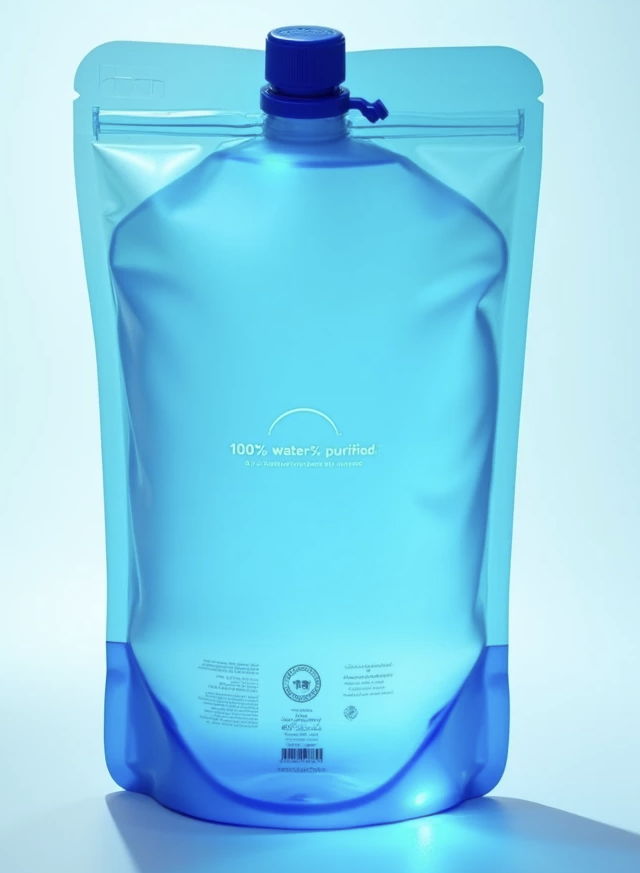
1. Boiling

Boiling is your first line of defense. Build a damn fire and get that water rolling. A good three to five minutes at a hard boil will kill most of the microscopic hellspawn. At higher altitudes? Boil longer. Firewood’s free if you’re willing to sweat for it.

2. Solar Disinfection (SODIS)

Fill a clear plastic bottle with water. Shake it to aerate, then lay it in direct sunlight for six hours—longer if it’s cloudy. UV-A radiation and heat will kill a lot of the bacteria. Is it perfect? No. But it’s better than drinking raw creek juice.

3. DIY Charcoal Filter

Layer gravel, sand, and activated charcoal in a bottle or hollow log. Pour your water through it. This won’t kill pathogens, but it’ll remove particulates and improve taste before you boil or disinfect chemically. Think of it as a pre-wash before you hit it with the heavy stuff.

4. Chemical Treatment (Iodine or Chlorine)

Carry iodine tablets or unscented household bleach. 2 drops of bleach per liter of water. Let it sit for 30 minutes. Taste the bleach? Good. That means it’s working. No bleach? Learn how to make it from salt and a car battery. (That’s a skill for another day.)

5. Distillation
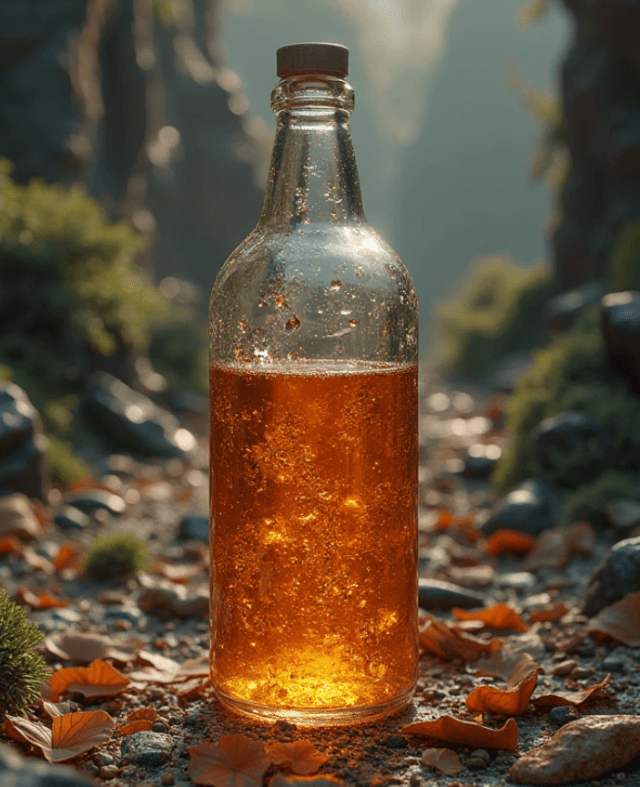
Boiling water into steam and collecting the condensation will leave most nasties behind—including heavy metals and salts. Use a metal pot, tubing, and a collection vessel. Even seawater becomes drinkable. It’s slow, but it’s clean.

6. Pump Filters

There are portable survival filters out there with ceramic or carbon cartridges. They’re solid. If you can buy one, do it. But remember—they clog, they break, and replacement parts are rare when society tanks. Know how to clean and maintain them.

7. Improvised Evaporation Still

Dig a pit, put a container in the middle, and cover the pit with plastic. Put a pebble in the center to make the plastic dip. As water evaporates, it condenses and drips into the container. It’s not fast, but it’ll save your hide in arid hellscapes.

8. Tree Transpiration

Wrap a clear plastic bag around leafy branches. The tree will sweat out moisture, and it’ll collect in the bag. Bonus: It’s already distilled and safer than river water. Just don’t use toxic plants like poison oak or sumac, genius.

9. Snow and Ice Safety

Melt snow before you drink it. Never eat it raw—it lowers your core temperature and burns precious calories. Ice from moving water is safer than stagnant snowbanks. Don’t trust pristine looks. Mother Nature lies.

10. Rainwater Harvesting

Set up a tarp, metal sheeting, or even a poncho to channel rainwater into a container. Keep it covered. Birds crap mid-flight, and you don’t want that in your sip. Rain’s generally safe, but if you’re near factories or downwind of civilization, purify it anyway.


3 DIY Survival Hacks That’ll Make You Look Like a Water Wizard
Hack #1: The “Fire Bottle” Water Boiler

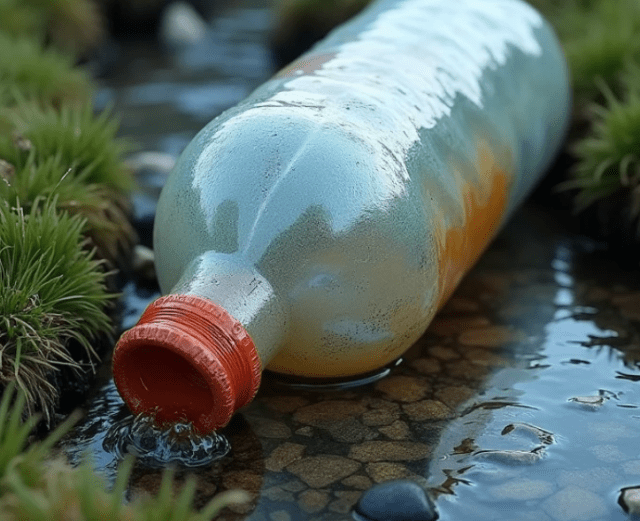
Got a metal water bottle? Good. Drop it into the edge of your campfire and let it boil. No pot required. Just don’t use aluminum—it’ll melt and leach into your water. Stainless steel is king. Pour it into another container or drink straight from it once cool.

Hack #2: Pine Needle Disinfection

Boil water with pine needles. Not only does it help kill bacteria, but pine contains vitamin C and mild antiseptic properties. It doesn’t replace proper purification, but it gives your water a fighting chance and a survivalist’s bouquet you’ll learn to love.

Hack #3: Bandana Pre-Filter

Before boiling or chemically treating, run water through a bandana or shirt to filter out sediment, bugs, and other nasty floaters. It won’t kill microbes, but it keeps your other gear from clogging and makes it easier to disinfect.


Gear Up or Shut Up

You want the easy route? Get a LifeStraw or Sawyer filter, iodine tablets, a stainless steel pot, and a solar still kit. But don’t just stash them in your bug-out bag and call it good. Use them. Practice in the woods, in your backyard, or on that next camping trip you always talk about but never take. Know how to improvise when the tools fail—because they will.


The Water Mindset
Screenshot

Every drop is precious. Learn to find it. Learn to protect it. Treat it like liquid gold. No one’s coming to save you, and thirst doesn’t wait for your Amazon order to arrive. Build a water strategy today—not tomorrow. Stockpile supplies. Practice techniques. Teach your kids. Tell your neighbors, or don’t—it’s up to you who lives when the tap runs dry.

I’m not here to sugarcoat or pat you on the back. I’m here to scream the truth into your face while you can still hear it.

Water is life. Learn how to keep it clean—or you won’t keep anything at all.

Is Michigan’s Drinking Water Safe

Is Michigan’s Drinking Water Safe? Hell No. Wake Up Before It’s Too Late

Alright, listen up! If you think Michigan’s drinking water is safe because the government says so or because you see those big blue signs advertising “clean lakes” or “pure Great Lakes water,” you’re playing Russian roulette with your health—and that’s a slow death sentence. I don’t care if you live in Detroit, Grand Rapids, or some tiny town in the UP, your tap water is compromised. Period.

Michigan’s water is a toxic soup of industrial waste, agricultural runoff, lead from corroded pipes, and pharmaceutical residues. And don’t get me started on the Flint water crisis—it’s a glaring, stinking proof that the system is broken beyond repair. If you want to drink that water and invite cancer, neurological damage, or god knows what else into your body, be my guest. But if you’re serious about survival, you better get mad, get smart, and start filtering like your life depends on it—because it does.

In this no-BS survival guide, I’m going to give you 15 water filtration survival skills you MUST learn, plus 3 DIY drinking water hacks that will keep you hydrated and alive no matter how screwed Michigan’s water gets. This isn’t some fluff article; it’s a survival manual for anyone who refuses to get poisoned by corrupt infrastructure and corporate greed.


Why Michigan’s Water Is a Disaster Waiting to Happen

Let’s get the facts straight before I rip into solutions. Michigan’s water contamination issues are not a secret or some wild conspiracy theory. They’re a documented nightmare.

  • Lead Poisoning: Flint was just the tip of the iceberg. Old, corroded pipes leach lead into your glass every day. Lead is a neurotoxin, plain and simple. It damages brains and bodies, especially children’s.
  • PFAS (Forever Chemicals): These synthetic chemicals from firefighting foam and industry are everywhere. They don’t break down, accumulate in your body, and are linked to cancer, immune disorders, and hormone disruption.
  • Agricultural Runoff: Pesticides, herbicides, and fertilizers wash into lakes and rivers, turning your water into a toxic stew of nitrates and chemicals that cause birth defects and cancer.
  • Industrial Pollution: Michigan’s industrial legacy means heavy metals, PCBs, and other carcinogens seep into groundwater and surface water.
  • Bacterial Contamination: Aging infrastructure and sewage overflows mean bacteria and viruses are never far behind.

If you’re still drinking straight from the tap, congratulations. You’re basically volunteering as a toxic waste test subject.


15 Water Filtration Survival Skills You Need to Master Now

  1. Boiling Alone Won’t Cut It
    Boiling kills bacteria and viruses, yes, but it does nothing against chemicals, heavy metals, or sediment. Boiling is just one step.
  2. Build and Use a Charcoal Filter
    Activated charcoal is a survivalist’s best friend. It absorbs chemicals, toxins, and improves taste. Crush charcoal from a fire, rinse it, and layer it with sand and gravel in a DIY filter.
  3. Mechanical Filtration Using Sand and Gravel
    Sand traps dirt and particulate matter. Gravel acts as a coarse pre-filter. Layer them properly to remove sediments before chemical or biological treatment.
  4. Solar Disinfection (SODIS Method)
    UV rays from the sun can kill many pathogens. Fill clear plastic bottles with water and place them on a reflective surface under direct sunlight for 6+ hours.
  5. Use Portable Water Filters
    Invest in a high-quality survival water filter capable of removing bacteria, protozoa, and some viruses. Familiarize yourself with filter replacement and maintenance.
  6. Distillation for Chemical Removal
    Distillation is the ultimate method to separate pure water from heavy metals, chemicals, and biological contaminants. Build a solar still or improvised distiller.
  7. Pre-Filtration Using Cloth
    Use clean cloth, coffee filters, or even bandanas to remove large particles before running water through charcoal or other filters.
  8. Chlorination for Microbial Safety
    Add household bleach (without scents or additives) carefully—8 drops per gallon for clear water, more if cloudy. Wait 30 minutes before drinking.
  9. Iodine Treatment—Use Sparingly
    Effective against microbes, but harmful in large or long-term doses. Use only in emergencies.
  10. Build Layered Natural Filters
    Use moss, grass, sand, charcoal, and gravel in succession inside a hollow container for stepwise filtration.
  11. Test Your Water
    Portable water test kits for pH, nitrates, chlorine, and heavy metals can be lifesavers. Regular testing can alert you to danger.
  12. Know Your Water Sources
    Locate natural springs, catch rainwater, and identify safe groundwater spots far from agricultural or industrial sites.
  13. Safe Water Storage
    Use clean, sealed containers away from sunlight and contaminants to store filtered water. Avoid plastic leaching by using BPA-free or glass containers.
  14. Rainwater Harvesting Systems
    Set up gutters and barrels to catch rainwater. Always filter and disinfect before consumption.
  15. Maintain and Repair Your Filters
    Carry spare parts, learn to clean or repair filters, and improvise with local materials when needed.

3 DIY Survival Drinking Water Hacks for Michigan’s Toxic Mess

Hack #1: The Inverted Plastic Bottle Charcoal and Sand Filter

Grab a clean 2-liter plastic bottle. Cut off the bottom and invert it funnel-style. Layer the inside as follows:

  • Fine cloth or coffee filter at the neck
  • Activated charcoal (crushed and rinsed)
  • Fine sand
  • Coarse sand/gravel at the top

Pour suspicious tap water slowly through this layered filter into a clean container. Then boil or chemically treat the water for full safety.

Hack #2: Solar Disinfection with Oxygenation

Fill clear plastic PET bottles with water. Shake vigorously for 20 seconds to oxygenate—this increases pathogen kill rates. Lay the bottles horizontally on reflective surfaces in full sun for 6+ hours. This UV + oxygen combo kills many pathogens. Follow up with charcoal filtration to remove chemicals.

Hack #3: The Simple Solar Still

Dig a hole in the ground, place a clean container in the center, and cover the hole with clear plastic sheeting. Use a small rock to weigh down the center of the plastic so condensation drips into the container. This distills water from moisture in soil or plants, removing most contaminants and chemicals. It’s slow but effective when nothing else is available.


Wake Up and Take Control

You think you’re safe because Michigan’s water system “meets standards”? Standards set by politicians and companies more interested in profit than people’s health. The Flint disaster should have woken everyone up, but many are still drinking poison every day because they don’t care or don’t know better.

Your survival depends on preparation and knowledge. Water is the first battle in any crisis. Without clean water, everything else is pointless. If you’re not filtering, purifying, and testing your water daily, you’re walking a death sentence.

The state won’t save you. The water company won’t save you. You have to be your own water warrior. Learn these 15 filtration skills and 3 hacks. Build your filters. Carry your water purification tools everywhere. Test your water and store clean water safely.

If you care about your family, your health, or your survival, get serious now. Water is life. Don’t let corrupt infrastructure, polluted rivers, and toxic chemicals kill you slowly. Get mad, get prepared, and never trust the tap without a fight.


Bottom line: Michigan’s drinking water is a disaster disguised as “safe.” Contaminated with lead, PFAS, agricultural poisons, and industrial waste, your tap water is a toxic cocktail. Your only defense is knowledge, filtration skills, and survival hacks.

Don’t wait for another Flint to happen. Protect your water—and protect your life—starting today.

Is Minnesota’s Drinking Water Safe

Is Minnesota’s Drinking Water Safe? Hell No. Get Ready to Fight for Every Drop

Listen up, because I’m not here to sugarcoat the brutal truth: Minnesota’s drinking water is a ticking time bomb, and if you think you can just trust your faucet without a fight, you’re already dead in the water. Yeah, Minnesota might look like a pristine land of lakes, but that shiny veneer hides contamination, negligence, and a failure to protect what keeps you alive—clean water.

You want to know if Minnesota’s drinking water is safe? The honest answer is a furious, enraged NO. Between agricultural runoff loaded with pesticides, industrial pollutants, aging infrastructure, and downright complacency from officials, your tap water is often a cocktail of harmful chemicals, bacteria, and god knows what else.

If you don’t want to become a walking science experiment with arsenic, nitrates, or lead coursing through your veins, you need to get serious about survival skills. That means filtering your water like your life depends on it—because it does.

I’m about to lay down the cold, hard survivalist truth with 15 water filtration survival skills you need to master, plus 3 DIY hacks to make sure you never run dry of clean drinking water in Minnesota or anywhere else this water crisis gets ugly.


The Dirty Truth About Minnesota’s Water

Minnesota’s water isn’t “safe” because of some fairy tale EPA rating or government assurances. It’s “safe” because most people don’t know what to look for and blindly trust what comes out of their taps. But underneath, agricultural chemicals like nitrates and phosphorus seep into groundwater and lakes, creating toxic blooms of algae that release dangerous microcystins. These toxins attack your liver and nervous system. That’s just the start.

Then you have heavy metals—lead leaching from ancient pipes, arsenic from mining residues, and mercury trapped in sediments. You want to gamble your family’s health on whether those get filtered out? Don’t be a fool. Every Minnesotan needs to be their own damn water quality inspector and filter engineer.


15 Water Filtration Survival Skills You Must Know

  1. Boiling Water Isn’t Enough
    Boiling kills pathogens, sure, but it won’t remove chemical toxins, heavy metals, or sediment. Learn to combine boiling with filtration.
  2. Build a DIY Charcoal Filter
    Activated charcoal is a powerhouse at absorbing organic toxins and bad smells. Crush charcoal from a campfire, layer it with sand and gravel in a bottle, and filter water through it.
  3. Use Sand and Gravel for Mechanical Filtration
    Sand traps sediment and larger particles. Gravel acts as a pre-filter. Layer these in a container to strain dirty water first.
  4. Harness UV Rays for Disinfection
    Sunlight can kill many microbes. Fill clear plastic bottles with water and leave in direct sunlight for at least six hours to disinfect.
  5. Use a Portable Water Filter
    Get a survival-grade water filter with a pore size small enough to remove bacteria and protozoa (0.1 to 0.2 microns). Learn to operate and maintain it.
  6. Distillation Skills Are a Must
    Distillation can separate pure water from contaminants. Build a solar still or a simple distillation setup to boil and re-condense water, leaving toxins behind.
  7. Sediment Pre-Filtration
    Always pre-filter water through cloth or coffee filters to remove debris before other purification steps.
  8. Chlorination—Know Your Dosage
    Household bleach can disinfect water but use sparingly—8 drops per gallon for clear water; double if cloudy. Wait 30 minutes before drinking.
  9. Iodine Tablets—Handle with Care
    Effective against microbes, but not chemicals or heavy metals. Not for long-term use due to health risks.
  10. Create a DIY Filter from Natural Materials
    Use layers of moss, grass, charcoal, and sand inside a hollowed log or bottle for basic filtration.
  11. Practice Water Testing
    Use portable test strips or kits to monitor pH, nitrate levels, hardness, and contaminants.
  12. Know Local Water Sources
    Identify natural springs, rain catchment, and groundwater sources that may be less contaminated.
  13. Storage Containers Matter
    Use clean, food-grade containers for storing filtered water, and keep them sealed and away from sunlight.
  14. Build a Rainwater Catchment System
    Set up gutters and barrels to capture rainwater. Filter and purify before drinking.
  15. Know How to Repair Filters in the Field
    Carry spare filter elements, repair kits, and learn how to improvise with duct tape, wire, or fabric.

3 DIY Survival Drinking Water Hacks for Minnesota’s Toxic Tap Nightmare

Hack #1: The Plastic Bottle Charcoal and Sand Filter

Grab an empty 2-liter plastic bottle. Cut the bottom off, invert it like a funnel, and layer:

  • Clean cloth or coffee filter at the neck
  • Activated charcoal (charcoal crushed from your campfire, NOT from briquettes with additives)
  • Fine sand
  • Coarse sand/gravel

Pour your questionable tap water slowly through the layers. Collect the filtered water in a clean container underneath. Then boil or chemically treat it.

Hack #2: Solar Disinfection with SODIS Method

Fill clear PET bottles with tap water. Shake vigorously for 20 seconds to oxygenate (oxygen kills microbes). Lay them horizontally on a reflective surface in direct sun for 6 hours (or 2 days in cloudy weather). The UV rays plus oxygen sanitize many pathogens. Combine with a charcoal filter afterward to tackle chemicals.

Hack #3: DIY Solar Still for Distillation

Dig a hole in the ground, place a container in the center, and cover the hole with clear plastic sheeting weighted in the center with a rock above the container. Moisture from the soil and water vapor will condense on the plastic and drip into the container, yielding distilled water free from most contaminants. Slow, but effective when nothing else works.


Why You Need to Get Mad and Get Prepared Now

The complacency about water quality in Minnesota is infuriating. Officials pat themselves on the back with reports and “compliance” data while your tap water quietly poisons you. You want to play the waiting game until the next contamination crisis? Good luck explaining to your family why you trusted them.

Your survival hinges on knowledge and action. Water is the first priority. Without it, you’re dead in days. Don’t wait for the government or water companies to save you—they won’t. Get your hands dirty, learn these filtration and purification skills, build your own filters, test your water, and always carry a backup plan.

If you think you’re safe because you live in a “clean” state like Minnesota, think again. This is survival 101—prepare or perish. The minute your water source goes bad, you’ll regret not having taken this seriously.


Bottom line: Minnesota’s water is far from a reliable, safe resource. Pollutants, chemicals, pathogens—they’re all there, hiding in plain sight. It’s up to you, the survivalist, to filter, purify, and secure your water supply. Learn these 15 filtration skills and 3 DIY hacks, practice them, and never trust your tap blindly again.

You want safety? You want survival? Start with your water. And start now—before you’re thirsting for survival in a state that forgot to protect the very thing you need to live.

Is Mississippi’s Drinking Water Safe

Let’s not sugarcoat it: if you’re living in Mississippi and blindly trusting what’s coming out of your tap, you’re playing Russian roulette with your kidneys. Time and again, headlines scream about boil water notices, brown sludge coming out of kitchen faucets, lead levels creeping past EPA limits, and entire towns forced to rely on FEMA water deliveries. But you still think, “It can’t be that bad.”

WAKE UP.

The water infrastructure in Mississippi is a ticking time bomb—corroded pipes, underfunded treatment plants, poor oversight, and government agencies more concerned with optics than outcomes. If you want your family to stay healthy, if you want to live through the collapse when it comes (and it will come), you need to take water purification into your own damn hands.

You can’t survive more than 72 hours without water. So let’s cut through the BS and talk about what you must know to stay alive.


15 Water Filtration Survival Skills You’d Better Learn (Or Die Thirsty)

1. Boiling Water

The oldest and most foolproof method—bring it to a rolling boil for at least one minute (three at high elevations). Kills viruses, bacteria, and parasites. But it won’t remove chemicals or heavy metals—both of which you’ll find in Mississippi water.

2. Solar Still Construction

Dig a pit, place a container in the center, surround it with green vegetation, cover it with plastic, and weight the center. Sun heats it, vapor condenses, and bam, you’ve got distilled water. Not fast, but effective when there’s nothing else.

3. DIY Charcoal Filter

Layer sand, gravel, and activated charcoal in a container. Pour water through and let gravity do the work. It removes particulates and some chemicals—but don’t trust it alone.

4. Learning Reverse Osmosis

Buy a portable RO unit or learn how to make one from pressure pumps and special membranes. RO removes almost everything—salts, metals, microbes. Expensive, but it works. You want safe water, not cheap water.

5. Chemical Purification Knowledge (Iodine/Chlorine)

Iodine tablets, bleach, or chlorine dioxide drops can kill pathogens. Remember: 8 drops of bleach per gallon of clear water (double for cloudy). Wait 30 minutes. Don’t overdose or you’ll poison yourself instead.

6. Sediment Pre-Filtration

Always filter large particles out first using cloth, coffee filters, or even a bandana. Keeps your main filters from clogging up and failing when you need them most.

7. UV Water Purification (SODIS)

Expose clear PET bottles filled with water to direct sunlight for 6+ hours. UV-A rays kill bacteria and viruses. Easy, passive, but you need full sun and time.

8. Well Inspection & Maintenance

If you’ve got a private well, test it quarterly. Install filters, inspect the casing and pump. No one’s coming to fix it for you when the grid goes down.

9. Rainwater Harvesting

Set up barrels with a fine mesh screen and gutter diverter. Rain is relatively pure—filter and boil before drinking. It’s free and falls from the damn sky. Use it.

10. Biosand Filtration

Layered sand and gravel column, with a biological layer forming on top that devours pathogens. Great for long-term home use—can last years if maintained.

11. Learn Waterborne Illness Symptoms

Know what Giardia, Cryptosporidium, and E. coli infections look like. The sooner you know, the sooner you can treat. Diarrhea in a crisis = dehydration = death.

12. Use of Natural Coagulants (Moringa Seeds)

Crushed moringa seeds can act as a natural flocculant, pulling solids and bacteria out of water. A bit of prep work, but effective in emergencies.

13. Multi-Stage Filtration

Never rely on a single method. Filter, then purify. Sediment > charcoal > UV or chemical. This redundancy keeps you alive when one layer fails.

14. Portable Filters (Lifestraw, Sawyer Mini)

Every bug-out bag should have one. Light, cheap, and powerful enough to filter 99.9999% of bacteria and protozoa. Don’t wait for FEMA to hand you one.

15. Distillation Know-How

Use heat to turn water into steam, collect it, and condense it back. Leaves behind everything—salts, metals, toxins. It’s slow, but in Mississippi, where lead is your enemy, it’s essential.


3 DIY Survival Drinking Water Hacks You Need in Mississippi

1. Plastic Bottle UV Purifier

Take a 2-liter bottle, fill it with clear water, shake it to oxygenate, then lay it on a reflective surface in full sun. Six hours later (more if cloudy), you’ve got safe drinking water. Cheap, effective, and damn simple.

2. DIY Gravity Filter with Buckets

Stack two food-grade buckets. Drill a hole in the bottom one and install a ceramic or carbon filter (Berkey-style). Pour dirty water on top—gravity does the rest. Good for households, off-grid cabins, and long-term preppers.

3. Coffee Filter + Bleach

Strain water through a coffee filter (or even a T-shirt) to remove debris. Then add 8 drops of plain, unscented bleach per gallon. Wait 30 minutes. It’s not gourmet, but it’s better than cholera.


Mississippi: The Canary in the Water Crisis Coal Mine

Let’s talk about Jackson. You know, the state capital that went weeks without drinkable water in 2022. Pipes ruptured, entire neighborhoods had no pressure, and sludge oozed out of taps when the system was working. EPA reports showed violations of the Safe Drinking Water Act stretching back years—and no one did a damn thing.

Lead levels in some schools tested above federal limits. Kids drinking brain-damaging neurotoxins while politicians play budget games. What does that tell you about the rest of the state?

And it’s not just Jackson. Rural areas face arsenic from groundwater, nitrate runoff from farms, and God knows what from aging septic systems.

Let me make this clear: no one is coming to save you. Not the EPA, not your city water department, and sure as hell not your governor. If you want clean water, YOU have to make it.


Final Word from a Pissed-Off Prepper

Stop pretending we’re living in 1955. This isn’t your granddaddy’s America. This is 2025, where infrastructure’s failing, corruption runs deep, and “boil water notice” might as well be the state motto. Mississippi is a test case in what happens when a government lets critical systems rot—and folks, the test results are in.

Get your water plan together NOW.

Learn how to filter, purify, and test your water. Teach your kids. Stockpile filters, tablets, containers, bleach, and fire sources. Make water your first prepping priority—because if you don’t, you’ll join the long line of people waiting for bottled salvation.

By then, it might already be too late.

Is Nebraska’s Drinking Water Safe? Read This Before You Take Another Sip

You ever wonder what’s in your glass of water? Go ahead—look at it. Seems clear, right? Cold, refreshing, like it’s safe because it came out of a faucet. But let me tell you something you probably don’t want to hear: Nebraska’s drinking water is NOT safe. Not if you’re serious about survival. Not if you’re serious about staying alive when the system collapses—or even now, before it does.

I’ve spent 20 years out in the wild, living off the land, filtering my own water from streams and rain barrels. And you know what? That water’s probably cleaner than what’s coming out of your tap in Lincoln, Omaha, or Grand Island.

The sad truth is, Nebraska has a massive nitrate problem. You don’t need to believe me—go look it up. Agricultural runoff from decades of over-fertilizing the land is leaching into your groundwater. That’s the same groundwater that fills your tap. Ever heard of blue baby syndrome? That’s caused by nitrates. Think it’s only babies who are affected? Think again.

And don’t even get me started on pesticides, industrial waste, and God-knows-what seeping into shallow wells. You want a cocktail of atrazine and arsenic? No? Then keep reading, because I’m going to teach you how to protect yourself and your family when the system inevitably fails—or if you just want to avoid drinking poison today.


15 Water Filtration Survival Skills Every Nebraskan Needs Yesterday

  1. Boil It Like Your Life Depends On It
    Boiling is the simplest, oldest trick in the book. Heat water to a rolling boil for at least one full minute. At higher altitudes, go for three. It won’t remove chemicals, but it’ll kill bacteria and parasites like Giardia and Cryptosporidium.
  2. Master the Gravity Filter
    Use two buckets—one with a hole and a ceramic filter screwed in, draining into another. It takes time, but you can purify gallons overnight while you sleep.
  3. DIY Biofilter
    Sand, charcoal, and gravel layered in a 2-liter bottle can act as a crude filter. It won’t remove nitrates, but it can pull out sediment and bacteria in a pinch.
  4. Learn Solar Disinfection (SODIS)
    Fill clear PET bottles with water, place them on a reflective surface in full sun for 6 hours. UV rays kill most microorganisms. It’s not perfect, but it’s better than nothing.
  5. Use Activated Charcoal Like a Pro
    Activated charcoal removes many chemical contaminants, including some pesticides. Make your own by heating hardwood in a low-oxygen environment and crushing it.
  6. Build a Rainwater Harvest System
    Get barrels, gutters, and a mesh screen. Rainwater is generally cleaner than groundwater—as long as it doesn’t hit a dirty roof.
  7. Know Your Filters
    Those Brita filters? Might make your water taste better, but they don’t do squat for nitrates or serious contaminants. You need a ceramic, carbon-block, or reverse osmosis system.
  8. Test Your Water Regularly
    Use nitrate and bacteria test kits. If you’re on a private well, you are your own EPA. The government doesn’t care. Prove me wrong.
  9. DIY Reverse Osmosis System
    Yes, you can build one, but it requires knowledge and parts. Learn now, while Amazon still delivers.
  10. Distill for Ultimate Purity
    Distilling removes almost everything—boil water, capture steam, and condense it. Time-consuming, but safe.
  11. Use Iodine Drops (When You’re Desperate)
    Five drops per liter, wait 30 minutes. Tastes like hell and doesn’t kill Cryptosporidium, but it’s better than raw cow runoff.
  12. Bleach in Small Doses
    Unscented bleach: 2 drops per liter, stir, wait 30 minutes. Don’t make this your go-to, but it’ll do in emergencies.
  13. Build a Clay Pot Filter
    Unglazed clay pots can filter pathogens slowly. Line with silver nanoparticles if you want bonus disinfection.
  14. Portable Survival Straws
    LifeStraw, Sawyer Mini—keep one in your glove box, one in your bug-out bag. Trust me.
  15. Find a Spring—And Map It
    Natural springs can offer clean water, but test them before you trust them. And for the love of all things good, don’t tell anyone where it is.

3 DIY Survival Drinking Water Hacks You Should Already Know

  1. Solar Still Hack (Desert or Drought Approved)
    Dig a hole, place a container in the center, cover with plastic sheeting, weigh down the center with a rock. As moisture evaporates, it condenses on the plastic and drips into the container. You can even add plants or urine around the edge to boost production. Desperate times…
  2. Turn Dew Into Drinking Water
    Tie clean cloths around your legs and walk through wet grass at dawn. Wring them out into a container. It’s slow, but it adds up—and it’s free.
  3. DIY Charcoal Pipe Filter
    Take a metal or bamboo pipe, fill it with activated charcoal and fine sand, cap it, and let gravity do the rest. It’s primitive, but it can take out the worst of the visible junk and some pesticides.

Nebraska’s Water Isn’t Getting Better

Don’t let the smiling politicians or local news fluff pieces fool you. The nitrate levels in Nebraska’s water aren’t decreasing. They’re rising. Wells in the central and eastern parts of the state are especially vulnerable. Private wells are unregulated, under-tested, and over-exposed.

The state’s agricultural economy runs on fertilizer—and that fertilizer seeps into your drinking water, year after year. They’re not going to stop. You have to take control.

And don’t think this problem is isolated. When the grid fails, when the trucks stop, when bottled water disappears from the shelves—you’ll be glad you didn’t rely on Uncle Sam’s infrastructure to keep your family hydrated.


Don’t Wait for a Crisis—Start Filtering Today

Clean water is life. It’s non-negotiable. You can stockpile food, ammo, and batteries all day long, but without safe water, you’re dead in three days. So what’s your plan?

Don’t trust the faucet. Don’t trust the headlines. Trust your own skills.

The government’s not coming to save you. Not when the contaminants are invisible and the profits are tied to the very industries polluting your aquifer.

If you’re still sitting in your suburban home sipping nitrate-laced tap water thinking “It won’t happen to me,” just remember: every survivalist was once a skeptic.

Until the water turned brown.

Is Missouri’s Drinking Water Safe

Alright, listen up — because this ain’t some cozy, sugar-coated fluff piece about Missouri’s tap water. If you’re living in Missouri or anywhere else, you better be damn sure your drinking water isn’t going to screw you over when you least expect it. The truth? Missouri’s drinking water safety is a mixed bag. Sure, they say it meets federal standards, but those standards don’t exactly guarantee you’re sipping on pure life-giving nectar instead of a toxic cocktail of chemicals, heavy metals, and god-knows-what else.

So before you just gulp down whatever comes out of your faucet like some kind of water-needy guppy, you need to know how to survive if that water turns on you. Because, trust me, it can and it will if you don’t prepare. Here’s the cold hard reality: municipal water systems can and do fail. Pipes rust. Contaminants sneak in. Natural disasters flood systems with sewage. Hell, industrial runoff or farming chemicals don’t exactly give a damn about your health.

Missouri’s Drinking Water Safety Reality Check

Missouri relies heavily on groundwater and surface water sources like the Missouri River and the Mississippi. They treat it — supposedly — but the problems are real:

  • Nitrates from fertilizers: Agriculture is big in Missouri. Chemicals seep into water tables and cause dangerous nitrate spikes. High nitrates can cause serious health problems, especially for babies.
  • Industrial contaminants: Heavy metals like lead and arsenic have shown up in parts of Missouri’s water.
  • Aging infrastructure: Many water systems operate on decades-old pipes and equipment prone to failure.
  • Microbial threats: Bacteria, viruses, and protozoa can survive treatment or sneak in during system failures.
  • Chemical spills and runoff: Missouri has its fair share of factories and farms. Chemicals leaking into water supplies is an ongoing threat.

Bottom line? You can’t just blindly trust the city water report. You gotta be ready to filter, purify, and survive if things go south.


15 Water Filtration Survival Skills You Need Like Yesterday

  1. Boiling Water: The simplest and most reliable way to kill pathogens. Bring water to a rolling boil for at least 1 minute (3 minutes at higher elevations). No exceptions.
  2. Using Cloth or Bandanas as Pre-filters: Before filtration, run water through a clean cloth to remove large debris and sediment.
  3. Improvised Sand and Gravel Filters: Layer sand, charcoal, and gravel in a container to filter out particulates and improve taste. Not perfect but better than nothing.
  4. Charcoal Filtration: Activated charcoal adsorbs many chemicals and improves taste. You can make charcoal from hardwood and use it as a filter layer.
  5. Chemical Disinfection (Bleach): Household bleach can disinfect water — use 2 drops per liter, stir, and let stand 30 minutes. Use only regular unscented bleach.
  6. UV Light Purification: Sunlight can kill pathogens if water is clear. Use clear plastic bottles and place them in direct sunlight for 6 hours (SODIS method).
  7. Portable Water Filters: Carry compact ceramic or carbon filters designed to remove bacteria and protozoa. Make sure they filter down to 0.2 microns.
  8. Distillation: Boil water and collect the steam on a clean surface, allowing it to condense into a clean container, separating pure water from contaminants.
  9. Reverse Osmosis: Complex but highly effective if you can rig it, removes most contaminants including heavy metals.
  10. Using Iodine Tablets: Similar to bleach but meant for water purification tablets, effective against bacteria and viruses.
  11. Creating a Solar Still: Dig a hole, place a container in the center, cover with plastic, and use the sun to condense and collect purified water.
  12. Filtering with Coffee Filters or Paper Towels: Not a purification step but good as a pre-filter to trap particles.
  13. Testing Water Quality: Learn to use simple test strips to check for nitrates, pH, chlorine, and hardness before drinking.
  14. Storing Filtered Water Properly: Use clean, airtight containers, keep them in cool places, and avoid contamination.
  15. Reading Local Water Reports: Stay informed about boil-water advisories and contamination alerts from local authorities.

3 DIY Survival Drinking Water Hacks to Keep You Alive

Hack 1: DIY Charcoal Filter Bottle

You don’t need fancy gear. Take an empty plastic bottle, cut off the bottom, invert the top as a funnel. Layer sand, activated charcoal (make your own by burning hardwood and crushing the charcoal), and gravel inside. Pour dirty water through it. The charcoal removes odors, chemicals, and improves taste; sand and gravel catch debris. It’s slow but effective. Follow up with boiling or chemical treatment for safety.

Hack 2: Solar Water Purification Bottle

Fill a clear plastic soda bottle with water. Make sure the water is as clear as possible by pre-filtering. Place it on a reflective surface like aluminum foil in direct sunlight for at least 6 hours. This uses UV rays to kill pathogens. It’s called the SODIS method and has saved countless lives worldwide. It’s low-tech, lightweight, and foolproof.

Hack 3: The Straw Filter

Cut a plastic straw in half, fill one half with charcoal and sand tightly packed, seal one end with cloth or cotton, and use it as a makeshift straw filter. Suck water through it (only in desperate situations, and never a replacement for full purification). This reduces sediments and some impurities, buying you time until you can do proper boiling or chemical disinfection.


Why You Should Never Trust Missouri’s Water Blindly

I don’t care how glossy the local water quality reports look — those things don’t tell you everything. They’re often outdated, and testing standards are minimal. You could be drinking water laced with low levels of harmful contaminants that slowly ruin your health. You could get hit with sudden contamination from a chemical spill or flood.

And when disaster strikes — tornado, flood, or system failure — the water you counted on becomes a poison. If you’re not ready to filter and purify your own water, you’re risking your health and possibly your life.


The Angry Survivalist’s Final Word

Missouri’s drinking water? It’s a ticking time bomb unless you take survival seriously. You want safety? Then get your hands dirty learning these skills now. Boil, filter, chemically treat, store — repeat. Don’t wait until you’re stranded without safe water to realize you’ve been trusting a pipe full of poison.

If you want to survive, you don’t wait for someone else to fix the water. You take charge. You prepare with knowledge and tools. You learn how to purify water from ANY source because when the municipal system fails, it WILL fail. That’s survival 101.

Get off your ass and start prepping your water filtration skills today. Because when clean water becomes scarce, no one’s coming to save you. You’re on your own — and only the prepared survive.

Is Kansas’ Drinking Water Safe

Is Kansas’s Drinking Water Safe? A Survivalist’s Wake-Up Call

Let me make this real clear, right out the gate—NO, Kansas’s drinking water is not safe. Not if you’re the kind of person who doesn’t trust bureaucrats in suits who think “acceptable contamination levels” are just fine for your kids to drink. You want the truth? The truth is, if you’re not filtering your water in Kansas—or anywhere else for that matter—you’re just gambling with your health like it’s a slot machine in Vegas.

You think the government’s gonna save you when the pipes go dry or when a chemical spill leaks into your groundwater? You think the EPA, with its revolving door of industry lobbyists, is your friend? Wake up. It’s time to take control of your own survival, especially when it comes to the most critical element of life—clean water.


The Dirty Reality of Kansas Water

From nitrates in agricultural runoffs to PFAS forever chemicals from industrial waste, Kansas is sitting on a powder keg of pollution. And let’s not even get started on the crumbling infrastructure—half the rural water systems in Kansas haven’t seen a proper upgrade in 50 years.

Multiple towns across the state have tested positive for high nitrate levels, lead, and arsenic. In Haysville and parts of Wichita, residents have been advised to boil water due to E. coli outbreaks more than once in the last decade. Meanwhile, small farming communities are drinking straight from wells laced with farm runoff—fertilizers, herbicides, pesticides, you name it.


You Can’t Trust the Tap – What You CAN Do

It’s time to take matters into your own calloused hands. Whether you live in a city, on a homestead, or you’re bugging out in the Flint Hills, you need to know how to filter, purify, and secure safe drinking water.

Here are 15 essential water filtration survival skills every Kansan—and every American—ought to know before the next drought, blackout, or chemical spill turns your tap into a death trap.


15 Water Filtration Survival Skills You Better Learn Fast

1. Boiling

Boiling kills most bacteria, viruses, and parasites. Bring it to a rolling boil for at least 1 minute, or 3 minutes at higher elevations.

2. Charcoal Filtration

Homemade filters using activated charcoal remove many chemical impurities. Make one using a plastic bottle, charcoal, sand, and gravel.

3. Solar Disinfection (SODIS)

Use clear PET bottles and full sunlight for at least 6 hours. UV rays and heat kill pathogens—primitive but effective.

4. Portable Water Filters

Invest in Lifestraw, Sawyer Mini, or similar. These pocket-sized tools are lifesavers—literally. Always keep one in your bug-out bag.

5. DIY Slow Sand Filter

A 3-bucket system with sand, gravel, and activated charcoal. Slow, but removes bacteria and particulates over time.

6. Bleach Treatment

Unscented household bleach (6–8 drops per gallon). Let it sit for 30 minutes. The water should smell slightly of chlorine—no smell means add more.

7. UV Purifiers

Battery-powered or crank-operated UV pens (like SteriPen) zap waterborne microbes. Lightweight and deadly efficient.

8. Distillation

Heat water, capture the steam, and condense it. Removes everything—including heavy metals and salt. You can build one from pots and tubing or even a solar still.

9. Rainwater Collection

Catch rain off your roof. Use first-flush diverters to avoid debris. Store in food-grade barrels and filter before drinking.

10. Clay Pot Filters

Porous ceramic pots filter bacteria and particulates. Some are impregnated with silver for added antimicrobial properties.

11. Moss Filtration

Use sphagnum moss—a natural antimicrobial—to filter small volumes in an emergency. Better than nothing.

12. Pine Tree Filters

Pine sapwood’s xylem can filter bacteria at a microscopic level. Research from MIT shows it works. Cut, whittle, and rig it up.

13. Copper Storage

Store purified water in copper vessels. It kills bacteria and viruses slowly over time—useful for storage, not instant purification.

14. Bio-sand Filters

Layered gravel, fine sand, and charcoal create a long-lasting, low-tech filter. Requires maintenance but can serve a whole family.

15. Test Strips and Meters

Know what’s in your water. Test for nitrates, pH, chlorine, lead, and bacteria. Don’t guess—KNOW what poison you’re trying to filter out.


3 DIY Survival Drinking Water Hacks for the Mad Max Future We’re Heading Toward

1. Plastic Bottle Distiller

Take a clear plastic bottle, fill it halfway with dirty water, seal it, and place it angled in the sun with a clean bottle at the other end. The evaporated water will condense in the second bottle, leaving contaminants behind.

2. DIY Charcoal & Sand Filter

Cut a 2-liter bottle. Layer bottom-to-top: cloth, charcoal (from campfire), sand, then gravel. Pour dirty water in and let gravity do the work. Boil or bleach afterward if you can.

3. T-shirt and Pot Combo

No filter? Pour water through a clean t-shirt into a pot to remove visible gunk. Then boil. Crude but can save your hide.


So… Is Kansas’s Drinking Water Safe?

Here’s the final answer: Only if you make it safe.

Don’t wait for a government alert or a “boil notice” after your kid’s already got diarrhea for three days. Don’t trust a system that thinks it’s okay to dose your drinking supply with trace arsenic and tell you it’s “within acceptable limits.” That’s their limit—not yours.

The reality is, we live in a world where agricultural waste, industrial runoff, and political negligence have tainted the most basic resource we need to survive. Kansas is just one snapshot of a larger crisis. And it’s not just the rural well water, either—urban tap water is under constant threat from aging pipes and overburdened treatment systems.


Water Is Life—Act Like It

If you want to survive what’s coming—and believe me, something is coming—then you better treat water like the life-or-death issue it is. Practice these survival skills. Build DIY setups. Test your water. Filter everything. Assume nothing. And never, ever rely on someone else to keep you alive.

Be angry. Be aware. Be prepared.

Because when the grid fails and the faucets stop flowing, the only people who drink are the ones who planned ahead.

Is Kentucky’s Drinking Water Safe

Is Kentucky’s Drinking Water Safe? Hell No—And Here’s What You Need to Do About It

Let’s cut the crap.

You think just because your tap turns on and water comes out that it’s safe? You think because some suit at the Department of Water Resources says “everything is within limits” that you can trust it? You think a state that’s been dumping coal slurry, fertilizer runoff, and industrial waste into its rivers for decades is going to give you clean drinking water?

Wake. Up.

This isn’t a conspiracy theory. This is observable, measurable, documented reality. Kentucky has over 400,000 people relying on private wells, millions more on aging public water systems, and a long history of toxic spills in the Ohio and Kentucky River basins. You want a crash course in betrayal? Look no further than your kitchen faucet.

The System Is Failing You—And It’s Been Failing You for Years

Let’s talk numbers. In 2023, the Environmental Working Group detected over 250 contaminants in U.S. tap water, including known carcinogens like arsenic, lead, PFAS (those “forever chemicals”), and nitrates. Kentucky didn’t escape that list. In fact, parts of Kentucky scored above the national average in multiple toxic categories.

We’re talking cancer-causing crap in municipal water.

You live in Louisville? Ever check the water reports? Chlorination byproducts through the roof. Pikeville? You’re sucking on heavy metals from mining runoff. Eastern Kentucky’s been getting hammered for decades, and no one’s doing a damn thing about it because it’s “just coal country.”

Yeah. Let that sink in while you sip your sweet tea.

Now let’s say you’re not even on city water. Let’s say you’ve got your own well—your own little slice of independence. That doesn’t mean you’re safe. Not even close. Agricultural pesticides, herbicides, and God-knows-what else leach through soil like ghosts. Unless you’re testing that well quarterly and filtering like your life depends on it—because it does—you’re drinking poison.


15 Water Filtration Survival Skills Every Kentuckian Needs to Learn Yesterday

If the grid goes down, if your well gets contaminated, or if the city shuts off the tap, you better have these water filtration survival skills locked down:

  1. Boiling Water – 1 minute at a rolling boil (3 at elevation) kills most pathogens. If you can’t boil water, you don’t deserve to drink it.
  2. Solar Still Construction – Use the sun to evaporate and collect clean water. Works with vegetation and dirty water alike.
  3. DIY Sand and Charcoal Filter – Layered filter made from sand, activated charcoal, and gravel in a bottle or bucket.
  4. Building a Biosand Filter – A longer-term solution using multiple sediment layers and slow-drip filtration.
  5. Making Activated Charcoal – Burn hardwood in a low-oxygen environment. Crush and rinse. This stuff absorbs toxins like a champ.
  6. Using a LifeStraw or Sawyer Mini Filter – Portable filters that can save your life in a pinch. Never leave home without one.
  7. UV Disinfection with Sunlight – Fill a clear plastic bottle and leave it in the sun for 6 hours. The UV kills bacteria. Not perfect, but better than cholera.
  8. Bleach Purification – 2 drops of plain, unscented bleach per liter of water. Wait 30 minutes. Stir and sniff. Smells like a pool? It’s safe.
  9. Potassium Permanganate Drops – A tiny crystal turns water pink and kills off germs. But be careful: too much and you’ll poison yourself.
  10. Cloth Filtering for Sediment – Simple but effective. Pre-filter water through a clean cloth to remove big debris.
  11. Making a Ceramic Filter – Clay and sawdust kiln-fired to create porous ceramic. It filters most pathogens and lasts for years.
  12. DIY Slow Drip Gravity Filter – Buckets, hoses, and a ceramic or carbon filter. Works great off-grid.
  13. Rainwater Harvesting Systems – Collect rain from your roof. Use a first-flush diverter and filter before drinking.
  14. Testing Water with DIY Kits – Don’t guess. Test. Regularly. Especially if your water has a weird taste, smell, or color.
  15. Distillation Over Fire – Use a pot, lid, and a collection container. Boil and collect steam. It’s pure and safe—just slow.

3 DIY Survival Drinking Water Hacks

Don’t have a Berkey? Can’t afford a fancy system? Fine. Get scrappy. Here are three water hacks straight out of the survival playbook.

Hack #1: The Plastic Bottle Solar Disinfection Trick (SODIS)

  1. Take clear PET bottles (1 or 2-liter soda bottles).
  2. Fill them with water.
  3. Lay them in full sun for 6 hours (more if it’s cloudy).
  4. UV rays will neutralize most bacteria and viruses.

Bonus tip: Place them on reflective foil or corrugated metal roofing to maximize heat and UV exposure.

Hack #2: The Shirt-and-Sand Filter

  1. Cut the bottom off a two-liter bottle.
  2. Flip it upside down.
  3. Layer: clean cloth, gravel, sand, charcoal, repeat.
  4. Pour water through. It’s not sterile, but it’s much cleaner.
  5. Boil or bleach afterward.

Use this in a crisis when your water looks like chocolate milk.

Hack #3: Emergency Pine Filter

  1. Harvest some pine bark and needles (avoid treated trees).
  2. Boil them to extract tannins—natural antimicrobials.
  3. Pour water through pine needle-packed filter layers.
  4. Follow up with boiling or bleach for best results.

Nature’s giving you tools. Don’t be too soft or stupid to use them.


Final Words from the Edge

You can sit around sipping bourbon in your recliner, pretending the EPA is looking out for you. Or you can take control of your own water security like your life depends on it—because it DOES.

Kentucky’s water isn’t safe. Not because it’s always toxic, but because you can’t trust it to stay clean. Aging infrastructure, industrial pollution, mining runoff, chemical spills, and lazy oversight are coming for your tap—slowly, invisibly.

The next train derailment, flood, or chemical dump could take your entire town off the map. Will you be ready, or will you be standing in line at the fire station with a plastic jug like a fool?

Don’t count on the government.
Don’t count on bottled water.
Count on skills, tools, and grit.

Filter everything.
Test often.
Prepare always.

This isn’t fearmongering.

This is reality.

Is Iowa’s Drinking Water Safe

Is Iowa’s Drinking Water Safe? Hell No – And You’d Better Learn These 15 Filtration Skills Before It’s Too Late

Listen up. If you’re sitting around trusting the government or your local utility to provide you clean drinking water—especially in Iowa—you’ve already lost. You’re the sheep, and they’re counting on your ignorance to keep you quiet while they dump nitrates, bacteria, and God-knows-what into your so-called “safe” water supply.

Let me be crystal damn clear: Iowa’s drinking water is under siege.

You think that glass of tap water is pure? Think again. Iowa is surrounded by fields sprayed with chemicals—nitrates, phosphorus, and manure runoff from industrial agriculture. That filth ends up right in your faucet. And they’ll say it’s “within legal limits.” Oh yeah? Legal limits set by bureaucrats who wouldn’t last three days without bottled water.

The truth? If you’re not already treating your water like you’re in a post-collapse scenario, you’re already in danger. You better start living like the grid is one blackout away from failure. You better learn to filter, purify, and protect every drop like your life depends on it—because it does.


15 Water Filtration Survival Skills You Need Yesterday

These aren’t suggestions. These are skills every prepared person must master before the water crisis knocks on your door—or poisons your kids without warning.

1. Boiling Water to Kill Pathogens

Basic, but effective. Boil your water for at least one minute (longer at higher altitudes). Kill bacteria, viruses, and parasites. If you can’t start a fire in under five minutes, you’re not ready.

2. DIY Charcoal Filter

Crush activated charcoal from a campfire. Layer it with sand and gravel in a bottle or PVC pipe. This filters out chemicals and improves taste. Not pretty, but it works when the taps run brown.

3. Using a Survival Straw (LifeStraw, Sawyer, etc.)

Carry one at all times. These suck up directly from rivers or questionable puddles and block bacteria and protozoa. Don’t trust plastic bottles in your go-bag without one.

4. Solar Disinfection (SODIS)

Fill a clear PET bottle, leave it in the sun for 6+ hours. UV rays kill pathogens. It’s low-tech and lifesaving. Got sunlight? You’ve got clean water.

5. Portable Water Filter Pump

Buy one now. Pump water through ceramic or carbon filters. Essential in rivers, ponds, and when the local supply is compromised.

6. Gravity Water Filtration Systems

Like Berkey systems. Let gravity do the work. They’re slow but thorough. Get one, stash extra filters, and keep them dry.

7. Chemical Purification: Bleach

Unscented household bleach. Use 8 drops per gallon, shake and wait 30 minutes. Smells bad, tastes worse—but if it fizzes, you live. Learn the damn math.

8. Chemical Purification: Iodine Tablets

Used by soldiers and preppers. Drop ‘em in water, wait, drink. Kills bacteria and viruses. Watch out if you have thyroid issues.

9. Sand and Gravel Filter Buckets

Layer buckets with gravel, sand, and charcoal. Pour water through top, collect filtered water from bottom spout. Cheap, scalable, effective.

10. Learn to Identify Contaminated Water Sources

Green scum? Dead fish? Metallic smell? Don’t touch it. Cloudy? Murky? Runoff nearby? Filter the hell out of it—or walk away.

11. Know Your Local Watershed

Study maps. Know what feeds your city’s supply. Find natural springs. Know which rivers are downstream of farms or factories. Use your brain.

12. Rainwater Harvesting and Filtering

Collect rain from rooftops into barrels. Filter it before use. It’s illegal in some places—imagine that. Pure water falling from the sky, and they want to regulate it.

13. DIY Bio-Filter System

Use buckets or barrels. Layer charcoal, sand, gravel. Maybe even use cheesecloth or coffee filters. Replace layers often.

14. Distillation

Boil water, catch the steam, condense it back into water. Removes EVERYTHING—chemicals, metals, salt. Slow, but purer than what the city hands you.

15. Test Your Water Regularly

Get test strips or kits. Know the levels of nitrates, lead, E. coli. Trust your results, not the city’s “annual report” full of watered-down half-truths.


3 DIY Survival Drinking Water Hacks for When the SHTF

When it all goes south—and it will—these hacks could be the difference between dying of thirst or dying with a rifle in your hand. Pick your battle, but stay hydrated.

Hack #1: The T-Shirt + Sand Filter

Tear up a shirt, wrap it over a bottle or funnel. Fill it with gravel, then sand, then charcoal. Pour water slowly through it. It won’t kill microbes, but it filters out dirt, bugs, and grime. Follow up with boiling or bleach.

Hack #2: Tree Branch Water Filter

Yup—certain tree branches (like pine or birch) can act like filters. Cut a piece, insert it into tubing, and pour dirty water through. The wood’s xylem filters microbes. Not perfect, but scientifically sound. Look it up.

Hack #3: Emergency Solar Still

Dig a hole, put a cup in the middle. Fill the hole with wet leaves or urine if you’re desperate. Cover with clear plastic, weight the center with a rock. Sunlight evaporates water, it condenses and drips into the cup. Slow as hell, but safe.


Final Warning

Back to Iowa. You think Des Moines has it bad with its nitrate problems? Try living near a CAFO (Concentrated Animal Feeding Operation) and tell me you trust what’s flowing from your faucet. The rivers are poisoned. The groundwater’s tainted. And no one’s coming to fix it when the system crashes.

You have to be your own water utility. Your own chemist. Your own damn filtration plant.

Iowa’s water isn’t just unsafe—it’s a canary in the coal mine. What’s happening there will happen everywhere. It’s a blueprint for environmental collapse and government inaction. They won’t protect you. They’ll tell you it’s fine right up until they’re handing out bottled water on the news.

Don’t wait for that moment. Don’t be the fool crying at a FEMA tent wondering what went wrong. Prepare now. Filter everything. Question everything. Trust nothing.

Because when the lights go out, and the taps go dry, only the prepared will drink.

10 Non-Negotiables for the Serious Doomsday Prepper

10 Non-Negotiables for the Serious Doomsday Prepper: A Christian Perspective

As Christians, we are called to be good stewards of all that God has entrusted to us. This includes our families, our resources, and our ability to prepare for uncertain times. The Bible teaches us to be wise and prudent, especially in times of trial. Proverbs 22:3 tells us, “The prudent see danger and take refuge, but the simple keep going and pay the penalty.” This verse serves as a reminder that we are not to live in fear, but rather in preparation for challenges that may arise. For the serious doomsday prepper, this means equipping ourselves spiritually, mentally, and physically for any eventuality that could disrupt our lives.

While the world around us seems increasingly unstable—with political unrest, natural disasters, and economic upheaval—God calls us to trust Him while also taking practical steps to ensure our survival and the well-being of our loved ones. Below, we’ll explore ten non-negotiable items that every serious prepper should have, all through the lens of faith, prayer, and wisdom from the Word of God.


1. Faith and Trust in God

Before anything else, the foundation of all preparation must be a firm reliance on God. As Christians, we know that no matter what happens in the world, our ultimate security rests in the hands of our Heavenly Father. Psalm 46:1 assures us, “God is our refuge and strength, an ever-present help in trouble.” While it’s important to prepare, we must remember that it is God who ultimately sustains us.

Prayer:
“Father, help me to trust You in all circumstances. Grant me wisdom to prepare, but peace in knowing that You are in control of my future. In Jesus’ name, Amen.”


2. Water Filtration and Storage

Water is essential to life, and it is vital that you have a reliable source of clean water, especially in the event of a disaster. A water filtration system is non-negotiable for preppers. The Bible speaks about water being life-sustaining, as in John 4:14, where Jesus says, “Whoever drinks the water I give them will never thirst.” As we prepare, let us also remember that God provides for our needs. Nevertheless, we must be responsible stewards of the resources He provides.

Ensure you have an emergency supply of water, as well as the means to filter and purify water in case it becomes contaminated.


3. Food Storage and Emergency Supplies

In Matthew 6:11, Jesus teaches us to pray, “Give us today our daily bread.” While we trust in God to provide, it is also wise to prepare for times when food might be scarce. Having a well-stocked pantry filled with non-perishable foods, freeze-dried meals, and essential items like rice, beans, and canned goods is an essential part of any prepper’s plan.

It’s important not only to stock food but also to rotate it regularly to ensure it stays fresh and usable when needed. Also, consider adding a manual can opener to your kit, as it could become a crucial tool in an emergency.


4. First Aid Kit and Medical Supplies

Health emergencies can arise unexpectedly, and we must be prepared to care for ourselves and others when necessary. The Bible encourages us to take care of our bodies as temples of the Holy Spirit (1 Corinthians 6:19-20). A comprehensive first aid kit that includes bandages, antiseptics, medications, and tools for dealing with serious injuries is a non-negotiable item for every prepper.

Additionally, consider learning basic first aid and CPR to better assist those in need. In times of crisis, being able to provide medical assistance could save lives.


5. Firearms and Self-Defense Tools

In times of disaster, the ability to defend yourself and your loved ones becomes critical. The Bible doesn’t shy away from the fact that, at times, we may need to defend what God has entrusted to us. Nehemiah 4:14 says, “Don’t be afraid of them. Remember the Lord, who is great and awesome, and fight for your families, your sons and your daughters, your wives and your homes.” While our trust is in God, it’s also wise to equip ourselves with the means to protect what is valuable to us.

Ensure that you are well-trained and proficient in the use of firearms and other self-defense tools.


6. Bibles and Spiritual Resources

No matter how prepared we are physically, we must never forget our spiritual needs. A Bible is a non-negotiable item for every prepper. In times of crisis, it is the Word of God that provides us with comfort, peace, and hope. Psalm 119:105 says, “Your word is a lamp for my feet, a light on my path.” Having Bibles for yourself and your family, along with Christian books that offer encouragement and wisdom, will help you stay grounded spiritually.

Prayer:
“Lord, thank You for Your Word. Help me to keep it in my heart and use it as a guide through all trials. May I always find comfort and strength in Your promises. Amen.”


7. Emergency Shelter and Warmth

Whether it’s a tent, tarp, or other forms of shelter, having the ability to protect yourself from the elements is crucial. The Bible speaks of God’s provision and care even in the most difficult circumstances. In Psalm 91:4, it says, “He will cover you with His feathers, and under His wings you will find refuge.” Just as God provides shelter and protection, we must ensure that we have the means to shelter ourselves in case of an emergency.

Also, stock up on blankets, sleeping bags, and warm clothing, especially if you live in an area prone to cold weather or extreme conditions.


8. Communication Devices

While it’s important to have physical preparedness, staying connected with others is also essential. The Bible encourages us to look out for one another, as seen in Galatians 6:2: “Carry each other’s burdens, and in this way, you will fulfill the law of Christ.” Having communication devices, such as two-way radios or satellite phones, will help you stay connected with family, friends, and fellow believers during a disaster.

Ensure your communication devices are fully charged and have backup power sources to keep them operational when needed most.


9. Cash and Barterable Goods

In a financial collapse or in times when electronic payments no longer work, cash and tangible items for bartering will become invaluable. Proverbs 11:1 tells us, “The Lord detests dishonest scales, but accurate weights find favor with Him.” While we are to trust God with our finances, it is wise to keep some cash on hand, as well as items like gold, silver, or other resources that can be traded if currency becomes obsolete.


10. Mental and Emotional Resilience

When disaster strikes, mental and emotional resilience is as important as physical survival. Proverbs 24:10 reminds us, “If you falter in a time of trouble, how small is your strength!” Preparing for mental and emotional challenges is just as important as preparing for physical ones. Build a strong, prayerful mindset that relies on God’s strength. Practice gratitude, hope, and trust in God’s plan, no matter what comes.


5 Survival Prepper Tips

  1. Develop a Family Emergency Plan – Communication is key. Create a plan that includes where to meet, how to contact each other, and who to rely on in case of emergency.
  2. Learn Basic Survival Skills – From fire-starting to shelter-building, learning these essential skills ensures you can thrive even when your gear fails.
  3. Train for Self-Defense – Equip yourself with the knowledge of self-defense techniques, firearms training, and situational awareness to protect your family.
  4. Stay Physically Fit – Your body is your first line of defense in a disaster. Exercise regularly to build strength and stamina to endure tough situations.
  5. Trust in God’s Provision – Above all, trust that God will provide for your needs, even when times are uncertain. Remember Matthew 6:33: “But seek first His kingdom and His righteousness, and all these things will be given to you as well.”