
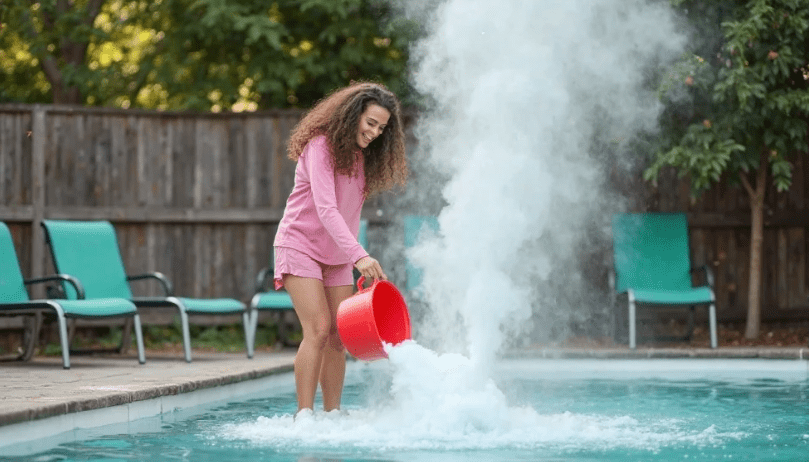
Is Maine’s Drinking Water Safe? Hell No—Not for the Prepared Survivalist!
Listen up, because I’m about to tell you exactly why Maine’s drinking water—despite what the so-called “experts” say—is NOT safe enough for you or your family, especially if you’re serious about survival. I don’t care what the glowing brochures from some government agency or utility company say. You want the truth? Here it is, raw and unfiltered:
Maine’s water system is a ticking time bomb. You got aging infrastructure, contamination from industrial runoff, agricultural chemicals, and even hidden pathogens that slip through the cracks. This isn’t some conspiracy; it’s the reality of a state with beautiful lakes and rivers that have been poisoned by careless human activity.
You think because the water tastes “fine” or meets EPA standards it’s safe? I’ve been in the trenches of survival prepping long enough to know that “safe” is a relative term. When the grid goes down, or when a natural disaster hits, your pristine tap water can turn into a biological nightmare in seconds.
If you’re serious about staying alive, you better learn how to filter, purify, and make that water safe with your own hands, without relying on anyone else’s system or fancy labels. So buckle up—I’m giving you 15 critical water filtration survival skills you NEED, plus 3 DIY survival drinking water hacks you can whip up with stuff in your own home or out in the wild.
15 Water Filtration Survival Skills Every Prepared Person MUST Know
- Boiling Water Correctly: Don’t just simmer, bring water to a full, rolling boil for at least 1 minute (3 minutes above 6,500 ft elevation) to kill bacteria, viruses, and parasites.
- Using a Portable Water Filter: Know how to use a reliable ceramic, hollow fiber, or carbon water filter that removes protozoa and bacteria but realize most don’t filter out viruses.
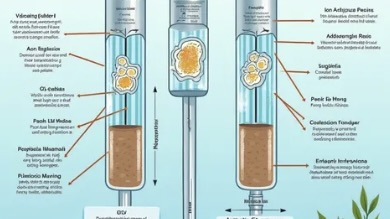
- Improvised Sand and Charcoal Filter: Layer sand, charcoal (activated if possible), and gravel in a container to create a basic filter that removes sediments and some contaminants.
- Solar Disinfection (SODIS): Fill clear plastic bottles with water and leave them in direct sunlight for 6+ hours; UV rays kill pathogens but don’t remove chemicals.
- Chemical Purification: Use water purification tablets or household bleach (unscented, 8 drops per gallon, stir and wait 30 minutes) to disinfect water.
- Distillation: Use a homemade solar still or boil water and collect condensed steam to remove heavy metals and salts, not just pathogens.
- Using Cloth for Pre-Filtering: Pour water through a clean cloth or bandana to remove large debris and sediment before further treatment.
- Finding Natural Water Sources: Learn to identify reliable sources like springs, moving streams, or rainwater rather than stagnant ponds.
- Recognizing Contaminated Water: Know the warning signs—cloudiness, foul smell, dead animals nearby, or chemical odors mean avoid unless you can treat it properly.
- Testing Water with DIY Kits: Carry or make simple water testing kits for pH, turbidity, or bacteria presence for quick assessments.
- Using Bio-Sand Filters: Build a slow sand filter that uses biological layers to reduce pathogens over time.
- Emergency Water Collection: Learn to harvest dew, rainwater, or even plant transpiration in survival situations.
- Understanding Filtration Limits: Know what your filtration method can and can’t remove (viruses, heavy metals, chemical toxins) and combine methods accordingly.
- Storage of Filtered Water: Use clean, sealed containers to store water after filtration and purification to prevent recontamination.
- Portable UV Purifiers: Utilize handheld UV light devices that zap viruses and bacteria instantly when batteries hold up.
3 DIY Survival Drinking Water Hacks You Can Use TODAY

Hack #1: The Charcoal Coffee Filter Trick
Take some clean charcoal from your campfire or barbecue grill. Crush it into small pieces but not dust. Place it inside a clean coffee filter or cloth pouch. Pour suspicious water slowly through it. The charcoal adsorbs chemicals, bad odors, and some pathogens. Follow this with boiling or chemical purification.
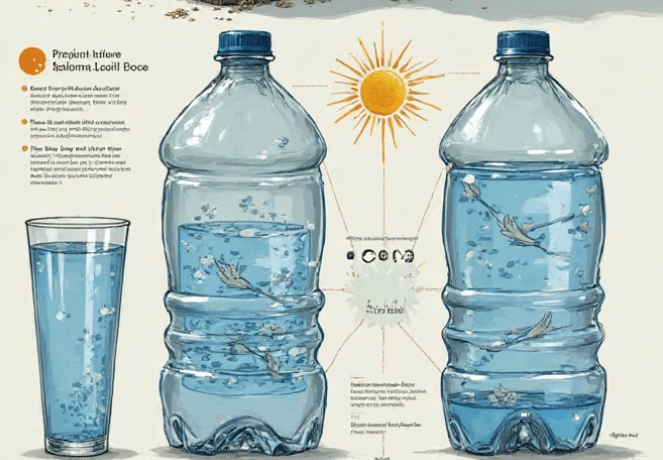
Hack #2: The Plastic Bottle Solar Purifier
Fill a clear plastic bottle with water. Place it on a reflective surface (like a piece of aluminum foil or a car hood) in direct sunlight. Leave it there for 6+ hours. The sun’s UV rays kill off pathogens without any gear. Great when you’ve got nothing but a bottle and the sun.
Hack #3: The DIY Solar Still
Dig a hole about 3 feet wide and 2 feet deep in the dirt. Place a container in the center to catch distilled water. Cover the hole with a plastic sheet, anchor it down with dirt, and place a small rock in the center to create a dip so condensed water drips into the container. You can extract moisture from soil or plants this way when no water source is available.
Why You Can’t Trust Maine’s Water System Blindly
Maine is famous for its pristine wilderness, but the reality is far messier under the surface. You’ve got towns and cities dumping industrial pollutants into rivers, agricultural nitrates seeping into groundwater, and more recently, reports of PFAS (per- and polyfluoroalkyl substances)—the so-called “forever chemicals”—showing up in local wells. These aren’t your garden-variety contaminants. PFAS are linked to serious health problems, and they do NOT just go away by boiling or simple filtration.
Municipal water treatment plants are limited in their capability to deal with such advanced contaminants. They focus on bacteria and common chemicals, not long-term toxins that accumulate in your body. That’s why you need to be your own first line of defense.
Natural disasters? You bet. Maine faces heavy rains, floods, and freezing winters that stress pipes and water systems. After any disaster, the water quality can plummet overnight. You don’t want to be caught drinking water with sewage or chemical runoff when every drop counts.
How To Protect Yourself and Your Family
The solution? Don’t rely on the city or the tap. Prepare NOW. Train yourself in the filtration survival skills above, get the right gear (portable filters, UV purifiers, chemical tablets), and learn how to create your own DIY filtration devices from what’s available around you.
When disaster strikes or the grid fails, you don’t want to be the one scrambling to figure out how to make water safe. This is basic survival, and frankly, anyone who ignores water safety is courting sickness, dehydration, or worse.
Final Warning
Maine’s water may look clear, but that’s only skin deep. There’s a battlefield underneath filled with microscopic enemies and invisible toxins. Trusting the government or utility companies with your health? That’s a fool’s game.
Be angry if you want, be skeptical if you must, but be prepared. Your life depends on it.
Remember these words:
Safe water isn’t given—it’s earned through skill, preparation, and relentless vigilance.























 TheDailyChristian