

Florida is paradise—until it isn’t.
As a survivalist and preparedness professional, I don’t view Florida through rose-colored glasses. I view it as an environment of extremes: heat, water, weather, wildlife, traffic, and human behavior all converging in ways that can turn deadly fast.
Most people who die in Florida did not expect to die that day. They were driving to work. Swimming on vacation. Riding a motorcycle. Waiting out a storm. Trusting that “it probably won’t happen to me.”
That assumption is what kills people.
This article breaks down the top 10 non–old-age ways people commonly die in Florida, explains why they die, and—most importantly—what you must do to avoid becoming another statistic.
This isn’t fear-mongering. This is situational awareness, risk management, and survival discipline.
1. Motor Vehicle Crashes (Cars, Motorcycles, Pedestrians)
Why People Die
Florida’s roads are among the most dangerous in the country due to:
- High tourist traffic
- Elderly drivers mixed with aggressive drivers
- Distracted driving (phones, GPS, rideshares)
- Heavy rain reducing visibility
- High motorcycle usage year-round
- Pedestrian-unfriendly road design
Motorcycles are especially lethal here. No seasonal break means constant exposure, and Florida has no helmet requirement over age 21—a decision that costs lives every year.
Pedestrians die because drivers don’t expect them, and pedestrians assume drivers see them.
How to Survive
- Drive like everyone else is about to do something stupid
- Never assume right-of-way means safety
- Wear a helmet on a motorcycle regardless of the law
- Avoid driving during peak tourist hours if possible
- Increase following distance during rain
- If walking, wear reflective gear at night
- Teach your family that crossing legally does NOT mean crossing safely
Survival Rule: Steel and speed always win. Don’t test it.
2. Drowning (Ocean, Lakes, Pools, Canals)
Why People Die
Florida has more water hazards than almost anywhere else:
- Rip currents
- Canals with steep sides
- Retention ponds
- Backyard pools
- Alcohol + water = disaster
Many drownings involve strong swimmers who panic, underestimate currents, or suffer exhaustion.
Children drown silently. Adults drown confidently.
How to Survive
- Learn how rip currents work (float, don’t fight)
- Never swim alone in open water
- Avoid canals—steep walls make escape nearly impossible
- Fence pools properly and use alarms
- Wear life vests when boating or kayaking
- Treat alcohol near water as a lethal risk multiplier
Survival Rule: Water does not forgive arrogance.
3. Hurricanes and Storm-Related Deaths
Why People Die
People rarely die from the wind itself. They die from:
- Flooding
- Falling trees
- Power outages and heat exposure
- Carbon monoxide poisoning from generators
- Driving into floodwaters
The most dangerous phase is after the storm, when people take risks too soon.
How to Survive
- Evacuate when told—don’t gamble with storm surge
- Never run generators indoors or near windows
- Assume all downed power lines are live
- Store water, food, and medications ahead of time
- Do not drive through standing water—depth is deceptive
Survival Rule: You can’t “tough out” water and electricity.
4. Heat-Related Illness (Heat Stroke & Dehydration)
Why People Die
Florida heat kills quietly and efficiently:
- High humidity prevents sweat from cooling the body
- People underestimate dehydration
- Outdoor workers push too hard
- Elderly and homeless populations are highly vulnerable
Heat stroke can occur even in physically fit individuals.
How to Survive
- Hydrate before you’re thirsty
- Replace electrolytes, not just water
- Take shade breaks
- Wear light, breathable clothing
- Learn early signs: confusion, dizziness, headache
- Never leave children or pets in vehicles
Survival Rule: Your body is not designed for Florida summers without preparation.
5. Firearms (Accidental, Criminal, and Domestic)
Why People Die
Firearm deaths are rarely random. They occur due to:
- Unsafe handling
- Domestic disputes
- Escalated arguments
- Poor storage practices
- Criminal activity in high-risk areas
Most firearm deaths involve someone the victim knows.
How to Survive
- Practice strict firearm safety rules
- Secure weapons from children
- Avoid confrontations—especially road rage
- Know your surroundings
- If armed, get real training—not YouTube training
Survival Rule: The best fight is the one you avoid.
6. Falls and Traumatic Injuries (Non-Elderly)
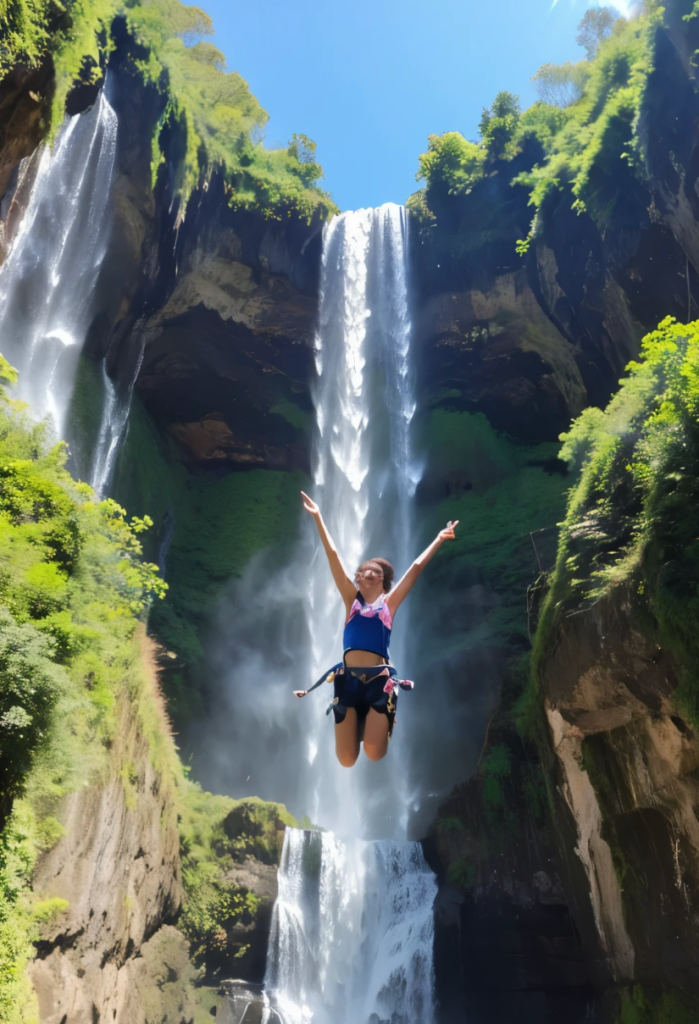
Why People Die
Falls kill more than people realize:
- Ladders
- Roof work
- Construction accidents
- Alcohol involvement
- Poor safety practices
Many fatal falls involve confidence, not incompetence.
How to Survive
- Use proper safety equipment
- Don’t rush physical tasks
- Avoid working alone at heights
- Skip alcohol before physical labor
- Respect gravity—it always wins
Survival Rule: Shortcuts cost lives.
7. Boating Accidents
Why People Die
Florida leads the nation in boating incidents due to:
- High boat ownership
- Alcohol use
- Inexperience
- Lack of life jackets
Drowning after falling overboard is the most common cause.
How to Survive
- Always wear a life jacket
- Designate a sober operator
- Check weather before departure
- File a float plan
- Carry emergency signaling devices
Survival Rule: The ocean doesn’t care how expensive your boat is.
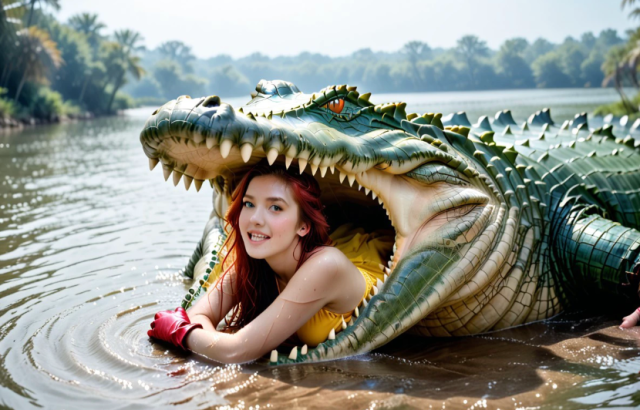
8. Alligator and Wildlife Attacks (Rare but Real)
Why People Die
Attacks happen because:
- People ignore warning signs
- Swim in freshwater
- Walk pets near water
- Feed wildlife
Florida’s wildlife is not domesticated, no matter how familiar it looks.
How to Survive
- Never swim in freshwater
- Keep pets away from shorelines
- Avoid dusk and dawn near water
- Never feed wildlife
- Respect posted warnings
Survival Rule: Wild animals are not characters—they are predators.
9. Drug Overdoses (Prescription and Illicit)
Why People Die
Overdoses occur from:
- Mixing substances
- Unknown potency
- Lack of tolerance
- Using alone
- Mental health crises
Florida has long struggled with opioid and fentanyl exposure.
How to Survive
- Avoid mixing drugs and alcohol
- Never use unknown substances
- Seek help early
- Carry naloxone if at risk
- Check on friends—don’t assume they’re “sleeping”
Survival Rule: Your body is not a chemistry experiment.
10. Violent Crime (Situational, Not Random)
Why People Die
Violence typically occurs due to:
- Escalation
- Being in high-risk environments
- Poor situational awareness
- Alcohol-fueled decisions
Random violence is rare. Predictable patterns are common.
How to Survive
- Trust your instincts
- Avoid sketchy areas unnecessarily
- Don’t engage in ego battles
- Maintain situational awareness
- Have a personal safety plan
Survival Rule: Awareness is armor.
Important Survival Mindset for Florida
Florida is not unsafe—but it is unforgiving.
People don’t die here because they’re unlucky.
They die because they:
- Ignore warnings
- Overestimate their abilities
- Underestimate the environment
- Assume tomorrow is guaranteed
Preparedness is not paranoia.
It’s respect for reality.
To all you lovely Floridians: Stay alert. Stay humble. Stay alive.


 TheDailyChristian