Caught to Survive: The Prepper’s Guide to Traps and Snares

Alright, listen up, because I’m only gonna say this once. If you’re dumb enough to think survival is just about stocking up on canned beans and pretending that’ll keep you alive when the world goes sideways, then this rant isn’t for you. Survival is about doing — using your brain, your hands, and yes, your grit — to catch what you can, snare what you need, and make it through whatever hellhole we find ourselves dropped into.

Welcome to Caught to Survive: The Prepper’s Guide to Traps and Snares — a no-BS blueprint for anyone who refuses to be just another dead body left behind when the grid goes dark. If you don’t know how to make a trap or a snare, you might as well start digging your grave now.


15 Survival Skills Every Prepper Should Master — Or Die Trying
1. Basic Knot Tying
If you don’t know a bowline from a granny knot, you’re already screwed. Traps and snares depend on strong, reliable knots. Practice until you can tie them blindfolded and with one hand tied behind your back.

2. Crafting Deadfall Traps
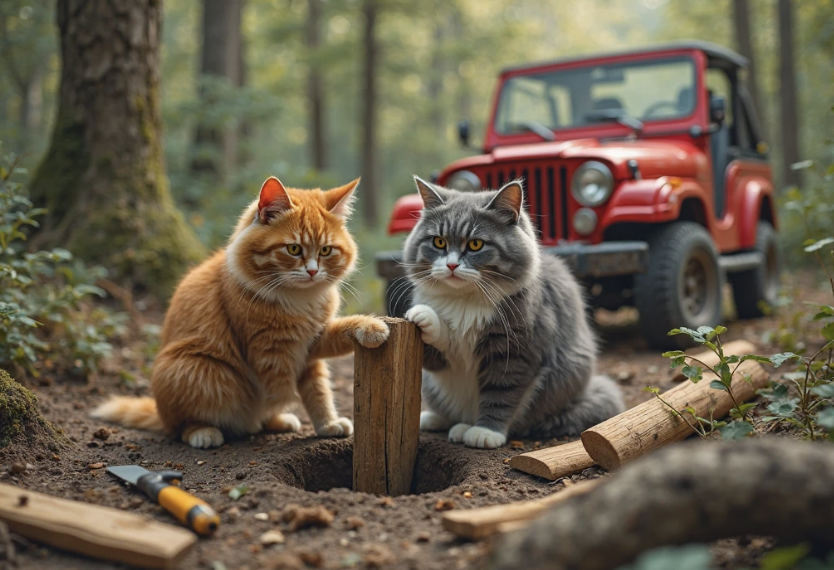
This ain’t your grandpa’s picnic. Knowing how to build a deadfall trap using logs and rocks can catch rabbits, squirrels, or whatever dumb critter walks into your line.

3. Snare Making
Wire snares are the backbone of stealth trapping. Know how to twist, set tension, and place snares where animals naturally run — otherwise, you’re wasting time.

4. Camouflage and Concealment
A trap that’s obvious gets disabled or avoided. Learn to hide your gear in plain sight with branches, leaves, or dirt. If your traps aren’t invisible, they’re useless.

5. Tracking Animal Behavior
Study animal trails, feeding spots, and habits. Set traps where animals will be, not where you wish they’d show up. If you’re just hoping for luck, you’ll be eating dirt.

6. Fire Starting Under Any Conditions
You’ll need fire to cook your catch, sterilize traps, and keep warm. Practice friction, flint, and modern methods until you can start a blaze in a rainstorm with nothing but grit.

7. Knotless Snares and Loop Placement
Sometimes animals are wary of wire loops with knots. Master creating smooth, sliding loops to increase your catch rate.
8. Butchering Small Game
Trapping isn’t just about capture — you’ve got to know how to clean and prepare your kill fast and sanitary. You’re not hunting dinner for fancy; you’re hunting survival.

9. Using Natural Materials for Traps
Wire might run out. Learn to use vines, strips of bark, and wood for snares and triggers.

10. Primitive Tools Making
Carve your own hooks, spears, and trap components from stone, bone, or wood. If you don’t have gear, make it. No excuses.

11. Emergency Shelter Building
Trapping is useless if you freeze to death. Know how to build shelters with minimal materials while you lay traps and prepare food.

12. Water Sourcing and Purification
Without water, you’re dead in 3 days. Find and purify water near your trap zones. Don’t poison your own food source with careless water mistakes.

13. First Aid for Trapping Injuries
Cut yourself setting a snare? Step on a rusty nail? Know basic first aid to keep infection from killing you.

14. Disguise Your Scent
Animals smell better than you think. Use mud, leaves, or natural scents to hide your human odor near trap lines.

15. Understanding Local Wildlife Laws and Ethics
Yeah, when society is functioning, respect the laws and the animals. But when survival’s on the line, knowing the legal boundaries beforehand saves you headaches later.


3 DIY Survival Hacks to Boost Your Trap and Snare Game

Hack #1: The “Tripwire Alarm”
Use a length of thin wire or strong cord connected to a can filled with rocks or anything noisy. Place it across a path where you expect an animal. When triggered, it alerts you without you having to stay glued to the trap all day. No more missing your catch because you were distracted or sleeping.

Hack #2: The “Improvised Spring Snare”
If you don’t have steel wire or springs, carve a Y-shaped flexible sapling branch. Attach a loop of vine or wire to the top and set the snare with the bent sapling tensioned. When the animal steps into the loop, the sapling snaps back, tightening the noose. It’s noisy but effective if you can’t get your hands on commercial gear.

Hack #3: The “Natural Glue Trap”
Mix pine resin with charcoal or crushed leaves to make a sticky, natural glue. Spread it on a flat surface or a small stick and place near bait. Small rodents get their paws stuck, making capture easier. It’s messy but works when you’re desperate and wire’s not an option.


Here’s Why This Matters — And Why You Should Be Mad Too

When disaster strikes, the entire system you rely on falls apart. Power? Gone. Grocery stores? Looted or empty. Police? Who knows. The only reliable source of food will be your hands and your wit. If you’re not trapping and snaring, you’re begging for scraps or starvation. And no one’s gonna hand you a sandwich when chaos rules the day.

Get angry. Get serious. This is not a game. Every second you waste scrolling your phone or buying more junk you don’t need, someone else is learning to survive without it. The animals don’t care about your excuses. If you can’t catch food, you die.

Traps and snares are the silent soldiers of survival — no loud guns, no wasting ammo, just pure skill and patience. They’re the tools that will keep your belly full when the world crumbles. Master them or prepare to be a statistic.


Final Warning: If You’re Not Willing to Get Dirty, Stay Home
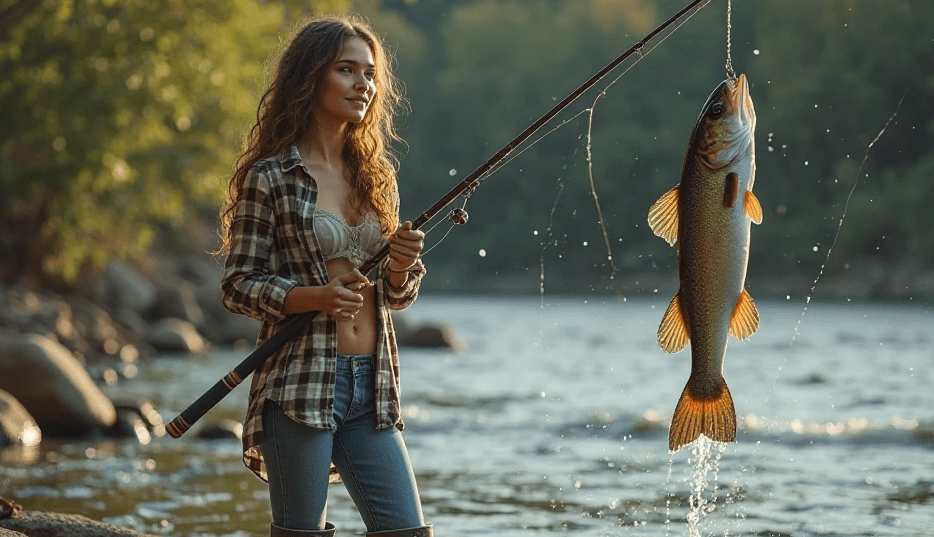
Setting traps isn’t glamorous. It’s tedious, frustrating, and sometimes downright gross. You’ll get bitten by bugs, scratched by thorns, and spend hours just watching a snare you set. But that’s the price of survival — patience and resilience.

Get angry at the world for making survival necessary. Get angry at yourself for not preparing sooner. But channel that anger into action. Learn every skill, practice every hack, and build traps until they’re second nature.

Because when the grid goes dark and the streets fill with chaos, no one’s coming to save you. You’re on your own. And if you don’t catch to survive, you won’t.


There. Now stop whining and start doing. What do you want me to break down first — setting snares? Finding the best trap locations? Or maybe how to butcher a rabbit clean in under five minutes?


Eat to Live: Mastering Edible Plant ID for Survival Scenarios

Eat to Live: Mastering Edible Plant ID for Survival Scenarios
By someone who’s fed up with your ignorance

Let me cut the crap right off the bat—if you’re reading this because you think “foraging” is some cute weekend hobby between lattes and scrolling on your damn phone, you’re already a liability. This isn’t about wildflower pics for your Instagram. This is about survival—pure, raw, unfiltered survival. The kind where if you screw up, you don’t get a second chance. You either eat or you rot.

When the grid collapses, the cities will become tombs. Your favorite Uber driver isn’t going to save you. Your “meal prep” skills won’t mean squat when the only thing on the menu is bark and berries. But here’s the truth: nature provides—if you know what you’re doing. And if you don’t, nature will kill you. Fast.

Survival Skill #1: Learn the Damn Plants

You better get good at plant ID, and I don’t mean glancing at some leafy green and guessing. I mean knowing the difference between Queen Anne’s Lace and poison hemlock. One feeds you, the other shuts down your respiratory system like a vise. Learn the leaf patterns. Smell the roots. Break the stems. Know the seasonal changes. If you can’t name five edible plants native to your area right now, you’re not ready. Period.

Survival Skill #2: Know the Universal Edibility Test

In a real survival scenario, you won’t always have your plant guides or phone apps. Use the Universal Edibility Test—but use it smart. Break the plant into parts: root, stem, leaves, flower. Test each part separately over hours. Rub it on your skin, then your lips, then your tongue. Wait. Swallow only if there’s no reaction. You think it’s tedious? So is dying from gut-wrenching poison.

Survival Skill #3: Track Seasonal Availability

Wild edibles aren’t available all year. You need to know when to harvest roots, which plants bloom in spring, and which weeds you can count on in winter. Chickweed, dandelion, wild garlic—they’re your allies if you’ve got the balls to pay attention.

DIY Survival Hack #1: Build a Pocket Herbarium

Forget your TikTok hacks. Get a damn notebook and start pressing specimens. Dry them, label them, annotate what parts are edible and when. Make your own field guide. That way when you’re freezing your ass off in some backwoods hole and stumble on a patch of greens, you don’t second-guess what could be your next meal.

Survival Skill #4: Understand Plant Look-Alikes

Mother Nature is a tricky bastard. Edible plants have toxic twins. Wild carrot vs. poison hemlock. Wild grape vs. moonseed. You mess that up, you’re not going to the ER—you’re going to the morgue. If you can’t tell them apart, don’t touch them.

Survival Skill #5: Practice Harvesting Without Destroying the Source

A real survivalist doesn’t burn the forest to bake a loaf of bread. Take only what you need. If you find wild leeks, leave half. If you spot cattails, don’t rip the whole colony apart. Respect the land, because it’s the only damn thing keeping you alive.

DIY Survival Hack #2: Make a Solar Plant Dehydrator

Don’t rely on power when you can build a plant dryer with sticks, screen, and sunlight. Dehydrate dandelion leaves, wild mint, or purslane. It preserves nutrients and lightens your pack. Who needs fancy gear when the sun is still free?

Survival Skill #6: Know Your Medicinal Plants

Food isn’t the only thing that keeps you alive. Ever had diarrhea in the woods with no meds? Good luck. Learn yarrow (stops bleeding), plantain (draws out poison), and willow bark (natural aspirin). Your brain’s your best survival tool—if you fill it with something useful.

Survival Skill #7: Test and Train—Before You Have To

You’re not a survivalist until you’ve lived it. So take your cushy ass out of the suburbs and spend three nights in the wild with nothing but a knife, a water bottle, and your plant ID skills. No phone. No tent. Eat only what you find. That’s how you learn.

DIY Survival Hack #3: Edible Plant “Cheat Stick”

Tape samples of dried, identifiable parts of key edible plants to a sturdy stick or ruler. Seal them under clear packing tape. Waterproof, portable, and faster than flipping through pages when the sun’s going down and your stomach’s roaring.

Survival Skill #8: Cook What Needs Cooking

Some plants will screw you up if you eat them raw. Cattail roots need roasting. Pokeweed can be eaten only when young and only after multiple boils. Know what must be cooked, because gastrointestinal distress in the wild is a fast track to death.

Survival Skill #9: Urban Foraging Tactics

Don’t assume survival scenarios only happen in the backwoods. Cities have plant life too—back alleys, parks, abandoned lots. Learn to spot mulberry trees, lamb’s quarters, wild amaranth, and purslane growing in cracks. Concrete jungles have calories too.

Survival Skill #10: Mental Resilience

This isn’t just about what you know—it’s about what you do when you’re cold, starving, and scared. You panic, you die. You hesitate, you miss a meal. You doubt yourself, you eat the wrong berry and meet your maker. Know your plants, trust your skills, and keep moving.


Let me be clear one last time: this isn’t a damn joke. When things fall apart, the people who laugh at this stuff are going to be the first to beg for a cracker. Don’t be one of them. Be the one who walks into the woods and walks out fed, alive, and free.

Nature doesn’t care about your opinions. It doesn’t care about your degree, your follower count, or your Wi-Fi signal. It rewards the prepared. It eats the rest.

So pick up that field guide, get your boots dirty, and for God’s sake—eat to live.

Surviving Without a Hospital: Medic Skills You Need When SHTF

Surviving Without a Hospital: Medic Skills You Need When SHTF

When the world collapses and the grid goes down, most of us will be cut off from the very systems that we rely on for survival—no electricity, no cell service, and no access to medical professionals. In those moments, you’ll need to rely on yourself. One of the most important skills you can develop is knowing how to be your own medic when SHTF. You won’t have the luxury of rushing to the emergency room, so your knowledge and your ability to treat injuries and illnesses will be critical to your survival.

The Importance of Medic Skills When SHTF

In a survival situation, you are the first responder. When disaster strikes, the hospitals and emergency services will be overwhelmed, or they may not even be available. You’ll need to step up, stay calm, and take control of your health. That means knowing how to handle common medical issues on your own—from minor cuts to more serious wounds, sprains, burns, fractures, and everything in between.

The good news is that with some basic training and the right mindset, you can equip yourself to manage medical emergencies until help arrives—or until you can find it. This might sound overwhelming at first, but it’s a skill set that will make the difference between life and death when the chips are down. So, let’s dive into some essential first aid skills and survival tips you need to know.

First Aid Basics for Survival Situations

1. Cuts and Scrapes: The First Line of Defense

Cuts and scrapes are the most common injuries you’ll encounter, and thankfully, they’re also some of the easiest to treat. If it’s a minor cut, you should:

  • Clean the wound with warm water and soap to prevent infection.
  • Apply an antibiotic ointment like Neosporin to ward off bacteria.
  • Cover the wound with a bandage to keep it clean and dry.

But if you’re dealing with a deeper cut or gash, things get more complicated.

  • Stop the bleeding by applying direct pressure with a clean cloth. Hold it in place until the bleeding slows.
  • For severe bleeding, use a tourniquet above the injury (only if you cannot stop the bleeding with pressure), but this should be a last resort. Remember, tourniquets can cause damage if left on too long, so it’s vital to get medical help as soon as possible.

2. Sprains and Strains: The R.I.C.E. Method

If you twist your ankle or injure your wrist, it’s crucial to address the injury immediately to prevent further damage. The R.I.C.E. method is your go-to strategy:

  • Rest: Limit movement to prevent further strain on the injury.
  • Ice: Apply an ice pack or a makeshift cold compress to reduce swelling.
  • Compression: Wrap the injured area with a bandage to provide stability and reduce swelling.
  • Elevation: Raise the injured limb above the level of your heart to reduce swelling.

While it may not completely heal the injury, it can minimize the damage and reduce pain until you get help or the injury heals naturally.

3. Burns: Treating Heat Injuries in the Wild

We’ve all burned ourselves at some point. Whether it’s from touching a hot pan or getting too close to a fire, burns can be debilitating. Here’s how to handle them:

  • For minor burns, immediately immerse the area in cool water (not ice-cold, which could cause more damage). You can also apply aloe vera or a soothing burn ointment.
  • For severe burns, cover the area with a clean, dry cloth (don’t use anything that could stick to the wound, like gauze or cotton). Don’t pop any blisters, as this can lead to infection. Seek medical help as soon as possible—burns can be life-threatening if they cover a large area.

4. Broken Bones: Immobilization Is Key

If you suspect a broken bone, the most important thing is to immobilize the area. Movement can worsen the damage and cause more pain. Here’s how you can handle it:

  • Immobilize the limb using a splint or any rigid material you have at hand, such as a stick, board, or even a rolled-up newspaper.
  • Apply a cold compress to reduce swelling.
  • Elevate the injured limb to reduce swelling and pain, if possible.

Remember, a fracture may be painful, but with proper immobilization, you can manage it until you can either get to help or set up a longer-term solution.

The Role of Knowledge in Survival Medicine

Now that we’ve covered some basic injuries, it’s important to stress that knowledge is your best weapon when dealing with medical emergencies in a survival situation. The key to surviving when medical help isn’t available is not just knowing how to stop bleeding or treat a sprain. You need to think on your feet and stay calm under pressure.

10 Prepper Tips for Managing Medical Emergencies When SHTF

  1. Master First Aid and CPR: Make sure you’re certified in both basic first aid and CPR. These certifications provide the knowledge you need to treat a variety of injuries and help keep someone alive until professional help arrives.
  2. Assemble a Fully Stocked First Aid Kit: Ensure that your first aid kit includes essential supplies like bandages, antiseptics, pain relievers, splints, and tourniquets. But don’t stop there—think about additional items like saline solution for wound irrigation, a good pair of scissors, and medical gloves.
  3. Learn to Use Herbal Remedies: In a grid-down situation, over-the-counter medications might not be available. Learn to identify and use medicinal plants for natural pain relief, wound care, and other common ailments. Echinacea, garlic, and yarrow are all great examples.
  4. Know How to Suture Wounds: In a real emergency, you might need to close a deep wound yourself. Take a class or practice using a suture kit. It could save your life or someone else’s.
  5. Prepare for Infection: Keep your wounds as clean as possible and apply antibacterial ointment. In a survival situation, infections can become life-threatening without antibiotics, so keep wounds covered and change dressings regularly.
  6. Learn to Make a Splint: You don’t always have a store-bought splint on hand. Learn how to improvise using sticks, cloth, or whatever materials you can find in your environment.
  7. Stockpile Antibiotics: While illegal in many areas, antibiotics are a must-have in a prepper’s medical supplies. Talk to a healthcare professional about obtaining them for emergency situations and learn how to use them properly.
  8. Stay Calm Under Pressure: One of the most important skills in a medical emergency is maintaining composure. Stay calm and assess the situation before rushing into action. The more calm and collected you are, the better your chances of dealing with the injury.
  9. Learn How to Build a Survival Medical Kit: You can’t always rely on pre-packaged kits. Consider building your own kit with the items that you know will be most useful in a survival situation. Don’t forget tools for improvisation.
  10. Practice Regularly: Medic skills are like any other skill—they get better with practice. Regularly practice treating injuries using your kit, and familiarize yourself with emergency procedures so you’re ready when things go sideways.

Conclusion: Be Your Own Medic, Be Your Own Lifeline

In a world where hospitals may not be an option, your ability to be your own medic could make all the difference. The knowledge you gain now will prepare you for any medical emergency that may arise, ensuring that you can handle everything from simple cuts to serious trauma.

By investing in your medical knowledge today, you’ll have the skills you need to survive and thrive in a world where help is no longer on the way. Keep learning, keep practicing, and above all, be prepared. Your life, and the lives of those around you, could depend on it.

How to Survive in the Wilderness When SHTF (And Everything You Love is Gone)

Let’s get one thing damn clear: when the world burns, your smartphone won’t save you. Amazon ain’t dropping packages in the forest, and nobody’s coming to rescue your soft, GPS-dependent backside. You either learn to live or lie down and rot. That’s the brutal truth. Now pull your head out of your ass and listen up.

Out there in the wilderness, everything is trying to kill you: the weather, the wildlife, and most of all, your own ignorance. If you don’t know what the hell you’re doing, nature will chew you up and spit your bones into the dirt. But if you learn the skills — real survival skills — you can make it. You can thrive. You can be the last one standing when SHTF.

Here’s how. This is survival, not a damn camping trip.


🔥 15 WILDERNESS SURVIVAL SKILLS YOU’D BETTER KNOW IF YOU WANT TO STAY ALIVE:

  1. Fire Starting (Without a Lighter)
    Your Bic won’t last forever, cupcake. Learn how to start a fire with flint and steel, a bow drill, or even a battery and steel wool. Fire is warmth, food, safety, and morale.
  2. Water Purification
    If you drink straight from a river, you’re inviting giardia and dysentery to your apocalypse party. Boil it. Filter it. Solar still it. Know your options or die thirsty with a belly full of parasites.
  3. Shelter Building
    Tarps rip. Tents rot. Know how to build a debris hut, a lean-to, or a log shelter. Hypothermia is a silent, smug son of a bitch.
  4. Navigating Without Tech
    Compasses don’t need batteries. Learn celestial navigation and terrain association. Don’t trust landmarks — memorize the land itself.
  5. Hunting and Trapping
    No more Uber Eats. Set snares. Make deadfall traps. Know how to gut and clean game without puking your guts up.
  6. Fishing Without Gear
    Improvised hooks, fish traps, spearfishing. Learn it. You can’t live off berries forever — unless you enjoy starvation and hallucinations.
  7. Edible Plant Identification
    One wrong leaf and you’re crapping blood for days. Learn what’s safe to eat in your region. Make a damn notebook and memorize it.
  8. Improvised First Aid
    Nobody’s coming with morphine and a gurney. Learn how to close wounds, stop bleeding, and fight infection with natural resources and basic kits.
  9. Stealth and Camouflage
    You’ll need to hide — from people, from animals, from your own mistakes. Learn how to move unseen and build camo shelters.
  10. Signaling for Help
    If you do want rescue, you’d better know smoke signals, mirrored flashes, and ground-to-air symbols. Yelling won’t cut it.
  11. Tool Making
    Can’t buy a new knife out here. Learn to knap stone, carve wood, lash together gear. Primitive tools keep you alive.
  12. Cordage Crafting
    Paracord runs out. Learn to twist plant fibers into strong cord. Without rope, you’re just a well-fed caveman.
  13. Food Preservation
    Salt. Smoke. Drying. Fermentation. Without preservation, every good kill goes rotten before you can say “wasted calories.”
  14. Mental Fortitude
    You will be cold, tired, scared, and alone. Crying won’t help. Mental toughness is as critical as any blade on your belt.
  15. Weather Prediction
    If you can’t read the sky, you’ll freeze in your sleep or get swept downriver. Clouds, winds, bird movement — nature whispers before it screams.

🔧 3 DIY WILDERNESS SURVIVAL HACKS

  1. Soda Can Rocket Stove
    Don’t waste time or fuel. Cut a soda can, create a rocket stove with just a few snips and a nail. Efficient. Light. Packs easy. Great for boiling water or cooking game in tight spots.
  2. Char Cloth Fire Starter
    Take old cotton cloth (yes, your ratty T-shirt), char it over a flame in a tin until it’s black but not burned. That stuff will catch the smallest spark. Gold in wet conditions.
  3. Pine Sap Bandages
    Got a wound? Pine sap is nature’s antiseptic glue. Slap it on, cover with clean cloth or moss. It stops bleeding and helps heal. You’re welcome.

WHY YOU NEED TO TAKE THIS SERIOUSLY

Let me say this loud for the folks in the back who still think DoorDash is gonna work when the grid goes down: You are on your own.

No police.
No hospitals.
No grocery stores.
No laws except the ones you enforce yourself.

People will turn on each other faster than a pack of wild dogs. And the weak — the clueless, the ones who never practiced a damn thing, who thought “roughing it” meant no WiFi — they’ll die first. Not maybe. Definitely.

You think a three-day REI survival course makes you a bush god? Think again. You need months in the wild, not weekends. You need cuts, bruises, freezing nights, burnt food, failed shelters, and near-death experiences to even start learning what it really takes.


YOU WANT A FIGHTING CHANCE? THEN DO THIS:

  • Train. Every week. Go outside. Practice fire making in the rain. Sleep in your DIY shelter. Cook a squirrel over an open flame. Live the way you’ll need to.
  • Stock up, but train without it. Yes, buy gear. But assume it’ll all break or vanish. Know how to survive with nothing.
  • Build your mental armor. This isn’t about six-pack abs. It’s about grit. Fearless, furious, never-quit grit.

Final Words Before the World Ends (Again)

This isn’t a hobby. It’s not a YouTube trend or something you learn from a TikTok prepper doing spoon reviews. This is life and death. This is teeth-gritting, frostbitten, gut-rumbling SURVIVAL in its rawest form.

The wilderness doesn’t give a damn about your excuses. But if you respect it, if you learn its rules and play harder, smarter, meaner than it does — you can beat it.

When SHTF, the soft will cry. The wise will run. But the prepared?
The prepared will rule.

So sharpen that blade, strip off your weakness, and get to work.

You’ve been warned.

Fire Starting Techniques – The Survivalist’s Guide to Fire Starting Techniques

Let me spell it out for you—if you can’t start a fire in a survival situation, you might as well dig your own damn grave and lie down in it. There is no excuse in the world for not knowing how to get a flame going when your life depends on it. Fire is not a luxury. It’s not a camping bonus. It’s life and death. And if you’re the kind of person who thinks a Bic lighter is a complete fire plan, then congratulations—you’re the first one to freeze, starve, or get eaten when the grid goes down.

So buckle up, buttercup. I’m not here to coddle. I’m here to prepare you for the real world, where Mother Nature doesn’t care about your excuses or your dead cell phone. This is the fire-starting gospel, and you’re going to memorize it like your life depends on it—because one day, it just might.


First, Understand This: Fire is Life

Fire gives you warmth, light, cooked food, safe water, and protection. It boosts morale. It keeps wild animals at bay. It disinfects. It even sends signals. Without fire, you’re basically camping with death.

So let’s talk about the four big fire-starting methods every survivalist should master—and I mean MASTER, not “tried once at Boy Scout camp.”


🔥 The Four Core Fire Starting Methods

1. Ferro Rod (Ferrocerium Rod) – The Realist’s Tool

This is the go-to for serious preppers. A ferro rod throws sparks hotter than 3,000°F and laughs in the face of wind and water. All you need is a striker (knife spine, dedicated scraper, whatever) and good tinder.

How to Use:

  • Scrape off some of the rod to make a fine pile.
  • Place tinder close.
  • Scrape hard and fast for sparks to ignite the pile.

If you don’t have a ferro rod in your bug out bag, your EDC kit, your vehicle, your cabin, and your nightstand—you’re doing it wrong.


2. Lighter – The Lazy Man’s Savior

Lighters are great. You press a button and boom—fire. But if it’s wet, cold, out of fuel, or cheap? You’re screwed.

Pro Tip: Carry multiple Bics, vacuum-sealed. And store a Zippo with extra flints and lighter fluid.

Lighters fail. Period. Which is why they should be backup, not primary.


3. Magnifying Glass – The Solar Way

Sunlight is free, baby. And you’d be amazed how well a cheap magnifier or Fresnel lens can work if the sun is shining.

How to Use:

  • Direct sunlight through the lens to a fine point.
  • Focus on dark, dry material—char cloth, dry leaves, even a bit of paper.
  • Hold it steady. Don’t blink. And pray to the sun gods.

This method is quiet, smokeless, and renewable, but only works if you have direct sun.


4. Primitive Methods – The Caveman’s Trial

If you can’t make fire with sticks, you’re not truly prepared. Period.

Two methods worth knowing:

  • Bow Drill: A classic. Requires coordination, patience, and good materials.
  • Hand Drill: Pure misery. Do it just to know you can.

Practice now while your fingers aren’t frozen off. Primitive methods are the last resort—but they can save your life.


💥 15 Fire Starting Survival Skills Every Prepper Must Know

  1. Tinder Mastery – Know what burns fast and hot. Cotton balls + Vaseline, birch bark, fatwood, char cloth, etc.
  2. Feather Sticking – Shaving curls into wood to make kindling more flammable.
  3. Tinder Collection – Always be gathering. Don’t wait for crisis mode.
  4. Waterproofing Your Fire Kit – Ziplocks, tins, vacuum seals. Fire gear MUST stay dry.
  5. Creating Char Cloth – Burn cotton in a sealed tin to make catch-easy embers.
  6. One-Handed Ferro Use – Practice in case you’re injured. You’ll thank me.
  7. Lighting a Fire in the Wind – Shield the flame, build a windbreak, use dense kindling.
  8. Fire Reflector Walls – Reflect heat back into your shelter.
  9. Fire Pit Construction – Dig, ring with rocks, control your flame.
  10. Fire in the Rain – Use dry inner wood, bark shavings, and a solid platform.
  11. Using a Flint and Steel – Classic method, reliable when practiced.
  12. Knowing Local Tinder Sources – Cattail fluff, pine needles, dry moss, etc.
  13. Starting a Fire with Steel Wool and Battery – Touch the terminals with wool. It ignites instantly.
  14. Maintaining Fire Through the Night – Bank coals, add dense fuel, reduce oxygen exposure.
  15. Emergency Fire from Gunpowder – Break a round, use the powder (carefully) with a spark source.

🛠️ 3 DIY Survival Fire Starting Hacks (That Actually Work)

1. Vaseline Cotton Balls in a Straw

  • Stuff cotton balls soaked in Vaseline into a cut plastic straw.
  • Seal the ends with a lighter to make waterproof fire starters.
  • Lightweight, clean, and burns like a torch.

2. Crayon Fire Starter

  • A single crayon will burn for 5–10 minutes.
  • Wrap several in foil and store them in your pack.
  • Great for when all else fails and you need to dry wet tinder.

3. Dryer Lint & Egg Carton Bombs

  • Pack dryer lint into cardboard egg cups.
  • Pour melted wax over them.
  • Let them dry, then cut and store.
  • One of these will burn long and hot—perfect for starting stubborn fires.

Final Words (And You’d Better Listen)

If you think you’ll “figure it out when the time comes,” you’re already dead. Survival isn’t romantic. It’s not a Hollywood movie. It’s harsh, it’s cold, it’s dirty—and without fire, it’s a short ride to hypothermia and regret.

Practice now. Fail now. Learn now. Do not wait until your fingers are numb and the wolves are howling to discover that you don’t know how to make a damn flame.

Fire isn’t optional. It’s mandatory. And in a true survival scenario, it’s the line between you and death.

So get off your ass, get your gear together, and train until it’s second nature. Fire should be your servant—not your weakness.

This isn’t a game. This is life. And if you’re not serious, then you’re a liability—not a survivor.

Now go make a fire—and do it without cheating.

Bug Out Bags (BOB) – What to pack, how to tailor it to your needs, and keeping it ready.

Let me be crystal clear right off the bat: if you don’t have a Bug Out Bag (BOB) packed and ready to grab this dang second, you are not ready for anything but a front-row seat to your own demise. This isn’t some Boy Scout sleepover or a cute Instagram hike. This is survival, plain and ugly. When the world turns sideways — and trust me, it will — you won’t have time to debate the pros and cons of your gear choices. You either grab your bag and get out, or you stay put and rot. Those are your options.

What the Heck Is a Bug Out Bag, and Why You Need One Yesterday

A Bug Out Bag is your lifeline — your emergency pack for when staying where you are means death, detention, or destruction. It needs to sustain you for at least 72 hours of full self-reliance. You can build it for longer, but don’t make the mistake of packing your whole garage. You’re not moving house. You’re escaping Hell.

Most of the world walks around with their heads shoved so far up their rear ends they could see their own tonsils. They think Amazon Prime and a 911 call are going to save them. Let me tell you something, cupcake — no one’s coming to save you. You are the cavalry. So get off your ass and start packing your BOB.


The 15 Survival Skills You Better Damn Well Know Before You Bug Out

You can have the best gear in the world, but if you don’t know what the hell you’re doing, you’re just a well-equipped corpse. Learn these skills like your life depends on them — because it does.

  1. Fire Starting (Without a Lighter) – Learn to spark a flame with flint, steel, a ferro rod, or hell, even a damn battery and steel wool.
  2. Water Purification – Boil, filter, use iodine tablets — or die slowly from diarrhea. Your call.
  3. Shelter Building – Tarps, space blankets, or natural materials. Know how to stay dry and off the ground.
  4. Knot Tying – You think rope ties itself? Learn real knots: bowline, taut-line hitch, trucker’s hitch.
  5. Navigation Without GPS – Compass, topographical map, sun and stars. Your phone’s going to be dead weight in a real crisis.
  6. First Aid – CPR, wound care, infection control. Blood is slippery; learn how to deal with it.
  7. Food Foraging – Know what plants won’t kill you and which ones will make you vomit blood.
  8. Hunting and Trapping – You’re not living off granola bars forever. Know how to snare, fish, and shoot.
  9. Security and Self-Defense – Know how to use a knife and a firearm. And not like a damn movie star — properly.
  10. Stealth Movement – Loud people die first. Learn how to move like a ghost.
  11. Situational Awareness – Pay attention. Stop looking at your feet. Know your surroundings.
  12. Camouflage and Concealment – Blending in isn’t just fashion; it’s survival.
  13. Bartering and Negotiation – People will kill for toilet paper. Know how to deal and not get swindled.
  14. Mental Toughness – Stop crying. Stay calm. Think fast. Panic is a killer.
  15. Improvisation – You won’t always have gear. Learn to MacGyver your way through life-threatening situations.

How to Tailor Your BOB Without Being a Damn Idiot

Here’s where most people screw up — they copy a list from the internet without thinking. Tailor your bag to your region, your climate, your body, your skills, and your realistic bug-out plan.

Are you in the city or the woods?
If you’re in a city, weight matters more — you may be walking 20 miles in boots. You’ll need more water purification and urban navigation tools. If you’re out in the boonies, focus on shelter and hunting tools.

What’s your climate?
Cold? Pack layers, a thermal bivvy, and waterproof gear. Hot? Shade tarp, hydration tabs, light clothing, and sunscreen.

Got kids? A dog? Medical issues?
If you need meds, pack extra. If you have kids, double water and snacks. Dogs? They eat and drink too, genius.

Fitness level?
Don’t pack a 60-pound bag if you can’t jog across the street without wheezing. Tailor it to your real ability, not your fantasy.


What Goes in a Bug Out Bag – The Non-Negotiables

Screenshot

Here’s the foundation. Don’t argue. Just pack it.

  • Water: At least 1 liter per day. Bring purification tabs, LifeStraw, Sawyer Mini, and a metal container for boiling.
  • Food: MREs, energy bars, trail mix, jerky. High calories, low space. Rotate stock every 6 months.
  • Shelter: Tarp, space blanket, bivvy sack, paracord.
  • Fire: Ferro rod, waterproof matches, dryer lint in a pill bottle. Redundancy matters.
  • Knife: Fixed-blade full-tang. Don’t bring some flimsy kitchen crap.
  • Multi-tool: Leatherman or equivalent.
  • First Aid Kit: Stop bleeding. Kill infection. Include tourniquet, QuikClot, trauma shears, gauze.
  • Light: Headlamp with spare batteries.
  • Clothing: Season-appropriate. Layers. Wool socks. Underwear. Gloves.
  • Navigation: Compass, local map, laminated and marked.
  • Cash: Small bills. ATMs will be dead.
  • Documents: Copies of ID, insurance, prescriptions, in a waterproof pouch.
  • Comms: Crank radio, emergency whistle, signal mirror.
  • Self-defense: You do what’s legal in your area. Just be able to protect what’s yours.
  • Hygiene: Toothbrush, soap, toilet paper, feminine supplies. Sanity matters.
  • Misc: Duct tape, zip ties, super glue, fishing kit, sewing needle and thread.

3 DIY Survival Hacks You’ll Thank Me For Later

You want clever? Here’s your clever. These hacks are field-tested, dirt-approved, and desperation-certified.

1. Altoid Tin Survival Kit
Pack a mini kit in an old mint tin: fire striker, fish hooks and line, a mini compass, a razor blade, needle and thread, safety pins, water purification tabs. Throw it in your BOB as backup — or stash one in your glovebox, jacket, and every damn coat pocket you own.

2. Tampon Trick
Not just for first aid or hygiene — tampons are compact, sterile, and super absorbent. Use them to stop bleeding, as tinder, or even a water filter (in a pinch). Keep a couple in a Ziploc bag. Laugh now, live later.

3. Crayon Candle
In the dark and need light? A standard crayon burns for 20–30 minutes. Use a paperclip as a stand, light the tip — now you’ve got emergency lighting in a pinch. Carry a couple in your bag. Cheap, light, and long-burning.


Keep It Ready — Or Kiss Your Ass Goodbye

A Bug Out Bag that isn’t ready is just a duffel full of dead weight. Rotate your food every six months. Check your water filters, batteries, and meds. Do a seasonal gear audit. You want to find out your flashlight’s dead when your home’s on fire?

Stash your BOB by the exit. Not in the attic. Not buried under camping gear. Put it somewhere you can grab it with your eyes closed. Hell, practice doing just that. Run drills. Time yourself. You should be out the door in 60 seconds, max.


Final Thought

This world doesn’t owe you a damn thing. Not power. Not food. Not peace. If you’re still waiting for the government to take care of you, you’re already dead — they’ll get around to scraping up what’s left of you after the dust settles.

But if you’ve got a solid Bug Out Bag, real skills, and a plan, then maybe — just maybe — you’ll be one of the few standing when the smoke clears.

So get mad, get ready, and get packed.

Defend Your Ground: Practical Strategies for Survival Security

Listen up. If you think survival is some cozy little hobby, like gardening or birdwatching, you’re dead wrong. Out here in the real world, the second things go south, your safety is your responsibility — no one else’s. And if you don’t defend your ground, you might as well pack it in and become someone else’s snack. The world’s a ruthless place, and if you’re not prepared to defend what’s yours with every ounce of grit and grit alone, you’ll lose it all.

I’m sick of the wannabe “survivalists” who think stockpiling a few canned goods and a flashlight makes them ready. Bullshit. You want to survive? You need skills — real, practical, fight-or-flight skills that will keep you alive when every second counts and the stakes are your life.

Here’s the cold, hard truth: Defending your ground means being proactive, ruthless, and ready to act before things get ugly. The moment you hesitate is the moment you lose. So, strap in. I’m going to lay out ten survival skills you need burned into your brain, plus three DIY survival hacks you can build with your own two hands right now.


1. Situational Awareness: Your Sixth Sense

If you don’t see danger coming, you’re already dead. Period. Situational awareness isn’t just “looking around.” It’s knowing your environment like the back of your hand — every nook, every shadow, every possible threat vector. Train your eyes and ears to catch the smallest anomaly. Hear that twig snap? That’s not a squirrel; it could be someone stalking your perimeter.


2. Firearms Mastery

If you don’t have a working knowledge of firearms and practice regularly, you’re a liability — not an asset. Learn your weapon inside and out. Clean it, maintain it, shoot it until your hands bleed. In a crisis, hesitation or fumbling is a death sentence. Know how to handle firearms safely, but never underestimate their power to defend your ground.


3. Improvised Weapon Crafting

Sometimes you won’t have a gun handy. Fine. You better know how to turn anything into a weapon. A sturdy stick becomes a spear with a sharpened rock. Nails hammered into a plank make a nasty club. Learn how to craft improvised weapons fast — speed and creativity save lives.


4. Fortifying Your Perimeter

Walls and fences aren’t enough. You have to harden your base with layered defenses — think tripwires, camouflaged pits, and noise traps. If an intruder sets foot on your property, they shouldn’t just know you’re there — they should be afraid, confused, and disoriented. Make your defenses a maze of hazards.


5. Close-Quarter Combat

When an assailant breaks through your defenses, it’s going to come down to close-quarter combat. Learn how to fight dirty — elbows, knees, chokeholds, and strikes to vulnerable areas. Hand-to-hand combat isn’t Hollywood fancy; it’s brutal, fast, and messy. Get in, incapacitate your attacker, and get out.


6. Stealth Movement

Sometimes the best defense is not being detected at all. Move silently, blend with your environment, and avoid confrontation when you can. Stealth isn’t just for ninjas; it’s a survival skill. Learn to move like a shadow and never give away your position.


7. Escape and Evasion

No matter how strong your defenses, sometimes you have to bug out — fast. Know multiple escape routes and practice evasion tactics. Use terrain to your advantage, cover your tracks, and never go in a straight line. Staying mobile and unpredictable is key.


8. First Aid Under Fire

If you’re wounded defending your ground, a tourniquet and pressure bandage can be the difference between life and death. Learn trauma first aid like your life depends on it — because it does. Stop bleeding, manage shock, and keep moving.


9. Communication Without Tech

When the grid goes down, forget your phone. Know hand signals, mirror flashes, or whistle codes to communicate silently with your team. Noise can attract unwanted attention. Communication is survival, so master low-tech methods that work when everything else fails.


10. Mental Fortitude

The battlefield isn’t just physical — it’s mental. Fear will try to freeze you. Panic will cloud your judgment. You have to train your mind to push through exhaustion, pain, and fear. Mental toughness is what separates the survivors from the corpses. Build your resilience every damn day.


Three DIY Survival Hacks to Secure Your Ground

Alright, theory is fine, but you need actionable hacks you can set up today with stuff you already have lying around. Here are three DIY survival hacks to boost your security without breaking the bank:


Hack #1: Nailboard Tripwire Alarm

All you need is some scrap wood, old nails, and string or wire. Hammer nails into a wooden plank, sticking out a bit like spikes. String a thin wire or string across your perimeter, attaching it so that when triggered, it pulls on the nails, producing a loud rattling noise that will alert you instantly if someone crosses the boundary. Cheap, simple, and it can buy you precious seconds to get to your weapon.


Hack #2: DIY Sandbag Barricade

Sandbags are the backbone of any defensive perimeter. Don’t wait for a natural disaster supply run to find them. Use old pillowcases or sacks, fill them with dirt, sand, or even gravel, and stack them around doors and windows. They absorb shock, provide cover, and slow down any forced entry. Reinforce weak points on your property fast with this makeshift barricade.


Hack #3: PVC Pipe Spiked Fence

Cut sections of thick PVC pipe lengthwise, sharpen the edges with a file or grinder until they’re razor-sharp. Insert these into the tops of your fences or around your property’s vulnerable points. It’s not just ugly — it’s painful and will discourage any foolhardy intruder. Sharp PVC spikes cost pennies and can be mounted almost anywhere for a quick security upgrade.


Final Warning

I don’t care if you think your neighborhood is safe or your government has your back — when the grid collapses, all bets are off. The law won’t be there. Police? Military? Gone or overwhelmed. Your survival depends on your ability to defend your ground with everything you’ve got.

If you think security means locking your doors and hoping for the best, wake up. It’s a full-time job, a mindset, and a commitment. You will sweat, bleed, and maybe even lose some friends. But if you don’t prepare now, you’ll lose your life later.

Survival isn’t pretty. It’s raw, ugly, and relentless. But it’s the only truth out here. So get angry. Get prepared. Defend your ground — because no one else will.

Old-School Navigation: How to Read Maps and Use a Compass Like a Pro

Old-School Navigation: How to Read Maps and Use a Compass Like a Dang Pro
(An Angry Survivalist’s No-BS Guide to Not Getting Lost )


Listen up, you soft modern-day wimps addicted to GPS and your goddamn smartphones. When the grid goes down—because trust me, it will—all your fancy gadgets will be about as useful as a screen door on a submarine. If you don’t know how to navigate old-school with nothing but a paper map and a compass, you might as well kiss your survival chances goodbye.

This is a brutal reality check. Nature doesn’t care about your tech, your signals, or your selfies. Nature demands respect and knowledge. So, if you want to survive the wild, you better get off your ass and learn how to read maps and use a compass like a pro—no whining, no shortcuts, no excuses.

Here’s a no-nonsense crash course with seven survival skills and three DIY hacks to keep you from wandering lost in the hellscape that is the wild.


Survival Skill #1: Understand Your Map—Topographic Maps Are Your Bible

First, ditch those crappy road maps or tourist pamphlets. You want topographic maps—those beauties show elevation, terrain features, water sources, trails, and every knoll and valley you might crawl through. Learn to read contour lines: close lines mean steep terrain, wide lines mean gentle slopes. Know the symbols: trees, rivers, cliffs, roads, and trails.

If you can’t interpret your map’s legend, you’re dead meat. This isn’t a joke. Without a clear understanding, you might be aiming for a deadly cliff instead of a river crossing.


Survival Skill #2: Master Your Compass—Know Your Needle and Dial Like Your Life Depends On It

That needle doesn’t spin for fun. It points to magnetic north, which isn’t the same as true north, so you gotta learn the difference—declination—and adjust for it on your compass. If you just blindly follow the needle without accounting for declination, you’ll get lost faster than a squirrel in a maze.

Practice holding the compass flat, lining up the direction-of-travel arrow, and turning the bezel until the orienting arrow matches the magnetic needle. When that’s done, you’ve got a bearing to follow—simple but deadly effective if you screw it up.


Survival Skill #3: Taking a Bearing From the Map—Don’t Guess, Calculate

If you want to get somewhere, first figure out its bearing from your current position. Put the compass on the map with the edge connecting your position and the target. Rotate the bezel until the orienting lines align with the map’s north-south grid. Then, take that bearing off the compass and follow it.

If you skip this and just wander toward “the hill over there,” you’ll be walking in circles and starving before sunset.


Survival Skill #4: Using Landmarks to Confirm Your Position—Trust Your Eyes and Brain

Maps and compasses are useless if you don’t pay attention to the environment. Pick out landmarks—distinct hills, rivers, ridges, or roads—and match them to the map. Confirm your location often, don’t just blindly march forward.

If you’re not checking your surroundings constantly, you’re inviting disaster. Get lost once, and you’ll be lucky if you live to see a rescue.


Survival Skill #5: Pace Counting—Measure Your Distance Without Fancy Gadgets

Without GPS, you need a way to measure how far you’ve gone. Learn to count your paces—a survivalist’s best friend. Count every step for a set distance, then use that to estimate your stride length.

Yes, it’s annoying, but when you’re exhausted and starving, knowing you’ve gone two miles or ten can be the difference between hope and hopelessness.


Survival Skill #6: Back Bearings and Triangulation—Don’t Wander Blind

If you’re lost, don’t panic. Use back bearings to retrace your steps. Point your compass in the direction you came from, turn 180 degrees, and follow that bearing back.

Even better, use triangulation: take bearings on two or three distinct landmarks, draw lines on the map, and where they intersect is where you are. This is survival math—learn it or die trying.


Survival Skill #7: Night and Low-Visibility Navigation—Be Prepared to Improvise

Nightfall or fog doesn’t mean you stop moving. Know how to navigate by the stars or the moon if you lose your compass. Use natural indicators: moss growing on the north side of trees, the sun’s position at dawn or dusk.

Don’t wait for perfect conditions. The wild doesn’t care if you want to rest—it’s relentless. Keep moving with a plan.


DIY Survival Hack #1: Make Your Own Compass—Magnetize a Needle on the Fly

No compass? No problem. Find a sewing needle or small steel piece, rub it vigorously against silk, wool, or your hair to magnetize it, then float it on a leaf in still water. That needle will align north-south.

It’s crude but better than walking blind. Test this method at home before you actually need it—practice saves lives.


DIY Survival Hack #2: Create a Sundial to Approximate Direction

If you have a stick and some sun, you can create a simple sundial. Stick the stick upright in the ground, mark the tip of the shadow. Wait 15-30 minutes and mark the new position of the shadow tip. Draw a line between the two marks—this line runs approximately west-east.

From there, you can orient yourself roughly north-south. It’s not perfect but can save your ass in a pinch.


DIY Survival Hack #3: Use Natural Features as a Map Legend

When you have no map or compass, turn your environment into one. Sketch the terrain with sticks, stones, or in the dirt. Mark streams, hills, and campsites you’ve passed.

This rough “map” helps keep track of your route and prevents doubling back into dangerous spots or traps.


Final Word From the Gritty Trenches of Survival

If you think you can survive with just a phone app and a trust fall into Mother Nature’s arms, wake up. You’ll die cold, lost, and hungry. Old-school navigation isn’t just a skill—it’s a sacred survival rite.

Every survivalist worth their salt swears by the map and compass combo. It’s the purest, most reliable method known to mankind. No batteries, no satellites, just your brain, your eyes, and your hands.

Practice these skills until they’re as natural as breathing. Train yourself to respect the wilderness, to read its cues, and to never wander aimlessly. When the modern world crumbles, only the prepared will thrive.

So get off your lazy butt, print out a topo map, buy a real compass, and start drilling these skills hard. Because when the day comes, and it will come, you’ll either navigate like a pro or perish like the clueless fool you’ve been.

Bug-Out Bases in the First State: Top 30 Survivalist Campgrounds in Delaware

Top 30 Delaware Campgrounds Every Survival Prepper Should Know

As a seasoned survival prepper in Delaware, I’ve scouted the state for campsites that offer more than just a place to pitch a tent. Whether you’re preparing for an emergency bug-out or seeking a weekend retreat to hone your skills, these 30 campgrounds provide the perfect blend of seclusion, natural resources, and accessibility.

CLICK HERE TO LEARN HOW TO SURVIVE A FAMINE

1. Cape Henlopen State Park
Located in Lewes, this park offers over 150 campsites nestled among pine forests and dunes. With access to the beach and fishing piers, it’s ideal for coastal survival training.

2. Delaware Seashore State Park
Situated between Rehoboth and Bethany Beach, this park features campgrounds with ocean views, providing opportunities for saltwater fishing and marine survival practice. The Outbound+4Wikipedia+4VacationIdea+4

3. Killens Pond State Park
In Felton, this park offers 17 walk-in primitive campsites surrounded by hardwood forests. The 66-acre millpond is perfect for freshwater fishing and canoeing. The Tech Edvocate+3Delaware Today+3Outdoor With J+3

4. Lums Pond State Park
Near Bear, this park features the largest freshwater pond in Delaware. With 17 miles of hiking trails and opportunities for boating, it’s a great spot for practicing waterborne survival skills. Wikipedia+1Only In Your State+1

5. Trap Pond State Park
Located in Laurel, this park is home to the northernmost stand of bald cypress trees in the U.S. It offers canoeing, hiking, and primitive camping experiences. campinglife101.com+1Only In Your State+1

6. Redden State Forest
Spanning over 12,400 acres, this forest in Georgetown provides free primitive camping and 44 miles of trails for hiking and biking. The Outbound+1Outdoor With J+1

7. Blackbird State Forest
Located north of Smyrna, this 6,000-acre forest offers primitive camping and diverse trails for hiking and horseback riding. Wikipedia

8. Holts Landing State Park
Near Bethany Beach, this 205-acre park features a crabbing pier and boat ramp, making it ideal for practicing water-based survival techniques. Wikipedia

9. Gulls Way Campground
This family-friendly campground offers tent and RV sites, providing a balance between comfort and wilderness exposure.

10. Cape Henlopen State Park
Beyond its main campground, this park offers additional primitive sites for those seeking a more rugged experience.

11. Pine Tree Campground
Located in Lincoln, this campground offers a variety of sites, including some that are more secluded, suitable for prepping practice.

12. Tuckahoe Acres
Situated in Rehoboth Beach, this campground offers a mix of amenities and natural surroundings, perfect for weekend getaways. VacationIdea

13. Historic Blueberry Farm
This unique site offers a blend of history and nature, providing a different perspective on survival camping. The Tech Edvocate

14. Holly Lake Campsites
Located in Lincoln, this campground offers a variety of amenities and natural settings, suitable for both beginners and seasoned preppers.

15. Homestead Campground
Situated in Lincoln, this campground offers a mix of amenities and natural surroundings, ideal for prepping practice.

16. Lost Lands RV Park
Located in Delmar, this park offers RV sites and is close to natural areas for exploration. VacationIdea

17. Tall Pines Campground Resort
In Lewes, this resort offers a mix of amenities and natural settings, suitable for both relaxation and prepping practice.

18. Treasure Beach RV Park & Campground
Located in Selbyville, this park offers RV sites and is close to natural areas for exploration. VacationIdea

19. Deep Branch Family Campground
Situated in Lincoln, this campground offers a variety of amenities and natural settings, ideal for family outings and prepping practice.

20. Sun Outdoors Rehoboth Bay
Located in Ocean View, this campground offers a mix of amenities and natural surroundings, suitable for both relaxation and prepping practice.

21. G & R Recreation Campground
Situated in Dagsboro, this campground offers a variety of amenities and natural settings, ideal for family outings and prepping practice. VacationIdea

22. Pine Haven Campground
Located in Lincoln, this campground offers a mix of amenities and natural surroundings, suitable for famalies!

23. Brumbley Family Park
A smaller, lesser-known site in Greenwood, this quiet family campground is ideal for those seeking solitude, with good tree coverage and open space for skills training and shelter building.

24. Cozy Acres Campground
Tucked away in Delmar, this spot lives up to its name. While it offers some comforts, it’s remote enough to double as a great location for practicing self-sufficiency and off-grid living.

25. Lums Pond Equestrian Camping Area
Separate from the main campground, this equestrian area at Lums Pond is a hidden gem for preppers. Less crowded and more rustic, it’s excellent for testing gear or staging survival scenarios.

26. Killens Pond Primitive Area
Beyond the main camping loops, Killens Pond features primitive sites that are secluded and wooded. Great for solo training weekends or trying your hand at no-fire, no-tools shelter building.

27. Fort DuPont State Park (Scout Camping Area)
This historical site near Delaware City isn’t widely known for camping, but scouts and survivalist groups sometimes use it. Ideal for group training, especially in urban survival simulation.

28. Possum Hill Camping Area (Blackbird Forest)
An isolated and forested location, Possum Hill offers backcountry-style camping with minimal services. It’s perfect for those wanting to get as close to wilderness prep as Delaware allows.

29. Redden Lodge Area (Redden State Forest)
Adjacent to Redden Lodge, this zone allows for both organized group camping and more rugged tent setups in the surrounding forest. Wildlife sightings here are common—great for tracking and foraging.

30. Big Oak County Park (Kent County)
A lesser-known park in Smyrna, Big Oak has open fields and wooded areas that are ideal for stealth camping or group drills. The area’s remoteness makes it a valuable asset for preppers who need training space with minimal foot traffic.

Conclusion: Where Preparedness Meets the First State’s Wild Heart

When you live in Delaware and think like a prepper, you start seeing the land differently. You don’t just look for beauty—you look for utility. You assess every grove, field, and pond for its survival value. And the truth is, while Delaware might be one of the smaller states in the country, it’s packed with high-value locations for anyone serious about readiness, resilience, and rugged living.

These 30 campgrounds aren’t just vacation spots—they’re training grounds. Each one offers something different: Killens Pond is your water purification classroom. Redden State Forest is your stealth movement and shelter-craft zone. Cape Henlopen? That’s coastal survival at its finest. Whether you’re practicing bug-out drills, sharpening your foraging skills, or testing your bug-out bag over a long weekend, these spots give you controlled environments to fail, learn, and improve before the real test ever comes.

And let’s be honest—complacency is a prepper’s biggest enemy. If you’re just stocking food in a basement and calling it preparedness, you’re missing the point. Skills > gear. Practice > theory. That’s why getting into the wild—Delaware’s wild—is mission-critical.

These parks, forests, and family-run campgrounds let you train solo, run weekend missions with your MAG (Mutual Assistance Group), or introduce your family to off-grid living. Some are perfect for bow hunting and small-game tracking. Others are ideal for bushcraft, water navigation, or signaling practice. Heck, a few even push you close to the edge of urban zones, which gives you the chance to prep for worst-case scenarios like civil unrest or supply line collapse.

I’ve spent years hiking these trails, sleeping under tarps, digging catholes in the cold, and learning how Delaware’s changing seasons shape both challenge and opportunity. I’ve tested my fire-making skills in Blackbird Forest during a February freeze, and I’ve learned the hard way how swarming mosquitos in Trap Pond can destroy your morale faster than an empty canteen.

That’s the real takeaway here: Preparedness isn’t a destination—it’s a lifestyle.

The good news? Delaware is quietly one of the most prepper-friendly states on the East Coast if you know where to look. From beachside sand dunes to cypress swamps, from pine forests to rolling meadows—you’ve got terrain variety and tactical options all within driving distance. And with so many under-the-radar camping areas, you can find solitude without needing to go hundreds of miles out west.

So pack your gear, load up your med kits, run your checklists, and get out there. The time to train isn’t when things fall apart—it’s right now, when the grid’s still humming and the skies are still clear.

Because when the power goes out, when the food stops showing up at stores, or when you need to move your family fast—you’ll either be the one who trained, or the one who wished they had.

Delaware is more than enough to make you dangerous—in the best possible way.

Stay sharp. Stay quiet. Stay ready.

The Stockpiler’s Survival Guide

In 2002, a man named Jack Whittaker from West Virginia hit the Powerball jackpot. It was the biggest prize of its time—hundreds of millions. Most folks would think he hit the ultimate jackpot. But if you dig deeper, you’ll find a cautionary tale that every prepper should take to heart.

Jack’s windfall didn’t bring joy. It brought chaos, greed, tragedy, and death. The moment people found out he was rich, they came out of the woodwork—begging, scheming, and circling like vultures. His house turned into a battleground of handouts and deception. He faced constant legal troubles, and worse, he lost both his daughter and granddaughter under tragic circumstances that many say were linked—directly or not—to the poison of sudden wealth.

Eventually, Jack said publicly that he wished he had torn up that lottery ticket.

CLICK HERE TO LEARN HOW TO NEVER STARVE WHEN DOOMSDAY HITS!

And that got me thinking.

As preppers, we’re not chasing lottery wins. But if you’re stockpiling wisely—if you’ve been planning for what others refuse to see coming—then in the eyes of the unprepared, you’re rich. Maybe not with cash, but with things that matter when the system collapses: food, water, fuel, skills, and know-how.

And just like Jack, if the wrong people find out, you become a target.

When SHTF, desperation turns good people bad. Neighbors turn into looters. Friends can become beggars. And strangers—well, don’t even count on mercy from them. It won’t matter if it’s your kid’s formula, your last bag of rice, or the meds you set aside for your spouse. If someone knows you have it, they will do anything to get it.

Lesson One: Conceal What You Have.

You don’t need to parade your supplies on social media. You don’t need to show off your stash in YouTube videos or brag about your “bug-out” plans at work. Loose lips sink ships. In a true crisis, every can of beans becomes gold. Every gallon of water becomes leverage.

Think about this: If every grocery store and supermarket shut down tonight, and folks knew you were stocked, your house might not survive the week. And that’s not paranoia—it’s math. Hungry people act fast. Starving people act violently.

Take a lesson from Jack Whittaker: if you have value—whether it’s dollars, gear, or provisions—keep it quiet. Because the more they know, the more they’ll take. And they won’t ask nicely.

Now, let’s talk about how to keep your prepping smart, quiet, and effective. Here are ten essential prepper tips every stockpiler should follow if they want to survive and stay off the radar.


10 Survival Prepper Tips for Smart Stockpiling and Stealth Survival

1. Don’t Tell, Don’t Show

It’s tempting to share your plans with friends or neighbors, especially if you’re proud of your setup. But limit your disclosures. Tell only those you trust with your life—and even then, keep details vague.

2. Diversify Your Stash

Don’t keep all your supplies in one place. Spread your stockpile across your home, vehicle, shed, and even hidden caches if possible. That way, if one area gets compromised, you’re not left high and dry.

3. Practice OPSEC

Operational Security (OPSEC) is a mindset. Don’t throw out packaging from large food purchases. Avoid bulk deliveries when neighbors are watching. Blend in. Be the “average Joe” who shops like everyone else.

4. Train, Don’t Just Store

All the gear in the world is worthless if you don’t know how to use it. Practice purifying water, making fire without matches, cooking off-grid, and self-defense. Build muscle memory.

5. Develop Community—but Quietly

Survival is easier in a group, but choose your circle carefully. Build quiet alliances with like-minded individuals. Barter, trade, and train together—but keep things low-key and never disclose your full inventory.

6. Gray Man Strategy

Look harmless, unprepared, and average. In public, don’t dress like you’re headed into the wild. When disaster strikes, don’t be the guy with the latest tactical gear walking down the street. Blend in to avoid attention.

7. Rotate and Maintain Supplies

Your food, fuel, and meds have expiration dates. Rotate stock, label everything, and use a spreadsheet if needed. The worst time to realize your food is spoiled is when your life depends on it.

8. Harden Your Home

Your house is your first line of defense. Reinforce doors, add security film to windows, set up motion lights, and consider solar cameras. You’re not being paranoid—you’re being ready.

9. Prepare for Power Loss

Most people think about food and water but forget energy. Stock up on batteries, solar chargers, hand-crank radios, and backup heating options. When the grid fails, you need to adapt quickly.

10. Have an Exit Plan

Sometimes you can’t shelter in place. Know where you’ll go, how you’ll get there, and what you’ll bring. Keep bug-out bags ready and have alternate routes. Never assume your first plan will work.


Survival Isn’t Just About Stuff—It’s About Mindset

Jack Whittaker’s story is more than a tragedy—it’s a mirror. When society collapses, the rules change. The rich won’t be the ones with stock portfolios—they’ll be the ones with clean water, warm meals, and working flashlights.

And just like Jack learned, if people know you’ve got something they don’t, they’ll come for it.

So stay sharp. Stay quiet. Stockpile smart. And remember: stealth is strength.

We prep not to boast, but to survive. And the best preppers don’t just prepare for disasters—they prepare to stay invisible when the world starts watching.