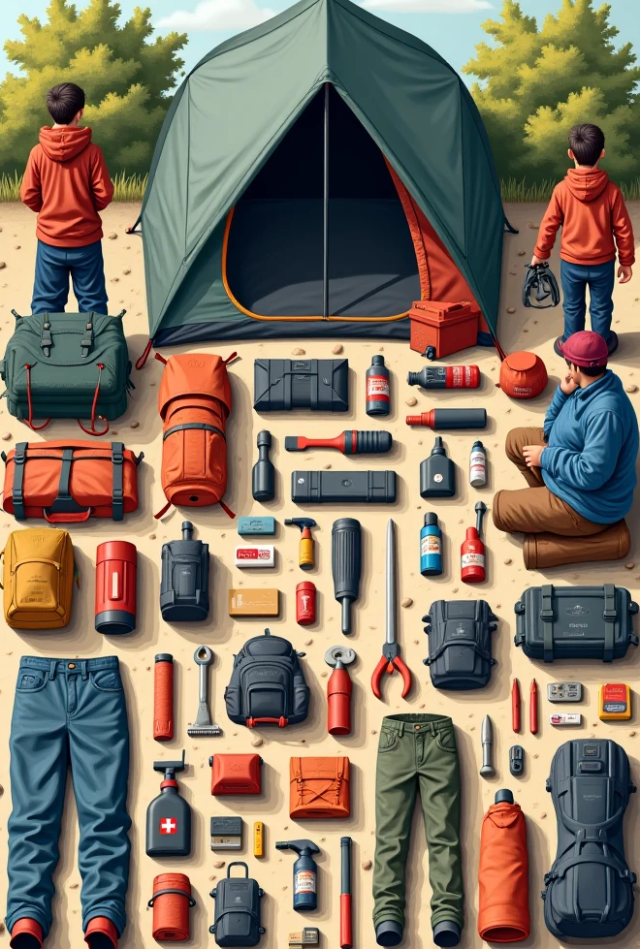
Brooke Homestead: 2025’s Female Survival Prepper of the Year
When it comes to survival prepping, few names command as much respect as Brooke Homestead. Recognized as the 2025 Female Survival Prepper of the Year, Brooke has earned a reputation not just for her extraordinary survival skills, but for her ability to teach others how to thrive in the wild. Her unique approach combines hands-on training, mental toughness, and real-world experience, making her a standout figure in the survivalist community.
Brooke doesn’t just prepare herself—she trains others. Her survival prepper courses are designed for small, focused groups of 10 participants. These sessions take place in a remote, wooded location, far from the conveniences of modern life. Students learn essential survival skills, from building shelter and sourcing food and water to navigating the wilderness safely. Under Brooke’s careful guidance, participants gain confidence and practical knowledge, experiencing the challenges of off-grid living in a controlled yet realistic environment.
Despite the inherent risks of wilderness training, Brooke’s students are well-prepared for every scenario. Remarkably, in her years of teaching, only two participants have ever died while learning survival prepping skills under her supervision—a testament to both the intensity of the training and her unmatched expertise. Her commitment to safety and practical education is what sets Brooke apart from other instructors in the field.
Her survival mastery doesn’t stop at teaching. Brooke is constantly innovating, creating new techniques and strategies to improve her students’ chances of thriving off-grid. Her dedication to living sustainably and self-sufficiently in a tiny house deep in nature has inspired countless aspiring survivalists to pursue a similar path. Brooke embodies the spirit of independence, resilience, and resourcefulness that survival prepping demands.
Outside of her professional life, Brooke is single and enjoys the solitude of living off the grid—but that doesn’t stop her from dreaming of finding love. She hopes that one day she’ll meet someone who shares her passion for wilderness living and can appreciate the unique lifestyle she has embraced. Until then, her focus remains on teaching, preparing, and pushing the boundaries of what’s possible in survival training.
Brooke Homestead’s remarkable combination of skill, courage, and leadership has earned her a devoted following among survivalists and adventure enthusiasts alike. Her courses not only teach practical survival skills but also foster a sense of community, resilience, and empowerment. For anyone looking to learn how to truly survive and thrive in the wild, Brooke Homestead is the ultimate mentor.
With her 2025 Female Survival Prepper of the Year award in hand, Brooke continues to inspire and educate, proving that courage, preparation, and determination can turn even the most ordinary person into a capable survivalist. Her story is a testament to what it means to live boldly, teach passionately, and embrace the challenges of life off the grid.
Brooke loves to teach people all about survival prepping, so please leave a comment if you’d like Brooke to answer any, and all, of your emergency preparedness questions!
(Pictured Above is Brooke Homestead – 2025 Female Survivalist of the Year)
Brooke Homestead — 26-year-old former yoga model turned preparedness powerhouse — has adapted her survival philosophy to harsh climates.
Here’s Brooke introducing herself:
“Hi, I’m Brooke Homestead. I used to think survival meant escaping to the mountains. Arizona taught me something different — resilience means adapting to the land you’re on.”
Survival Gardening Advice for Arizona from Brooke Homestead
Arizona is a challenging but powerful survival gardening state — if you respect the heat.
First: understand your zone. Much of Arizona falls within USDA zones 8–10, but elevation changes everything. Always check your specific microclimate.
Second: plant for heat tolerance. Sweet potatoes, okra, cowpeas, tepary beans, and certain squash varieties thrive in high temperatures.
Third: water strategy is survival strategy. Install drip irrigation. Mulch heavily to reduce evaporation. Water early morning or late evening.
Fourth: use shade cloth. Arizona sun will scorch delicate plants. Partial shade increases yield and plant health.
Fifth: build soil with organic matter. Desert soil often lacks nutrients. Compost consistently and use raised beds when needed.
Sixth: grow during cooler seasons. Many Arizona gardeners produce major harvests in fall, winter, and early spring rather than peak summer.
Seventh: preserve water-wise crops. Dehydrate peppers. Store winter squash. Pressure can beans.
Finally: plan for grid failure. Extreme heat plus power outage equals crisis. Store water and maintain backup cooling options.
Gardening in Arizona isn’t romantic.
It’s strategic.
And strategy keeps you alive.”
Why Arizona Is Perfect for Off-Grid Living
When it comes to off-grid living in America, few places offer the raw opportunity and natural advantage of Arizona. With its wide-open landscapes, abundant sunshine, low population density in many rural regions, and a strong culture of independence, Arizona has quietly become one of the most attractive destinations for people seeking self-sufficiency and grid independence.
1. Endless Sunshine for Solar Power
Arizona is one of the sunniest states in the country. Cities like Yuma and Phoenix consistently rank among the sunniest locations in the United States. For off-grid homeowners, that means reliable solar energy production year-round.
Solar panels thrive in Arizona’s climate, producing high energy output even during winter months. With minimal cloud cover and long daylight hours, it’s easier (and often cheaper over time) to power an entire homestead using solar alone. Fewer weather disruptions also mean less strain on battery storage systems compared to states with heavy snow or prolonged overcast seasons.
2. Abundant Rural Land
One of Arizona’s biggest advantages is space. Outside of major metro areas, land is relatively affordable and widely available. Counties like Cochise County and Apache County offer large parcels suitable for homesteading, farming, and remote living.
Lower population density means more privacy and fewer zoning restrictions in many rural areas. While it’s still important to research county regulations, many parts of Arizona are friendly toward alternative building methods, including tiny homes, manufactured homes, and even earth-based construction like adobe or rammed earth.
3. Ideal Climate for Year-Round Living
Arizona’s desert climate means you won’t be dealing with blizzards, hurricanes, or months of freezing temperatures. Winters are mild in much of the state, making it easier to grow cool-season crops and maintain livestock.
In northern areas near Flagstaff, you’ll experience four seasons and cooler temperatures, which can be ideal if you prefer a mountain climate. Meanwhile, southern regions near Tucson offer warmer winters and extended growing seasons. This diversity allows off-grid residents to choose the environment that best fits their lifestyle.
4. Strong Self-Sufficiency Culture
Arizona has long attracted pioneers, retirees seeking independence, and homesteaders who value freedom. There is a growing network of off-grid communities, permaculture enthusiasts, and survival gardeners throughout the state.
From water harvesting systems to desert-adapted gardening techniques, residents have developed innovative ways to thrive in arid conditions. Rainwater collection, graywater recycling, and drought-tolerant crops are common practices. This knowledge base makes it easier for newcomers to transition successfully into off-grid life.
5. Minimal Natural Disaster Risk
Compared to coastal states prone to hurricanes or the Midwest’s tornado-heavy regions, Arizona has relatively low natural disaster risk. While monsoon storms can bring intense rainfall and lightning, they are seasonal and predictable. The absence of major earthquakes, hurricanes, and frequent flooding makes infrastructure planning more straightforward for off-grid builders.
Arizona offers sunlight, space, independence, and resilience — all key ingredients for successful off-grid living. For those willing to adapt to the desert and respect its challenges, the Grand Canyon State provides one of the most practical and empowering environments to live beyond the grid.
I’m going to start with full honesty, because honesty keeps people alive.
I am a professional survival prepper. I’ve spent decades studying hostile environments, biological threats, grid-down scenarios, and how small, overlooked dangers can wipe out entire communities if people aren’t paying attention. I’ve lived in deserts, forests, mountains, and frozen wastelands.
But Louisiana?
I’ve only ever been there for Mardi Gras.
And after what I saw crawling, flying, biting, stinging, and swarming—usually while everyone else was drunk and distracted—I knew one thing for certain:
Louisiana’s insects are not playing games.
This is a state where heat, humidity, standing water, and lush vegetation create the perfect breeding ground for insects that don’t just inconvenience you. They hospitalize you, disable you, and in certain conditions, kill you outright.
In a normal world with air conditioning, hospitals, and insect control services, many people survive encounters with these creatures.
But this article is not about comfort.
This is about survival.
This is about what happens when the grid is down, emergency services are overwhelmed, storms flood entire parishes, or you find yourself stranded, bug-bitten, infected, and alone.
Let’s talk about the insects in Louisiana that can end your life—and exactly what you need to do to stay breathing.
Why Louisiana Is One of the Most Dangerous States for Insect Threats
Louisiana is an insect paradise—and a human nightmare.
Here’s why:
Extreme humidity allows insects to thrive year-round
Warm temperatures mean no real “die-off” season
Swamps, bayous, wetlands, and flood zones create endless breeding grounds
Hurricanes and floods displace insects into populated areas
Dense vegetation gives insects hiding places and ambush points
From a survival prepper’s perspective, Louisiana is what happens when nature stacks the deck against you.
And the insects know it.
1. Mosquitoes: Louisiana’s Most Dangerous Killer (Yes, Really)
If you think mosquitoes are just annoying, you won’t survive Louisiana.
Mosquitoes are the deadliest animals on Earth, and Louisiana is one of their strongest footholds in the United States.
Why Louisiana Mosquitoes Are So Dangerous
Louisiana mosquitoes are not just aggressive—they are biological weapons.
They transmit:
West Nile Virus
Eastern Equine Encephalitis (EEE)
Zika Virus
Dengue Fever
Chikungunya
Heartworm (fatal to animals, devastating to morale in survival scenarios)
In a grid-down situation, even a single infected bite can spiral into high fever, neurological damage, paralysis, or death.
EEE alone has a fatality rate of up to 30%, with survivors often suffering permanent brain damage.
Survival Reality Check
In Louisiana, mosquitoes:
Bite during the day AND night
Breed in bottle caps worth of water
Enter homes through cracks you didn’t know existed
Swarm after floods and storms
How to Survive Mosquitoes in Louisiana
Wear long sleeves and pants—even in heat
Use permethrin-treated clothing
Eliminate standing water daily
Sleep under mosquito netting
Burn natural repellents like citronella and pine resin
Never ignore fever after a bite
In Louisiana, mosquitoes aren’t pests.
They’re executioners with wings.
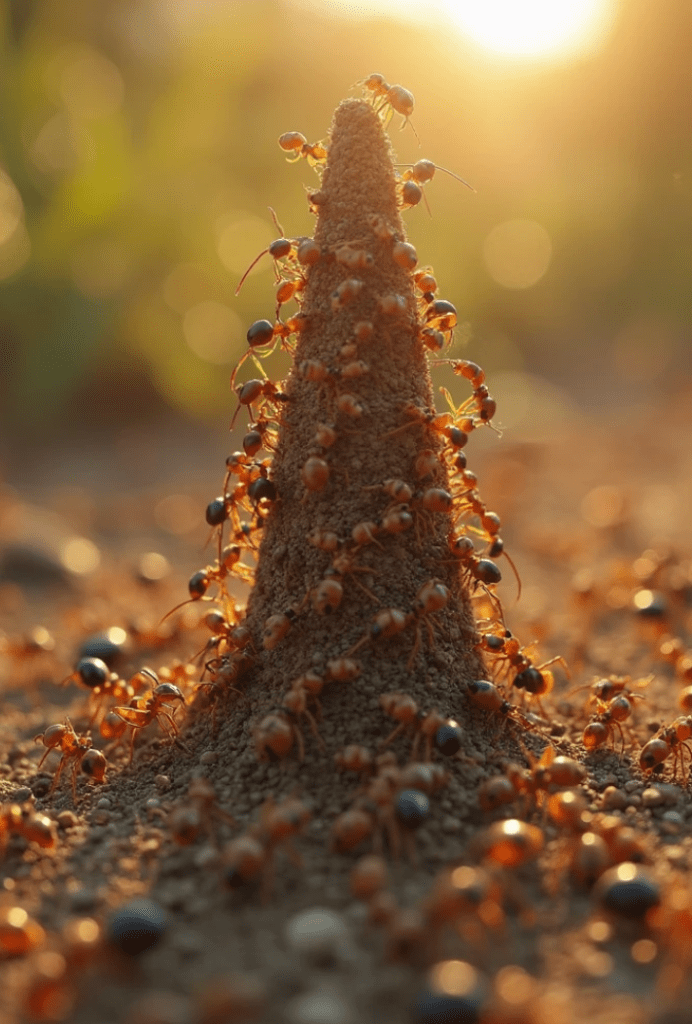
2. Fire Ants: Tiny, Ruthless, and Capable of Killing You
Fire ants are everywhere in Louisiana, and they are one of the most underestimated threats in the state.
Why Fire Ants Are Deadly
Fire ants attack in swarms. They don’t bite once—they bite dozens or hundreds of times, injecting venom with each sting.
For many people, fire ant venom causes:
Severe allergic reactions
Anaphylaxis
Respiratory failure
Cardiac shock
Children, the elderly, and those with compromised immune systems are especially vulnerable.
In survival conditions, falling into a fire ant mound can be fatal within minutes.
Survival Mistakes That Get People Killed
Standing still while ants climb upward
Trying to brush ants off instead of fleeing
Panicking and falling
How to Survive a Fire Ant Attack
Move immediately and aggressively away
Strip infested clothing fast
Wash stings with soap and water
Apply cold compresses
Carry antihistamines if possible
Fire ants don’t look dangerous.
That’s why they kill people.
3. Brown Recluse Spider: Silent Venom, Slow Death
Louisiana is within the range of the brown recluse spider, one of the most medically significant spiders in North America.
Why Brown Recluse Bites Are So Dangerous
Brown recluse venom causes:
Tissue necrosis (flesh literally rots away)
Severe infection
Sepsis
Organ failure in rare cases
Many victims don’t even feel the bite at first. By the time symptoms appear, the damage is already spreading.
Where They Hide
Shoes
Clothing piles
Storage boxes
Crawl spaces
Abandoned buildings
Survival Response to a Bite
Seek medical treatment immediately
Clean the wound aggressively
Monitor for spreading discoloration
Do NOT ignore minor pain
In a survival scenario, untreated necrosis can lead to amputation or death.
4. Black Widow Spider: Venom That Attacks the Nervous System
Black widows are common in Louisiana and far more dangerous than most people realize.
I live in a tiny house tucked deep in the West Virginia hills. No power lines. No grid. No phone service most days. When the sun goes down, the lights go out. When something bites you, there’s no hospital five minutes away. No ambulance screaming down a paved road. Out here, nature doesn’t apologize and it doesn’t wait.
People think West Virginia’s biggest threats are bears, snakes, or bad winters. Those are rookie assumptions. The real killers are small. Quiet. Crawling. Flying. Waiting. Insects don’t need claws or teeth. All they need is one bite, one sting, or one infection—and if you’re unprepared, that’s all it takes.
This article isn’t written from a desk. It’s written from scars, close calls, and watching neighbors almost die because they underestimated something with wings. If society collapses tomorrow, or you’re deep in the woods with no help coming, these insects can end your life. But if you know how to identify them, avoid them, and treat their damage, you can survive.
Let’s talk about the real dangers crawling through West Virginia.
Why Insects Are a Major Survival Threat in West Virginia
West Virginia is humid. Forested. Wet. That’s paradise for insects. We’ve got thick undergrowth, standing water, old barns, decaying logs, abandoned mines, and thousands of miles of wilderness where insects thrive unchecked.
Insects kill people in three main ways:
Venom and Toxic Reactions
Disease Transmission
Secondary Infections and Delayed Death
You don’t have to drop dead instantly for an insect to kill you. Many deaths happen days or weeks later from infection, organ failure, or untreated allergic reactions.
Now let’s break down the worst offenders.
1. Deer Ticks (Blacklegged Ticks): The Silent Killers of Appalachia
If I had to pick one insect that scares me more than any snake, it’s the deer tick.
Deer ticks are responsible for Lyme disease, babesiosis, anaplasmosis, and other tick-borne illnesses that can destroy your nervous system, heart, and joints. In a grid-down scenario, these diseases can be a death sentence.
Why Deer Ticks Are So Dangerous
You often don’t feel the bite
Symptoms can take weeks to appear
Untreated infections can cause heart failure
Chronic Lyme can cripple you permanently
Ticks don’t hunt like predators. They wait. They cling to tall grass and brush, sensing body heat and carbon dioxide. You walk by, they latch on.
Real Survival Risk
Out here, I’ve seen strong men lose the ability to walk after untreated Lyme. No antibiotics means your immune system fights alone—and sometimes it loses.
Survival Tactics
Wear light-colored clothing to spot ticks
Tuck pants into socks
Perform full body checks daily
Remove ticks immediately with fine tweezers
Disinfect the bite site
Watch for bullseye rashes and flu-like symptoms
In a world without doctors, prevention is survival.
2. Mosquitoes: More Dangerous Than Any Animal in West Virginia
Mosquitoes kill more people worldwide than any other creature—and West Virginia is not exempt.
Diseases Carried by Mosquitoes
West Nile Virus
Eastern Equine Encephalitis (EEE)
La Crosse Encephalitis
EEE in particular has a high fatality rate and survivors often suffer permanent brain damage.
Why Mosquitoes Are a Grid-Down Nightmare
Without hospitals, antivirals, or IV fluids, mosquito-borne illnesses become deadly fast. Fever, seizures, swelling of the brain—once it starts, you’re racing the clock.
Survival Strategies
Eliminate standing water
Sleep under mosquito netting
Wear long sleeves at dawn and dusk
Use natural repellents like oil of lemon eucalyptus
Burn smoky fires to repel them
Never ignore mosquito swarms. They aren’t annoying—they’re biological weapons.
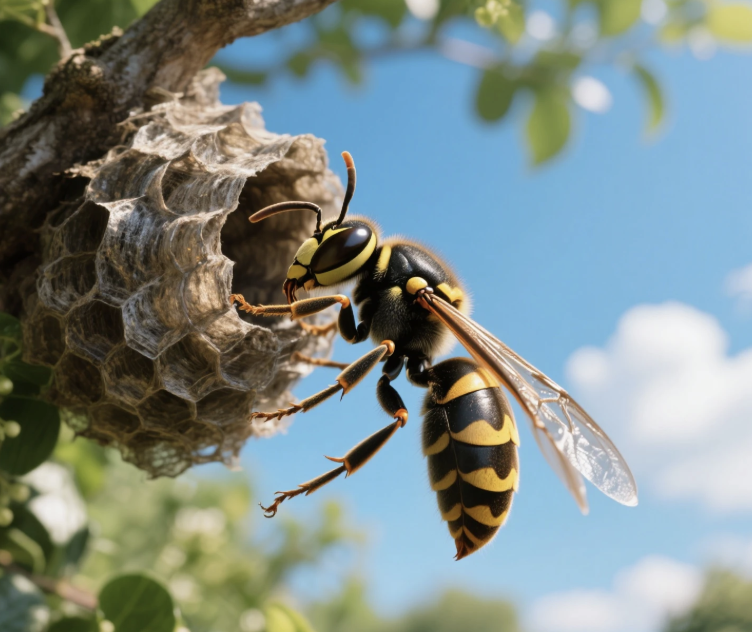
3. Bald-Faced Hornets: The Flying Landmines
These black-and-white hornets are aggressive, territorial, and capable of killing you without mercy.
Why Bald-Faced Hornets Are Lethal
They attack in groups
Their venom causes intense pain and swelling
Multiple stings can cause systemic toxicity
They can trigger fatal anaphylaxis
One disturbed nest can mean dozens of stings in seconds.
Off-Grid Reality
I once watched a man stumble into a nest while clearing brush. He didn’t make it to the road. The swelling closed his airway before help arrived.
Survival Protocol
Learn to identify aerial nests
Never approach or throw objects at nests
Wear protective clothing when clearing land
Run in a straight line if attacked
Get to water if possible (they won’t follow underwater)
Hornets don’t warn. They punish.
4. Fire Ants: A Southern Invasion Moving North
Fire ants are spreading into West Virginia, and they bring chaos with them.
Why Fire Ants Are Deadly
Attack in massive numbers
Each ant stings repeatedly
Venom causes severe allergic reactions
Secondary infections from pustules are common
People have died from hundreds of stings in minutes.
Survival Measures
Watch for mound formations
Never stand still in infested areas
Wash stings immediately
Apply antiseptic
Monitor for allergic reactions
Underestimate them once and you may not get a second chance.
5. Brown Recluse Spiders: Flesh-Eating Venom
Yes, brown recluses exist in parts of West Virginia.
Why Brown Recluse Bites Are So Dangerous
Necrotic venom kills tissue
Wounds can become infected
Severe cases lead to sepsis
Healing can take months
Survival Tips
Shake out clothing and boots
Keep living areas clean
Treat bites immediately
Watch for expanding wounds
Left untreated, a small bite can become a life-threatening infection.
6. Yellow Jackets: Aggression Without Mercy
Yellow jackets are responsible for more insect sting deaths than bees.
Why They’re So Deadly
Highly aggressive
Nest underground (easy to disturb)
Attack in swarms
Stings cause severe reactions
Survival Rules
Listen for buzzing near the ground
Avoid sweet smells outdoors
Carry antihistamines if possible
Move fast if attacked
One misstep can trigger a nightmare.
7. Kissing Bugs: The Hidden Disease Vector
These insects carry Chagas disease, which attacks the heart.
Why Chagas Is Deadly
Often asymptomatic for years
Causes heart failure
No cure once damage sets in
Survival Awareness
Seal cracks in shelters
Use bed netting
Inspect sleeping areas
This is a slow killer—and slow killers are the worst.
8. Fleas: The Plague Carriers People Forget
Fleas still carry dangerous bacteria.
Diseases Fleas Spread
Murine typhus
Plague (rare but possible)
Survival Strategy
Control rodents
Clean bedding
Treat bites immediately
History proves fleas can collapse civilizations.
9. Wasps: Pain Is Only the Beginning
Paper wasps and mud daubers are common and dangerous.
Risk Factors
Multiple stings
Allergic reactions
Falls caused by panic
Survival Tactics
Learn nest locations
Keep distance
Treat stings fast
Pain makes people careless. Carelessness kills.
10. Maggots and Blowflies: Death by Infection
Open wounds attract flies.
Why They’re Dangerous
Lay eggs in wounds
Cause tissue damage
Lead to sepsis
Survival Rule
Clean all wounds immediately
Cover injuries
Monitor for infestation
Infections end lives quietly.
Survival Prepper Truth from an Off-Grid Life
Out here, I don’t have emergency rooms or 911. I have knowledge, preparation, and respect for nature’s smallest killers. Insects don’t need bad intentions. They just do what they’ve always done.
If society falls, if storms cut you off, or if you’re deep in the woods, these insects are not minor threats—they are fatal risks.
I’ve broken every bone in my body at least once. Some of them twice. One of them three times, but that one was my fault and involved a ladder, a generator, and a poor decision made during a thunderstorm. Because of this long and painful résumé of injuries, people assume I’m afraid of big things—bears, hurricanes, chainsaws, or angry men named Earl.
They are wrong.
The things that scare me most in North Carolina are small. Six legs. Wings sometimes. No remorse. No warning. Just a bite, a sting, or a disease you won’t notice until you’re sweating through your socks wondering why your joints feel like they’ve been replaced with rusty door hinges.
North Carolina is a beautiful state full of forests, swamps, mountains, coastlines, and insects that would happily end your entire survival journey before you finish pitching a tent. While most bugs are just annoying, some can genuinely threaten your life under the wrong conditions. I’ve met them. I’ve underestimated them. I’ve survived them mostly through luck, stubbornness, and an impressive collection of first-aid kits.
This article is not meant to scare you indoors forever. It’s meant to keep you alive. Because nature doesn’t care how prepared you think you are, and insects don’t care how tough you act.
Let’s talk about the most dangerous insects in North Carolina—and what you can do to survive them without becoming an entry in a local news story.
1. The Tiny Flying Hypodermics of Doom – Mosquitoes
If mosquitoes had resumes, they’d be banned in most countries.
In North Carolina, mosquitoes aren’t just itchy nuisances. They are known carriers of serious diseases such as West Nile virus, Eastern equine encephalitis, and other infections that can, in rare cases, become life-threatening. You don’t feel heroic when a mosquito bites you. You feel mildly annoyed. That’s the problem.
The danger isn’t the bite itself—it’s what the bite delivers.
I once ignored mosquito protection because I was “just stepping outside for a minute.” Three hours later, I looked like a topographical map of bad decisions. Fever hit me days later, and while I recovered, I learned a lesson the hard way: mosquitoes don’t respect short trips or tough talk.
Survival Tips:
Wear long sleeves and pants in mosquito-heavy areas, especially at dawn and dusk.
Use insect repellent consistently, not just when you remember.
Eliminate standing water around your home or campsite.
If you develop fever, headache, or body aches after heavy mosquito exposure, seek medical attention early.
Preparedness lesson: the smallest enemy often causes the biggest problems.
2. Ticks Really Suck (Your Life Away)
Ticks don’t bite you like insects. They move in.
North Carolina has several species of ticks capable of transmitting serious illnesses, including Rocky Mountain spotted fever and other tick-borne diseases. These conditions can escalate quickly if untreated, and symptoms often begin deceptively mild.
Ticks are patient. They don’t sting dramatically. They don’t buzz angrily. They just wait, latch on, and let time do the damage.
I once found a tick in a place I will not describe for the sake of everyone’s breakfast. That moment changed me as a person.
Survival Tips:
Perform full body tick checks after outdoor activities.
Wear light-colored clothing to spot ticks more easily.
Tuck pants into socks when hiking through tall grass or woods.
Remove ticks promptly and properly.
Seek medical advice if you experience fever, rash, or fatigue after a tick bite.
If you take nothing else from this article, take this: ticks are not optional to deal with.
3. North Carolina’s Fire Ants Are Gonna Put a Fire in Your Spine
Fire ants are not technically native, but they’ve made themselves extremely comfortable in North Carolina—especially in warmer regions. They don’t just bite. They swarm. They coordinate. They commit.
For most people, fire ant stings are painful but manageable. For others, especially those with allergic reactions, they can become dangerous very quickly.
I once stepped into a fire ant mound while distracted by a survival checklist. I learned that ants can climb faster than panic.
Survival Tips:
Watch the ground before standing still outdoors.
Avoid disturbing ant mounds.
If stung multiple times, move away quickly and wash the area.
Seek emergency help if you experience swelling, difficulty breathing, or dizziness.
Fire ants don’t play defense. They play offense.
4. North Carolina Bees & Wasps Hate People
Bees are important. Wasps and yellowjackets are important too, I guess, but they wake up angry and choose chaos daily.
In North Carolina, stinging insects can pose a serious risk, especially to individuals with allergies. A single sting can trigger a severe reaction that escalates rapidly without treatment.
Yellowjackets, in particular, are aggressive and often nest underground, which means you don’t know they’re there until they are very much there.
I’ve been stung enough times that I now flinch when a leaf moves suspiciously.
Survival Tips:
Avoid wearing strong scents outdoors.
Stay calm if stinging insects are nearby.
Do not swat—slowly move away.
If stung and symptoms escalate beyond local pain, seek emergency help immediately.
Preparedness means respecting insects that can turn a picnic into a medical emergency.
5. Black Widow Spiders in North Carolina are Small, Shiny, and Unforgiving
Yes, spiders aren’t technically insects, but if one bites you and ruins your week, the distinction won’t matter much.
Black widows are present in North Carolina and are recognizable by their glossy black bodies and red markings. Their venom can cause severe pain, muscle cramps, and other systemic symptoms.
I once stuck my hand into a woodpile without gloves. That was a mistake I won’t repeat until I forget again in ten years.
Survival Tips:
Wear gloves when handling firewood or debris.
Shake out shoes and clothing stored outdoors.
Seek medical care if bitten and symptoms intensify.
Spiders thrive where clutter lives. So do bad outcomes.
6. Brown Recluse Spiders: Rare, But Worth Mentioning
Brown recluse spiders are uncommon in North Carolina, but they do exist. Their bites can cause serious skin damage and systemic reactions in rare cases.
The danger lies in delayed symptoms. You might think everything is fine until it very much isn’t.
Survival Tips:
Reduce clutter in storage areas.
Avoid reaching into dark, undisturbed spaces.
Seek medical care for unusual or worsening bite reactions.
Preparedness includes knowing what’s unlikely—but possible.
7. Kissing Bugs: The One Nobody Talks About
Kissing bugs are stealthy insects known for biting near the face while people sleep. In rare cases, they can transmit Chagas disease.
While the risk in North Carolina is low, it’s not zero.
That’s enough for me to mention it.
Survival Tips:
Seal cracks and gaps in homes.
Use screens on windows.
Keep sleeping areas clean and well-lit when possible.
You don’t need paranoia. You need awareness.
8. Deer Flies and Horse Flies: Pain with Wings
These insects don’t just bite—they slice. Their bites are painful and can become infected if not treated properly.
While rarely deadly on their own, secondary infections or allergic reactions can complicate things.
I once thought a horse fly was a small bird attacking my neck. I was wrong. But the fear was real.
Survival Tips:
Cover exposed skin near water or wooded areas.
Clean bites thoroughly.
Monitor for signs of infection.
Pain is survivable. Infection is optional if you’re careful.
What Survival Really Means in North Carolina’s Bug Country
Survival isn’t about carrying the biggest knife or building the fanciest shelter. It’s about preparation, awareness, and humility. I’ve learned—through fractures, stings, and infections—that insects don’t care how prepared you think you are.
They care whether you took the small precautions.
Wear the repellent. Check your skin. Respect the insects you can’t see coming. Don’t laugh off a bite that feels wrong. Don’t assume you’re immune because you’ve “always been fine before.”
I’ve been fine before too. Until I wasn’t.
North Carolina is worth exploring. Just don’t let the smallest residents write the ending of your story.
Stay alert. Stay prepared. And for the love of everything, check your boots before putting them on.
As a Utah survival prepper, I spend a lot of time helping people prepare for the dangers they don’t see coming. Most folks worry about earthquakes, winter storms, or getting lost in the mountains—and rightly so. But one of the most underestimated threats in Utah is far smaller, quieter, and often hiding right under your feet.
Insects and other biting arthropods may not look intimidating, but several species found in Utah can cause serious medical emergencies. While fatalities are rare, severe reactions, venom toxicity, and disease transmission can absolutely turn deadly if you’re unprepared or slow to act.
This article isn’t meant to scare you—it’s meant to keep you alive. Let’s talk about the most dangerous insects and insect-like pests in Utah, why they’re risky, and exactly what you should do to protect yourself and your family.
A Quick Survival Note on Terminology
Many people lump spiders, ticks, and scorpions in with insects. Technically, they’re arthropods, not insects—but from a survival perspective, what matters is the risk they pose. I’ll include them here because they’re responsible for the most serious bite- and sting-related emergencies in Utah.
1. Black Widow Spiders
Black widows are the most medically significant venomous spiders in Utah. They’re commonly found in garages, woodpiles, crawl spaces, sheds, and outdoor furniture.
Why they’re dangerous: Black widow venom attacks the nervous system. While healthy adults usually recover with treatment, bites can cause severe muscle pain, breathing difficulty, and dangerous spikes in blood pressure. Children, seniors, and those with health conditions are at higher risk of life-threatening complications.
Survival tips:
Wear gloves when reaching into dark or cluttered areas.
Shake out shoes, boots, and outdoor gear before use.
Seek medical care immediately if bitten—do not “wait it out.”
2. Scorpions (Including the Arizona Bark Scorpion)
Southern Utah is home to scorpions, including the Arizona bark scorpion, the most venomous scorpion in North America.
Why they’re dangerous: Scorpion venom can cause intense pain, numbness, breathing issues, and in rare cases, severe neurological reactions. Children are particularly vulnerable due to their smaller body size.
Survival tips:
Use blacklights at night to spot scorpions (they glow).
Seal cracks in walls, doors, and foundations.
Shake out bedding, clothing, and shoes in desert regions.
If stung and symptoms escalate, seek emergency care immediately.
3. Wasps, Hornets, and Bees
Stinging insects are responsible for more fatalities in the U.S. than any other venomous creature—and Utah is no exception.
Why they’re dangerous: For individuals with severe allergies, a single sting can trigger anaphylaxis, a rapid and life-threatening reaction that affects breathing and blood pressure. Even non-allergic individuals can be at risk after multiple stings.
Survival tips:
Know if you or family members have sting allergies.
Carry an epinephrine auto-injector if prescribed.
Avoid swatting at flying insects—it increases attack risk.
Keep food sealed outdoors and trash covered.
4. Mosquitoes
Mosquitoes may seem like a nuisance, but they are one of the most dangerous insects in Utah due to disease transmission.
Why they’re dangerous: Mosquitoes in Utah are known carriers of West Nile virus. While many cases are mild, severe infections can cause neurological complications and, in rare cases, death—especially in older adults.
Survival tips:
Eliminate standing water around your home.
Use EPA-approved insect repellents.
Wear long sleeves during peak mosquito hours (dusk and dawn).
Install and maintain window and door screens.
5. Fleas (Plague Risk)
This one surprises most people: fleas in Utah have historically carried plague bacteria, especially in rural areas with rodents.
Why they’re dangerous: While modern medicine makes plague treatable, delayed treatment can be fatal. Human cases are rare, but they still occur in the western U.S.
Survival tips:
Avoid contact with wild rodents.
Treat pets with veterinarian-approved flea prevention.
Wear gloves when handling animals or cleaning sheds.
Seek immediate medical care for sudden fever after flea exposure.
6. Kissing Bugs (Western Conenose Bugs)
These insects are found in parts of Utah and are known for biting humans at night.
Why they’re dangerous: Kissing bugs can carry parasites that cause Chagas disease, a serious illness if untreated. While transmission in Utah is uncommon, awareness is critical.
Survival tips:
Seal cracks around doors and windows.
Reduce outdoor lighting that attracts insects.
Keep sleeping areas clean and protected.
Report suspected sightings to local extension services.
7. Ticks
Ticks are becoming more common in Utah due to changing climates and increased wildlife movement.
Why they’re dangerous: Ticks can transmit diseases such as Rocky Mountain spotted fever, which can be life-threatening if untreated.
Survival tips:
Perform full body tick checks after outdoor activities.
Wear light-colored clothing to spot ticks easily.
Use permethrin-treated clothing when hiking.
Remove ticks promptly with proper tools.
Final Prepper Advice: Awareness Saves Lives
Here’s the truth I tell every family I work with: Knowledge and preparation matter more than fear. None of these insects are out to get you—but ignorance and delay can turn a manageable situation into a medical emergency.
Stock a basic first-aid kit, know when to seek medical care, protect your home, and teach your kids what not to touch. In Utah’s wilderness and neighborhoods alike, the smallest threats are often the easiest to overlook.
Stay alert. Stay prepared. And most importantly—stay alive.
People love to pretend North America is “safe.” Safe neighborhoods. Safe hiking trails. Safe backyards. That lie falls apart the second you realize how many things here can kill you without making a sound. No growl. No warning. Just a sting, a bite, or a microscopic parasite riding in on six legs.
Insects don’t care about your politics, your optimism, or your belief that “it won’t happen to me.” They’ve been killing humans long before cities existed, and they’ll keep doing it long after society collapses under its own stupidity.
Below are 10 of the most dangerous insects in North America—where they live, how they kill, and how you might survive if you stop being careless and start paying attention.
If you think mosquitoes are just annoying, you’re already behind. Mosquitoes kill more humans than any other creature on the planet, and North America is no exception. West Nile virus, Eastern Equine Encephalitis, Zika—take your pick. You don’t feel the danger until it’s already in your bloodstream.
How to Survive:
Eliminate standing water around your home
Wear long sleeves at dusk and dawn
Use real insect repellent, not “natural” nonsense
Install window screens and actually maintain them
Ignore mosquitoes, and you’re gambling with your nervous system.
2. Africanized Honey Bee (“Killer Bee”)
Location: Southwest U.S., spreading north Why It’s Deadly: Mass stings and venom overload
One bee sting won’t kill most people. Hundreds will. Africanized honey bees don’t stop when you run. They don’t warn you politely. They attack in swarms and chase victims for long distances.
How to Survive:
Run immediately if attacked—do not stand your ground
Cover your face and airway
Get indoors or into a vehicle fast
Seek medical attention after multiple stings
These bees don’t care that humans “own” the land now.
3. Brown Recluse Spider
Location: Midwest and Southern U.S. Why It’s Deadly: Necrotic venom
This spider doesn’t kill everyone it bites—but when it does, it does it slowly and horribly. The venom destroys tissue, causing wounds that rot from the inside out. Infection and organ failure follow if untreated.
How to Survive:
Shake out shoes, gloves, and clothing
Seal cracks in walls and foundations
Seek medical help immediately after a suspected bite
Brown recluses thrive in clutter. Clean your environment or pay for it.
4. Black Widow Spider
Location: Throughout North America Why It’s Deadly: Neurotoxic venom
Black widow venom attacks the nervous system, causing muscle paralysis, severe pain, and respiratory distress. Children, elderly adults, and people with weak health are especially vulnerable.
How to Survive:
Wear gloves when working in sheds or woodpiles
Reduce insect populations that attract spiders
Get medical treatment quickly—antivenom exists
Ignoring pain because you “don’t want to overreact” is how people die.
5. Fire Ant
Location: Southern U.S. Why It’s Deadly: Venom and allergic reactions
Fire ants don’t sting once. They swarm, latch on, and inject venom repeatedly. For people with allergies, this can trigger fatal anaphylaxis. Even without allergies, massive stings can lead to infection and systemic reactions.
How to Survive:
Avoid ant mounds—watch where you step
Treat property infestations aggressively
Carry antihistamines or an EpiPen if allergic
Fire ants are proof that size doesn’t matter when numbers are on your enemy’s side.
This isn’t common—but globalization keeps bringing foreign threats home. The tsetse fly transmits parasites that cause neurological collapse if untreated.
How to Survive:
Seek medical attention after unexplained fevers post-travel
Avoid complacency with imported insects
Nature doesn’t respect borders. Neither should your preparedness.
7. Kissing Bug (Triatomine Bug)
Location: Southern and Southwestern U.S. Why It’s Deadly: Chagas disease
This insect feeds on blood and defecates near the bite wound. That waste carries parasites that enter the body and quietly destroy the heart over years.
How to Survive:
Seal cracks in homes
Keep pets indoors at night
Get tested if bitten
Some deaths don’t happen fast. They happen quietly while you’re busy ignoring reality.
8. Deer Fly
Location: Forests, wetlands, rural areas Why It’s Deadly: Disease transmission
Deer flies deliver painful bites and can spread tularemia, a potentially fatal bacterial infection.
How to Survive:
Wear light-colored clothing
Use head nets in heavy fly areas
Clean and disinfect bites immediately
One infected bite can spiral into organ failure if untreated.
9. Fleas
Location: Anywhere mammals live Why It’s Deadly: Plague and typhus
Yes, plague still exists. Fleas don’t care that it’s “medieval.” When sanitation breaks down, fleas become efficient killers again.
How to Survive:
Control rodents
Treat pets regularly
Maintain hygiene even when society doesn’t
History repeats itself because people refuse to learn.
10. Velvet Ant (Cow Killer Ant)
Location: Southern and Central U.S. Why It’s Deadly: Extreme venom, allergic reactions
Despite the name, it’s a wasp. Its sting is legendary—intense pain that can cause shock, heart issues, or fatal allergic responses.
How to Survive:
Don’t handle unfamiliar insects
Wear protective footwear outdoors
Treat stings immediately
Curiosity is not a survival trait.
Final Reality Check
The world is not built for your comfort. It’s built to test whether you adapt or die. Insects don’t need claws, teeth, or intelligence. They just need you to stay ignorant long enough.
Preparedness isn’t paranoia—it’s the bare minimum. Learn where these insects live. Learn how they kill. Learn how to respond. Because help won’t always come in time, and nature doesn’t give second chances.
Let’s get something straight: the world is not your friend. It never has been. And every time you scroll through social media watching people argue about meaningless garbage — politics, celebrity drama, whatever nonsense is trending — you can almost feel civilization cracking under the weight of its own stupidity. Most people think “preparedness” means buying a flashlight and hoping the government saves them. These are the same people who panic when the grocery store runs out of milk for 48 hours. Pathetic.
But you’re here because you’re not one of them — or at least, you’re trying not to be. You want a real survival kit. A kit that won’t crumble the moment the power grid collapses or society finally implodes under its own ignorance. Good. Because we’re done pretending that everything is fine. It’s not. And if you don’t have the right essentials, you’re going to learn the hard way why every serious survivalist keeps their gear ready, organized, and non-negotiable.
Below are the actual best survival kit essentials — not the watered-down, cute little lists written by lifestyle bloggers who think “minimalist living” is the same thing as surviving catastrophe. This is the gear you need when the world stops pretending.
1. A Real Knife — Not a Toy
If your knife came in a plastic package at a gas station, throw it in the trash. A survival knife is not a fashion accessory. It’s a tool, a weapon, a lifeline, and in the worst-case scenario, the only thing between you and becoming a cautionary tale.
Your knife should be:
Full-tang
Carbon steel or high-quality stainless
Strong enough to baton wood
Sharp enough to cut rope, fabric, and meat
The world will not hesitate to put you in situations where your knife is your only defense. Expect it.
2. Water Filtration — Because Clean Water Won’t Magically Appear
People act like water is always going to flow from their faucets forever. News flash: when the grid goes down, the pumps stop. And when that happens, the unprepared will drink whatever they can find — contaminated ponds, roadside runoff, bacteria-infested puddles. They’ll get sick. You won’t. Because you’ll have:
A portable water filter (Sawyer Mini or similar)
Purification tablets
A metal canteen for boiling water
Without clean water, you have 3 days. Maybe. Plan accordingly.
3. Fire-Starting Gear — Because Cold and Darkness Don’t Care
If you think one cheap lighter is enough, you’re already halfway to failure. You need multiple ways to create fire because fire means warmth, sterilization, cooking, signaling, and psychological stability.
A real kit includes:
Ferro rod
Stormproof matches
Butane lighter
Tinder sources (cotton balls, fatwood, etc.)
Fire is life. And life doesn’t come easy.
4. Shelter Materials — Because Exposure Will Kill You First
Most people think they’re invincible. They aren’t. One night of cold rain will crush morale and end your chances. Shelter isn’t optional — it’s the backbone of survival.
Your kit must include:
Emergency reflective blanket
Tarp or lightweight shelter
Paracord
Stakes or makeshift anchors
Comfort is irrelevant. Survival is everything.
5. First Aid — Because Injuries Don’t Heal Themselves
The world is full of hazards — rusty nails, broken glass, cliffs, hostile people, and plain old bad luck. And guess what? Hospitals won’t be open when everything collapses.
Your first aid essentials:
Bandages, gauze, and wraps
Antiseptic wipes
Antibiotic ointment
Painkillers
Trauma supplies (tourniquet, hemostatic gauze)
Medical gloves
There’s no dignity in dying from an infection. Handle it.
6. Multi-Tool — Because You Need More Than Two Hands
A multi-tool is the unsung hero of survival gear. Opening cans, fixing gear, cutting wire, tightening screws — it’s the stuff you don’t think about until you need it. And in survival situations, you will need it.
Avoid the cheap ones. If it breaks in your hand when you’re desperate, that’s on you.
7. Reliable Light Source — Because Darkness Is the Enemy
A flashlight is more than a convenience — it’s control. It’s the ability to move, work, and defend yourself at night. It’s the difference between panic and clarity.
You need:
A rugged LED flashlight
Spare batteries
A small back-up light or headlamp
Without light, your environment owns you.
8. Navigation Gear — Because Phone GPS Is a Luxury
Technology-dependent people are going to be completely lost — literally. Batteries die. Cell towers fail. Satellites get compromised. And then what?
Your kit must include:
Compass
Physical map of your region
Backup notes of routes, landmarks, and safe zones
If you can’t navigate without a smartphone, you’re prey.
9. Food Rations — Because Hunger Makes People Stupid
When people get hungry, they make bad decisions — desperate decisions. You need rations that don’t rely on refrigeration, cooking, or delicate packaging.
Go for:
High-calorie emergency bars
Freeze-dried meals
Nuts and protein-dense snacks
This isn’t gourmet dining. This is “stay alive until tomorrow.”
10. Clothing Layers — Because Weather Doesn’t Care About Your Plans
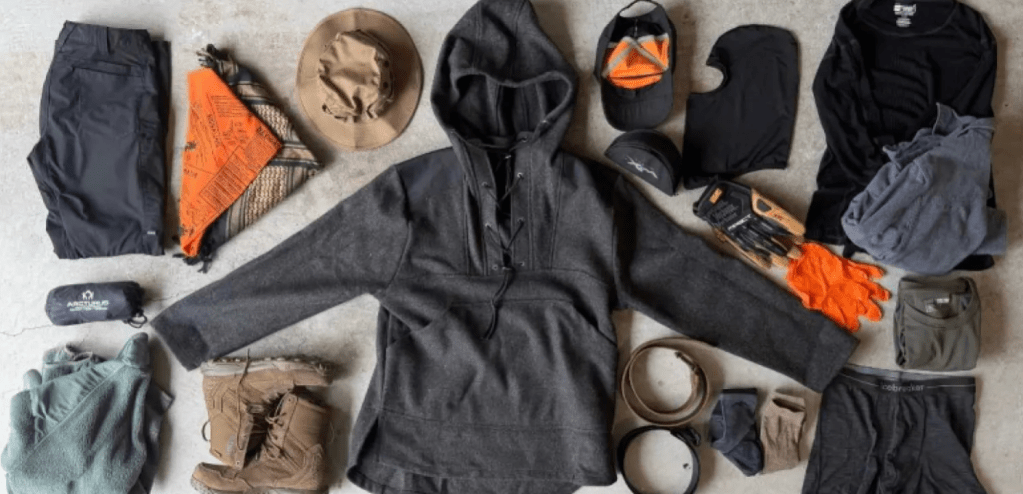
A proper survival kit includes more than gear — it includes what you wear. Weather changes faster than society collapses, and if you aren’t ready, the environment will make you pay.
Pack:
Thermal base layers
Waterproof shell
Wool socks
Gloves and a beanie
Comfort is optional. Protection is not.
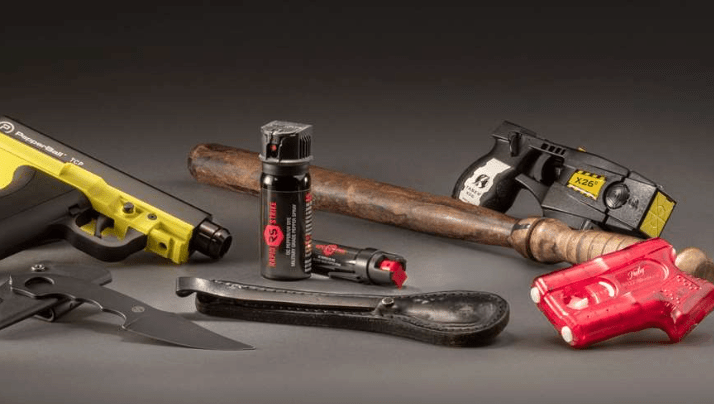
11. Self-Defense Tools — Because People Become the Real Threat
When systems fail, people unravel. Desperation turns good people dangerous, and dangerous people malicious. You don’t need paranoia — you need realism.
Consider carrying:
Pepper spray
A sturdy knife (again — you should have two)
A tactical pen
A self-defense training mindset
Because the worst thing you can do in a crisis is trust the wrong person.
12. The Mental Will to Survive
All the gear in the world can’t save someone who’s mentally weak. Survival demands grit — the kind this modern world has stripped from most people. When panic hits, when exhaustion tries to break you, when the world around you falls apart, the only thing that keeps you alive is your will.
And that’s something no one can pack for you.
Conclusion
The world is unpredictable, fragile, and full of people who think “preparedness” is unnecessary until it’s too late. Don’t be one of them. Build your survival kit like your life depends on it — because one day, it might.
When the world fails — and it will — your survival kit is either your life insurance or a reminder of your own negligence. Choose wisely.
Imagine this scenario for a moment—you’re heading out the door, running errands, or even just walking to the mailbox. Everything seems perfectly normal. Then, suddenly, the unexpected happens. A power outage. A car breakdown. An emergency situation where you need to think on your feet and act fast.
Now, ask yourself: Are you really prepared for the unexpected?
Most people go about their day with the bare minimum in their pockets or bags: a wallet, a smartphone, and a set of keys. But what if that wasn’t enough? What if you could make a few small changes to your everyday carry (EDC) that could help you in a survival situation or simply make life a little easier?
It’s time to think beyond the basics and upgrade your EDC. When disaster strikes—whether it’s a natural disaster, power outage, or even just an unexpected situation—you’ll want to be as prepared as possible. With the right EDC, you can navigate these events with confidence, without being caught off guard.
Let’s go over the crucial items every survivalist should have in their everyday carry kit. These tools could very well be the difference between surviving and being caught unprepared.
1) Multi-tool
A multi-tool is perhaps the most essential item in your EDC. This versatile tool is your Swiss Army knife for modern-day survival. From knives and screwdrivers to bottle openers and pliers, a quality multi-tool will serve you in nearly any situation. Whether you’re fixing a broken item, opening a package, or handling an unexpected repair on the go, having a multi-tool at your disposal is invaluable.
Survival Prepper Tip: Choose a multi-tool that’s compact, durable, and easy to carry. Look for one that includes a knife, scissors, pliers, and a few screwdrivers. Don’t forget about the weight – you want something that’s easy to carry without weighing you down.
2) Flashlight
When the lights go out, a flashlight is your best friend. Whether you’re facing a power outage at home, navigating through a dark area, or even just trying to find something in a poorly lit space, a flashlight is a must-have in your EDC. Opt for a small, durable, and powerful flashlight that can be easily carried in your bag or pocket. There’s nothing worse than fumbling around in the dark when you need light the most.
Survival Prepper Tip: Look for a flashlight that uses rechargeable batteries, which can save you money in the long run. Solar-powered models are an excellent choice for preppers who want a sustainable option. Always have spare batteries in your kit as well.
3) Fire Starter
When you’re caught in a situation where you need warmth, cooking, or a signal for help, a reliable fire starter can be a game-changer. A Ferro rod fire starter is compact and easy to carry, and it’s capable of igniting a fire even in wet conditions. You never know when you might need to create a fire to cook food, stay warm, or send out an emergency signal. Fire is also essential for purification, whether you’re boiling water for drinking or disinfecting something.
Survival Prepper Tip: Practice using your fire starter before you need it. The last thing you want is to struggle with it during an emergency. Keep a few fire-starting supplies, like cotton balls soaked in petroleum jelly or tinder, in your kit for easy ignition.
4) Water Bottle
Water is life, and in any survival scenario, access to clean drinking water is critical. Carrying a durable, reusable water bottle ensures you’re never without hydration when you need it. Additionally, a high-quality water bottle with a built-in filter can help you purify water from lakes, streams, or questionable sources. Having access to clean water is a fundamental survival skill, and carrying it with you makes it a part of your everyday readiness.
Survival Prepper Tip: Choose a stainless steel or BPA-free plastic water bottle. If you’re worried about contamination, consider one with a built-in filtration system. This ensures you can purify water from a variety of sources in the wild.
5) First Aid Kit
When you’re in a survival situation, injuries can happen fast—whether it’s a cut, burn, sprain, or something more serious. A small but well-stocked first aid kit is essential in your EDC. You should be able to address minor injuries and have supplies for more serious situations, like infection prevention or wound care.
Survival Prepper Tip: At the very least, your first aid kit should include antiseptic wipes, bandages, gauze, medical tape, tweezers, pain relievers, and any personal medications. Don’t forget to include an emergency whistle, as it can help you signal for help if you need it.
6) Paracord
Paracord is one of those items that you’ll be glad you packed, even though you might never need it. However, when you do, you’ll be amazed at its versatility. From building shelter, tying down gear, making repairs, to even using it for fire-starting (by stripping it), paracord is a survivalist’s go-to utility tool. Keep at least 10 feet of it in your EDC kit.
Survival Prepper Tip: Choose a high-quality, 550-paracord with a higher tensile strength. It should be durable enough to withstand harsh conditions. If possible, look for a paracord bracelet, so you have it easily accessible.
7) Survival Blanket (Mylar Blanket)
A Mylar survival blanket, also known as a space blanket, is a must-have in your EDC. It’s small, lightweight, and helps retain body heat in extreme temperatures. It can also be used as a reflective signaling device in emergencies. These blankets are an essential part of your kit because they protect you from hypothermia and other weather-related dangers.
Survival Prepper Tip: The reflective nature of Mylar blankets makes them ideal for signaling. Use them in survival situations to attract attention from rescuers. Consider carrying a small survival shelter or poncho for added protection.
8) Knife
A high-quality, folding pocket knife is essential for your EDC. From preparing food to cutting rope, a sharp knife can help you handle multiple survival tasks. Choose a compact, easy-to-carry knife that is capable of handling heavy-duty tasks. Make sure the blade is durable, and the handle is comfortable to grip.
Survival Prepper Tip: When selecting a knife, consider the lock mechanism for safety. Always sharpen your blade and check for rust to maintain optimal performance.
9) Compact Tool Kit
While a multi-tool is great, sometimes you need specialized tools for specific tasks. A small, compact tool kit with essentials like a small wrench, pliers, or even a screwdriver set can be a lifesaver. This can help you with repairs or minor fixes during your day-to-day life or in emergency situations.
Survival Prepper Tip: A lightweight, minimal tool kit with just a few essential tools will help you make repairs on the go without adding unnecessary bulk to your kit.
10) Tactical Pen
A tactical pen is another item that can be part of your EDC kit without drawing attention. While it functions as a regular pen, it also serves as a self-defense weapon, glass breaker, and even a tool for small repairs. It’s an inconspicuous but practical addition to your gear, and it could come in handy in a wide variety of scenarios.
Survival Prepper Tip: Choose a tactical pen made of heavy-duty materials, like aluminum or titanium, so it can withstand rugged use. Ensure it also has a reliable writing mechanism to make it functional as a regular pen.
Final Thoughts:
In a survival situation, your ability to adapt, improvise, and make use of the resources at hand is what will keep you alive. Your EDC is more than just a collection of random items. It’s a critical component of your overall preparedness strategy. The key to an effective EDC is to make sure you have the tools that you need to handle unexpected situations, whether that’s a minor inconvenience or a full-blown emergency.
By having these items in your kit, you’re setting yourself up for success. Keep refining your gear, add more items as necessary, and always stay alert. The world is unpredictable, but with the right tools in your pocket, you’ll be ready for whatever comes your way.
Survival Prepper Tip: Regularly review your EDC kit. Seasons change, your needs evolve, and new gear becomes available. Keeping your kit up to date will ensure that you’re always ready for whatever life throws your way.
As preppers, we’re always thinking about the “what ifs” — what if the power grid goes down? What if food becomes scarce? What if our security is compromised? But one thing that often gets overlooked in prepping is how we handle something as common as wifi when SHTF (Sh*t Hits The Fan).
Sure, most of us are used to having wifi at our fingertips. It’s something we take for granted in our daily lives, whether we’re at home, at a café, or even traveling. But when disaster strikes—whether it’s a natural disaster, an EMP, or some form of societal collapse—the wifi we rely on can become a huge liability.
Think about it: every time a major storm hits or an earthquake shakes things up, what happens? The power grid goes down, cell towers collapse, and suddenly, we’re cut off from the world. The internet disappears. But if you’re a prepper, you’ve probably planned ahead. You’ve got your own generator, and maybe even a backup power source for your wifi. You’re sitting pretty, right?
Well, not quite.
The Dangerous Wifi Mistake Most People Make
The truth is, while having wifi during a crisis can be a blessing—it can also make you a target. When you’ve got a working wifi signal in an otherwise digitally dead area, you’re sending out a beacon. A signal to anyone with a device searching for a connection. And when people are desperate—whether it’s for information, communication, or resources—they’ll stop at nothing to get to you. That includes the possibility of using force.
Picture this: a massive power outage or grid failure. You’re sitting in your home with your backup generator, using your wifi to access essential information or stay in touch with other preppers. But that signal, that tiny little wave bouncing off your router, is broadcasting to anyone nearby. And when resources are scarce, there are plenty of people who would be willing to do whatever it takes—perhaps even storm your house or break into your perimeter—to steal those resources.
This is a situation we must be prepared for. If you’ve got wifi set up for a SHTF scenario, there are a few things you need to understand to stay safe.
Reducing Your Wifi Range: A Smart Strategy
What’s the solution? Do we simply throw our routers out the window during a power outage? Of course not. But there are steps you can take to ensure your wifi doesn’t make you an easy target in an already dangerous situation.
One way to protect yourself is by reducing the range of your wifi signal. Most modern wifi routers allow you to adjust the power output—basically controlling how far your signal reaches. By lowering the power, you can restrict your wifi’s range and make it much less noticeable to anyone outside your immediate vicinity.
This is a smart strategy for preppers who don’t want to broadcast their presence to the wrong people.
Tip #1: Most wifi routers allow you to control the transmit power. Check your router’s settings and adjust the power output. You’ll want to reduce it to a level where only those inside your home or immediate property can access the signal.
Tip #2: Always refer to your router’s manual or interface to make sure you’re adjusting the correct settings. Each router model is different, but most will have an option to control the signal strength or transmit power.
How to Hide Your Wifi with Physical Barriers
Now, let’s say you’re not tech-savvy or don’t want to mess with your router settings. There’s another simple method you can use: physical barriers. You can reduce the range of your wifi signal by surrounding your router with dense materials like concrete or stones.
Think about it: wifi signals can only travel through certain materials. Concrete, metal, and stone are excellent at blocking signals. By placing your router in a space surrounded by these materials, you’re naturally limiting the range without having to adjust any settings. For example, if you have a basement or a sturdy, windowless room in your house, that could serve as a great space to keep your router safe.
Tip #3: A simple and effective method is placing your router in a room with thick concrete walls or a storage area made of dense materials. This will help shield the signal from reaching the outside world.
Prepping for Emergencies Beyond the Basics
As a prepper, it’s crucial to think outside the box, especially when you’re facing an unprecedented situation. Most people think of wifi as a convenience, not as a potential vulnerability. But in an emergency, your technology can become both a tool and a liability. The key is to adapt.
Tip #4: Don’t just prep for short-term scenarios. Plan for long-term sustainability. A few days without the grid is one thing; surviving for months or even years is something entirely different.
The Importance of Digital Security
Just as you would lock your doors and secure your home, you need to protect your digital space. In the chaos following a major disaster, people might go to extreme lengths to obtain your resources. You need to be aware of how much you’re broadcasting. This goes beyond just wifi—think about all the digital signals your devices are sending out. Cell phones, radios, and even Bluetooth can be tracked or intercepted if you aren’t careful.
Tip #5: Turn off Bluetooth, GPS, and Wi-Fi on devices when not in use. The fewer signals you send out, the less chance you’ll attract attention from those looking to exploit your resources.
Additional Wifi Safety Measures
Another smart move is to create a network that’s encrypted and secure. In a post-collapse world, information is power, and anyone who can hack into your system will have a major advantage. Set up a VPN (Virtual Private Network) to protect your online communications and data.
Tip #6: Always use a VPN on your devices. It encrypts your online activity and adds an extra layer of security when accessing the internet in a crisis.
Know Your Neighbors (But Keep Your Distance)
If you’re living in a close-knit neighborhood, don’t underestimate the value of knowing who is nearby. The stronger your community connections, the better prepared you’ll be to handle any situation. But even within a close community, you need to remain vigilant. Trust is built, not given.
Tip #7: Form a prepper group with trusted neighbors, but always remain cautious about who you allow into your circle. Trust, but verify.
Redundancy is Key to Prepper Success
While you’re reducing your wifi signal and securing your digital footprint, remember that redundancy is critical. You can’t rely on a single system. A backup communications plan is necessary, whether it’s a two-way radio or even an old-fashioned CB.
Tip #8: Invest in walkie-talkies or ham radios for backup communication in case the internet and cell towers fail completely.
Stay One Step Ahead
At the end of the day, the goal is to stay one step ahead of the game. By taking these simple but effective precautions, you reduce your exposure and keep your home from becoming a target when the chips go down.
Tip #9: Be proactive, not reactive. Anticipate problems before they occur, and stay prepared for any scenario that may unfold.
Conclusion: A Tactical Approach to Wifi in a Crisis
When SHTF, you’re going to face a whole new set of challenges. Wifi may be a tool, but it can also be a dangerous liability if you don’t handle it right. From adjusting power settings to using physical barriers, there are simple and effective ways to reduce the range of your wifi signal and avoid drawing attention to yourself.
Tip #10: Continuously reassess your preparedness plan. Emergencies evolve, and your prepping must evolve with them.
By being aware of the wifi mistake that many preppers overlook, you’re one step closer to ensuring that your home remains secure—and that you’re truly ready when the chips go down.