South Dakota’s Ultimate Campsite Guide for Preppers

Survivalist’s Guide to South Dakota’s Best Campsites

As a survival prepper in South Dakota, finding the right camping sites is crucial for honing skills, testing gear, and ensuring you’re prepared for any emergency. The Mount Rushmore State offers a diverse range of terrains, from dense forests to expansive prairies, making it an ideal location for survival training. Below are 30 of the best campsites in South Dakota that cater to preppers seeking solitude, natural resources, and a true wilderness experience.

CLICK HERE TO LEARN HOW TO SURVIVE A FAMINE

1. Roy Lake State Park

Located in Marshall County, Roy Lake State Park is a haven for those looking to practice water-based survival skills. With 100 campsites and access to fishing and boating, it’s perfect for testing water purification methods and fishing techniques.

2. Hartford Beach State Park

Situated on Big Stone Lake, this park offers 87 campsites with electric hookups. The area is ideal for practicing fishing and water purification, with the added benefit of a boat ramp for easy access.

3. Lake Vermillion Recreation Area

In McCook County, Lake Vermillion Recreation Area provides 267 acres of wilderness. It’s a prime spot for practicing navigation and shelter building, with ample opportunities for hiking and fishing.

4. Oakwood Lakes State Park

Located in Brookings County, this park features 136 campsites and two lakes. It’s excellent for practicing fishing, canoeing, and water purification techniques.

5. Newton Hills State Park

With 1,063 acres of forested terrain, Newton Hills State Park is perfect for practicing shelter building and fire-starting skills. The park also offers hiking trails and cross-country skiing in winter.

6. Fisher Grove State Park

This park offers 22 campsites and access to the James River, making it ideal for practicing canoeing and water purification. The surrounding area provides ample opportunities for foraging and wildlife observation.

7. Custer State Park

Known for its bison herds, Custer State Park offers over 70,000 acres of wilderness. It’s a prime location for practicing navigation, wildlife tracking, and survival skills in a variety of terrains.

8. Badlands National Park

With its unique geological formations, the Badlands provide a challenging environment for survival training. The park offers limited camping options, making it ideal for those seeking solitude and a test of their skills.

9. Black Hills National Forest

Spanning over 1.2 million acres, the Black Hills offer diverse ecosystems and terrains. It’s perfect for extended survival trips, with opportunities for hiking, fishing, and wildlife observation.

10. Buffalo Gap National Grassland
This expansive grassland offers wide-open spaces, making it ideal for practicing navigation and shelter building in a prairie environment.

11. Sica Hollow State Park

Known for its dense forests and steep ravines, Sica Hollow offers a challenging environment for survival training. The park provides opportunities for hiking and wildlife observation.

12. Pine Ridge Ranger District

Located in the Nebraska National Forest, this area offers diverse terrains, including forests and grasslands. It’s ideal for practicing navigation and shelter building skills.

13. Spring Creek Recreation Area

Situated in the Black Hills, this area offers opportunities for fishing and hiking. It’s a great spot for practicing water purification and shelter building techniques.

14. Lewis and Clark Recreation Area

Located near Yankton, this area offers access to the Missouri River, making it ideal for practicing water-based survival skills and fishing techniques.

15. Lake Andes National Wildlife Refuge

This refuge offers opportunities for wildlife observation and fishing. It’s a great spot for practicing navigation and foraging skills.

16. Red Canyon Visitor Center

Located in the Black Hills, this area offers hiking trails and opportunities for wildlife observation. It’s ideal for practicing navigation and shelter building.

17. Angostura Recreation Area

Situated near Hot Springs, this area offers access to Angostura Reservoir, making it ideal for practicing water purification and fishing techniques.

18. Bitter Lake National Wildlife Refuge

Located near Waubay, this refuge offers opportunities for wildlife observation and fishing. It’s a great spot for practicing navigation and foraging skills.

19. Lake Thompson Recreation Area

Situated near De Smet, this area offers access to Lake Thompson, making it ideal for practicing water-based survival skills and fishing techniques.

20. Swan Lake State Park

Located near Viborg, this park offers opportunities for fishing and hiking. It’s a great spot for practicing water purification and shelter building techniques.

21. Big Sioux Recreation Area

Situated near Brandon, this area offers access to the Big Sioux River, making it ideal for practicing water-based survival skills and fishing techniques.

22. Oakwood Lakes State Park

Located near Brookings, this park offers opportunities for fishing and hiking. It’s a great spot for practicing water purification and shelter building techniques.

23. Lake Poinsett Recreation Area

Tucked away in Hamlin County, Lake Poinsett is one of the largest lakes in eastern South Dakota. With over 100 campsites and year-round access, it’s excellent for cold-weather survival drills, fishing, and testing winter gear. The variety of game and nearby forested areas make it a strong candidate for extended primitive stays.

24. Shadehill Recreation Area

Located in Perkins County in the northwestern part of the state, this area is remote, open, and rugged — ideal for long-range bug-out practice. The Shadehill Reservoir provides a reliable water source, and the sparse human presence makes it a prime location for stealth camping or off-grid living experiments.

25. Snake Creek Recreation Area

On the banks of Lake Francis Case, this area gives you the opportunity to hone your fishing and boating survival tactics. With both primitive and modern campsites, it’s a good transitional training ground for going from comfort to bare-bones wilderness.

26. Llewellyn Johns Recreation Area

A lesser-known site near the North Dakota border, this quiet escape offers wide-open terrain with minimal foot traffic. It’s ideal for testing long-term shelter setups, solar gear, and food growing experiments in a prairie climate.

27. Beaver Creek Nature Area

Located near Sioux Falls but hidden enough to give you a decent taste of the wild, Beaver Creek is good for quick weekend bug-out drills. The creek is a great natural resource for learning advanced filtration and fire-starting techniques in wetter conditions.

28. Sheps Canyon Recreation Area

Nestled near Angostura Reservoir in the southern Black Hills, Sheps Canyon is a solid training ground for rocky terrain survival, water access issues, and dealing with varied wildlife. It’s remote, yet rich in resources — ideal for testing concealment shelters.

29. Union Grove State Park

Down in Union County, this peaceful spot offers dense forest cover and a quiet creek. It’s excellent for isolation training, practicing stealth movements, and working on nighttime navigation under tree canopy.

30. Brush Lake State Recreation Area

A real gem for preppers who like to stay off the radar, Brush Lake in Edmunds County is small, remote, and lightly trafficked. It’s ideal for primitive camping with minimal gear, foraging exercises, and small-game trapping tests. If you’re looking for a site that forces you to rely on instinct, this one delivers.


Final Thoughts from a South Dakota Survivalist
Out here in the Dakotas, nature doesn’t hand you anything — you earn it. Whether you’re getting ready for hard times, brushing up on self-reliance skills, or teaching the next generation how to live off the land, these 30 spots are tried and true. They’ve helped me test solar kits in windstorms, start fires in freezing rain, catch food when the fish ain’t biting, and sleep soundly under the open stars with just a tarp and a knife.

Use these places wisely. Don’t just car camp — simulate a real grid-down scenario. Leave the generator at home, cook over open flame, and carry water like it’s gold. Pack light, plan smart, and remember: it’s not about comfort. It’s about capability.

Stay sharp, stay silent, stay prepared.
Master Your Survival Skills at These West Virginia Campsites

The Ultimate Guide to the Best Camping Sites in West Virginia for Survival Preppers

As a survival prepper living in West Virginia, I can tell you that this state offers some of the most rugged, wild, and beautiful landscapes perfect for testing your survival skills and honing your preparedness. With its thick forests, rolling mountains, and remote, secluded valleys, West Virginia provides a variety of terrains that are ideal for anyone looking to hone their outdoor survival skills, escape the modern world, or just get back to basics.

CLICK HERE TO LEARN HOW TO SURVIVE A FAMINE

Whether you’re practicing shelter-building, honing your bushcraft skills, or just learning to live off the land, the Mountain State offers a treasure trove of camping locations that’ll help you prep for whatever comes your way. So, let’s take a look at some of the best campsites where preppers can go to experience the full range of wilderness survival challenges.

1. Monongahela National Forest – Ultimate Survival Terrain

This is the crown jewel of West Virginia’s wilderness. Monongahela National Forest spans over 900,000 acres of untamed forest, mountain peaks, and pristine streams. The forest is home to an abundance of wildlife, ranging from deer and black bears to wild turkeys. Its rugged landscape is perfect for anyone looking to practice bushcraft skills, fire-starting, and shelter-building. There are several campgrounds scattered throughout the forest, including the Blackwater Falls Campground and the Glady Fork Campground, which offer easy access to some of the most remote and rugged areas in the state.

2. New River Gorge National Park & Preserve – High Cliff Views

If you want a combination of stunning scenery and diverse wilderness survival challenges, the New River Gorge is the place to be. The Gorge offers high cliffs, deep ravines, and dense forests to explore. The campgrounds, like the Sandstone Falls Campground, are centrally located, providing easy access to the river, where you can practice fishing and water purification techniques. And don’t forget about the famous New River Gorge Bridge, a perfect spot for a strategic lookout and a reminder of how to stay aware of your surroundings.

3. Cedar Creek State Park – Peaceful & Secluded

Cedar Creek State Park offers 1,400 acres of peaceful woodlands and wetlands. It’s one of the more accessible parks for beginners who want to ease into prepping while still being immersed in nature. The park’s campground is well-equipped, but the true gem is its secluded areas. You can escape into the backcountry where you’ll find plenty of shelter-building opportunities, fishing spots, and a chance to practice navigation using the park’s numerous trails.

4. Dolly Sods Wilderness – Remote & Rugged

For the true survival prepper, Dolly Sods is one of the most challenging and rewarding places to camp in West Virginia. This area is notorious for its harsh weather, rough terrain, and high-altitude conditions. The wilderness offers a combination of forests, grassy balds, and alpine meadows. Camping here will test your ability to manage shelter, warmth, and food sourcing. It’s remote and wild, making it an ideal place for those looking to disappear into the wilderness for a few days.

5. Seneca Rocks – Rock Climbing and Survival Skills

Seneca Rocks is a popular spot for rock climbers, but it also offers an excellent location for survival preppers. The campground here offers close proximity to both hiking and climbing areas, where you can practice shelter-building, creating improvised tools, and even building emergency fire-starting methods using local resources. The view from the top is a perfect reminder to always stay alert and prepared.

6. Lost River State Park – Forested Escape

Lost River State Park, tucked away in the eastern part of the state, is perfect for preppers seeking a more remote and quiet location. The park’s trails take you through dense forests, hills, and along the Lost River. If you want to practice navigating by natural landmarks, this is your spot. The park also has some backcountry campsites, which are ideal for long-term, off-the-grid survival scenarios.

7. Greenbrier River Trail State Park – Long-Term Shelter Building

The Greenbrier River Trail runs for 78 miles, passing through some of West Virginia’s most stunning landscapes. The state park offers numerous camping sites along the trail, and the secluded nature of this park means you can practice long-term survival skills, such as foraging, water filtration, and creating shelter that will keep you warm even in the winter months.

8. Watoga State Park – Old Growth Forests & Solitude

With over 10,000 acres of land, Watoga State Park is one of the largest parks in the state. The park offers dense forests and quiet, remote campsites that provide preppers the perfect opportunity to practice their bushcraft skills. The wildlife here is abundant, and you can learn to track and observe animals as you prepare for long-term survival scenarios.

9. Blackwater Falls State Park – Iconic Wilderness Skills

Located in the Allegheny Highlands, Blackwater Falls is one of West Virginia’s most famous parks. The park offers accessible campgrounds as well as opportunities to hike through the forested hills, navigate waterways, and practice fire-building techniques using natural materials. The Blackwater Falls themselves make a stunning backdrop for practicing wilderness survival in some of the state’s most beautiful scenery.

10. Shawnee State Park – Mountain Escape

Shawnee State Park offers nearly 3,000 acres of rugged terrain, ideal for testing your survival skills. Located in the Appalachian foothills, this park has diverse landscapes, from thick forests to steep mountain ridges. Preppers will appreciate the park’s isolation, and there are a number of secluded campsites to choose from, allowing you to practice your long-term preparedness techniques.

11. Bluestone State Park – River and Forest Survival

Nestled along the Bluestone River, Bluestone State Park is perfect for water-based survival training. The area offers plenty of fishing and water purification opportunities. There are also wooded areas for fire-making, shelter-building, and honing your natural navigation skills. The campgrounds are situated near the river, offering a peaceful and secluded setting for survival practice.

12. Pipestem Resort State Park – Complete Survival Experience

Pipestem Resort State Park is a 4,050-acre park with diverse landscapes, offering the perfect spot for preppers looking to test a variety of survival skills. The park features rugged mountains, steep gorges, and beautiful waterfalls, with multiple trails to explore. The remote campsites offer privacy, making this an ideal location for honing your skills without distractions.

13. Babcock State Park – Historic and Remote

Babcock State Park is home to the famous Glade Creek Grist Mill, but it also has secluded campsites that are ideal for practicing survival techniques. The park’s hilly terrain and thick forests offer ample opportunities for tracking, shelter-building, and other essential survival skills.

14. Stonewall Jackson Lake State Park – Fishing and Prep Skills

Stonewall Jackson Lake offers excellent opportunities for fishing and water survival training. With a mix of water and wooded areas, this park provides a great place to practice fishing, purifying water, and learning to build shelters near water sources.

15. Capitol State Forest – Remote Practice

Capitol State Forest, though relatively small, offers secluded campsites that make it ideal for practicing survival in a remote location. The park’s trails lead through rugged terrain, allowing preppers to test their navigation, shelter-building, and fire-starting skills.

Conclusion

West Virginia is a prepper’s paradise, with a wealth of camping sites that offer a variety of terrains and challenges. Whether you’re looking to practice basic bushcraft or immerse yourself in a more extreme survival experience, this state has something for everyone. From the dense forests of the Monongahela National Forest to the high cliffs of Seneca Rocks, these sites provide endless opportunities to enhance your skills and prepare for whatever the future holds.

Top 30 Camping Sites for West Virginia Survival Preppers

  1. Monongahela National Forest
  2. New River Gorge National Park & Preserve
  3. Cedar Creek State Park
  4. Dolly Sods Wilderness
  5. Seneca Rocks
  6. Lost River State Park
  7. Greenbrier River Trail State Park
  8. Watoga State Park
  9. Blackwater Falls State Park
  10. Shawnee State Park
  11. Bluestone State Park
  12. Pipestem Resort State Park
  13. Babcock State Park
  14. Stonewall Jackson Lake State Park
  15. Capitol State Forest
  16. Chief Logan State Park
  17. Tygart Lake State Park
  18. Canaan Valley Resort State Park
  19. Kanawha State Forest
  20. Berkeley Springs State Park
  21. French Creek Freddie Wildlife Management Area
  22. Huntington District’s High Knob Recreation Area
  23. Hunter’s Run Campground
  24. Lost World Caverns Campground
  25. Little Beaver State Park
  26. Minnehaha Springs
  27. Oak Creek Campground
  28. Summerville Lake
  29. Glade Creek Campground
  30. Big Bend Campground

Conclusion: West Virginia, a Preppers’ Paradise

West Virginia is more than just a beautiful state; it’s a wilderness survivalist’s dream come true. Known for its rugged mountains, dense forests, and remote valleys, this state offers an unmatched opportunity for preppers to hone their survival skills in a real-world environment. Whether you’re perfecting your shelter-building, refining your bushcraft techniques, or simply looking to get away from the modern world and reconnect with nature, West Virginia has the perfect camping spots to meet your needs.

The state is home to over 2 million acres of national forest, including the iconic Monongahela National Forest, and boasts a wealth of state parks, wilderness areas, and backcountry trails that will test your survival abilities. From the windswept peaks of Dolly Sods Wilderness to the tranquil waters of Bluestone State Park, each location offers unique challenges and opportunities for those preparing for any situation.

Beyond just its natural beauty, West Virginia also provides a real sense of seclusion and solitude, essential for those who want to practice long-term preparedness or escape from the constant hustle and bustle of modern life. Whether you’re a seasoned prepper or just starting to build your outdoor skills, the Mountain State offers some of the best landscapes to do so.

As a prepper, the ability to truly test your skills in varied and rugged terrain is invaluable. West Virginia’s diverse topography and wildlife will push you to adapt and overcome any challenge, while its remote areas offer a safe haven to practice what you’ve learned without distractions. So, gear up, plan your trip, and head out to one of these amazing campsites—because in West Virginia, survival isn’t just a hobby, it’s a way of life.

West Virginia isn’t just a state; it’s a sanctuary for anyone ready to step into the wild and face the elements head-on. Make the most of your time there, and keep building your skills—because in these mountains, the possibilities for self-reliance and preparation are endless. Stay safe, stay sharp, and always be ready.

30 Incredible Wisconsin Campsites to Test Your Survival Skills

30 Campsites in Wisconsin That Every Survival Prepper Should Explore

When it comes to survival prepping, few places offer the rugged beauty and challenge of Wisconsin. As a seasoned prepper living in the state, I know that the right campground isn’t just a place to pitch a tent—it’s a proving ground for your survival skills. From testing your fire-starting abilities to practicing shelter-building techniques, the right campsite can make all the difference in ensuring you’re ready for any emergency. Whether you’re training for long-term wilderness survival, looking for seclusion, or simply trying to explore the natural beauty of Wisconsin, there are plenty of campgrounds to meet your prepper needs.

Here are 30 of the best campsites in Wisconsin for survival preppers like you.

CLICK HERE TO LEARN HOW TO SURVIVE A FAMINE

1. Chequamegon National Forest

This vast wilderness is one of the top places in Wisconsin for any prepper looking to test their outdoor skills. With over 1.5 million acres of forested land, you can practice everything from foraging to shelter-building. There are numerous primitive campsites to choose from, and it’s perfect for solo survival training.

2. Roche-A-Cri State Park

Located in the central part of Wisconsin, Roche-A-Cri offers rugged terrain and scenic views. You’ll find campsites that are perfect for seclusion and honing your fire-starting techniques, all while enjoying the wild, unspoiled beauty of the area.

3. Kettle Moraine State Forest – Northern Unit

With its diverse terrain of rolling hills, deep forests, and sparkling lakes, Kettle Moraine’s Northern Unit is an excellent spot for practicing navigation and wilderness survival skills. The campsites are primitive, which means you’ll get to test your self-sufficiency under more authentic conditions.

4. Devil’s Lake State Park

Located near Baraboo, Devil’s Lake offers stunning views and diverse terrain for preppers who want to hone their skills in different environments. The park is popular, so you might not get complete solitude, but it’s perfect for practicing survival skills and prepping for more remote trips.

5. Black River State Forest

This 60,000-acre forest is ideal for those who want to experience a variety of survival training. There are ample opportunities to test your skills in a remote environment, with primitive campsites perfect for more hardcore survivalists.

6. Brule River State Forest

The Brule River State Forest is known for its pristine wilderness and offers a great opportunity to work on your water navigation skills. The campsites here range from primitive to more accessible, allowing preppers to choose their level of difficulty.

7. Copper Falls State Park

If you’re looking for seclusion combined with some beautiful terrain, Copper Falls is your spot. The park’s rugged, forested areas are great for testing your survival instincts while also enjoying the beauty of waterfalls and deep woods.

8. Door County Coastal Byway

With its abundance of wilderness and isolated camping options, Door County offers the ideal setting for long-term bug-out training. The area’s campgrounds are known for their privacy, making it perfect for solo preppers.

9. Perrot State Park

This park is known for its steep bluffs and overlooks that give it a dramatic feel, ideal for preppers looking to practice navigation and self-sufficiency in a challenging environment. The secluded campsites here are perfect for survival training.

10. High Cliff State Park

Located along Lake Winnebago, High Cliff offers great opportunities for water survival training and testing your preparedness against natural elements. The terrain varies from forested areas to steep cliffs, providing a variety of survival challenges.

11. Governor Dodge State Park

With more than 1,500 acres of forest and two lakes, Governor Dodge is an excellent site for survivalists looking to test their wilderness navigation and fire-starting techniques. The park has both primitive and modern campsites, allowing for a range of prepper activities.

12. Pattison State Park

Pattison is home to Wisconsin’s tallest waterfall, but it’s not just the natural beauty that draws preppers to this site—it’s the challenging terrain and remote campsites. This park is great for both water-based survival practice and wilderness training.

13. Trempealeau National Wildlife Refuge

The 6,000 acres of wetlands in this refuge make it an excellent choice for survivalists who want to test their ability to navigate swampy, wetland areas. It’s a perfect location for practicing water navigation and stealth survival tactics.

14. Big Falls County Park

Big Falls offers a blend of rugged wilderness and serene beauty, making it ideal for both testing your skills and enjoying the peace of nature. The campsites are secluded, offering privacy while you practice your survival skills.

15. Nelson Dewey State Park

Located on the Mississippi River, this park provides unique survival challenges, such as river navigation, shelter-building, and foraging in a diverse environment. The campsites are primitive, allowing you to fully immerse yourself in your training.

16. Interstate State Park

Located on the St. Croix River, this park offers great opportunities for water-based survival exercises as well as traditional wilderness survival activities. The terrain includes cliffs, rock outcroppings, and deep forests for testing your overall survival skills.

17. Lake Kegonsa State Park

This beautiful park is perfect for preppers who want to practice their fishing, water navigation, and overall wilderness survival. The peaceful environment allows for both mental and physical preparedness exercises.

18. Willow River State Park

Willow River is known for its picturesque waterfalls, but it also offers challenging hiking trails and various opportunities for survival training. The park has both primitive and developed campsites, making it ideal for testing a variety of prepper skills.

19. Lake Wissota State Park

Situated on the shores of Lake Wissota, this park provides plenty of opportunities for water survival training and fishing. The campsites are secluded and allow preppers to focus on honing their survival techniques.

20. Wildcat Mountain State Park

The rugged terrain of Wildcat Mountain makes it a favorite for experienced preppers. It offers challenging hikes, beautiful views, and isolated campsites that are perfect for survivalists looking for a real test.

21. Apostle Islands National Lakeshore

The Apostle Islands offer a unique challenge with its remote islands and dense forests. Perfect for water-based survival training, the campsites are isolated, which makes it ideal for serious preppers looking to test their skills.

22. Menominee County Forest

This lesser-known gem is perfect for preppers who want to test their skills in a more secluded and rugged environment. The forest has a number of primitive campsites where you can practice long-term survival techniques.

23. Lac Vieux Desert Campground

This remote spot offers both water and woodland survival challenges. The campsites are primitive, providing a true prepper experience where you can hone your shelter-building, fire-starting, and navigation skills.

24. Wisconsin Dells

Although better known for its tourist attractions, Wisconsin Dells also offers some great campsites for preppers looking to stay near both water and wilderness. It’s an excellent place to practice your survival skills while still being near the conveniences of civilization.

25. Flambeau River State Forest

The Flambeau River is a perfect place for water-based survivalists to practice their skills. The state forest provides seclusion and plenty of opportunities for navigating through the dense woods and building shelters.

26. The Northern Highland-American Legion State Forest

This vast forest is home to hundreds of lakes and miles of hiking trails. It’s a prepper’s paradise, with numerous campsites that range from primitive to more accessible, allowing for all levels of survival training.

27. Mole Lake Campground

Located near the Mole Lake, this area offers a mix of woodlands and wetlands that are perfect for testing your survival skills. The quiet, isolated campsites make it ideal for preppers seeking solitude.

28. Pine Point Campground

Pine Point’s remote location on the shores of the Mississippi River makes it a fantastic place for testing your navigation and wilderness skills, particularly in the winter months when conditions get more challenging.

29. Buckhorn State Park

This state park, located along the Wisconsin River, offers plenty of opportunities for water survival and wilderness training. It’s perfect for those who want to test their preparedness in a variety of environments.

30. Hartman Creek State Park

With its stunning scenery and numerous trails, Hartman Creek is an excellent place to hone your outdoor survival skills, whether you’re practicing navigation, shelter-building, or foraging.


Whether you’re a seasoned prepper or just starting out, these 30 Wisconsin campsites offer the perfect mix of rugged terrain, seclusion, and natural beauty to test your skills and get ready for anything. Don’t wait for the world to change—get out there, prepare, and thrive in Wisconsin’s wild outdoors!

Survivalists’ Guide: 30 Best Campsites in New Hampshire for the Ultimate Prepper Experience

When you’re a prepper living in the rugged terrain of New Hampshire, you’re no stranger to the wild and untamed nature of the land. Whether you’re preparing for the worst-case scenario or just want to spend some time honing your survival skills, the Granite State offers some of the best campsites for survivalists. From dense forests to remote mountain ranges, New Hampshire is a goldmine for those who want to be off the grid and ready for anything. Below, we explore the 30 best camping sites for preppers in New Hampshire. These campsites are perfect for those who want to test their wilderness survival skills or just get away from it all while still being close enough to resources in case you need them.

CLICK HERE TO LEARN HOW TO SURVIVE A FAMINE

1. Crawford Notch State Park

Located in the White Mountains, Crawford Notch State Park is ideal for survivalists. The park’s rugged terrain offers ample opportunities for bushcraft, hunting, and fishing. If you’re looking for a spot to practice your fire-starting skills or to set up a temporary shelter, this is the place to do it. Nearby, you’ll find the Saco River, which is perfect for water purification experiments.

2. Franconia Notch State Park

Franconia Notch is home to some of the most breathtaking landscapes in New Hampshire. The park is surrounded by steep cliffs, dense woods, and plenty of wildlife. This site is perfect for advanced survivalists who want to experience challenging terrain. You’ll find abundant hiking trails, and the infamous “Old Man of the Mountain” memorial makes for an iconic backdrop.

3. White Mountain National Forest

As the largest national forest in New Hampshire, the White Mountain National Forest offers a massive area for preppers to explore and practice survival skills. There are countless trails, campsites, and remote areas where you can set up camp. The terrain includes everything from thick forests to high-altitude peaks. It’s the ideal location for prepping and practicing your navigation and shelter-building skills.

4. Moose Brook State Park

This park, located near Berlin, offers great access to the northern White Mountains. If you need a secluded area to hone your skills, Moose Brook offers quiet campgrounds, perfect for survivalists who want to practice stealth camping. There are ample fishing opportunities, and the nearby terrain provides plenty of challenges for testing your resourcefulness.

5. Mount Monadnock State Park

Known as one of the most climbed mountains in the world, Mount Monadnock is an excellent location for preppers looking to test their endurance. The summit provides an incredible vantage point over the surrounding forest, perfect for learning topographic map navigation. The park offers primitive campsites for those who want to stay off the beaten path.

6. Ellis River Campground

CLICK HERE TO LEARN HOW TO SURVIVE A FAMINE

Tucked away in the heart of the White Mountains, Ellis River Campground offers a secluded environment for those interested in primitive camping. With the Ellis River nearby, it’s a great location for testing water purification methods or practicing fishing for your food. The forest offers excellent opportunities for shelter building and wildlife tracking.

7. Lake Francis State Park

Lake Francis, in the northern part of the state, is known for its wild, unspoiled beauty. This park is remote enough that you’ll have to rely on your survival skills if you plan to go off-grid. The lake is ideal for water-based survival practice, and the surrounding woodlands are great for setting up an emergency camp.

8. Pawtuckaway State Park

Pawtuckaway State Park offers a variety of campsites that range from more developed to primitive. This diversity makes it perfect for preppers, as you can start with easy access and move to more challenging locations. With wooded trails, marshes, and a large pond, it’s an excellent location for wildlife identification and survival practices like fire-building and trapping.

9. Lost River Gorge and Boulder Caves

For those who want to practice survival skills in a unique location, Lost River Gorge offers a fascinating environment. The caves and gorge offer natural shelter opportunities, while the boulders can be used for rock climbing and testing your ability to navigate rough terrain. This is one of the best campsites for preppers who like to think outside the box.

10. Tuckerman Ravine

If you’re an experienced prepper looking to push your limits, Tuckerman Ravine on Mount Washington should be on your list. The area is challenging, and the weather can be brutal, but it’s a perfect place for advanced survivalists. The rugged terrain and rapidly changing weather conditions will test your resilience and ability to adapt in a real wilderness survival scenario.

11. Gorham Mountain Trail Camp

For preppers looking for high-altitude training, the Gorham Mountain Trail Camp is the place to go. Located in Acadia National Park, it’s the ideal spot for refining your wilderness navigation skills. The view from the summit provides a unique perspective of the land, while the area around the campsite offers multiple natural resources to practice with.

12. Kancamagus Highway

The Kancamagus Highway is more than just a scenic drive – it’s a prime location for camping. The area is rich in wildlife, and the surrounding forests make it perfect for bushcraft exercises. Preppers can test their ability to survive in diverse environments, from river crossings to dense woods, all while staying relatively close to the highway for easy extraction if necessary.

13. The Androscoggin River Campsites

For those interested in water-based survival skills, camping along the Androscoggin River offers plenty of opportunities. This river is not only a beautiful site but also a perfect location for practicing water purification and fishing techniques. You’ll also find dense woods where you can perfect your shelter-building skills.

14. Jenness State Beach Campground

For preppers looking to practice survival skills in a coastal environment, Jenness State Beach Campground offers a unique experience. With access to both saltwater and fresh water, this site is ideal for practicing coastal survival techniques, including fishing, foraging, and fire-starting.

15. Baker River Campground

Located near Rumney, the Baker River Campground is nestled along the river, providing an ideal environment for testing your bushcraft and survival skills. This location offers a mix of flat grounds, river access, and forested areas to practice building shelters and water purification. It’s remote enough to be a challenge but close enough to civilization if things go awry.

16. Wildcat Mountain

For more experienced preppers, Wildcat Mountain offers a rugged challenge. The terrain here is tough, with steep inclines and unpredictable weather, making it perfect for testing endurance and resourcefulness. There are plenty of wooded areas for setting up camp and practicing stealth tactics.

17. Sawyer Pond Campsite

Sawyer Pond, located in the central part of the state, offers a serene location to practice traditional survival skills. The pond provides an excellent water source for testing purification techniques, while the surrounding forest is ideal for tracking and wildlife observation.

18. Camp Northwood

A more secluded and primitive campsite located near Lake Winnipesaukee, Camp Northwood is perfect for prepping in a relatively isolated area. The terrain around the lake provides a combination of wetland and forested environments, great for testing a variety of survival skills.

19. Pine River Campground

A tranquil location near the White Mountains, the Pine River Campground offers preppers a perfect mix of isolation and access to resources. There’s abundant wildlife to track, and the nearby river provides both water purification and fishing practice.

20. Mount Chocorua Campground

Mount Chocorua is one of the most iconic peaks in New Hampshire, and its campground offers an excellent base for survivalists. It’s secluded, with rugged terrain perfect for wilderness skills practice. Set up camp and test your ability to navigate through varied landscapes.

21-30: Other Notable Campsites in New Hampshire for Survival Preppers:

  • Hancock Campground
  • Jockey Hollow
  • Carter Notch Hut
  • Grafton Notch State Park
  • Cranmore Mountain Resort
  • Mount Cardigan
  • Nansen Wayside Campground
  • Shelburne Campground
  • Baker Valley Campground
  • Echo Lake State Park

Conclusion


For survival preppers in New Hampshire, the abundance of rugged terrain and remote locations provides a multitude of opportunities to hone your skills and test your preparedness. Whether you’re learning how to build a fire, forage for food, or navigate the wilderness, New Hampshire’s campsites offer an unparalleled setting for training, practice, and testing your resilience. Remember, the key to being ready for any emergency is to have the skills and the mindset to survive, no matter what. These campsites will give you the space you need to get in touch with nature and sharpen your survival instincts.

Survival Preppers’ Dream: 22 Must-Visit Campsites in Mississippi

The Best Campsites for Mississippi Survival Preppers: A Guide to Thriving in the Magnolia State

Survival prepping is a lifestyle, and here in Mississippi, it’s all about preparing for the worst while hoping for the best. Whether you’re preparing for a storm, a long-term disaster, or just looking to test your skills off the grid, camping is one of the most effective ways to hone your survival techniques. Our state is rich in natural beauty and diverse landscapes, offering plenty of opportunities to practice essential outdoor skills, whether you’re a seasoned prepper or just getting started.

From deep forests to riverfront sites and remote islands, Mississippi offers an array of camping experiences that are perfect for anyone looking to sharpen their survival instincts. If you’re ready to embrace the challenges that come with prepping in the wild, here’s a list of 22 of the best campsites across the state that will help you develop the skills necessary for long-term survival.

1. Tishomingo State Park

Located in the northeastern part of Mississippi, Tishomingo State Park offers a blend of rugged terrain, rolling hills, and diverse wildlife. It’s a great place to practice shelter building and fire-starting in a wilderness setting. The park’s natural beauty and peaceful environment make it perfect for those looking to hone their survival skills.

Key Survival Skill: Shelter building and fire-starting

2. Pascagoula River Audubon Center

If you’re looking for a more unique experience, the Pascagoula River Audubon Center offers swampy marshlands, wildlife-rich areas, and solitude. This area can help you practice water-based survival techniques, including building a raft, fishing, and foraging for edible plants.

Key Survival Skill: Water survival and fishing

CLICK HERE TO LEARN HOW TO SURVIVE A FAMINE

3. LeFleur’s Bluff State Park

This park is located near Jackson and offers a mix of forest and lakefront sites. It’s a great spot for those looking to practice fishing, trapping, and creating makeshift shelters. The park is easy to access and provides a controlled environment to sharpen your skills.

Key Survival Skill: Fishing and trapping

4. Keesler Air Force Base Campground

For those who want a more structured, yet still rugged, camping experience, the Keesler Air Force Base Campground near Biloxi provides military-style camping sites with access to beaches, forests, and other environments perfect for prepping. You’ll learn how to live in harsh conditions while still having a little comfort.

Key Survival Skill: Adaptability and basic gear usage

5. Natchez Trace Parkway

Stretching through Mississippi, the Natchez Trace Parkway offers a mix of forested campsites and long stretches of remote terrain. It’s an excellent spot for long hikes and practicing navigation, a crucial survival skill. You can also learn how to secure food in a variety of environments here.

Key Survival Skill: Navigation and food procurement

6. Cedar Point Campground

Located in the Gulf Islands National Seashore, Cedar Point offers a secluded, beachside experience where you can hone skills like water purification, coastal survival, and shelter building in sandy environments. You’ll also find plenty of wild edibles and fishing opportunities.

Key Survival Skill: Coastal survival and water purification

7. Mississippi Palisades State Park

This park is perfect for survivalists looking for a more rugged experience. The terrain is steep, and the area offers forested areas, cliffs, and views of the Mississippi River. This site is perfect for honing your climbing skills and wilderness navigation.

Key Survival Skill: Climbing and advanced navigation

8. Percy Quin State Park

Just an hour’s drive from Jackson, Percy Quin offers plenty of lakeside campsites surrounded by woods. It’s a great spot for practicing your fishing techniques and learning how to survive in more moderate climates with various habitats.

Key Survival Skill: Fishing, survival tactics in moderate climates

9. Bogue Chitto Water Park

If you’re interested in water survival skills and rafting, Bogue Chitto Water Park offers fast-moving water and lush forests, making it the perfect environment to practice water-based survival tactics and shelter-building in wet, cold conditions.

Key Survival Skill: Water-based survival

10. Tallahatchie Flats Campground

This remote campground is ideal for those looking for solitude and a place to escape from civilization. It’s a great spot to practice foraging and understanding the natural world around you while testing your ability to survive in isolated areas.

Key Survival Skill: Foraging and living off the land

11. Gulf Islands National Seashore

There’s nothing like learning to survive along the coast, and Gulf Islands National Seashore offers pristine beaches and dense forests. It’s a great place to practice wilderness skills like shelter-building, fishing, and fire-starting, all while learning how to use the elements to your advantage.

Key Survival Skill: Coastal shelter-building, fishing

12. Clear Springs Campground

Located in the DeSoto National Forest, this campsite offers a chance to camp by clear springs in a quiet, secluded environment. It’s the perfect location to practice water purification techniques, shelter-building, and finding wild edibles.

Key Survival Skill: Water purification and wild edibles

13. Black Creek Wilderness

For those who want a truly rugged challenge, Black Creek Wilderness offers untouched terrain with few modern amenities. This is an area for the serious prepper to test their skills in advanced navigation, shelter-building, and wildlife tracking.

Key Survival Skill: Advanced navigation and tracking

14. Lake Chautauqua

A peaceful and scenic environment, Lake Chautauqua offers many opportunities for primitive camping. It’s an excellent site for practicing water purification and fishing while also learning how to live off the grid.

Key Survival Skill: Living off the grid

15. Flint Creek Water Park

This spot is well known for its pristine waters, making it ideal for survivalists looking to practice water-based survival skills, including fishing, boating, and water purification. You can also learn how to live in areas that rely on water as a critical resource.

Key Survival Skill: Water-based survival and resource management

16. Bogue Chitto State Park

Another great park in the area, Bogue Chitto is perfect for testing out basic survival skills. The park offers great foraging opportunities and wild animal tracking, along with plenty of forest for shelter-building practice.

Key Survival Skill: Animal tracking and foraging

17. Sandy Creek Campground

Sandy Creek offers a more serene environment where you can set up camp beside beautiful water features. The park offers good opportunities for practicing shelter-building, fishing, and wilderness survival techniques.

Key Survival Skill: Wilderness shelter-building and fishing

18. Jonestown Campground

This remote campground offers access to a rugged, undeveloped environment where you can test your skills in basic wilderness survival. It’s perfect for preppers who want to practice living completely off the land.

Key Survival Skill: Off-the-grid survival

19. Piney Woods Campground

This campground is deep in the heart of Mississippi’s pine forests. It’s a great spot to practice fire-starting, building shelters, and understanding how to navigate through dense woods.

Key Survival Skill: Fire-starting and shelter-building

20. Desoto National Forest

Located in southern Mississippi, the Desoto National Forest is vast and offers numerous campgrounds perfect for survivalists who enjoy an immersive experience. From food foraging to building shelters, this forest is the perfect training ground.

Key Survival Skill: Immersive wilderness survival

21. Enid Lake Campground

Enid Lake is a prime location for those looking to perfect their water-based survival skills, as it offers ample fishing, boating, and resource gathering opportunities. It’s perfect for prepping with access to natural water sources.

Key Survival Skill: Water survival and fishing

22. Aliceville Lake Campground

This remote campground offers a quiet space to practice survival skills in a mostly undisturbed environment. It’s ideal for testing your knowledge of wildlife and practicing the fine art of stealth camping.

Key Survival Skill: Stealth camping and wildlife observation


Whether you’re testing your skills in fire-building, navigation, or water survival, Mississippi offers diverse landscapes for every prepper to master survival skills. These campgrounds will give you the opportunity to experience a variety of environments and test yourself in different scenarios, so when the time comes, you’ll be ready. Get out there and start prepping for whatever challenges lie ahead.

Unplug and Survive: Best Camping Locations for Preppers in New York

Discover New York’s Most Challenging Survival Campsites

If you’re a prepper living in New York, you’re probably already aware that your survival plan needs to include reliable access to nature. In a state as diverse as New York, with its dense forests, rugged mountains, and sprawling lakes, it’s the perfect place to prepare for all kinds of situations. Whether you’re looking for an off-the-grid weekend retreat, a basecamp for your bug-out plan, or just a place to practice wilderness survival skills, New York is home to some of the best campsites that cater to every prepper’s needs.

CLICK HERE TO LEARN HOW TO SURVIVE A FAMINE

As survivalists, we know that camping is more than just recreation—it’s preparation. It’s the opportunity to hone your skills, test your gear, and get comfortable with self-sufficiency in the wild. In this guide, we’ll go over 30 of the best campsites in New York for survival preppers. These campsites offer everything from backcountry, primitive camping to more established sites where you can stock up and get away from it all. Whether you’re testing out a new shelter or practicing bushcraft, there’s a spot here that fits the bill.

1. Adirondack Park: A Prepper’s Paradise

Adirondack Park is one of the largest protected areas in the U.S., covering over six million acres. The size of this wilderness alone makes it a perfect location for a prepper’s retreat. The park offers an expansive network of trails and primitive campsites where you can practice your skills in survival, navigation, and self-reliance. Remote lakes and rivers offer ideal spots for fishing and water purification practices.

  • Campgrounds: The state has more than 100 campsites scattered throughout the park, but for a true prepper experience, you’ll want to check out the backcountry sites.
  • Skills to Practice: Wilderness navigation, fire-starting, shelter-building, water filtration.

2. Letchworth State Park: The Grand Canyon of the East

Known for its dramatic gorge and the Genesee River cutting through, Letchworth State Park is a wonderful place for both beginner and advanced preppers. With over 14,000 acres of rugged terrain, this park offers a variety of experiences, from easy-to-access campsites to more remote, primitive ones for those who want to test their survival mettle.

  • Campgrounds: You’ll find several campgrounds with amenities, but the more remote sites on the western side of the park offer a challenge for those wanting a deeper survival experience.
  • Skills to Practice: Topographic map reading, first-aid, fire-starting in damp conditions.

3. Catskill Mountains: Steeped in Wilderness and History

The Catskills are a rugged mountain range that stretches over 700,000 acres in southeastern New York. A favorite for backpackers and survivalists, the Catskills are packed with hiking trails and primitive camping options. The terrain here will challenge your skills and force you to adapt to ever-changing conditions.

  • Campgrounds: The high-elevation sites along the Long Path and the Pine Hill-West Kill trail will provide solitude and allow you to practice backcountry survival.
  • Skills to Practice: Map and compass use, knot-tying, building improvised shelters.

4. Shawangunk Ridge: Rugged and Remote

If you’re looking for rugged, isolated terrain where you can disconnect and get serious about prepping, the Shawangunk Ridge is the place to be. This area offers everything from high cliffs to deep forests, making it a great location for testing your wilderness survival skills.

  • Campgrounds: The Sam’s Point area has several primitive campsites, but for the truly adventurous, the backcountry campsites off the main trails are the most secluded.
  • Skills to Practice: Shelter-building, hunting, foraging, signaling for help.

5. Taconic State Park: Remote and Quiet

Located in the southeastern corner of the state, Taconic State Park offers a peaceful retreat for preppers looking to escape to more remote locations. With its mix of dense woods and open fields, Taconic is a great spot to practice bushcraft and hone your fire-making techniques in a variety of environments.

  • Campgrounds: Several primitive campsites near Rudd Pond provide a more isolated experience. The Taconic Trail offers ample opportunities for backcountry exploration.
  • Skills to Practice: Water purification, creating traps, building effective shelters.

6. Finger Lakes National Forest: Lakeside Survival

The Finger Lakes region is known for its clear, deep lakes, and the national forest here is no exception. The forest offers several campsites located near water, which is ideal for learning fishing, water treatment, and utilizing natural resources. For a prepper, having access to a water source is a key factor in determining camp location.

  • Campgrounds: The Backbone Campground is situated in a secluded area, providing the perfect base for testing your outdoor skills.
  • Skills to Practice: Fishing, water purification, crafting tools from stone and wood.

7. Harriman State Park: Just a Stone’s Throw from the City

If you’re based in New York City, Harriman State Park offers a quick getaway without venturing too far. Despite its proximity to the city, Harriman is a large park with plenty of backcountry campsites, making it a prime spot for testing your survival skills in a relatively controlled setting.

  • Campgrounds: The park has both developed and primitive campsites, with remote sites along the Long Path and the Ramapo-Dunderberg Trail.
  • Skills to Practice: Navigation, long-term food storage, night survival techniques.

8. Mohonk Preserve: A Nature Lover’s Sanctuary

This stunning preserve in the Shawangunk Mountains offers a variety of outdoor experiences, including backcountry camping for those who want to test their preparedness in a pristine, protected environment. It’s not just about camping here—it’s about integrating survivalism into the natural ecosystem.

  • Campgrounds: The preserve’s camping areas offer access to diverse habitats for testing different types of shelters and survival strategies.
  • Skills to Practice: Foraging for edible plants, emergency shelter-building, wilderness first-aid.

9. North-South Lake: Escape to the Catskills

Located in the heart of the Catskill Mountains, North-South Lake offers a prime location for preppers to practice their survival skills with access to both water and wilderness. The campsites here are well-established but also provide access to remote and less-visited backcountry areas.

  • Campgrounds: The North-South Lake Campground is ideal for beginner preppers, while the surrounding wilderness areas are perfect for more advanced survivalists.
  • Skills to Practice: Fishing, water filtration, natural navigation.

10. Lake Placid: Adventure and Survival Combined

Lake Placid is known for its winter sports, but it’s also an excellent spot for preppers. Located in the Adirondacks, this area offers both rugged terrain and access to water, making it a prime location for honing skills in a variety of environments.

  • Campgrounds: The area has several backcountry campsites that are ideal for testing both your survival gear and your ability to live off the land.
  • Skills to Practice: Winter camping, ice fishing, shelter-building in harsh conditions.

11. Green Lakes State Park: Beautiful and Practical

Located near Syracuse, Green Lakes State Park is a picturesque site with two glacial lakes. For preppers, this area offers the opportunity to practice survival in a relatively controlled environment while having easy access to clean water and fish. It’s a great location for testing emergency supplies and gear.

  • Campgrounds: The campgrounds offer access to lakeside camping with easy access to hiking trails and survival testing spots.
  • Skills to Practice: Fishing, emergency preparedness, first-aid skills.

12. Boreas Ponds: Remote and Rugged

For those who want to take their prepping to the next level, Boreas Ponds is a secluded, hard-to-reach location within the Adirondacks. The ponds and surrounding wilderness provide a truly isolated experience, perfect for testing your limits.

  • Campgrounds: Primitive campsites scattered around the ponds and accessible only by trail offer solitude and immersion in nature.
  • Skills to Practice: Water sourcing, navigating in isolation, long-term food storage.

13. Saranac Lake: A Prepper’s Oasis in the Wild

Saranac Lake offers a unique combination of wilderness, beauty, and remote camping. The region is home to multiple campgrounds and backcountry sites that are ideal for preppers looking to test their survival skills without too much interference from modern civilization.

  • Campgrounds: The surrounding forest and lake make it a great location for testing shelter-building, hunting, and trapping.
  • Skills to Practice: Fishing, fire-making, water filtration.

14. Ticonderoga: Fort and Wilderness

Ticonderoga is known for its historic fort, but the surrounding wilderness offers much more for a prepper. With its location near Lake Champlain, it’s a great area for practicing aquatic survival skills, navigation, and wilderness shelter building.

  • Campgrounds: Primitive campsites along the Lake Champlain shore provide a mix of history and survival experience.
  • Skills to Practice: Shelter-building, historical knowledge, water sourcing.

15. Allegany State Park: Large and Diverse

This massive state park offers a mix of forest, open land, and mountainous terrain. It’s perfect for preppers looking to test out a variety of survival techniques in one area.

  • Campgrounds: The park has several established campgrounds with primitive sites for serious survivalists.
  • Skills to Practice: Tracking, shelter-building, foraging.

16. Balsam Lake Mountain: A Peak Experience

For a real challenge, head to Balsam Lake Mountain. With a summit offering panoramic views and a remote setting, it’s a great place to work on your prepper skills in a more challenging environment.

  • Campgrounds: Several backcountry campsites along the mountain trails allow for extensive wilderness testing.
  • Skills to Practice: Hiking, navigation, fire-making in high altitudes.

17. Wilson State Park: Secluded Wilderness

This state park in the southern part of the Adirondacks is known for its wild, remote setting. It’s perfect for testing your backcountry survival skills without distractions from other campers.

  • Campgrounds: With its rugged terrain, the campgrounds are isolated, offering an excellent testing ground for preppers.
  • Skills to Practice: Navigation, bushcraft, water sourcing.

18. Hither Hills State Park: Coastal Survival Skills

Located on Long Island, Hither Hills State Park offers a different type of wilderness compared to the dense forests of the Adirondacks or Catskills. The coastal environment here is perfect for practicing coastal survival skills, such as fishing, foraging, and beach shelter-building.

  • Campgrounds: The park’s oceanside campsites provide access to both forests and beaches, offering an ideal setting for water-based survival practices.
  • Skills to Practice: Coastal foraging, fishing, shelter-building on sandy terrain.

19. Montauk Point State Park: Coastal Retreat

At the farthest tip of Long Island, Montauk Point offers some of the most remote, rugged coastal terrain. Ideal for preppers looking to master survival skills along the coast, Montauk combines the harshness of the sea with wilderness challenges.

  • Campgrounds: With limited campsites near the lighthouse and surrounding terrain, it’s a great spot for testing survival tactics and gear for coastal environments.
  • Skills to Practice: Saltwater fishing, sea survival, emergency signaling.

20. Rondout Reservoir: Off the Beaten Path

Located in the Catskills, the Rondout Reservoir is a hidden gem for preppers looking for a remote site. The reservoir and surrounding forest offer a pristine location to test your skills, especially for water sourcing and aquatic survival techniques.

  • Campgrounds: There are few established campgrounds here, and most camping requires a trek into more isolated areas.
  • Skills to Practice: Fishing, water filtration, long-distance hiking.

21. Seward Mountain: Rugged Adirondack Challenge

For preppers looking for a serious challenge, Seward Mountain provides the rugged terrain and remote setting you need to put your survival skills to the test. This area is perfect for training in altitude, exposure, and long-term survival practices.

  • Campgrounds: The lack of established campsites makes it an ideal spot for backcountry camping.
  • Skills to Practice: Altitude survival, trail navigation, advanced fire-building.

22. Palisades Interstate Park: Urban Escape

Located just across the river from New York City, Palisades Interstate Park offers a surprising escape into nature with cliffs, woodlands, and riverside spots. It’s ideal for prepping if you’re located in or near the city but need to retreat into nature.

  • Campgrounds: With easy access to the city but a wild atmosphere, this park is perfect for weekend getaways with a focus on survival training.
  • Skills to Practice: Urban escape planning, water purification, minimal camping.

23. High Peaks Wilderness: Ultimate Prepper Challenge

High Peaks is home to New York’s highest mountains, offering terrain that will test even the most seasoned prepper. This area offers an abundance of backcountry campsites in a rugged, remote wilderness environment, perfect for serious long-term survival practice.

  • Campgrounds: Remote campsites only accessible by foot, making it ideal for experienced preppers.
  • Skills to Practice: Wilderness navigation, shelter-building, winter survival.

24. Otter Creek: Off the Grid

If you’re looking for a true off-the-grid experience, Otter Creek offers remote backcountry camping perfect for preppers wanting to disconnect entirely. Located near the Adirondacks, it offers both water access and forested terrain for testing your survival skills.

  • Campgrounds: Primitive camping sites scattered throughout the area provide a true wilderness experience.
  • Skills to Practice: Fire-starting without matches, fishing, stealth camping.

25. Lake George Wild Forest: Nature’s Bounty

The Lake George Wild Forest offers abundant resources for preppers, including clean water, wild food sources, and shelter-building materials. The extensive trail network and forested terrain make it a perfect location for a comprehensive survival practice.

  • Campgrounds: A mix of primitive and established campsites throughout the area provides varying levels of challenge for preppers.
  • Skills to Practice: Wild edibles, trap-setting, crafting survival tools.

26. Zaleski State Forest: Wilderness Exploration

While technically just over the border in Ohio, Zaleski State Forest has become a popular choice for preppers looking to challenge themselves in the wild. Its isolation and rugged terrain make it a great spot for practicing long-term survival techniques.

  • Campgrounds: Zaleski offers few established campsites, so you’re likely to be in complete isolation.
  • Skills to Practice: Navigation, stealth camping, fire-starting in wet conditions.

27. Cherry Ridge Wilderness Area: Seclusion and Silence

Cherry Ridge is one of the most remote camping locations in New York State, offering a deep wilderness experience. This location is perfect for practicing survival skills in an isolated environment, far from civilization.

  • Campgrounds: With minimal infrastructure, this area is ideal for those wanting to test their true survival skills.
  • Skills to Practice: Long-term shelter-building, wilderness foraging, tracking.

Additional Tips for Preppers Camping in New York:

  • Be Prepared for the Weather: New York’s climate varies greatly depending on the region, so make sure to check weather reports before heading out. The Adirondacks can be cold, even in summer, while the Catskills can have sudden weather shifts.
  • Carry Essential Survival Gear: Always have a survival kit with essentials such as a knife, fire starter, first-aid kit, flashlight, water purifier, and food rations.
  • Know Your Water Sources: Many of these campsites offer access to lakes and rivers, but always purify your water. Knowing how to filter water and make it potable is a crucial prepper skill.
  • Practice Leave No Trace: Be respectful of nature. Take everything you bring and leave no trace of your stay.
  • Consider Emergency Communication: It’s a good idea to carry a satellite phone or radio in case of emergency, especially in more remote areas.

Final Thoughts:

Whether you’re looking for an off-the-grid retreat, a basecamp for your bug-out plan, or just a place to test your survival skills, New York State has something to offer every prepper. From the dense forests of the Adirondacks to the rugged peaks of the Catskills, each of these campsites provides a unique environment for prepping, learning, and honing your skills. So, gather your gear, pick a spot, and get out there—your next survival training adventure awaits!

Top 23 Campsites in Minnesota Every Prepper Needs to Know

As a survival prepper living in the rugged, often harsh environment of Minnesota, it’s crucial to have a plan in place for not just surviving but thriving when the unexpected happens. Whether you’re preparing for a long-term emergency, practicing off-grid living, or just getting away from it all, camping in the wilds of Minnesota provides the perfect opportunity to hone your skills and connect with nature.

Minnesota, with its dense forests, vast lakes, and diverse ecosystems, offers some of the best camping spots for preppers. Whether you’re looking for a remote location for self-sufficiency training or a more accessible site for family outings, the state is full of options that cater to a variety of needs.

Below is a list of 23 top camping sites that will provide a perfect base to practice your prepper skills, from fire-making and shelter building to water purification and foraging. Let’s dive into the best Minnesota campsites for survival preppers!

CLICK HERE TO LEARN HOW TO SURVIVE A FAMINE

1. Boundary Waters Canoe Area Wilderness (BWCAW)

This 1.1 million-acre expanse of pristine wilderness is one of the best places in the state to practice survival skills. The BWCAW is known for its remote nature, only accessible by canoe or foot, making it an ideal location for preppers seeking a real wilderness experience. The variety of lakes, rivers, and forests provides endless opportunities to practice everything from fishing and foraging to navigating and shelter building.

2. Voyageurs National Park

Located in the northern part of the state, Voyageurs offers miles of waterways and backcountry camping opportunities. With its remote islands and forests, this park is a prime location for testing your wilderness skills in a more rugged environment. Boat access ensures that you can travel deeper into the park for solitude, or, for a challenge, kayak or canoe to reach more isolated spots.

3. Tettegouche State Park

Tettegouche is perfect for preppers who enjoy a mix of lakeside camping and forested trails. With over 9,000 acres of land, this park offers rugged terrain, waterfalls, and wilderness camping areas that are ideal for practicing survival tactics in a controlled environment.

4. Apostle Islands National Lakeshore

While technically in Wisconsin, the Apostle Islands are a short hop from Minnesota’s border. These 21 islands are accessible by boat or kayak, and they’re perfect for preppers seeking isolation. You can camp on some of the islands and practice self-sufficiency while exploring unique coastal terrain.

5. Cascade River State Park

Known for its dramatic waterfalls and deep ravines, Cascade River State Park offers preppers a secluded area to test their survival skills. The park’s challenging terrain is perfect for those who want to practice creating shelter or navigating difficult landscapes.

6. Split Rock Lighthouse State Park

Split Rock is a scenic and relatively accessible spot for preppers who want to get away without venturing too far into the wilderness. The park has a historic lighthouse, and with miles of hiking trails and cliffs overlooking Lake Superior, it’s a great spot to practice survival skills.

7. Sibley State Park

Sibley is known for its diversity of terrain, from lakes to woods, and its proximity to the Chippewa National Forest. It offers a range of opportunities for learning and practicing wilderness survival tactics like tracking, fire-building, and wilderness first aid.

8. Itasca State Park

This is the birthplace of the Mississippi River, and it’s a fantastic place for preppers to practice wilderness living. Itasca State Park offers dense forests and numerous trails that will help you hone your navigation skills and perfect your understanding of local flora and fauna.

9. Jay Cooke State Park

This park is ideal for those who want to hone their skills in a rugged environment. With its river gorges, dense forests, and terrain that’s both challenging and beautiful, Jay Cooke offers a mix of survival training opportunities and scenic beauty.

10. St. Croix State Park

Located in the eastern part of the state, St. Croix is Minnesota’s largest state park and offers great opportunities for preppers. With a mix of forests, lakes, and trails, this park is perfect for those looking to practice navigation, building shelters, and foraging for food.

11. Upper Sioux Agency State Park

This park provides a secluded and quiet atmosphere, perfect for a prepper who wants to go off-grid for a while. The park features native prairie, woodlands, and the Yellow Medicine River, ideal for practicing survival skills like trapping, fishing, and fire-starting.

12. Fools Creek Campground

Located in the Chippewa National Forest, Fools Creek is an excellent location for preppers who want to be surrounded by forest while learning about shelter building and navigation. The forest is dense, and there are plenty of opportunities to practice skills related to foraging and survival.

13. Gooseberry Falls State Park

The dramatic waterfalls here aren’t just for sightseeing—they provide an excellent backdrop for practicing your prepper skills. Whether you’re building a shelter or fishing, this park offers a natural environment to test your survival strategies.

14. Pipestone National Monument

While known for its cultural significance, Pipestone also offers rugged terrain for practicing survival skills. The trails lead through prairie and wetlands, giving you a chance to work on your navigation and foraging skills while learning about the history of the land.

15. Whitewater State Park

With its rolling hills and river valleys, Whitewater offers beautiful scenery and diverse wildlife. It’s an excellent spot for preppers to practice survival skills like fishing, hunting, and cooking with limited resources.

16. Crow Wing State Park

This state park is perfect for preppers who want to spend some time on water, as it’s located at the confluence of the Crow Wing and Mississippi Rivers. This is a great location to practice paddling, fishing, and bushcraft skills, all while exploring one of Minnesota’s most beautiful regions.

17. Minneopa State Park

If you’re looking to practice your prepping skills with a little more accessibility, Minneopa offers a combination of woods and prairie that’s ideal for beginner preppers. It also has some great trails for hiking and testing your ability to navigate in a mixed environment.

18. Camden State Park

This park, located along the Redwood River, offers a mix of hardwood forest, prairies, and hiking trails. It’s an excellent location to practice fishing, trapping, and living off the land.

19. Blue Mounds State Park

If you’re looking for a more rugged, mountainous terrain, Blue Mounds is the place for you. The park offers opportunities for rock climbing, hiking, and learning to live in a more challenging environment.

20. Lake Bemidji State Park

Located near the city of Bemidji, this park offers a variety of outdoor opportunities, including hiking, canoeing, and wildlife watching. It’s an excellent spot for practicing survival techniques while enjoying the beauty of northern Minnesota.

21. Tamarac National Wildlife Refuge

For preppers interested in honing their survival skills around a wetland environment, Tamarac offers a unique opportunity. Its diverse ecosystems are perfect for learning about wildlife tracking and foraging in a more aquatic environment.

22. Cannon Falls Regional Park

For preppers who want a more urban environment but still need to practice basic survival skills, this regional park is a good option. It’s less remote but offers plenty of opportunities to practice essential skills like first aid and basic bushcraft.

23. Lake of the Woods

Located in the far north of the state, this remote lake offers unparalleled isolation and is perfect for preppers who want to get away from it all. The surrounding woods and waters provide the perfect backdrop for practicing your fishing, shelter-building, and wilderness survival skills.

The Importance of Survival Prepping: A Critical Conclusion

Survival prepping is no longer just a hobby or niche interest; it has become a vital aspect of modern life, especially for those living in areas like Minnesota, where the environment can change abruptly and harshly. While the idea of prepping might seem extreme to some, in reality, it’s a practical and proactive approach to securing your safety and well-being during times of crisis. Whether it’s natural disasters, economic collapse, or civil unrest, being prepared can make the difference between survival and hardship. Let’s dive deeper into why survival prepping is not just important, but crucial for everyone—especially in a state like Minnesota, where the elements and unexpected events can truly test your resilience.

1. Unpredictable Natural Disasters

Minnesota, known for its harsh winters, tornadoes, and severe weather conditions, presents a variety of challenges that can strike unexpectedly. Extreme cold, blizzards, ice storms, and flooding can isolate communities and disrupt essential services like electricity, water, and transportation. When these events occur, they often happen without much warning, leaving little time to react. By being prepared, you can ensure you have the necessary supplies, skills, and mental readiness to handle such crises effectively.

2. Self-Sufficiency in a Crisis

One of the key principles of survival prepping is self-sufficiency. When disaster strikes, whether it’s a natural disaster or a societal collapse, relying on others for help can often lead to disappointment or delay. The ability to be self-reliant—having the tools, knowledge, and skills to survive on your own—gives you an enormous advantage. From growing your own food and purifying water to knowing how to build shelter and start a fire, self-sufficiency ensures that you can withstand even the toughest conditions without needing to rely on outside resources. In Minnesota, with its vast wilderness and unpredictable weather, knowing how to be independent and self-sustaining could save your life.

3. A Layer of Security in an Uncertain World

The world is increasingly uncertain, with political tensions, economic instability, and global challenges that can disrupt our normal way of life. Disasters—whether large-scale catastrophes or smaller, more localized crises—can happen at any time, leaving individuals unprepared for the realities of living without the comforts of modern life. Survival prepping helps provide a layer of security during these times of uncertainty. By preparing now, you’re ensuring that you and your loved ones have a plan and the necessary supplies to face these challenges head-on. This peace of mind allows you to focus on finding solutions, rather than panicking when the time comes.

4. Mental and Emotional Preparedness

Survival prepping isn’t just about physical preparation; it’s also about developing a resilient mindset. When disaster strikes, fear, anxiety, and confusion are natural reactions. However, those who have prepared are often mentally more resilient, able to stay calm and think clearly under pressure. By training in survival techniques, practicing scenarios, and learning problem-solving skills, preppers develop a mindset that’s focused on solutions rather than problems. This mental and emotional preparedness is just as critical as having physical supplies.

5. Community and Family Protection

Survival prepping extends beyond the individual. It’s about ensuring that your family, friends, and community are equally prepared to face crises. When disaster strikes, those who have been trained and equipped to handle difficult situations can provide invaluable support to those around them. A well-prepared family can navigate a crisis together, relying on each other’s strengths, skills, and resources. Moreover, when everyone in a community shares basic survival knowledge and supplies, it increases the overall chance of survival for the group.

6. Sustainability and Long-Term Preparedness

Another reason survival prepping is crucial is its long-term focus. It’s not just about getting through the immediate aftermath of a crisis; it’s about building resilience for the future. Growing your own food, learning sustainable farming techniques, using renewable energy sources, and creating a robust emergency plan can help ensure that your survival is not a short-term fix, but a sustainable way of life. Prepping for long-term survival allows you to thrive in the face of adversity, reducing your dependence on systems that may fail during a crisis.

7. Becoming Better Stewards of the Land

As a prepper, there’s also a strong emphasis on understanding and respecting nature. Survival prepping often goes hand-in-hand with outdoor skills like foraging, fishing, and hunting. By learning to live in harmony with the environment, preppers build a deep connection to the land and an appreciation for sustainable practices. Minnesota’s diverse ecosystems, from forests to lakes, provide endless opportunities to learn and apply these skills. This approach doesn’t just ensure your survival—it also teaches you how to protect the land for future generations.

8. Empowerment Through Preparation

Finally, survival prepping is about empowerment. In an unpredictable world, knowing that you have the skills, knowledge, and resources to overcome challenges can give you a sense of confidence and control. When you prepare for the worst, you’re not just bracing for disaster—you’re actively taking steps to ensure your success in the face of adversity. This proactive approach gives you the mental and emotional strength to handle any situation, from natural disasters to social unrest.

Lastly: Why Survival Prepping Is Critical

Survival prepping is not about living in fear; it’s about living with foresight and resilience. In a state like Minnesota, where weather can be unforgiving and the world can change in the blink of an eye, it’s essential to be prepared. Prepping allows you to be proactive, self-sufficient, and mentally strong in the face of adversity. Whether you’re surviving a harsh winter, an economic collapse, or a natural disaster, the skills and resources you build today could mean the difference between life and death tomorrow.

As a prepper, you’re not just preparing for the worst; you’re ensuring that, come what may, you and your loved ones will thrive no matter what challenges arise.

Off-the-Grid Camping in Pennsylvania: The Best Sites for Preppers

When it comes to prepping, the right location can make all the difference. In Pennsylvania, nature offers a multitude of opportunities for survivalists to practice their skills, refine their strategies, and enjoy the rugged beauty of the outdoors. Whether you’re looking to build shelter, practice foraging, or just enjoy some peace and solitude while honing your survival instincts, Pennsylvania’s wilderness provides an excellent environment for all preppers. The following list of the 30 best camping sites in Pennsylvania will help you prepare, practice, and thrive.

CLICK HERE TO LEARN HOW TO SURVIVE A FAMINE

1. Ricketts Glen State Park

Ricketts Glen, with its dense forests and more than 13,000 acres of land, is one of the best spots for survivalists looking to practice wilderness skills. The park offers numerous trails, ranging from easy to difficult, and its many streams, waterfalls, and remote camping areas make it perfect for honing your skills in water procurement, shelter building, and navigation.

2. Allegheny National Forest

If you’re looking for an expansive wilderness to truly test your prepping skills, the Allegheny National Forest provides it. With over half a million acres of rugged terrain, this national forest allows preppers to practice long-term survival tactics like trapping, fishing, and identifying edible plants.

3. Pine Creek Gorge (The Grand Canyon of Pennsylvania)

The Pine Creek Gorge is a majestic and remote location that provides an incredible setting for learning and practicing wilderness survival skills. The deep ravines and sheer cliffs offer natural shelter-building opportunities, and its streams and dense woods are ideal for hunting and fishing practices.

4. Promised Land State Park

Located in the Pocono Mountains, Promised Land is a peaceful, secluded park with dense woodlands and serene lakes. Survivalists can take advantage of the park’s remote location for off-grid practice, including shelter building and fire-starting. The surrounding forest offers ample foraging opportunities, making this spot ideal for an extended stay.

5. Cherry Springs State Park

Known for its exceptional stargazing, Cherry Springs is also a fantastic place for preppers. With miles of woods, this park offers excellent opportunities to practice fire-building, navigation, and even camouflage techniques. The park’s remote location allows for a truly off-the-grid experience.

6. Trough Creek State Park

For preppers looking to explore rugged terrain, Trough Creek provides a challenging environment. The park features deep gorges and steep ravines, perfect for testing your navigation skills and understanding of topography. It also provides secluded camping areas that will allow you to practice your shelter-building techniques.

7. Michaux State Forest

Michaux State Forest is another excellent option for survival preppers who are looking to practice bushcraft skills. The forest’s expansive trail network offers an opportunity to work on navigation and orienteering, while its varied ecosystems are perfect for testing your skills in wild edibles and trapping.

8. Lackawanna State Park

For those in northeastern Pennsylvania, Lackawanna State Park offers an ideal spot to practice survival tactics. The park features a mix of forests and meadows, allowing you to practice fire-starting and shelter-building techniques. It’s a good location for learning to navigate in mixed environments, with several trails and ample wildlife.

9. Bald Eagle State Park

Located in central Pennsylvania, Bald Eagle State Park offers a combination of flat land and steep hills, which make it perfect for various survival scenarios. The park has numerous secluded spots for camping, allowing you to practice skills like fishing, trapping, and using natural resources to your advantage.

10. French Creek State Park

French Creek offers a unique wilderness environment for preppers. Its diverse ecosystem, with wetlands, woodlands, and streams, provides plenty of opportunities for practicing various survival skills. The park is also less crowded, so you can spend extended periods there without distractions.

11. Cook Forest State Park

Cook Forest is known for its towering trees and pristine environment, which make it a great location for anyone wanting to test their wilderness survival skills. The park’s dense forests allow you to practice stealth and camouflage techniques, while its remote campsites offer perfect isolation for long-term prepper activities.

12. Sproul State Forest

Sproul State Forest is a prime location for survivalists who enjoy deep, isolated wilderness. The park features vast woodlands, remote lakes, and several camping areas that are perfect for practicing long-term off-grid living, including foraging, hunting, and making shelters.

13. Tuscarora State Forest

Tuscarora is known for its peaceful environment and vast hiking trails, making it ideal for those looking to practice navigation and wilderness survival. Its remote setting makes it a perfect location for extended stays, offering plenty of opportunities to sharpen your skills in fire-making, shelter-building, and food procurement.

14. Weiser State Forest

For survival preppers who prefer a dense, unbroken forest, Weiser State Forest is one of the best locations in Pennsylvania. The forest provides a variety of habitats, including mountainous areas, wetlands, and old-growth woodlands, which offer a great space for practicing survival skills in diverse environments.

15. Snyder-Middleswarth Natural Area

For those who are looking for true isolation, the Snyder-Middleswarth Natural Area offers an excellent environment for prepper training. This 7,000-acre area is home to some of the most untouched and wild landscapes in Pennsylvania, making it perfect for practicing deep wilderness survival skills.

More of Pennsylvania’s Best Camping Sites for Survival Preppers

  1. Shickshinny Trails
  2. Tionesta Scenic Area
  3. Ohiopyle State Park
  4. Mountaintop Campground
  5. Sullivan County Campground
  6. Little Pine State Park
  7. Clear Creek State Park
  8. Gifford Pinchot State Park
  9. Nockamixon State Park
  10. Delaware Canal State Park
  11. Ravensburg State Park
  12. Benezette Elk Country Visitors Center
  13. Laurel Ridge State Park
  14. Shawnee State Park
  15. Cooksburg Campground

Survival Prepping in Pennsylvania’s Wilderness

Pennsylvania’s vast wilderness areas provide ideal settings for preppers to hone their survival skills. From building shelters in the deep woods to fishing in remote lakes, these camping sites provide a variety of landscapes that simulate real-world survival scenarios. The state’s diverse environment allows for testing various survival tactics in different ecosystems, including woodlands, wetlands, and mountainous areas. As a prepper, this means you’ll get the opportunity to practice building fires, identifying edible plants, hunting, fishing, and more.

Many of these parks and forests are remote and less frequented, which allows for a greater sense of isolation—a key component of survival prep. The isolation also provides an excellent chance to practice off-the-grid living, away from modern distractions. Additionally, many of these sites feature rugged, untamed landscapes that can challenge even the most experienced preppers.

Before heading out, remember to properly prepare: pack essential gear, plan for the weather conditions, and always have a reliable map and compass. You never know when you might need to use your skills to make it out of a tricky situation!

The Ultimate Guide to the Best Campsites in California for Survival Preppers

As a survival prepper living in California, it’s essential to have a list of top-notch campsites that double as places of refuge in the event of an emergency. Whether you’re looking to hone your outdoor skills, set up a bug-out location, or simply escape the chaos of the modern world, California offers a vast array of camping spots that can cater to any prepper’s needs. From dense forests and towering mountains to secluded deserts and rugged coastlines, there’s no shortage of perfect places to prepare for any disaster scenario. In this guide, I’ll take you through some of the best campsites across the Golden State that will test your survival skills, provide strategic retreat options, and immerse you in nature.

1. Big Sur – Andrew Molera State Park

Big Sur is one of California’s most iconic landscapes. The rugged cliffs, dense forests, and wild coastline make it a natural fort for anyone preparing for a disaster. Andrew Molera State Park offers campgrounds that are remote enough to give you the solitude needed for prepping, while still offering access to some of the state’s most breathtaking views. With its proximity to both freshwater and saltwater, this site is ideal for practicing your water purification methods or simply enjoying a weekend of bushcraft and fishing.

For survival preppers, Big Sur offers a perfect blend of isolation and natural resources. You’ll want to stock up on fire-starting materials, camping gear, and a solid survival kit to ensure you’re ready for anything.

Pro Tip: If you’re not familiar with the area, be sure to check trail maps and know your escape routes. The area is prone to wildfires, so you’ll need to stay aware of the latest alerts.

2. Yosemite National Park

Yosemite is one of the most well-known national parks in the world, and for good reason. With miles of wilderness, waterfalls, towering granite cliffs, and pristine lakes, Yosemite offers not only a serene escape from modern life but also a powerful environment to test your survival skills. The park offers numerous campsites, from the more developed ones near the valley to more remote options like Porcupine Flat and North Dome.

Yosemite is a goldmine for any prepper. The vast, varied terrain means you can practice everything from shelter building to foraging, hunting, and fishing. The park also has a wealth of wildlife that you’ll need to be prepared to interact with, from bears to small game.

Pro Tip: Stock up on high-energy foods and a map of the park before heading out, as cell service can be spotty.

3. Sequoia National Forest

For any prepper looking to perfect their wilderness survival skills, Sequoia National Forest is the ultimate spot. Home to the largest trees in the world, this forest offers dense, high-altitude terrain perfect for practicing your wilderness navigation, fire-building, and long-term shelter construction. If you’re serious about preparing for an extended bug-out scenario, Sequoia’s vast wilderness offers solitude and endless opportunities for honing your bushcraft skills.

Whether you’re camping along the Kern River or high up in the Sierra Nevada, Sequoia offers an environment where you can live off the land—fishing in the river, foraging in the woods, and navigating the rugged mountains.

Pro Tip: The winters here can be brutal, so ensure your gear is up to the task of cold-weather survival.

4. Pinnacles National Park

If you’re looking for a place that offers a mix of rugged terrain and an escape from the heat, Pinnacles National Park in central California is a great option. Located near the San Andreas Fault, this park offers volcanic rock formations, caves, and an environment that is perfect for practicing shelter construction and navigation.

While Pinnacles may not have the expansive forests of Sequoia, it offers something that many prepper-minded folks might prefer: a more defensible, enclosed location with fewer people. The park’s caves are particularly unique, offering opportunities to practice cave camping or exploring a natural environment for shelter in an emergency.

Pro Tip: Make sure you have a good map of the park and always check the weather before heading out. Summer can get especially hot.

5. Lake Tahoe – D.L. Bliss State Park

Lake Tahoe offers some of the most pristine and beautiful landscapes in California, and D.L. Bliss State Park is one of its prime camping spots. It offers easy access to the lake, where you can practice water filtration and fishing, while also offering dense forests for wood collection and shelter-building practice.

With the Sierra Nevada mountains as a backdrop, D.L. Bliss is perfect for preppers who want to test their survival gear and skills in a diverse environment. Whether you’re practicing setting up a shelter, purifying water, or honing your navigation skills, this spot has everything you need.

Pro Tip: Be aware of bear activity in the area. Proper food storage and hygiene are essential.

6. Joshua Tree National Park

Located in Southern California, Joshua Tree National Park is known for its otherworldly landscapes, vast desert, and unique rock formations. Joshua Tree is the perfect location for preppers who are looking to practice desert survival skills. The park offers a mix of secluded campsites and wide-open spaces where you can hone your navigation, fire-starting, and shelter-building skills in an arid environment.

The park’s remote areas provide the perfect opportunity for an extended bug-out practice session. With minimal distractions, you can immerse yourself fully in your survival preparations.

Pro Tip: Be mindful of the desert heat, especially during the summer. Hydration and sun protection are critical.

7. Anza-Borrego Desert State Park

Anza-Borrego Desert is one of California’s largest state parks, offering a unique survival prepper experience in the desert environment. This massive desert park features miles of rugged terrain, canyons, and wide-open vistas. It’s ideal for preppers who want to practice desert survival skills such as finding water, shelter building, and navigation without the distractions of urban life.

With minimal light pollution, this is also a great place to practice nighttime navigation and gain experience with survival under a night sky.

Pro Tip: Bring plenty of water, as water sources in the desert are limited. Be prepared for extreme temperature fluctuations between day and night.

8. Mendocino National Forest

The Mendocino National Forest offers a different kind of challenge for survivalists. Situated in Northern California, this forest provides rugged terrain, rivers, and thick woods that are perfect for those wanting to get away from the crowds. With its varied elevation, you’ll find all sorts of opportunities to test your survival gear and skills.

The forest is less frequented than some of the more popular parks, which makes it a great location for those looking to practice long-term survival techniques. With fewer hikers, it can provide the necessary isolation to test your abilities to thrive in the wild.

Pro Tip: Carry a detailed map and compass. The dense forest can be disorienting.


30 Best Camping Sites for Survival Preppers in California:

  1. Andrew Molera State Park – Big Sur
  2. Yosemite National Park – Porcupine Flat
  3. Sequoia National Forest – Kern River
  4. Pinnacles National Park
  5. D.L. Bliss State Park – Lake Tahoe
  6. Joshua Tree National Park
  7. Anza-Borrego Desert State Park
  8. Mendocino National Forest
  9. Lassen Volcanic National Park
  10. Point Reyes National Seashore
  11. Redwood National and State Parks
  12. Desolation Wilderness
  13. Mount Baldy
  14. Mount Whitney
  15. Santa Barbara Backcountry
  16. California Coast Trail – Big Sur
  17. Kings Canyon National Park
  18. Santa Cruz Island – Channel Islands National Park
  19. Mono Basin Scenic Area
  20. Gaviota State Park
  21. Northern California Redwoods
  22. Tahoe National Forest – American River
  23. Point Lobos State Natural Reserve
  24. Mono Lake
  25. Figueroa Mountain
  26. San Bernardino National Forest
  27. Claremont Hills Wilderness Park
  28. Pfeiffer Big Sur State Park
  29. Lassen National Forest
  30. Los Padres National Forest

30 Best Montana Campsites for Wilderness Survival Enthusiasts

Living off the grid in Montana, whether you’re an experienced prepper or just getting started, means you need to understand the land, the weather, and the best places to camp to hone your survival skills. The state’s rugged wilderness, vast forests, and serene lakes make it an ideal location to practice essential survival techniques—whether it’s for a weekend trip or in preparation for a long-term bug-out scenario.

CLICK HERE TO LEARN HOW TO SURVIVE A FAMINE

Montana is known for its unpredictable weather and its wide variety of terrain, from the alpine regions of the Rocky Mountains to the vast plains and rolling hills of the state. Preppers need to stay on top of their game, practicing survival techniques like fire-making, water purification, shelter building, and navigation. The state offers some of the best campsites to make that happen. Here are 30 of the best camping spots for those of us who want to sharpen our survival skills while experiencing the best that Montana has to offer.

1. Glacier National Park

Glacier National Park is an iconic wilderness area in Montana, with over a million acres of pristine landscapes, towering peaks, and clear alpine lakes. It’s an ideal spot for prepper-minded individuals who want to practice wilderness survival in some of the most extreme conditions. The diverse terrain here will challenge your navigation, shelter-building, and fire-starting skills. This is a remote location, so it’s perfect for prepping for a more isolated bug-out scenario.

2. Yellowstone National Park

While Yellowstone may be known for its geysers and wildlife, it’s also a prepper’s dream for practicing survival skills. The park offers a range of terrains to explore, from dense forests to open plains. The isolation you can find here is second to none. It’s also home to the famous “backcountry camping” options, where you can truly get away from the crowds and test your wilderness survival skills.

3. Flathead National Forest

This 2.4 million-acre forest, located near the Flathead Lake region, offers endless opportunities for primitive camping and survival prep. Its thick forests, rugged mountains, and clear rivers make it a great place to practice shelter building, foraging, and fire-starting under difficult conditions. There’s also a chance to test your tracking and hunting skills with the abundance of wildlife.

WATCH THIS MIND NUMBING SURVIVAL PREPPER DOCUMENTARY

4. Beartooth Mountains

Situated along the border of Montana and Wyoming, the Beartooth Mountains are rugged and wild—perfect for those serious about survival prepping. These peaks offer high elevation, cold weather, and challenging terrain. The region’s remote nature ensures you’re far from civilization, giving you the chance to truly practice survival techniques. Whether you’re camping near a mountain stream or on one of the many rocky ridges, you’ll be able to refine your skills.

5. Lolo National Forest

Spanning over 2 million acres, Lolo National Forest is located in western Montana and is known for its rugged wilderness, deep canyons, and fast-running rivers. It’s one of the most remote and under-explored places in the state, providing ample opportunity for backcountry camping and honing survival techniques. The diversity of wildlife and plant life in the area makes it a great spot for learning how to forage for food and water.

6. Bob Marshall Wilderness Complex

The Bob Marshall Wilderness is one of the largest wilderness areas in the U.S. With over 1.5 million acres of undeveloped land, it offers a challenging environment for those looking to prepare for survival situations. Known for its jagged mountains, steep cliffs, and dense forests, this is a place where you can disconnect entirely from civilization and test your preparedness skills under extreme conditions.

7. Big Sky Country

True to its name, Big Sky Country offers expansive views and a variety of terrains for all types of outdoor activities. There are several designated camping areas near the Gallatin National Forest and the surrounding mountain ranges, all offering ample opportunities for testing your wilderness survival skills. The wide-open plains give you a great place to practice navigation using landmarks, and the varying elevations offer diverse challenges.

8. Pictograph Cave State Park

For a unique experience that mixes history with survival prep, Pictograph Cave State Park near Billings is a must-see. The site offers access to ancient caves and rock art while also providing excellent camping opportunities. The park’s terrain features rocky outcrops, dry grasslands, and deep canyons. This is the perfect spot to practice survival skills like rock shelter building, fire-making, and finding water in semi-arid conditions.

9. Kootenai National Forest

Located in the northwest corner of the state, the Kootenai National Forest is home to vast stretches of wilderness, including rugged mountains, dense forests, and clear rivers. It’s a prime location for both beginner and advanced preppers looking to practice self-sufficiency. You can practice navigation with the dense tree cover, test your ability to start a fire with wet wood, and try to hunt or trap for food.

10. Lake Koocanusa

Situated along the border with Canada, Lake Koocanusa is one of the most remote and picturesque spots in Montana. The area offers several campgrounds, but it also has plenty of backcountry sites that make for excellent survival prep. Whether you’re practicing your skills near the water’s edge or hiking up to higher ground, you’ll have the opportunity to refine your ability to adapt to changing conditions.

11. Smith River State Park

If you’re looking for a remote camping experience along a river, Smith River State Park is one of the best options in Montana. The river is known for its crystal-clear waters and stunning beauty. It’s an excellent place to practice fishing and water purification, and the nearby wilderness is perfect for honing your skills in shelter building and navigating through wild terrain.

12. Madison River

The Madison River region is another amazing spot for preppers in Montana. The area is known for its pristine waters, abundant wildlife, and rugged wilderness. It’s the perfect location to practice wilderness navigation, as the terrain changes frequently, from dense forest to alpine meadows. It also offers excellent opportunities for fishing, trapping, and foraging.

13. Helena National Forest

Located near the state capital, Helena National Forest is one of Montana’s most accessible yet rugged wilderness areas. With over 980,000 acres of wilderness, it provides a great setting for preparing for a long-term bug-out scenario. The forest’s mixed terrain includes mountain ranges, valleys, and forests, making it ideal for a variety of survival scenarios.

14. The Absaroka-Beartooth Wilderness

If you want to go deep into the wilderness, the Absaroka-Beartooth Wilderness is where you should head. This remote area offers some of the most pristine wilderness in Montana and is perfect for preppers who want to experience what it’s like to truly disconnect from the world. The vast area covers more than 900,000 acres, with rugged peaks, lakes, and meadows, all of which can test your survival skills to the max.

15. Custer Gallatin National Forest

Spanning multiple mountain ranges, this national forest offers some of the best camping opportunities in the state. From forests to grasslands and everything in between, you’ll find everything you need to practice various survival techniques. This is an area that’s perfect for testing your ability to adapt to rapidly changing conditions.


Other Notable Camping Sites for Preppers in Montana:

  1. Sun River Canyon
  2. Hell Creek State Park
  3. Rock Creek
  4. Bozeman Trail
  5. Fort Peck Reservoir
  6. Upper Missouri Breaks National Monument
  7. Red Rock Lakes National Wildlife Refuge
  8. Bear Paw Battlefield State Park
  9. Spokane Creek
  10. Greenough Lake

Top Tips for Survival Preppers in Montana:

  • Prepare for all seasons: Montana can experience extreme weather, from frigid winters to scorching summer heat. Always be prepared with the right gear and clothing.
  • Be self-sufficient: Practice using only the resources around you. Bring minimal gear and learn how to source food and water from the environment.
  • Know the terrain: Whether you’re in the mountains, the plains, or near a river, it’s essential to understand the topography to navigate safely and efficiently.
  • Test your skills: Camping in Montana is an opportunity to test your abilities under real-world conditions, from shelter building to fire-starting in wet conditions.

Montana Homesteading: The Prepper’s Wild West Comeback

Is Homesteading Popular in Montana? Here’s What You Need to Know

If you’ve ever looked out over the vast wilderness of Montana and thought, “I could live off the land here,” you’re not alone. Homesteading is not just alive in Montana—it’s thriving. For survival preppers, freedom-seekers, and off-grid dreamers, Montana checks a whole lot of boxes. In fact, if you’re serious about long-term self-reliance, you’d be hard-pressed to find a better place to stake your claim.

Let’s break down why homesteading is so popular under the Big Sky.

1. Wide Open Land—And Plenty of It
Montana’s got room to breathe. We’re talking real acreage, not postage-stamp backyards. There are still places here where you can buy dozens or even hundreds of acres for a reasonable price—especially if you’re willing to go rural. That kind of space is ideal for building your own systems: solar panels, well water, root cellars, livestock pens, greenhouses—the whole prepper toolkit.

2. Laws That Favor the Independent
Montana respects individual rights, and that includes the right to live how you want. Want to build a cabin off-grid? Do it. Want to raise goats and harvest your own rainwater? No one’s stopping you. Zoning laws are minimal in many rural counties, and the state has a strong gun culture and pro-liberty ethos that appeals to survival-minded folks.

3. Rugged Terrain for Real Resilience
Montana doesn’t pamper you, and that’s a good thing. Harsh winters, unpredictable weather, and wild predators force you to prepare—and stay prepared. If you can thrive here, you can thrive anywhere. That rugged resilience is exactly what preppers aim to build. It’s not about ease—it’s about strength.
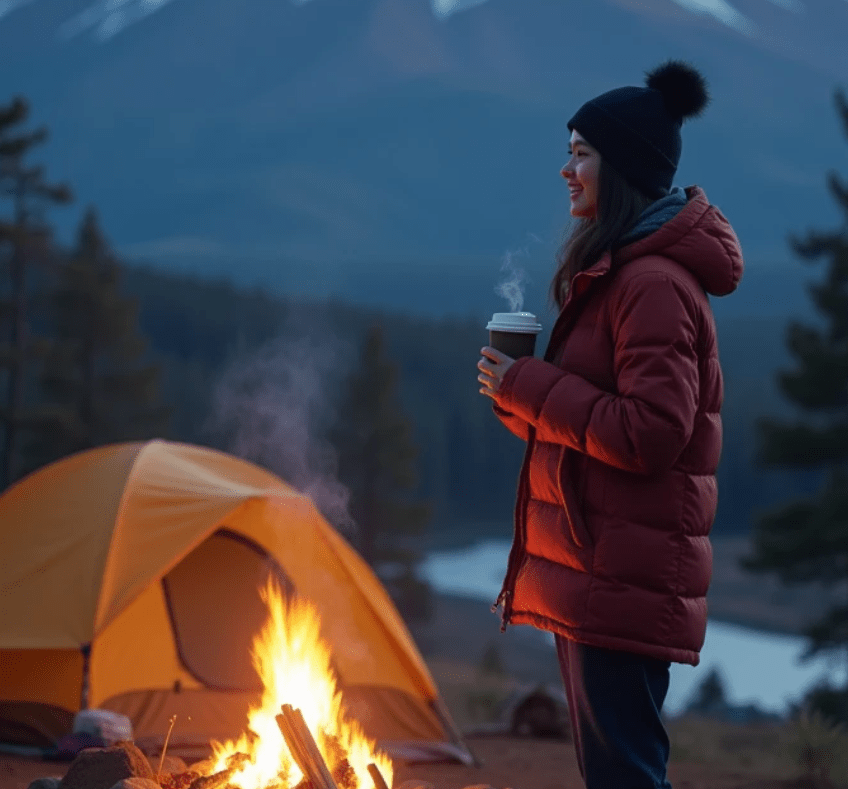
4. A Growing Community of Like-Minded People
Montana has seen a rise in homesteaders, off-gridders, and self-sufficiency enthusiasts over the last decade. You’ll find everything from seasoned ranchers to young families escaping the urban rat race. Farmers’ markets, barter fairs, and permaculture groups are cropping up in towns across the state, making it easier to connect and trade knowledge (and goods).

5. The Strategic Advantage
Montana’s low population density and vast, forested wilderness provide a natural buffer if things go sideways. Whether it’s economic collapse, cyberattacks, or civil unrest, being far from the chaos gives you time—and space—to respond. When the cities go dark, Montana might be one of the last strongholds of order and self-reliance.

Final Thoughts
So, is homesteading popular in Montana? Without a doubt. And not just because of the lifestyle—it’s the mindset. In Montana, being prepared isn’t considered paranoid—it’s just smart. If you’re thinking about starting a homestead or relocating your bug-out plan, Montana should be at the top of your list.

Get off-grid, get armed, and get ready. Under the Big Sky, freedom still lives—and homesteading is how we keep it alive.

Conclusion:

Montana’s diverse landscapes and wild terrains offer the perfect setting for survival preppers to practice and perfect their skills. Whether you’re refining your bushcraft skills, learning how to live off the land, or preparing for an emergency, these 30 campsites provide some of the best and most challenging environments to test your survival knowledge. So pack your gear, check your map, and head out into the wilderness for a true prepper’s experience.