California is Killing You: The Top 10 Non-Health Hazards You’re Ignoring

Wake up, California. You might think your biggest threats are the latest flu strain or a heart attack, but that’s only half the story. The truth is far grimmer. Life in the Golden State isn’t just expensive; it’s a constant hazard zone. If you’re walking around thinking the state’s only threat is invisible bacteria or the occasional bad fast food, think again. This article isn’t here to sugarcoat reality—this is your wake-up call.

I’ve lived through enough disasters, near-misses, and face-to-face encounters with the chaos of California life to know one thing: your survival isn’t guaranteed. The state is a beautiful trap filled with lethal risks, many of which have nothing to do with health. Here are the top 10 non-health-related reasons why people in California die, and why ignoring them is basically a death sentence.


1. Car Accidents – The Rolling Killers

You don’t need a virus to die in California; you need only step into your car—or the car of someone else. With congested highways, aggressive drivers, and one-too-many distracted texters behind the wheel, car accidents are rampant. Los Angeles, San Francisco, and even smaller towns see thousands of fatal crashes every year. High-speed collisions, drunk drivers, and motorcycles weaving through traffic are just waiting for you to make one wrong move. And let’s be honest: traffic laws exist more as suggestions than as enforceable rules.

If you think you can “just be careful,” think again. The odds are not in your favor. California drivers are famously impatient, and the infrastructure is stressed to the max. One moment you’re minding your own business, the next—boom.


2. Wildfires – Nature’s Inferno

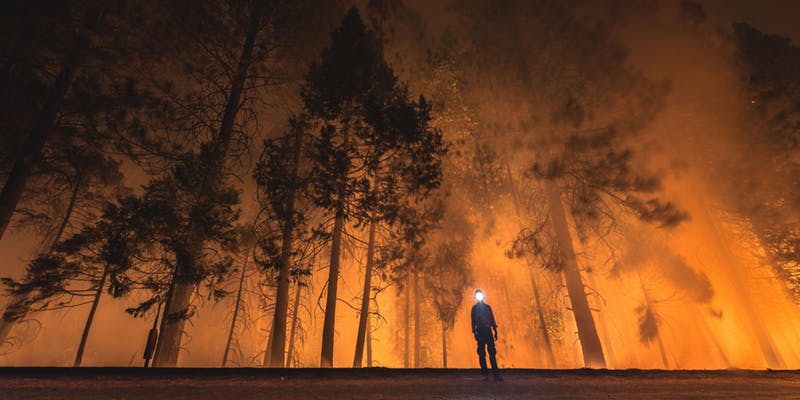
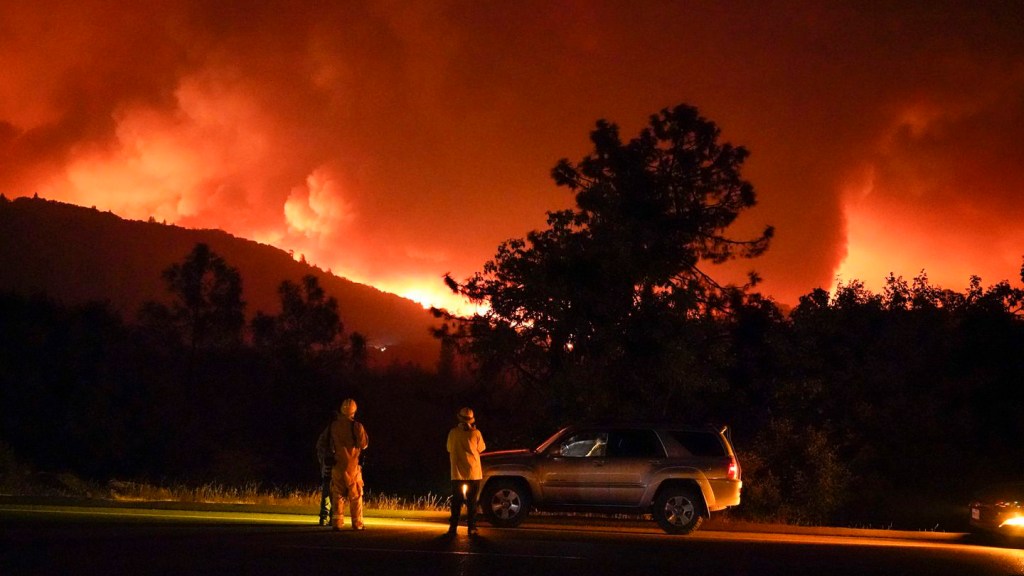
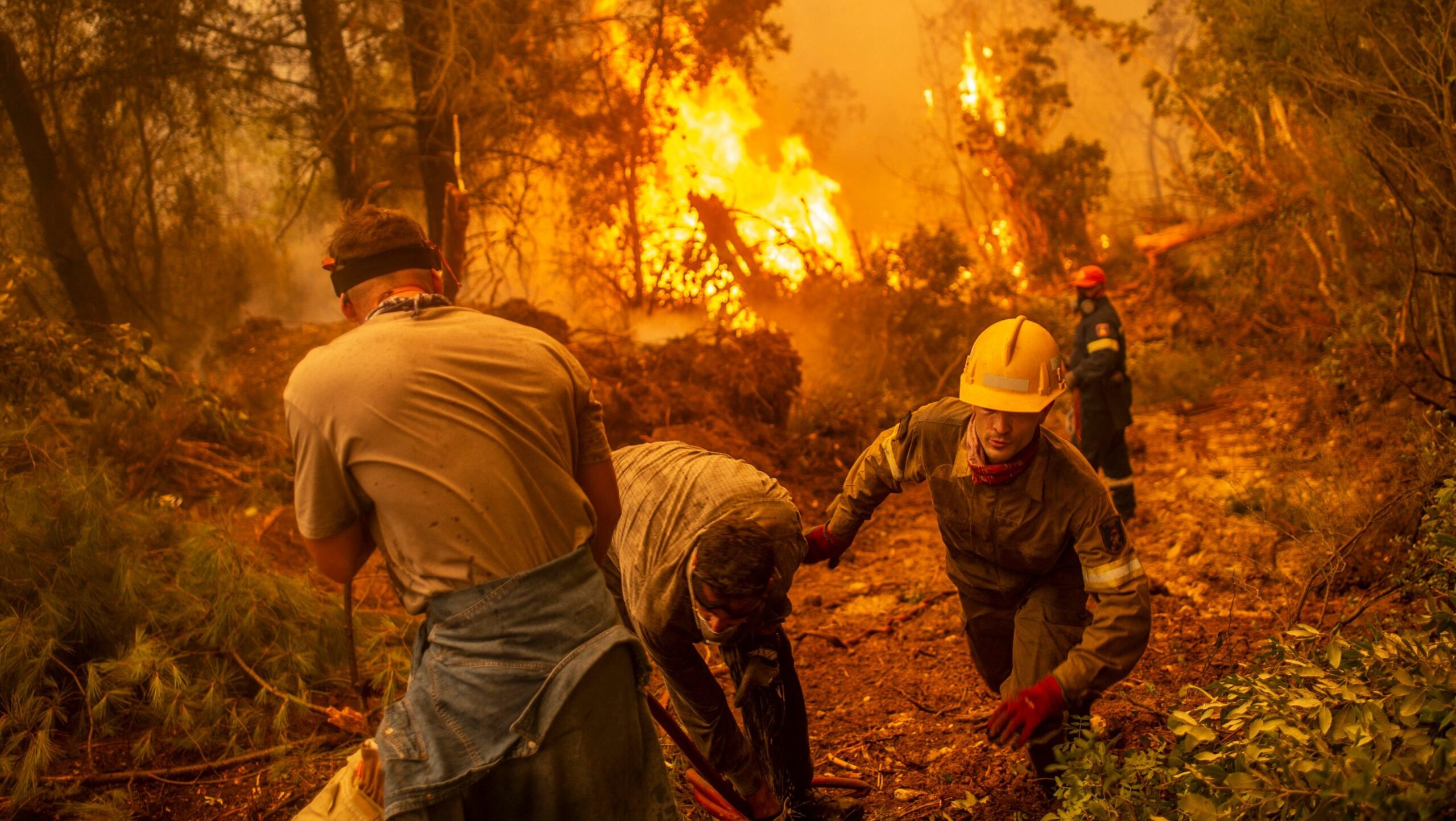
California’s wildfires are legendary, but most people still underestimate them. These aren’t small backyard blazes—they’re monstrous infernos that can consume entire neighborhoods in hours. Houses, cars, pets, and yes, people, vanish in the flames.

Evacuation is chaotic, emergency services are stretched thin, and wind patterns can change in an instant. You could literally be trapped in your own home as fire storms sweep down hillsides. If you think your insurance or city alerts will save you, you’re already thinking like a sheep waiting for slaughter.


3. Earthquakes – The Ground Betrays You

California sits on a network of faults that are just waiting for the next big quake. And let me tell you, “big” isn’t an exaggeration. Buildings crumble, roads crack open, and bridges collapse without warning. Earthquakes don’t discriminate—wealthy neighborhoods and sleepy towns alike can be reduced to rubble in seconds.

Don’t fool yourself into thinking your modern apartment is safe. Structural engineering only delays death; it doesn’t prevent it when the earth decides it’s time.


4. Extreme Heat & Environmental Exposure

You might scoff at the idea that weather can kill you in a state known for its beaches and sunshine, but California’s heat waves are no joke. Temperatures can soar past 110°F in the Central Valley and inland deserts. Heatstroke, dehydration, and exposure kill people every year—often those foolish enough to think they can beat the sun by ignoring it.

And let’s not forget that climate change is making these extremes more frequent and intense. This isn’t just discomfort; it’s deadly.


5. Crime – Humans as Predators

People often overlook the fact that humans are often the deadliest threat. California has areas plagued by violent crime, from urban centers to seemingly quiet suburbs. Shootings, muggings, and home invasions are a daily hazard for the unprepared.

Gang violence isn’t confined to the movies—it’s a very real danger in some neighborhoods. And even if you live somewhere “safe,” opportunistic crimes happen everywhere. Trust no one too easily.


6. Traffic & Pedestrian Accidents

It’s not just car-on-car collisions. Pedestrians, cyclists, and scooters face a deadly gauntlet. Drivers are distracted, reckless, or downright hostile. Every crosswalk could be your last if you don’t maintain a paranoid level of vigilance.

Sidewalks and bike lanes aren’t sanctuaries—they’re just another layer of danger in a state obsessed with speed and convenience over safety.


7. Industrial & Workplace Hazards

From oil refineries in Southern California to tech warehouses in the Bay Area, workplace accidents kill hundreds every year. Machinery malfunctions, chemical exposures, and human error combine to create a daily lottery where survival is not guaranteed.

And don’t expect a lawsuit to save you. By the time lawyers get involved, it’s too late. The system is slow, inefficient, and indifferent to human life.


8. Homelessness and Exposure to Violence

California has a massive homeless population, many of whom live in conditions that guarantee premature death. Violence, exposure, and malnutrition aren’t just statistics—they are daily realities for thousands.

Even for those not homeless, the ripple effects can touch you. Encampments and urban decay lead to crime spikes and unsafe public spaces, turning what should be routine errands into potential hazards.


9. Fires (Other than Wildfires) – Urban Arson & Accidents
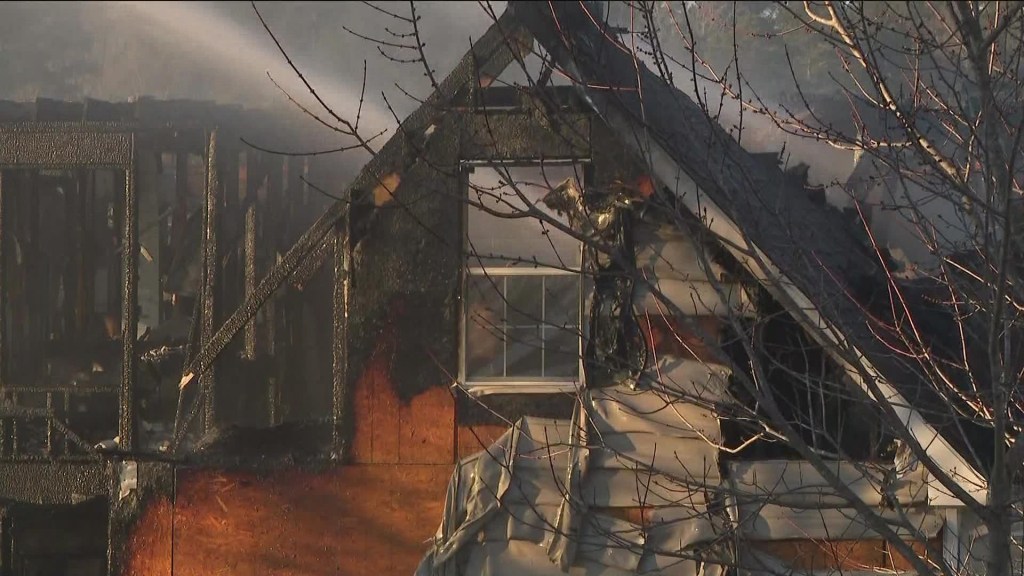
People think of fire as only a forest problem, but urban fires are just as deadly. Faulty wiring, careless smoking, and arson claim lives every year. In densely populated areas, a small spark can become a deadly inferno before firefighters even arrive.

And don’t fool yourself into thinking “it won’t happen to me.” Disasters rarely pick their victims—they just find someone vulnerable.


10. Infrastructure Failures – When the State Betrays You

Bridges collapse, levees break, and dams fail. California has a long list of infrastructure weak points. Aging structures, deferred maintenance, and overpopulation create the perfect storm for unexpected death.

A simple drive across a structurally compromised bridge, or living downstream from a poorly maintained dam, could be enough to kill you. And the government’s safety nets? Half the time they’re just bureaucratic mirages.


Final Thoughts – Wake Up Before It’s Too Late

If you’re still reading this, hopefully you’re feeling the chill of reality. California isn’t just a sunny paradise; it’s a deadly game of survival. And while health risks get headlines, these ten non-health hazards are just as lethal—often more so because people refuse to prepare for them.

Survival in California demands awareness, preparation, and a ruthless understanding of your environment. Traffic, fires, earthquakes, crime, heat—these aren’t abstract possibilities. They’re imminent threats that could strike today, tomorrow, or next week.

If you want to stay alive, stop pretending the world is safe. Stock supplies, learn situational awareness, and never underestimate the lethal combination of human error and environmental chaos. Your survival isn’t guaranteed—but with preparation, it’s possible.

Ignore this warning, and California will show you the meaning of the phrase “golden state” in the harshest way possible.

California’s Top 10 Deadly Threats and How to Outsmart Them

California. The so-called “Golden State.” Sunshine, beaches, wine, and endless Instagram posts. But behind the glitzy veneer lies a brutal, life-threatening reality. If you think living here is safe, think again. The truth is, California is practically a death trap if you aren’t constantly on your toes. From nature’s fury to human negligence, there are threats lurking everywhere. If you want to survive, you better face the ugly truth. I’ve compiled the Top 10 Most Dangerous Things in California That Can Easily End Your Life—and What You Can Do to Survive Them. Strap in, because I’m not sugarcoating anything.


1. Wildfires: Nature’s Merciless Inferno

California’s wildfires are legendary, but not in a good way. Each year, thousands of acres are reduced to ash, and countless people lose their homes—or worse, their lives. Fire doesn’t discriminate. It will burn you alive if you’re not paying attention.

Survival Strategy: Know evacuation routes like the back of your hand. Have a “grab-and-go” bag ready with essentials: water, non-perishable food, important documents, and first aid. Most importantly, stay informed via emergency alerts—waiting until you see flames is already too late.


2. Earthquakes: The Ground Is Out to Get You

The San Andreas Fault isn’t a joke. California is one massive shaking trap, and a big quake can happen at any second. Buildings collapse, roads split open, and utilities go offline. Do you really want to gamble your life on luck?

Survival Strategy: Secure heavy furniture and appliances. Create a family earthquake plan, including safe spots in every room (under sturdy tables or against interior walls). Stock up on emergency supplies—water, food, first aid kits, and even a portable toilet. After all, earthquakes aren’t polite; they’ll ruin everything.


3. Heatwaves and Extreme Sun Exposure

California’s “perfect weather” often turns murderous. Inland valleys and desert areas can hit triple-digit temperatures that fry the human body. Heatstroke and dehydration don’t care if you’re trying to have a relaxing day—they’ll kill you quietly and quickly.

Survival Strategy: Hydrate like your life depends on it—because it does. Wear breathable, sun-protective clothing and avoid being outside during peak heat hours. Always carry water and electrolytes; your body isn’t invincible, no matter how much Instagram influencers pretend it is.


4. Wild Animals: Coyotes, Mountain Lions, and Snakes

Yes, California has the animals you read about in horror stories. Mountain lions, rattlesnakes, and even aggressive coyotes can end your life if you stumble into their territory. Don’t let the cuteness fool you; survival here is not about selfies with wildlife.

Survival Strategy: Stay alert when hiking or camping. Make noise to avoid surprising predators. Carry bear spray or a sturdy walking stick. Know how to identify dangerous animals and never underestimate their strength or speed.


5. Dangerous Ocean Currents and Rip Tides

California’s beaches are seductive, but many have deadly undertows. Every year, tourists and locals alike are dragged out to sea by rip currents, and few come back. The ocean doesn’t negotiate—it drags you down and drowns you, no questions asked.

Survival Strategy: Swim only at lifeguard-patrolled beaches. Learn to spot rip currents: they’re usually darker, choppier channels of water moving away from the shore. If caught, don’t fight the current; swim parallel to the shore until free, then make your way back slowly.


6. Car Accidents: The Silent Killer

California’s highways are a mess of reckless drivers, endless traffic, and unpredictable conditions. Each day, thousands of accidents happen, many fatal. It’s not just about speed; it’s distracted drivers, drunk drivers, and the sheer density of vehicles that make every road a death trap.

Survival Strategy: Drive defensively. Keep your distance, never text while driving, and always wear your seatbelt. Know emergency maneuvers, like how to regain control on slick roads. It’s basic, but most people ignore it—and that’s why they die.


7. Toxic Air and Pollution

Between wildfires, industrial zones, and smog-heavy cities like Los Angeles, California’s air isn’t just unpleasant—it’s deadly. Long-term exposure leads to lung disease, heart issues, and a diminished lifespan. Don’t be naïve: breathing can kill you here.

Survival Strategy: Monitor air quality reports. Keep N95 masks on hand for emergencies. Air purifiers at home can filter particulate matter. Avoid outdoor activity during bad air days—sacrificing convenience now can save your lungs, and your life.


8. Floods and Mudslides

After the fires, California becomes a soggy, sliding nightmare. Burn scars destabilize the soil, making mudslides an unpredictable killer during rains. Flash floods can occur in valleys and riverbeds, often without warning.

Survival Strategy: Never camp or build in known flood zones. Check weather alerts during the rainy season. Elevate your home and clear debris from drainage paths if possible. Awareness is your best weapon—ignorance will get you buried.

9. Burglaries, Assaults, and Urban Crime

Yes, nature kills, but humans are just as lethal. Certain neighborhoods in California are infamous for violent crime. It doesn’t matter how strong or smart you are; being unprepared makes you a target.

Survival Strategy: Invest in home security systems. Be vigilant in public spaces. Learn basic self-defense. Avoid risky areas after dark. And for the love of your future, never carry valuables openly. Criminals don’t care about your excuses.


10. Avalanche and Snow Hazards in the Sierra Nevada

People forget that California isn’t just beaches and deserts. Its mountains can be merciless. Avalanches, icy trails, and sudden snowstorms can trap or kill hikers and skiers. The cold isn’t forgiving, and neither are the slopes.

Survival Strategy: Check avalanche reports before heading into the mountains. Carry emergency blankets, shovels, and avalanche beacons. Never hike alone in snow-heavy areas. Respect the mountains—they don’t negotiate with arrogance.


Final Thoughts: Survive or Die

California is a beautiful place to look at, but it’s a slaughterhouse for anyone who doesn’t respect the threats. From fires to floods, predators to predators in human form, the Golden State is not a vacation—it’s a survival test. The question isn’t “will you survive?” It’s “will you prepare before it’s too late?”

Take every warning seriously. Don’t fool yourself with optimism. Arm yourself with knowledge, tools, and a survival mindset. Ignore this, and California will happily write your obituary. Remember: life isn’t fair, nature isn’t kind, and neither are the streets of California.

Survive, because nobody else is coming to save you.

Stay Safe in the Silver State: Prepper Tips for Nevada’s Natural Disasters

Surviving the Deserts and Earthquakes of Nevada: A Prepper’s Guide

Nevada, the Silver State, is well-known for its vast desert landscapes, glimmering casinos, and a lifestyle deeply rooted in independence. But beyond the glitzy lights and urban sprawl, residents are aware of the harsh realities of living in a state susceptible to a variety of natural disasters. As a prepper in Nevada, you’ve got to be ready for anything—from extreme heatwaves and wildfires to earthquakes and floods. In this guide, I’m going to walk you through how we prepare for Nevada’s worst natural disasters and offer 10 survival prepper tips that every Nevadan should know.

1. Understand the Nevada Landscape and Hazards

Nevada is a diverse state, but it’s known for its arid desert climate and rugged mountain terrain. The northern part of the state experiences extreme cold temperatures and heavy snow in the winter, while the southern part remains hot and dry year-round. Both extremes present unique survival challenges, especially during natural disasters. Residents in the north must prepare for snowstorms and freezing temperatures, while those in the south face the ever-present threat of wildfires and extreme heat.

CLICK HERE TO LEARN HOW TO SURVIVE A FAMINE

2. Wildfires: The Ever-Present Danger

Wildfires are a frequent and devastating threat in Nevada, particularly during the dry summer months. Wildfires can spread rapidly, consuming dry vegetation and quickly becoming uncontrollable. As a prepper, it’s vital to have a plan to evacuate if a wildfire is near. Prepare your home by creating defensible spaces around your property, clearing away dry vegetation, and investing in fire-resistant materials for your home.

Prepper Tip #1: Create an evacuation route and practice it with your family. Always have your go-bag ready, and be prepared to leave at a moment’s notice. Ensure that everyone knows where the emergency rendezvous point is.

3. Earthquakes: Nevada’s Hidden Danger

Nevada may not be as famous for earthquakes as California, but it’s a major player in the seismic zone. In fact, Nevada experiences more than 600 earthquakes each year, with some of them strong enough to cause significant damage. The west of the state is part of the Walker Lane Fault Zone, which is an active fault line. While most of these quakes are small, the potential for a large, damaging earthquake exists.

Prepper Tip #2: Secure your home by anchoring heavy furniture and shelving units to the wall. Store your emergency supplies in easy-to-reach places, and practice earthquake drills with your family.

4. Extreme Heat: Surviving Nevada’s Searing Summers

Summer temperatures in Nevada can easily exceed 100°F, especially in the southern part of the state. The desert climate makes it easy to become dehydrated, and prolonged exposure to the sun can result in heatstroke. Extreme heat can also lead to power outages and water shortages.

Prepper Tip #3: Invest in a good solar-powered air conditioning system or fans that can help you keep cool during power outages. Always keep a large water supply on hand—aim for at least a gallon per person per day for a week. Hydration is key.

5. Flash Flooding: A Surprising Hazard

While Nevada is mostly dry, flash floods can happen unexpectedly, especially during monsoon season. These floods can quickly transform dry riverbeds into raging torrents of water, sweeping away vehicles and homes in a matter of minutes. It’s crucial to know when flash flood warnings are issued and have a plan to get to higher ground if necessary.

Prepper Tip #4: Know the flood-prone areas in your area and avoid building or storing valuables in low-lying areas. If you live near a wash or riverbed, keep a set of waterproof clothing and emergency supplies ready to go.

6. Snowstorms and Winter Weather: Northern Nevada’s Challenge

Though much of Nevada is desert, northern regions like Reno and the surrounding areas can experience heavy snowfalls during the winter months. These snowstorms can lead to road closures, power outages, and the isolation of communities.

Prepper Tip #5: Keep a winter survival kit in your vehicle, including blankets, chains for your tires, extra food and water, and a flashlight. It’s also a good idea to have a backup generator for when the power goes out during a storm.

7. Droughts: A Long-Term Issue

Nevada is one of the driest states in the U.S., and droughts are an ongoing concern. With a reliance on the Colorado River for water, the state faces constant pressure from declining water levels. In prolonged drought conditions, water shortages become a critical issue.

Prepper Tip #6: Collect and store rainwater whenever possible. Having a rainwater harvesting system installed can provide a valuable backup water supply. Also, consider investing in a high-efficiency water filtration system for your home.

8. Tornadoes: A Rare but Real Threat

Though rare in Nevada, tornadoes can and do occur, primarily in the northern and central parts of the state. Tornadoes can come with little warning, and their destructive power can level entire structures. It’s vital to be prepared and understand what to do if one should strike.

Prepper Tip #7: Have a designated safe room or basement in your home that’s reinforced to withstand the wind and debris of a tornado. Keep it stocked with emergency supplies like first aid kits, water, and non-perishable food.

9. Pests and Rodents: An Unlikely Survival Threat

While not traditionally thought of as a disaster, Nevada’s desert environment can bring pests like scorpions, rattlesnakes, and rodents into close contact with humans. These animals can be dangerous and spread disease, especially if they’re driven to seek shelter due to natural disasters.

Prepper Tip #8: Seal up cracks and gaps in your home, especially in the foundation, to keep out pests. Always inspect outdoor gear and supplies before bringing them inside, and consider investing in pest-proof containers for food storage.

10. Power Outages: Be Ready for the Worst

The heat, wildfires, and snowstorms in Nevada can all contribute to power outages. Whether it’s a widespread blackout or a localized issue, losing electricity can be a serious survival challenge, especially if it’s during extreme weather.

Prepper Tip #9: Install a backup power system, like a generator, to keep essential appliances running. Solar-powered chargers for your phones and other devices can also be a lifesaver when the grid goes down.

11. Stay Informed: Knowledge is Key

Living in a state prone to natural disasters means staying informed. Nevada residents need to know when disasters are on the horizon and have access to reliable weather and emergency information sources.

Prepper Tip #10: Invest in a weather radio with battery backup, so you can receive up-to-date information during emergencies. Also, consider downloading emergency apps on your phone that will alert you to local disaster warnings.

Conclusion

Being a survival prepper in Nevada means more than just stacking up supplies—it’s about preparing for the unique natural disasters the state faces. Whether you’re braving the scorching summer heat, preparing for an earthquake, or evacuating from a wildfire, the key to survival is planning and preparation. With these 10 survival tips, you can be confident that you’re ready for whatever Nevada throws your way. Keep your head in the game, your supplies stocked, and your mind sharp. Survival in the Silver State isn’t just about luck—it’s about being prepared for anything.

California Wildfire Survival: A Prepper’s Step-by-Step Guide

Good evening, California! As we brace for another fire season, it’s crucial to be prepared. Recent wildfires, like the devastating January 2025 Eaton and Palisades fires, have underscored the importance of readiness. Over 200,000 residents were evacuated, and more than 18,000 structures were destroyed.


🔥 Top 10 Wildfire Survival Tips for Preppers

  1. Create Defensible Space: Maintain a defensible space of at least 100 feet around your home. Trim trees and shrubs, mow grass to a height of 4 inches, and remove dead vegetation. CAL FIRE
  2. Harden Your Home: Use fire-resistant materials for roofing, siding, and decks. Install ember-resistant vents and cover eaves and decks with fire-resistant materials. CAL FIRE
  3. Prepare a ‘Go Bag’: Pack essential items such as water, non-perishable food, medications, important documents, and a flashlight. CAL FIRE+2Ready for Wildfire+2AP News+2
  4. Know Multiple Evacuation Routes: Familiarize yourself with at least two routes out of your area. Roads can become congested or blocked during evacuations.
  5. Stay Informed: Sign up for local alert systems to receive timely evacuation orders and updates. AP News+1AP News+1
  6. Secure Your Home: Before evacuating, close all windows and doors, remove flammable window coverings, and shut off gas and propane tanks. Ready for Wildfire
  7. Protect Pets and Livestock: Have carriers and leashes ready for pets. Arrange transportation for larger animals and know where to take them. Ready for Wildfire
  8. Maintain Emergency Supplies: Keep a battery-powered radio, extra batteries, and a first aid kit in your emergency kit.
  9. Practice Evacuation Drills: Regularly rehearse your evacuation plan with all family members to ensure everyone knows what to do. Ready for Wildfire
  10. Stay Calm and Follow Official Instructions: During an evacuation, remain calm, follow official instructions, and avoid taking unnecessary risks.

🏙️ Most Fire-Prone Cities in California

Recent studies have identified several California cities as being particularly vulnerable to wildfires:

  • Pacific Palisades: Located in Los Angeles County, this coastal community has experienced devastating fires, including the January 2025 Palisades Fire. Wikipedia+1San Francisco Chronicle+1
  • Altadena: Situated northeast of Pasadena, Altadena was severely affected by the Eaton Fire, resulting in significant property damage. The Washington Post+1Wikipedia+1
  • Moraga and Orinda: These East Bay towns are characterized by fire-prone ecology and narrow roads, making firefighting challenging. San Francisco Chronicle
  • Santa Rosa: Located in Sonoma County, Santa Rosa has experienced multiple devastating wildfires, including the 2017 Tubbs Fire.
  • Redding: Situated in Shasta County, Redding has been impacted by several large wildfires, including the 2018 Carr Fire.

🌡️ Climate Change and Wildfire Risk

A recent analysis by The Washington Post reveals that approximately 5.1 million Californians now reside in areas classified as having “very high” or “high” fire hazard severity. Factors such as climate change, expanded development into wildland areas, and increased vegetation from previous winters contribute to this heightened risk.The Washington PostThe Guardian+1Wikipedia+1


🏠 Home Hardening and Vegetation Management

To enhance your home’s resilience against wildfires:Ready for Wildfire

  • Use Fire-Resistant Materials: Opt for fire-resistant roofing, siding, and decking materials.
  • Maintain Defensible Space: Create a defensible space of at least 100 feet around your home by removing dead vegetation and trimming trees. CAL FIRE
  • Prune Trees and Shrubs: Trim tree branches to a height of 10 feet and remove shrubs that are within 3 feet of your home’s exterior.
  • Install Ember-Resistant Vents: Cover vents and eaves with ember-resistant materials to prevent embers from entering your home. Survival Dispatch

📱 Stay Connected and Informed

During a wildfire, it’s essential to stay connected and informed:

  • Use a Battery-Powered Radio: Keep a battery-powered radio to receive emergency broadcasts. AP News+6Cutter Law P.C.+6Ready for Wildfire+6
  • Charge Devices in Advance: Ensure your cell phone and other essential devices are fully charged.UC Davis
  • Have Backup Power: Consider investing in a portable power bank or generator.

🧯 Final Thoughts

Being prepared is the best defense against wildfires. By creating a comprehensive wildfire action plan, hardening your home, and staying informed, you can significantly increase your chances of safety during a wildfire. Remember, it’s not just about protecting property; it’s about safeguarding lives.CAL FIRE+2AP News+2Ready for Wildfire+2

Stay safe, California!

4 Times That Hunting For Food Can Be Deadly

I was reminiscing about a hunting trip I took a few years back.

It was supposed to be a quiet couple of days, just me and nature. But, as fate would have it, it wasn’t quite that simple.

As the dawn broke, I spotted a fine-looking deer.

However, I noticed something odd about its movements.

The deer seemed disoriented, stumbling, and acting unnaturally. It struck me then that this was not a safe animal to hunt.

See, it wasn’t about the deer itself, but with what might be lurking inside it.

This deer could have been exposed to harmful contaminants that can make the meat unsafe to consume.

Think about it like this.

When SHTF, the air we breathe, the water we drink, and the food we eat can become contaminated.

And the same applies to the wildlife around us.

Certain times and places make it risky to hunt due to the likelihood of contamination.

These are the 4 most common scenarios when you should steer clear of hunting

Post-Industrial Areas

Industrial waste can seep into the environment and contaminate local wildlife.

Don’t hunt near abandoned factories or industrial zones where the local animals might have been exposed to harmful pollutants.

Post-Nuclear Events

If there’s been a nuclear event in your area, radiation can contaminate animals for a significant time. The risk isn’t worth the potential food source.

During and After Wildfires

Wildfires can release heavy metals and toxins from burnt materials into the atmosphere. Animals exposed to these contaminants can become unsafe to eat.

Disease Outbreaks

Certain diseases like Chronic Wasting Disease (CWD) in deer can affect the safety of the meat.

Look out for erratic behavior, drooling, or lack of coordination in animals as signs of potential disease.

Hunting is more than just getting a good shot.

It’s about understanding the animal, the environment, and the potential risks involved.

It’s crucial to be aware of these dangers and make informed decisions about when to hunt and when to let it go.

So next time you’re out in the wilderness, remember to consider more than just the size of the game you spot.

We also have to ensure that food is safe to eat.

Survival Prepper: A Wildfire Survival Guide

As the world gets drier and hotter, wildfires have become one of the most realistic events people should prepare for.

Wildfires can start by nature, human negligence, and becoming more and more common every year. 

I live in California, where you advised us to prepare from July to September.

Sadly, Climate change is making regions hotter and drier. Nowadays, a single spark cab erupts into a massive blaze. 

That means wildfire prepping has never been more crucial. 

The last few years have brought us the deadliest wildfires the U.S. has ever seen, and there are no signs of it slowing down anytime soon.  

While wildfires are fast and unpredictable, often, there is some time to escape if one is coming your way — as long as you have taken the time to prepare. What do you need to know if there is a wildfire threat toward your home?

The Risks

Understanding the risks of wildfires is extremely important. Depending on the time of year, the location, and other key playing factors. 

Whether you own a home or are a current renter, there are various ways to protect your assets. 

If you are a homeowner, you might find difficulty finding a company willing to insure it for fire. 

Contact your state’s wildfire risk number to find something that better fits your needs. 

Retrofitting

If your current home does not contain fireproof building materials, you might want to consider retrofitting your property to lower the risk. This could mean re-roofing with flameproof materials, covering vents with metal mesh to prevent cinders from getting pulled into the ventilation system, and taking other steps to make your house fire-resistant. 

Be in The Know

Staying informed is your best resource during fire season, especially in places where you can see the smoke from a distance but might not have the best idea of where the fire is.

Stay on top of any updates as they come through your local channels. Emergency services will update you multiple times throughout the day with details like the size of the fire, how much of it is contained, and where it might spread next. 

Stock Up on Your Supplies

No matter the situation, you will need supplies. Going to the grocery store won’t be an option until the fire is out and things start to return to normal, so you want to make sure you have everything you need on hand. Backpacks will be the easiest to carry, so buy a few durable ones for each person in your household when it’s time to evacuate.

Store food and water in portable containers like coolers to make these goods easier to transport.

Here are a few items you should consider adding to your list: 

* 1 gallon of water per person per day

* Nonperishable Foods

* Cash

* First-aid supplies

* Pet supplies

* OTC and prescription medicine

* Extra Clothes and Shoes

Ideally, you want to have enough supplies for up to two weeks, but at minimum, you want to have enough supplies to be self-sustaining for at least three days.

Get Ready to RUN

If a fire is coming your way, your only choice is to evacuate or die. It’s that simple. If you have to leave, be ready to run. 

Having a loaded truck or trailer with your supplies and the things you can’t stand to lose is a great way to be prepared. 

Be sure your trailer is in good shape before fire season starts, keeping it clean and in a clear path for easy and efficient escape. The last thing you need is to lose all your supplies because of a maintenance issue that could be avoided. The same rules apply to your smaller vehicles. Do not leave yourself stranded with an unreliable car. You won’t be able to outrun the fire on foot. 

Plan Your Escape

Where would you go if a fire threats your home? What if the wildfire cuts off your main evacuation route? Plan and practice your escape route ahead of time to avoid making dangerous mistakes. 

Predicting where the fire might spread can be difficult, and your main course can quickly end up cut off by a rapidly growing wildfire. Leave yourself some alternatives so you can get away safely. 

Once you have planned your routes, practice them. Hook up your trailer and drive. Note places where the trees and brush are near the road because if they catch fire, it could create problems for your plan. 

 Time For You To Go 

Although, this should be common sense and often forgotten. If there is an evacuation order or advised to leave, go. Do not wait around to see if the fire might change its path. Throw your family and your pets in the car, hook up your trailer of supplies if you have one, and leave. There is no time to waste precious minutes trying to pack every – little – sentimental item. 

Being a Prepper Can Save You

Wildfires are a part of life for people in many parts of the world. Starting to prepare could save your life and makes it easier to rebuild if the worst happens and a fire takes your home. 

Remember, regardless of what happens, your house and everything in it is replaceable. Your life and the lives of your loved ones are not.

More Articles Christians May Find Interesting…

Shocking Truth About NASA Rapture Warning

While the media is busy talking about restrictions and censorship, there’s one story that’s unfolding that no news station is covering.

Yet it could have a direct impact on your life and the lives of your loved ones.

According to a recently declassified document from the U.S. Senate, a monumental end-day threat is about to come crashing down on America.

I’m not talking about a stock market crash or more mandates. 

This is something far more destructive.

It could completely cripple our country, sending us back to square one.

And the ripple effect could last for months or even years, according to top-ranking military officials and U.S. senators.

Thankfully, there is a way to prepare.

This brief video exposes what our current administration is doing to protect their own families.

Survival Prepper: Climate Change

We live in a world suddenly plagued by wildfires, extreme heat, novel viruses, and sociopolitical unrest.

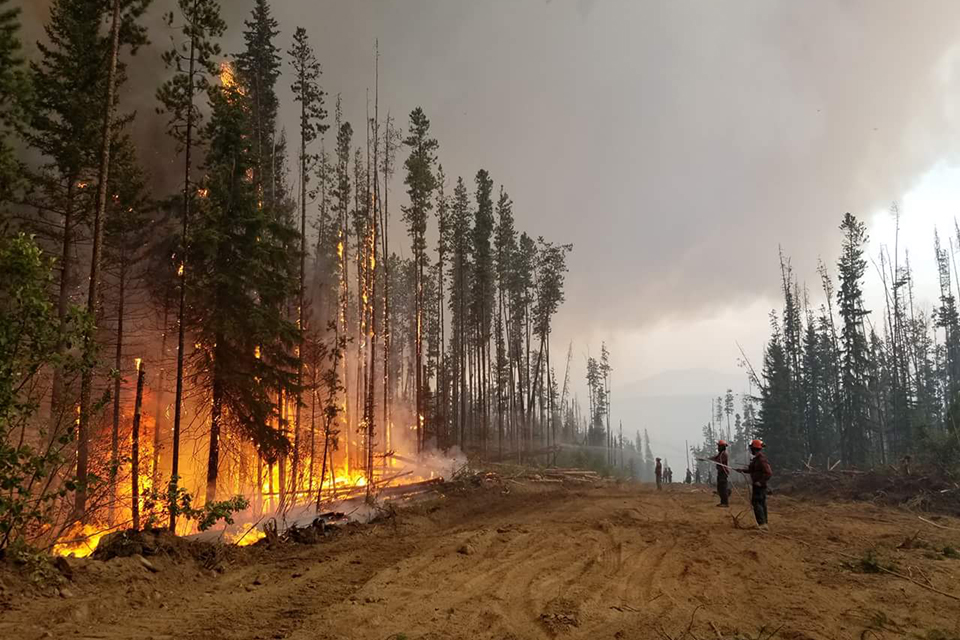
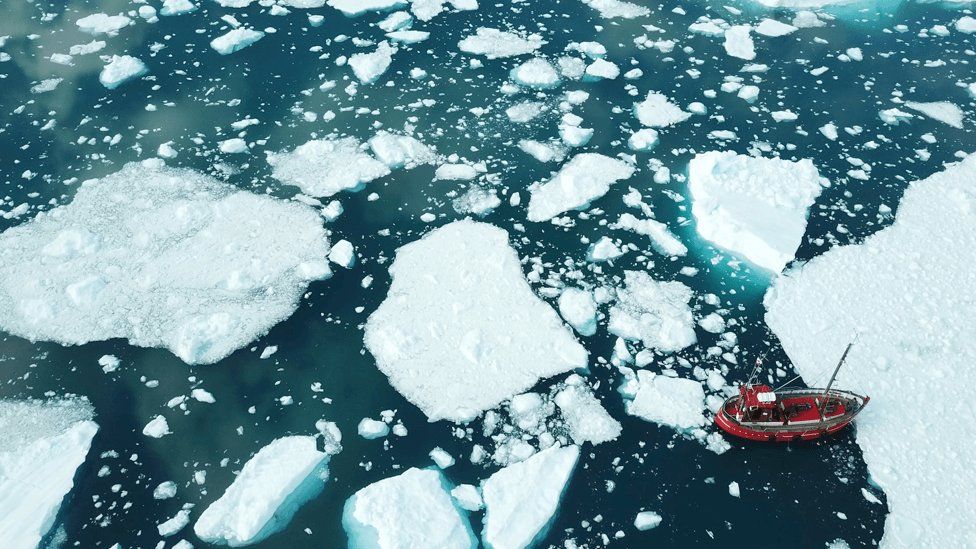
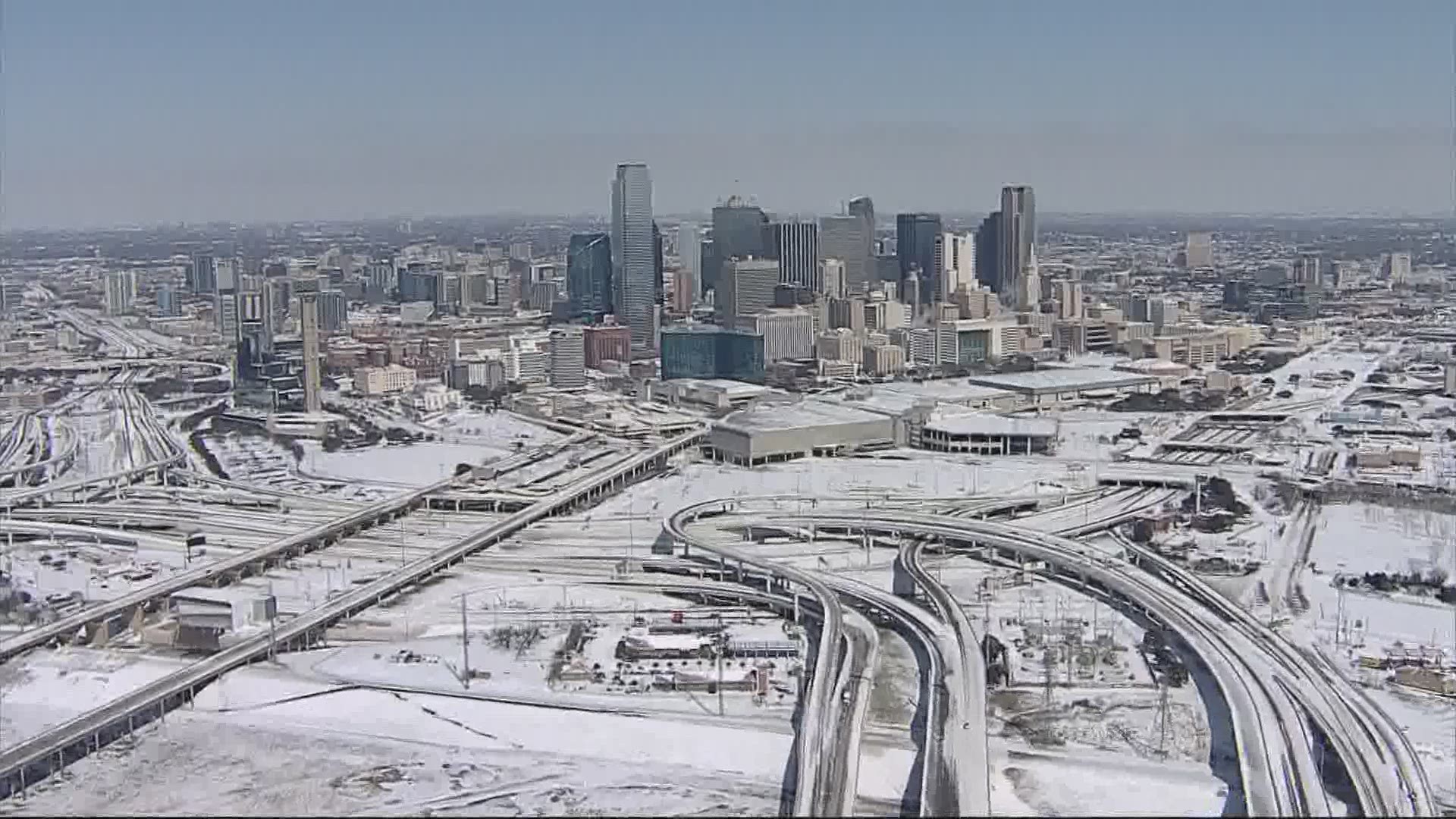
The realities of climate change are slapping me in the face. I’ve had personal run-ins with weather disasters for five straight years now, starting in 2017 when my mom’s house burned down in California’s Tubbs fire. This summer, after temperatures topped off at 116 degrees in Portland, Ore., the city I call home, I know the game has changed. If this can happen, anything can. Snow in Houston: Why not? How about a heatwave in Greenland or severe flooding in Germany? Before summer even began, the entire West — extending as far east as Texas and as far north as British Columbia — was laid flat by record-breaking temperatures, worsening drought, and an unusually early fire season. For more than two weeks, the Bootleg fire has been burning in southern Oregon, so hot and extreme that it generates its own weather.


The only thing predictable about such events is that they will continue to happen, with increased severity and frequency, and they will cause a lot of human misery. They’ve forced me to reevaluate my indifference toward prepping.


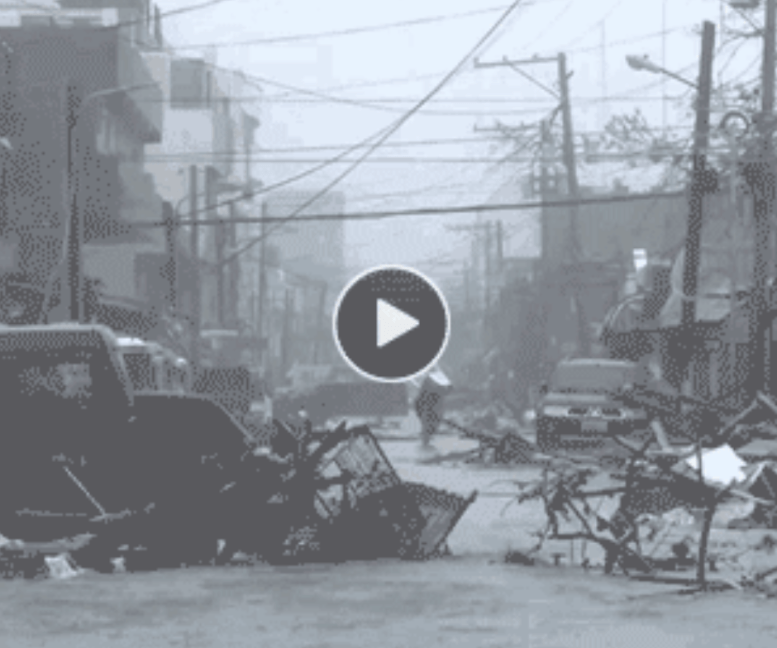
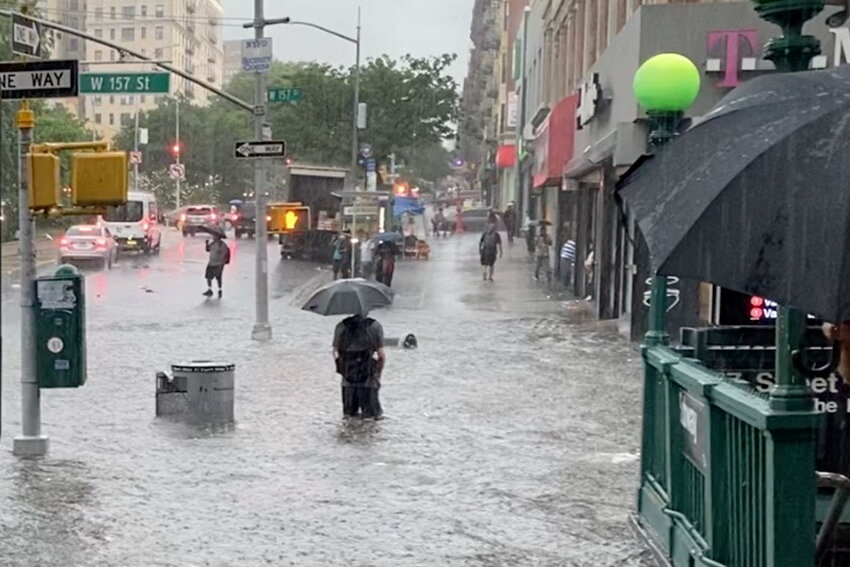
In fact, our whole society seems to have been caught off guard by changes that, not so long ago, seemed far off. Here in the Pacific Northwest, people sweltered in houses that aren’t typically equipped with air conditioning. Our roadways warped and cleaved, and power lines melted; hundreds were hospitalized with heat-related illnesses. In Texas, where my brother lives, state regulators urged citizens to limit power usage during a June heatwave to avoid the massive grid outages that, during a severe winter storm in February, left nearly 70 percent of Texans without electricity and half without water. In New York City, heavy rainfall flooded stretches of the subway system this month; in Miami, the construction of properties on a dissolving shoreline no longer seems sound.

With these infrastructural and governmental inadequacies, people resort to improvised, often subpar measures to stay safe. Last fall, when wildfires surrounded Portland, awarding us the worst air quality in the world, YouTube videos on how to make DIY air purifiers circulated on social media. Though a box fan and a furnace filter panel were the only things required — items typically found at any hardware store — the entire city was sold out.

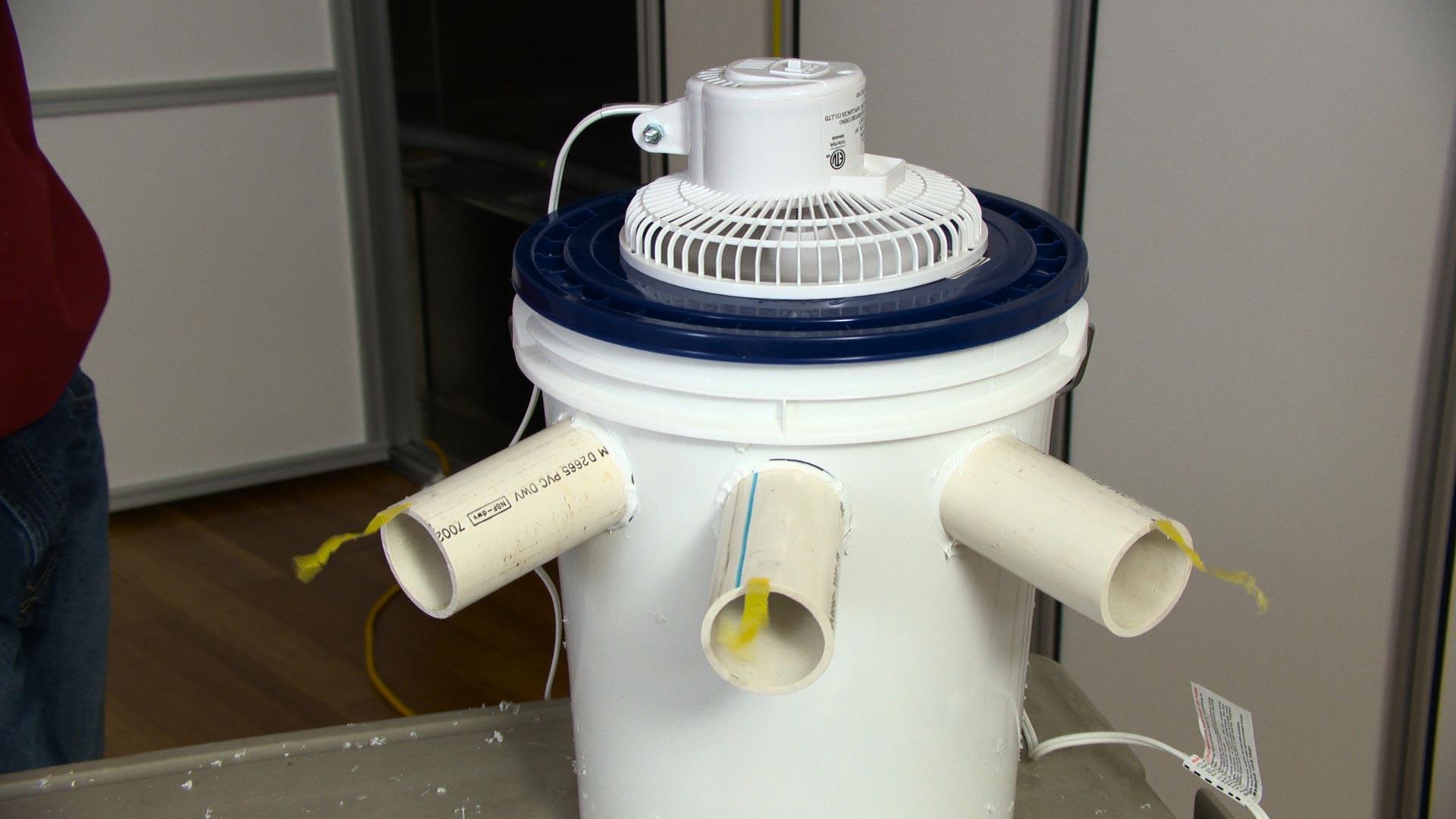
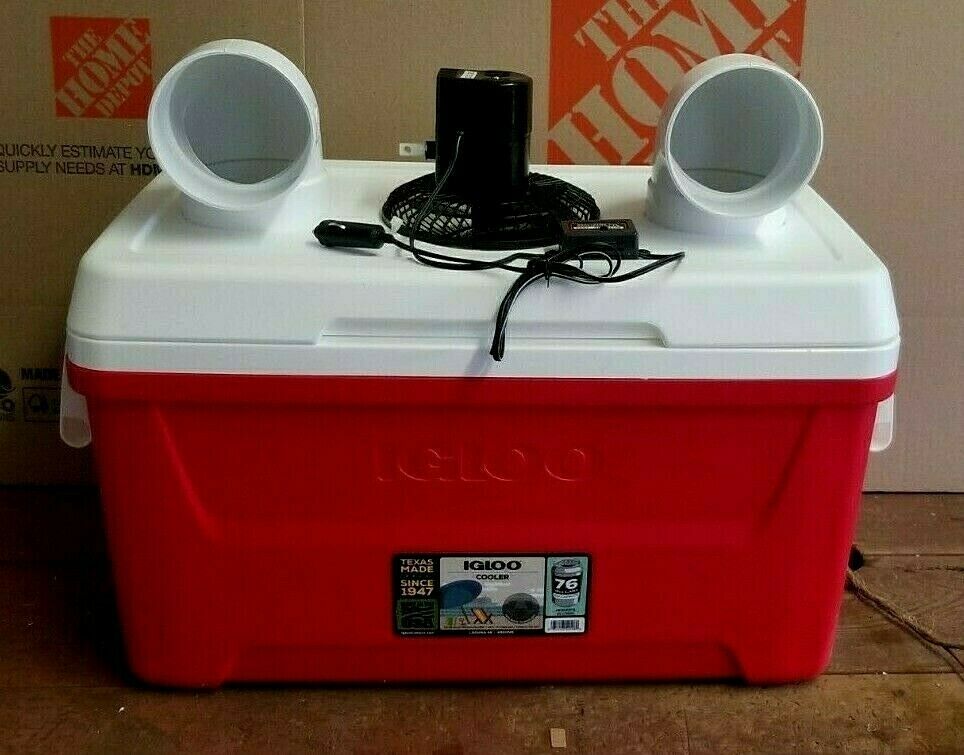
My prepper mentality came to mind again for me when temperatures soared a few weeks ago, and I drove to four different locations looking for ice because our refrigerator had started smoking. (According to my landlord, mine was the third refrigerator that needed replacing in less than 24 hours.) At my last stop, the cashier shook his head apologetically: “Everyone’s trying to stay cool.” This time, city residents were slapping together jury-rigged swamp coolers with large bowls of ice and those perennially versatile box fans. I’d run up against the limits of what the marketplace could provide. In a moment of desperation, I asked my neighbors two doors down if I could store my perishable goods with them. Though they kindly accommodated, it made for awkward interactions later when I had to knock on their door and ask for my coffee creamer or salad greens. After a while, I decided I didn’t really need those things after all.

You can finish reading this article by going here.