New Hampshire’s Worst Roads to Drive on During a Disaster

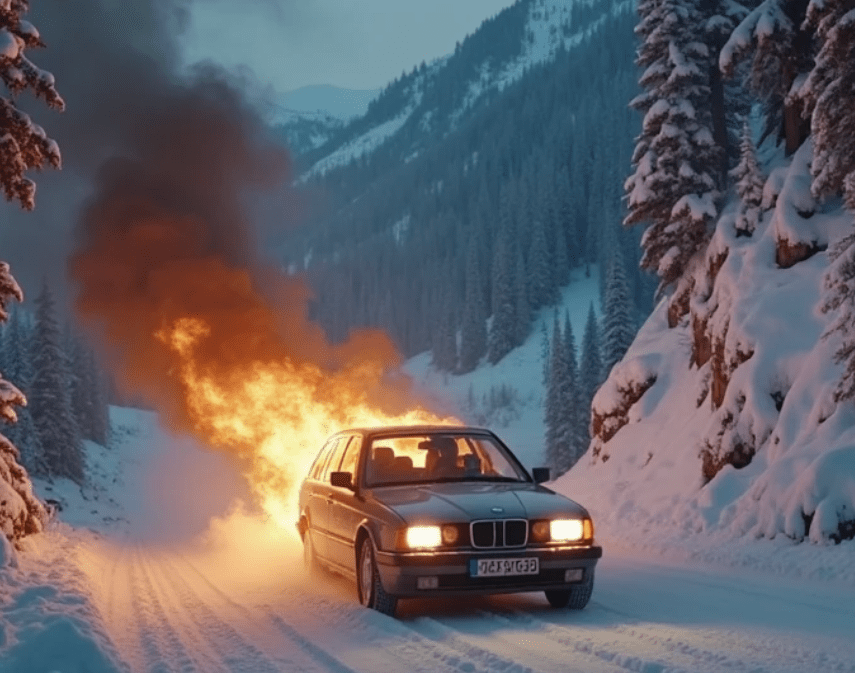
New Hampshire’s Worst Roads to Drive on During a Disaster: A Survivalist’s Guide to Driving Out Alive

I’ve been around the globe, traversing jungles, deserts, mountains, and urban jungles alike. If there’s one thing I’ve learned, it’s that the terrain and road conditions during a disaster dictate your survival chances behind the wheel. New Hampshire, with its rugged landscapes, winding roads, and unpredictable weather, poses unique challenges when disaster strikes.

From flash floods washing out highways to ice-covered mountain passes, the Granite State’s roads can turn from familiar routes to survival trials in moments. When everything’s at stake, your ability to drive smart and resourceful is a life-saving skill. Here’s my rundown on the worst roads to navigate in New Hampshire during a disaster—and how to survive them, including survival driving skills and some off-the-grid hacks to keep you rolling.


The Worst Roads to Drive in New Hampshire During a Disaster

1. Kancamagus Highway (NH-112):
This scenic byway is stunning in good weather but deadly when disaster hits. Narrow, winding, and surrounded by dense forest, this road is prone to landslides, fallen trees, and flash flooding during storms. Snow and ice in winter only add to the peril.

2. Route 302 through Crawford Notch:
A vital corridor through the White Mountains, Route 302 is a rocky, narrow path with steep cliffs. Rockslides, avalanches, and ice can turn this route into a nightmare, cutting off escape routes.

3. Route 16 in the Ossipee Mountains:
Often used as a major north-south artery, this highway gets slick and treacherous with heavy rain or snow. Flooding can easily wash out sections, stranding drivers.

4. Bear Notch Road:
A steep, unpaved, and narrow mountain road often used for hiking access. It’s the kind of place that’s beautiful but unforgiving if you get caught during a disaster—mudslides and falling rocks are common.

5. Mount Washington Auto Road:
Though mostly for tourists, this road is the epitome of danger in bad weather—extreme weather can come fast, and the road has sheer drops with no guardrails in many spots.


Survival Driving Skills to Drive Your Way Out of Disaster

You might think just knowing how to drive is enough. It isn’t. You’ve got to be adaptable, calm, and technically skilled. Here are 15 survival driving skills I rely on:

1. Situational Awareness: Constantly scan the road, weather, and surroundings for hazards like falling rocks, sudden flooding, or stranded vehicles.

2. Controlled Braking: Avoid sudden stops. Use gentle, consistent pressure on brakes to maintain control, especially on slippery roads.

3. Threshold Braking: When emergency stopping, brake just before the wheels lock, maximizing stopping power without losing traction.

4. Off-Road Maneuvering: Know how to safely drive through mud, gravel, or dirt if roads are washed out or blocked.

5. Controlled Skid Recovery: When you lose traction, steer into the skid to regain control rather than overcorrecting.

6. Defensive Driving: Anticipate what other drivers or obstacles might do and plan escape routes.

7. Hill Climbing and Descending: Use low gears to control speed on steep inclines or declines, avoiding brake overheating or loss of control.

8. Tire Pressure Management: Lowering tire pressure slightly can increase traction in mud or snow but be cautious not to go too low.

9. Emergency Lane Usage: Be prepared to use shoulders or off-road areas to bypass blockages.

10. Night Driving in Poor Visibility: Use fog lights and low beams, avoid high beams in fog, and reduce speed.

11. Water Hazard Navigation: Know how to cross shallow floodwaters safely; avoid fast-moving water deeper than six inches.

12. Vehicle Weight Distribution: Understand how cargo placement affects handling, especially on slippery or uneven terrain.

13. Maintaining Momentum: When stuck in mud or snow, avoid spinning tires; gentle, consistent throttle helps keep traction.

14. Manual Transmission Mastery: Knowing how to control your vehicle without relying on automatic transmission aids in tricky spots.

15. Emergency Evacuation Route Planning: Always have alternate routes mapped out and avoid relying on GPS alone, which can fail or reroute dangerously during disasters.


3 DIY Survival Driving Hacks When You Run Out of Gas

Getting stranded without fuel is a worst-case scenario. In a disaster, help might be hours or days away. Here’s how to keep moving:

1. Use a DIY Gravity Fuel Feed:
If you have any extra gasoline in a container, you can rig a gravity feed line from the container to your fuel tank filler neck. Elevate the container above your car’s gas tank and use a flexible tube (like a cleaned-out garden hose). Open the fuel cap, insert the tube, and let gravity slowly feed the fuel into your tank. This is a slow process but can give you enough to limp to safety.

2. Create a Charcoal Briquette Starter for Emergency Heat:
When stuck and cold, keep charcoal briquettes in a small metal container inside your car, along with a small amount of dry kindling. This can be ignited carefully (outside the vehicle, with ventilation) to provide heat or help you start a small fire to melt snow for water, which could indirectly help you survive until rescue.

3. Convert Household Alcohol to Emergency Fuel (With Extreme Caution):
If you’re desperate and have access to high-proof alcohol (like ethanol-based hand sanitizer or spirits), it can be used as a fuel additive or emergency fuel in some vehicles. This requires careful mixing and knowledge of your engine type. Not ideal, but in a pinch, this can keep a vehicle running enough to escape immediate danger.


Additional Survival Tips for Driving New Hampshire’s Disaster-Prone Roads

  • Keep a Comprehensive Survival Kit in Your Vehicle: Include extra fuel, food, water, first aid, flares, a multi-tool, tire repair kit, and a portable air compressor.
  • Use All-Wheel or Four-Wheel Drive if Possible: New Hampshire’s roads during disaster demand the traction these provide.
  • Practice Off-Road Driving: Before disaster hits, get familiar with how your vehicle handles off-road conditions; many escape routes won’t be paved.
  • Learn Basic Vehicle Repairs: Knowing how to change a tire, fix a broken belt, or jump-start your battery can be the difference between life and death.
  • Stay Informed: Use weather radios and disaster apps to stay ahead of road closures or hazards.
  • Travel During Daylight: Visibility is critical; avoid night driving when possible.
  • Drive with a Buddy: If possible, travel with another vehicle for mutual aid.

Final Thoughts

New Hampshire’s natural beauty can quickly turn into a survival gauntlet during disasters. The roads that twist through the White Mountains and winding byways demand more than just a steady hand—they require knowledge, skill, and preparation. Driving yourself to safety isn’t just about having a reliable vehicle; it’s about mastering survival driving techniques and being resourceful when things go sideways.

I’ve driven in deserts where sand swallowed cars, jungles where mud dragged tires, and mountains where ice shattered vehicles. What’s common everywhere is this: preparation plus skill equals survival. Equip yourself, train yourself, and respect the roads—because in a disaster, your vehicle might just be your last lifeline.


New Jersey’s Worst Roads to Drive on During a Disaster

New Jersey’s Worst Roads to Drive on During a Disaster: A Survivalist’s Guide

I’ve spent decades traversing harsh terrains, navigating everything from dense forests to urban jungles during emergencies. Nothing sharpens your survival instincts like being behind the wheel when disaster strikes. New Jersey, a state known for its bustling highways and scenic byways, has some of the trickiest roads to maneuver in crisis scenarios. Whether it’s a hurricane, flood, blackout, or a sudden evacuation, knowing which roads to avoid and how to drive like your life depends on it can mean the difference between safety and catastrophe.

Here’s my survivalist’s breakdown of New Jersey’s worst roads to drive on during a disaster, essential survival driving skills, and a few DIY hacks when your fuel runs dry. Listen close, because when the grid goes dark, and chaos rules, your driving skills are your survival kit on wheels.


The Worst Roads in New Jersey During Disaster Scenarios

1. Garden State Parkway (GSP) Southbound from Exit 105 to 63
This stretch is notorious for bottlenecks during evacuations. It snakes through dense suburban and coastal areas, making it vulnerable to flooding, especially during hurricanes. The road’s proximity to barrier islands means that floodwaters can trap cars in seconds.

2. Route 80 through Morris and Passaic Counties
While Route 80 is a major artery, in disaster situations, it quickly becomes a parking lot. Flooding and traffic collisions on steep, winding sections turn this road into a nightmare.

3. Route 46 in Bergen County
Route 46 serves as a critical evacuation route but is littered with intersections and traffic lights that become chokepoints. Heavy rain or snow turns it slick and hazardous.

4. Route 9 through Monmouth County
This road runs close to the coast and marshlands. Flooding and poor drainage can render it impassable, and it’s lined with commercial areas that trap stranded motorists.

5. The Pulaski Skyway (U.S. Routes 1 and 9)
An elevated roadway over the industrial waterfront, the Skyway is prone to accidents and closures during high winds or flooding, making detours complicated.

6. Route 287 near Morristown
Route 287 is a vital interstate connector but is subject to steep grades and sharp curves. During snow or ice, this stretch becomes treacherous.

7. Route 35 through Ocean County
A low-lying route through marshes and barrier islands, Route 35 floods easily during storms, often leaving drivers stranded.

8. Route 70 through Camden County
Known for heavy suburban traffic, Route 70’s multiple traffic signals and intersections cause gridlock in emergencies.

9. Route 18 in Middlesex County
Route 18 is a busy commuter road with frequent congestion, complicated by bridges and tunnels prone to closure.

10. Atlantic City Expressway near Atlantic County
Often used for evacuations, the Expressway can clog quickly, and limited exits increase the risk of getting stuck.


15 Survival Driving Skills to Drive Your Way Out of Disaster

Disaster driving is not your average commute. You need razor-sharp reflexes, awareness, and unconventional techniques. Here are 15 survival driving skills I swear by:

  1. Situational Awareness — Constantly scan your surroundings: other vehicles, road conditions, and possible escape routes. Disasters can create unpredictable hazards.
  2. Anticipate Hazards — Spot puddles, debris, or stalled cars early. Knowing when to slow down or maneuver can prevent accidents.
  3. Maintain a Safe Distance — In emergencies, tailgating equals disaster. Leave twice the normal distance between you and the car ahead.
  4. Smooth, Controlled Inputs — Jerk-free steering, braking, and accelerating prevent skids, especially on wet or icy roads.
  5. Master Off-Road Maneuvering — Many disaster routes force you off paved roads. Practice handling uneven terrain, mud, and sand.
  6. Hill Management — Use low gears going uphill or downhill to maintain control. Don’t ride your brakes downhill to avoid overheating.
  7. Reverse Driving Under Pressure — Sometimes you’ll need to backtrack or escape tight spots. Practice backing up quickly yet safely.
  8. Emergency Braking — Learn threshold braking to stop as quickly as possible without locking your wheels.
  9. Controlled Skid Recovery — If you lose traction, steer into the skid to regain control.
  10. Use of Engine Braking — When descending slopes, downshift to slow the vehicle and preserve brake integrity.
  11. Avoiding Hydroplaning — Slow down in standing water, avoid puddles, and don’t use cruise control.
  12. Navigating Debris — Learn to identify safe paths around fallen branches, rocks, or stranded vehicles.
  13. Using Alternate Routes — Know how to quickly evaluate side roads and lesser-used paths.
  14. Fuel Management — Drive efficiently to conserve fuel, especially when gas stations are scarce.
  15. Vehicle Communication — Use horn and headlights to signal other drivers or call for help.

3 DIY Survival Driving Hacks When You Run Out of Gas

Running out of gas in a disaster can feel like a death sentence, but with some resourcefulness, you can keep your wheels turning:

Hack 1: Emergency Gravity Feed Fuel Transfer
Carry a clean, flexible hose (about 3-4 feet). Place one end in your nearly empty gas tank’s filler neck and the other end into a spare container filled with fuel. Use gravity by elevating the container to slowly siphon fuel back into your tank. This can buy you enough distance to reach a gas station or safer location.

Hack 2: Use Alternative Fuels
If you’re desperate, some older gasoline engines can run briefly on a mixture of motor oil and gasoline in emergencies (NOT recommended for long-term use). Another option is a small container of camp stove fuel (like white gas or Coleman fuel) in an extreme pinch, but only if you know your engine can tolerate it.

Hack 3: Improvised Pedal Power
If stranded with no gas and no help nearby, consider temporarily using your vehicle as a sled. Attach a sturdy rope or tow strap to your car’s bumper and have someone pull it manually or with a secondary vehicle to a safe place. This is more feasible with smaller vehicles and should be a last resort.


Navigating New Jersey’s Disaster Roads: Final Tips

  • Know Your Vehicle: Familiarize yourself with your car’s four-wheel-drive or all-wheel-drive modes. Engage them as soon as conditions worsen.
  • Pre-Plan Your Route: Always have a backup evacuation plan. GPS can fail, so carry printed maps.
  • Prepare Your Car Kit: Include a tire repair kit, jumper cables, emergency flares, a basic toolset, extra fuel cans, and a first aid kit.
  • Stay Calm and Focused: Panic causes mistakes. Take deep breaths, focus on your driving, and don’t rush.
  • Communication is Key: Keep your phone charged and have a car charger or power bank ready.
  • Avoid Rush Hour: If possible, time your evacuation to avoid the busiest hours.

Driving through disaster zones demands respect for the power of nature and a readiness to adapt. New Jersey’s roads can be treacherous, but armed with these survival skills and knowledge of which routes to avoid, you can increase your chances of getting through safely.

New Mexico’s Worst Roads to Drive on During a Disaster

New Mexico’s Worst Roads to Drive on During a Disaster – A Survivalist’s Guide

I’ve driven through hell and back—flood zones, wildfire-razed highways, sand-covered backroads, and snow-packed mountain passes that eat city sedans for breakfast. But no state has tested my survival driving like New Mexico. When disaster strikes—be it wildfire, blizzard, flash flood, or civil unrest—the Land of Enchantment can quickly turn into the Land of Entrapment if you don’t know how to drive your way out.

I’ve scouted, survived, and charted the most dangerous routes in New Mexico under pressure. If you find yourself behind the wheel during a crisis, these roads can become deathtraps—unless you’ve got the skill, grit, and the know-how to adapt on the fly.

Let’s break it down.


The 5 Worst Roads in New Mexico to Drive on During a Disaster

  1. U.S. Route 550 (Between Bernalillo and Bloomfield)
    Nicknamed “The Death Highway,” this stretch turns deadly during rain. Flash floods from surrounding mesas can submerge sections within minutes. Its isolated layout and sparse cell coverage make it a nightmare for evac routes.
  2. NM-152 (Emory Pass through the Black Range)
    During a wildfire or snowstorm, this winding mountain road becomes a gauntlet. With sheer drop-offs and narrow switchbacks, a single wrong move means a plunge into oblivion.
  3. I-40 Eastbound near Moriarty during Winter Storms
    Black ice is the hidden enemy here. In whiteout conditions, this wide interstate turns into a twisted wreckage pile-up waiting to happen.
  4. NM-128 (Jal to Carlsbad)
    Oil truck traffic dominates this narrow, two-lane highway. Add a chemical spill or sandstorm, and you’ve got one of the most claustrophobic and hostile drives in the state.
  5. NM-4 through Jemez Mountains
    Gorgeous during fall—lethal during forest fires. One road in, one road out. Get caught here with fire behind you, and you’re boxed in.

15 Survival Driving Skills for Disaster Scenarios

You can’t rely on GPS, cell towers, or good luck out here. What you need is practiced skill. Here are 15 survival driving techniques I’ve used more than once to keep rubber on road and soul intact:

  1. Throttle Control on Loose Terrain – Sand, snow, and mud all demand delicate gas pedal handling. Slam it, and you spin. Ease in, and you crawl your way to freedom.
  2. Handbrake Steering – Learn to use your e-brake to make sharp, controlled turns in tight quarters—like mountain passes or urban chaos.
  3. Situational Awareness Scanning – Always look beyond the car ahead. Watch terrain, smoke columns, animal behavior. Everything tells a story.
  4. Brake Feathering Downhill – Avoid overheating brakes on steep slopes. Pulse them instead of constant pressure.
  5. Reverse Navigation – Practice driving backwards in a straight line and around curves. Might save your life in a blocked canyon road.
  6. Underbody Clearance Assessment – Learn to eyeball what your car can straddle versus what’ll rip your oil pan off.
  7. Off-Road Tire Pressure Adjustment – Lower PSI to 18–22 for sand or snow traction. Bring a portable compressor to re-inflate later.
  8. Driving Without Headlights – Use parking lights or fogs if stealth is needed. Don’t silhouette yourself at night.
  9. River Crossing Techniques – Walk it first if you can’t see the bottom. Enter downstream at an angle and don’t stop moving.
  10. Using a Tow Strap Alone – Learn how to anchor and ratchet yourself out with trees, rocks, or even fence posts.
  11. Quick U-Turn Maneuvering – Know your car’s minimum turn radius in crisis—especially useful when you’re boxed in.
  12. Driving with Broken Windshield Visibility – Keep a squeegee and water bottle with vinegar. In sandstorms, it’s a godsend.
  13. Dealing with Road Rage or Looters – Never engage. Keep calm, move methodically. Use evasive turns into alleys, service roads, or dry washes.
  14. Mapping Your Exit Without Tech – Keep a paper topo map in your rig. Fold it. Annotate it. Love it. GPS dies, paper doesn’t.
  15. One-Handed Drive + Weapon Readiness – If you’re in a truly bad spot, practice steering with one hand while the other is…let’s just say, busy managing security.

3 DIY Survival Driving Hacks When You Run Out of Gas

So you’re in the middle of NM-128, out of gas, and the next station is 70 miles behind you—burnt down in the last wildfire. Here’s how to get creative:

1. Alcohol-based Emergency Fuel Substitute

If you’ve got access to high-proof spirits (think 151+ proof or denatured alcohol), you can use small amounts mixed with gas in carbureted engines (not modern fuel-injected). It’s dirty, short-term, and hard on the engine—but it’ll buy you a few desperate miles.

2. Siphon with a Paracord Tube

Most vehicles are siphon-proof now—but not all. Use paracord tubing (inner strands removed) to siphon fuel from abandoned ATVs, generators, or lawn equipment. Practice the siphon technique beforehand, because if you mess it up in the field, you’ll drink gas.

3. Solar Heat Vapor Trick (Emergency Only)

In blazing sun, fuel vapors build up in tanks. Create a pressure system using black tubing and a heat chamber (a black bag filled with water). Use it to push vapors into a sealed container and then directly into a small engine. This is very experimental and dangerous. Use at your own risk and only when every other option’s gone.


Final Thoughts from the Road

New Mexico’s beauty is raw, powerful, and absolutely unforgiving. I’ve seen RVs melt into the desert floor, pickups swept away in bone-dry riverbeds that turned to whitewater in ten minutes, and motorists freeze to death just outside Taos when their apps said “mostly cloudy.”

When disaster hits, the roads don’t care about your comfort—they care about your competence. The terrain will test your instincts, and the silence will test your mental game. But with skill, calm nerves, and a vehicle prepped for the fight, you can turn the tide.

Don’t be the person who trusted traffic apps during a solar flare, or the one who believed a rental sedan could “handle it just fine.” Be the one who drives out when others stall. Be the one who lives.

Now, pack extra fuel, top off your water, and learn your roads—not when you need them, but before.

Maine’s Worst Roads to Drive on During a Disaster

Driving Through Disaster: Survival Skills for Navigating Maine’s Worst Roads

When the sky darkens over Maine and the wind howls like a beast straight outta the North Woods, most folks hunker down. That’s fine for the average Joe with a flashlight and a backup generator. But if you’re reading this, odds are you want more than fine. You want out. You want survival. You want the ability to drive your way out of hell, should disaster strike. And I’ve seen that hell—fires out west, floods in the south, and ice storms that left a whole town without power for weeks. Maine, with its jagged coastlines, dense forests, and twisty back roads, presents its own unique set of driving nightmares when nature decides to throw a tantrum.

I’ve driven through avalanches in Alaska, hurricanes in the Carolinas, and dust storms in Arizona. But few places make me grip the wheel tighter than rural Maine when it’s gone sideways. Especially on roads like Route 9 (aka “The Airline”), sections of Route 201, or the old County roads in Aroostook when the snow hits sideways and cell service is a fantasy.

So, let me lay it down. These are the 15 survival driving skills that can mean the difference between dying in a frozen ditch and sipping hot coffee at your bug-out cabin an hour later.


15 Survival Driving Skills for Disaster Scenarios

  1. Terrain Reading: Know how to “read” the road ahead—mud ruts, snow drift patterns, or changes in elevation—can predict where your tires will lose traction before it happens.
  2. Off-Road Navigation: Don’t trust GPS when the grid’s down. Learn to navigate with a paper map and compass or just by reading the sun and terrain.
  3. Vehicle Positioning: Always drive with an “out”—space on one side of the road in case you need to bail fast or avoid a fallen tree, wild animal, or stalled vehicle.
  4. Throttle Control on Ice/Snow: Light on the gas, lighter on the brake. Sudden moves will spin you out faster than a buck in rut.
  5. Emergency Reversing: Practice backing up fast and straight down narrow dirt roads or forest trails. You may not have time to turn around.
  6. Brake Feathering: Ride your brakes gently to maintain control, especially on declines where full braking would cause a slide.
  7. Engine Braking: Use lower gears to slow your descent instead of relying solely on brakes. Keeps them from overheating and maintains traction.
  8. Tire Patch Know-How: Know how to patch a tire with a plug kit and air it up with a 12V compressor—or even use a lighter and a can of brake cleaner in a pinch.
  9. Water Crossing Judgment: Don’t just charge into a flooded road. Use a stick to test depth and current speed. Never cross water more than knee-deep unless you have a snorkel installed.
  10. Underbody Awareness: Know your clearance and where your drivetrain sits. That old tree stump hidden under snow might take your axle clean off.
  11. Fuel Management: Keep your tank over half full at all times. In Maine, the next station could be 60 miles and closed.
  12. Weight Distribution: Store gear low and center to keep your center of gravity manageable when navigating backroads or inclines.
  13. Spotting Techniques: In tough terrain, get out and walk ahead to scout. Use a buddy as a spotter when possible.
  14. Manual Transmission Proficiency: Automatics can’t always crawl out of bad spots. Manuals give you torque control—learn how to drive one.
  15. Push Start Skill: If your battery dies and you’ve got a manual transmission, know how to push-start your ride solo or with help.

The Worst Roads in Maine for Disaster Driving

Now, let’s talk terrain. In a perfect world, you’d avoid these roads in a disaster. But the real world doesn’t play fair.

  • Route 9 – “The Airline”: Long, remote stretches with sparse services and little shoulder room. In ice storms or snow, it’s a death trap.
  • Route 201 through The Forks and Jackman: Gorgeous, but isolated. Landslides and washouts have occurred here in heavy rains.
  • State Route 11 (Aroostook County): If the world ends, this area won’t find out for days. Blizzards cut this route off like a guillotine.
  • Old Logging Roads near Millinocket: Unmaintained, overgrown, and not on most maps. Floods turn them into rivers.
  • Acadia National Park Loop Road: Beautiful, but one way in and one way out. A fire or storm surge and you’re boxed in.
  • Route 27 near Stratton: Subject to black ice, moose crossings, and rockslides. Bad news in a rush.
  • Route 232 in Oxford County: Steep descents, poor cell reception, and frequent erosion.
  • Route 4 from Rangeley to Strong: Narrow, twisty mountain road with limited guardrails. Avalanche risk in winter.
  • Route 3 on Mount Desert Island: Easily flooded and jammed with evacuees during a coastal emergency.
  • County Roads in Franklin and Somerset: When not paved (and many aren’t), they dissolve into muddy chaos after a storm.

DIY Survival Driving Hacks When You Run Out of Gas

Even the best plans fail. You might find yourself with an empty tank in the middle of nowhere. Here’s how to stretch your luck.

1. Siphon with a DIY Kit

Keep a clear plastic hose (6–8 feet long) in your kit. If you find an abandoned vehicle, you can siphon out usable gas. Never use your mouth—use a squeeze pump or gravity flow.

2. Alcohol Stove + Siphoned Fuel for Signaling

Build a small alcohol stove from a soda can, and burn a tiny bit of fuel to create visible smoke. Add pine needles for black smoke. It’s not a signal fire, but it can be spotted by low-flying aircraft.

3. Gas Can Heat Trap

In cold conditions, create a heat barrier around your spare gas can using Mylar, wool blankets, and your vehicle body. This prevents the gas from thickening or separating in extreme cold, especially if it’s a lower-grade ethanol blend.


Final Words From the Road

Maine is a gorgeous state, but beauty and brutality often come hand in hand. The same forest that gives you peace today might trap you tomorrow. Disasters don’t RSVP. Storms don’t follow schedules. So you drive smart, you stay sharp, and you respect the roads.

I’ve driven out of burning wildlands with my tires half-melted, slept in my truck with wolves howling outside, and crossed washed-out bridges with nothing but a prayer and a winch line. And every single time, it came down to preparation. Your vehicle is more than a mode of transportation in a disaster—it’s your lifeline, your escape pod, and your mobile shelter.

You can’t control Mother Nature. But you can damn well outdrive her if you know how.


Naked in the Cold: How to Survive Freezing Temperatures Without Clothes

Let me paint a scenario for you, and don’t you dare shrug it off like it’s some movie plot. You’re out in the woods. Maybe you fell into a river, maybe your gear burned up in a freak accident, maybe some psycho stripped you and left you for dead. Doesn’t matter how it happened. The point is: you’re naked, it’s freezing, and you’ve got one job—stay alive.

And I hate to break it to you, but most of you wouldn’t last more than an hour. You’d panic, cry, curl into a ball, and die like a damn amateur. Not because nature is cruel (it is), but because you never trained for rock-bottom scenarios. You thought your gear would save you. You thought “that’ll never happen to me.” Well guess what? Nature doesn’t care about your fantasies. You either adapt, or you die.

So here it is. The hard, cold truth about how to survive when you’ve got nothing. No gear, no clothes, and death breathing down your neck.


First Rule: Panic Kills

You panic, you die. Simple as that. When you start hyperventilating, wasting energy pacing, or screaming for help that’s not coming—you’re burning calories and losing heat. STOP. BREATHE. ASSESS.

Your body is a machine. The moment you’re exposed to freezing temps, it goes into triage mode. Blood rushes to your core to protect vital organs. Your fingers and toes? They’re already expendable. You need to act, not freak out.


Step 1: Get Out of the Wind

Wind is the silent killer. It steals your body heat ten times faster than still air. Find a windbreak—fast. Rock outcroppings, dense bushes, downed trees, snowdrifts—use whatever you can. Dig into the earth or snow if you have to. Create a trench or burrow like your life depends on it, because it does.


Step 2: Insulate Yourself with Nature

No clothes? Fine. Nature’s full of insulation—if you’re not too soft to use it.

Stuff your body with:

  • Dead leaves
  • Dry grass
  • Pine needles
  • Moss
  • Bark shavings

Pack it everywhere: under your arms, between your legs, down your back. Build layers between you and the air. You look like a swamp monster? Who cares? Ugly people survive. Dead people don’t.


Step 3: Fire Is Non-Negotiable

If you can make fire, you make fire. I don’t care if it takes an hour. I don’t care if your hands are bleeding. Fire is warmth. Fire is life.

No tools? Then you’d better have the mental grit to make a bow drill or hand drill. Use dry wood only. Dead standing wood—not fallen, not wet.

DIY Survival Hack #1: Bark Tinder

Strip birch bark or cedar bark into fine fibers and crumple it up. It lights even when damp and burns hot.


Step 4: Shelter—Your First Home is Your Body

You can’t build a mansion out there, but you can make a microclimate.

  • Dig a pit shelter, about 2–3 feet deep.
  • Line the bottom with leaves or pine needles.
  • Build a roof with branches and more debris.
  • If you’ve got snow, use it—snow insulates, moron.

Trap your body heat. Sleep curled up in the fetal position. Don’t sprawl out like you’re on a damn beach.


Step 5: Move, But Not Too Much

You need to generate heat, but not burn calories recklessly. Marching around naked in sub-zero temps? That’s suicide.

  • Do short bursts of exercise: jumping jacks, squats, or arm circles.
  • Keep blood flowing to your extremities.
  • But don’t sweat—sweat is death in the cold. Once you’re wet, you’re done.

15 Cold Survival Skills You’d Better Learn Yesterday:

  1. Fire from friction – Make a bow drill, hand drill, or even fire plow.
  2. Primitive insulation – How to find, dry, and use natural materials to trap heat.
  3. Deadfall shelter building – Quick shelters from branches and snow.
  4. Understanding hypothermia – Recognize signs: slurred speech, shivering stops, confusion = you’re already in danger.
  5. Water purification – Snow isn’t clean; boil or filter it, or risk parasites.
  6. Snow melting without fire – Use body heat or dark containers to melt it slowly.
  7. Cold weather first aid – Treat frostbite and trench foot without a kit.
  8. Tracking wildlife – You may need to hunt or trap. Know the prints and patterns.
  9. Primitive snares – Use vines, shoelaces (if you’ve got ‘em), or bark strips.
  10. Navigating in snow – Landmarks vanish; learn sun and shadow tricks.
  11. Improvised footwear – Bark, grass, or thick moss tied with vines—protect your feet!
  12. Stone blade crafting – Shatter rocks to make usable edges.
  13. Snow cave construction – Done right, a snow cave keeps you at 32°F even if it’s -10°F outside.
  14. Mental survival conditioning – Training yourself to push through panic, pain, and despair.
  15. Signal making in snow – Contrasts with debris, fire smoke, or body tracks.

DIY Survival Hack #1: Body Heat Battery

If you’re freezing and alone, dig a depression in the snow and line it with dry material. Curl up, pee if you have to, and trap your own heat. Human urine, gross as it sounds, is warm and sterile and can raise core temp briefly. You’re not too good for it. Use everything.


DIY Survival Hack #2: Makeshift Mittens and Socks

No gloves? Wrap your hands and feet in multiple layers of natural debris, then cover that with bark or strips of flexible wood. Bind with vines or twisted grasses. It’s not pretty—but it buys you time.


Eat or Die Trying

Calories = heat. You need fat and protein, period. Look for:

  • Grubs under logs (yes, eat the damn bug)
  • Squirrels, rabbits (trap ‘em or club ‘em)
  • Edible bark (inner bark of pine and birch is chewable)
  • Fish (use sharpened sticks as spears)

If you’re too squeamish to eat a raw grub, you don’t deserve to survive. Sorry, but that’s the truth.


Final Word: This Ain’t Hollywood

You’re not Bear Grylls, and no one’s coming with a helicopter. When you’re naked in the cold, it’s just you, your wits, and your will to live.

Most people would rather die than crawl through mud, eat bugs, or sleep in a pile of leaves. They want dignity. Guess what? Dignity is for funerals. Out here, you either fight for every shivering second, or you freeze to death while whispering regrets.

So memorize this: You are not fragile. You are not helpless. You are not dead—until you give up.

You want to survive the cold with nothing? Then start acting like someone who deserves to survive.

And don’t wait for disaster to find you. Go out, strip down, and test yourself. Train. Prepare. Because the next time you’re naked in the cold, there won’t be a second chance.

You either make it out… or you become one more frozen idiot people tell stories about.

Frozen Solid: Surviving the Coldest Winters in New Hampshire

Living in New Hampshire means dealing with a variety of natural disasters that can strike at any moment. Whether it’s the extreme cold of winter, the torrential rains of spring, or the occasional blizzard, we Granite Staters have learned that preparation is key. In a state as unpredictable as New Hampshire, being ready for any emergency can mean the difference between life and death. From building the right emergency kit to ensuring your home is fortified against the elements, here’s how New Hampshire residents are preparing for the worst that Mother Nature can throw at us.

1. Winter Storms and Blizzards

Let’s start with winter, which is probably the most well-known challenge in New Hampshire. With its long, harsh winters, snowstorms, and blizzards can easily leave roads impassable and power outages lasting for days. The first line of defense against a New Hampshire winter storm is a well-stocked emergency kit. Make sure you’ve got enough food, water, and other essential supplies to last for at least 72 hours.

  • Tip #1: Keep extra blankets, sleeping bags, and warm clothing on hand in case your heating system goes down. You might also want to have a wood stove or alternative heat source to keep your home warm.
  • Tip #2: Stock up on emergency food supplies such as canned goods, freeze-dried meals, and high-calorie snacks. Don’t forget about a manual can opener!
  • Tip #3: Ensure you have an emergency power source. A generator is a great investment, but if you can’t afford one, invest in a good supply of rechargeable batteries, solar-powered chargers, and power banks.

2. Flooding

New Hampshire has its share of rivers and streams, and during heavy rainstorms or the spring thaw, flooding can be a serious risk. The Merrimack and Connecticut Rivers, among others, have a history of flooding when storms hit or when the snowpack melts too quickly. If you live in a flood zone, it’s vital to be aware of evacuation routes and have a plan in place.

  • Tip #4: Install sump pumps in your basement and have backup power in case the electricity goes out. A flooded basement can cause irreversible damage if left unattended.
  • Tip #5: Elevate electrical appliances and items like important documents to higher ground. Consider waterproofing your basement if you live in a flood-prone area.

3. Tornadoes

While New Hampshire is not typically known for tornadoes, these vicious storms have been known to strike, particularly during the spring and summer months. Strong tornadoes are rare, but they can still cause significant damage.

  • Tip #6: Build a safe room or basement in your home where you can take shelter during a tornado. Make sure your family knows where to go and how to stay safe.
  • Tip #7: Invest in a NOAA weather radio with a battery backup. This way, you’ll always be informed of severe weather warnings.

4. Earthquakes

Earthquakes aren’t a daily concern in New Hampshire, but that doesn’t mean we’re immune. The state has experienced tremors in the past, and scientists believe the area is capable of more significant seismic activity in the future. Though rare, it’s always smart to be prepared.

  • Tip #8: Secure heavy furniture and appliances to the walls to prevent them from falling during an earthquake. Have an evacuation plan in place, and know where the safest areas are in your home.
  • Tip #9: Keep a stash of water and food that doesn’t require cooking or refrigeration in case utilities are disrupted.

5. Wildfires

With increasing temperatures and drier conditions, New Hampshire is beginning to see a rise in wildfires. While the risk is lower than in other parts of the country, we’ve had a few out-of-control blazes in recent years.

  • Tip #10: If you live near wooded areas, create defensible space around your home by clearing dead leaves, branches, and brush. Keep a hose, shovel, and rake nearby to help manage smaller fires.

6. Hurricanes and Tropical Storms

While New Hampshire is located far from the usual hurricane tracks, we are still vulnerable to the tail ends of major storms that make their way up the coast. These storms can bring heavy rains, high winds, and dangerous coastal flooding.

  • Tip #11: Keep your gutters clean and ensure that your property’s drainage system is functioning properly. Heavy rainfall can cause rapid flooding if there’s nowhere for the water to go.
  • Tip #12: Have a sturdy emergency kit on hand, especially if you live near the coast. Consider investing in storm shutters or plywood to protect your windows from high winds.

7. Severe Winter Cold

New Hampshire’s winters can get so cold that frostbite and hypothermia become a real risk. In some areas, temperatures can dip well below freezing for weeks at a time. It’s important to know how to stay warm and how to care for others in these extreme conditions.

  • Tip #13: Keep extra layers of clothing available, including insulated gloves, boots, and socks. A good winter coat and thermal underwear are lifesavers during long bouts of cold.
  • Tip #14: If you have elderly family members or neighbors, check in on them regularly. They’re more susceptible to the cold, and their homes may not be as well-insulated.

8. Food and Water Storage

New Hampshire’s varied weather conditions mean that emergencies can come in all seasons. Stocking up on food and water supplies is an absolute necessity, as grocery stores and other essential services may not be readily available during or after a natural disaster.

  • Tip #15: Store at least a two-week supply of non-perishable food and water. Don’t forget about pets or other animals—make sure you have enough food and water for them too.
  • Tip #16: Invest in high-quality water filters, as flooding can often contaminate local water supplies. Having a way to purify water from lakes or rivers could save your life in a worst-case scenario.

9. Communication Plans

During a disaster, communication can be challenging. Cell towers may go down, and landlines may be cut off. New Hampshire residents need to ensure they have a reliable means of communicating with family and emergency responders.

  • Tip #17: Establish a family emergency plan. Ensure everyone knows where to meet in the event of a disaster, and keep a list of emergency contacts, including out-of-state relatives.
  • Tip #18: Consider investing in satellite phones or two-way radios as a backup communication system. These can be life-saving if traditional cell networks fail.

10. Home Fortification

The state of New Hampshire can experience a variety of natural disasters, and it’s crucial to fortify your home against the elements. Whether it’s reinforcing your roof to withstand heavy snow, installing storm-resistant windows, or ensuring your foundation is strong enough to hold up during flooding, preparation starts with your home.

  • Tip #19: Keep your roof clear of snow and ice in the winter months. Ice dams can cause major water damage if left unchecked. Regularly check your roof’s condition and make necessary repairs before winter hits.

Conclusion

New Hampshire residents know that survival isn’t just about having a few canned goods and a flashlight. It’s about being prepared for any situation. From snowstorms to flooding, tornadoes, and hurricanes, the state’s weather can change on a dime, and it’s up to us to be ready for whatever comes our way.

Being prepared means staying vigilant, having the right supplies, and knowing how to react in an emergency. It’s about taking the time to create a plan, fortifying your home, and stocking up on essentials so that you can weather any storm that comes your way. Living in New Hampshire means facing the best and worst of nature’s fury, but with the right preparation, we’ll be ready for whatever the future holds.

CLICK HERE TO LEARN HOW TO SURVIVE A FAMINE