

Discover New York’s Most Challenging Survival Campsites
If you’re a prepper living in New York, you’re probably already aware that your survival plan needs to include reliable access to nature. In a state as diverse as New York, with its dense forests, rugged mountains, and sprawling lakes, it’s the perfect place to prepare for all kinds of situations. Whether you’re looking for an off-the-grid weekend retreat, a basecamp for your bug-out plan, or just a place to practice wilderness survival skills, New York is home to some of the best campsites that cater to every prepper’s needs.
CLICK HERE TO LEARN HOW TO SURVIVE A FAMINE
As survivalists, we know that camping is more than just recreation—it’s preparation. It’s the opportunity to hone your skills, test your gear, and get comfortable with self-sufficiency in the wild. In this guide, we’ll go over 30 of the best campsites in New York for survival preppers. These campsites offer everything from backcountry, primitive camping to more established sites where you can stock up and get away from it all. Whether you’re testing out a new shelter or practicing bushcraft, there’s a spot here that fits the bill.
1. Adirondack Park: A Prepper’s Paradise

Adirondack Park is one of the largest protected areas in the U.S., covering over six million acres. The size of this wilderness alone makes it a perfect location for a prepper’s retreat. The park offers an expansive network of trails and primitive campsites where you can practice your skills in survival, navigation, and self-reliance. Remote lakes and rivers offer ideal spots for fishing and water purification practices.
- Campgrounds: The state has more than 100 campsites scattered throughout the park, but for a true prepper experience, you’ll want to check out the backcountry sites.
- Skills to Practice: Wilderness navigation, fire-starting, shelter-building, water filtration.
2. Letchworth State Park: The Grand Canyon of the East
Known for its dramatic gorge and the Genesee River cutting through, Letchworth State Park is a wonderful place for both beginner and advanced preppers. With over 14,000 acres of rugged terrain, this park offers a variety of experiences, from easy-to-access campsites to more remote, primitive ones for those who want to test their survival mettle.
- Campgrounds: You’ll find several campgrounds with amenities, but the more remote sites on the western side of the park offer a challenge for those wanting a deeper survival experience.
- Skills to Practice: Topographic map reading, first-aid, fire-starting in damp conditions.
3. Catskill Mountains: Steeped in Wilderness and History
The Catskills are a rugged mountain range that stretches over 700,000 acres in southeastern New York. A favorite for backpackers and survivalists, the Catskills are packed with hiking trails and primitive camping options. The terrain here will challenge your skills and force you to adapt to ever-changing conditions.
- Campgrounds: The high-elevation sites along the Long Path and the Pine Hill-West Kill trail will provide solitude and allow you to practice backcountry survival.
- Skills to Practice: Map and compass use, knot-tying, building improvised shelters.
4. Shawangunk Ridge: Rugged and Remote
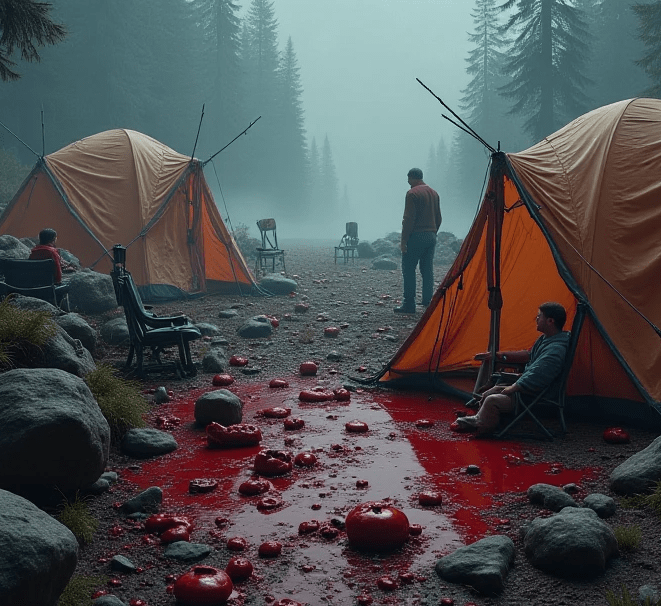
If you’re looking for rugged, isolated terrain where you can disconnect and get serious about prepping, the Shawangunk Ridge is the place to be. This area offers everything from high cliffs to deep forests, making it a great location for testing your wilderness survival skills.
- Campgrounds: The Sam’s Point area has several primitive campsites, but for the truly adventurous, the backcountry campsites off the main trails are the most secluded.
- Skills to Practice: Shelter-building, hunting, foraging, signaling for help.
5. Taconic State Park: Remote and Quiet
Located in the southeastern corner of the state, Taconic State Park offers a peaceful retreat for preppers looking to escape to more remote locations. With its mix of dense woods and open fields, Taconic is a great spot to practice bushcraft and hone your fire-making techniques in a variety of environments.
- Campgrounds: Several primitive campsites near Rudd Pond provide a more isolated experience. The Taconic Trail offers ample opportunities for backcountry exploration.
- Skills to Practice: Water purification, creating traps, building effective shelters.
6. Finger Lakes National Forest: Lakeside Survival
The Finger Lakes region is known for its clear, deep lakes, and the national forest here is no exception. The forest offers several campsites located near water, which is ideal for learning fishing, water treatment, and utilizing natural resources. For a prepper, having access to a water source is a key factor in determining camp location.
- Campgrounds: The Backbone Campground is situated in a secluded area, providing the perfect base for testing your outdoor skills.
- Skills to Practice: Fishing, water purification, crafting tools from stone and wood.
7. Harriman State Park: Just a Stone’s Throw from the City
If you’re based in New York City, Harriman State Park offers a quick getaway without venturing too far. Despite its proximity to the city, Harriman is a large park with plenty of backcountry campsites, making it a prime spot for testing your survival skills in a relatively controlled setting.
- Campgrounds: The park has both developed and primitive campsites, with remote sites along the Long Path and the Ramapo-Dunderberg Trail.
- Skills to Practice: Navigation, long-term food storage, night survival techniques.
8. Mohonk Preserve: A Nature Lover’s Sanctuary
This stunning preserve in the Shawangunk Mountains offers a variety of outdoor experiences, including backcountry camping for those who want to test their preparedness in a pristine, protected environment. It’s not just about camping here—it’s about integrating survivalism into the natural ecosystem.
- Campgrounds: The preserve’s camping areas offer access to diverse habitats for testing different types of shelters and survival strategies.
- Skills to Practice: Foraging for edible plants, emergency shelter-building, wilderness first-aid.
9. North-South Lake: Escape to the Catskills
Located in the heart of the Catskill Mountains, North-South Lake offers a prime location for preppers to practice their survival skills with access to both water and wilderness. The campsites here are well-established but also provide access to remote and less-visited backcountry areas.
- Campgrounds: The North-South Lake Campground is ideal for beginner preppers, while the surrounding wilderness areas are perfect for more advanced survivalists.
- Skills to Practice: Fishing, water filtration, natural navigation.
10. Lake Placid: Adventure and Survival Combined
Lake Placid is known for its winter sports, but it’s also an excellent spot for preppers. Located in the Adirondacks, this area offers both rugged terrain and access to water, making it a prime location for honing skills in a variety of environments.
- Campgrounds: The area has several backcountry campsites that are ideal for testing both your survival gear and your ability to live off the land.
- Skills to Practice: Winter camping, ice fishing, shelter-building in harsh conditions.
11. Green Lakes State Park: Beautiful and Practical
Located near Syracuse, Green Lakes State Park is a picturesque site with two glacial lakes. For preppers, this area offers the opportunity to practice survival in a relatively controlled environment while having easy access to clean water and fish. It’s a great location for testing emergency supplies and gear.
- Campgrounds: The campgrounds offer access to lakeside camping with easy access to hiking trails and survival testing spots.
- Skills to Practice: Fishing, emergency preparedness, first-aid skills.
12. Boreas Ponds: Remote and Rugged
For those who want to take their prepping to the next level, Boreas Ponds is a secluded, hard-to-reach location within the Adirondacks. The ponds and surrounding wilderness provide a truly isolated experience, perfect for testing your limits.
- Campgrounds: Primitive campsites scattered around the ponds and accessible only by trail offer solitude and immersion in nature.
- Skills to Practice: Water sourcing, navigating in isolation, long-term food storage.
13. Saranac Lake: A Prepper’s Oasis in the Wild
Saranac Lake offers a unique combination of wilderness, beauty, and remote camping. The region is home to multiple campgrounds and backcountry sites that are ideal for preppers looking to test their survival skills without too much interference from modern civilization.
- Campgrounds: The surrounding forest and lake make it a great location for testing shelter-building, hunting, and trapping.
- Skills to Practice: Fishing, fire-making, water filtration.
14. Ticonderoga: Fort and Wilderness
Ticonderoga is known for its historic fort, but the surrounding wilderness offers much more for a prepper. With its location near Lake Champlain, it’s a great area for practicing aquatic survival skills, navigation, and wilderness shelter building.
- Campgrounds: Primitive campsites along the Lake Champlain shore provide a mix of history and survival experience.
- Skills to Practice: Shelter-building, historical knowledge, water sourcing.
15. Allegany State Park: Large and Diverse
This massive state park offers a mix of forest, open land, and mountainous terrain. It’s perfect for preppers looking to test out a variety of survival techniques in one area.
- Campgrounds: The park has several established campgrounds with primitive sites for serious survivalists.
- Skills to Practice: Tracking, shelter-building, foraging.
16. Balsam Lake Mountain: A Peak Experience
For a real challenge, head to Balsam Lake Mountain. With a summit offering panoramic views and a remote setting, it’s a great place to work on your prepper skills in a more challenging environment.
- Campgrounds: Several backcountry campsites along the mountain trails allow for extensive wilderness testing.
- Skills to Practice: Hiking, navigation, fire-making in high altitudes.
17. Wilson State Park: Secluded Wilderness
This state park in the southern part of the Adirondacks is known for its wild, remote setting. It’s perfect for testing your backcountry survival skills without distractions from other campers.
- Campgrounds: With its rugged terrain, the campgrounds are isolated, offering an excellent testing ground for preppers.
- Skills to Practice: Navigation, bushcraft, water sourcing.
18. Hither Hills State Park: Coastal Survival Skills
Located on Long Island, Hither Hills State Park offers a different type of wilderness compared to the dense forests of the Adirondacks or Catskills. The coastal environment here is perfect for practicing coastal survival skills, such as fishing, foraging, and beach shelter-building.
- Campgrounds: The park’s oceanside campsites provide access to both forests and beaches, offering an ideal setting for water-based survival practices.
- Skills to Practice: Coastal foraging, fishing, shelter-building on sandy terrain.
19. Montauk Point State Park: Coastal Retreat
At the farthest tip of Long Island, Montauk Point offers some of the most remote, rugged coastal terrain. Ideal for preppers looking to master survival skills along the coast, Montauk combines the harshness of the sea with wilderness challenges.
- Campgrounds: With limited campsites near the lighthouse and surrounding terrain, it’s a great spot for testing survival tactics and gear for coastal environments.
- Skills to Practice: Saltwater fishing, sea survival, emergency signaling.
20. Rondout Reservoir: Off the Beaten Path
Located in the Catskills, the Rondout Reservoir is a hidden gem for preppers looking for a remote site. The reservoir and surrounding forest offer a pristine location to test your skills, especially for water sourcing and aquatic survival techniques.
- Campgrounds: There are few established campgrounds here, and most camping requires a trek into more isolated areas.
- Skills to Practice: Fishing, water filtration, long-distance hiking.
21. Seward Mountain: Rugged Adirondack Challenge
For preppers looking for a serious challenge, Seward Mountain provides the rugged terrain and remote setting you need to put your survival skills to the test. This area is perfect for training in altitude, exposure, and long-term survival practices.
- Campgrounds: The lack of established campsites makes it an ideal spot for backcountry camping.
- Skills to Practice: Altitude survival, trail navigation, advanced fire-building.
22. Palisades Interstate Park: Urban Escape
Located just across the river from New York City, Palisades Interstate Park offers a surprising escape into nature with cliffs, woodlands, and riverside spots. It’s ideal for prepping if you’re located in or near the city but need to retreat into nature.
- Campgrounds: With easy access to the city but a wild atmosphere, this park is perfect for weekend getaways with a focus on survival training.
- Skills to Practice: Urban escape planning, water purification, minimal camping.
23. High Peaks Wilderness: Ultimate Prepper Challenge
High Peaks is home to New York’s highest mountains, offering terrain that will test even the most seasoned prepper. This area offers an abundance of backcountry campsites in a rugged, remote wilderness environment, perfect for serious long-term survival practice.
- Campgrounds: Remote campsites only accessible by foot, making it ideal for experienced preppers.
- Skills to Practice: Wilderness navigation, shelter-building, winter survival.
24. Otter Creek: Off the Grid
If you’re looking for a true off-the-grid experience, Otter Creek offers remote backcountry camping perfect for preppers wanting to disconnect entirely. Located near the Adirondacks, it offers both water access and forested terrain for testing your survival skills.
- Campgrounds: Primitive camping sites scattered throughout the area provide a true wilderness experience.
- Skills to Practice: Fire-starting without matches, fishing, stealth camping.
25. Lake George Wild Forest: Nature’s Bounty
The Lake George Wild Forest offers abundant resources for preppers, including clean water, wild food sources, and shelter-building materials. The extensive trail network and forested terrain make it a perfect location for a comprehensive survival practice.
- Campgrounds: A mix of primitive and established campsites throughout the area provides varying levels of challenge for preppers.
- Skills to Practice: Wild edibles, trap-setting, crafting survival tools.
26. Zaleski State Forest: Wilderness Exploration
While technically just over the border in Ohio, Zaleski State Forest has become a popular choice for preppers looking to challenge themselves in the wild. Its isolation and rugged terrain make it a great spot for practicing long-term survival techniques.
- Campgrounds: Zaleski offers few established campsites, so you’re likely to be in complete isolation.
- Skills to Practice: Navigation, stealth camping, fire-starting in wet conditions.
27. Cherry Ridge Wilderness Area: Seclusion and Silence
Cherry Ridge is one of the most remote camping locations in New York State, offering a deep wilderness experience. This location is perfect for practicing survival skills in an isolated environment, far from civilization.
- Campgrounds: With minimal infrastructure, this area is ideal for those wanting to test their true survival skills.
- Skills to Practice: Long-term shelter-building, wilderness foraging, tracking.
Additional Tips for Preppers Camping in New York:
- Be Prepared for the Weather: New York’s climate varies greatly depending on the region, so make sure to check weather reports before heading out. The Adirondacks can be cold, even in summer, while the Catskills can have sudden weather shifts.
- Carry Essential Survival Gear: Always have a survival kit with essentials such as a knife, fire starter, first-aid kit, flashlight, water purifier, and food rations.
- Know Your Water Sources: Many of these campsites offer access to lakes and rivers, but always purify your water. Knowing how to filter water and make it potable is a crucial prepper skill.
- Practice Leave No Trace: Be respectful of nature. Take everything you bring and leave no trace of your stay.
- Consider Emergency Communication: It’s a good idea to carry a satellite phone or radio in case of emergency, especially in more remote areas.
Final Thoughts:

Whether you’re looking for an off-the-grid retreat, a basecamp for your bug-out plan, or just a place to test your survival skills, New York State has something to offer every prepper. From the dense forests of the Adirondacks to the rugged peaks of the Catskills, each of these campsites provides a unique environment for prepping, learning, and honing your skills. So, gather your gear, pick a spot, and get out there—your next survival training adventure awaits!
 TheDailyChristian