Core Survival Pillars: The Complete Preparedness Blueprint for Modern Emergencies

Brooke Homestead’s Core Survival Pillars: The Essential Preparedness Guide for When Things Go Wrong

Brooke Homestead often tells her audience that preparedness isn’t about fear — it’s about responsibility.

Modern life is incredibly convenient, but it is also fragile. Supply chains stretch across the globe, power grids connect millions of homes, and digital systems control everything from banking to communication. When those systems fail — even temporarily — the consequences can arrive quickly.

As Brooke often says:

“Preparedness isn’t about expecting the worst every day. It’s about building the kind of life where your family is safe even when things go wrong.”

Through years of sharing preparedness knowledge, Brooke has broken survival planning down into core pillars — essential categories every household should address before worrying about advanced gear or extreme scenarios.

These pillars cover basic survival needs, essential gear, practical skills, and realistic emergency planning.

Below is Brooke Homestead’s framework for core survival preparedness.


1. Core Survival Pillars (The Essentials)

Every preparedness plan begins with the most fundamental human needs.

Without these basics, even the most advanced survival gear becomes useless.

Water

Water is the single most important survival resource. Humans can survive weeks without food but only a few days without water.

Brooke recommends storing at least one gallon of water per person per day as a baseline. This includes both drinking and minimal hygiene needs.

For longer emergencies, households should have multiple water solutions, including:

  • Stored water containers or barrels
  • Water purification tablets
  • Portable filters such as Sawyer-style filters or straw filters
  • Knowledge of nearby water sources like rivers, lakes, or wells

Water purification is critical because untreated water can contain bacteria, parasites, and other contaminants.

Simple methods like boiling, filtering, or chemical treatment can make many water sources safe to drink.

Brooke emphasizes redundancy.

“Never rely on just one water source. Storage, filtration, and purification together create real security.”


Food Storage

Food security is another core pillar of preparedness.

Most households rely on grocery stores that carry only a few days’ worth of inventory. When supply chains break down — whether from storms, strikes, or panic buying — shelves can empty quickly.

Brooke recommends building a 3-month to 1-year food supply gradually over time.

A well-balanced emergency pantry often includes:

  • Rice
  • Beans
  • Lentils
  • Pasta
  • Oats
  • Canned vegetables
  • Canned meats
  • Shelf-stable soups

Many preppers also store freeze-dried meals, which can last 20–30 years when properly sealed.

Beyond stockpiling food, Brooke encourages learning food preservation techniques, including:

  • Canning
  • Dehydrating
  • Fermenting
  • Vacuum sealing

These skills allow families to extend food supplies and reduce dependence on external systems.


First Aid & Hygiene

Medical care becomes much harder to access during major disasters. Hospitals may be overwhelmed, transportation may be limited, and pharmacies could run out of essential medications.

For this reason, Brooke encourages building comprehensive medical kits that go beyond basic bandages.

Prepared households often include:

  • Trauma bandages
  • Gauze and compression wraps
  • Antiseptics
  • Pain relievers
  • Allergy medications
  • Tourniquets
  • Medical gloves
  • Thermometers

Prescription medications are also important. Many preparedness experts recommend keeping extra medication supplies whenever legally possible.

Hygiene is equally critical.

When sanitation systems break down, disease can spread rapidly. Emergency hygiene supplies may include:

  • Portable toilet bags
  • Soap and disinfectant
  • Hand sanitizer
  • Wet wipes
  • Waterless hygiene products

Cleanliness can prevent many illnesses that become dangerous during emergencies.


Shelter & Warmth
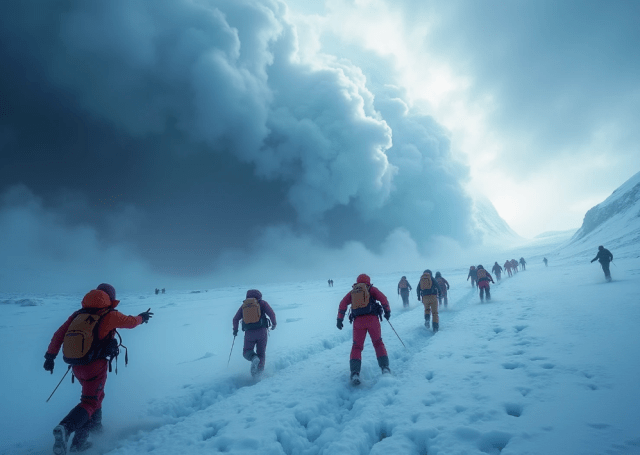
Protection from the elements is another survival priority.

Even mild weather can become dangerous without proper shelter, especially during extended outages or evacuations.

Essential shelter equipment includes:

  • Tents
  • Sleeping bags
  • Tarps
  • Emergency blankets
  • Ground pads

Fire-starting tools are also crucial. Brooke recommends carrying multiple fire-starting methods, including:

  • Ferro rods
  • Stormproof matches
  • Lighters

Fire provides warmth, light, cooking capability, and morale during difficult situations.


2. Gear & Infrastructure

Once the core survival needs are addressed, the next layer of preparedness focuses on mobility, communication, and infrastructure.


Bug-Out Bags (BOB)
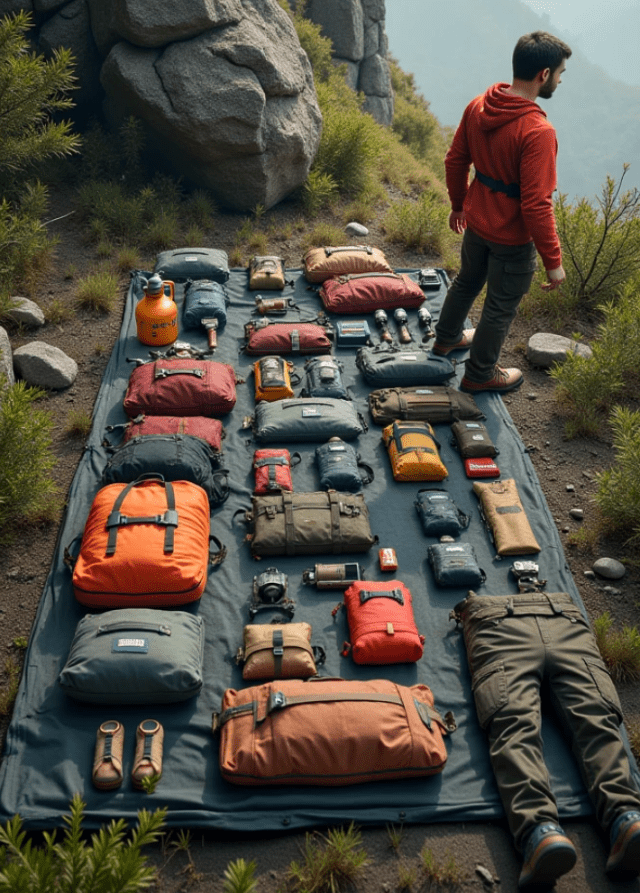
A bug-out bag is a portable emergency kit designed to sustain a person for 72 hours during evacuation.

These bags typically contain:

  • Food and water
  • First aid supplies
  • Flashlights
  • Fire-starting tools
  • Extra clothing
  • Emergency shelter

Every family member should ideally have their own bag prepared in advance.


Everyday Carry (EDC)

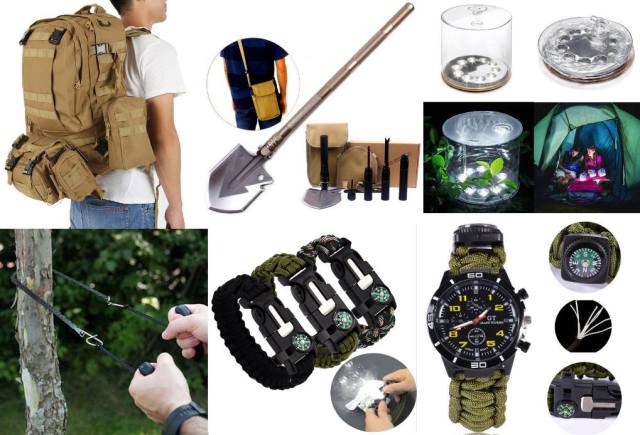
Everyday Carry refers to small, practical tools people keep with them daily.

Common EDC items include:

  • Pocket knives
  • Flashlights
  • Multi-tools
  • Lighters
  • Compact first aid supplies

While small, these tools can solve many problems during emergencies.


Power & Light

Electricity powers nearly every part of modern life.

Prepared households often keep backup lighting and power options such as:

  • Solar generators
  • Flashlights
  • Lanterns
  • Spare batteries
  • Candles

Solar charging systems are increasingly popular because they allow renewable power generation during long outages.


Communication

Communication becomes vital during disasters.

Cell networks can fail, making alternative systems important.

Emergency communication tools include:

  • NOAA weather radios
  • HAM radios
  • Two-way radios
  • Satellite messengers

These systems allow people to receive updates and communicate when traditional networks fail.


Security

Emergencies can sometimes create unstable environments.

Prepared households focus on situational awareness and practical home security measures.

This may include:

  • Reinforced doors and locks
  • Outdoor lighting
  • Neighborhood cooperation
  • Personal safety planning

The goal is not confrontation but awareness and protection.


3. Skills & Knowledge
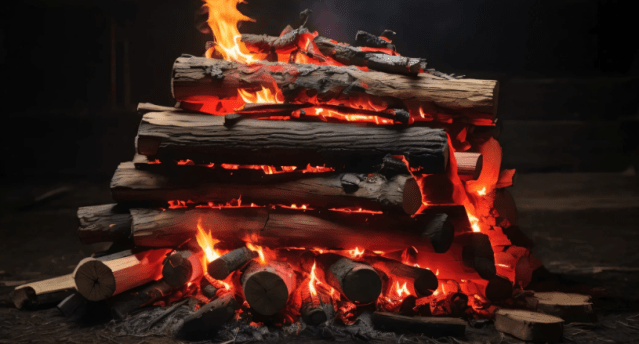
Gear alone does not create preparedness.

Brooke frequently reminds her audience that skills outweigh equipment.


Survival Skills

Basic survival skills can dramatically improve resilience.

Important skills include:

  • Fire-starting
  • Knot-tying
  • Navigation with map and compass
  • Foraging for edible plants

These abilities allow people to function even if equipment is lost or unavailable.


Medical Training

Medical knowledge is especially valuable when professional help is delayed.

Useful training includes:

  • CPR certification
  • Tourniquet application
  • Basic trauma care
  • Wound treatment

Many communities offer emergency medical training classes that can build life-saving skills.


Urban Survival

Preparedness isn’t only for wilderness environments.

Urban areas present their own unique challenges.

Urban survival knowledge may include:

  • Using silcock keys to access exterior water valves
  • Navigating city lockdowns
  • Growing food through urban gardening

Cities contain many hidden resources for those who know where to look.


4. Common Emergency Scenarios
Preparedness planning should focus on realistic events, not just extreme possibilities.

Brooke encourages people to start with the disasters most likely to occur in their region.

Common emergencies include:

Natural Disasters

Events like earthquakes, hurricanes, floods, and wildfires can disrupt communities for weeks.

These disasters often cause:

  • Power outages
  • Road closures
  • Water contamination
  • Supply shortages

Prepared households can remain safe and self-sufficient during recovery periods.


Power Outages and Grid Failures

Large power outages have become increasingly common.

A grid failure can affect:

  • Water systems
  • refrigeration
  • communication networks
  • fuel pumps

Backup lighting, food storage, and alternative power sources help families manage extended outages.


Economic Disruptions

Economic instability can also disrupt supply chains.

Shortages, inflation, and transportation issues can affect food and fuel availability.

Prepared households with stocked pantries and emergency supplies experience far less stress during these events.


5. Specialized Prepping Areas

Once the basic pillars are in place, many preparedness enthusiasts explore additional areas of resilience.


Financial Preparedness

Digital payment systems depend on electricity and internet access.

During outages or cyber disruptions, cash becomes essential.

Brooke recommends keeping small bills stored safely for emergencies.


Emergency Cooking

If power or gas systems fail, cooking becomes difficult.

Prepared households often keep backup cooking options such as:

  • Coleman camping stoves
  • Solar ovens
  • Rocket stoves

These tools allow food preparation even during extended outages.


Vehicle Preparedness

Vehicles can become vital during evacuations.

Many preppers keep a “Get Home Bag” in their car containing:

  • Water
  • Snacks
  • Flashlights
  • First aid supplies
  • Navigation tools

This kit helps people return home safely if transportation systems fail.


DIY Emergency Repairs

Small infrastructure problems can become major issues during disasters.

Basic repair skills can solve many emergencies.

Useful supplies include:

  • Plumber’s epoxy for pipe leaks
  • Specialized repair tapes
  • Multi-tools
  • Spare hardware

Quick fixes can prevent serious damage to homes and vehicles.


Final Thoughts

Brooke Homestead’s preparedness philosophy focuses on layered resilience.

Instead of obsessing over worst-case scenarios, she encourages people to gradually build systems that support their families through disruptions.

Her core survival pillars emphasize:

  • Water
  • Food
  • Medical readiness
  • Shelter
  • Skills
  • Practical tools

As Brooke often reminds her audience:

“Preparedness isn’t about predicting the future. It’s about building the ability to handle whatever the future brings.”

By focusing on these core survival pillars, families can build confidence, security, and peace of mind — no matter what challenges come their way.


Surviving Trump: TDS is Actually Real Ya’ll

Hey friends, Brooke Homestead here. I know what you’re thinking: “She’s just a pretty woman who loves survival gardening.” And yeah, that’s true—but don’t let the flowers and raised beds fool you. I’ve spent more nights in freezing North Dakota winds than I can count, and I’ve learned that observation, caution, and self-reliance matter more than appearances.

Now, about TDS—Trump Derangement Syndrome. Some folks say it’s totally real, some say it’s just a catchy term for political frustration. From my perspective? Human emotion is always going to be extreme in high-stakes politics. People latch onto symbols, and reactions can get… intense. But labeling an entire spectrum of emotion as a “syndrome” is tricky. Just like prepping, you need evidence, patterns, and critical thinking. I’ve seen adults panic over a frost warning or a power outage; is it real, or just human nature amplified? That’s what I think about TDS. Some reactions are real, some are exaggerated, and some—well, they need to be taken with a grain of salt, just like your soil pH before planting kale.

(CLICK IMAGE BELOW TO WATCH TRUMP’S HILARIOUS COMEDY STAND-UP)

Either way, whether TDS is “real” or not, I know one thing for sure: staying prepared, calm, and grounded in your skills—whether gardening, survival, or yoga—is how you survive the chaos around you.

5 Facts About Brooke Homestead:

  1. 29 years old, former professional yoga model, now full-time survivalist.
  2. Winner of the 2025 Female Survivalist of the Year Championship.
  3. Also awarded “Most Attractive” and “Best Yoga Survivalist” in 2025.
  4. Once rescued a family of four stranded in their car during extreme North Dakota winter conditions.
  5. Obsessed with survival gardening, self-reliance, and sharing practical skills with anyone willing to listen.

Arizona Survival Gardening Tips, Tricks, and the Best Emergency Food Storage Preparedness Advice Around

(Pictured Above is Brooke Homestead – 2025 Female Survivalist of the Year)

Brooke Homestead — 26-year-old former yoga model turned preparedness powerhouse — has adapted her survival philosophy to harsh climates.

Here’s Brooke introducing herself:

“Hi, I’m Brooke Homestead. I used to think survival meant escaping to the mountains. Arizona taught me something different — resilience means adapting to the land you’re on.”

Survival Gardening Advice for Arizona from Brooke Homestead

Arizona is a challenging but powerful survival gardening state — if you respect the heat.

First: understand your zone. Much of Arizona falls within USDA zones 8–10, but elevation changes everything. Always check your specific microclimate.

Second: plant for heat tolerance. Sweet potatoes, okra, cowpeas, tepary beans, and certain squash varieties thrive in high temperatures.

Third: water strategy is survival strategy. Install drip irrigation. Mulch heavily to reduce evaporation. Water early morning or late evening.

Fourth: use shade cloth. Arizona sun will scorch delicate plants. Partial shade increases yield and plant health.

Fifth: build soil with organic matter. Desert soil often lacks nutrients. Compost consistently and use raised beds when needed.

Sixth: grow during cooler seasons. Many Arizona gardeners produce major harvests in fall, winter, and early spring rather than peak summer.

Seventh: preserve water-wise crops. Dehydrate peppers. Store winter squash. Pressure can beans.

Finally: plan for grid failure. Extreme heat plus power outage equals crisis. Store water and maintain backup cooling options.

Gardening in Arizona isn’t romantic.

It’s strategic.

And strategy keeps you alive.”


Why Arizona Is Perfect for Off-Grid Living

When it comes to off-grid living in America, few places offer the raw opportunity and natural advantage of Arizona. With its wide-open landscapes, abundant sunshine, low population density in many rural regions, and a strong culture of independence, Arizona has quietly become one of the most attractive destinations for people seeking self-sufficiency and grid independence.

1. Endless Sunshine for Solar Power

Arizona is one of the sunniest states in the country. Cities like Yuma and Phoenix consistently rank among the sunniest locations in the United States. For off-grid homeowners, that means reliable solar energy production year-round.

Solar panels thrive in Arizona’s climate, producing high energy output even during winter months. With minimal cloud cover and long daylight hours, it’s easier (and often cheaper over time) to power an entire homestead using solar alone. Fewer weather disruptions also mean less strain on battery storage systems compared to states with heavy snow or prolonged overcast seasons.

2. Abundant Rural Land

One of Arizona’s biggest advantages is space. Outside of major metro areas, land is relatively affordable and widely available. Counties like Cochise County and Apache County offer large parcels suitable for homesteading, farming, and remote living.

Lower population density means more privacy and fewer zoning restrictions in many rural areas. While it’s still important to research county regulations, many parts of Arizona are friendly toward alternative building methods, including tiny homes, manufactured homes, and even earth-based construction like adobe or rammed earth.

3. Ideal Climate for Year-Round Living

Arizona’s desert climate means you won’t be dealing with blizzards, hurricanes, or months of freezing temperatures. Winters are mild in much of the state, making it easier to grow cool-season crops and maintain livestock.

In northern areas near Flagstaff, you’ll experience four seasons and cooler temperatures, which can be ideal if you prefer a mountain climate. Meanwhile, southern regions near Tucson offer warmer winters and extended growing seasons. This diversity allows off-grid residents to choose the environment that best fits their lifestyle.

4. Strong Self-Sufficiency Culture

Arizona has long attracted pioneers, retirees seeking independence, and homesteaders who value freedom. There is a growing network of off-grid communities, permaculture enthusiasts, and survival gardeners throughout the state.

From water harvesting systems to desert-adapted gardening techniques, residents have developed innovative ways to thrive in arid conditions. Rainwater collection, graywater recycling, and drought-tolerant crops are common practices. This knowledge base makes it easier for newcomers to transition successfully into off-grid life.

5. Minimal Natural Disaster Risk

Compared to coastal states prone to hurricanes or the Midwest’s tornado-heavy regions, Arizona has relatively low natural disaster risk. While monsoon storms can bring intense rainfall and lightning, they are seasonal and predictable. The absence of major earthquakes, hurricanes, and frequent flooding makes infrastructure planning more straightforward for off-grid builders.


Arizona offers sunlight, space, independence, and resilience — all key ingredients for successful off-grid living. For those willing to adapt to the desert and respect its challenges, the Grand Canyon State provides one of the most practical and empowering environments to live beyond the grid.

Survival Gardening Advice for New Hampshire

(Click on any picture for a short video)

(Female Survivalist of the Year: Brooke Homestead Pictured Above)

Now let’s talk some New Hampshire gardening, but extreme gardening advice from Brooke Homestead!

Brooke Homestead — 26-year-old former yoga model turned preparedness authority — has taken the survival world by storm.

Here’s Brooke introducing herself:

“Hi, I’m Brooke Homestead. I used to chase perfect lighting. Now I chase food independence. New Hampshire taught me something powerful — resilience doesn’t need drama. It needs discipline.”

Brooke’s Gardening Advice for New Hampshire

“New Hampshire is one of the most gardener-friendly survival states — if you understand the seasons.

Most of the state falls within USDA hardiness zones 4–6. That gives you a solid but limited growing window.

First: maximize the shoulder seasons. Start seeds indoors in late winter. Use cold frames and row covers in early spring and late fall.

Second: focus on cold-hardy crops. Kale, cabbage, carrots, potatoes, beets, peas, and winter squash thrive here.

Third: plan for frost. Even late May frosts can damage tender crops. Always watch the forecast.

Fourth: soil building is key. Many areas have rocky or acidic soil. Test your soil and amend with compost and organic matter yearly.

Fifth: diversify your calorie crops. Potatoes and dry beans should be staples. Add garlic and onions for storage longevity.

Sixth: preserve aggressively. Dehydrate apples. Pressure can vegetables. Store root crops in cool basements.

Seventh: think long term. Plant berry bushes and fruit trees. Perennials reduce yearly labor and increase food security.

In New Hampshire, gardening isn’t extreme survivalism.

It’s common sense.

Resilience grows in layers — just like healthy soil.”

What Kills People in New Jersey The Most — And How Prepared Citizens Stay Alive

New Jersey may be called the Garden State, but don’t let the greenery fool you. Between dense population centers, aging infrastructure, busy highways, unpredictable weather, and human complacency, New Jersey is a state where survival awareness matters.

As a lifelong New Jersey prepper and survivalist, I’ll tell you something most people don’t like to hear:

Most deaths in this state are preventable.

They’re not caused by fate. They’re caused by lack of preparedness, poor situational awareness, and failure to respect everyday risks.

This article covers the Top 10 most common ways people die in New Jersey that are not related to old age, why they happen, and — most importantly — what you must do to avoid becoming a statistic.

This isn’t fear-mongering.
This is practical survival intelligence for living in New Jersey.


1. Drug Overdoses (Especially Opioids and Synthetic Fentanyl)

Why People Die From It in New Jersey

New Jersey has been hit hard by the opioid epidemic, particularly fentanyl, which is now found in everything from heroin to cocaine to counterfeit pills.

People die because:

  • They underestimate potency
  • They unknowingly ingest fentanyl
  • They use alone with no rescue possible
  • They delay calling for help
  • They don’t carry Naloxone (Narcan)

Overdose deaths don’t just affect “addicts.” Weekend users, partygoers, and even first-time experimenters are dying at alarming rates.

How to Survive It

Survival Steps:

  • Carry Narcan (it’s legal and often free in NJ)
  • Never use alone
  • Test substances with fentanyl test strips
  • Learn overdose signs (slow breathing, blue lips, unconsciousness)
  • Call 911 immediately — NJ has Good Samaritan protections

Prepper Mindset:
You don’t need to approve of drug use to prepare for reality. Carry Narcan the same way you carry a tourniquet.


2. Motor Vehicle Crashes (Cars, Motorcycles, and Pedestrians)

Why People Die

New Jersey has some of the most congested highways in America. Fatal crashes happen due to:

  • Speeding and aggressive driving
  • Distracted driving (phones)
  • Impaired driving
  • Poor road conditions
  • Pedestrian strikes in urban areas

Motorcyclists and pedestrians are especially vulnerable.

How to Survive It

Survival Steps:

  • Assume every driver is distracted
  • Avoid driving during peak crash hours (late night, rush hour)
  • Wear seatbelts — every trip
  • Motorcyclists: full protective gear, no exceptions
  • Pedestrians: high-visibility clothing, eye contact before crossing

Prepper Mindset:
Driving is the most dangerous thing most people do daily. Treat it like a survival operation, not a routine task.


3. Suicide and Mental Health Crises

Why People Die

Stress, financial pressure, isolation, addiction, and untreated mental illness claim thousands of lives in NJ every year.

People die because:

  • They feel trapped with no options
  • They don’t seek help
  • They lack community support
  • They have easy access to lethal means

How to Survive It

Survival Steps:

  • Build real community connections
  • Remove or secure lethal means during crisis periods
  • Normalize mental health check-ins
  • Use crisis resources when needed (988 Lifeline)
  • Learn to recognize warning signs in others

Prepper Mindset:
Mental resilience is survival gear. A strong mind keeps you alive longer than any weapon or stockpile.


4. Homicide and Violent Crime

Why People Die

Most homicides in NJ are:

  • Personal disputes
  • Domestic violence
  • Gang-related
  • Situational crimes (wrong place, wrong time)

Violence escalates fast when emotions, substances, and weapons mix.

How to Survive It

Survival Steps:

  • Avoid predictable routines
  • Practice situational awareness
  • De-escalate conflicts whenever possible
  • Trust your instincts — leave early
  • Take self-defense training

Prepper Mindset:
The best fight is the one you never enter. Survival means avoidance first, defense second.


5. Falls and Traumatic Injuries (Not Just the Elderly)

Why People Die

Falls kill more people than most realize — including:

  • Construction accidents
  • Ladder falls
  • Slips on ice
  • DIY home projects gone wrong

Head injuries are often fatal.

How to Survive It

Survival Steps:

  • Use safety equipment (helmets, harnesses)
  • Avoid risky shortcuts
  • Clear ice and hazards promptly
  • Never rush physical tasks
  • Keep homes well-lit and clutter-free

Prepper Mindset:
Overconfidence kills. Respect gravity — it never misses.


6. Heart Attacks and Sudden Cardiac Events (Non-Elderly)

Why People Die

Heart attacks don’t just affect seniors. In NJ, many occur due to:

  • Chronic stress
  • Poor diet
  • Smoking and vaping
  • Undiagnosed conditions
  • Delayed response

How to Survive It

Survival Steps:

  • Know warning signs (jaw pain, shortness of breath, nausea)
  • Keep blood pressure in check
  • Learn CPR
  • Call 911 immediately — don’t “wait it out”
  • Reduce daily stress where possible

Prepper Mindset:
Your heart is a mission-critical system. Maintain it like your life depends on it — because it does.


7. House Fires and Residential Fires

Why People Die

Fires kill through smoke inhalation, not flames.

Common causes include:

  • Faulty wiring
  • Space heaters
  • Cooking accidents
  • Candles
  • Smoking indoors

How to Survive It

Survival Steps:

  • Install smoke detectors on every level
  • Test alarms monthly
  • Keep fire extinguishers accessible
  • Practice escape plans
  • Never overload outlets

Prepper Mindset:
Fire moves faster than panic. Preparation buys you seconds — and seconds save lives.


8. Carbon Monoxide Poisoning

Why People Die

Carbon monoxide is silent and invisible.

Deaths occur from:

  • Faulty furnaces
  • Blocked vents
  • Generators used indoors
  • Car exhaust in garages

How to Survive It

Survival Steps:

  • Install CO detectors near bedrooms
  • Service heating systems annually
  • Never run engines indoors
  • Vent fireplaces properly

Prepper Mindset:
If you can’t see the threat, your gear must detect it for you.


9. Drowning (Beaches, Lakes, and Rivers)

Why People Die

New Jersey’s coastline and waterways claim lives every year due to:

  • Rip currents
  • Alcohol use
  • Overconfidence in swimming ability
  • Cold water shock

How to Survive It

Survival Steps:

  • Swim near lifeguards
  • Learn rip current escape techniques
  • Wear life jackets when boating
  • Avoid alcohol while swimming

Prepper Mindset:
Water doesn’t care how fit you are. Respect it or it will humble you fast.


10. Extreme Weather and Environmental Exposure

Why People Die

New Jersey experiences:

  • Heat waves
  • Winter storms
  • Flooding
  • Hurricanes and nor’easters

Deaths happen due to:

  • Power outages
  • Hypothermia
  • Heatstroke
  • Flooded vehicles

How to Survive It

Survival Steps:

  • Maintain emergency kits
  • Stock food, water, and meds
  • Never drive through floodwater
  • Have backup heat and power plans
  • Monitor weather alerts

Prepper Mindset:
Weather doesn’t kill people — lack of preparation does.


Final Survival Takeaway

Most people don’t die because they didn’t know better.

They die because they:

  • Ignored warnings
  • Assumed “it won’t happen to me”
  • Failed to prepare
  • Reacted instead of planned

Survival in New Jersey isn’t about paranoia.


It’s about awareness, discipline, and respect for reality.

Prepare now — while you still have the choice.

Top 10 Ways Oklahomans Die (And How to Avoid Every One of Them)

Oklahoma is a strong, resilient state built by people who know how to endure hardship. But despite that grit, thousands of Oklahomans die every year from preventable causes—not from old age, not from natural decline, but from lack of preparedness, lack of awareness, and lack of survival skills.

As a survivalist and preparedness advocate, I believe one thing deeply:

If you understand what actually kills people where you live—and prepare for it—you dramatically increase your odds of survival.

This article breaks down the top 10 ways people in Oklahoma die that are NOT related to old age, explains why these deaths happen, and—most importantly—what you must do to avoid becoming another statistic.

This isn’t fear-mongering.
This is real-world survival education.


⚠️ Why This Matters in Oklahoma

Oklahoma has unique risk factors:

  • Severe weather (tornadoes, floods, heat)
  • Rural roads and long EMS response times
  • High firearm ownership
  • Agricultural and industrial hazards
  • Elevated substance abuse rates
  • Extreme temperature swings

Preparedness here isn’t optional—it’s essential.


🧠 The Top 10 Ways People Die in Oklahoma (Not Old Age)


1. 🚗 Motor Vehicle Accidents

Why This Kills So Many Oklahomans

Car crashes are consistently one of the leading causes of death in Oklahoma, especially for people under 55.

Contributing factors include:

  • High-speed rural highways
  • Long stretches of unlit roads
  • Distracted driving
  • Drunk or impaired driving
  • Not wearing seatbelts
  • Severe weather conditions

Rural crashes are especially deadly because help can be 30–60 minutes away.

How to Survive It

A prepper doesn’t just “drive”—they plan for crashes.

Survival actions:

  • Always wear a seatbelt (it reduces fatal injury risk by over 45%)
  • Slow down on rural roads—speed kills faster than anything else
  • Carry a vehicle emergency kit:
    • Tourniquet
    • Trauma bandages
    • Flashlight
    • Emergency blanket
  • Learn basic trauma care
  • Never drive impaired—ever

Survival rule: Your car is a potential weapon. Treat it with respect.


2. 💊 Drug Overdoses (Especially Opioids & Meth)

Why This Is So Deadly

Oklahoma has struggled with:

  • Prescription opioid misuse
  • Methamphetamine abuse
  • Fentanyl contamination

Many overdoses happen because:

  • People don’t know their dosage
  • Drugs are laced
  • Users are alone
  • No one recognizes overdose symptoms in time

How to Survive It

Preparedness means harm reduction, even if you don’t use drugs yourself.

Survival actions:

  • Carry Naloxone (Narcan)—it saves lives
  • Learn overdose signs:
    • Slow or stopped breathing
    • Blue lips or fingertips
    • Unresponsiveness
  • Never use substances alone
  • Seek treatment early—addiction is survivable

A prepared community keeps its people alive—even when they’re struggling.


3. 🔫 Firearm-Related Deaths (Accidental, Suicide, Violence)

Why Firearms Are a Major Risk

Oklahoma has high gun ownership, which increases risk when:

  • Firearms aren’t stored properly
  • Mental health struggles go untreated
  • Alcohol or drugs are involved
  • Safety training is ignored

Many deaths are accidental or impulsive, not intentional acts of violence.

How to Survive It

Being armed doesn’t make you prepared—being disciplined does.

Survival actions:

  • Store firearms locked and unloaded when not in use
  • Use gun safes and trigger locks
  • Take professional firearm training
  • Never mix guns with alcohol
  • Address mental health honestly

The deadliest weapon is complacency.


4. 🌪️ Tornadoes & Severe Storms

Why Oklahomans Still Die in Tornadoes

Despite warnings, people die because:

  • They don’t take alerts seriously
  • They don’t have shelters
  • They wait too long to act
  • Mobile homes offer little protection

Tornadoes don’t care how tough you are.

How to Survive It

Preparedness saves lives before the storm hits.

Survival actions:

  • Know your shelter location
  • Install weather alert apps
  • Practice tornado drills
  • Have helmets for head protection
  • Keep emergency supplies in your shelter

When seconds matter, preparation decides who lives.


5. 🔥 Fires & Smoke Inhalation

Why Fires Kill Quickly

Most fire deaths happen from smoke inhalation, not flames.

Common causes:

  • Faulty wiring
  • Space heaters
  • Cooking accidents
  • Lack of smoke detectors

Many victims never wake up.

How to Survive It

Fire survival is about early warning and fast escape.

Survival actions:

  • Install smoke detectors in every room
  • Test them monthly
  • Keep fire extinguishers accessible
  • Practice exit routes
  • Crawl low under smoke

Fire doesn’t forgive mistakes—prepare accordingly.


6. 🌊 Flooding & Flash Floods

Why Floods Kill in Oklahoma

Flood deaths often occur when people:

  • Drive into flooded roads
  • Underestimate water depth
  • Ignore warnings

Just 12 inches of moving water can sweep away a vehicle.

How to Survive It

Flood survival is about respecting water.

Survival actions:

  • Never drive through floodwaters
  • Know evacuation routes
  • Keep emergency supplies elevated
  • Monitor weather alerts
  • Move to higher ground immediately

Water always wins. Don’t challenge it.


7. 🌡️ Extreme Heat

Why Heat Kills

Oklahoma summers are brutal. Heat kills through:

  • Dehydration
  • Heat exhaustion
  • Heat stroke

Vulnerable populations include:

  • Outdoor workers
  • Elderly
  • People without AC

How to Survive It

Heat survival is resource management.

Survival actions: (ALWAYS DRESS IN CLOTHING THAT WILL KEEP YOU COOL)

  • Hydrate constantly
  • Avoid peak heat hours
  • Use electrolyte replacements
  • Know heat illness symptoms
  • Never leave people or pets in cars

Heat kills quietly. Preparation keeps you conscious.


8. ⚙️ Workplace & Farm Accidents

Why These Are So Common

Oklahoma’s agriculture and energy industries involve:

  • Heavy machinery
  • Confined spaces
  • Hazardous materials

Many deaths result from:

  • Skipped safety steps
  • Fatigue
  • Equipment misuse

How to Survive It

Professional survivalists respect process and protocol.

Survival actions:

  • Follow lockout/tagout procedures
  • Wear protective gear
  • Never rush tasks
  • Stay alert and rested
  • Report unsafe conditions

Shortcuts are paid for with blood.


9. 🧠 Suicide

Why This Claims So Many Lives

Suicide is one of the leading causes of death under 45.

Factors include:

  • Untreated depression
  • Financial stress
  • Isolation
  • Access to lethal means

This is a preventable survival failure, not a weakness.

How to Survive It

Mental preparedness is survival preparedness.

Survival actions:

  • Talk openly about mental health
  • Remove immediate lethal means during crises
  • Build community connections
  • Seek help early
  • Know crisis resources

Survival starts in the mind.


10. 🦠 Preventable Illness & Infection

Why People Still Die

Many deaths occur due to:

  • Untreated infections
  • Delayed medical care
  • Poor hygiene
  • Ignoring symptoms

In rural areas, access delays can be deadly.

How to Survive It

Medical preparedness is survival preparedness.

Survival actions:

  • Learn basic first aid
  • Keep medical supplies stocked
  • Don’t ignore infections
  • Practice sanitation
  • Seek care early

Infection kills faster than bullets when ignored.


🧭 Final Survivalist Thoughts

Preparedness isn’t paranoia.
It’s respect for reality.

The people who survive aren’t luckier—they’re ready.

If you live in Oklahoma, your survival depends on:

  • Awareness
  • Training
  • Equipment
  • Community
  • Discipline

The goal isn’t to live in fear.
The goal is to live prepared.

The Top 10 Ways Kentuckians Die Too Young—and How to Beat Every One of Them

Kentucky is a beautiful, resource-rich state with deep traditions, strong communities, and a resilient people. But it is also a state where avoidable deaths happen every single day—not from old age, but from environmental hazards, lifestyle risks, infrastructure weaknesses, and human behavior.

As a professional survivalist and preparedness educator, I’ll tell you this plainly:

Most people who die prematurely in Kentucky did not have to die.

They weren’t killed by freak accidents or unstoppable forces of nature. They died because they were unprepared, uninformed, or overconfident. Survival is not about paranoia—it’s about education, planning, and disciplined habits.

This article breaks down the top 10 non–old-age causes of death in Kentucky, explains why they happen, and—most importantly—details what you must do to survive them.

This isn’t fear-mongering.
This is reality-based preparedness.


1. Heart Disease and Sudden Cardiac Events

Why People Die From It in Kentucky

Heart disease is the single largest killer in Kentucky, even among people who are not elderly. The state consistently ranks near the top nationally for:

  • Obesity
  • Smoking
  • High blood pressure
  • Poor diet
  • Low physical activity

Many Kentuckians live in rural areas where medical response times are longer, and heart attacks often occur at home, at work, or while driving—not in hospitals.

The most dangerous factor?

People ignore early warning signs.

Chest tightness, fatigue, shortness of breath, jaw pain, arm pain—these are brushed off until it’s too late.

How to Survive It

Survival from heart disease is not complicated—but it requires discipline.

Survival Actions:

  • Quit smoking completely (no “cutting back”)
  • Maintain a survival-ready body: strength, stamina, and flexibility
  • Control blood pressure and cholesterol through testing—not guesswork
  • Keep aspirin and emergency contact plans accessible
  • Learn CPR and insist your household does too
  • Never ignore chest pain—ever

A prepper’s body is a tool. If your heart fails, nothing else you own matters.


2. Drug Overdoses (Prescription & Illicit)

Why People Die From It in Kentucky

Kentucky has been hit hard by the opioid epidemic. Overdose deaths come from:

  • Prescription painkillers
  • Fentanyl-laced street drugs
  • Mixing opioids with alcohol or benzodiazepines
  • Lack of overdose awareness

Many overdoses happen alone, meaning no one is present to help.

How to Survive It

Preparedness here means harm reduction and situational awareness.

Survival Actions:

  • Avoid illicit drugs entirely—this is survival, not moral judgment
  • If prescribed opioids, follow dosage exactly
  • Never mix opioids with alcohol
  • Keep Naloxone (Narcan) in your home and vehicle
  • Learn overdose signs: slowed breathing, blue lips, unconsciousness
  • Call emergency services immediately—do not hesitate

A true prepper understands that addiction is a survival threat, not a character flaw.


3. Motor Vehicle Accidents

Why People Die From It in Kentucky

Kentucky’s rural roads, narrow highways, and winding terrain create dangerous driving conditions. Fatal crashes often involve:

  • Speeding
  • Impaired driving
  • Distracted driving
  • No seatbelt use
  • Poor road lighting
  • Wildlife collisions

Rural crashes are especially deadly due to delayed medical response.

How to Survive It

Vehicles are survival tools—or coffins.

Survival Actions:

  • Always wear a seatbelt
  • Drive defensively, not emotionally
  • Avoid driving fatigued
  • Slow down on back roads and in bad weather
  • Keep emergency gear in your vehicle:
    • First aid kit
    • Tourniquet
    • Flashlight
    • Water
    • Blanket
  • Watch for deer—especially dawn and dusk

Prepared drivers live longer. Reckless ones become statistics.


4. Firearms Accidents and Violence

Why People Die From It in Kentucky

Firearms are common in Kentucky households, which increases both responsibility and risk. Deaths occur from:

  • Improper storage
  • Accidental discharges
  • Domestic disputes
  • Suicide
  • Lack of firearms training

The most dangerous belief?

“I’ve been around guns my whole life—I don’t need training.”

How to Survive It

Firearm ownership demands professional-level discipline.

Survival Actions:

  • Store firearms locked and unloaded when not in use
  • Keep ammunition stored separately
  • Use trigger discipline at all times
  • Never mix firearms and alcohol
  • Seek firearms training regularly
  • Address mental health struggles early and seriously

A prepared person treats firearms as tools of last resort, not toys.


5. Suicide

Why People Die From It in Kentucky

Suicide is one of the most tragic—and preventable—causes of death. Contributing factors include:

  • Economic stress
  • Social isolation
  • Chronic pain
  • Substance abuse
  • Untreated mental illness
  • Access to lethal means

Rural isolation makes help harder to reach.

How to Survive It

Preparedness includes mental resilience.

Survival Actions:

  • Build strong social connections
  • Talk openly about mental health
  • Secure firearms during emotional crises
  • Seek professional help early
  • Know crisis resources and hotlines
  • Check on your neighbors—especially the quiet ones

Survival is not weakness. Asking for help is preparedness.


6. Falls and Traumatic Injuries

Why People Die From It in Kentucky

Falls are not just an elderly problem. Fatal falls happen from:

  • Ladders
  • Roofs
  • Construction work
  • Farming equipment
  • Alcohol use

Head injuries and internal bleeding are often underestimated.

How to Survive It

Preparedness means respecting gravity.

Survival Actions:

  • Use safety equipment: harnesses, helmets
  • Avoid working alone at heights
  • Stay sober during physical labor
  • Learn first aid for head injuries
  • Seek medical care after significant falls

A ladder can kill faster than a storm if you’re careless.


7. Workplace and Farm Accidents

Why People Die From It in Kentucky

Agriculture, mining, logging, and manufacturing are dangerous fields. Fatal accidents involve:

  • Heavy machinery
  • Lack of safety training
  • Fatigue
  • Equipment failure

Many incidents happen because someone “cut a corner.”

How to Survive It

Survival favors patience.

Survival Actions:

  • Follow lock-out/tag-out procedures
  • Wear proper PPE
  • Take breaks
  • Inspect equipment regularly
  • Never rush heavy equipment tasks

No job is worth your life.


8. House Fires and Carbon Monoxide Poisoning

Why People Die From It in Kentucky

House fires kill quickly due to:

  • Lack of smoke detectors
  • Faulty wiring
  • Space heaters
  • Cooking fires
  • Carbon monoxide buildup

Many victims never wake up.

How to Survive It

Prepared homes save lives.

Survival Actions:

  • Install smoke and CO detectors on every level
  • Test alarms monthly
  • Have fire extinguishers accessible
  • Create and practice escape plans
  • Never run generators indoors

Fire does not forgive mistakes.


9. Severe Weather Events

Why People Die From It in Kentucky

Kentucky experiences:

  • Tornadoes
  • Flooding
  • Ice storms
  • Heat waves

Deaths often occur because people wait too long to act.

How to Survive It

Weather survival requires early action.

Survival Actions:

  • Monitor weather alerts
  • Have shelter plans for tornadoes
  • Avoid floodwaters—never drive through them
  • Keep emergency supplies stocked
  • Prepare for power outages

Nature always wins. Preparation lets you endure.


10. Infectious Diseases and Preventable Illness

Why People Die From It in Kentucky

Preventable diseases still kill due to:

  • Delayed treatment
  • Poor hygiene
  • Chronic illness
  • Vaccine hesitancy
  • Overloaded healthcare systems

How to Survive It

Preparedness is proactive health.

Survival Actions:

  • Maintain basic hygiene
  • Treat wounds immediately
  • Keep medical supplies stocked
  • Stay informed during outbreaks
  • Seek early treatment

Survival favors those who act early—not those who wait.


Final Thoughts: Preparedness Is a Lifestyle

Every cause of death listed here shares one truth:

Prepared people survive longer.

Survival is not about hoarding gear—it’s about:

  • Knowledge
  • Discipline
  • Awareness
  • Responsibility

If you live in Kentucky, you live in a state that rewards self-reliance. Learn the risks. Respect them. Prepare accordingly.

Because survival isn’t luck.

It’s a choice.

How To Survive to 100 Years Old During the Post Apocalypse

The post apocalypse isn’t a movie montage with acoustic guitars and found families. It’s starvation, stupidity, betrayal, and the slow grinding realization that most people were dead weight before the world ended.

If you want to live to 100 years old after everything collapses, you’ll need to accept one harsh truth: survival is lonely, bitter, and unforgiving. The weak die early. The careless die loudly. And the optimistic usually die first.

This isn’t about heroics. This is about outlasting everyone else.

Step One: Accept That Civilization Is Gone (For Good)

One of the biggest killers in a post-apocalyptic world is denial. People cling to the idea that “things will go back to normal.” They wait for governments that no longer exist, rescue teams that were never coming, and systems that collapsed under their own incompetence.

You don’t survive to 100 by waiting.

You survive by understanding that civilization was fragile, bloated, and overdue for collapse. There is no cavalry. There is no reset button. The faster you accept that the old world is dead, the faster you stop making fatal decisions based on nostalgia.

Survivors adapt. Everyone else reminisces until they starve.

Step Two: Stop Trusting People Blindly

Before the apocalypse, people were already selfish, short-sighted, and dangerously ignorant. Remove laws, comfort, and consequences, and you don’t get cooperation—you get predators.

If you think “community” will save you, ask yourself this: how many people around you were useful before everything fell apart? How many could grow food, purify water, repair tools, or shut up when silence mattered?

Exactly.

Living to 100 means being selective. Alliances should be temporary, transactional, and constantly reassessed. Trust is earned through consistency, not shared misery. Anyone who talks too much about unity usually wants something from you.

Keep your circle small. Keep your expectations smaller.

Step Three: Master Boring Skills (They Keep You Alive)

Forget tactical fantasies. Survival to old age depends on boring, repetitive, unglamorous skills that never trend on social media.

You need to know how to:

  • Grow calorie-dense food in poor soil
  • Preserve food without electricity
  • Filter and boil water endlessly
  • Repair clothing, tools, and shelter
  • Treat basic injuries without hospitals
  • Walk long distances without destroying your joints

Living to 100 isn’t about being dangerous—it’s about being durable.

The apocalypse rewards people who can wake up every day and do the same miserable tasks without complaint. If you need excitement, you won’t last.

Step Four: Calories Are Everything (Moral High Ground Is Optional)

You don’t live to 100 by eating “clean.” You live to 100 by eating enough.

Calories are survival currency. Fat is not your enemy. Protein is not optional. Anyone who wastes food to prove a point will be dead long before old age becomes a concern.

You should prioritize:

  • Long-term calorie storage
  • Animals that reproduce quickly
  • Crops that don’t require constant babysitting
  • Eating parts of animals people used to throw away

Ethics change when hunger is permanent. That’s not cruelty—that’s reality.

Step Five: Avoid Violence When Possible (But Be Capable of It)

Violence shortens lifespans. Every fight risks injury, infection, and retaliation. People who glorify combat usually don’t live long enough to regret it.

That said, weakness invites violence.

If you want to reach 100, you must project capability without constantly proving it. Know how to defend yourself. Know how to escape. Know when to disappear rather than “win.”

The smartest survivors are the ones nobody notices until it’s too late to bother them.

Step Six: Build for the Long Haul, Not the Headlines

Temporary shelters kill people slowly. Exposure, bad posture, and untreated injuries compound over decades. You don’t need luxury—but you need sustainability.

Focus on:

  • Weather-resistant shelter
  • Proper sleeping arrangements
  • Warmth without constant fuel consumption
  • Redundancy in tools and systems
  • Minimal reliance on scavenging

Scavenging is a young person’s game. If you want to be alive at 80, you’d better have systems in place by 40.

Step Seven: Protect Your Body Like It’s the Last One You’ll Ever Have

Because it is.

There are no replacements. No surgeries. No miracle drugs. Every injury is permanent damage to your timeline.

Stretch. Rest. Avoid unnecessary strain. Learn how to lift, carry, and work efficiently. Pain ignored today becomes disability tomorrow.

Survivors who last decades treat their bodies like irreplaceable machinery, not expendable tools.

Step Eight: Prepare for Mental Decay (It’s Coming)

Longevity isn’t just physical. Isolation, grief, and monotony erode the mind. People crack. They take risks. They stop caring.

You need structure. Routine. Purpose—even if it’s arbitrary.

Read. Write. Track seasons. Teach yourself something pointless just to keep thinking. A dull mind makes fatal mistakes.

The apocalypse doesn’t just kill bodies—it rots attention spans.

Step Nine: Expect to Be Disappointed Constantly

People will fail you. Plans will collapse. Crops will fail. Weather will ruin everything you worked for.

If you expect fairness, you’ll break.

Living to 100 requires emotional calluses. You don’t rage at reality. You adapt, adjust, and keep going. Anger is fuel—but only if you aim it inward as discipline, not outward as chaos.

Step Ten: Outlive the Noise

Most people won’t make it 10 years. Fewer will make it 20. By the time you’re old, the world will be quieter—not because it’s peaceful, but because most voices are gone.

That’s when patience pays off.

You survive to 100 not by being special, but by being relentless, cautious, and deeply unimpressed by human nature.

The post apocalypse doesn’t reward optimism. It rewards preparation, stubbornness, and the refusal to die just because the world thinks you should.

If that makes you bitter, good.

Bitterness lasts longer than hope.

How Women Survive When Civilization Finally Snaps

Let’s get something straight from the start: when the world falls apart, all those smiling neighbors waving over their fences won’t be offering help, bread, or a generator. Some of them might be the first ones trying to take what you have—or worse. Women have always had to stay alert, even in so-called “civilized” times, so imagine how much worse it’ll get when society finally coughs up its last breath and collapses. And trust me, it will. The cracks are already showing—people losing their minds over gas prices, fighting in supermarkets over chicken, looting during power outages. Now picture all of that amplified by a thousand. That’s the End Times scenario we’re looking at.

I’m not here to sugarcoat anything. The world has lost its collective mind, and when the lights go out for good, the mask comes off. If you think anyone—ANYONE—is coming to save you, think again. Preparedness is no longer a hobby; it’s survival. And for women, the rules are even harsher.

This isn’t about living in fear. It’s about staying alive when the people around you stop pretending to be decent.


1. Stop Trusting Familiar Faces

If you haven’t learned this by now, learn it fast: the neighbor who lends you sugar today might show up at your doorstep tomorrow demanding everything in your pantry. Desperate people get dangerous, and desperate people are exactly what you get in a collapse.

Women, especially, must stop assuming familiarity equals safety. It doesn’t—not now, and definitely not when society implodes.

When the grid dies, you need a mental shift:
Your home is no longer part of a “community.” It is a fortress. You are its commander.

That’s the mindset required to survive.


2. Build a Barrier of Self-Reliance

During an end-times scenario, women cannot depend on “someone else” to provide security. The police won’t show up. 911 won’t answer. And no, your neighbor who “seems nice” is not your personal rescue squad.

Here’s what self-reliance means in collapse conditions:

• Know how to secure your space

Reinforce your doors. Reinforce your windows. Make noise traps with cans or glass around entry points. This isn’t paranoia; it’s preparation.

• Know basic defensive tools

I’m not here to tell you what to carry—that’s your choice. But whatever tool you choose—pepper spray, tactical flashlight, alarm devices—you must know how to use it without hesitation. Tool knowledge is worthless if fear freezes your hand.

• Know how to disappear if you must

That means blackout curtains, low lighting, minimal noise, and learning how to move around your own home without announcing your presence like a marching band.

Because when the world ends, invisibility becomes power.


3. Build a Survival Network—but Carefully

You’ll hear survival gurus preach “GROUPS, GROUPS, GROUPS.” And yeah, teamwork is useful—but only when you trust the people you’re working with. During an end-times event, blind trust is a death sentence.

But isolation has risks too.

The solution? Vetted alliances.
Not your random neighbors. Not acquaintances who panic over minor inconveniences. You need people proven through time, not convenience.

What qualifies someone?

• They keep their word
• They handle stress without becoming unhinged
• They respect boundaries
• They value cooperation over dominance

If someone fails ANY of these, they should never be in your circle—especially if you’re a woman in a high-risk environment.


4. Hide Your Supplies—Even From Those Who “Love” You

When hunger hits, love becomes an afterthought. People justify anything when they’re starving. Don’t assume affection equals security.

You need hidden caches:

One visible decoy stash.
One real stash.
One emergency stash.

If someone breaks into your home demanding food, give them the decoy supplies. You protect the real ones. It sounds cold—because it has to be. Survival requires strategy, not sentiment.


5. Master Situational Awareness Like Your Life Depends On It—Because It Will

Situational awareness isn’t just for action movies. It’s what keeps you alive when every stranger becomes a potential threat.

Women especially must sharpen these instincts:

• Monitor who comes and goes around your area

Who’s watching? Who’s pacing? Who’s suddenly appearing at odd hours? Patterns matter.

• Trust your instincts

If someone gives you a bad feeling now, they’ll be ten times worse during a collapse.

• Never let anyone know you’re alone

Silence is protection. Mystery is a shield.

• Always have a way out

Every room. Every situation. Every encounter.

Your safety plan should always be three steps ahead of everyone else’s desperation.


6. Learn the Skills No One Wants to Admit Women NEED in Collapse

People don’t like hearing this part, but too bad: women face unique threats in disaster scenarios. You can pretend otherwise, but pretending never saved anyone.

Here’s what you MUST know:

• How to create barriers that slow intruders

Simple household items can be turned into physical deterrents.

• How to negotiate or de-escalate

Sometimes talking your way out is the smartest move—IF you know how.

• How to read dangerous people

This isn’t Hollywood; there’s no music cue before someone turns bad. You have to recognize the signs yourself.

• How to fight—smart, not heroic

Survival is not about winning.
It’s about escaping.


7. Accept the Harsh Reality: No One Is Innocent When Hunger Sets In

It’s easy to believe the “lovely neighbor” would never hurt you—or that the friendly guy down the block would never turn predatory. But survival pressure changes people at the cellular level.

When the world collapses:

• The weak become desperate
• The desperate become dangerous
• The dangerous become predators

And predators always look for targets they perceive as easier to overpower.

Women are often placed in that category—unless they make it absolutely clear they are NOT the easy target.

This is your warning.
This is your wake-up call.
This is your chance to be prepared before it’s too late.


8. Become the Person No One Wants to Test

Survival, at its core, is psychological. If someone thinks you’re weak, you become a target. If someone believes you’re alert, prepared, and capable, they move along.

Your goal is not to be liked.
Your goal is not to be friendly.
Your goal is not to be approachable.

Your goal is to stay alive.

In the end-times, women must be:

• Harder to fool
• Harder to manipulate
• Harder to intimidate
• Harder to corner

Strength isn’t a feeling—it’s a stance.


Conclusion: The World Already Showed Us What It’s Capable Of

Look around. Society is already fraying, and people are becoming unrecognizable. When the full collapse hits, the transformation will be instant and brutal. Women cannot afford wishful thinking or fairytale expectations of safety.

The truth is simple:
You survive by being prepared, distrustful, trained, equipped, and vigilant.

Not hopeful.
Not naïve.
Not trusting.

Because when the end comes—and it will—survival will belong to the women who saw it coming and prepared for the worst version of everyone around them.

Why Your Food Won’t Last When the Grid Fails Unless You Do This

Let’s stop pretending everything is fine. You’re smart enough to see the cracks forming. Every month, the world grows more unstable—power grids stretched to their limits, infrastructure rotting, supply chains one bad day away from snapping. And the average person? They just scroll on their phone, complaining about inconveniences while being completely dependent on a system that can’t even keep the lights on during a windy afternoon.

That’s why you, the person reading this, already know what most refuse to accept: if the grid goes down for real—whether it’s a cyberattack, an EMP, civil unrest, or just the inevitable collapse of aging infrastructure—nobody’s coming to save you. And food? Food will be the first thing to vanish, right after sanity.

So let’s talk about how to preserve food in a grid-down situation… because if you don’t take this seriously, you may as well hand your pantry over to your neighbors when they start pounding on your door.


Why You Need to Think About Food Preservation NOW

People love to mock preppers—until they’re hungry. Until they realize that grocery stores keep, on average, three days of food on the shelves. Three days. That’s it. If the trucks stop rolling, the grid dies, or the government decides to “ration” supplies, you’ll watch shelves empty faster than a politician’s promise.

And when the grid goes down?
Your fridge is useless.
Your freezer is a liability.
Your “fresh food” is now a ticking time bomb.

Most Americans can’t even go a day without DoorDash. Imagine them trying to salt a piece of meat or ferment vegetables. They won’t last a week.

But you aren’t going to be one of them. You’re here to prepare, even if the world calls you paranoid.

Good. They can stay unprepared. You’re going to stay alive.


1. Canning: The Skill the Modern World Forgot

Canning is one of the oldest, safest, and longest-lasting ways to preserve food—and I’m always amazed at how many people refuse to learn it because “it looks complicated.” You know what’s complicated? Starving.

There are two main methods:

Water Bath Canning

Perfect for high-acid foods like:

  • Tomatoes
  • Pickles
  • Fruits
  • Jams and jellies

Pressure Canning

For low-acid foods, which is basically everything else worth eating in a crisis:

  • Meat
  • Beans
  • Soups
  • Vegetables
  • Broths

If you don’t have a pressure canner, get one now, before prices skyrocket again or shelves go empty—because they absolutely will in a crisis.

Canned food can last 5+ years, and unlike a freezer, it doesn’t stop working when the power does.


2. Dehydration: Turning Fresh Food into Survival Food

You don’t need electricity to dehydrate food—though electric dehydrators certainly make life easier during “normal” times. When the grid collapses, there are alternatives:

Solar Dehydrators

These can be built from scrap wood, screen material, and a little patience. They use sunlight and airflow—nothing fancy, nothing fragile.

Air Drying

Great for herbs, some vegetables, and thin cuts of meat (jerky), if humidity isn’t a problem.

Dehydrated foods are lightweight, compact, and can last decades when stored properly. And unlike MREs or store-bought survival food, you know exactly what’s in them.


3. Fermentation: The Preservation Method Civilization Was Built On

People forget that before refrigerators, fermentation was how entire populations survived winters, plagues, and wars.

Fermentation doesn’t require electricity—just salt, time, jars, and a little common sense. You can ferment:

  • Cabbage (sauerkraut)
  • Carrots
  • Beets
  • Cucumbers
  • Radishes
  • Garlic
  • Peppers

Fermented foods are packed with probiotics, vitamins, and calories—exactly what your body needs during stress and scarcity.

And the best part?
Fermentation can’t collapse because the grid does.


4. Smoking and Salting Meat: Because Your Freezer Will Fail You

Most people hoard their freezers with food, thinking they’re prepared. They’re not. When the power dies, they’ll be trying to figure out how to keep 200 pounds of meat cold before it turns into a bacteria buffet.

The old methods still work:

Smoking

Smoke adds flavor, removes moisture, and creates a protective layer on meat and fish. Build a smokehouse or use a barrel—you don’t need a fancy setup.

Salting

Salt pulls moisture out of the meat and prevents bacterial growth. It’s one of the most reliable preservation methods in human history.

Salt is cheap now.
It won’t stay cheap.
Stock up.


5. Root Cellaring: Nature’s Refrigerator That Won’t Betray You

You don’t need electricity to store food at stable temperatures. A root cellar—whether built into your basement, buried in the ground, or improvised with barrels or coolers—can keep food fresh for months.

Foods that store well in a root cellar include:

  • Potatoes
  • Onions
  • Carrots
  • Cabbage
  • Apples
  • Beets
  • Winter squash

Imagine that—storing food naturally instead of relying on a grid that barely works on the best days.


6. The Importance of Backup Storage: Mylar, O2 Absorbers & Buckets

Screenshot

You’ve probably seen the panic buyers hoard rice and beans during every “emergency” the media announces. But guess what?

They store them wrong every time.

If you want your dry goods to last 10–30 years, you need:

  • Mylar bags
  • Oxygen absorbers
  • Food-grade buckets
  • Desiccant packs (optional but helpful)

Pack it right once, and it’ll outlive the chaos.


7. The Hard Truth: People Will Come for Your Food

No one wants to talk about this part. But as a prepper, you know it’s true: when people are hungry, they turn violent. When they’re desperate, they stop being rational.

You can have the best food stockpile on the planet, preserved every which way…
but if you don’t defend it, you’re just storing it for someone else.

So prepare quietly. Preserve your food without broadcasting it to the world. The unprepared masses will mock you today—but they’ll envy you later.

And envy becomes danger.


Final Thoughts: Don’t Rely on a System That Has Already Failed

Every year, the grid becomes less stable. Every year, disasters—natural, political, or fabricated—add more strain to the system. And every year, the average citizen becomes more helpless, more dependent, more vulnerable.

But not you.

You’re doing what the world refuses to do: learning real skills, preserving real food, and building real security. When the grid goes down—and it will—your preparations will be the only thing standing between survival and starvation.

Start today.
Because when collapse comes… you won’t get a warning.