
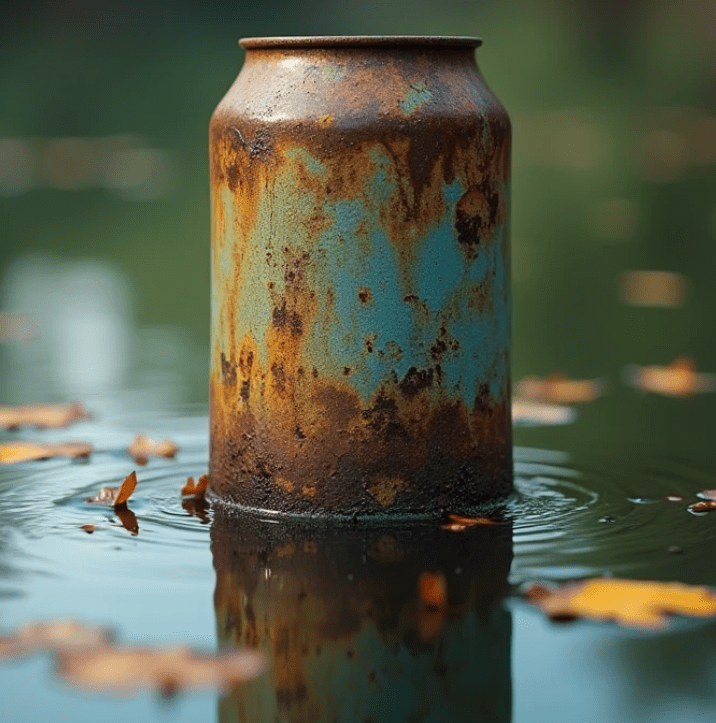
Is Connecticut’s Drinking Water Safe? Hell No – Prepare to Filter or Perish
Let me be real clear with you: if you’re still trusting ANY government, ANY water company, or ANY utility to keep your family alive with clean drinking water, you’ve already lost the first battle in the war of survival.
Connecticut’s drinking water? Don’t get me started. Maybe you’ve heard the soothing lullabies from your local officials—“Our water meets EPA standards,” they say. “It’s treated, it’s monitored, it’s safe.” Well guess what? So did Flint, Michigan. So did Camp Lejeune. How’d that turn out?
Do not wait until your taps run brown or start smelling like a meth lab. Water is life. And if you’re not taking full control of your own water source—where it comes from, how it’s cleaned, and how it’s stored—you’re gambling with your life and the lives of everyone you love.
The Ugly Truth About Connecticut’s Water
Let’s break it down.
Connecticut relies on a combination of reservoirs, groundwater wells, and rivers. Sounds nice, right? Lots of fresh forested hills and mountain-fed streams? Sure—until a chemical spill upstream, a manufacturing plant dumps PCBs, or a water treatment plant malfunctions. Don’t even get me started on forever chemicals—PFAS. They’ve been found in dozens of water sources across New England, and Connecticut is no exception.
And did you know? Municipal systems can legally contain up to 10 parts per billion of arsenic. ARSENIC. That’s a carcinogen. Why would any sane human accept that?
The answer: they don’t know any better. But you do now.
So here’s what you need to survive.
15 Water Filtration Survival Skills Every Nutmeg Prepper Must Master
1. Boiling
The classic. Bring water to a rolling boil for at least one minute (or three at higher altitudes). Kills bacteria, viruses, and parasites. But doesn’t remove chemicals.
2. Activated Charcoal Filtration
Make your own with burned hardwood. Crush it up, pack it tight. Removes chemicals, odors, and some heavy metals.
3. Sand & Gravel Layer Filtration
Build a gravity filter using layers of gravel, fine sand, and charcoal. Slows the water, filters debris, and traps particulates.
4. Solar Still Construction
Dig a pit, cover it with clear plastic, and collect evaporated water in a cup. This distillation method removes salts and chemicals.
5. DIY Ceramic Filter
Use a ceramic pot (unglazed), line it with charcoal, and let gravity do the work. Excellent bacteria filter.
6. Bio-Sand Filter
A long-term solution: buckets layered with gravel, sand, and a biological layer that naturally digests pathogens.
7. Portable Filter Straw Use
LifeStraw or Sawyer Mini. Buy them. Use them. Carry them. These can save your life when you’re caught off-grid.
8. Rainwater Harvesting
Collect off your roof using food-grade barrels. Filter before drinking. Make sure your gutters are clean and BPA-free.
9. Bleach Purification
Unscented bleach, 4-6 drops per quart, wait 30 minutes. Effective against bacteria and viruses. DO NOT overdose.
10. UV Light Purification
Solar disinfection (SODIS): fill clear bottles, leave in full sun for 6 hours. UV-A rays kill microbes.
11. Boil-Filter Combo
Boil water first, then run it through charcoal or ceramic filters to remove remaining toxins.
12. Pine Tree Filtration
Pine resin and wood can be used to create a makeshift bio-filter in emergencies.
13. Coffee Filter Pre-Screening
Use a coffee filter or even a clean cloth to remove large debris before finer filtration.
14. Emergency Desalination
If you’re near salt water: distill. Don’t drink it directly—salt kills. Learn to build a crude solar distiller or stove-top system.
15. Streamside Safety Tactics
Never collect water downstream of civilization or livestock. Always go upstream and filter anyway—never trust clear water.
3 DIY Survival Drinking Water Hacks (When You’re Out of Options)
These aren’t pretty, but they work when all else fails.
Hack #1: The Sock Filter
Take a clean sock. Fill the toe with charcoal (from your fire), followed by sand, and small rocks. Pour dirty water through. It won’t remove viruses, but it can reduce sediment and chemical taste. Still needs boiling after.
Hack #2: The Tree Tap Trick
Tie a plastic bag around a leafy tree branch and seal it. Let the sun work—plants sweat. You’ll collect a bit of safe drinking water per day. It’s slow, but it’s clean.
Hack #3: The Bottle UV Bomb
Clear plastic bottle + direct sunlight = your survival friend. Fill it, leave it on a reflective surface in the sun for 6-8 hours. It’s not perfect, but it’s better than drinking from a pond raw.
Connecticut Residents: Get Off the Couch and Into the Wild
Don’t wait for the next boil water advisory. They’re coming. You can bet your last water ration on it.
You think the government will roll up with bottled water for everyone? They’ll help some folks. Not you. Not me. You’re on your own.
The best way to treat water is to assume every drop is contaminated until you’ve processed it yourself. That means heat it, strain it, filter it, and store it properly in BPA-free, light-blocking containers. Rotate your water supply every 6 months. Keep at least 2 gallons per person per day stocked—minimum of 30 days.
And if you’re reading this and thinking, “Man, this guy’s paranoid”—good. You should be. Because it’s not paranoia when the threat is real.
We’re not just talking about survival in the wild—we’re talking about surviving suburban collapse. When the grid goes down. When the treatment plants fail. When a cyberattack poisons the supply chain. When chaos hits. And it will.
Closing Warning
Connecticut’s infrastructure is aging. Its groundwater is vulnerable. Its rivers are exposed. And its leaders are more concerned with policy optics than pipeline integrity.
If you’re still drinking straight from the tap, I hope you’re also writing your will.
Get a gravity-fed Berkey. Build a bio-sand filter. Learn to read a stream like your life depends on it—because it does.
Water doesn’t care about politics. It’s either clean or it’s not. And if you’re not filtering it, you’re the filter.
Filter or die, friend. Your move.
 TheDailyChristian