
Is Wisconsin’s Drinking Water Safe? Don’t Bet Your Life on It.
Let me get one thing straight before we dive in — if you’re sitting in Wisconsin and trusting that what’s coming out of your faucet is “safe” just because a government agency slapped a stamp on it, then you’re already halfway to being poisoned. We’re not talking about paranoid ramblings here — we’re talking hard, dirty truth. Wisconsin’s water — from the Great Lakes to the well in your backyard — has been under siege for years. Nitrate contamination, lead pipes, manure runoff, PFAS forever chemicals, and agricultural waste are just the tip of the polluted iceberg.
This isn’t fearmongering. This is survival. And if you want to live when the grid goes down, the trucks stop rolling, and nobody’s testing your water anymore — you’d better damn well know how to filter, purify, and produce your own drinking water. Don’t trust the tap. Don’t trust the politicians. Trust your skills, your gear, and your grit.
Here are 15 water filtration survival skills every Wisconsinite (or anyone, anywhere) should master now, before it’s too late:

1. Boiling Water (Properly)
Boiling kills bacteria, viruses, and parasites. But boil it hard — a full rolling boil for at least 3 minutes, longer at higher altitudes. Don’t play it safe — play it smart.
2. DIY Charcoal Filter
Layer sand, charcoal (from hardwoods, not treated lumber), and gravel in a container. Pour dirty water through — it’s not perfect, but it’ll take out the big threats. Make sure the charcoal is crushed fine for max absorption.
3. Solar Still Survival Method
Dig a hole, place a container in the middle, surround with green vegetation, cover with plastic, and weight the center. Evaporation and condensation will save your life.
4. Pump Filters (Know How to Maintain)
Hand-pump filters are lifesavers. But they’re only as good as the idiot using them. Clean regularly, backflush, and know when the cartridge is toast.
5. Know Your Contaminants
If you’re in Wisconsin, you better know what nitrates do to a body. Learn to test your water. Nitrates don’t boil away — they need actual filtration.
6. Gravity Filters
Set up a gravity filter system with two containers: dirty water on top, clean water below. Let gravity do the work with a ceramic or carbon filter in between. Slow, but solid.
7. Wild Plant Filtration Aids
Some plants — like banana peels, moringa seeds, or certain tree barks — help trap impurities. Learn your local options. Nature provides, if you know what to ask for.
8. DIY Bio-Sand Filter
Build a long-term filter with layers of sand, gravel, and activated charcoal. Keep the top layer wet and alive — that’s where the helpful bacteria live.
9. Using UV Light (Including the Sun)
A clear plastic bottle + 6 hours in direct sunlight = UV death for most pathogens. This only works if the water’s already clear, so pre-filter that muck.
10. Build a Clay Pot Filter

Porous clay pots can filter out bacteria slowly and steadily. Add colloidal silver if you’re handy with chemistry — it boosts the kill power.
11. Boil with Wood Ash
Add wood ash to water, let settle, then boil. Ash binds some heavy metals and neutralizes acidity. It’s not perfect, but in a pinch, it works.
12. Understand Turbidity
Cloudy water hides danger. Always let water settle and decant the top before filtering or boiling. Mud equals sickness.
13. Portable Straw Filters
LifeStraws, Sawyer Minis — these are not gimmicks. They work. But know their limits. Most don’t filter out viruses or chemicals. Still, better than a mouthful of cow pond.
14. Boil with a Metal Bottle
No pot? No excuse. Boil water in a stainless-steel bottle right in the coals. Burn your fingers once, and you’ll never forget how.
15. Backup Filters for Your Filters
One filter fails, you’re dead. Carry extras. Replace cartridges. Field-clean if possible. Redundancy is not paranoia. It’s survival.
Now that you’ve got the skills, let’s talk hacks — real-world, down-and-dirty, slap-together survival solutions when all hell breaks loose and you don’t have access to your gear.
3 DIY Survival Drinking Water Hacks
1. T-Shirt and Sand Filter
Got a dirty pond and no filter? Take a T-shirt, some clean-ish sand, and a bottle or container. Cut the bottle in half. Invert the top half into the bottom. Pack in layers of sand, charcoal (if you can get it), and cloth. Pour water through slowly. Then boil. Ugly? Sure. But it’ll get the mud and microbes down to a manageable level.
2. Plastic Bottle UV Purification
Take a clear soda bottle, fill it with water, and leave it in full sun for 6+ hours. This kills viruses and bacteria using ultraviolet light. Don’t use cloudy or green bottles. And again — if the water’s cloudy, you’re screwed. Pre-filter that swamp.
3. Tree Branch Filter (Xylem Filtration)
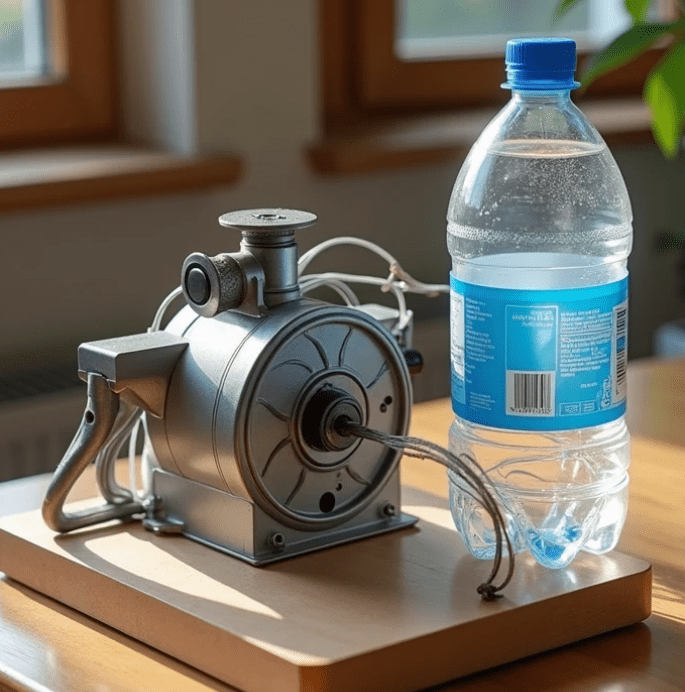
Hardwood trees like pine have a natural filtration system. Cut a 4-inch section of fresh branch, peel off the bark, and fit it tightly into tubing or a bottle. Pour water through it — slow, yes, but effective against bacteria. You won’t find this in your scout handbook.
Wisconsin’s Dirty Water Secrets
Look — Wisconsin’s got beauty. Lakes, rivers, groundwater galore. But that doesn’t mean it’s safe. The state has more than 1 million private wells, and around 42% of them don’t even get tested regularly. And even the “safe” city systems have problems — PFAS chemicals are turning up in Madison, Green Bay, Milwaukee — and once they’re in, they don’t come out without expensive, high-end filters.
We’ve got nitrate poisoning from farm runoff, lead in aging pipes, arsenic in the bedrock, and microbial contamination after floods. But don’t worry — the state says it’s “within federal standards.” As if that’s supposed to comfort you while your kidneys fail.
Do you think the bureaucrat sipping bottled water in his office gives a damn about your family’s health? If they did, they’d be handing out Berkey filters instead of excuses.
What You Should Do — Now
- Get a real water filter — gravity-fed, carbon-block, ceramic-core.
- Test your water — especially if you’re on a well.
- Learn to forage and filter from streams, ponds, lakes — safely.
- Teach your kids. Your spouse. Your neighbor.
- Don’t wait until there’s an alert. By the time you’re told not to drink the water, it’s already too late.
Bottom Line: You Can’t Afford to Trust the Tap
Wisconsin’s water might look clean. It might even taste fine. But clean-looking water can kill. Invisible poisons — nitrates, arsenic, PFAS — don’t have a smell. And they don’t wait until you’re ready.
Survival is about thinking ahead. About being angry before you’re a victim. Filter everything. Test everything. Prepare for when there’s no one left to warn you.
Don’t wait for someone else to save you. That’s how people die.
Get mad. Get ready. Get safe.

 TheDailyChristian