

Out here, where the Cascade Mountains shadow the land and the rains drip like clockwork from a gray sky, life has a rhythm all its own. I’m a homesteader in Washington, a place where nature’s pulse beats strong — rivers roaring in spring thaw, cedars towering with quiet majesty, and the sweet scent of firs in the misty dawn.
But it’s not all poetic. Out here, it’s just me. The days stretch long and silent, except for the chirps of birds or the distant howl of a coyote. Loneliness is a companion, as constant as the soil beneath my boots. Yet, I’ve learned to find solace and purpose in the work — in the skills I’ve taught myself, in the earth, the animals, and the slow, steady crafting of a life by my own hand.
Homestead Skills to Keep the Mind and Hands Busy
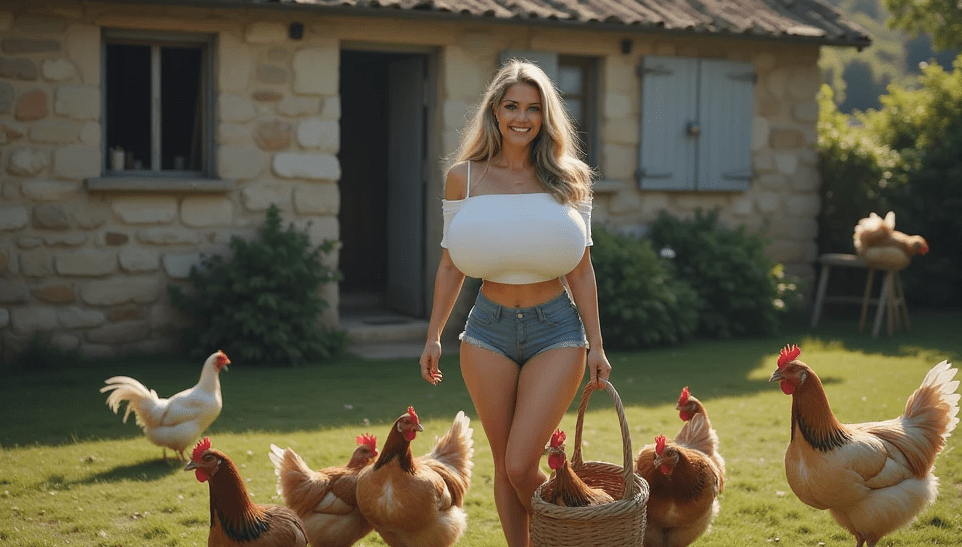
If you’re thinking about homesteading in Washington or any place remote, you soon discover that boredom can gnaw at you as surely as hunger. But boredom is a choice. Here are the 15 skills that have saved me from it — and maybe they can do the same for you:
- Beekeeping — Watching those bees dance around the hive, harvesting their honey, is a quiet joy. It takes patience and careful attention, but it’s incredible to feel part of such an ancient, humming ecosystem.
- Sourdough Baking — The slow fermentation of dough, the smell of crusty bread baking in a wood-fired oven… baking connects me to old ways, and the warmth fills the cabin like a friend.
- Soap Making — Crafting soap from lye and fats isn’t just practical — it’s meditative. Plus, nothing beats the feeling of making something useful from scratch.
- Canning and Preserving — Knowing that my summer harvest can be savored in the dead of winter gives me comfort and a sense of accomplishment.
- Herbal Medicine — Learning the native and introduced herbs around my land to treat minor ailments connects me to the wild, and keeps me healthy when trips to town aren’t easy.
- Blacksmithing Basics — Hammering iron over the forge, shaping tools, or fixing old farm implements keeps my hands busy and my mind focused.
- Soapstone or Wood Carving — Creating small works of art from natural materials helps quiet the mind when loneliness threatens to settle in.
- Trap Setting and Small Game Hunting — It’s a skill for food, for respect of the land, and to maintain balance.
- Mushroom Foraging — Knowing which fungi are safe to eat is both a practical skill and a delightful treasure hunt in the damp forest undergrowth.
- Greenhouse Gardening — Extending the growing season with a cold frame or greenhouse keeps the promise of fresh vegetables alive through Washington’s long winters.
- Composting — Turning kitchen scraps and garden waste into rich soil is like alchemy. It gives me hope for new growth even on gray days.
- Making Homemade Cheese and Yogurt — There’s something wonderfully satisfying about transforming milk into something delicious and nutritious.
- Building and Repairing Fences — The physicality of fence-building keeps me fit and protects my animals, my little kingdom.
- Solar Panel Maintenance — Understanding my small solar setup gives me energy independence and a sense of control over my survival.
- Reading Weather Signs — Learning to read the skies, the wind, and the behavior of animals helps me anticipate storms or droughts — a crucial skill when you depend on the land.
The Quiet Company I Long For
I’m honest when I say it’s hard being a lone man in these woods. Most homesteaders I meet are families, or couples. The occasional visitor comes by — sometimes other homesteaders, sometimes hunters or hikers — but the cold truth is that friendship, especially that which might bloom into something deeper, can be as rare as a clear night sky through the evergreen canopy.
But loneliness has taught me to be patient, to observe, and to use creativity as a bridge between myself and others. If you find yourself like me, out here in the wilds of Washington, wanting companionship beyond the dog and the chickens, I have a few DIY homestead hacks that have helped open the door to connection with women who appreciate this lifestyle:
3 DIY Homestead Hacks to Meet Women on a Homestead
1. Host a Seasonal Skill Workshop
Every season has something to teach, and people are drawn to hands-on learning. I started hosting small workshops — “Intro to Beekeeping,” “Sourdough Bread Basics,” or “Herbal Remedies from Your Backyard.” I put out flyers at the local farmers market and community center, inviting neighbors and passersby.
It’s amazing how a shared love for practical skills can spark conversation and friendship. Women with an interest in homesteading, sustainability, or just wanting to reconnect with nature come to learn — and sometimes, you find more than just friends in the crowd. The workshop atmosphere breaks the ice naturally, and working side-by-side tends to foster warmth and camaraderie.
2. Build a Communal Garden Space
This might seem ambitious, but building a small communal garden plot or herb circle near the homestead can draw in neighbors who want to garden but lack space or knowledge. I built a few raised beds with hand-hewn cedar planks and invited others to plant alongside me.
Gardening together means swapping tips, sharing produce, and trading stories — a simple but profound way to build community. When I’m outside, tending the plants and sharing the harvest, it feels less like isolation and more like belonging.
3. Create a “Book and Brew” Porch Night
I built a simple porch swing from reclaimed wood and string lights powered by my solar setup. I invite women (and anyone really) from the nearby town or homestead circles for an evening of sharing books, homemade herbal tea, or cider.
It’s low-pressure and relaxed, and the porch becomes a gathering spot where stories and laughter replace silence. Books are a perfect bridge — they spark conversation without the awkwardness of forced small talk, and brewing something warm by hand shows care and intention.
What the Land Teaches a Man
Washington’s wildness can feel both isolating and inspiring. The towering Douglas firs, the moss-draped cedars, the rocky streams — all remind me that I’m part of something vast and timeless. This land teaches patience, endurance, and respect. It demands a steady hand and an open heart.
The homestead life is not for everyone. It’s a mix of hard work and quiet moments, of struggle and celebration. It can be lonely, sure. But if you can find your rhythm, if you embrace the skills that keep your mind sharp and your hands busy, and if you build connections—no matter how slowly—with others who understand this way of life, then the solitude softens.
For me, the greatest skill of all has been learning to hope. To hope for the sunrise after a storm, for the first blossom in spring, and for the day when the porch swing creaks with more than just the wind.
If you’re out here or thinking of coming, take heart in the work and the waiting. Let the land teach you. And remember, even a lone homesteader can find ways to break the silence — through skill, creativity, and a little courage to reach out.
Washington’s homestead lifestyle is rugged, beautiful, and honest. It demands everything — but it gives back something few places can: the chance to live simply, deeply, and with purpose.
 TheDailyChristian