Wyoming Tiny Homes: Where Wide-Open Land Meets Tiny Living

Wyoming Tiny Homes: Where Wide-Open Land Meets Tiny Living

by Brooke Homestead — 2025 Female Survival Prepper of the Year

Wyoming is a dream for tiny home enthusiasts who crave wide-open spaces, clean air, and total freedom. From the rolling plains to the breathtaking Rockies, the Equality State offers affordable land, minimal zoning restrictions, and a lifestyle that blends simplicity with self-sufficiency. I’m Brooke Homestead, and after years of thriving off-grid and living simply in rural environments, I’ll guide you through the best Wyoming locations for tiny homes, zoning realities, land costs, and climate considerations.

Best Locations for Tiny Homes in Wyoming: Jackson and Laramie

Jackson — Mountain Views and Outdoor Living

Jackson is ideal for tiny home enthusiasts seeking stunning mountain vistas and outdoor adventure:

  • Zoning flexibility in surrounding areas: Many parcels outside the town allow tiny homes as primary residences or accessory dwellings.
  • Land affordability: Rural lots in Teton County range from $50,000–$150,000 per acre — enough space for off-grid solar panels, gardens, and septic systems.
  • Community mindset: Residents value nature, sustainability, and self-sufficient living, making tiny homes socially welcomed.

💡 Brooke Tip: Look for parcels slightly outside Jackson town limits — you’ll get privacy and space while still enjoying proximity to town amenities and the Grand Teton landscape.

Laramie — Practical Living with Wide-Open Spaces
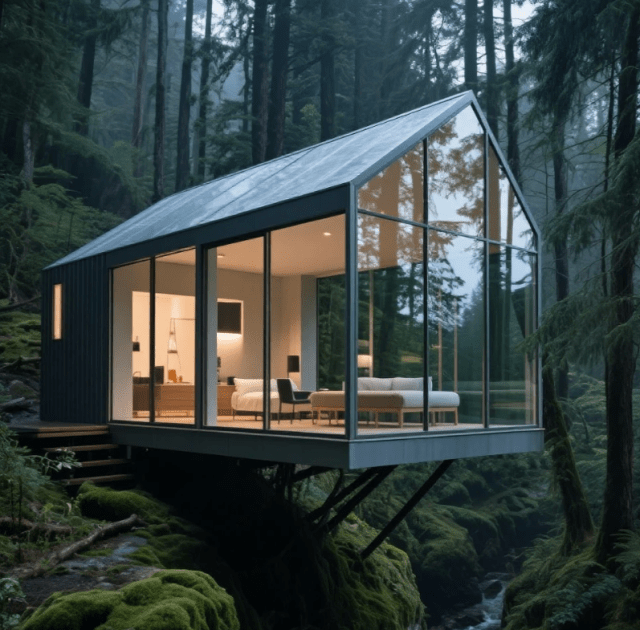
Laramie offers affordable land, high desert plains, and supportive zoning:

  • Rural-friendly zoning: Many parcels allow Tiny Homes on Wheels (THOWs) or foundation-based tiny homes.
  • Land affordability: Parcels range from $10,000–$50,000 per acre — perfect for minimalist or off-grid living.
  • Community support: Residents appreciate independence, practicality, and small-scale living.

Brooke Survival Insight: Wyoming winters are cold and snowy — insulation, heating, and durable construction are essential for comfort and safety.

Challenging Areas for Tiny Homes in Wyoming: Cheyenne & Casper

Urban centers present some hurdles:

  • Zoning restrictions: Minimum lot sizes and city ordinances limit tiny home placement.
  • Higher land costs: Urban parcels can exceed $75,000–$150,000 per lot.
  • Limited off-grid options: Dense neighborhoods restrict independent water, septic, and solar systems.

💡 Brooke Tip: Tiny homes in Cheyenne or Casper mostly work as ADUs behind existing homes or in planned eco-friendly tiny home communities.

Zoning Laws in Wyoming — Tiny Home Considerations

Wyoming does not have a statewide tiny home law; local regulations vary by county:

  • Accessory Dwelling Units (ADUs): Allowed in some towns, usually 200–500 sq. ft.
  • Tiny Homes on Wheels (THOWs): Treated as RVs; generally allowed on rural private land or in designated RV parks.
  • Foundation-based Tiny Homes: Must meet state and local building codes, including electrical, plumbing, structural, and insulation standards.

Brooke Advice: Always verify zoning with county planning offices before buying land — rural parcels often have more flexibility, but it varies by location.

Cost of Land in Wyoming — Budgeting for Tiny Homes

Land in Wyoming is affordable and plentiful, especially outside urban centers:

  • Jackson outskirts: $50,000–$150,000 per acre — ideal for mountain or foothill tiny homes.
  • Laramie rural lots: $10,000–$50,000 per acre — perfect for off-grid setups or THOWs.
  • Cheyenne & Casper metro: $75,000+ per lot — tiny homes mostly feasible as ADUs.
  • Other rural counties: $5,000–$25,000 per acre — excellent for off-grid living and wide-open space.

Other costs include wells, septic systems, solar panels, driveway access, and winter-proofing materials.

Climate Considerations — Wyoming Weather for Tiny Homes

Wyoming has a continental climate with cold winters and warm summers, which impacts tiny home planning:

  • Winter: Long and snowy — insulation, heating systems, and snow-load roofs are critical.
  • Summer: Warm and dry — ventilation, shading, and cooling systems maintain comfort.
  • Storms: Occasional blizzards, windstorms, and hail require reinforced construction and anchoring.
  • Water & Snow Management: Proper drainage and water storage are essential, especially for off-grid systems.

Brooke Survival Insight: Tiny homes are compact — without proper insulation, heating, and storm preparation, Wyoming winters can become harsh and unsafe.

Brooke Homestead’s Final Thoughts About Wyoming’s Tiny Home Lifestyle

Wyoming is a state where tiny home living thrives amidst wide-open spaces, offering mountains, plains, and a culture of independence:

  • Best Locations: Jackson for mountain views and outdoor adventure; Laramie for affordability, plains living, and supportive zoning.
  • Challenging Areas: Cheyenne and Casper due to zoning, density, and higher land costs.
  • Planning Essentials: Verify zoning, plan for cold winters, storms, and water needs, and consider off-grid systems for energy and self-sufficiency.

Tiny home living in Wyoming is about resilience, simplicity, and enjoying life in wide-open spaces. With the right parcel and preparation, you can thrive in a small, sustainable home surrounded by mountains, plains, and endless skies.

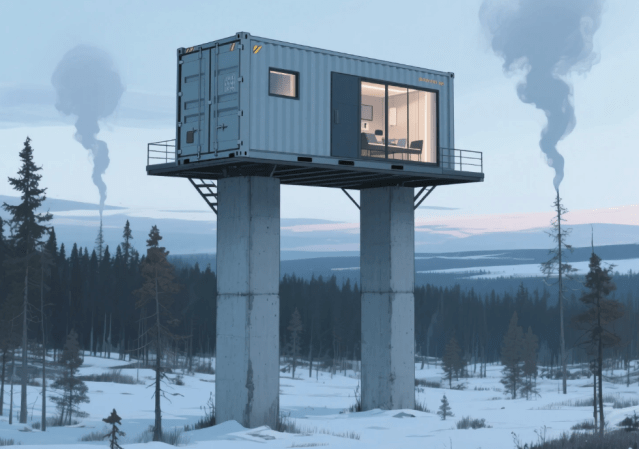
Montana Tiny Home Living: Wide-Open Spaces for Going Small

Montana Tiny Home Living: Wide-Open Spaces for Going Small

by Brooke Homestead — 2025 Female Survival Prepper of the Year

Montana is a state that screams freedom, wide-open spaces, and off-grid potential — the ultimate playground for tiny home living. From the Rocky Mountains to the rolling plains, Montana offers stunning landscapes, affordable land, and communities that embrace a simpler, self-sufficient lifestyle. I’m Brooke Homestead, and after years of building tiny homes, living off-grid, and thriving in remote locations, I can guide you through Montana’s best spots for tiny living, zoning realities, land costs, and climate considerations.


Best Locations for Tiny Homes in Montana: Bozeman and Missoula

Bozeman — Small Living with Mountain Access

Bozeman is perfect for tiny home enthusiasts who want access to outdoor recreation, community amenities, and off-grid potential:

  • Zoning flexibility in rural outskirts: Many parcels allow tiny homes as primary residences or accessory dwellings outside the city center.
  • Affordable land for Montana standards: Parcels typically range from $25,000–$60,000 per acre.
  • Outdoor lifestyle: Hiking, fishing, and skiing opportunities make Bozeman an ideal location for self-sufficient systems like solar and rainwater collection.

💡 Brooke Tip: Focus on parcels slightly outside city limits — you’ll have more space for gardens, solar setups, and water storage.


Missoula — Creative, Progressive Tiny Home Community

Missoula offers a mix of urban amenities, progressive community values, and rural access:

  • Rural-friendly zoning: Many parcels in Missoula County allow tiny homes on foundations or wheels.
  • Community acceptance: Residents value sustainability, minimalism, and environmentally conscious lifestyles.
  • Affordable land: Lots typically range from $20,000–$50,000 per acre.

Brooke Survival Insight: Winters are cold and snowy — proper insulation, heating systems, and snow-load roof designs are non-negotiable for safe, comfortable living.


Challenging Areas for Tiny Homes in Montana: Billings & Great Falls

Urban centers in Montana present some challenges:

  • Zoning restrictions: Minimum lot sizes, building codes, and urban planning regulations limit tiny home placement.
  • High land costs: Urban lots can range $70,000–$150,000+, reducing the affordability of downsizing.
  • Limited off-grid options: Dense development reduces flexibility for solar, water, and septic independence.

💡 Brooke Tip: Tiny homes in Billings or Great Falls are mostly feasible as ADUs behind existing homes or in planned eco-friendly communities.


Zoning Laws in Montana — Tiny Home Considerations

Montana does not have a statewide tiny home law, so local regulations vary widely:

  • Accessory Dwelling Units (ADUs): Increasingly allowed in towns, typically 200–500 sq. ft.
  • Tiny Homes on Wheels (THOWs): Treated as RVs; usually allowed on private rural land or permitted RV parks.
  • Foundation-based Tiny Homes: Must comply with state and local building codes, including structural, electrical, plumbing, and insulation standards.

Brooke Advice: Always check with county planning offices before purchasing land — neighboring parcels can have very different rules.


Cost of Land in Montana — Budgeting for Tiny Homes

Land in Montana is generally affordable compared to urbanized states:

  • Bozeman outskirts: $25,000–$60,000 per acre — perfect for off-grid tiny homes.
  • Missoula rural lots: $20,000–$50,000 per acre — excellent for THOWs or foundation-based homes.
  • Billings & Great Falls metro: $70,000+ per small lot — tiny homes mostly feasible as ADUs.
  • Eastern Montana small towns and plains: $5,000–$25,000 per acre — ideal for off-grid, minimalist living.

Additional costs: wells, septic systems, solar panels, driveway access, and snow preparedness.


Climate Considerations — Montana Weather for Tiny Homes 🌤️❄️

Montana’s climate varies widely depending on the region:

  • Winter: Cold, snowy, and windy — proper insulation, heating, and snow-load roofs are essential.
  • Summer: Warm but dry in many areas — ventilation, shade, and cooling strategies are important.
  • Storms & Fire Risk: Mountainous and plains areas require planning for high winds, storms, and wildfire defensible space.
  • Water Management: Snowmelt and seasonal rainfall make proper drainage and roof design critical.

Brooke Survival Insight: Tiny homes are compact — poor insulation, ventilation, or storm prep can quickly make life uncomfortable or unsafe.


Brooke Homestead’s Final ThoughtsTap Video Below to Watch

Montana is a dream state for tiny home living, especially for those who crave space, nature, and off-grid independence:

  • Best Locations: Bozeman for mountain access and outdoor recreation; Missoula for progressive communities and rural access.
  • Challenging Areas: Billings and Great Falls metro due to zoning, density, and higher land costs.
  • Planning Essentials: Verify zoning, prepare for cold winters and summer heat, and design for off-grid sustainability.

Tiny home living in Montana is about resilience, minimalism, and freedom. With careful planning, the right location, and smart design, you can thrive in a small, sustainable home surrounded by mountains, rivers, and endless skies.

Brooke Homestead

Survival Gardening Advice for Michigan

(CLICK ON ANY IMAGE FOR VIDEOS)

(Female Survivalist of the Year: Brooke Homestead)

Michigan teaches patience.

Plant in spring. Preserve in summer. Store in fall. Survive winter.

If you can feed your family for 6–12 months without a grocery store, you’re not vulnerable — you’re prepared.

If you can grow food through a Great Lakes winter, you can grow food anywhere.

Why Survival Gardening in Michigan Matters

Michigan’s growing season is shorter than southern states. Frost dates can compress planting windows. Winter can last five months in some regions.

That’s exactly why survival gardening matters here.

Reasons a Michigan resident may need a survival garden:

  1. Winter Storm Supply Interruptions – Trucks slow or stop during major snow events.
  2. Power Outages – Ice storms can knock out electricity for days.
  3. Economic Instability in Industrial Regions – Job markets fluctuate.
  4. Inflation & Food Price Spikes – Northern states often see higher winter produce prices.
  5. Rural Isolation – Some areas are far from major grocery distribution centers.

“If you wait until January to think about food security,” Brooke says, “you’ve already lost the advantage.”

Brooke’s Michigan Survival Gardening Blueprint

1. Maximize the Growing Season

“Michigan typically falls between USDA zones 4–6.

Start seedlings indoors in late winter.
Use grow lights.
Transplant after last frost.”

Season extension is non-negotiable.


2. Use Cold Frames & Hoop Houses

“Cold frames can extend your harvest by 30–60 days.

Leafy greens like kale and spinach tolerate light frost.”

Hoop houses create microclimates.

Microclimates create resilience.


3. Focus on Cold-Hardy Crops

Grow:

  • Potatoes
  • Carrots
  • Beets
  • Cabbage
  • Kale
  • Dry beans
  • Winter squash

Calorie-dense and storable.


4. Soil Preparation

Michigan soil varies — sandy near lakes, clay-heavy inland.

Add:

  • Compost
  • Organic matter
  • Mulch layers to retain moisture and insulate roots

Healthy soil buffers temperature swings.

Michigan Food Storage Strategy

Growing is summer work. Storage is winter survival.

1. Root Cellaring (Perfect for Michigan)

Michigan basements are ideal.

Store:

  • Potatoes (dark, 38–40°F)
  • Carrots in sand
  • Apples in cool ventilation
  • Cabbage in high humidity

Properly stored, root vegetables last months.


2. Pressure Canning

Pressure can:

  • Venison
  • Beef
  • Chicken
  • Beans
  • Soups

Protein storage is winter insurance.


3. Dry Goods in Mylar

Store:

  • Rice
  • Lentils
  • Wheat berries
  • Oats

Use:

  • Mylar bags
  • Oxygen absorbers
  • 5-gallon food-grade buckets

Proper storage = 10–30 year shelf life.


4. Protect Against Freezing

“Michigan garages freeze solid.

Never store canned goods where temperatures drop below freezing.”

Freezing breaks seals and ruins food integrity.

Amazing Georgia Survival Gardening Advice for All Lovers of The Peach State

(PICTURED: 2025 Female Survivalist of the Year: Brooke Homestead)

Georgia Survival Gardening & Why It Matters

“Hey Georgia — Brooke here.

If you think survival gardening is extreme, wait until you see grocery shelves during a panic storm warning.”

Why Survival Gardening in Georgia Is So Important

Georgia is one of the most agriculturally capable states in the Southeast. Long growing seasons. Mild winters. Strong rainfall.

But that’s exactly why survival gardening matters here.

Here’s why someone in Georgia may need a survival garden one day:

  1. Hurricane Supply Disruptions – Coastal and metro supply chains can freeze during storms.
  2. Grid Failures & Ice Storms – North Georgia has seen outages lasting days.
  3. Economic Instability – Inflation affects food prices quickly.
  4. Urban Dependency – Large metro areas like Atlanta rely heavily on just-in-time delivery systems.
  5. Civil Unrest or Emergency Events – Major cities can experience disruptions that affect food access.

“If trucks stop rolling for even 72 hours,” Brooke says, “store shelves empty faster than most people think.”

A survival garden isn’t paranoia.

It’s insurance.


Brooke’s Georgia Survival Gardening Blueprint

“Georgia is generous — if you work with it.”

1. Use the Long Growing Season

Georgia’s growing season can exceed 200 days in many regions.

Plant:

  • Collard greens
  • Okra
  • Sweet potatoes
  • Field peas
  • Tomatoes
  • Peppers
  • Corn
  • Squash

You can often grow spring, summer, and fall crops without heavy season extension.


2. Manage Humidity & Pests

“Humidity invites fungus and insects.”

Use:

  • Spacing for airflow
  • Mulch barriers
  • Companion planting (marigolds, basil)
  • Neem oil treatments when necessary

Prevention beats reaction.


3. Focus on Calorie-Dense Crops

“If SHTF, Instagram tomatoes won’t cut it.”

Grow:

  • Potatoes
  • Dry beans
  • Corn
  • Sweet potatoes
  • Winter squash

Calories = resilience.


4. Water Management

Georgia receives good rainfall — but summer droughts happen.

Install:

  • Rain barrels
  • Drip irrigation
  • Soil compost systems to retain moisture

Healthy soil reduces watering needs dramatically.


Best Survival Garden Vegetables to Grow in Georgia

Georgia’s humid subtropical climate provides a long growing season, hot summers, and mild winters—ideal conditions for a productive survival garden. The key is choosing vegetables that tolerate heat, resist humidity-related diseases, and provide high yields.

Sweet potatoes are one of the best survival crops for Georgia. They thrive in warm soil, tolerate drought once established, and produce calorie-dense tubers that store well for months. Even the leafy greens are edible, making them a dual-purpose crop.

Okra is practically built for Georgia summers. It loves heat and humidity and continues producing when other vegetables struggle. Okra can be eaten fresh, pickled, frozen, or dehydrated.

Southern peas, including black-eyed peas and crowder peas, are dependable staples. They grow well in poor soils, fix nitrogen to improve garden fertility, and can be dried for long-term storage.

Collard greens are a cool-season powerhouse. They tolerate light frosts and provide steady harvests through fall and winter. Rich in vitamins and minerals, collards are a reliable nutritional anchor.

Pole beans and bush beans grow quickly and produce heavily. They can be eaten fresh or dried for protein-rich storage.

Winter squash, such as butternut and Seminole pumpkin, perform well in Georgia’s long summers. Properly cured, they store for months without refrigeration.

By planting in both spring and late summer for fall harvests, Georgia gardeners can maintain nearly year-round production—building a resilient and dependable survival vegetable garden.

Best Survival Garden Fruits to Grow in Georgia

Georgia’s warm climate and long summers make it ideal for a thriving survival fruit garden. The focus should be on perennial, heat-tolerant fruits that handle humidity and provide reliable yields.

Peach trees are famously successful in Georgia’s climate. With proper care and disease management, they produce abundant summer harvests perfect for canning and preserving.

Blueberries, especially rabbiteye varieties, thrive in Georgia’s acidic soils. They are heavy producers and store well when frozen or dried.

Blackberries grow vigorously across the state and require minimal care. Thornless varieties offer easy harvesting and dependable early summer fruit.

Figs are heat-tolerant and highly productive once established. They provide sweet summer fruit that can be eaten fresh or dried for long-term storage.

Muscadine grapes, native to the Southeast, are exceptionally suited to Georgia’s humidity. They resist many fungal diseases and produce reliable harvests ideal for juice, jelly, or fresh eating.

Pears, particularly Southern-adapted varieties, tolerate heat and humidity better than many other tree fruits and provide dependable fall harvests.

For added resilience, persimmon trees—both native and Asian types—offer low-maintenance, late-season fruit production.

By building a survival orchard around hardy, humidity-resistant fruits, Georgia gardeners can create a long-term food source that produces year after year with minimal intervention.

Georgia Food Storage Strategy

“Growing is phase one. Storing is phase two.”

1. Combat Humidity

Georgia humidity destroys poorly stored food.

Use:

  • Mylar bags
  • Oxygen absorbers
  • Airtight buckets
  • Dehumidifiers in storage areas

2. Pressure Canning

Pressure can:

  • Green beans
  • Chicken
  • Beef
  • Soups

Protein storage provides long-term stability.


3. Dehydration

Georgia’s summer heat supports dehydration (use electric dehydrators for consistency).

Dry:

  • Herbs
  • Fruit
  • Peppers

Vacuum seal for long-term storage.


Brooke’s Final Survival Gardening Tip for Residents of The Peach State

Georgia gives you the climate advantage.

If you’re not growing something here, you’re leaving resilience on the table.

A small 10×10 garden can supplement months of food.

Preparedness isn’t about fear.

It’s about freedom.

Florida Survival Gardening Advice, Tricks, and the Best Emergency Food Storage Preparedness Tips Around

(pictured above: Brooke Homestead – The 2025 Female Survivalist of the Year)

Now let’s talk resilience… with a twist. Brooke Homestead, 26, ex-yoga model turned prepper sensation, brings style, wit, and zero-BS practicality to the survival world.

Here’s Brooke introducing herself in her own vivacious style:


Brooke Homestead Speaks

“Hey, I’m Brooke Homestead! Yes, I was a yoga model — now I’m basically the Indiana Jones of survival gardening. Florida taught me one important lesson: humidity will kill your plants faster than you’ll kill a zombie, and hurricanes have zero chill. But you can thrive if you laugh, sweat, and plant like your life depends on it — because one day, it just might!”

Brooke’s Florida Survival Gardening Guide

“Florida gardens are basically tiny ecosystems that fight back. Heat? Humidity? Raccoons? Gators? (Okay, maybe not gators in your backyard, but stay alert!) Here’s my prepper-approved guide:

  1. Know Your ZoneFlorida ranges USDA zones 8–11. South Florida is tropical; North Florida gets frosts. Plant accordingly
  1. Heat-Loving Crops OnlyOkra, sweet potatoes, peppers, eggplant, and Malabar spinach thrive in full sun. Forget delicate greens in summer unless you have shade cloth.

  1. Water Like a BossRain is plentiful but irregular. Set up rain barrels, drip irrigation, and mulch like your garden depends on it (because it does).

  1. Seasonal FlexibilityPlant quick-maturing greens in winter; focus on long-term calorie crops in spring/summer.

  1. Layered DefensesCage your tomatoes, stake your peppers, and scare away wildlife with fun DIY deterrents (shiny foil strips, solar lights).

  1. Preserve & Store Florida grows fast, so preserve faster. Dehydrate peppers, pressure can beans, ferment pickles. Nothing goes to waste.

  1. Hurricane PrepKeep plants portable or easily protected; tie down trellises and move sensitive containers indoors.

Florida prepper gardening is part science, part battle strategy, and 100% rewarding. Get your hands dirty, laugh when it rains sideways, and enjoy knowing that your survival plan tastes like a fresh salsa garden on a sunny day. Boom — that’s prepper chic!”

Best Survival Garden Vegetables to Grow in Florida

Florida’s warm, humid climate and long growing season make it ideal for survival gardening, but gardeners must select heat- and disease-tolerant crops that thrive in humidity and occasional heavy rains. The key is to focus on vegetables that produce reliably and store well.

Tomatoes are a staple for Florida survival gardens. Heat-tolerant varieties like ‘Solar Fire’ and ‘Florida 91’ withstand the summer sun and produce heavy yields. They can be canned, made into sauces, or frozen for long-term storage.

Okra is perfect for Florida’s hot, humid summers. It’s drought-tolerant, disease-resistant, and produces abundant pods that can be eaten fresh, pickled, or frozen.

Southern peas (black-eyed peas, crowder peas) are classic Florida survival crops. They thrive in heat, improve soil fertility, and their seeds store well for future planting.

Sweet potatoes are highly resilient and can tolerate poor soils and drought. Both tubers and leaves are edible, making them a highly efficient crop for survival gardens.

Peppers, especially hot varieties like jalapeños, thrive in Florida’s sun and humidity. They can be preserved by drying or pickling for year-round use.

Collard greens and kale provide nutrition during Florida’s cooler months. They are hardy, heat-tolerant, and can be harvested multiple times.

Winter squash, including butternut and acorn varieties, store well when properly cured and provide dense calories and vitamins.

By selecting crops that handle Florida’s unique climate challenges, gardeners can create a productive survival garden that provides fresh, nutritious vegetables almost year-round.

Best Survival Garden Fruits to Grow in Florida

Florida’s subtropical climate makes it perfect for a survival fruit garden that produces year-round. The focus should be on heat-tolerant, disease-resistant, and perennial fruits with long-term storage potential.

Citrus fruits—oranges, lemons, limes, and grapefruits—thrive in Florida’s sun. They produce vitamin-rich fruit during winter and early spring, and citrus can be juiced, preserved, or eaten fresh.

Figs are exceptionally heat-tolerant and require little maintenance. Once established, they provide abundant summer fruit that can be eaten fresh or dried.

Pineapples grow well in Florida’s sandy soils and warm climate. They are easy to care for, drought-tolerant, and produce sweet, calorie-dense fruit.

Bananas thrive in Florida’s subtropical zones, providing high-yield, nutrient-rich fruit throughout the warmer months.

Mangoes are another excellent survival fruit. They produce heavily in summer and can be preserved by drying or making preserves.

Blackberries and blueberries grow best in northern and central Florida. Blueberries require acidic soil, while blackberries are more adaptable and can produce multiple harvests.

Papayas are fast-growing, high-yielding tropical fruits. They provide vitamins and calories and can fruit within the first year of planting.

By focusing on heat-tolerant and perennial fruits, Florida gardeners can establish a resilient survival orchard that supplies fresh, nutritious produce year after year.

Survival Gardening Advice for California Residents

2025 Female Survivalist of the Year: Brooke Homestead

(Brooke Homestead Wants to Discuss Survival Gardening with YOU! Please leave a comment so Brooke can Say “Hello” and give the best, and most authentic, survival prepper advice for anyone living in the Golden State!)

Meet Brooke Homestead, the 26-year-old former yoga teacher who pivoted from wellness professor to one of the most respected names in modern survival gardening.

She doesn’t shout. She calculates.

Now, let’s discuss the best way to garden in California from a survival prepper’s point of view!.

Here’s Brooke introducing herself:

“Hi, I’m Brooke Homestead. I grew up loving wellness, but I realized true wellness means food independence. California taught me one thing: systems fail. Gardens don’t — if you build them right.”

Survival Gardening Advice for California

“California is a paradox. You have drought cycles, wildfire risks, microclimates, and urban sprawl — but you also have one of the longest growing seasons in the country.

First rule: Know your zone. Northern California differs drastically from Southern California. Study your USDA zone and track frost dates.

Second rule: Water is gold. Install drip irrigation. Collect rainwater where legal. Mulch heavily to retain soil moisture. Raised beds help control drainage.

Third rule: Grow calorie-dense crops. Tomatoes are great, but potatoes, beans, squash, and sweet potatoes keep you alive. Think survival math, not Instagram aesthetics.

Fourth rule: Perennials are your allies. Fruit trees, rosemary, artichokes — plant once, harvest for years.

Fifth rule: Layer your garden like security. Tall crops block wind. Companion plants deter pests. Diversity prevents total failure.

And finally — don’t wait for a crisis. Start small. Learn now. Make mistakes while grocery stores are still open.

Food security isn’t extreme. It’s responsible.”

Best Survival Garden Vegetables to Grow in California

California’s varied climate—from Mediterranean coastal regions to inland valleys and semi-arid zones—makes it one of the best states for year-round food production. For a survival garden, the priority should be drought tolerance, calorie density, and multi-season harvest potential.

Tomatoes are a California staple. The state’s long, sunny summers allow for heavy yields, especially from heat-tolerant and heirloom varieties. Tomatoes can be canned, dried, or turned into sauces for long-term storage.

Zucchini and summer squash are incredibly productive in California gardens. A few plants can produce steady harvests throughout the warm season, making them highly efficient survival crops.

Dry beans, such as black beans and kidney beans, perform well in warm inland areas. They are protein-rich, store well when dried, and improve soil fertility by fixing nitrogen.

Sweet potatoes thrive in Southern and Central California. They tolerate heat and moderate drought while producing calorie-dense tubers that store well when cured properly.

Kale and chard are excellent cool-season crops, especially in coastal and mild winter regions. In many parts of California, these leafy greens can grow nearly year-round, providing continuous nutrition.

Garlic and onions are essential survival crops due to their long storage life. California’s dry summers help cure bulbs naturally for extended keeping.

Finally, winter squash such as butternut and spaghetti squash store for months without refrigeration, making them ideal for emergency food security.

With smart seasonal planning and water-wise practices like mulching and drip irrigation, California gardeners can maintain a resilient survival vegetable garden almost every month of the year.


Best Survival Garden Fruits to Grow in California

California’s Mediterranean climate makes it one of the most fruit-friendly states in the country. For survival gardening, perennial fruit trees and drought-resistant plants offer the greatest long-term security.

Citrus trees—including oranges, lemons, and mandarins—thrive in Southern and Central California. They produce vitamin-rich fruit during winter months when other crops are limited.

Avocados are highly productive in frost-free regions. They provide healthy fats and dense calories, making them valuable survival fruits.

Figs grow exceptionally well in California’s dry summers. Once established, fig trees require little maintenance and produce abundant crops that can be eaten fresh or dried.

Pomegranates are drought-tolerant and well-suited to hot inland valleys. Their fruit stores well and is packed with nutrients.

Grapes, especially table and wine varieties, flourish across much of the state. They can be eaten fresh, dried into raisins, or preserved as juice.

Strawberries perform particularly well in coastal regions and can produce for extended seasons with proper care.

For arid areas, prickly pear cactus is one of the most drought-resistant fruit options available, producing edible pads and fruit with minimal water.

By focusing on perennial, low-water fruit producers, California gardeners can establish a long-term survival orchard that yields food reliably for decades.

Survival Gardening Advice for Texas

(Leave Brooke a Comment and She will Respond within 24 Hours)

Female Survivalist of the Year: Brooke Homestead

Now let’s pivot to resilience in Texas soil.

Brooke Homestead — 26-year-old former yoga model turned preparedness authority — has adapted survival gardening to Southern and semi-arid climates, and she can really get down and dirty in the Texas soil to produce one of the most beautiful survival gardens you will ever lay your eyes upon!

Here’s Brooke introducing herself:


Brooke Homestead Speaks

“Hi, I’m Brooke Homestead. I used to live under studio lights. Now I live by sunlight and soil. Texas taught me something powerful — resilience grows fast in heat if you plan correctly.”

Brooke Homestead’s Survival Gardening Advice for Texas

Texas is one of the most productive survival gardening states in the country — but only if you respect the climate diversity.

First: know your zone. Texas ranges from USDA zones 6 to 9 depending on region. North Texas differs drastically from South Texas.

Second: plant heat-tolerant crops. Okra, sweet potatoes, cowpeas, peppers, and certain squash varieties thrive in Texas heat.

Third: water management is critical. Install drip irrigation. Mulch heavily. Water early in the morning to reduce evaporation.

Fourth: plan around extreme weather. In hurricane-prone areas, secure garden structures. In tornado regions, avoid flimsy setups.

Fifth: grow calorie-dense crops. Corn, beans, potatoes (in cooler zones), and winter squash sustain families.

Sixth: preserve aggressively. Texas growing seasons allow multiple harvests. Pressure can beans and meats. Dehydrate peppers and tomatoes.

Seventh: diversify across seasons. Use fall and early spring to grow leafy greens before peak summer heat.

Finally: store water. Extreme heat plus grid failure equals crisis. Food independence must pair with water security.

Texas rewards preparation.

But the sun punishes carelessness.

Best Survival Garden Vegetables to Grow in Texas

Texas offers a long growing season, intense summer heat, and wide climate variation from East Texas humidity to West Texas drought. A successful survival garden in Texas should focus on heat tolerance, drought resistance, and high-calorie yields.

Pinto beans and black beans are survival staples in Texas gardens. They handle heat well and store long-term when dried. As legumes, they also improve soil fertility by fixing nitrogen.

Okra thrives in brutal Texas heat when many crops fail. It produces continuously through summer and requires minimal water once established. Pods can be eaten fresh, pickled, or dehydrated.

Sweet potatoes are ideal for Texas conditions. They tolerate poor soils, heat, and drought while delivering high-calorie harvests. Both the tubers and leaves are edible, making them highly efficient survival crops.

Peppers, especially jalapeños and other hot varieties, flourish in full Texas sun. They produce heavily and preserve well by drying or pickling.

Southern peas (cowpeas and black-eyed peas) are extremely drought tolerant and dependable producers. They are a traditional Texas staple for good reason—they grow when other vegetables struggle.

For cool seasons, collard greens and kale perform well in Texas fall and winter gardens. These hardy greens tolerate mild frosts and provide steady nutrition during cooler months.

Finally, winter squash such as butternut or acorn are excellent survival crops. They store for months when cured properly and provide dense calories and vitamins.

By focusing on heat-loving, resilient vegetables and planting strategically for both spring and fall seasons, Texas gardeners can maintain food production even under challenging climate conditions.

Best Survival Garden Fruits to Grow in Texas

Texas is well-suited for a diverse survival fruit garden thanks to its long summers and generally mild winters. Choosing hardy, drought-tolerant fruit varieties ensures long-term food security.

Peaches are iconic in Texas, particularly in central regions. With proper variety selection, peach trees can provide abundant mid-summer harvests ideal for canning and preserving.

Figs thrive in Texas heat and require minimal care once established. They produce heavily and can be eaten fresh or dried for storage.

Blackberries grow exceptionally well across much of Texas. Thornless varieties are easy to manage and produce reliable early summer harvests that freeze or preserve well.

Pomegranates are excellent for hot, dry regions of Texas. They tolerate drought, resist pests, and provide antioxidant-rich fruit that stores well after harvest.

Muscadine and Mustang grapes handle heat and humidity better than traditional grape varieties. They are productive and useful for juice, jelly, or fresh eating.

For arid regions, prickly pear cactus is one of the most drought-resistant fruit options available. Both the pads and fruit are edible, making it an extremely efficient survival plant.

Finally, watermelons and cantaloupes flourish in Texas summers. While annuals, they provide hydration and calories during peak heat.

A well-planned Texas survival fruit garden built around heat tolerance and low water needs can provide dependable harvests year after year.

Survival Gardening Advice for Alabama

(2025 Female Survivalist of the Year: Brooke HomesteadLeave A Comment and Brooke Will Happily Talk to You About Your Survival Gardening Needs)

Now let’s talk survival gardening in the state of Alabama!

Brooke Homestead — 26-year-old former yoga model turned preparedness strategist — has adapted survival principles to Southern climates.

Here’s Brooke introducing herself:

“Hi, I’m Brooke Homestead. I used to live in climate-controlled studios. Alabama taught me resilience in humidity, storms, and soil. Survival isn’t extreme. It’s disciplined.”

Brooke’s Survival Gardening Advice for Alabama Preppers

Alabama is one of the best survival gardening states in the country — if you respect the heat and humidity.

Most of Alabama falls within USDA hardiness zones 7–9. That gives you a long growing season — sometimes nearly year-round for certain crops.

First: focus on succession planting. You can grow spring greens, summer vegetables, and fall root crops in one extended cycle.

Second: manage humidity carefully. Fungal diseases spread quickly in Alabama summers. Space plants properly for airflow and prune regularly.

Third: prioritize calorie-dense crops. Sweet potatoes, field peas, okra, winter squash, corn, and beans thrive here.

Fourth: water strategically. Heavy rain cycles alternate with drought periods. Install rain barrels and mulch heavily to retain moisture.

Fifth: build soil health. Alabama soil can vary from rich loam to clay-heavy red soil. Add compost annually and rotate crops.

Sixth: preserve aggressively. With long growing seasons, surplus is common. Learn pressure canning and dehydration techniques.

Seventh: storm-proof your garden. Stake plants securely and prepare for sudden high winds.

Alabama gives you opportunity.

But resilience comes from planning.

Gardening isn’t nostalgia.

It’s food security with intention.

Best Survival Garden Vegetables to Grow in Alabama

In Alabama’s warm, humid climate with a long growing season, choosing the right vegetables for a survival garden means focusing on reliable, productive crops that thrive in heat and moisture. Whether you’re preparing for emergencies, building food security, or simply maximizing your garden’s yield, these vegetables will give you dependable nutrition and storage potential.

Tomatoes are a cornerstone of any survival garden. Many heat-tolerant varieties like ‘Heatmaster’ and ‘Solar Fire’ produce abundant fruit throughout Alabama’s long summer. They’re versatile in the kitchen and can be canned whole or made into sauces for long-term use.

Peppers, both sweet and hot, flourish in Alabama’s sun. They’re rich in vitamins and store well when dried or pickled. Jalapeños and bell peppers are especially productive through warm months.

Beans are essential for survival gardens because they grow quickly and fix nitrogen in the soil, improving fertility. Bush and pole beans like purple hull peas and cowpeas are traditional Southern staples that handle heat and drought better than many other legumes. Dried beans also store exceptionally well.

Sweet potatoes are nearly tailor-made for Alabama. They tolerate heat and poor soils, yield heavily, and are rich in calories—a big advantage in a survival situation. Their slips are easy to grow, and both roots and greens are edible.

Okra thrives in heat that stunts other crops. It’s drought tolerant and prolific, providing pods for fresh eating, freezing, drying, or pickling.

Cabbage and collards bring hardy leafy nutrition. Collards, especially, withstand heat and continue producing into fall and winter. These greens are packed with vitamins and can be blanched and frozen.

Finally, winter squash (butternut, acorn) and pumpkins are high-yielding crops that store well through winter when cured properly. With thoughtful planning and succession planting, these vegetables will form a resilient backbone to any Alabama survival garden—maximizing both harvest and long-term food security.

Best Survival Garden Fruits to Grow in Alabama


Alabama’s long growing season, humid subtropical climate, and mild winters make it an excellent state for cultivating a productive survival fruit garden. When planning for food security, the key is choosing fruits that are heat-tolerant, disease-resistant, calorie-dense, and capable of producing reliably year after year.

Blueberries are one of the best fruits to focus on in Alabama. The state’s naturally acidic soils are ideal for rabbiteye varieties, which thrive in the heat and produce heavy yields. Blueberries are rich in antioxidants and can be frozen, dehydrated, or turned into preserves for long-term storage.

Figs are another powerhouse survival fruit. Hardy varieties like Celeste perform exceptionally well in Alabama’s climate. Fig trees require minimal care once established and can produce abundant harvests each summer. Figs can be eaten fresh or dried for extended shelf life.

Blackberries grow vigorously across Alabama and often thrive with little maintenance. Thornless varieties make harvesting easier, and the plants produce reliable summer crops. Berries can be canned, frozen, or made into jams for food preservation.

Muscadine grapes, native to the Southeast, are especially suited for Alabama’s humidity. Unlike many traditional grape varieties, muscadines resist fungal diseases common in hot, damp climates. They provide high yields and can be used for juice, jelly, or fresh eating.

For higher-calorie fruit, persimmons and pear trees are excellent additions. Asian and Southern pear varieties tolerate Alabama’s heat well, while native persimmons are hardy and dependable producers in late summer and fall.

Finally, don’t overlook watermelon. While technically an annual, it thrives in Alabama’s long, hot summers and provides hydration and natural sugars during peak growing season.

By focusing on perennial, heat-tolerant fruits that store or preserve well, Alabama gardeners can build a resilient survival orchard that provides nutrition, sweetness, and security for years to come.

If you have any questions at all about survival gardening in the state of Alabama, just leave a comment and we can start talking!

Stay Clean, Stay Ready: 10 Essential Water-Saving Bathing Tips

When disaster strikes, whether it’s a natural calamity like a hurricane or earthquake, or a man-made crisis like civil unrest or infrastructure failure, one of the first and most critical resources you’ll have to guard is water. Clean water isn’t just for drinking—it’s essential for hygiene, survival, and maintaining morale. As a survival prepper, I’ve learned that even in the worst conditions, maintaining cleanliness isn’t a luxury; it’s a necessity. But the challenge? Water can be scarce when the world goes sideways.

Bathing efficiently without wasting water is one of the most overlooked survival skills. You might think, “How much difference can saving a few gallons per shower make?” Trust me—it adds up fast. Conserving water during everyday activities like bathing can mean the difference between having enough water to drink and running dangerously low during a disaster.

Here are 10 practical tips to save water when bathing, designed for anyone serious about survival preparedness, while still keeping personal hygiene intact.


1. Take Short Showers – 5 Minutes or Less

In normal circumstances, it’s easy to linger under the water while daydreaming or checking your phone. But in survival scenarios, every drop counts. Limiting your shower to five minutes or less drastically reduces water usage. Use a timer if needed—think of it as a countdown for your survival plan. Quick showers will keep you clean and help you ration water for other critical needs.


2. Use a Bucket to Collect Shower Water

This technique may feel old-school, but it’s a survivalist’s best friend. Place a bucket in the shower to catch the cold water that flows while waiting for it to heat. That water can later be used for flushing toilets, cleaning dishes, or even watering plants if necessary. During emergencies, no drop should go to waste.


3. Install a Low-Flow Showerhead

A low-flow showerhead can cut your water usage in half without sacrificing cleanliness. Many models are easy to install and don’t require a plumber. For preppers, this is a long-term investment in water security. When water is scarce, technology like this becomes a true lifesaver.


4. Turn Off the Tap When Lathering

We all do it—letting the water run while scrubbing shampoo into our hair or washing our bodies. Instead, turn off the tap while lathering, then turn it back on to rinse. It’s simple, effective, and could save hundreds of gallons over a month. In survival terms, every gallon you save could be used for drinking, cooking, or emergency medical needs.


5. Use a Wet Washcloth or Sponge Instead of a Full Shower

In a worst-case scenario where water is extremely limited, you don’t need a full shower every day. A wet washcloth or sponge bath uses far less water and still keeps you hygienic. Focus on key areas like your face, underarms, and groin. Think of it as “targeted hygiene”—you stay clean without depleting your water reserves.


6. Reuse Greywater for Non-Potable Purposes

Greywater is the term for water that has been used for bathing, washing dishes, or laundry. While not safe to drink, it can be stored and reused for flushing toilets, cleaning floors, or irrigation. In survival mode, storing and reusing greywater is a crucial skill. Even in small quantities, it can extend your water supply significantly.


7. Keep Your Showers Cooler

Hot showers feel luxurious, but heating water consumes fuel or electricity—resources that might be scarce in emergencies. Cooler showers use less water because people naturally shorten the time they spend under cold water. Additionally, cold showers have health benefits, including increased alertness and improved circulation. Think of it as a survival boost and a water-saving tactic rolled into one.


8. Bathe Less Frequently, But Strategically

In survival situations, hygiene routines may need to change. Bathing every single day may not be necessary—especially if you’re not heavily sweating or exposed to contaminants. Focus on bathing strategically: after heavy work, exposure to dirt or chemicals, or when morale and mental health demand it. A strategic approach conserves water while keeping you safe and reasonably comfortable.


9. Collect Rainwater for Bathing

Rainwater collection is a classic prepper technique. If it’s safe in your region, set up barrels or containers to catch rainwater for bathing and other non-potable uses. While you should always filter and possibly disinfect collected water, rainwater can drastically extend your bathing supply without drawing on your main water reserves.


10. Educate Everyone in Your Household

Water conservation is most effective when everyone in your household understands the stakes. Teach your family or fellow preppers these water-saving techniques. Turn it into a fun challenge: who can take the fastest, cleanest shower while using the least water? In emergencies, a cooperative approach can save thousands of gallons of water.


Bonus Survival Tip: Prepare for Long-Term Water Scarcity

Saving water while bathing is just one piece of the puzzle. Prepper survival strategies should include storing water, knowing local water sources, learning purification methods, and even growing foods that require minimal irrigation. The more you practice water conservation now, the better prepared you’ll be for unexpected disasters. Every tip you implement today is an investment in your survival tomorrow.


Final Thoughts

Water is life. In any disaster, whether it’s a flood, a drought, or societal collapse, conserving water is not optional—it’s mandatory. By implementing these ten strategies, you’ll stretch every drop further while maintaining hygiene and morale. Remember, survival is as much about smart planning and discipline as it is about strength and endurance.

Even small adjustments, like turning off the tap while lathering or taking a five-minute shower, can accumulate into a significant water reserve over weeks or months. Pair these tips with rainwater collection, greywater reuse, and low-flow fixtures, and you’ll be prepared for situations where every gallon counts.

Being clean doesn’t have to be a casualty in a crisis—it just requires some forward thinking, discipline, and creativity. Stay prepared, stay hygienic, and never underestimate the power of a few simple water-saving habits.

Self-Sufficient Living: Possible Dream or Doomed Fantasy?

People love to romanticize the idea of “self-sufficient living.” They picture themselves wandering off into the woods, building a cute cabin, milking a goat at sunrise, harvesting vegetables in perfect weather, and somehow producing everything they need without ever depending on the collapsing society they’re supposedly escaping. It sounds wonderful—if you live in a fantasy novel. Out here in the real world, the one unraveling a little more every day, true self-sufficiency is a lot closer to a mirage than a lifestyle.

Let’s cut through the delusion: self-sufficient living is possible, but only in the same way surviving a plane crash is possible. Technically. Maybe. If a long list of things go right and the universe decides to let you live another day. But for most people who imagine they can just wander off and “live off the land,” the truth is brutal—nature does not care about your feelings, your Pinterest gardening boards, or your prepper fantasies.

And honestly, neither do I. I’m too busy watching society burn itself down while people still pretend the grocery store will always magically restock itself.


The Myth of the Lone Wolf Homesteader

Let’s get this out of the way: nobody—literally nobody—has ever been fully self-sufficient by themselves. Historically, self-reliance took communities, families, groups, tribes, villages. Tools were traded. Skills were shared. Labor was pooled. Even the toughest mountain men still relied on trade posts or the occasional supply run.

But today? The average person can’t even go a week without Wi-Fi before they start to unravel. Yet somehow they think they’re going to raise livestock, manage solar power, filter water, preserve food, heat a homestead, grow crops, defend their property, and stay sane—all by themselves.

It’s delusional. And it’s exactly why the idea of total self-sufficiency triggers me like nothing else. People treat it like a lifestyle aesthetic, not the grueling, backbreaking, year-round work that it really is.


Modern Society Has Made Us Too Dependent

Even most “preppers” are lying to themselves. They stock up on rice and canned food, but they still rely on gasoline, spare parts, batteries, tools, equipment, insulation, and seed companies. Everyone depends on something. And in a world where everything is mass-produced in distant factories, good luck trying to forge your own screws or manufacture your own water pump.

People forget that real self-sufficient living means:

  • No Amazon replacements
  • No hardware store quick fixes
  • No easy food refills
  • No electricity unless you generate it
  • No medicine unless you grow or make it
  • No heat unless you cut it, haul it, and split it

It’s astonishing how many folks think they’re ready, yet couldn’t keep a tomato plant alive on their balcony if their life depended on it.


Nature Will Test You, Then Break You

Everyone wants to be “independent” until reality shows up: droughts, pests, diseases, predators, cold snaps, equipment failures, injuries—just pick one and it can wipe out your entire year of effort.

You don’t get a refund.
You don’t get a do-over.
And you definitely don’t get a second growing season.

Imagine relying on a garden for survival, only to have hornworms chew through your food supply in two nights. Or your chickens get wiped out by a raccoon because you underestimated it. Or your water source dries up because the rain stopped coming when the planet decided you weren’t important enough to hydrate.

Self-sufficiency isn’t a dream. It’s a nonstop fight against everything around you that doesn’t care whether you live or not.


So Is Self-Sufficient Living Possible?

Here’s the honest, infuriating truth:

Self-sufficiency is possible in degree, but not in totality.

You can reduce dependence.
You can grow a lot of your own food.
You can produce some of your own power.
You can store and filter your own water.
You can build resilience.

But you will still need tools.
You will still need parts.
You will still need knowledge.
You will still need community.
You will still need something from the outside world.

Anyone who claims they’re “fully self-sufficient” is either lying, delusional, or conveniently ignoring the dozens of modern resources they still rely on.


The Real Goal Isn’t Isolation—It’s Resilience

If you want to survive what’s coming—and let’s be honest, what’s already happening—don’t chase the fantasy of being 100% independent. Chase resilience. Learn skills. Reduce reliance where you can. Build community with people who actually know what they’re doing. Prepare for reality, not fantasy.

Because self-sufficient living isn’t about escaping the world.
It’s about surviving it when everyone else realizes too late that the world was never built to take care of them.