
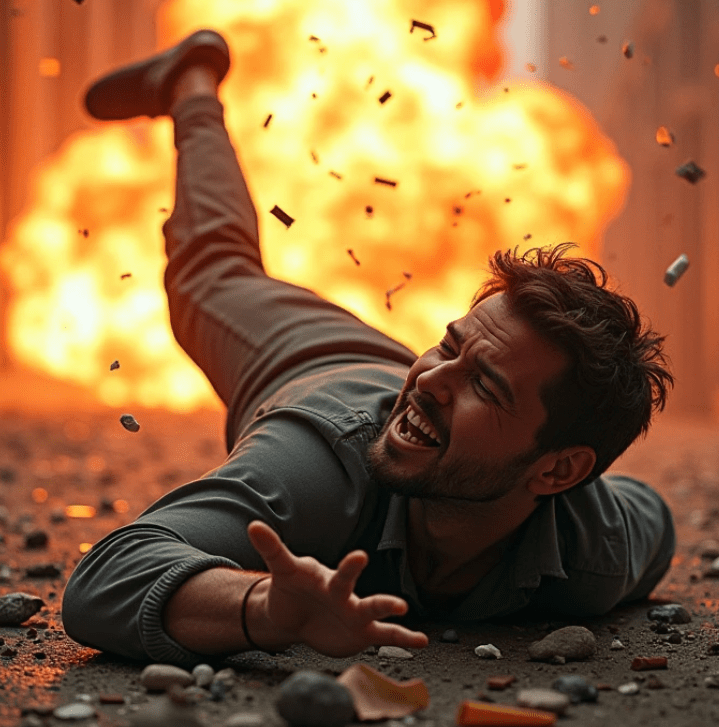
If you’re reading this, it means you take survival seriously — and you should. Riots are unpredictable, dangerous, and often strike with little to no warning. I’ve seen how quickly a peaceful protest can turn into a battleground. Whether you’re in Milwaukee, Madison, or some small Wisconsin town, chaos doesn’t check your zip code. As a trained survival prepper and self-defense instructor, I’m here to walk you through how to stay safe, avoid confrontation, and — if absolutely necessary — defend yourself and your family.
First Rule: Don’t Be There
This might sound obvious, but it’s the #1 rule in riot survival. If you know tensions are high — political rallies, court verdicts, or viral incidents — stay informed. Download police scanner apps. Monitor social media and local news. If things are heating up in your area, get out early. Don’t wait until you hear sirens.
But let’s say you can’t leave. Maybe you’re trapped at work, or your home is directly in the hot zone. That’s when the real prepping comes into play.
The 8 Self-Defense Skills Every Prepper Needs During Civil Unrest
When push comes to shove, you need more than just courage. You need technique. These self-defense skills will keep you alive and out of harm’s way:
1. Situational Awareness
Most fights are won before a punch is thrown. Train yourself to read body language, listen for crowd shifts, and scan for weapons or hostile movements. Get your head out of your phone and observe your environment like your life depends on it — because it might.
2. Escape & Evasion Tactics
You don’t always have to win a fight — you just need to avoid it. Learn how to identify exits, blend into crowds, and move without drawing attention. A hoodie and a clean pair of sneakers can be your best friends when you need to vanish.
3. Open-Hand Strikes
When you’re unarmed, your hands are your weapons. Master palm strikes, hammer fists, and elbow smashes. These are effective, legal in most jurisdictions, and won’t injure your hand like a closed-fist punch might.
4. Close-Quarters Defense
Riots get messy. If someone grabs you or gets in your face, you need to know how to break free. Practice wrist escapes, choke counters, and clinch control. A strong base and good leverage go a long way.
5. Improvised Weapons Training
A metal pen, a tactical flashlight, even a belt can be a weapon. Know how to use everyday items to defend yourself. A rolled-up magazine can be used like a baton. Don’t underestimate what’s in your pocket.
6. Defensive Knife Handling
If you choose to carry a blade, learn how to deploy it safely and defend yourself without escalating unnecessarily. Wisconsin law allows folding knives and certain fixed blades — know what’s legal and train accordingly.
7. Adrenaline Management
Your heart rate will spike during a riot. Train your breath to stay calm under stress. Practice box breathing (inhale 4 seconds, hold 4, exhale 4, hold 4). A calm fighter survives longer.
8. Verbal De-escalation
Sometimes your voice is the strongest weapon. Learn how to stay calm, speak with authority, and de-escalate angry people. Not every encounter needs to go physical. If you can talk your way out, do it.
Shelter in Place: Fortify Your Home
If you’re stuck inside and the riot is moving your way, here’s how to hold your ground:
- Lock all doors and reinforce weak entry points with furniture or braces.
- Close blinds to avoid drawing attention.
- Keep a low profile: No lights, no loud noise, no posting on social media.
- Prepare a “silent room” — preferably a bathroom or interior closet with water, first aid, a flashlight, and a blunt object for defense.
DIY Survival Weapon Skills (When Lawful Defense is Necessary)
You don’t need a full arsenal to defend your home. You need creativity, resourcefulness, and a calm mindset.
1. Homemade Baton from a Broomstick
Break or saw a wooden broom handle into 24-inch sections. Wrap the grip with duct tape or paracord. A simple stick can deliver powerful strikes. Always aim for limbs or midsection — never lethal zones unless it’s truly life-or-death.
2. PVC Pipe Slingshot
Using ½” PVC pipe, surgical tubing, and a leather pouch, you can make a compact slingshot capable of launching marbles or steel balls. It’s quiet, easy to hide, and great for distracting or deterring without drawing attention.
3. Pepper Spray Substitute
Crush red pepper flakes or hot chili powder into water and load it into a cleaned-out spray bottle. It won’t be as potent as commercial pepper spray, but it’ll give you an edge in a pinch. Aim for the eyes, then get out of there fast.
Supplies Checklist for Riot Survival
Keep this kit ready and portable:
- Flashlight (with strobe mode)
- N95 mask (for smoke/tear gas)
- Goggles (construction style)
- Work gloves
- First-aid kit
- Bottled water and energy snacks
- Portable power bank
- Tactical pen or legal pocketknife
- Duct tape and zip ties (multi-purpose)
- Maps — don’t rely on GPS
Escape Routes and Contingency Plans
Know your city. Study maps. Identify alternate routes — alleys, side streets, overpasses, even drainage ditches. Keep your gas tank above half. If you can leave by car, do it early. If you’re on foot, travel in pairs and avoid bottlenecks like bridges or tunnels.
Wisconsin cities are grid-like, which helps. Avoid state highways if protests are near government buildings. Stick to residential neighborhoods to pass through unnoticed.
What Not to Do
- Don’t wear camo, tactical gear, or anything that draws attention.
- Don’t film or provoke rioters — phones are targets.
- Don’t try to “patrol” your neighborhood unless you’re part of an organized, trained group.
- Don’t assume police will help you — during riots, they often have bigger priorities.
After the Riot: Reassess and Recover
When the dust settles, check in with neighbors. Document damage for insurance. If you had to defend yourself, document everything and contact a lawyer. Always stay inside legal boundaries — even in chaos, the law still applies.
Final Word from a Veteran Prepper
You don’t have to be a combat veteran or martial arts expert to survive a riot. You just need clear thinking, simple skills, and the will to act. Preparation beats panic every single time.
If you’re in Wisconsin — or anywhere these days — don’t wait until the streets are burning. Train now. Gear up now. Get mentally sharp now.
Because when it all goes sideways, no one’s coming to save you but you.
 TheDailyChristian