
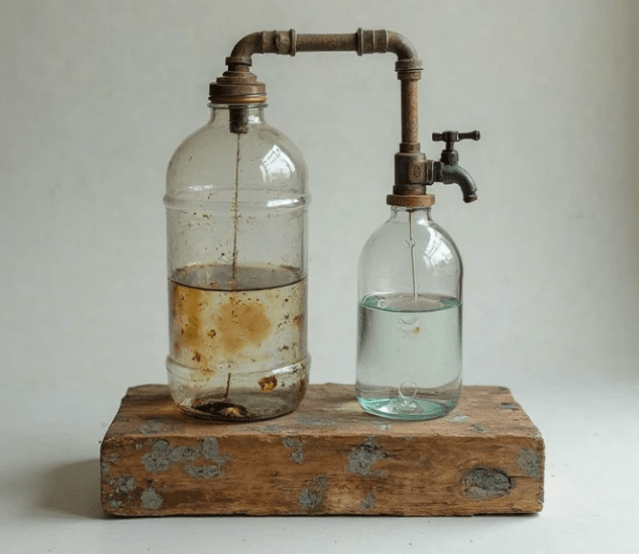
I keep saying it, and nobody listens: water is the first thing that will vanish when society finally collapses. Not your Wi-Fi. Not your gasoline. Not your overpriced organic snack bars. Water. The same stuff everyone wastes every day as if the tap is some magical, eternal fountain. Spoiler alert: it isn’t.
And when the taps run dry, the unprepared masses will panic, trample each other in grocery stores, and fight over the last case of bottled water like feral animals. It’s predictable. It’s avoidable. But people love ignoring reality — right up to the moment reality wipes the floor with them.
So, if you’re one of the rare people who actually gets it, let’s talk about water storage and purification before the world proves (yet again) how fragile it really is.
Why Water Will Fail First (And Why It’s Your Problem)
Most people don’t realize how unbelievably delicate the water grid is. A power outage, a chemical spill, a cyberattack, or a natural disaster is all it takes for the water system to crumble like wet cardboard. Municipal water plants rely on electricity, skilled staff, and supply chains — three things our society has proven it cannot reliably maintain even on a good day.
Yet people trust the system blindly.
They actually believe that if something goes wrong, the government will “step in and help.”
Yeah. Sure. The same government that told you to expect a 72-hour emergency kit while they stockpile years’ worth of supplies in their bunkers.
If you want water in an emergency, you’d better secure it yourself.
How Much Water You Actually Need (Not the Ridiculous Bare Minimums)
The official recommendations say one gallon per person per day. Cute. That’s enough to keep you technically alive but miserable, dehydrated, filthy, and nonfunctional.
A prepper needs at least:
- 2–3 gallons per person per day (drinking, cooking, minimal hygiene)
- At least 14–30 days stored — minimum
If you think that sounds excessive, congratulations — you’re thinking like the average person who ends up on the news crying because they had “no idea something like this could happen.”
The Best Water Storage Containers (For People Who Don’t Trust Cheap Plastic Junk)
1. Thick-Walled BPA-Free Water Jugs
These are good, but only if you buy quality. Not the dollar-store garbage that cracks when the temperature changes by five degrees.
2. Water Bricks
Stackable. Durable. Practically indestructible. If everything else collapses, these will still be standing like tiny blue monuments to your sanity.
3. 55-Gallon Drums
A classic. Store them in a cool area, put them on a platform (never directly on concrete), and use a hand pump. You’ll feel like a pioneer, except smarter and better prepared.
4. IBC Totes (For the Serious Prepper)
275–330 gallons of glorious security. A single tote can keep a family hydrated through weeks of chaos. Just don’t brag about it — desperate neighbors have a funny habit of suddenly remembering where you live.
Hidden Water Sources Everyone Else Is Too Stupid to Notice

When the grid goes down and your neighbors start panicking, you’ll see them sprinting to stores instead of using common sense. Meanwhile, you’ll be collecting from:
- Water heaters (40–80 gallons sitting right there)
- Toilet tanks (the top tank, not the bowl — obviously)
- Rain barrels
- Ice in the freezer
- Backyard pools
(Purify it first — it’s full of chemicals and child pee)
People walk around surrounded by hundreds of gallons of emergency water and never think twice. That’s why preparing feels like shouting into the wind.
Purification Methods (Because Dirty Water Will End You Faster Than Thirst)
1. Boiling
The simplest and most reliable method. Bring it to a rolling boil for one minute. That’s it.
And yet, somehow, people still mess this up.
2. Water Filter Systems
- Sawyer Mini – small, cheap, reliable
- LifeStraw – good for individuals
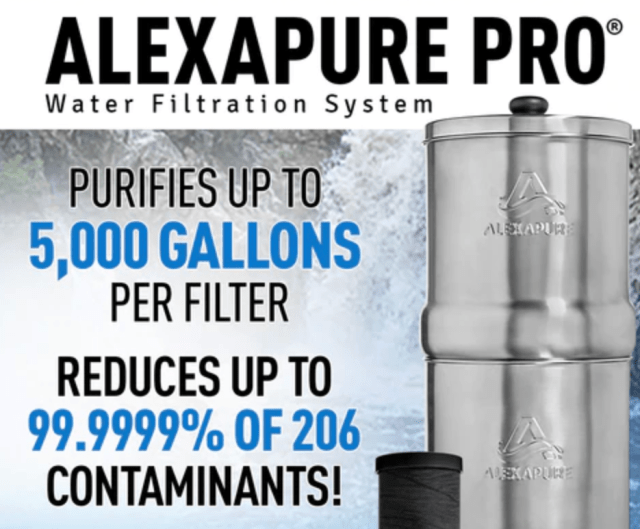
- Berkey – the gold standard for home preppers
- Katadyn – rugged and long-lasting
Filters remove pathogens and debris, but not all chemicals, so pair them with other methods when dealing with questionable sources.
3. Water Purification Tablets
Lightweight, long-lasting, and perfect when boiling isn’t an option.
If the taste bothers you, good — it means you’re alive enough to complain.
4. Unscented Household Bleach
Yes, bleach.
Use only unscented, plain chlorine bleach, and replace your bottles every 6–12 months.
8 drops per gallon
½ teaspoon per 5 gallons
Wait 30 minutes.
If it still smells weird? Filter it again.
5. Solar Disinfection (SODIS)
Put water in a clear bottle, leave it in the sun for six hours.
Slow but effective, especially when you’re out of options.
Rotating Water Storage (Because Nothing Lasts Forever — Especially Not Tap Water)
Stored water isn’t immortal. Rotate it every:
- 6 months for basic tap water
- 12 months for treated, sealed containers
Mark dates. Keep records. Don’t guess. Guessing is for people who die first in every disaster movie.
Rainwater Harvesting: The Prepper’s Secret Weapon
If you aren’t harvesting rainwater yet, start immediately.
All it takes is:
- A roof
- Gutters
- A first-flush diverter
- A few storage barrels or tanks
And suddenly you’re producing your own water supply while everyone else is begging FEMA for a case of Dasani.
In many places it’s legal. In some places it’s restricted. Either way — water falling from the sky belongs to you. I’m not telling you to break laws… I’m just saying governments love regulating things they don’t provide themselves.
Final Prepper Tip: Never Tell Anyone How Much Water You Have

People are friendly right up until they’re thirsty.
When desperation hits:
- Friends become competitors
- Neighbors become threats
- The unprepared become dangerous
Your water supply is nobody’s business. The less people know, the safer you are.
 TheDailyChristian