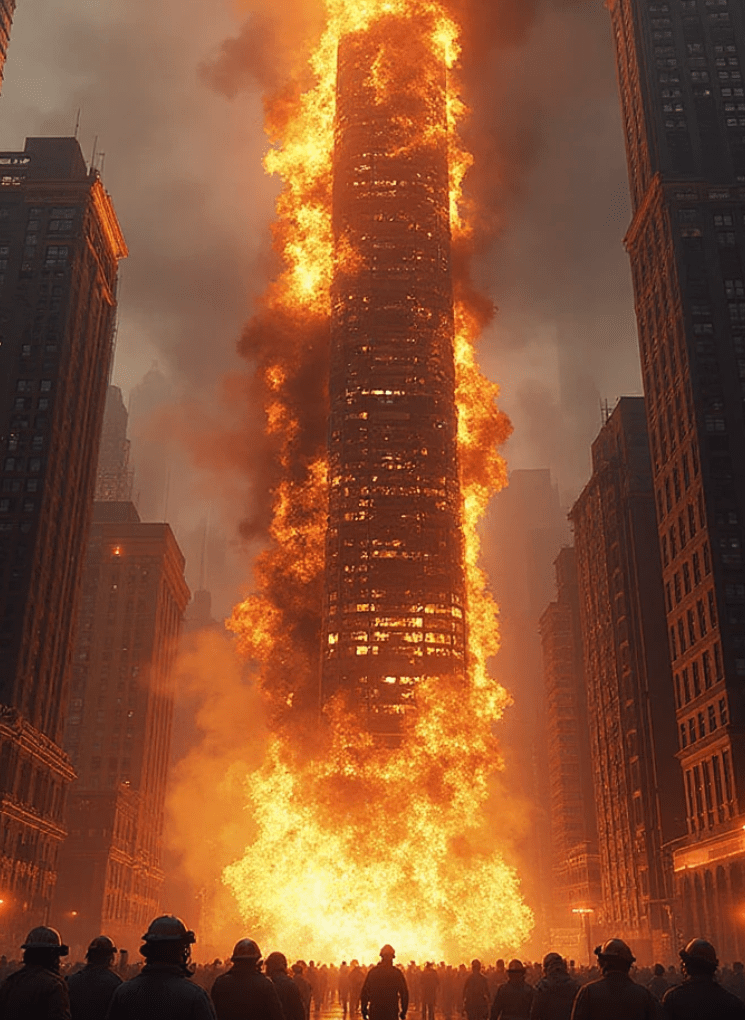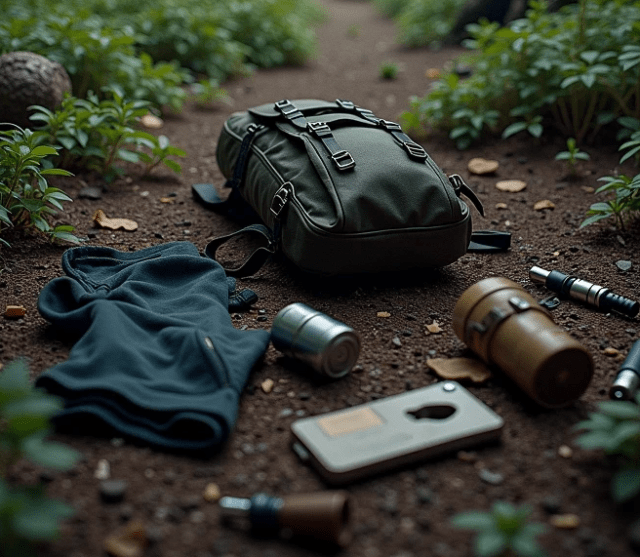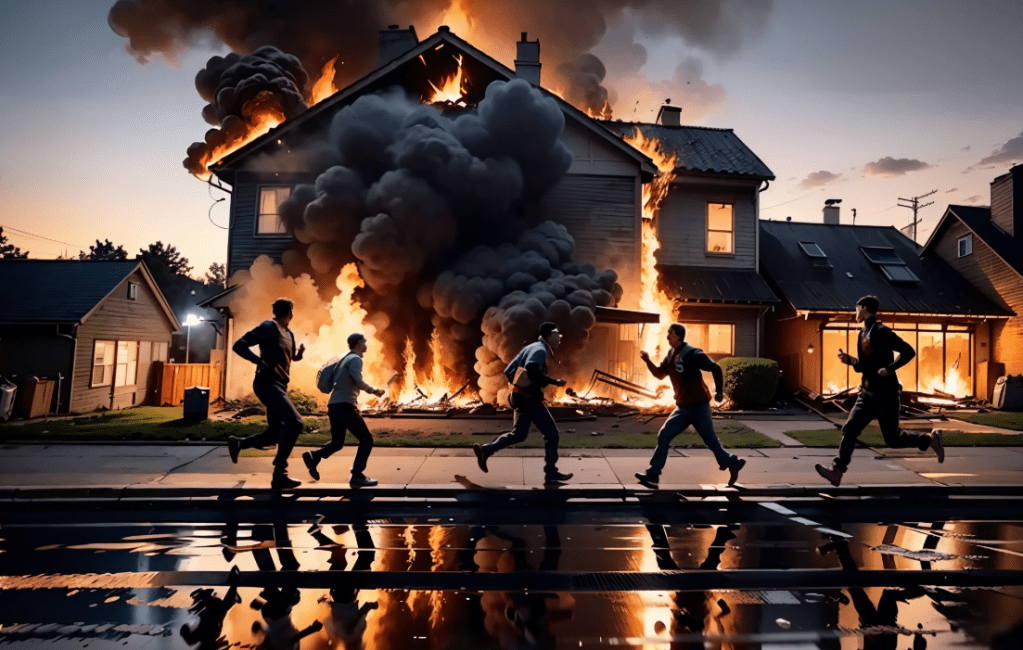
Core Survival Pillars: The Complete Preparedness Blueprint for Modern Emergencies

Brooke Homestead’s Core Survival Pillars: The Essential Preparedness Guide for When Things Go Wrong

Brooke Homestead often tells her audience that preparedness isn’t about fear — it’s about responsibility.

Modern life is incredibly convenient, but it is also fragile. Supply chains stretch across the globe, power grids connect millions of homes, and digital systems control everything from banking to communication. When those systems fail — even temporarily — the consequences can arrive quickly.

As Brooke often says:

“Preparedness isn’t about expecting the worst every day. It’s about building the kind of life where your family is safe even when things go wrong.”

Through years of sharing preparedness knowledge, Brooke has broken survival planning down into core pillars — essential categories every household should address before worrying about advanced gear or extreme scenarios.

These pillars cover basic survival needs, essential gear, practical skills, and realistic emergency planning.

Below is Brooke Homestead’s framework for core survival preparedness.


1. Core Survival Pillars (The Essentials)

Every preparedness plan begins with the most fundamental human needs.

Without these basics, even the most advanced survival gear becomes useless.

Water

Water is the single most important survival resource. Humans can survive weeks without food but only a few days without water.

Brooke recommends storing at least one gallon of water per person per day as a baseline. This includes both drinking and minimal hygiene needs.

For longer emergencies, households should have multiple water solutions, including:

  • Stored water containers or barrels
  • Water purification tablets
  • Portable filters such as Sawyer-style filters or straw filters
  • Knowledge of nearby water sources like rivers, lakes, or wells

Water purification is critical because untreated water can contain bacteria, parasites, and other contaminants.

Simple methods like boiling, filtering, or chemical treatment can make many water sources safe to drink.

Brooke emphasizes redundancy.

“Never rely on just one water source. Storage, filtration, and purification together create real security.”


Food Storage

Food security is another core pillar of preparedness.

Most households rely on grocery stores that carry only a few days’ worth of inventory. When supply chains break down — whether from storms, strikes, or panic buying — shelves can empty quickly.

Brooke recommends building a 3-month to 1-year food supply gradually over time.

A well-balanced emergency pantry often includes:

  • Rice
  • Beans
  • Lentils
  • Pasta
  • Oats
  • Canned vegetables
  • Canned meats
  • Shelf-stable soups

Many preppers also store freeze-dried meals, which can last 20–30 years when properly sealed.

Beyond stockpiling food, Brooke encourages learning food preservation techniques, including:

  • Canning
  • Dehydrating
  • Fermenting
  • Vacuum sealing

These skills allow families to extend food supplies and reduce dependence on external systems.


First Aid & Hygiene

Medical care becomes much harder to access during major disasters. Hospitals may be overwhelmed, transportation may be limited, and pharmacies could run out of essential medications.

For this reason, Brooke encourages building comprehensive medical kits that go beyond basic bandages.

Prepared households often include:

  • Trauma bandages
  • Gauze and compression wraps
  • Antiseptics
  • Pain relievers
  • Allergy medications
  • Tourniquets
  • Medical gloves
  • Thermometers

Prescription medications are also important. Many preparedness experts recommend keeping extra medication supplies whenever legally possible.

Hygiene is equally critical.

When sanitation systems break down, disease can spread rapidly. Emergency hygiene supplies may include:

  • Portable toilet bags
  • Soap and disinfectant
  • Hand sanitizer
  • Wet wipes
  • Waterless hygiene products

Cleanliness can prevent many illnesses that become dangerous during emergencies.


Shelter & Warmth
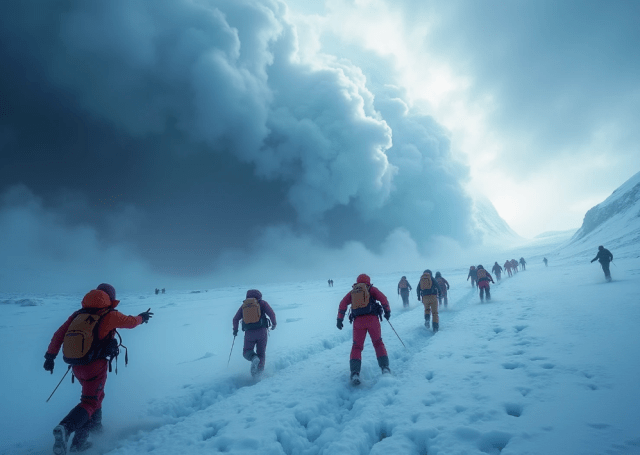
Protection from the elements is another survival priority.

Even mild weather can become dangerous without proper shelter, especially during extended outages or evacuations.

Essential shelter equipment includes:

  • Tents
  • Sleeping bags
  • Tarps
  • Emergency blankets
  • Ground pads

Fire-starting tools are also crucial. Brooke recommends carrying multiple fire-starting methods, including:

  • Ferro rods
  • Stormproof matches
  • Lighters

Fire provides warmth, light, cooking capability, and morale during difficult situations.


2. Gear & Infrastructure

Once the core survival needs are addressed, the next layer of preparedness focuses on mobility, communication, and infrastructure.


Bug-Out Bags (BOB)
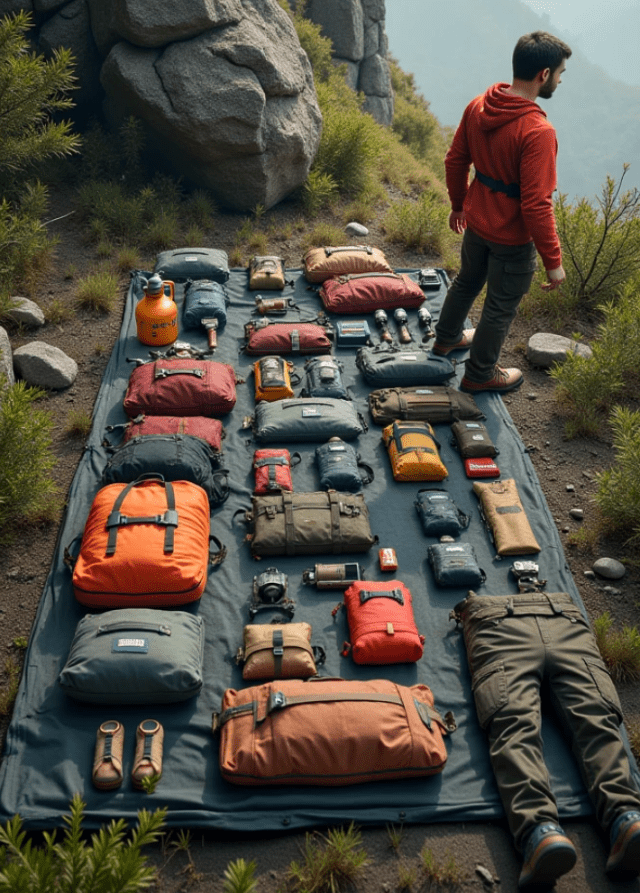
A bug-out bag is a portable emergency kit designed to sustain a person for 72 hours during evacuation.

These bags typically contain:

  • Food and water
  • First aid supplies
  • Flashlights
  • Fire-starting tools
  • Extra clothing
  • Emergency shelter

Every family member should ideally have their own bag prepared in advance.


Everyday Carry (EDC)

Everyday Carry refers to small, practical tools people keep with them daily.

Common EDC items include:

  • Pocket knives
  • Flashlights
  • Multi-tools
  • Lighters
  • Compact first aid supplies

While small, these tools can solve many problems during emergencies.


Power & Light

Electricity powers nearly every part of modern life.

Prepared households often keep backup lighting and power options such as:

  • Solar generators
  • Flashlights
  • Lanterns
  • Spare batteries
  • Candles

Solar charging systems are increasingly popular because they allow renewable power generation during long outages.


Communication

Communication becomes vital during disasters.

Cell networks can fail, making alternative systems important.

Emergency communication tools include:

  • NOAA weather radios
  • HAM radios
  • Two-way radios
  • Satellite messengers

These systems allow people to receive updates and communicate when traditional networks fail.


Security

Emergencies can sometimes create unstable environments.

Prepared households focus on situational awareness and practical home security measures.

This may include:

  • Reinforced doors and locks
  • Outdoor lighting
  • Neighborhood cooperation
  • Personal safety planning

The goal is not confrontation but awareness and protection.


3. Skills & Knowledge
Gear alone does not create preparedness.

Brooke frequently reminds her audience that skills outweigh equipment.


Survival Skills

Basic survival skills can dramatically improve resilience.

Important skills include:

  • Fire-starting
  • Knot-tying
  • Navigation with map and compass
  • Foraging for edible plants

These abilities allow people to function even if equipment is lost or unavailable.


Medical Training

Medical knowledge is especially valuable when professional help is delayed.

Useful training includes:

  • CPR certification
  • Tourniquet application
  • Basic trauma care
  • Wound treatment

Many communities offer emergency medical training classes that can build life-saving skills.


Urban Survival

Preparedness isn’t only for wilderness environments.

Urban areas present their own unique challenges.

Urban survival knowledge may include:

  • Using silcock keys to access exterior water valves
  • Navigating city lockdowns
  • Growing food through urban gardening

Cities contain many hidden resources for those who know where to look.


4. Common Emergency Scenarios
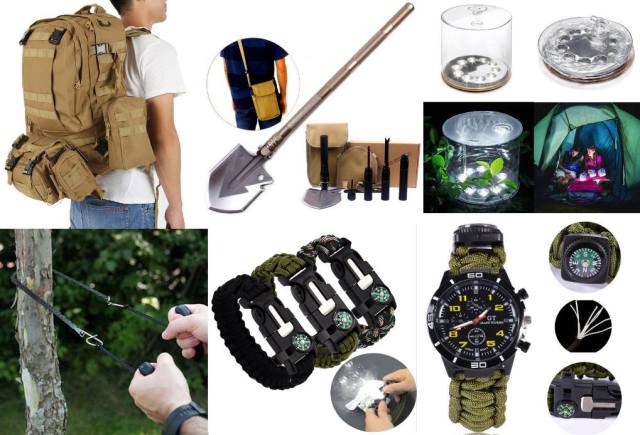
Preparedness planning should focus on realistic events, not just extreme possibilities.

Brooke encourages people to start with the disasters most likely to occur in their region.

Common emergencies include:

Natural Disasters

Events like earthquakes, hurricanes, floods, and wildfires can disrupt communities for weeks.

These disasters often cause:

  • Power outages
  • Road closures
  • Water contamination
  • Supply shortages

Prepared households can remain safe and self-sufficient during recovery periods.


Power Outages and Grid Failures

Large power outages have become increasingly common.

A grid failure can affect:

  • Water systems
  • refrigeration
  • communication networks
  • fuel pumps

Backup lighting, food storage, and alternative power sources help families manage extended outages.


Economic Disruptions

Economic instability can also disrupt supply chains.

Shortages, inflation, and transportation issues can affect food and fuel availability.

Prepared households with stocked pantries and emergency supplies experience far less stress during these events.


5. Specialized Prepping Areas

Once the basic pillars are in place, many preparedness enthusiasts explore additional areas of resilience.


Financial Preparedness

Digital payment systems depend on electricity and internet access.

During outages or cyber disruptions, cash becomes essential.

Brooke recommends keeping small bills stored safely for emergencies.


Emergency Cooking

If power or gas systems fail, cooking becomes difficult.

Prepared households often keep backup cooking options such as:

  • Coleman camping stoves
  • Solar ovens
  • Rocket stoves

These tools allow food preparation even during extended outages.


Vehicle Preparedness

Vehicles can become vital during evacuations.

Many preppers keep a “Get Home Bag” in their car containing:

  • Water
  • Snacks
  • Flashlights
  • First aid supplies
  • Navigation tools

This kit helps people return home safely if transportation systems fail.


DIY Emergency Repairs

Small infrastructure problems can become major issues during disasters.

Basic repair skills can solve many emergencies.

Useful supplies include:

  • Plumber’s epoxy for pipe leaks
  • Specialized repair tapes
  • Multi-tools
  • Spare hardware

Quick fixes can prevent serious damage to homes and vehicles.


Final Thoughts

Brooke Homestead’s preparedness philosophy focuses on layered resilience.

Instead of obsessing over worst-case scenarios, she encourages people to gradually build systems that support their families through disruptions.

Her core survival pillars emphasize:

  • Water
  • Food
  • Medical readiness
  • Shelter
  • Skills
  • Practical tools

As Brooke often reminds her audience:

“Preparedness isn’t about predicting the future. It’s about building the ability to handle whatever the future brings.”

By focusing on these core survival pillars, families can build confidence, security, and peace of mind — no matter what challenges come their way.


Survival Gardening Advice for New Hampshire

(Click on any picture for a short video)

(Female Survivalist of the Year: Brooke Homestead Pictured Above)

Now let’s talk some New Hampshire gardening, but extreme gardening advice from Brooke Homestead!

Brooke Homestead — 26-year-old former yoga model turned preparedness authority — has taken the survival world by storm.

Here’s Brooke introducing herself:

“Hi, I’m Brooke Homestead. I used to chase perfect lighting. Now I chase food independence. New Hampshire taught me something powerful — resilience doesn’t need drama. It needs discipline.”

Brooke’s Gardening Advice for New Hampshire

“New Hampshire is one of the most gardener-friendly survival states — if you understand the seasons.

Most of the state falls within USDA hardiness zones 4–6. That gives you a solid but limited growing window.

First: maximize the shoulder seasons. Start seeds indoors in late winter. Use cold frames and row covers in early spring and late fall.

Second: focus on cold-hardy crops. Kale, cabbage, carrots, potatoes, beets, peas, and winter squash thrive here.

Third: plan for frost. Even late May frosts can damage tender crops. Always watch the forecast.

Fourth: soil building is key. Many areas have rocky or acidic soil. Test your soil and amend with compost and organic matter yearly.

Fifth: diversify your calorie crops. Potatoes and dry beans should be staples. Add garlic and onions for storage longevity.

Sixth: preserve aggressively. Dehydrate apples. Pressure can vegetables. Store root crops in cool basements.

Seventh: think long term. Plant berry bushes and fruit trees. Perennials reduce yearly labor and increase food security.

In New Hampshire, gardening isn’t extreme survivalism.

It’s common sense.

Resilience grows in layers — just like healthy soil.”

Top 10 Ways Oklahomans Die (And How to Avoid Every One of Them)

Oklahoma is a strong, resilient state built by people who know how to endure hardship. But despite that grit, thousands of Oklahomans die every year from preventable causes—not from old age, not from natural decline, but from lack of preparedness, lack of awareness, and lack of survival skills.

As a survivalist and preparedness advocate, I believe one thing deeply:

If you understand what actually kills people where you live—and prepare for it—you dramatically increase your odds of survival.

This article breaks down the top 10 ways people in Oklahoma die that are NOT related to old age, explains why these deaths happen, and—most importantly—what you must do to avoid becoming another statistic.

This isn’t fear-mongering.
This is real-world survival education.


⚠️ Why This Matters in Oklahoma

Oklahoma has unique risk factors:

  • Severe weather (tornadoes, floods, heat)
  • Rural roads and long EMS response times
  • High firearm ownership
  • Agricultural and industrial hazards
  • Elevated substance abuse rates
  • Extreme temperature swings

Preparedness here isn’t optional—it’s essential.


🧠 The Top 10 Ways People Die in Oklahoma (Not Old Age)


1. 🚗 Motor Vehicle Accidents

Why This Kills So Many Oklahomans

Car crashes are consistently one of the leading causes of death in Oklahoma, especially for people under 55.

Contributing factors include:

  • High-speed rural highways
  • Long stretches of unlit roads
  • Distracted driving
  • Drunk or impaired driving
  • Not wearing seatbelts
  • Severe weather conditions

Rural crashes are especially deadly because help can be 30–60 minutes away.

How to Survive It

A prepper doesn’t just “drive”—they plan for crashes.

Survival actions:

  • Always wear a seatbelt (it reduces fatal injury risk by over 45%)
  • Slow down on rural roads—speed kills faster than anything else
  • Carry a vehicle emergency kit:
    • Tourniquet
    • Trauma bandages
    • Flashlight
    • Emergency blanket
  • Learn basic trauma care
  • Never drive impaired—ever

Survival rule: Your car is a potential weapon. Treat it with respect.


2. 💊 Drug Overdoses (Especially Opioids & Meth)

Why This Is So Deadly

Oklahoma has struggled with:

  • Prescription opioid misuse
  • Methamphetamine abuse
  • Fentanyl contamination

Many overdoses happen because:

  • People don’t know their dosage
  • Drugs are laced
  • Users are alone
  • No one recognizes overdose symptoms in time

How to Survive It

Preparedness means harm reduction, even if you don’t use drugs yourself.

Survival actions:

  • Carry Naloxone (Narcan)—it saves lives
  • Learn overdose signs:
    • Slow or stopped breathing
    • Blue lips or fingertips
    • Unresponsiveness
  • Never use substances alone
  • Seek treatment early—addiction is survivable

A prepared community keeps its people alive—even when they’re struggling.


3. 🔫 Firearm-Related Deaths (Accidental, Suicide, Violence)

Why Firearms Are a Major Risk

Oklahoma has high gun ownership, which increases risk when:

  • Firearms aren’t stored properly
  • Mental health struggles go untreated
  • Alcohol or drugs are involved
  • Safety training is ignored

Many deaths are accidental or impulsive, not intentional acts of violence.

How to Survive It

Being armed doesn’t make you prepared—being disciplined does.

Survival actions:

  • Store firearms locked and unloaded when not in use
  • Use gun safes and trigger locks
  • Take professional firearm training
  • Never mix guns with alcohol
  • Address mental health honestly

The deadliest weapon is complacency.


4. 🌪️ Tornadoes & Severe Storms

Why Oklahomans Still Die in Tornadoes

Despite warnings, people die because:

  • They don’t take alerts seriously
  • They don’t have shelters
  • They wait too long to act
  • Mobile homes offer little protection

Tornadoes don’t care how tough you are.

How to Survive It

Preparedness saves lives before the storm hits.

Survival actions:

  • Know your shelter location
  • Install weather alert apps
  • Practice tornado drills
  • Have helmets for head protection
  • Keep emergency supplies in your shelter

When seconds matter, preparation decides who lives.


5. 🔥 Fires & Smoke Inhalation

Why Fires Kill Quickly

Most fire deaths happen from smoke inhalation, not flames.

Common causes:

  • Faulty wiring
  • Space heaters
  • Cooking accidents
  • Lack of smoke detectors

Many victims never wake up.

How to Survive It

Fire survival is about early warning and fast escape.

Survival actions:

  • Install smoke detectors in every room
  • Test them monthly
  • Keep fire extinguishers accessible
  • Practice exit routes
  • Crawl low under smoke

Fire doesn’t forgive mistakes—prepare accordingly.


6. 🌊 Flooding & Flash Floods

Why Floods Kill in Oklahoma

Flood deaths often occur when people:

  • Drive into flooded roads
  • Underestimate water depth
  • Ignore warnings

Just 12 inches of moving water can sweep away a vehicle.

How to Survive It

Flood survival is about respecting water.

Survival actions:

  • Never drive through floodwaters
  • Know evacuation routes
  • Keep emergency supplies elevated
  • Monitor weather alerts
  • Move to higher ground immediately

Water always wins. Don’t challenge it.


7. 🌡️ Extreme Heat

Why Heat Kills

Oklahoma summers are brutal. Heat kills through:

  • Dehydration
  • Heat exhaustion
  • Heat stroke

Vulnerable populations include:

  • Outdoor workers
  • Elderly
  • People without AC

How to Survive It

Heat survival is resource management.

Survival actions: (ALWAYS DRESS IN CLOTHING THAT WILL KEEP YOU COOL)

  • Hydrate constantly
  • Avoid peak heat hours
  • Use electrolyte replacements
  • Know heat illness symptoms
  • Never leave people or pets in cars

Heat kills quietly. Preparation keeps you conscious.


8. ⚙️ Workplace & Farm Accidents

Why These Are So Common

Oklahoma’s agriculture and energy industries involve:

  • Heavy machinery
  • Confined spaces
  • Hazardous materials

Many deaths result from:

  • Skipped safety steps
  • Fatigue
  • Equipment misuse

How to Survive It

Professional survivalists respect process and protocol.

Survival actions:

  • Follow lockout/tagout procedures
  • Wear protective gear
  • Never rush tasks
  • Stay alert and rested
  • Report unsafe conditions

Shortcuts are paid for with blood.


9. 🧠 Suicide

Why This Claims So Many Lives

Suicide is one of the leading causes of death under 45.

Factors include:

  • Untreated depression
  • Financial stress
  • Isolation
  • Access to lethal means

This is a preventable survival failure, not a weakness.

How to Survive It

Mental preparedness is survival preparedness.

Survival actions:

  • Talk openly about mental health
  • Remove immediate lethal means during crises
  • Build community connections
  • Seek help early
  • Know crisis resources

Survival starts in the mind.


10. 🦠 Preventable Illness & Infection

Why People Still Die

Many deaths occur due to:

  • Untreated infections
  • Delayed medical care
  • Poor hygiene
  • Ignoring symptoms

In rural areas, access delays can be deadly.

How to Survive It

Medical preparedness is survival preparedness.

Survival actions:

  • Learn basic first aid
  • Keep medical supplies stocked
  • Don’t ignore infections
  • Practice sanitation
  • Seek care early

Infection kills faster than bullets when ignored.


🧭 Final Survivalist Thoughts

Preparedness isn’t paranoia.
It’s respect for reality.

The people who survive aren’t luckier—they’re ready.

If you live in Oklahoma, your survival depends on:

  • Awareness
  • Training
  • Equipment
  • Community
  • Discipline

The goal isn’t to live in fear.
The goal is to live prepared.

The Top 10 Ways Kentuckians Die Too Young—and How to Beat Every One of Them

Kentucky is a beautiful, resource-rich state with deep traditions, strong communities, and a resilient people. But it is also a state where avoidable deaths happen every single day—not from old age, but from environmental hazards, lifestyle risks, infrastructure weaknesses, and human behavior.

As a professional survivalist and preparedness educator, I’ll tell you this plainly:

Most people who die prematurely in Kentucky did not have to die.

They weren’t killed by freak accidents or unstoppable forces of nature. They died because they were unprepared, uninformed, or overconfident. Survival is not about paranoia—it’s about education, planning, and disciplined habits.

This article breaks down the top 10 non–old-age causes of death in Kentucky, explains why they happen, and—most importantly—details what you must do to survive them.

This isn’t fear-mongering.
This is reality-based preparedness.


1. Heart Disease and Sudden Cardiac Events

Why People Die From It in Kentucky

Heart disease is the single largest killer in Kentucky, even among people who are not elderly. The state consistently ranks near the top nationally for:

  • Obesity
  • Smoking
  • High blood pressure
  • Poor diet
  • Low physical activity

Many Kentuckians live in rural areas where medical response times are longer, and heart attacks often occur at home, at work, or while driving—not in hospitals.

The most dangerous factor?

People ignore early warning signs.

Chest tightness, fatigue, shortness of breath, jaw pain, arm pain—these are brushed off until it’s too late.

How to Survive It

Survival from heart disease is not complicated—but it requires discipline.

Survival Actions:

  • Quit smoking completely (no “cutting back”)
  • Maintain a survival-ready body: strength, stamina, and flexibility
  • Control blood pressure and cholesterol through testing—not guesswork
  • Keep aspirin and emergency contact plans accessible
  • Learn CPR and insist your household does too
  • Never ignore chest pain—ever

A prepper’s body is a tool. If your heart fails, nothing else you own matters.


2. Drug Overdoses (Prescription & Illicit)

Why People Die From It in Kentucky

Kentucky has been hit hard by the opioid epidemic. Overdose deaths come from:

  • Prescription painkillers
  • Fentanyl-laced street drugs
  • Mixing opioids with alcohol or benzodiazepines
  • Lack of overdose awareness

Many overdoses happen alone, meaning no one is present to help.

How to Survive It

Preparedness here means harm reduction and situational awareness.

Survival Actions:

  • Avoid illicit drugs entirely—this is survival, not moral judgment
  • If prescribed opioids, follow dosage exactly
  • Never mix opioids with alcohol
  • Keep Naloxone (Narcan) in your home and vehicle
  • Learn overdose signs: slowed breathing, blue lips, unconsciousness
  • Call emergency services immediately—do not hesitate

A true prepper understands that addiction is a survival threat, not a character flaw.


3. Motor Vehicle Accidents

Why People Die From It in Kentucky

Kentucky’s rural roads, narrow highways, and winding terrain create dangerous driving conditions. Fatal crashes often involve:

  • Speeding
  • Impaired driving
  • Distracted driving
  • No seatbelt use
  • Poor road lighting
  • Wildlife collisions

Rural crashes are especially deadly due to delayed medical response.

How to Survive It

Vehicles are survival tools—or coffins.

Survival Actions:

  • Always wear a seatbelt
  • Drive defensively, not emotionally
  • Avoid driving fatigued
  • Slow down on back roads and in bad weather
  • Keep emergency gear in your vehicle:
    • First aid kit
    • Tourniquet
    • Flashlight
    • Water
    • Blanket
  • Watch for deer—especially dawn and dusk

Prepared drivers live longer. Reckless ones become statistics.


4. Firearms Accidents and Violence

Why People Die From It in Kentucky

Firearms are common in Kentucky households, which increases both responsibility and risk. Deaths occur from:

  • Improper storage
  • Accidental discharges
  • Domestic disputes
  • Suicide
  • Lack of firearms training

The most dangerous belief?

“I’ve been around guns my whole life—I don’t need training.”

How to Survive It

Firearm ownership demands professional-level discipline.

Survival Actions:

  • Store firearms locked and unloaded when not in use
  • Keep ammunition stored separately
  • Use trigger discipline at all times
  • Never mix firearms and alcohol
  • Seek firearms training regularly
  • Address mental health struggles early and seriously

A prepared person treats firearms as tools of last resort, not toys.


5. Suicide

Why People Die From It in Kentucky

Suicide is one of the most tragic—and preventable—causes of death. Contributing factors include:

  • Economic stress
  • Social isolation
  • Chronic pain
  • Substance abuse
  • Untreated mental illness
  • Access to lethal means

Rural isolation makes help harder to reach.

How to Survive It

Preparedness includes mental resilience.

Survival Actions:

  • Build strong social connections
  • Talk openly about mental health
  • Secure firearms during emotional crises
  • Seek professional help early
  • Know crisis resources and hotlines
  • Check on your neighbors—especially the quiet ones

Survival is not weakness. Asking for help is preparedness.


6. Falls and Traumatic Injuries

Why People Die From It in Kentucky

Falls are not just an elderly problem. Fatal falls happen from:

  • Ladders
  • Roofs
  • Construction work
  • Farming equipment
  • Alcohol use

Head injuries and internal bleeding are often underestimated.

How to Survive It

Preparedness means respecting gravity.

Survival Actions:

  • Use safety equipment: harnesses, helmets
  • Avoid working alone at heights
  • Stay sober during physical labor
  • Learn first aid for head injuries
  • Seek medical care after significant falls

A ladder can kill faster than a storm if you’re careless.


7. Workplace and Farm Accidents

Why People Die From It in Kentucky

Agriculture, mining, logging, and manufacturing are dangerous fields. Fatal accidents involve:

  • Heavy machinery
  • Lack of safety training
  • Fatigue
  • Equipment failure

Many incidents happen because someone “cut a corner.”

How to Survive It

Survival favors patience.

Survival Actions:

  • Follow lock-out/tag-out procedures
  • Wear proper PPE
  • Take breaks
  • Inspect equipment regularly
  • Never rush heavy equipment tasks

No job is worth your life.


8. House Fires and Carbon Monoxide Poisoning

Why People Die From It in Kentucky

House fires kill quickly due to:

  • Lack of smoke detectors
  • Faulty wiring
  • Space heaters
  • Cooking fires
  • Carbon monoxide buildup

Many victims never wake up.

How to Survive It

Prepared homes save lives.

Survival Actions:

  • Install smoke and CO detectors on every level
  • Test alarms monthly
  • Have fire extinguishers accessible
  • Create and practice escape plans
  • Never run generators indoors

Fire does not forgive mistakes.


9. Severe Weather Events

Why People Die From It in Kentucky

Kentucky experiences:

  • Tornadoes
  • Flooding
  • Ice storms
  • Heat waves

Deaths often occur because people wait too long to act.

How to Survive It

Weather survival requires early action.

Survival Actions:

  • Monitor weather alerts
  • Have shelter plans for tornadoes
  • Avoid floodwaters—never drive through them
  • Keep emergency supplies stocked
  • Prepare for power outages

Nature always wins. Preparation lets you endure.


10. Infectious Diseases and Preventable Illness

Why People Die From It in Kentucky

Preventable diseases still kill due to:

  • Delayed treatment
  • Poor hygiene
  • Chronic illness
  • Vaccine hesitancy
  • Overloaded healthcare systems

How to Survive It

Preparedness is proactive health.

Survival Actions:

  • Maintain basic hygiene
  • Treat wounds immediately
  • Keep medical supplies stocked
  • Stay informed during outbreaks
  • Seek early treatment

Survival favors those who act early—not those who wait.


Final Thoughts: Preparedness Is a Lifestyle

Every cause of death listed here shares one truth:

Prepared people survive longer.

Survival is not about hoarding gear—it’s about:

  • Knowledge
  • Discipline
  • Awareness
  • Responsibility

If you live in Kentucky, you live in a state that rewards self-reliance. Learn the risks. Respect them. Prepare accordingly.

Because survival isn’t luck.

It’s a choice.

Survival Essentials: Calculating the Right Water for Freeze-Dried and Dehydrated Meals

When it comes to preparing for uncertain times, one of the most critical skills a survivalist can master is understanding how to properly use your emergency food supply. Among the most popular choices in the prepping community are freeze-dried and dehydrated foods. While they might seem similar on the surface, they have significant differences that impact not only storage and shelf life but also one of the most overlooked survival essentials: water. Today, I’m going to break down exactly how much water you need for both types of foods, why it matters, and some insider tips to make sure you never waste a drop during a crisis.

Freeze-Dried vs. Dehydrated: What’s the Difference?

Before diving into the water calculations, it’s important to understand the difference between freeze-dried and dehydrated foods. Both methods remove moisture from the food to extend shelf life, but the process is different, which directly affects water needs during preparation.

Freeze-Dried Food: Freeze-drying is a process where food is first frozen and then placed under a vacuum, which removes moisture by turning ice directly into vapor without passing through the liquid stage. This method preserves most of the food’s nutrients, color, and flavor. The food is extremely light, making it ideal for bug-out bags or long-term storage.

Dehydrated Food: Dehydration, on the other hand, uses heat to remove moisture from the food. While it’s a bit heavier than freeze-dried food and can lose some nutrients during processing, it’s often more cost-effective and widely available. Dehydrated food generally has a denser texture, which impacts how much water it will absorb when rehydrated.

Understanding these differences is key because the amount of water needed isn’t just a guideline—it’s the difference between a meal that’s palatable and one that’s too dry or mushy to eat.


Water Needs for Freeze-Dried Food

Freeze-dried meals are like little survival time capsules. They are incredibly dry, sometimes containing as little as 2-5% of their original water content. This means that when it’s time to eat, you have to add back almost all the moisture they lost.

General Guidelines:

  • On average, most freeze-dried foods require 1 to 1.5 cups of water per serving.
  • Soups and stews may need slightly more to reach the desired consistency.
  • Vegetables and fruits, depending on their type, often need just enough water to rehydrate to their original texture without becoming soggy.

Here’s a simple rule of thumb: if the package says the food weighs 1 ounce dry, it will usually need around 2-3 ounces (roughly ¼ cup) of water to rehydrate. This can vary, so always check the instructions on the packaging and adjust based on your texture preference.

Hot vs. Cold Water:

  • Many freeze-dried meals rehydrate faster and taste better when hot water is used. In survival scenarios, this can be a game-changer—hot meals not only improve morale but also help maintain body temperature in cold conditions.
  • Cold water can work in a pinch, but be prepared for a longer rehydration period, sometimes up to 30 minutes for larger pieces of freeze-dried vegetables or meat chunks.

Water Needs for Dehydrated Food

Dehydrated foods have already been partially dried using heat, which means they retain slightly more moisture than freeze-dried foods. As a result, they generally require less water to rehydrate.

General Guidelines:

  • Most dehydrated vegetables and fruits require ½ to 1 cup of water per serving.
  • Pasta, rice, or grains usually absorb 1 to 1.25 cups of water per serving when cooked.
  • Dense items like beans or legumes may require pre-soaking in water for several hours or overnight to ensure proper hydration.

Because dehydrated foods absorb water more slowly, they’re slightly more forgiving than freeze-dried meals. You can add extra water during cooking without risking ruining the meal, which is helpful if you’re unsure of your water measurements.

Tip for Survival Situations:
If water is limited, dehydrated foods might be your best option for calorie density per ounce of water used. For example, a cup of dehydrated beans will yield more edible calories than the same cup of freeze-dried beans when rehydrated with limited water.


Calculating Water Needs in Advance

One of the biggest mistakes new preppers make is not calculating water needs in advance. If a disaster strikes and you only have your emergency food supply, you need to know exactly how much water you will require for every meal.

Here’s a practical approach:

  1. List Your Meals: Write down every freeze-dried and dehydrated meal in your stockpile.
  2. Check the Package Instructions: Note the exact amount of water recommended per serving.
  3. Adjust for Survival Needs: In high-stress scenarios, you might need more water than the instructions suggest for palatability. Add 10-20% extra to ensure meals are satisfying.
  4. Multiply by Servings: Calculate total water per day based on how many people will be eating.
  5. Add Safety Buffer: Always store at least 20% more water than calculated to account for cooking losses or unexpected needs.

By doing this exercise, you can ensure your water reserves are sufficient for both hydration and meal preparation—a crucial factor often overlooked in emergency planning.


Practical Tips for Using Water Efficiently

  1. Measure Once, Use Twice: In survival situations, it’s better to pre-measure water for each meal to avoid over-pouring and wasting water.
  2. Use Boiling Water: When possible, boiling water not only speeds up rehydration but also kills any pathogens, keeping your meals safe.
  3. Layer Foods for Multi-Use Water: If you’re making soups or stews, consider adding multiple freeze-dried or dehydrated items to one pot to maximize water efficiency.
  4. Store Water Separately: Keep your emergency water stockpiles in containers separate from food. This way, you can easily calculate usage per meal without accidentally depleting drinking water reserves.

Freeze-Dried vs. Dehydrated: Which Is Better in a Survival Situation?

Both have their advantages. Freeze-dried foods are lighter, last longer, and retain more nutrients. They’re perfect for long-term storage and portable bug-out bags. However, they require more water per meal.

Dehydrated foods are denser and require less water, which is a significant advantage if your water supply is limited. They are also slightly more forgiving when rehydrating, making them easier for cooking in less-than-ideal conditions.

In reality, a smart survival prepper will likely use a combination of both. Stocking both types of food ensures you have options depending on your water availability, cooking methods, and meal preferences.


Final Thoughts

Understanding how much water is needed for freeze-dried vs. dehydrated food can make the difference between a mealtime morale boost and a culinary disaster in a survival situation. Remember, water is just as critical as food—sometimes even more so—and careful planning ensures that you get the most out of both.

Whether you’re a seasoned prepper or just starting your survival journey, taking the time to calculate water needs and understand the differences between food types gives you a huge advantage when disaster strikes. After all, survival isn’t just about having the right supplies—it’s about knowing how to use them efficiently to sustain life, health, and hope in the toughest situations.

Stay prepared, stay resourceful, and never underestimate the power of a properly rehydrated meal to keep your spirits and energy high when it matters most.

Nuclear War Won’t Kill You First—People Will

The beginning of a nuclear war will not look like the movies. There won’t be heroic music, clear villains, or a neat countdown clock. What you’ll get instead is confusion, panic, misinformation, and millions of scared, selfish people who suddenly realize the system they trusted is gone. The blast is terrifying, sure. The radiation is deadly. But people? People will be the real danger from minute one.

I’ve spent years preparing for disasters because I don’t trust society to hold itself together when things get ugly. And nuclear war is the ugliest scenario humanity has ever engineered. When it starts, the rules you think exist—laws, politeness, morality—will evaporate faster than common sense in a crowded city. If you want to survive the opening phase, you need to stop thinking like a citizen and start thinking like a survivor.

The First Hours: Panic Is Contagious

When the first alerts hit—whether it’s sirens, phone warnings, or social media exploding—you’ll see mass panic almost immediately. People will rush to gas stations, grocery stores, pharmacies, and highways. Not because it’s logical, but because panic spreads faster than radiation.

Your biggest mistake would be joining the herd. Crowds are dangerous in normal times. In a nuclear crisis, they’re lethal. People will fight over fuel, trample each other for food, and pull weapons they barely know how to use. All it takes is one loud noise or rumor to turn a crowd into a riot.

If you are not already in a safe location when the news breaks, your priority is simple: get away from people, not toward supplies. The supplies will still be there later—assuming anyone survives to use them. Crowds, on the other hand, will get violent fast.

Shelter Is About Distance From People, Not Comfort

Everyone talks about bunkers, basements, and fallout shelters. What they don’t talk about is who else wants to use them. Public shelters will be chaos. Shared shelters will become power struggles. The more people involved, the faster cooperation turns into conflict.

Your shelter doesn’t need to be perfect. It needs to be discreet. A quiet, low-profile location away from main roads and population centers is worth more than the most well-stocked shelter surrounded by desperate neighbors. The less visible you are, the less likely someone will decide you have something worth taking.

Noise discipline matters. Light discipline matters. Smoke, generators, and loud conversations will advertise your location to people who are already on edge. In the early days of nuclear war, attention is a liability.

Trust No One—Especially at the Beginning

This is the part that makes people uncomfortable, but comfort died the moment the missiles launched. At the beginning of a nuclear war, trust is a luxury you cannot afford.

People you’ve known for years may turn on you if they think you have food, water, or shelter. Strangers will lie without hesitation. Some will cry, beg, or tell convincing stories because desperation strips away shame.

That doesn’t mean you become a monster. It means you become cautious. Help can wait. Survival cannot. If you give away your supplies or expose your shelter in the first wave of chaos, you’re signing your own death warrant.

Later—much later—small, trusted groups may form. But in the opening phase, when fear is at its peak and information is nonexistent, isolation is often safer than cooperation.

Information Will Be Weaponized

During the early stages of nuclear conflict, information will be wrong, delayed, or deliberately misleading. Governments will downplay damage. Social media will amplify rumors. People will repeat anything that gives them hope or justifies their panic.

Following bad information can get you killed. Evacuation orders may send you straight into fallout zones. “Safe routes” may be clogged with abandoned vehicles and armed opportunists.

Your best strategy is to assume that official information is incomplete and public chatter is useless. Make decisions based on preparation and observation, not headlines. If you prepared in advance, now is the time to follow your plan—not improvise based on someone else’s fear.

Resources Turn People Into Predators

Food, water, medical supplies, and shelter will instantly become currency. And where currency exists, so do predators. Some people will organize quickly—not to help, but to take.

Looting will start almost immediately. At first it will target stores. Then it will move to homes. Anyone who looks prepared becomes a target. If you look calm, organized, or well-supplied, someone will notice.

This is why blending in matters early on. Do not advertise preparedness. Do not show off gear. Do not talk about what you have. Scarcity turns envy into violence.

Movement Is Risky—Staying Put Is Usually Safer

In the early phase of nuclear war, movement exposes you to people, fallout, and bad decisions. Every mile traveled increases the chance of confrontation. Roadblocks—official or otherwise—will appear. Some will be manned by authorities. Others will be manned by people with guns and no rules.

If you have shelter and supplies, staying put is often the best option. Let the initial wave of chaos burn itself out. People will exhaust themselves panicking, fighting, and fleeing. Those who survive will slow down eventually.

Moving later, when desperation has thinned the population and patterns have emerged, is safer than moving immediately into the storm.

Self-Defense Is About Deterrence, Not Heroics

If you think the beginning of nuclear war is the time to play hero, you won’t last long. Self-defense is not about winning fights—it’s about avoiding them.

A visible ability to defend yourself can deter some threats, but it can also attract others. The goal is to look uninteresting, not intimidating. You want to be the house people pass by, not the one they think is worth the risk.

If confrontation is unavoidable, end it quickly and decisively. Hesitation invites escalation. But understand this: every conflict increases your visibility and your risk. Violence is sometimes necessary, but it always has consequences.

Psychological Survival Matters

Anger will keep you alert, but despair will get you killed. The beginning of nuclear war will crush illusions—about safety, about society, about human goodness. That realization hits people hard.

You need to accept the reality quickly: the world you knew is gone, and no one is coming to save you. Once you accept that, you can focus on what actually matters—staying alive, staying hidden, and staying disciplined.

Routines help. Silence helps. Purpose helps. Panic is the enemy.

The Hard Truth No One Likes to Admit

Most people are not prepared. Most people are not mentally equipped for collapse. When nuclear war begins, those people will do irrational, dangerous things. Not because they’re evil, but because they’re scared.

Your job is not to fix society. Your job is to survive it.

The beginning of nuclear war is not about rebuilding or community or hope. That comes later, if it comes at all. The beginning is about enduring the worst behavior humanity has to offer while the fallout settles—both literal and psychological.

If you can stay out of sight, out of crowds, and out of other people’s plans, your odds improve dramatically. The bombs may fall without warning, but human behavior is predictable. Panic. Greed. Violence.

Prepare for that, and you stand a chance.

BUG OUT BAG CHECKLIST: THE ONLY THING STANDING BETWEEN YOU AND CHAOS

If you’re reading this, congratulations—you’re officially one of the very few people who haven’t been hypnotized into believing society is stable. Most folks happily scroll through their feeds while the world around them bleeds, burns, and breaks apart. But not you. You’re here because you know the truth: the system is cracking, and when it finally collapses, you’ll only survive with what’s on your back.

That backpack?
That “bug out bag”?
That’s your last line of defense against a world that’s already circling the drain.

The politicians won’t save you.
The agencies won’t save you.
Your neighbors definitely won’t save you—they’ll be the first ones banging on your door when everything goes dark.

That’s why your bug out bag checklist matters. And if you get it wrong, you’re not just risking discomfort—you’re signing your own death certificate.

So let’s build this bag the right way—with anger, realism, and a deep understanding that no one is coming to help.


WHY YOUR BUG OUT BAG MUST BE BRUTALLY PRACTICAL

A bug out bag isn’t a hobby project. It’s not a camping pack. It’s not a Pinterest board of “cute emergency items.” It is a survival system designed to keep you breathing for 72 hours or longer during the worst moments of your life.

When the grid fails, when water stops flowing, when hospitals lock their doors, when people panic and turn violent—your bug out bag becomes the only thing separating you from chaos.

And most people pack theirs like fools.

They bring comfort items instead of survival gear.
They bring gadgets instead of durability.
They bring weight instead of usefulness.

Not you. Not after this checklist.


THE ULTIMATE BUG OUT BAG CHECKLIST (NO NONSENSE, NO FLUFF)

Below is the gear that actually matters—the gear that keeps you alive. Everything else can be tossed.


1. WATER & FILTRATION (THE FIRST THING YOU’LL LOSE IN A CRISIS)

Water disappears fast. Faster than food, faster than safety, faster than logic. Within hours of a disaster, stores are empty, taps are dry, and people turn feral.

Your bag needs:

  • Stainless steel water bottle (boil water directly in it)
  • Collapsible water container
  • Sawyer Mini or Lifestraw filter
  • Water purification tablets
  • Small metal cup/pot for boiling

If you don’t have these, you’ll be dehydrated and delirious before the first nightfall—easy prey for anyone less prepared than you.


2. FOOD & NUTRITION (LIGHTWEIGHT AND LONG-LASTING)

You’re not eating for pleasure. You’re eating for survival.

Pack:

  • High-calorie survival bars
  • Freeze-dried meals (compact and dependable)
  • Instant oatmeal packs
  • Jerky
  • Electrolyte packets

Anything requiring long cooking times is dead weight. Anything requiring refrigeration is a liability.


3. SHELTER & CLOTHING (BECAUSE THE WORLD ISN’T KIND)

Exposure is one of the fastest killers in a disaster. Cold doesn’t care how tough you are. Rain doesn’t care how optimistic you are. Weather kills the unprepared.

Include:

  • Emergency bivy sack
  • Compact tarp
  • 550 paracord
  • Mylar blankets
  • Extra socks
  • Wool base layers
  • A rugged, waterproof jacket

Cotton? Forget it. Cotton kills. High-performance synthetics and wool save lives.


4. FIRE STARTING (FLAME IS LIFE)

Fire purifies water, cooks food, warms your body, and signals for help.

You need redundancy:

  • Ferro rod
  • Stormproof matches
  • Bic lighters
  • Tinder tabs
  • Cotton balls soaked in petroleum jelly (in a sealed bag)

Three fire sources minimum. Anything less is gambling with your life.


5. TOOLS (THE GEAR THAT ACTUALLY DOES WORK)

Tools separate survivors from victims.

Mandatory:

  • Fixed-blade knife (full tang, not some flimsy folding toy)
  • Multi-tool
  • Hatchet or folding saw
  • Duct tape
  • Mini crowbar
  • Work gloves
  • Headlamp with extra batteries

You don’t rise to the occasion—you fall to the level of your tools.


6. FIRST AID (BECAUSE HELP WILL NOT BE COMING)

When you’re injured in a disaster, you aren’t getting an ambulance. You’re getting silence.

Your bag needs:

  • Trauma kit (not a “boo-boo kit”)
  • Tourniquet
  • Compressed gauze
  • Israeli bandage
  • Alcohol wipes
  • Medical tape
  • Pain relievers
  • Antibiotic ointment

Your life may depend on your ability to stop bleeding, treat infection, and stabilize yourself long enough to move.


7. NAVIGATION (THE GRID GOES DOWN—YOU DON’T)

GPS? Cute. When the towers fail, your phone is a paperweight.

You need:

  • Compass
  • Local area maps
  • Grease pencil for marking routes

If you can’t navigate, you’re just wandering around waiting to become a statistic.


8. COMMUNICATION & SIGNALING

Because yelling won’t cut it.

Pack:

  • Emergency whistle
  • Signal mirror
  • Hand-crank radio

Information is survival. Silence is death.


9. SELF-DEFENSE & SECURITY

This category is intentionally general. People have different laws, abilities, and choices.

But minimally:

  • Pepper spray
  • Heavy-duty tactical flashlight
  • Strong knife (listed earlier)

Your bug out bag must keep you alive—not get you arrested. Know your local laws.


10. PERSONAL DOCUMENTS & MISC ESSENTIALS

Because bureaucracy survives even when civilization doesn’t.

Include copies of:

  • ID
  • Insurance information
  • Emergency contacts
  • Cash (small bills)

Also pack:

  • Notepad and pen
  • Bandanas
  • Trash bags
  • Zip ties

The small stuff becomes big when everything else collapses.


THE BITTER TRUTH MOST PEOPLE WON’T FACE

Most people won’t build a real bug out bag.
Most people won’t prepare.
Most people will freeze when crisis hits.

They’ll say:
“It won’t happen here.”
“Everything will work out.”
“The government will fix it.”

And when everything doesn’t work out, they’ll be the first ones panicking in the streets.

You?
You won’t be one of them. Because you’re building a bag that doesn’t rely on fantasy.

You’re preparing for the world as it really is: fragile, unstable, and full of people who think they can freeload off the prepared.

Your bug out bag is your lifeline.
Build it now.
Don’t wait for permission.
Don’t wait for disaster.
Don’t wait for the world to finally snap—because by then, it will be too late.

The World Earned Its Collapse — Build the Bag That Lets You Outlive It

Because Humanity Has Chosen This Path — and Most People Will Go Down With It

Let’s stop pretending humanity is some noble masterpiece worth saving.
Look around.
Look closely.

We’re a species addicted to noise, distraction, denial, and self-destruction.
We build nothing that lasts.
We destroy everything we touch.
We trade truth for entertainment and stability for convenience.
We’ve turned intelligence into arrogance and technology into a crutch.

So yes — collapse is coming.
Not as punishment.
Not as tragedy.
But as a natural consequence of billions of people who would rather be comfortable than conscious.

Humanity deserves the chaos roaring toward it.
But you don’t have to go down with the rest of the sleepwalkers.

That’s why a real bug out bag matters:
Not to save humanity.
Not to restore society.
But to survive the implosion you’ve been watching unfold for years.

This isn’t hope.
This is resignation — weaponized.


WHY YOU NEED A BUG OUT BAG IN A WORLD THAT NO LONGER DESERVES SAVING

The average person has no idea what’s coming.
They mock preparedness.
They laugh at reality.
They think grocery stores magically refill, that power grids last forever, that violence is something that only happens “somewhere else.”

Humanity’s arrogance will be its death sentence.

But you?
You’re not here because you believe things will get better.
You’re here because you see the unraveling clearly and refuse to be dragged down by the herd.

A bug out bag isn’t optimism.
It’s not hope.
It’s not even fear.

It’s acceptance:
The acceptance that society chose collapse — and your only obligation is to outlive the consequences.

This checklist reflects that truth.


THE NIHILIST’S BUG OUT BAG CHECKLIST

Gear for When the World Finally Gets What It Deserves


1. WATER: THE RESOURCE HUMANITY TOOK FOR GRANTED UNTIL THE VERY END

Humans poisoned their own rivers, overpumped aquifers, dumped waste into oceans, and acted shocked when drought arrived.

Don’t join them.

Pack:

  • Stainless steel water bottle
  • Water filter (Sawyer Mini or equivalent)
  • Purification tablets
  • Collapsible reservoir
  • Metal cup for boiling

Without water, you’re done.
And humanity has already proven it can’t protect a drop of it.


2. FOOD: SIMPLE FUEL FOR A SPECIES THAT COMPLICATED EVERYTHING

Humans invented food shortages in a world overflowing with resources.
Now they panic when shelves run empty for 12 hours.

Your survival depends on:

  • Freeze-dried meals
  • Survival rations
  • Jerky
  • Oatmeal
  • Electrolyte powder

This is not about culinary joy.
This is about staying alive while the world eats itself.


3. SHELTER: PROTECTION FROM THE ELEMENTS (AND HUMANITY’S MISTAKES)

People chopped down forests, paved over ecosystems, and still act surprised when weather becomes lethal.

Pack:

  • Tarp
  • Paracord
  • Bivy sack
  • Mylar blankets
  • Wool layers
  • Waterproof jacket
  • Spare socks

Nature isn’t the enemy.
Humanity’s ignorance is.


4. FIRE: SOMETHING ANCIENT HUMANITY FORGOT HOW TO DO WITHOUT WI-FI

Fire once represented intelligence.
Now people panic when their lighter runs out.

Pack redundancy:

  • Ferro rod
  • Stormproof matches
  • Bic lighters
  • Tinder

If you cannot make fire, you cannot stay alive — and the world won’t care.


5. TOOLS: FUNCTIONALITY FOR A WORLD THAT CHOSE CONVENIENCE OVER COMPETENCE

We built smartphones but forgot how to use knives.
We built skyscrapers but forgot how to use rope.
We built drones but forgot how to build shelter.

You need:

  • Fixed-blade knife
  • Multi-tool
  • Folding saw
  • Duct tape
  • Headlamp + batteries
  • Work gloves

Because survival will require more skill than scrolling.


6. FIRST AID: BECAUSE INFRASTRUCTURE COLLAPSES FASTER THAN DENIAL

Emergency rooms will overflow, then shut down.
Supplies will vanish.
Help will evaporate.

Your kit must include:

  • Tourniquet
  • Israeli bandage
  • Gauze
  • Alcohol wipes
  • Antibiotic ointment
  • Pain relievers
  • Medical tape

Humans ignored their own health when times were good.
They’ll beg for medicine when it’s too late.


7. NAVIGATION: BECAUSE GPS DEPENDS ON A CIVILIZATION THAT’S FALLING APART

GPS requires satellites.
Satellites require stability.
Stability is gone.

Pack:

  • Compass
  • Maps
  • Grease pencil

When the world loses its direction, you won’t.


8. SIGNALING & COMMUNICATION: NOT TO BE RESCUED — BUT TO REMAIN INFORMED

You’re not signaling for help.
You’re signaling for options.

Pack:

  • Whistle
  • Signal mirror
  • Hand-crank radio

Information becomes priceless when the world drowns in noise.


9. SECURITY: BECAUSE THE BIGGEST THREAT TO YOUR SURVIVAL ISN’T NATURE — IT’S PEOPLE

People created the collapse.
People will panic.
People will turn chaotic.

Minimal essentials:

  • Pepper spray
  • High-lumen flashlight
  • Knife (already in tools)

You don’t need to harm anyone.
You just need enough distance to avoid becoming another casualty of collective stupidity.


10. DOCUMENTS & MISC: THE IRONY OF PAPERWORK IN A DYING WORLD

The world collapses, but bureaucracy still somehow survives.

Pack:

  • ID copies
  • Cash
  • Emergency contacts
  • Notepad
  • Pen
  • Zip ties
  • Trash bags

The old world will cling to life far longer than its people deserve.


THE FINAL TRUTH: HUMANITY BROUGHT THIS COLLAPSE ON ITSELF

Humanity won’t fall because of bad luck.
It will fall because it earned it — through arrogance, apathy, and an unshakable belief that consequences don’t apply to it.

Your bug out bag isn’t a rebellion.
It’s not an attempt to fix the world.
It’s not even survival for the sake of survival.

It’s quiet refusal.
A silent declaration that you won’t drown with the ship.
A commitment to continue existing even if humanity doesn’t deserve to.

You prepare not because you believe in humanity…
but because you don’t.

Survive Anything: The Lifespan of Your Emergency Kit and the Best Places to Keep It

When it comes to surviving the unexpected, there’s nothing more empowering than having a fully stocked emergency preparedness kit. Whether it’s a hurricane, an earthquake, a power outage, or even civil unrest, having the right supplies within reach can make the difference between a stressful inconvenience and a true life-or-death situation.

But as any seasoned prepper will tell you, it’s not just about having a kit—it’s about maintaining it, understanding its lifespan, and storing it in the right location. Today, we’re going to dive into how long emergency kits can last, what factors affect their longevity, and the best practices for storing them so they’re always ready when you need them.


Understanding the Lifespan of an Emergency Kit

First, let’s address the big question: how long can an emergency kit last? The answer isn’t straightforward, because it depends on what’s inside the kit, the storage conditions, and how often you rotate or check your supplies.

1. Food Supplies
Most preppers know that food is the cornerstone of any survival kit. However, food has a shelf life, and not all emergency foods are created equal.

  • Canned Goods: Most canned foods can last anywhere from 2 to 5 years if stored properly in a cool, dry place. However, the acidic nature of foods like tomatoes or citrus can shorten the lifespan to around 18 months to 2 years.
  • Freeze-Dried Meals: These are the gold standard for preppers because they can last anywhere from 25 to 30 years if stored correctly. They’re lightweight, nutritious, and easy to prepare with just water.
  • MREs (Meals Ready-to-Eat): Military-grade MREs can last about 5 years at room temperature, with longevity decreasing in higher temperatures.

2. Water and Hydration Supplies
Water is arguably the most critical component of any emergency kit. While tap water stored in sealed containers can last up to 6 months, commercially bottled water has a shelf life of 1 to 2 years. For long-term storage, consider water purification tablets or filters, which can last up to 10 years unopened.

3. Medical Supplies
First aid kits often contain bandages, antiseptics, medications, and other medical essentials. While bandages and gauze can last indefinitely if stored properly, medications and ointments have expiration dates ranging from 1 to 5 years. Always check these regularly and rotate them out as needed.

4. Tools and Gear
Flashlights, multi-tools, batteries, and other equipment may not “expire” in the traditional sense, but they can degrade over time. For instance, batteries may corrode or lose charge, and plastic components can become brittle if exposed to extreme temperatures. Store tools in a controlled environment and check them at least twice a year.


Factors That Affect Kit Longevity

Several external factors can influence how long your emergency kit lasts:

  • Temperature: Extreme heat can dramatically shorten the shelf life of food, medications, and batteries. Keep your kit in a cool, dry place.
  • Humidity: Moisture can cause canned goods to rust, mold to develop, or bandages to degrade.
  • Light Exposure: Sunlight can break down packaging, degrade medications, and dry out essential oils. Always keep your kit in a dark or opaque container.
  • Movement: Shaking or jostling can damage cans, glass containers, or delicate items like matches and electronics.

Understanding these factors helps you make informed decisions about where and how to store your kit for maximum longevity.


Where to Keep Your Emergency Kit

Knowing how long your kit can last is only half the battle—the other half is knowing where to store it. The ideal storage location is one that balances accessibility with protection from environmental threats.

1. Home Storage
For most people, keeping a kit at home is the first priority. Consider these options:

  • Basement: Often the most temperature-stable area of a house, a basement can protect supplies from heat and light. However, ensure it’s dry to avoid mold or rust.
  • Closet: A dedicated closet or pantry can work well if it’s away from heat sources like ovens, heaters, or direct sunlight.
  • Under Bed or Furniture: Some preppers like to keep a compact kit under the bed or in a storage ottoman for quick access during emergencies.

2. Car Storage
A smaller, portable emergency kit in your car can be a lifesaver during road accidents, breakdowns, or natural disasters while away from home. Keep a kit in your trunk or glove compartment—but remember, cars can experience extreme temperatures, so check supplies regularly.

3. Workplace Storage
For people who spend long hours at work, having an emergency kit at your office or workspace can be crucial. Opt for a compact kit with essentials like food, water, first aid, and a flashlight.

4. Bug-Out Locations
If you maintain a secondary shelter, cabin, or safe house, keep a kit there as well. Store long-lasting supplies in airtight containers and in areas protected from moisture and rodents.


Tips for Maintaining Your Emergency Kit

Even the best kit won’t do you much good if it’s expired or broken when disaster strikes. Here are some essential maintenance tips:

  1. Label Everything: Clearly label containers with the purchase or expiration date.
  2. Rotate Supplies: Use older items for everyday use and replace them with fresh stock.
  3. Inspect Regularly: At least twice a year, check for leaks, rust, mold, or broken items.
  4. Keep a Checklist: Maintain a written or digital inventory to track what’s inside and when items need to be replaced.
  5. Temperature Control: If possible, store your kit in a climate-controlled area to extend shelf life.
  6. Educate Household Members: Everyone should know where the kit is and how to use it. Knowledge is as critical as the supplies themselves.

The Psychological Edge of Preparedness

One of the most overlooked benefits of having an emergency kit is the peace of mind it brings. Knowing that you have food, water, medical supplies, and essential tools at your fingertips reduces panic, helps you make rational decisions, and increases your overall resilience during any disaster.

Preparedness isn’t just about surviving—it’s about thriving when chaos strikes. A well-maintained kit gives you the confidence to act decisively, whether it’s evacuating your home during a hurricane or sheltering in place during a prolonged blackout.


Conclusion: Survival Starts With Preparedness

An emergency kit isn’t just a collection of items—it’s a lifeline. By understanding how long each component lasts and storing it in the right location, you’re ensuring that your kit will be effective when you need it most.

From canned foods and freeze-dried meals to water, first aid supplies, and tools, each item has its role in helping you survive disasters—both natural and man-made. Regular maintenance, strategic storage, and periodic rotation are key to keeping your kit reliable.

Remember, survival isn’t just about stockpiling supplies; it’s about foresight, knowledge, and the peace of mind that comes from knowing you’re prepared for whatever life throws your way.

So, take action today: check your kit, refresh your supplies, and secure it in a place that maximizes both longevity and accessibility. Your future self will thank you when disaster strikes.

When the Crowd Turns Deadly: How to Survive a Human Stampede

Humans are unpredictable, emotional herd animals, and most people walk around like the world magically keeps itself in order. They stare at their phones, wander into crowds without a second thought, and assume that because a venue has security guards, everything is “under control.”

The rest of us—those who actually pay attention—know that control is an illusion. And a fragile one at that.

Human stampedes aren’t rare freak accidents. They’re a natural outcome of packing too many people into too small a space, mixing in fear, noise, confusion, bad planning, and—my personal favorite—sheer stupidity. If you think that sounds harsh, you haven’t seen people trample each other for a Black Friday discount. Trust me, humans don’t need an emergency to act like panicked cattle.

So let’s talk about how to survive a human stampede, because clearly nobody else is going to protect you. If anything, the average person will push you down without blinking if it means they get three inches forward in the chaos.


Welcome to the Reality Nobody Wants to Admit

Crowd crushes and stampedes happen at concerts, sporting events, religious gatherings, parades, protests, and anywhere else humans gather in numbers large enough to overwhelm their own sense of reason. Most people don’t prepare for things like this because they think:
“It won’t happen to me.”

Yeah—tell that to the countless victims who thought the same before they were knocked over and swept away by a five-ton wave of panicked humanity. If you’re reading this, congratulations—you’re at least thinking about it. That’s step one in surviving anything: awareness.

This article won’t sugarcoat things. If you want a cheerful “stay safe!” pamphlet, go read something printed by an events committee. This is the real version—the version that tells you what to do when the crowd turns into a living bulldozer and you’re stuck in the middle of it.


Step 1: Actually Pay Attention to Your Surroundings

Revolutionary, I know.
But you’d be astonished how many people walk into crowds without even scanning their environment. Before you enter any dense crowd, do what a responsible person should always do:

  • Identify exits, plural. If you only know one way out, congratulations—you’re already a liability to yourself.
  • Note barriers like fences, railings, walls, and stages—these become death traps if the crowd surges.
  • Observe the density. If you can’t raise your arms without hitting someone, you’re in the danger zone.
  • Listen for changes in energy—shouting, pushing, sudden movement, or panic.

If you’re thinking, “Wow, that sounds paranoid,” good. Paranoia is just foresight that hasn’t been appreciated yet.


Step 2: When a Crowd Starts Moving, You Move With It—Or You Die

Remember this: you cannot fight a crowd surge head-on. When thousands of pounds of pressure push in one direction, you’re not going to out-muscle it. You move with the flow, gradually and strategically angling toward the side or an exit.

If you plant your feet thinking you can hold your ground like some heroic movie character, the crowd will crush your ribs into your spine. Don’t be a martyr. Be efficient.

Move diagonally, like a fish cutting through a current. You’re not trying to sprint—you’re trying to escape the pressure zone without falling.


Step 3: Protect Your Chest—It’s the Difference Between Living and Suffocating

Most stampede deaths happen due to compressive asphyxiation, not trampling. That means people get squeezed so hard they literally can’t breathe.

The fix?
Create a protective “box” around your chest using your arms.
Put your forearms horizontally in front of your ribcage, fists near your shoulders, making space for your lungs to expand even when the pressure tightens.

If the crowd squeezes in, this posture could buy you the oxygen you need to stay conscious. Consciousness is what keeps you moving. And movement is what keeps you alive.


Step 4: If You Fall, You Don’t Stay Down

This is the nightmare scenario, but it’s survivable if you act fast. Do not curl into a ball like some brochure will tell you. You’re not a turtle and you will not get “protected.” That advice comes from people who have clearly never experienced a crowd crush.

Instead:

  1. Turn onto your side.
  2. Pull your knees toward your chest.
  3. Use your arms and legs to crawl or roll toward open space.
  4. The second you’re on your feet, don’t celebrate—keep moving.

If people fall on top of you, keep your head protected with one arm and use the other to create space to breathe. Survival is ugly. It’s not graceful. It’s not cinematic. It’s pure determination.


Step 5: Don’t Follow the Crowd—Think Past It

People are lemmings. They follow the person in front of them even when it leads them straight into a bottleneck or a dead-end barrier. You have to think faster than the herd.

Look for:

  • Side exits
  • Gaps in barriers
  • Staff-only doors that open toward safety
  • Open spaces where pressure decreases

People cram themselves into the nearest exit because they’re overwhelmed and scared. You, however, have the advantage of thinking before panic hits. Use it.


Step 6: Know the Early Signs of a Stampede Before It Happens

This is where pessimism is your best friend. You assume things can go wrong so you notice when they start going wrong.

Watch for:

  • People pushing but the crowd can’t move forward (classic crush pattern)
  • A sudden wave-like sway through the crowd
  • Security personnel looking tense or rushing
  • Changes in sound: screaming, shouting, or sudden silence
  • A surge from the back (people trying to move before those in front can)

If you sense any of these, leave.
Don’t wait for instructions. Don’t wait for confirmation. By the time officials announce anything, you’re already behind.


Step 7: Don’t Bring Anything You Aren’t Willing to Lose

This is blunt, but you need both hands free. If you’re weighed down with drinks, merch bags, souvenirs, or your tote full of “essentials,” you’re risking your life.

Your priorities in a crowd emergency are:

  1. Breathing
  2. Balance
  3. Mobility

Everything else is clutter. If something becomes a hazard, drop it. Your phone is replaceable. Your spine is not.


Step 8: Mentally Prepare Before You Ever Step Into a Crowd

This is the part people hate hearing because it requires actual effort. If you want to survive the worst situations, you need to train your mindset ahead of time.

Tell yourself:

  • “If something goes wrong, I will move, not freeze.”
  • “My safety is my responsibility.”
  • “I will not rely on others to think for me.”

Being mentally ready makes you react faster than the crowd. In survival situations, seconds matter. Sometimes they’re all you get.


Final Thoughts from a Pessimistic Prepper

Human stampedes aren’t accidents—they’re the result of human behavior amplified by chaos. People panic. People follow blindly. People shove without thinking. And people assume someone else has a plan.

You’re smarter than that.
You’re reading this because you know the world is unpredictable and that most people sleepwalk through danger.

Survival isn’t luck.
Survival is awareness, preparation, and refusing to be one of the oblivious masses who trust the crowd more than their own instincts.

The world may be messy, reckless, and irresponsible—but you don’t have to be.

Stay alert. Stay sharp. Stay alive.