

As a Utah survival prepper, I spend a lot of time helping people prepare for the dangers they don’t see coming. Most folks worry about earthquakes, winter storms, or getting lost in the mountains—and rightly so. But one of the most underestimated threats in Utah is far smaller, quieter, and often hiding right under your feet.
Insects and other biting arthropods may not look intimidating, but several species found in Utah can cause serious medical emergencies. While fatalities are rare, severe reactions, venom toxicity, and disease transmission can absolutely turn deadly if you’re unprepared or slow to act.
This article isn’t meant to scare you—it’s meant to keep you alive. Let’s talk about the most dangerous insects and insect-like pests in Utah, why they’re risky, and exactly what you should do to protect yourself and your family.
A Quick Survival Note on Terminology
Many people lump spiders, ticks, and scorpions in with insects. Technically, they’re arthropods, not insects—but from a survival perspective, what matters is the risk they pose. I’ll include them here because they’re responsible for the most serious bite- and sting-related emergencies in Utah.
1. Black Widow Spiders
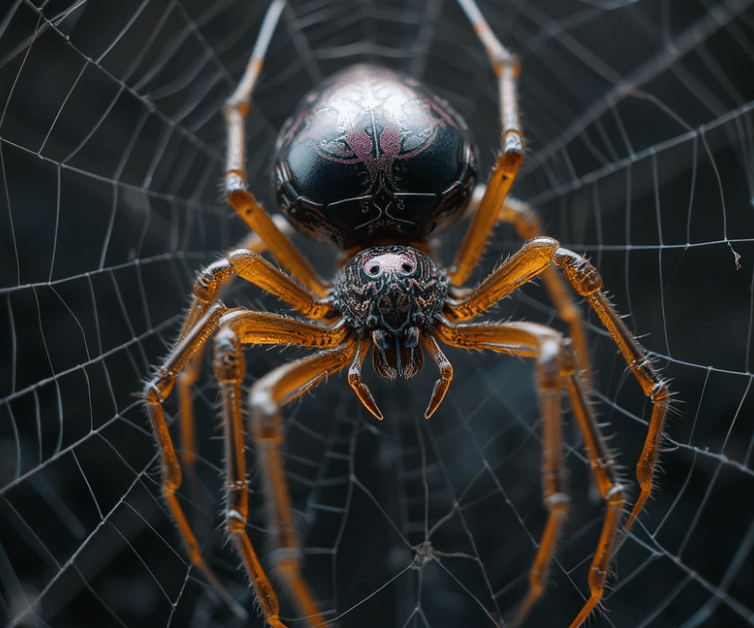
Black widows are the most medically significant venomous spiders in Utah. They’re commonly found in garages, woodpiles, crawl spaces, sheds, and outdoor furniture.
Why they’re dangerous:
Black widow venom attacks the nervous system. While healthy adults usually recover with treatment, bites can cause severe muscle pain, breathing difficulty, and dangerous spikes in blood pressure. Children, seniors, and those with health conditions are at higher risk of life-threatening complications.
Survival tips:
- Wear gloves when reaching into dark or cluttered areas.
- Shake out shoes, boots, and outdoor gear before use.
- Seek medical care immediately if bitten—do not “wait it out.”
2. Scorpions (Including the Arizona Bark Scorpion)
Southern Utah is home to scorpions, including the Arizona bark scorpion, the most venomous scorpion in North America.
Why they’re dangerous:
Scorpion venom can cause intense pain, numbness, breathing issues, and in rare cases, severe neurological reactions. Children are particularly vulnerable due to their smaller body size.
Survival tips:
- Use blacklights at night to spot scorpions (they glow).
- Seal cracks in walls, doors, and foundations.
- Shake out bedding, clothing, and shoes in desert regions.
- If stung and symptoms escalate, seek emergency care immediately.
3. Wasps, Hornets, and Bees
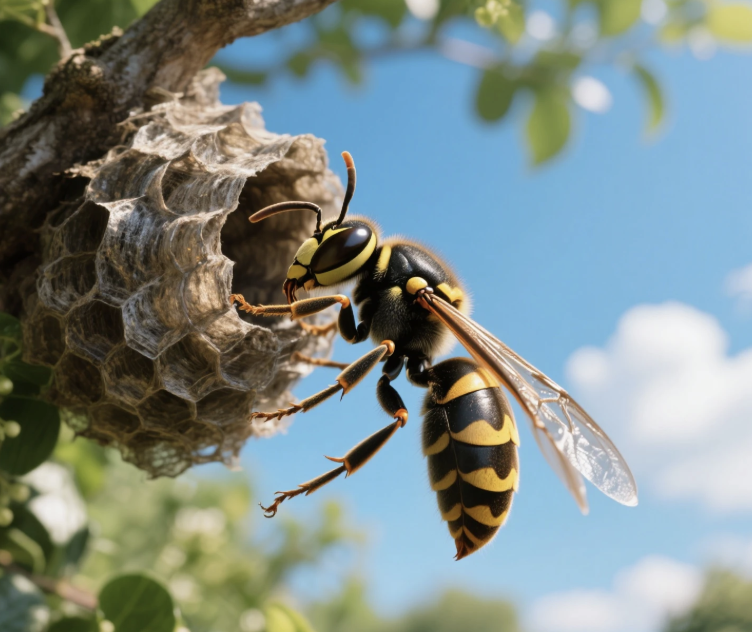
Stinging insects are responsible for more fatalities in the U.S. than any other venomous creature—and Utah is no exception.
Why they’re dangerous:
For individuals with severe allergies, a single sting can trigger anaphylaxis, a rapid and life-threatening reaction that affects breathing and blood pressure. Even non-allergic individuals can be at risk after multiple stings.
Survival tips:
- Know if you or family members have sting allergies.
- Carry an epinephrine auto-injector if prescribed.
- Avoid swatting at flying insects—it increases attack risk.
- Keep food sealed outdoors and trash covered.
4. Mosquitoes
Mosquitoes may seem like a nuisance, but they are one of the most dangerous insects in Utah due to disease transmission.
Why they’re dangerous:
Mosquitoes in Utah are known carriers of West Nile virus. While many cases are mild, severe infections can cause neurological complications and, in rare cases, death—especially in older adults.
Survival tips:
- Eliminate standing water around your home.
- Use EPA-approved insect repellents.
- Wear long sleeves during peak mosquito hours (dusk and dawn).
- Install and maintain window and door screens.
5. Fleas (Plague Risk)
This one surprises most people: fleas in Utah have historically carried plague bacteria, especially in rural areas with rodents.
Why they’re dangerous:
While modern medicine makes plague treatable, delayed treatment can be fatal. Human cases are rare, but they still occur in the western U.S.
Survival tips:
- Avoid contact with wild rodents.
- Treat pets with veterinarian-approved flea prevention.
- Wear gloves when handling animals or cleaning sheds.
- Seek immediate medical care for sudden fever after flea exposure.
6. Kissing Bugs (Western Conenose Bugs)
These insects are found in parts of Utah and are known for biting humans at night.
Why they’re dangerous:
Kissing bugs can carry parasites that cause Chagas disease, a serious illness if untreated. While transmission in Utah is uncommon, awareness is critical.
Survival tips:
- Seal cracks around doors and windows.
- Reduce outdoor lighting that attracts insects.
- Keep sleeping areas clean and protected.
- Report suspected sightings to local extension services.
7. Ticks
Ticks are becoming more common in Utah due to changing climates and increased wildlife movement.
Why they’re dangerous:
Ticks can transmit diseases such as Rocky Mountain spotted fever, which can be life-threatening if untreated.
Survival tips:
- Perform full body tick checks after outdoor activities.
- Wear light-colored clothing to spot ticks easily.
- Use permethrin-treated clothing when hiking.
- Remove ticks promptly with proper tools.
Final Prepper Advice: Awareness Saves Lives
Here’s the truth I tell every family I work with: Knowledge and preparation matter more than fear. None of these insects are out to get you—but ignorance and delay can turn a manageable situation into a medical emergency.
Stock a basic first-aid kit, know when to seek medical care, protect your home, and teach your kids what not to touch. In Utah’s wilderness and neighborhoods alike, the smallest threats are often the easiest to overlook.
Stay alert. Stay prepared. And most importantly—stay alive.
 TheDailyChristian