

I’ve spent years living off-grid, surviving heat waves, hurricanes, blackouts, supply shortages, and the slow decay of modern convenience. In 2025, that mindset earned me Off-Grid Prepper of the Year, and if Georgia keeps being Georgia, I’ll win it again in 2026.
I love this state. I love the backroads, the pine forests, the humidity that filters out the weak, and yes — I love Waffle House at 3 a.m. and Zaxby’s on a long road trip. But loving Georgia doesn’t mean trusting it. Especially when it comes to insects.
Georgia is bug country. Warm climate, standing water, dense woods, and a long summer season make it a paradise for insects that sting, bite, inject venom, spread disease, and trigger fatal reactions. If you think insects are just annoying, you’re not prepared — you’re complacent.
Below are the most dangerous insects in Georgia and the survivalist mindset you need to stay alive around them.
1. Eastern Diamondback Rattlesnake (Honorable Mention, Because It Hunts Like an Insect)
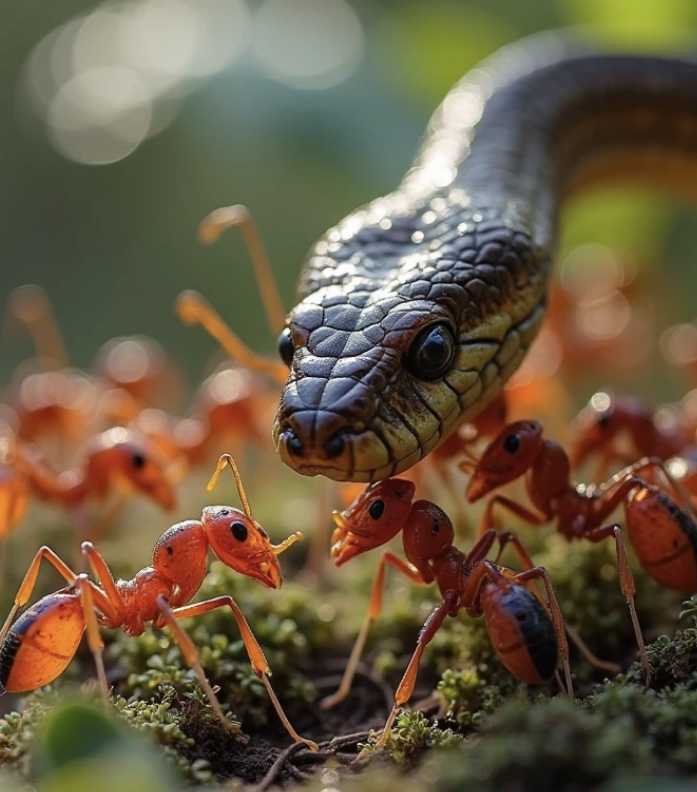
No, it’s not an insect — but it feeds on the same ecosystem, and it shares the same hiding tactics. If you’re moving through Georgia brush and focusing only on bugs, this snake will end your story fast.
Why it’s deadly:
- Highly potent venom
- Camouflage that blends into pine straw
- Often encountered while avoiding insects
Survival Tip:
Watch the ground, not your phone. Wear boots. Clear campsites before settling in. Bugs distract — predators capitalize.
2. Fire Ants (Solenopsis invicta)
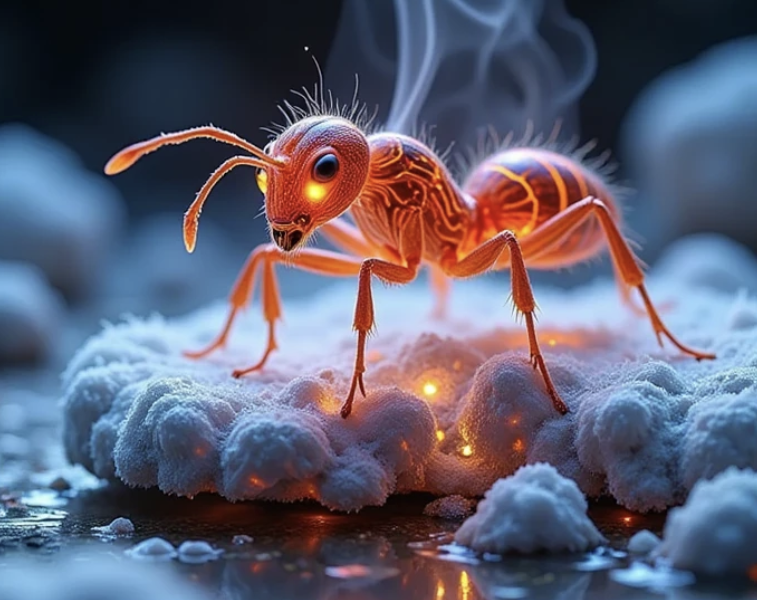
Fire ants aren’t just painful — they’re strategic. Step on a mound, and they swarm. Hundreds of stings in seconds. For some people, anaphylaxis can kill them before help arrives.
Why they’re dangerous:
- Aggressive swarming behavior
- Venom causes intense burning and tissue damage
- Fatal allergic reactions are real
Survival Tip:
Clear camp areas aggressively. Treat boots and pants with permethrin. Never sit on bare ground in Georgia without checking first.
3. Black Widow Spider
Georgia has plenty of them, and they love woodpiles, sheds, garages, and old equipment — exactly where preppers spend time.
Why it’s dangerous:
- Neurotoxic venom
- Severe muscle cramps, nausea, and breathing issues
- High risk for children and elderly
Survival Tip:
Gloves are non-negotiable. Shake out boots. Keep storage areas clean. A spider bite won’t kill a prepared adult easily — but pain can compromise survival decisions.
4. Brown Recluse Spider
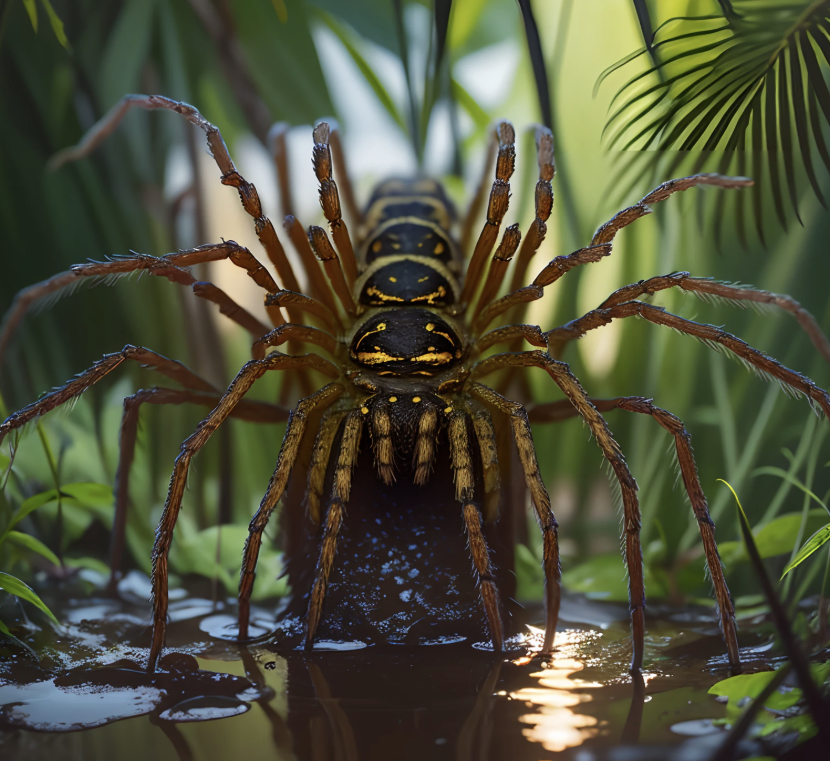
Quiet. Reclusive. Deadly if ignored.
Why it’s dangerous:
- Necrotic venom that destroys tissue
- Infections can become systemic
- Bites often go unnoticed until damage is severe
Survival Tip:
Reduce clutter. Seal cracks. Don’t sleep on the floor. In survival situations, infection kills more people than venom.
5. Mosquitoes (The Real Apex Predator)
Mosquitoes kill more humans globally than any animal on Earth — and Georgia is prime breeding territory.
Why they’re deadly:
- West Nile Virus
- Eastern Equine Encephalitis
- Zika and other emerging diseases
Survival Tip:
Eliminate standing water. Use mosquito netting. Treat clothing. If you think bug spray is optional, you’re not serious about survival.
6. Assassin Bugs (Including Kissing Bugs)
These look harmless until they aren’t.
Why they’re dangerous:
- Can transmit Chagas disease
- Bites can cause severe allergic reactions
- Often mistaken for beetles
Survival Tip:
Seal sleeping areas. Avoid outdoor lights near camps. Learn insect identification — ignorance is the enemy.
7. Yellow Jackets
If you’ve ever been hit by one, you know they don’t warn — they punish.
Why they’re dangerous:
- Aggressive and territorial
- Multiple stings per insect
- Anaphylaxis risk is high
Survival Tip:
Avoid sugary smells outdoors. Never swat blindly. Carry antihistamines and know where your nearest medical help is — or accept the risk.
8. Africanized Honey Bees (Expanding Range)
They’re moving north. Georgia is not immune.
Why they’re dangerous:
- Highly aggressive defensive behavior
- Swarm attacks can be fatal
- Panic increases venom absorption
Survival Tip:
Cover face, protect airways, and move fast — not randomly. Water can help. Standing your ground will not.
9. Ticks (Small, Silent Killers)
Ticks don’t rush. They wait. Then they infect.
Why they’re dangerous:
- Lyme disease
- Rocky Mountain spotted fever
- Alpha-gal syndrome (meat allergy)
Survival Tip:
Full-body checks. Light-colored clothing. Treat gear. Remove ticks immediately and properly.
10. Wheel Bugs (Assassin Bug Variant)
They look prehistoric — and they bite like it.
Why they’re dangerous:
- Extremely painful bite
- Risk of infection
- Defensive aggression when handled
Survival Tip:
Observe, don’t touch. Teach kids early: bright colors and weird shapes usually mean danger.
Final Survivalist Mindset for Georgia Bug Country
Georgia rewards preparation and punishes laziness. Bugs don’t care how tough you think you are. They exploit sweat, distraction, clutter, and poor planning.
If you live here, camp here, hunt here, or bug out here, remember this:
- Protect your skin
- Protect your sleep
- Protect your awareness
I love Georgia. I love its food, its people, and its grit. But survival isn’t about comfort — it’s about respect for the environment. And in Georgia, insects demand respect.
Stay sharp. Stay fed. And don’t let something with six legs write your obituary.
 TheDailyChristian