
Most New Yorkers believe danger comes with sirens, crime statistics, or subway platforms at 2 a.m. They look up at skyscrapers and down at their phones, convinced that nature is something safely locked away in upstate forests or petting zoos. That assumption is a liability.
As a professional survival prepper, I don’t subscribe to the fantasy that concrete replaces biology. New York State—yes, including the city—is home to insects capable of killing you quietly, painfully, and often with no warning at all. You don’t need to be camping in the Adirondacks to be at risk. You just need to be unprepared, distracted, or ignorant.
This article isn’t written to scare you—it’s written to keep you alive. Whether you live in a Manhattan high-rise, a Brooklyn brownstone, or a rural cabin upstate, insects don’t care about your zip code.
Let’s talk about the most dangerous insects in New York State, how they can end your life, and what you can do to survive them.
1. Deer Ticks (Blacklegged Ticks)
Threat Level: High
Primary Danger: Lyme disease, anaplasmosis, babesiosis
Where Found: Statewide, especially wooded areas, parks, suburban yards
Ticks don’t sting, buzz, or announce themselves. That’s what makes them so dangerous. The blacklegged tick, commonly known as the deer tick, is responsible for Lyme disease—a condition that can destroy your nervous system, joints, heart, and cognitive function if untreated.
In severe cases, untreated tick-borne illness can lead to heart failure, neurological damage, or death.
How to Survive:

- Wear long sleeves and pants in grassy or wooded areas—even in city parks.
- Use permethrin-treated clothing and EPA-approved insect repellent.
- Perform full-body tick checks daily.
- Remove ticks immediately with fine-tip tweezers.
- Seek medical attention if flu-like symptoms appear weeks after exposure.
Ignoring ticks because you live “in the city” is a rookie mistake.
2. Mosquitoes
Threat Level: High
Primary Danger: West Nile Virus, Eastern Equine Encephalitis (EEE)
Where Found: Statewide, especially near standing water
Mosquitoes are responsible for more human deaths worldwide than any other creature. New York is no exception. West Nile Virus appears every year, and while many survive, severe cases can cause brain swelling, paralysis, and death.
EEE is rarer but far more lethal, with mortality rates up to 30%.
How to Survive:
- Eliminate standing water near your home.
- Install window screens and repair gaps.
- Wear light-colored, long clothing outdoors.
- Use DEET or picaridin repellents.
- Take fevers and neurological symptoms seriously—seek care immediately.
That backyard barbecue or rooftop hangout isn’t harmless.
3. Yellowjackets
Threat Level: Very High
Primary Danger: Anaphylactic shock
Where Found: Parks, garbage areas, backyards, city infrastructure
Yellowjackets are aggressive, territorial, and common in New York. Unlike bees, they sting repeatedly. For individuals with venom allergies—many of whom don’t know it yet—one sting can cause rapid airway closure and death within minutes.
Urban environments actually increase encounters due to trash and food waste.
How to Survive:

- Avoid bright clothing and strong scents outdoors.
- Keep food sealed and garbage secured.
- Never swat—slowly back away.
- Carry an EpiPen if you’ve had reactions before.
- Call emergency services immediately if swelling or breathing difficulty occurs.
One sting is all it takes.
4. Bald-Faced Hornets
Threat Level: Extreme
Primary Danger: Multiple stings, venom overload
Where Found: Trees, utility poles, building edges
Despite the name, bald-faced hornets are aggressive wasps with powerful venom. Disturbing a nest—even accidentally—can result in dozens of stings in seconds.
Venom toxicity and allergic reactions can be fatal, even in healthy adults.
How to Survive:
- Identify and avoid aerial nests.
- Never attempt DIY removal.
- Hire professionals for nest elimination.
- If attacked, run immediately and seek shelter.
- Get medical care after multiple stings.
Bravery doesn’t beat venom.
5. Fire Ants (Emerging Threat)

Threat Level: Growing
Primary Danger: Allergic reactions, infection
Where Found: Southern NY (spreading north)
Fire ants are slowly expanding northward. Their stings cause intense pain, blistering, and in some cases anaphylaxis.
Urban heat islands make cities ideal breeding grounds.
How to Survive:
- Watch for mound-like nests.
- Avoid walking barefoot outdoors.
- Treat stings immediately.
- Seek emergency help for systemic reactions.
Climate change doesn’t ask permission.
6. Brown Recluse (Rare but Possible)
Threat Level: Moderate but Serious
Primary Danger: Necrotic venom
Where Found: Occasionally transported via shipments
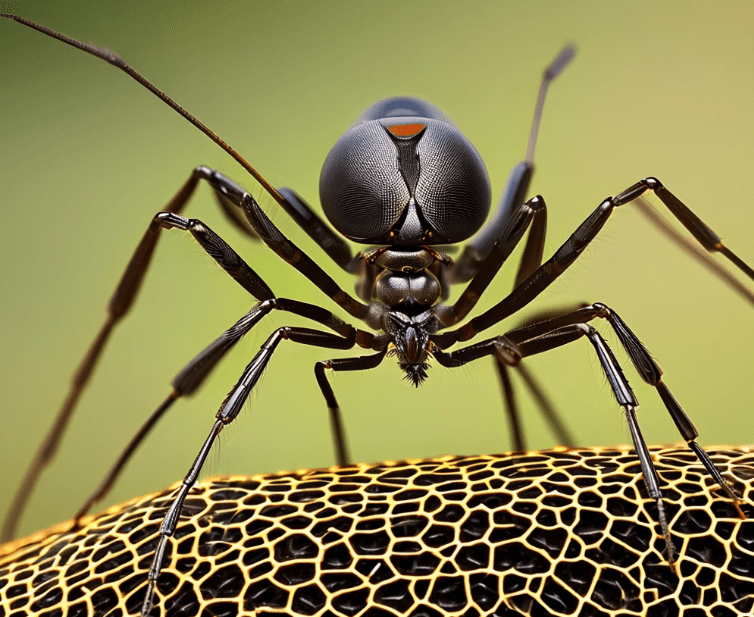
While not native, brown recluse spiders occasionally appear via freight and storage areas. Their venom can cause tissue death, infection, and systemic illness.
How to Survive:
- Shake out stored clothing.
- Use gloves in basements and storage units.
- Seek medical care for unexplained necrotic wounds.
Rare doesn’t mean impossible.
7. Fleas
Threat Level: Moderate
Primary Danger: Disease transmission, severe infection
Where Found: Pets, rodents, subways, buildings
Fleas historically carried plague. Today, they still transmit disease and cause severe infections, especially in unsanitary environments.
How to Survive:
- Treat pets regularly.
- Control rodent infestations.
- Clean living spaces thoroughly.
Urban density multiplies risk.
Final Survival Advice for New Yorkers

The New York City lifestyle teaches dependence—on infrastructure, services, and assumptions of safety. Insects don’t care about any of that.
Survival comes down to:
- Awareness
- Prevention
- Rapid response
You don’t need to love the outdoors to respect its threats. You just need to be prepared.
Because bugs don’t care how tough you think you are—or how urban your life looks on Instagram.
 TheDailyChristian