
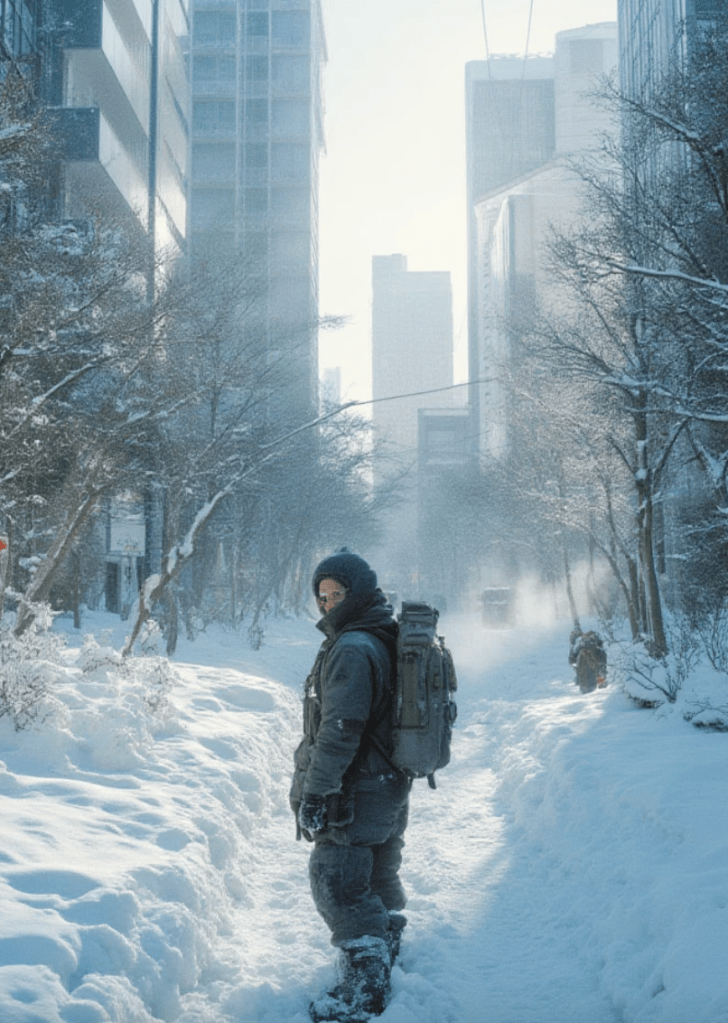
I’ve been prepping for years, and I’m going to say this plainly because sugarcoating gets people killed: most people who die in winter storms don’t die because the storm was “too strong.” They die because they were unprepared, stubborn, ignorant, or lazy.
New Jersey is not immune to brutal winter weather. Nor’easters, blizzards, ice storms, whiteout conditions, sub-freezing temperatures, and multi-day power outages happen here regularly — and every single year people act surprised like this is brand new information.
It isn’t.
This article exists because too many people still think “it won’t be that bad” right up until they’re freezing, trapped, hungry, or dead. If that sentence offends you, good — that means you need to read this more than anyone else.
How Winter Storms Actually Kill People in New Jersey
Let’s clear up the biggest lie first: snow itself doesn’t kill people. Behavior does.
Here are the top ways people die during winter storms in New Jersey — over and over and over again.
1. Exposure and Hypothermia (The Silent Killer)
Hypothermia is the #1 killer in winter storms.
It doesn’t require arctic conditions. People in New Jersey die from hypothermia inside their own homes every winter when power goes out and temperatures drop.
Common mistakes:
- No backup heat source
- Relying solely on the power grid
- Not owning proper winter clothing indoors
- Assuming the outage will “only last a few hours”
Hypothermia sets in when your core body temperature drops below 95°F. Once that happens, judgment declines, movement slows, and people make stupid decisions — like going outside when they shouldn’t or falling asleep and never waking up.
Cold doesn’t care how confident you are.
2. Carbon Monoxide Poisoning (The Most Avoidable Death)
Every major winter storm brings carbon monoxide deaths. Every single one.
People:
- Run generators indoors or in garages
- Use grills, propane heaters, or camp stoves inside
- Burn candles improperly in enclosed spaces
Carbon monoxide is odorless, invisible, and ruthless. You don’t “feel” it coming. You just get sleepy… then you’re done.
If you do not own battery-powered CO detectors, you are gambling with your life for no reason.
3. Vehicle-Related Deaths (Stupidity on Wheels)
New Jersey drivers love to believe they’re invincible. Winter storms prove otherwise.
People die because they:
- Drive during whiteouts
- Get stranded on highways
- Run out of fuel
- Sit in snow-covered cars with blocked exhaust pipes
- Try to “just make it home”
Vehicles become freezers on wheels during winter storms. If you don’t have a winter car kit, your car is not a safety net — it’s a coffin with a steering wheel.
4. Falls, Ice Injuries, and Heart Attacks
Shoveling snow kills more people than most storms themselves.
- Slipping on ice
- Overexertion
- Ignoring medical limitations
- Not taking breaks
- No traction gear
Heart attacks spike during blizzards because people push themselves instead of working smart. Cold constricts blood vessels. Heavy lifting in freezing weather is a perfect recipe for disaster.
5. Medical Equipment Failure During Power Outages
If you or someone in your household relies on:
- Oxygen machines
- Refrigerated medications
- Electric mobility devices
…and you don’t have a backup power plan, you are one outage away from catastrophe.
Hospitals get overwhelmed during storms. Emergency services get delayed. You are expected to survive on your own longer than you think.
Will Grocery Stores Go Empty During a New Jersey Winter Storm?
Yes. And they already do — every time snow is forecasted.
The shelves don’t empty because of the storm itself. They empty because people panic-buy at the last second like they’ve learned nothing from the last 20 winters.
Within hours:
- Bread disappears
- Milk vanishes
- Eggs are gone
- Canned food gets wiped out
- Water is stripped bare
Supply trucks don’t magically teleport through blizzards. If roads are closed, deliveries stop. If power is out, stores close.
If your plan is “I’ll just run to the store if it gets bad,” you don’t have a plan. You have a fantasy.
Why Survival Prepping Matters During Winter Storms
Prepping isn’t paranoia. It’s responsibility.
Winter storms don’t ask permission. They don’t care about your job, your schedule, or your opinions. The grid is fragile. Emergency services are stretched thin. You are expected to handle yourself.
Prepping gives you:
- Warmth when the grid fails
- Food when stores close
- Power when darkness hits
- Control when chaos spreads
The people who mock preparedness are always the first ones begging for help when things go sideways.
Survival Food Prepping for New Jersey Winter Storms
You don’t need to be extreme — you need to be consistent.
Best Survival Foods to Stock
Focus on foods that:
- Don’t require refrigeration
- Can be eaten cold if necessary
- Are calorie-dense
Top choices:
- Canned meats (tuna, chicken, beef)
- Beans (black, kidney, lentils)
- Rice and pasta
- Oatmeal
- Peanut butter
- Protein bars
- Freeze-dried meals
- Shelf-stable soups
- Powdered milk
You should have at least 7–14 days of food per person. Not snacks. Actual meals.
Calories matter more than variety in cold conditions.
Water: The Most Ignored Survival Supply
Winter storms knock out water treatment plants and freeze pipes.
Minimum rule:
- 1 gallon of water per person per day
- Store at least 7–10 days
If pipes freeze or burst, you won’t be able to boil water without power. Store water ahead of time or invest in water purification options.
Solar Generators: The Smart Prepper’s Secret Weapon
Gas generators are useful — but they require fuel, ventilation, and constant management.
Solar generators are quieter, safer, and usable indoors.
Best uses:
- Power medical devices
- Charge phones
- Run lights
- Power small heaters or electric blankets
- Keep refrigerators running intermittently
Look for solar generators with:
- At least 1,000–2,000Wh capacity
- Multiple output options
- Expandable solar panels
Power equals control. Darkness equals panic.
Essential Winter Storm Survival Supplies
If you live in New Jersey and don’t own these, fix that immediately:
Core Survival Gear
- Battery-powered radio
- Headlamps and flashlights
- Extra batteries
- Thermal blankets
- Cold-weather sleeping bags
- Layered winter clothing
- Gloves, hats, scarves
Safety Gear
- Fire extinguisher
- First aid kit
- Carbon monoxide detectors
- Ice cleats for boots
- Snow shovel (ergonomic)
Vehicle Survival Kit
- Blankets
- Water
- Flares
- Jumper cables
- Shovel
- Cat litter or sand for traction
- Emergency food
How to Actually Survive a New Jersey Winter Storm
Here’s the blunt truth: survival is boring and disciplined.
You survive by:
- Staying home
- Conserving heat
- Eating enough calories
- Avoiding unnecessary risks
- Using backup power wisely
- Monitoring weather updates
You do not survive by:
- Driving unnecessarily
- Ignoring warnings
- Waiting until the last minute
- Assuming help is coming quickly
Storms don’t kill prepared people. They kill complacent ones.
Winter storms in New Jersey are not rare. They are not unpredictable. They are not unavoidable.
Deaths happen because people refuse to prepare, refuse to listen, and refuse to respect the environment they live in.
You don’t need fear — you need foresight.
If this article made you uncomfortable, good. Comfort is what gets people killed. Preparation is what keeps you alive.
 TheDailyChristian