
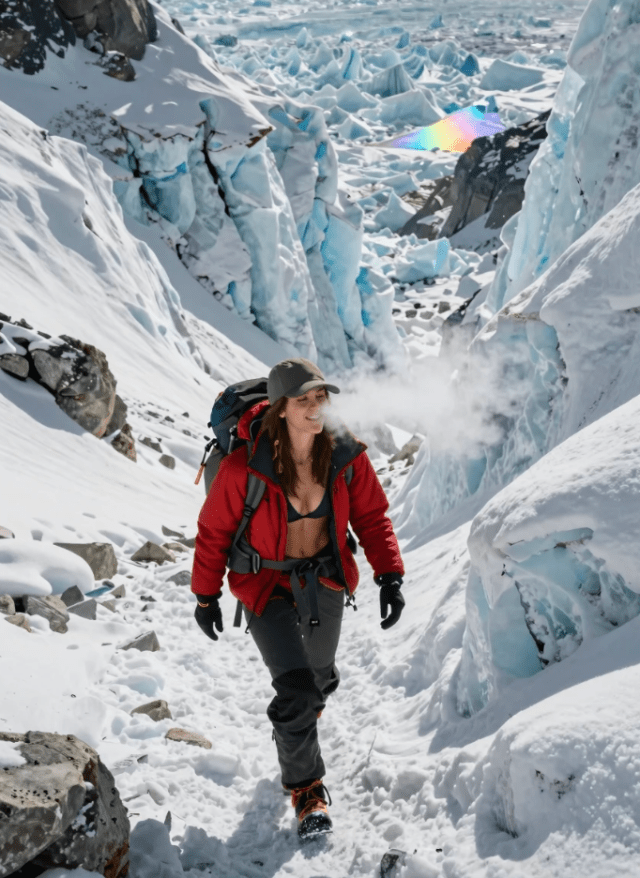
Let’s clear something up right now:
Living in Utah does NOT mean you’re automatically good at winter.
I don’t care how long you’ve lived here. I don’t care how many snowstorms you’ve “handled.” Every winter, Utah still racks up injuries, fatalities, and near-misses because people confuse familiar with safe.
Utah winter storms aren’t cute postcard snowfalls. They’re high-altitude blizzards, whiteout canyon roads, ice storms in the valleys, and brutal cold snaps that knock out power for days.
And every single time, people are shocked.
I’m not shocked anymore. I’m angry—because most of these deaths are completely preventable.
This article breaks down:
- The top ways people die during winter storms in Utah
- Why grocery stores empty fast, even in “prepared” states
- Why survival food, backup power, and planning matter more here than most places
- What supplies actually keep you alive
- How to survive when the storm overstays its welcome
Read it now—before you’re stuck reading it by flashlight.
Why Utah Winter Storms Are Especially Dangerous
Utah’s geography makes winter storms far more lethal than people realize.
Here’s why:
- High elevation = colder temps and faster weather changes
- Mountain passes close quickly and stay closed
- Rural areas are spread out with delayed emergency response
- Inversions trap cold air and worsen conditions
- Heavy snow loads collapse roofs and power lines
- Dry air accelerates dehydration and hypothermia
People think snow equals “business as usual.”
That mindset kills.
The Top Ways People Die in Winter Storms in Utah
Let’s talk reality, not fairy tales.
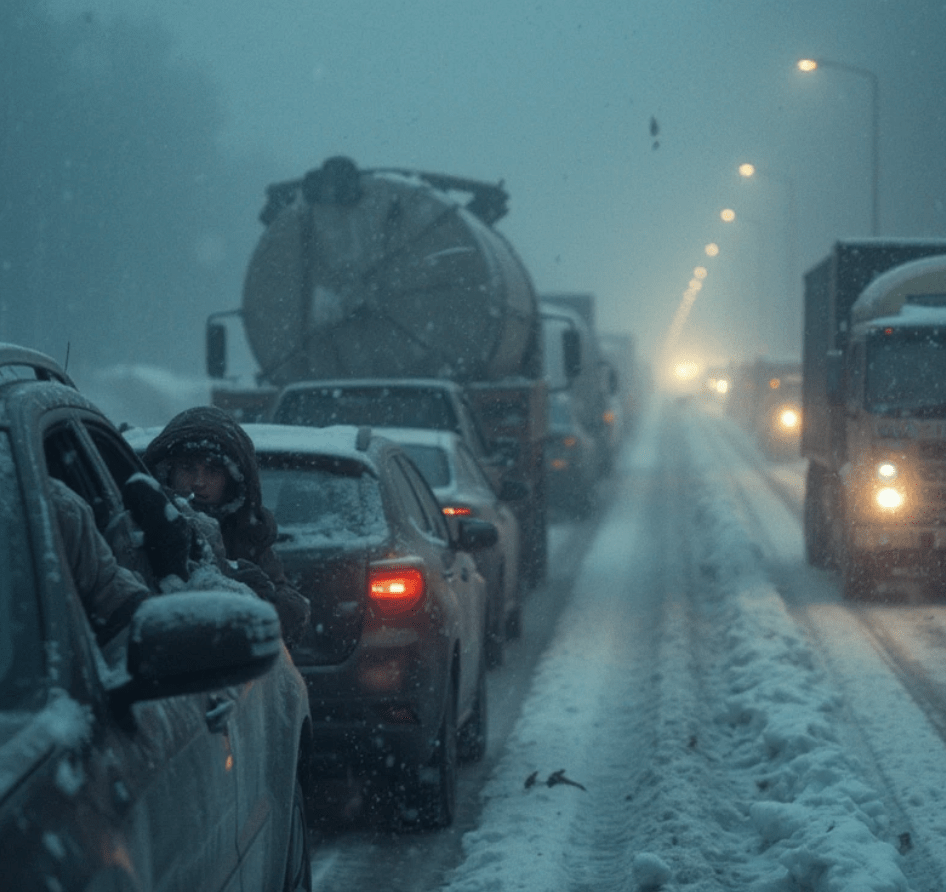
1. Vehicle Accidents in Snow, Ice, and Whiteouts
This is the leading cause of winter storm deaths in Utah.
- Interstate pileups on I-15 and I-80
- Black ice in canyon roads
- Whiteout conditions in open areas
- Drivers overestimating AWD and snow tires
AWD does not stop you.
Snow tires do not defy physics.
Confidence does not equal traction.
Once you’re stranded in subfreezing temps at elevation, survival becomes a countdown.
2. Exposure and Hypothermia (Even for “Tough” Utahns)
Utah cold is deceptive. Dry air makes it feel manageable—until it’s not.
People die from hypothermia:
- While stuck in vehicles
- Inside homes without power
- While shoveling snow
- While hiking or snowmobiling during storms
Hypothermia doesn’t feel dramatic. It feels sleepy. Confused. Slow.
That’s why it kills so many people who thought they were “fine.”
3. Carbon Monoxide Poisoning
Every winter, without fail.
- Gas generators run indoors
- Propane heaters used improperly
- Charcoal grills inside garages
- Poor ventilation in cabins and RVs
Carbon monoxide kills silently. No warning. No second chance.
If you don’t own a carbon monoxide detector, you are not prepared—you are reckless.
4. Avalanches and Structural Collapses
Utah’s snow is heavy. And when it stacks up, bad things happen.
- Roof collapses on homes and sheds
- Barns and carports fail
- Avalanches in backcountry and canyon areas
People die because they assume:
- “It’s not that much snow”
- “This roof has held before”
- “We’ve skied here a hundred times”
Nature does not care about your past experience.
5. Medical Emergencies With No Access to Help
During severe storms:
- Ambulances are delayed
- Mountain roads are impassable
- Clinics close
- Pharmacies shut down
People die from:
- Heart attacks while shoveling
- Missed medications
- Asthma and respiratory distress
- Diabetic complications
The storm doesn’t cause these—it removes your safety net.
Will Grocery Stores Go Empty in Utah?
Yes. Fast. And worse in rural areas.
I’ve watched Utah grocery stores empty in hours, not days.
Here’s what disappears first:
- Bread
- Milk
- Eggs
- Meat
- Bottled water
- Baby formula
Utah’s just-in-time inventory system means:
- No back stock
- No quick resupply
- Delayed delivery trucks due to road closures
Mountain towns and rural communities are hit hardest—and last to recover.
If your food plan relies on “running to the store,” you don’t have a plan.
Why Survival Food Prepping Is Non-Negotiable in Utah
Utah storms can isolate communities for days or even weeks.
Survival food buys you time—and time buys you safety.
Every household should have:
- 7–14 days of food per person
- No refrigeration required
- Easy preparation with minimal fuel
Best Survival Food Options
- Freeze-dried meals (excellent for altitude)
- Canned soups and meats
- Rice, beans, pasta
- Protein bars
- Instant oatmeal
- Peanut butter
If your food spoils when the power goes out, it’s a liability—not an asset.
Solar Generators: The Smarter Utah Power Backup
Gas generators sound great—until winter hits.
Problems with gas generators:
- Fuel shortages
- Frozen engines
- Carbon monoxide danger
- Loud, attention-drawing noise
Solar generators excel in Utah because:
- Cold improves battery efficiency
- High altitude = strong solar exposure
- No fuel needed
- Safe indoor operation
Solar generators can power:
- Phones and radios
- Medical devices
- LED lights
- Refrigeration
- Internet routers
- Small heaters
If you live in Utah and don’t have backup power, you’re trusting luck instead of planning.
Essential Winter Survival Supplies for Utah
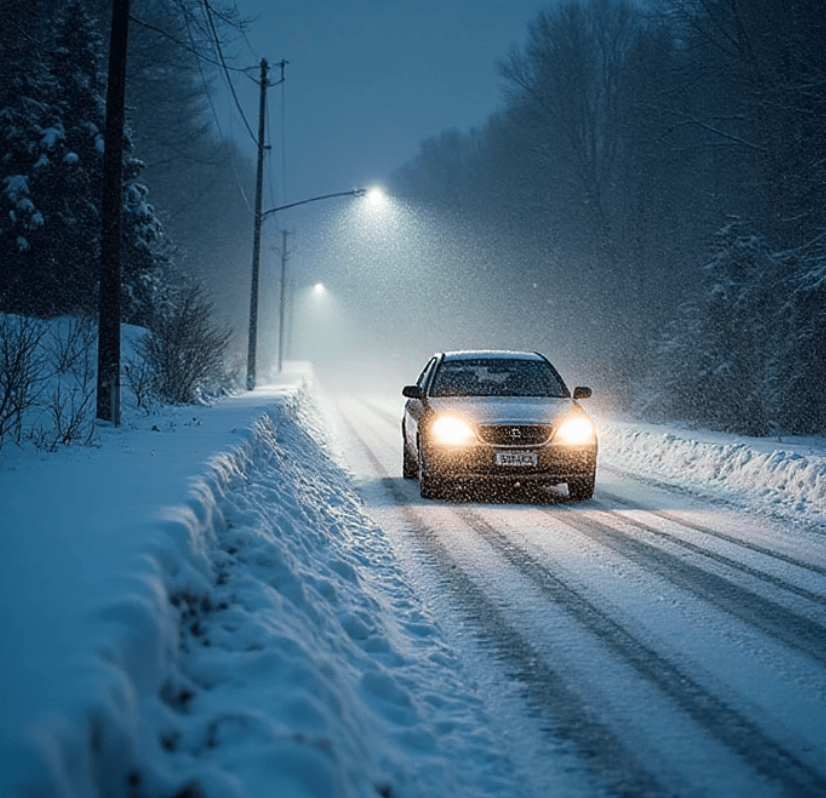
Here’s the bare minimum for surviving a serious winter storm in Utah:
Power & Heat
- Solar generator with battery storage
- Power banks
- Indoor-safe heater
- Sleeping bags rated for cold weather
Clothing & Warmth
- Thermal base layers
- Wool socks
- Insulated gloves and hats
- Emergency bivy blankets
Food & Water
- 1 gallon of water per person per day
- Non-perishable food
- Manual can opener
Safety & Medical
- First aid kit
- Prescription medication backups
- Carbon monoxide detectors
- Fire extinguisher
Communication & Light
- NOAA weather radio
- LED flashlights
- Extra batteries
- Headlamps
No gear. No plan. No mercy from winter.
Why Survival Prepping Matters in Utah More Than People Admit
Utah residents like to think they’re tougher than average. Sometimes that’s true. But toughness without preparation is just arrogance.
Weather is becoming:
- More extreme
- Less predictable
- More disruptive
Infrastructure is aging. Power grids are strained. Emergency services are overwhelmed during storms.
Prepping isn’t fear—it’s competence.
You prepare so:
- You don’t panic
- You don’t risk your life driving
- You don’t become a burden on first responders
- You don’t become another preventable headline
Final Word From an Angry Utah Prepper
Winter storms don’t kill people because they’re unstoppable.
They kill people because:
- People underestimate them
- People delay preparation
- People assume help will arrive fast
If you live in Utah, winter is not optional—it’s guaranteed.
Prepare before the storm, or learn during it.
And trust me—you don’t want to learn the hard way.
 TheDailyChristian
A post everyone should read and put into place….I live in Minnesota…our family prepares for winter as if it’s a disaster all winter. Right now visiting family in Kentucky….yep, hit the storm, not going anywhere till roads are dry.
LikeLiked by 1 person
🙏
LikeLike