

Montana Tiny Home Living: Wide-Open Spaces for Going Small
by Brooke Homestead — 2025 Female Survival Prepper of the Year
Montana is a state that screams freedom, wide-open spaces, and off-grid potential — the ultimate playground for tiny home living. From the Rocky Mountains to the rolling plains, Montana offers stunning landscapes, affordable land, and communities that embrace a simpler, self-sufficient lifestyle. I’m Brooke Homestead, and after years of building tiny homes, living off-grid, and thriving in remote locations, I can guide you through Montana’s best spots for tiny living, zoning realities, land costs, and climate considerations.
Best Locations for Tiny Homes in Montana: Bozeman and Missoula
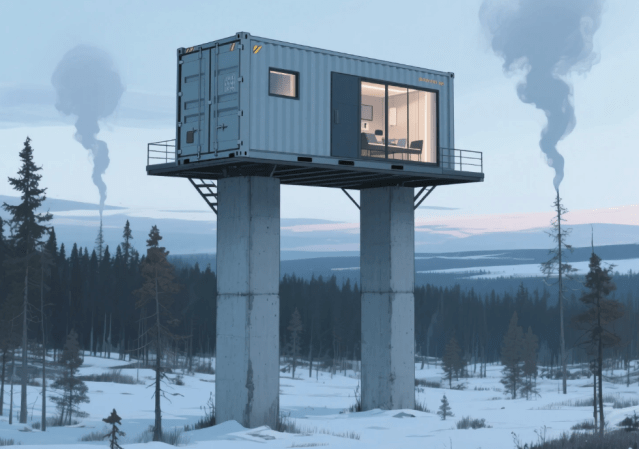
Bozeman — Small Living with Mountain Access
Bozeman is perfect for tiny home enthusiasts who want access to outdoor recreation, community amenities, and off-grid potential:
- Zoning flexibility in rural outskirts: Many parcels allow tiny homes as primary residences or accessory dwellings outside the city center.
- Affordable land for Montana standards: Parcels typically range from $25,000–$60,000 per acre.
- Outdoor lifestyle: Hiking, fishing, and skiing opportunities make Bozeman an ideal location for self-sufficient systems like solar and rainwater collection.
💡 Brooke Tip: Focus on parcels slightly outside city limits — you’ll have more space for gardens, solar setups, and water storage.
Missoula — Creative, Progressive Tiny Home Community
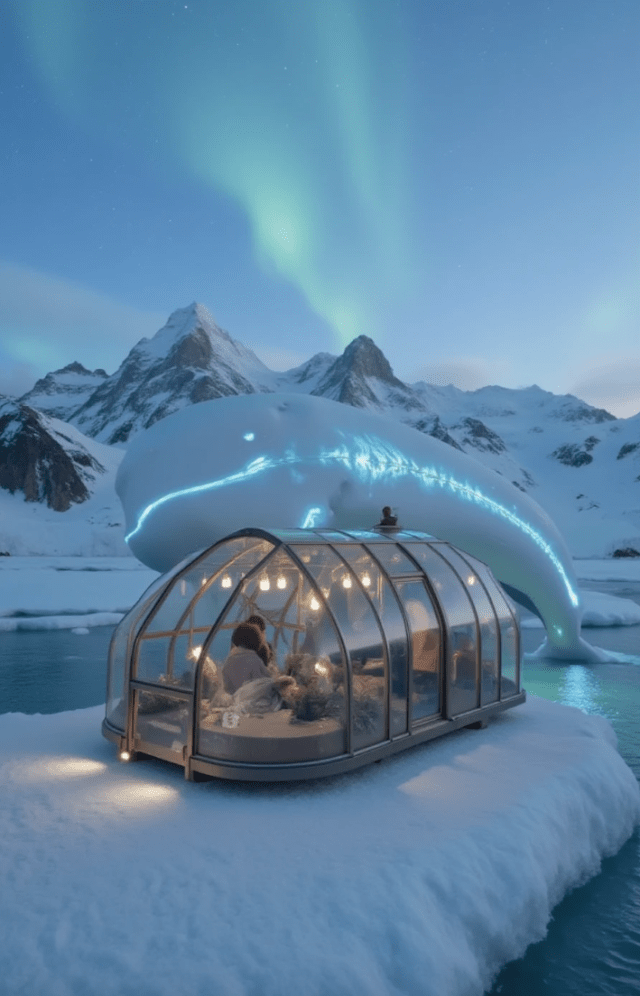
Missoula offers a mix of urban amenities, progressive community values, and rural access:
- Rural-friendly zoning: Many parcels in Missoula County allow tiny homes on foundations or wheels.
- Community acceptance: Residents value sustainability, minimalism, and environmentally conscious lifestyles.
- Affordable land: Lots typically range from $20,000–$50,000 per acre.
Brooke Survival Insight: Winters are cold and snowy — proper insulation, heating systems, and snow-load roof designs are non-negotiable for safe, comfortable living.
Challenging Areas for Tiny Homes in Montana: Billings & Great Falls
Urban centers in Montana present some challenges:
- Zoning restrictions: Minimum lot sizes, building codes, and urban planning regulations limit tiny home placement.
- High land costs: Urban lots can range $70,000–$150,000+, reducing the affordability of downsizing.
- Limited off-grid options: Dense development reduces flexibility for solar, water, and septic independence.
💡 Brooke Tip: Tiny homes in Billings or Great Falls are mostly feasible as ADUs behind existing homes or in planned eco-friendly communities.
Zoning Laws in Montana — Tiny Home Considerations
Montana does not have a statewide tiny home law, so local regulations vary widely:
- Accessory Dwelling Units (ADUs): Increasingly allowed in towns, typically 200–500 sq. ft.
- Tiny Homes on Wheels (THOWs): Treated as RVs; usually allowed on private rural land or permitted RV parks.
- Foundation-based Tiny Homes: Must comply with state and local building codes, including structural, electrical, plumbing, and insulation standards.
Brooke Advice: Always check with county planning offices before purchasing land — neighboring parcels can have very different rules.
Cost of Land in Montana — Budgeting for Tiny Homes
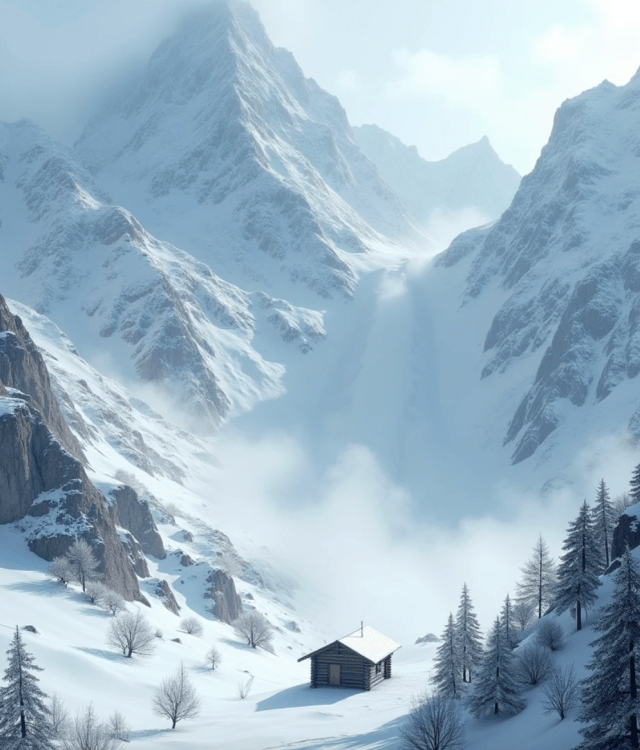
Land in Montana is generally affordable compared to urbanized states:
- Bozeman outskirts: $25,000–$60,000 per acre — perfect for off-grid tiny homes.
- Missoula rural lots: $20,000–$50,000 per acre — excellent for THOWs or foundation-based homes.
- Billings & Great Falls metro: $70,000+ per small lot — tiny homes mostly feasible as ADUs.
- Eastern Montana small towns and plains: $5,000–$25,000 per acre — ideal for off-grid, minimalist living.
Additional costs: wells, septic systems, solar panels, driveway access, and snow preparedness.
Climate Considerations — Montana Weather for Tiny Homes 🌤️❄️
Montana’s climate varies widely depending on the region:
- Winter: Cold, snowy, and windy — proper insulation, heating, and snow-load roofs are essential.
- Summer: Warm but dry in many areas — ventilation, shade, and cooling strategies are important.
- Storms & Fire Risk: Mountainous and plains areas require planning for high winds, storms, and wildfire defensible space.
- Water Management: Snowmelt and seasonal rainfall make proper drainage and roof design critical.
Brooke Survival Insight: Tiny homes are compact — poor insulation, ventilation, or storm prep can quickly make life uncomfortable or unsafe.
Brooke Homestead’s Final Thoughts – Tap Video Below to Watch

Montana is a dream state for tiny home living, especially for those who crave space, nature, and off-grid independence:
- Best Locations: Bozeman for mountain access and outdoor recreation; Missoula for progressive communities and rural access.
- Challenging Areas: Billings and Great Falls metro due to zoning, density, and higher land costs.
- Planning Essentials: Verify zoning, prepare for cold winters and summer heat, and design for off-grid sustainability.
Tiny home living in Montana is about resilience, minimalism, and freedom. With careful planning, the right location, and smart design, you can thrive in a small, sustainable home surrounded by mountains, rivers, and endless skies.
— Brooke Homestead
 TheDailyChristian