Montana Tiny Home Living: Wide-Open Spaces for Going Small

Montana Tiny Home Living: Wide-Open Spaces for Going Small

by Brooke Homestead — 2025 Female Survival Prepper of the Year

Montana is a state that screams freedom, wide-open spaces, and off-grid potential — the ultimate playground for tiny home living. From the Rocky Mountains to the rolling plains, Montana offers stunning landscapes, affordable land, and communities that embrace a simpler, self-sufficient lifestyle. I’m Brooke Homestead, and after years of building tiny homes, living off-grid, and thriving in remote locations, I can guide you through Montana’s best spots for tiny living, zoning realities, land costs, and climate considerations.


Best Locations for Tiny Homes in Montana: Bozeman and Missoula
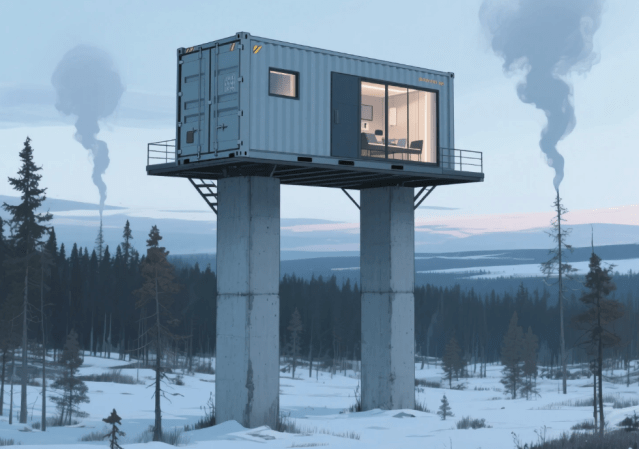
Bozeman — Small Living with Mountain Access

Bozeman is perfect for tiny home enthusiasts who want access to outdoor recreation, community amenities, and off-grid potential:

  • Zoning flexibility in rural outskirts: Many parcels allow tiny homes as primary residences or accessory dwellings outside the city center.
  • Affordable land for Montana standards: Parcels typically range from $25,000–$60,000 per acre.
  • Outdoor lifestyle: Hiking, fishing, and skiing opportunities make Bozeman an ideal location for self-sufficient systems like solar and rainwater collection.

💡 Brooke Tip: Focus on parcels slightly outside city limits — you’ll have more space for gardens, solar setups, and water storage.


Missoula — Creative, Progressive Tiny Home Community
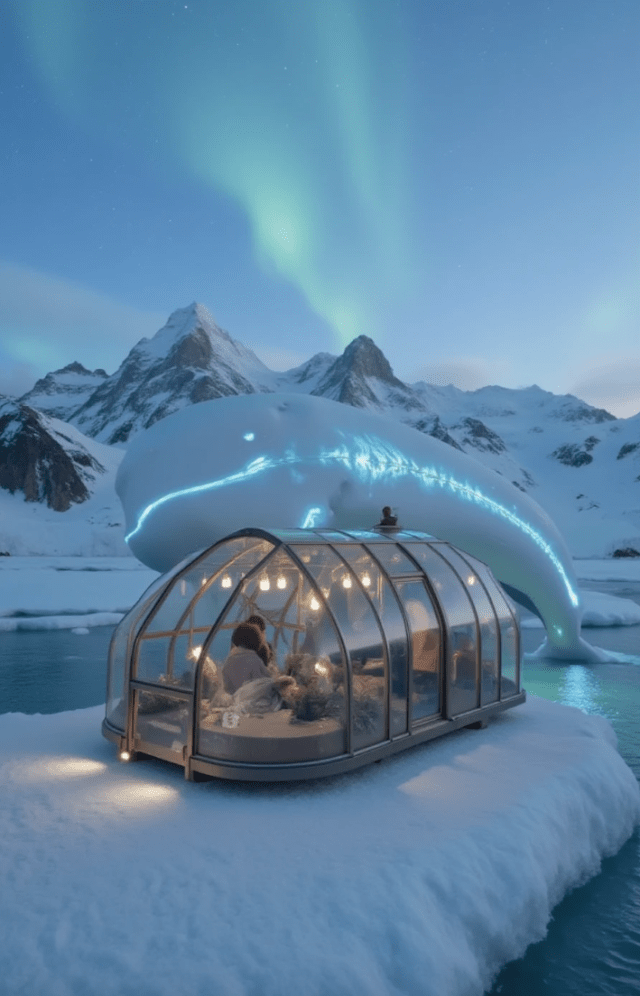
Missoula offers a mix of urban amenities, progressive community values, and rural access:

  • Rural-friendly zoning: Many parcels in Missoula County allow tiny homes on foundations or wheels.
  • Community acceptance: Residents value sustainability, minimalism, and environmentally conscious lifestyles.
  • Affordable land: Lots typically range from $20,000–$50,000 per acre.

Brooke Survival Insight: Winters are cold and snowy — proper insulation, heating systems, and snow-load roof designs are non-negotiable for safe, comfortable living.


Challenging Areas for Tiny Homes in Montana: Billings & Great Falls
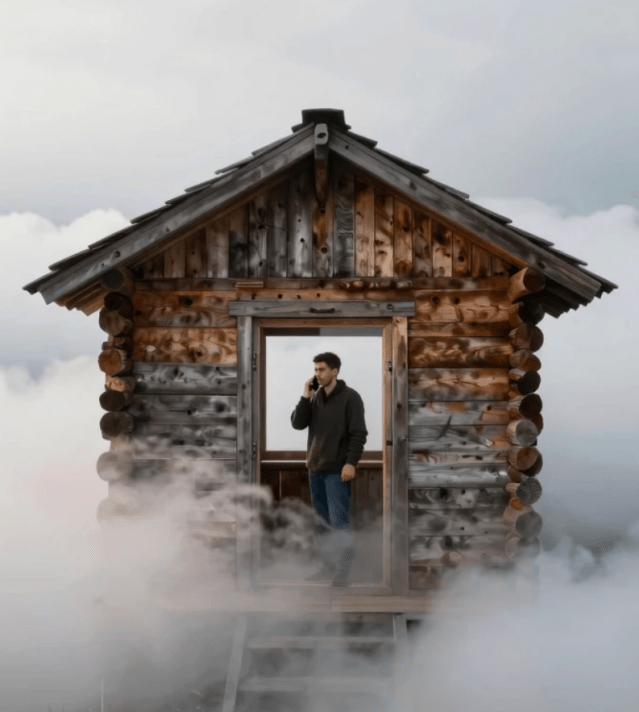
Urban centers in Montana present some challenges:

  • Zoning restrictions: Minimum lot sizes, building codes, and urban planning regulations limit tiny home placement.
  • High land costs: Urban lots can range $70,000–$150,000+, reducing the affordability of downsizing.
  • Limited off-grid options: Dense development reduces flexibility for solar, water, and septic independence.

💡 Brooke Tip: Tiny homes in Billings or Great Falls are mostly feasible as ADUs behind existing homes or in planned eco-friendly communities.


Zoning Laws in Montana — Tiny Home Considerations
Montana does not have a statewide tiny home law, so local regulations vary widely:

  • Accessory Dwelling Units (ADUs): Increasingly allowed in towns, typically 200–500 sq. ft.
  • Tiny Homes on Wheels (THOWs): Treated as RVs; usually allowed on private rural land or permitted RV parks.
  • Foundation-based Tiny Homes: Must comply with state and local building codes, including structural, electrical, plumbing, and insulation standards.

Brooke Advice: Always check with county planning offices before purchasing land — neighboring parcels can have very different rules.


Cost of Land in Montana — Budgeting for Tiny Homes
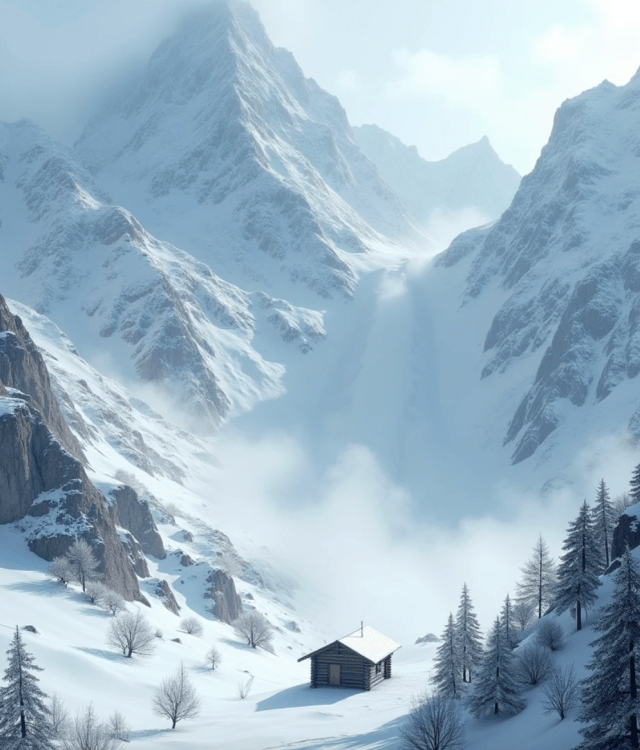
Land in Montana is generally affordable compared to urbanized states:

  • Bozeman outskirts: $25,000–$60,000 per acre — perfect for off-grid tiny homes.
  • Missoula rural lots: $20,000–$50,000 per acre — excellent for THOWs or foundation-based homes.
  • Billings & Great Falls metro: $70,000+ per small lot — tiny homes mostly feasible as ADUs.
  • Eastern Montana small towns and plains: $5,000–$25,000 per acre — ideal for off-grid, minimalist living.

Additional costs: wells, septic systems, solar panels, driveway access, and snow preparedness.


Climate Considerations — Montana Weather for Tiny Homes 🌤️❄️

Montana’s climate varies widely depending on the region:

  • Winter: Cold, snowy, and windy — proper insulation, heating, and snow-load roofs are essential.
  • Summer: Warm but dry in many areas — ventilation, shade, and cooling strategies are important.
  • Storms & Fire Risk: Mountainous and plains areas require planning for high winds, storms, and wildfire defensible space.
  • Water Management: Snowmelt and seasonal rainfall make proper drainage and roof design critical.

Brooke Survival Insight: Tiny homes are compact — poor insulation, ventilation, or storm prep can quickly make life uncomfortable or unsafe.


Brooke Homestead’s Final ThoughtsTap Video Below to Watch

Montana is a dream state for tiny home living, especially for those who crave space, nature, and off-grid independence:

  • Best Locations: Bozeman for mountain access and outdoor recreation; Missoula for progressive communities and rural access.
  • Challenging Areas: Billings and Great Falls metro due to zoning, density, and higher land costs.
  • Planning Essentials: Verify zoning, prepare for cold winters and summer heat, and design for off-grid sustainability.

Tiny home living in Montana is about resilience, minimalism, and freedom. With careful planning, the right location, and smart design, you can thrive in a small, sustainable home surrounded by mountains, rivers, and endless skies.

Brooke Homestead

Florida Survival Gardening Advice, Tricks, and the Best Emergency Food Storage Preparedness Tips Around

(pictured above: Brooke Homestead – The 2025 Female Survivalist of the Year)

Now let’s talk resilience… with a twist. Brooke Homestead, 26, ex-yoga model turned prepper sensation, brings style, wit, and zero-BS practicality to the survival world.

Here’s Brooke introducing herself in her own vivacious style:


Brooke Homestead Speaks

“Hey, I’m Brooke Homestead! Yes, I was a yoga model — now I’m basically the Indiana Jones of survival gardening. Florida taught me one important lesson: humidity will kill your plants faster than you’ll kill a zombie, and hurricanes have zero chill. But you can thrive if you laugh, sweat, and plant like your life depends on it — because one day, it just might!”

Brooke’s Florida Survival Gardening Guide

“Florida gardens are basically tiny ecosystems that fight back. Heat? Humidity? Raccoons? Gators? (Okay, maybe not gators in your backyard, but stay alert!) Here’s my prepper-approved guide:

  1. Know Your ZoneFlorida ranges USDA zones 8–11. South Florida is tropical; North Florida gets frosts. Plant accordingly
  1. Heat-Loving Crops OnlyOkra, sweet potatoes, peppers, eggplant, and Malabar spinach thrive in full sun. Forget delicate greens in summer unless you have shade cloth.

  1. Water Like a BossRain is plentiful but irregular. Set up rain barrels, drip irrigation, and mulch like your garden depends on it (because it does).

  1. Seasonal FlexibilityPlant quick-maturing greens in winter; focus on long-term calorie crops in spring/summer.

  1. Layered DefensesCage your tomatoes, stake your peppers, and scare away wildlife with fun DIY deterrents (shiny foil strips, solar lights).

  1. Preserve & Store Florida grows fast, so preserve faster. Dehydrate peppers, pressure can beans, ferment pickles. Nothing goes to waste.

  1. Hurricane PrepKeep plants portable or easily protected; tie down trellises and move sensitive containers indoors.

Florida prepper gardening is part science, part battle strategy, and 100% rewarding. Get your hands dirty, laugh when it rains sideways, and enjoy knowing that your survival plan tastes like a fresh salsa garden on a sunny day. Boom — that’s prepper chic!”

Best Survival Garden Vegetables to Grow in Florida

Florida’s warm, humid climate and long growing season make it ideal for survival gardening, but gardeners must select heat- and disease-tolerant crops that thrive in humidity and occasional heavy rains. The key is to focus on vegetables that produce reliably and store well.

Tomatoes are a staple for Florida survival gardens. Heat-tolerant varieties like ‘Solar Fire’ and ‘Florida 91’ withstand the summer sun and produce heavy yields. They can be canned, made into sauces, or frozen for long-term storage.

Okra is perfect for Florida’s hot, humid summers. It’s drought-tolerant, disease-resistant, and produces abundant pods that can be eaten fresh, pickled, or frozen.

Southern peas (black-eyed peas, crowder peas) are classic Florida survival crops. They thrive in heat, improve soil fertility, and their seeds store well for future planting.

Sweet potatoes are highly resilient and can tolerate poor soils and drought. Both tubers and leaves are edible, making them a highly efficient crop for survival gardens.

Peppers, especially hot varieties like jalapeños, thrive in Florida’s sun and humidity. They can be preserved by drying or pickling for year-round use.

Collard greens and kale provide nutrition during Florida’s cooler months. They are hardy, heat-tolerant, and can be harvested multiple times.

Winter squash, including butternut and acorn varieties, store well when properly cured and provide dense calories and vitamins.

By selecting crops that handle Florida’s unique climate challenges, gardeners can create a productive survival garden that provides fresh, nutritious vegetables almost year-round.

Best Survival Garden Fruits to Grow in Florida

Florida’s subtropical climate makes it perfect for a survival fruit garden that produces year-round. The focus should be on heat-tolerant, disease-resistant, and perennial fruits with long-term storage potential.

Citrus fruits—oranges, lemons, limes, and grapefruits—thrive in Florida’s sun. They produce vitamin-rich fruit during winter and early spring, and citrus can be juiced, preserved, or eaten fresh.

Figs are exceptionally heat-tolerant and require little maintenance. Once established, they provide abundant summer fruit that can be eaten fresh or dried.

Pineapples grow well in Florida’s sandy soils and warm climate. They are easy to care for, drought-tolerant, and produce sweet, calorie-dense fruit.

Bananas thrive in Florida’s subtropical zones, providing high-yield, nutrient-rich fruit throughout the warmer months.

Mangoes are another excellent survival fruit. They produce heavily in summer and can be preserved by drying or making preserves.

Blackberries and blueberries grow best in northern and central Florida. Blueberries require acidic soil, while blackberries are more adaptable and can produce multiple harvests.

Papayas are fast-growing, high-yielding tropical fruits. They provide vitamins and calories and can fruit within the first year of planting.

By focusing on heat-tolerant and perennial fruits, Florida gardeners can establish a resilient survival orchard that supplies fresh, nutritious produce year after year.

Survival Gardening Advice for Texas

(Leave Brooke a Comment and She will Respond within 24 Hours)

Female Survivalist of the Year: Brooke Homestead

Now let’s pivot to resilience in Texas soil.

Brooke Homestead — 26-year-old former yoga model turned preparedness authority — has adapted survival gardening to Southern and semi-arid climates, and she can really get down and dirty in the Texas soil to produce one of the most beautiful survival gardens you will ever lay your eyes upon!
Here’s Brooke introducing herself:


Brooke Homestead Speaks

“Hi, I’m Brooke Homestead. I used to live under studio lights. Now I live by sunlight and soil. Texas taught me something powerful — resilience grows fast in heat if you plan correctly.”

Brooke Homestead’s Survival Gardening Advice for Texas

Texas is one of the most productive survival gardening states in the country — but only if you respect the climate diversity.

First: know your zone. Texas ranges from USDA zones 6 to 9 depending on region. North Texas differs drastically from South Texas.

Second: plant heat-tolerant crops. Okra, sweet potatoes, cowpeas, peppers, and certain squash varieties thrive in Texas heat.

Third: water management is critical. Install drip irrigation. Mulch heavily. Water early in the morning to reduce evaporation.

Fourth: plan around extreme weather. In hurricane-prone areas, secure garden structures. In tornado regions, avoid flimsy setups.

Fifth: grow calorie-dense crops. Corn, beans, potatoes (in cooler zones), and winter squash sustain families.

Sixth: preserve aggressively. Texas growing seasons allow multiple harvests. Pressure can beans and meats. Dehydrate peppers and tomatoes.

Seventh: diversify across seasons. Use fall and early spring to grow leafy greens before peak summer heat.

Finally: store water. Extreme heat plus grid failure equals crisis. Food independence must pair with water security.

Texas rewards preparation.

But the sun punishes carelessness.

Best Survival Garden Vegetables to Grow in Texas

Texas offers a long growing season, intense summer heat, and wide climate variation from East Texas humidity to West Texas drought. A successful survival garden in Texas should focus on heat tolerance, drought resistance, and high-calorie yields.

Pinto beans and black beans are survival staples in Texas gardens. They handle heat well and store long-term when dried. As legumes, they also improve soil fertility by fixing nitrogen.

Okra thrives in brutal Texas heat when many crops fail. It produces continuously through summer and requires minimal water once established. Pods can be eaten fresh, pickled, or dehydrated.

Sweet potatoes are ideal for Texas conditions. They tolerate poor soils, heat, and drought while delivering high-calorie harvests. Both the tubers and leaves are edible, making them highly efficient survival crops.

Peppers, especially jalapeños and other hot varieties, flourish in full Texas sun. They produce heavily and preserve well by drying or pickling.

Southern peas (cowpeas and black-eyed peas) are extremely drought tolerant and dependable producers. They are a traditional Texas staple for good reason—they grow when other vegetables struggle.

For cool seasons, collard greens and kale perform well in Texas fall and winter gardens. These hardy greens tolerate mild frosts and provide steady nutrition during cooler months.

Finally, winter squash such as butternut or acorn are excellent survival crops. They store for months when cured properly and provide dense calories and vitamins.

By focusing on heat-loving, resilient vegetables and planting strategically for both spring and fall seasons, Texas gardeners can maintain food production even under challenging climate conditions.

Best Survival Garden Fruits to Grow in Texas

Texas is well-suited for a diverse survival fruit garden thanks to its long summers and generally mild winters. Choosing hardy, drought-tolerant fruit varieties ensures long-term food security.

Peaches are iconic in Texas, particularly in central regions. With proper variety selection, peach trees can provide abundant mid-summer harvests ideal for canning and preserving.

Figs thrive in Texas heat and require minimal care once established. They produce heavily and can be eaten fresh or dried for storage.

Blackberries grow exceptionally well across much of Texas. Thornless varieties are easy to manage and produce reliable early summer harvests that freeze or preserve well.

Pomegranates are excellent for hot, dry regions of Texas. They tolerate drought, resist pests, and provide antioxidant-rich fruit that stores well after harvest.

Muscadine and Mustang grapes handle heat and humidity better than traditional grape varieties. They are productive and useful for juice, jelly, or fresh eating.

For arid regions, prickly pear cactus is one of the most drought-resistant fruit options available. Both the pads and fruit are edible, making it an extremely efficient survival plant.

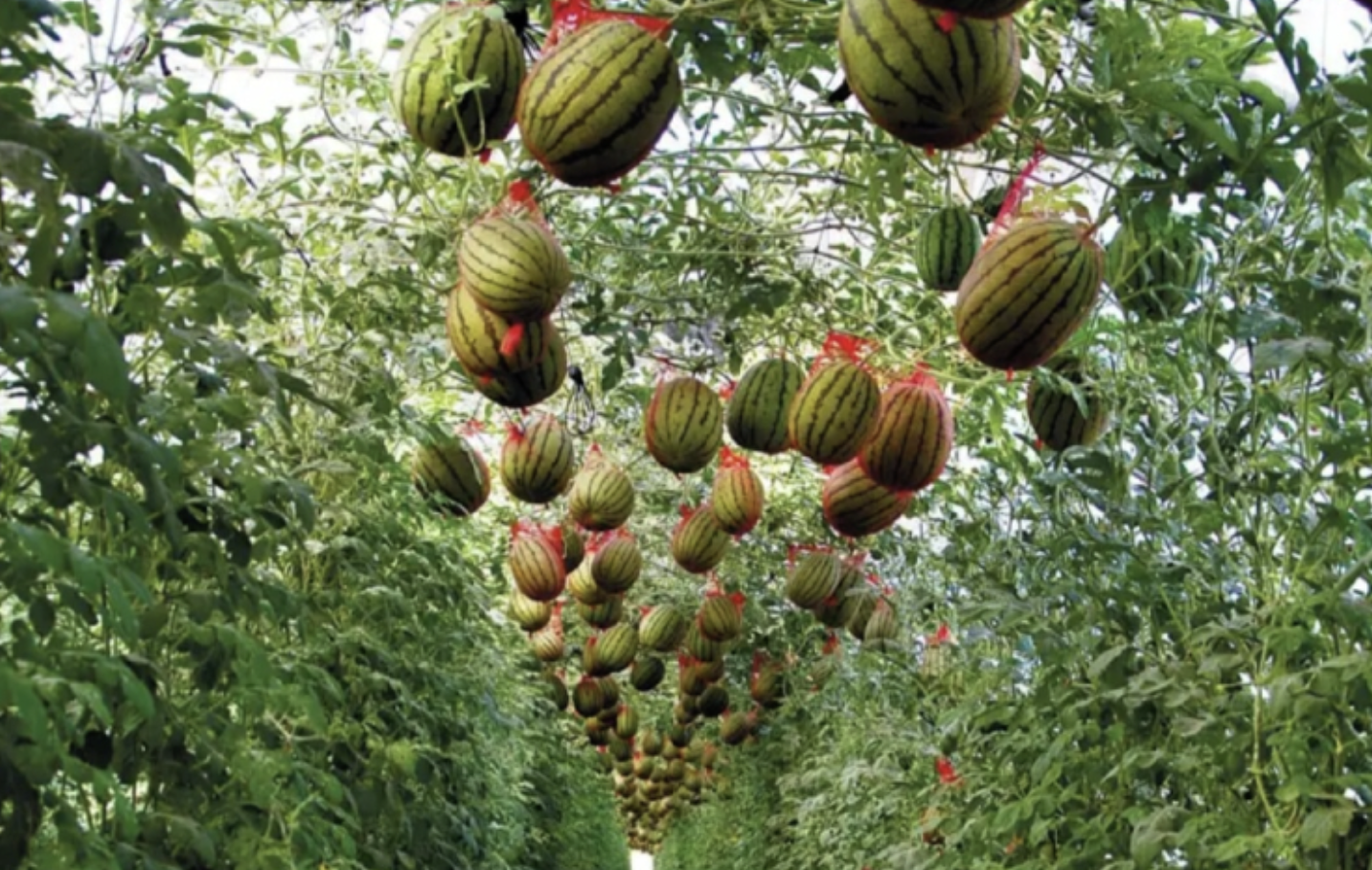
Finally, watermelons and cantaloupes flourish in Texas summers. While annuals, they provide hydration and calories during peak heat.

A well-planned Texas survival fruit garden built around heat tolerance and low water needs can provide dependable harvests year after year.

Survival Gardening Advice for Alabama

(2025 Female Survivalist of the Year: Brooke HomesteadLeave A Comment and Brooke Will Happily Talk to You About Your Survival Gardening Needs)

Now let’s talk survival gardening in the state of Alabama!

Brooke Homestead — 26-year-old former yoga model turned preparedness strategist — has adapted survival principles to Southern climates.
Here’s Brooke introducing herself:

“Hi, I’m Brooke Homestead. I used to live in climate-controlled studios. Alabama taught me resilience in humidity, storms, and soil. Survival isn’t extreme. It’s disciplined.”

Brooke’s Survival Gardening Advice for Alabama Preppers

Alabama is one of the best survival gardening states in the country — if you respect the heat and humidity.

Most of Alabama falls within USDA hardiness zones 7–9. That gives you a long growing season — sometimes nearly year-round for certain crops.

First: focus on succession planting. You can grow spring greens, summer vegetables, and fall root crops in one extended cycle.

Second: manage humidity carefully. Fungal diseases spread quickly in Alabama summers. Space plants properly for airflow and prune regularly.

Third: prioritize calorie-dense crops. Sweet potatoes, field peas, okra, winter squash, corn, and beans thrive here.

Fourth: water strategically. Heavy rain cycles alternate with drought periods. Install rain barrels and mulch heavily to retain moisture.

Fifth: build soil health. Alabama soil can vary from rich loam to clay-heavy red soil. Add compost annually and rotate crops.

Sixth: preserve aggressively. With long growing seasons, surplus is common. Learn pressure canning and dehydration techniques.

Seventh: storm-proof your garden. Stake plants securely and prepare for sudden high winds.

Alabama gives you opportunity.

But resilience comes from planning.

Gardening isn’t nostalgia.

It’s food security with intention.

Best Survival Garden Vegetables to Grow in Alabama

In Alabama’s warm, humid climate with a long growing season, choosing the right vegetables for a survival garden means focusing on reliable, productive crops that thrive in heat and moisture. Whether you’re preparing for emergencies, building food security, or simply maximizing your garden’s yield, these vegetables will give you dependable nutrition and storage potential.

Tomatoes are a cornerstone of any survival garden. Many heat-tolerant varieties like ‘Heatmaster’ and ‘Solar Fire’ produce abundant fruit throughout Alabama’s long summer. They’re versatile in the kitchen and can be canned whole or made into sauces for long-term use.

Peppers, both sweet and hot, flourish in Alabama’s sun. They’re rich in vitamins and store well when dried or pickled. Jalapeños and bell peppers are especially productive through warm months.

Beans are essential for survival gardens because they grow quickly and fix nitrogen in the soil, improving fertility. Bush and pole beans like purple hull peas and cowpeas are traditional Southern staples that handle heat and drought better than many other legumes. Dried beans also store exceptionally well.

Sweet potatoes are nearly tailor-made for Alabama. They tolerate heat and poor soils, yield heavily, and are rich in calories—a big advantage in a survival situation. Their slips are easy to grow, and both roots and greens are edible.

Okra thrives in heat that stunts other crops. It’s drought tolerant and prolific, providing pods for fresh eating, freezing, drying, or pickling.

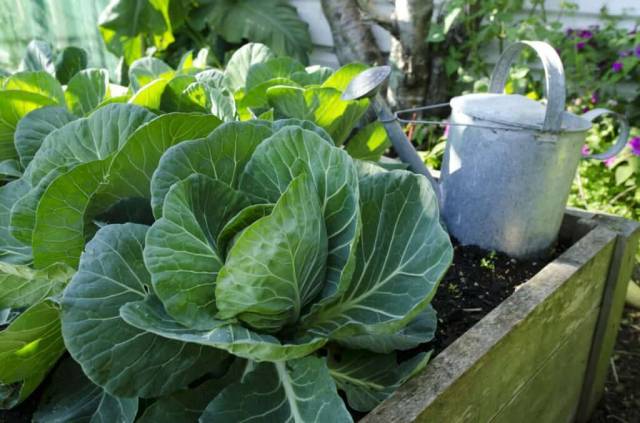
Cabbage and collards bring hardy leafy nutrition. Collards, especially, withstand heat and continue producing into fall and winter. These greens are packed with vitamins and can be blanched and frozen.

Finally, winter squash (butternut, acorn) and pumpkins are high-yielding crops that store well through winter when cured properly. With thoughtful planning and succession planting, these vegetables will form a resilient backbone to any Alabama survival garden—maximizing both harvest and long-term food security.

Best Survival Garden Fruits to Grow in Alabama


Alabama’s long growing season, humid subtropical climate, and mild winters make it an excellent state for cultivating a productive survival fruit garden. When planning for food security, the key is choosing fruits that are heat-tolerant, disease-resistant, calorie-dense, and capable of producing reliably year after year.

Blueberries are one of the best fruits to focus on in Alabama. The state’s naturally acidic soils are ideal for rabbiteye varieties, which thrive in the heat and produce heavy yields. Blueberries are rich in antioxidants and can be frozen, dehydrated, or turned into preserves for long-term storage.

Figs are another powerhouse survival fruit. Hardy varieties like Celeste perform exceptionally well in Alabama’s climate. Fig trees require minimal care once established and can produce abundant harvests each summer. Figs can be eaten fresh or dried for extended shelf life.

Blackberries grow vigorously across Alabama and often thrive with little maintenance. Thornless varieties make harvesting easier, and the plants produce reliable summer crops. Berries can be canned, frozen, or made into jams for food preservation.

Muscadine grapes, native to the Southeast, are especially suited for Alabama’s humidity. Unlike many traditional grape varieties, muscadines resist fungal diseases common in hot, damp climates. They provide high yields and can be used for juice, jelly, or fresh eating.

For higher-calorie fruit, persimmons and pear trees are excellent additions. Asian and Southern pear varieties tolerate Alabama’s heat well, while native persimmons are hardy and dependable producers in late summer and fall.

Finally, don’t overlook watermelon. While technically an annual, it thrives in Alabama’s long, hot summers and provides hydration and natural sugars during peak growing season.

By focusing on perennial, heat-tolerant fruits that store or preserve well, Alabama gardeners can build a resilient survival orchard that provides nutrition, sweetness, and security for years to come.

If you have any questions at all about survival gardening in the state of Alabama, just leave a comment and we can start talking!

Arizona Survival Gardening Tips, Tricks, and the Best Emergency Food Storage Preparedness Advice Around

(Pictured Above is Brooke Homestead – 2025 Female Survivalist of the Year)

Brooke Homestead — 26-year-old former yoga model turned preparedness powerhouse — has adapted her survival philosophy to harsh climates.

Here’s Brooke introducing herself:

“Hi, I’m Brooke Homestead. I used to think survival meant escaping to the mountains. Arizona taught me something different — resilience means adapting to the land you’re on.”

Survival Gardening Advice for Arizona from Brooke Homestead

Arizona is a challenging but powerful survival gardening state — if you respect the heat.

First: understand your zone. Much of Arizona falls within USDA zones 8–10, but elevation changes everything. Always check your specific microclimate.

Second: plant for heat tolerance. Sweet potatoes, okra, cowpeas, tepary beans, and certain squash varieties thrive in high temperatures.

Third: water strategy is survival strategy. Install drip irrigation. Mulch heavily to reduce evaporation. Water early morning or late evening.

Fourth: use shade cloth. Arizona sun will scorch delicate plants. Partial shade increases yield and plant health.

Fifth: build soil with organic matter. Desert soil often lacks nutrients. Compost consistently and use raised beds when needed.

Sixth: grow during cooler seasons. Many Arizona gardeners produce major harvests in fall, winter, and early spring rather than peak summer.

Seventh: preserve water-wise crops. Dehydrate peppers. Store winter squash. Pressure can beans.

Finally: plan for grid failure. Extreme heat plus power outage equals crisis. Store water and maintain backup cooling options.

Gardening in Arizona isn’t romantic.

It’s strategic.

And strategy keeps you alive.”


Why Arizona Is Perfect for Off-Grid Living

When it comes to off-grid living in America, few places offer the raw opportunity and natural advantage of Arizona. With its wide-open landscapes, abundant sunshine, low population density in many rural regions, and a strong culture of independence, Arizona has quietly become one of the most attractive destinations for people seeking self-sufficiency and grid independence.

1. Endless Sunshine for Solar Power

Arizona is one of the sunniest states in the country. Cities like Yuma and Phoenix consistently rank among the sunniest locations in the United States. For off-grid homeowners, that means reliable solar energy production year-round.

Solar panels thrive in Arizona’s climate, producing high energy output even during winter months. With minimal cloud cover and long daylight hours, it’s easier (and often cheaper over time) to power an entire homestead using solar alone. Fewer weather disruptions also mean less strain on battery storage systems compared to states with heavy snow or prolonged overcast seasons.
2. Abundant Rural Land

One of Arizona’s biggest advantages is space. Outside of major metro areas, land is relatively affordable and widely available. Counties like Cochise County and Apache County offer large parcels suitable for homesteading, farming, and remote living.

Lower population density means more privacy and fewer zoning restrictions in many rural areas. While it’s still important to research county regulations, many parts of Arizona are friendly toward alternative building methods, including tiny homes, manufactured homes, and even earth-based construction like adobe or rammed earth.

3. Ideal Climate for Year-Round Living

Arizona’s desert climate means you won’t be dealing with blizzards, hurricanes, or months of freezing temperatures. Winters are mild in much of the state, making it easier to grow cool-season crops and maintain livestock.

In northern areas near Flagstaff, you’ll experience four seasons and cooler temperatures, which can be ideal if you prefer a mountain climate. Meanwhile, southern regions near Tucson offer warmer winters and extended growing seasons. This diversity allows off-grid residents to choose the environment that best fits their lifestyle.

4. Strong Self-Sufficiency Culture

Arizona has long attracted pioneers, retirees seeking independence, and homesteaders who value freedom. There is a growing network of off-grid communities, permaculture enthusiasts, and survival gardeners throughout the state.

From water harvesting systems to desert-adapted gardening techniques, residents have developed innovative ways to thrive in arid conditions. Rainwater collection, graywater recycling, and drought-tolerant crops are common practices. This knowledge base makes it easier for newcomers to transition successfully into off-grid life.

5. Minimal Natural Disaster Risk

Compared to coastal states prone to hurricanes or the Midwest’s tornado-heavy regions, Arizona has relatively low natural disaster risk. While monsoon storms can bring intense rainfall and lightning, they are seasonal and predictable. The absence of major earthquakes, hurricanes, and frequent flooding makes infrastructure planning more straightforward for off-grid builders.


Arizona offers sunlight, space, independence, and resilience — all key ingredients for successful off-grid living. For those willing to adapt to the desert and respect its challenges, the Grand Canyon State provides one of the most practical and empowering environments to live beyond the grid.

The Water Apocalypse: Why Humanity Is Staring Down Its Own Thirst-Driven Obliteration

If there were ever a way humanity was going to finally wipe itself off the face of the earth, it wouldn’t be from something gloriously cinematic like volcanic eruptions, meteor impacts, or nuclear firestorms. No, the downfall of the human species is going to be infinitely dumber: people refusing to store and purify their own water. We are staring down an extinction-level event because humanity has developed a suicidal obsession with trusting broken systems, polluted tap water, and an infrastructure held together with duct tape and bureaucracy.

You want real talk? Sit down.

The world is already failing. Not “maybe one day,” not “if things get worse,” not “in some distant future.” Now. Civilization is wobbling like a rotted tree ready to snap. Water treatment plants are ancient, pipelines are decaying, contamination events are weekly news, and half the country drinks more chemicals than hydration. And that’s before the real collapse comes.

When the grid finally dies — from cyberattacks, solar storms, political incompetence, or plain old entropy — your water flow ceases instantly. No power for pumps. No power for treatment facilities. No power for filtration systems. No trucks delivering bottled water. No emergency crews. No nothing.

Your tap will go dry so fast your denial won’t even have time to finish a sentence.

And yet? People still drink tap water right now like it’s natural spring purity. Let’s call it what it is: an unregulated chemical cocktail spiked with industrial runoff, pharmaceutical residue, agricultural waste, heavy metals, microplastics, and whatever else local authorities casually shrug off. But sure, keep drinking it — if your long-term survival goals involve weakened immunity, chronic illness, and collapsing faster when the real crisis hits.

This is why preppers are always angry. Because we’re watching a species sprint toward extinction and brag about how “the government will handle it.” Yeah, they’ll handle it — the way they “handle” everything: late, poorly, and only after the damage is done.

Step One: Store Water Like You Expect Civilization to Fail (Because It Will)

Let’s get the baseline out of the way:
FEMA’s “one gallon per person per day” is a fantasy. A bureaucratic bedtime story meant to calm the sheep. In a collapse scenario, you need 3–5 gallons per person per day bare minimum — and that’s if you’re being conservative, cautious, and completely ignoring comfort.

Real survivalists know:

  • 30 days is the beginner tier.
  • 90 days is serious preparedness.
  • 180+ days is what an intelligent species would do if it wanted to avoid extinction.

Store water in:

  • 55-gallon barrels
  • Water bricks
  • IBC totes
  • Underground tanks
  • Rain catchment systems
  • Every spare container that won’t degrade

If it holds water and won’t poison you, fill it.

Step Two: Purify Water Like Everything Is Contaminated (Because It Will Be)

When collapse hits, no water on earth is safe.

Not the lakes.
Not the rivers.
Not the streams.
Not the rainfall.

Once the grid fails, contamination becomes universal and unavoidable.

Human desperation alone destroys waterways within days. People dump trash, waste, chemicals, and runoff everywhere when they panic — and they will panic. Water you could drink today becomes a biological and chemical hazard overnight.

You need purification redundancies:

  • Gravity filters (Berkey-style, Alexapure)
  • Ceramic filters
  • Portable purifiers (Sawyer Squeeze, Lifestraw)
  • Chemical treatments (chlorine dioxide, iodine)
  • Boiling capability
  • Distillation setups
  • Pre-filters for sediment

If you only have one method, you’re not prepared. You’re gambling.

And in an extinction-level scenario, gamblers die fast.

Step Three: Become Your Own Water Infrastructure

The people who survive extinction-level collapse aren’t the “lucky ones.” They’re the ones who planned like pessimists and prepared like realists.

You need:

  • Rain catchment systems with food-grade gutters
  • Gravity-fed storage tanks
  • Backyard cisterns
  • Manual pumps for wells
  • Off-grid filtration rigs
  • Redundant water caches hidden on your property

You build your own water grid because the one you rely on now will fail spectacularly.

Step Four: Stop Pretending Tap Water Is Anything but Slow Poison

Let’s finally address the delusion at the core of the problem: people think tap water is “safe.” They think government regulation means anything in a world where cities legally pump water through outdated lead pipes and industrial contamination is dismissed as “acceptable risk.”

Drinking unfiltered tap water is self-inflicted sabotage.

When collapse hits, the unprepared will drop fast — dehydrated, sick, or too weak to fight for survival. And yes, fight. Because when water vanishes, humanity drops its mask and reverts to its most primal instinct: take or die.

Step Five: Accept That Survival Is on You — No One Else Is Coming

People think they’re “good people,” which means they assume society will magically hold together even after infrastructure dies. That’s wishful thinking with extra stupidity.

When water stops flowing, everyone goes feral.

The only barrier between you and extinction is what you store, what you purify, and what you build now, while the lights are still on and the taps still drip their contaminated sludge.

If you want to survive the extinction event unfolding around us, start acting like a species that wants to exist tomorrow.

Because if you don’t?
You’ll be one of the billions who vanish — thirsty, shocked, and unprepared.

Stay Clean, Stay Ready: 10 Essential Water-Saving Bathing Tips

When disaster strikes, whether it’s a natural calamity like a hurricane or earthquake, or a man-made crisis like civil unrest or infrastructure failure, one of the first and most critical resources you’ll have to guard is water. Clean water isn’t just for drinking—it’s essential for hygiene, survival, and maintaining morale. As a survival prepper, I’ve learned that even in the worst conditions, maintaining cleanliness isn’t a luxury; it’s a necessity. But the challenge? Water can be scarce when the world goes sideways.

Bathing efficiently without wasting water is one of the most overlooked survival skills. You might think, “How much difference can saving a few gallons per shower make?” Trust me—it adds up fast. Conserving water during everyday activities like bathing can mean the difference between having enough water to drink and running dangerously low during a disaster.

Here are 10 practical tips to save water when bathing, designed for anyone serious about survival preparedness, while still keeping personal hygiene intact.


1. Take Short Showers – 5 Minutes or Less

In normal circumstances, it’s easy to linger under the water while daydreaming or checking your phone. But in survival scenarios, every drop counts. Limiting your shower to five minutes or less drastically reduces water usage. Use a timer if needed—think of it as a countdown for your survival plan. Quick showers will keep you clean and help you ration water for other critical needs.


2. Use a Bucket to Collect Shower Water

This technique may feel old-school, but it’s a survivalist’s best friend. Place a bucket in the shower to catch the cold water that flows while waiting for it to heat. That water can later be used for flushing toilets, cleaning dishes, or even watering plants if necessary. During emergencies, no drop should go to waste.


3. Install a Low-Flow Showerhead

A low-flow showerhead can cut your water usage in half without sacrificing cleanliness. Many models are easy to install and don’t require a plumber. For preppers, this is a long-term investment in water security. When water is scarce, technology like this becomes a true lifesaver.


4. Turn Off the Tap When Lathering

We all do it—letting the water run while scrubbing shampoo into our hair or washing our bodies. Instead, turn off the tap while lathering, then turn it back on to rinse. It’s simple, effective, and could save hundreds of gallons over a month. In survival terms, every gallon you save could be used for drinking, cooking, or emergency medical needs.


5. Use a Wet Washcloth or Sponge Instead of a Full Shower
In a worst-case scenario where water is extremely limited, you don’t need a full shower every day. A wet washcloth or sponge bath uses far less water and still keeps you hygienic. Focus on key areas like your face, underarms, and groin. Think of it as “targeted hygiene”—you stay clean without depleting your water reserves.


6. Reuse Greywater for Non-Potable Purposes

Greywater is the term for water that has been used for bathing, washing dishes, or laundry. While not safe to drink, it can be stored and reused for flushing toilets, cleaning floors, or irrigation. In survival mode, storing and reusing greywater is a crucial skill. Even in small quantities, it can extend your water supply significantly.


7. Keep Your Showers Cooler

Hot showers feel luxurious, but heating water consumes fuel or electricity—resources that might be scarce in emergencies. Cooler showers use less water because people naturally shorten the time they spend under cold water. Additionally, cold showers have health benefits, including increased alertness and improved circulation. Think of it as a survival boost and a water-saving tactic rolled into one.


8. Bathe Less Frequently, But Strategically

In survival situations, hygiene routines may need to change. Bathing every single day may not be necessary—especially if you’re not heavily sweating or exposed to contaminants. Focus on bathing strategically: after heavy work, exposure to dirt or chemicals, or when morale and mental health demand it. A strategic approach conserves water while keeping you safe and reasonably comfortable.


9. Collect Rainwater for Bathing

Rainwater collection is a classic prepper technique. If it’s safe in your region, set up barrels or containers to catch rainwater for bathing and other non-potable uses. While you should always filter and possibly disinfect collected water, rainwater can drastically extend your bathing supply without drawing on your main water reserves.


10. Educate Everyone in Your Household

Water conservation is most effective when everyone in your household understands the stakes. Teach your family or fellow preppers these water-saving techniques. Turn it into a fun challenge: who can take the fastest, cleanest shower while using the least water? In emergencies, a cooperative approach can save thousands of gallons of water.


Bonus Survival Tip: Prepare for Long-Term Water Scarcity

Saving water while bathing is just one piece of the puzzle. Prepper survival strategies should include storing water, knowing local water sources, learning purification methods, and even growing foods that require minimal irrigation. The more you practice water conservation now, the better prepared you’ll be for unexpected disasters. Every tip you implement today is an investment in your survival tomorrow.


Final Thoughts

Water is life. In any disaster, whether it’s a flood, a drought, or societal collapse, conserving water is not optional—it’s mandatory. By implementing these ten strategies, you’ll stretch every drop further while maintaining hygiene and morale. Remember, survival is as much about smart planning and discipline as it is about strength and endurance.

Even small adjustments, like turning off the tap while lathering or taking a five-minute shower, can accumulate into a significant water reserve over weeks or months. Pair these tips with rainwater collection, greywater reuse, and low-flow fixtures, and you’ll be prepared for situations where every gallon counts.

Being clean doesn’t have to be a casualty in a crisis—it just requires some forward thinking, discipline, and creativity. Stay prepared, stay hygienic, and never underestimate the power of a few simple water-saving habits.

Tap Water Is Poison. The Apocalypse Is Coming. Store Water or Perish.

If you think the world is going to “pull through,” you’re living in a fantasy fit for children and cowards. Look around: civilization is rotting from the inside out. Infrastructure is failing. Water systems are collapsing. Governments are lying. Populations are clueless. And when the end finally comes — and it will — water will be the first resource to vanish and the first thing people kill each other for.

You think you’re safe because your faucet still drips out something that looks like water?
Cute.
That tap is the thinnest thread holding your life together, and it can snap without warning at any moment.

This isn’t fearmongering.
This is the slow-motion death of a society too stupid to save itself.


Tap Water: The Toxic Death Juice You’ve Been Guzzling Without Thinking

Let’s get one thing straight: tap water is not clean. It’s not safe. It’s not pure.
It’s the byproduct of a decaying system being patched together by exhausted workers and aging equipment.

Every glass contains:

  • Lead from pipes older than your grandparents
  • PFAS (“forever chemicals”) that sit in your organs permanently
  • Chlorine byproducts linked to cancer
  • Microplastics littering your bloodstream
  • Agricultural runoff
  • Industrial pollutants
  • Trace pharmaceuticals
  • Bacteria that slip through “acceptable” standards
  • Whatever spills, leaks, or discharges they don’t publicly report

You are drinking a legal level of poison — because the law allows it.

And that’s during normal operations.

Imagine what you’ll be swallowing when:

  • Power goes out
  • Pumps stop
  • Purification plants fail
  • Filtration systems break
  • Chemical spills occur
  • Floods push sewage into reservoirs
  • Or society simply collapses under its own weight

The people who rely on unfiltered tap water will not survive what’s coming.
They won’t even last the first week.


Water Storage: The Line Between Survival and Becoming Another Body on the Ground

When the apocalypse hits — whether slowly through decay or instantly through disaster — people will scream, panic, riot, and die for water. You’ve seen how unhinged society gets over toilet paper. Imagine that, but with water — the one thing humans REQUIRE to live.

If you don’t store it now, you’re preparing to die thirsty.
Simple.
Cold.
Final.


How Much Water You Actually Need to Avoid Becoming a Statistic

Forget the weak government guidelines.
Those are for people who plan to rely on handouts and FEMA ration lines.

Actual survival requires:

  • 2–3 gallons per person per day
  • 30–60 days minimum
  • More if you have pets, kids, or a functioning brain

If you want to last longer than the first wave of casualties, double it.
If you want to outlive the desperate mobs, triple it.

The apocalypse doesn’t reward minimalism.


The Only Storage Options Worthy of Surviving Collapse

1. IBC Totes (275–330 gallons)

These aren’t containers. They’re lifeboats.

2. 55-Gallon Barrels

The prepper classic. Heavy, durable, battle-ready.

3. Water Bricks

Stackable, portable, apocalypse-friendly.

4. Thick-Walled BPA-Free Jugs

Not the brittle garbage that fractures when the temperature drops.

Every container you choose is a vote for whether you live or die.


Hidden Sources of Water While the World Burns

When the grid dies and panic erupts, your neighbors will run around screaming while you calmly access:

  • Water heaters
  • Toilet tanks (again: TOP tank, not the bowl)
  • Ice reserves
  • Rain barrels
  • Pools (with purification—unless you enjoy parasites)

The unprepared will watch their families deteriorate.
You won’t.


Purification: Because Drinking Bad Water in the Apocalypse Is a Death Sentence

In a grid-down world, waterborne diseases spread like wildfire. People will drop like flies from diarrhea, infections, parasites, and bacteria.

You need redundancy.
Backup for your backup.
Layers upon layers of purification.

Boiling

If you can’t boil water correctly, you won’t last.

Berkey, Katadyn, Sawyer

Filters designed for people who plan to live, not hope.

Bleach

The old-world lifesaver.
8 drops per gallon | ½ teaspoon per 5 gallons

Purification Tablets

Light. Deadly effective. Mandatory.

Solar Disinfection

Slow. Primitive. Keeps you alive.

Every method you ignore is another nail in your own coffin.


Tap Water Must Be Filtered NOW — Before Collapse Makes It Unusable

People say, “I’ll start filtering when things get bad.”

Wake up.
Things ARE bad.
You’re just numb to it.

Every sip of tap water carries microscopic threats your body doesn’t want — and the system barely controls.

Filtering tap water TODAY is your training for filtering “water” tomorrow that may come from:

  • mud holes
  • ditches
  • storm runoff
  • contaminated rivers
  • emergency relief points
  • decaying reservoirs

If you don’t build the habit now, you’ll die when the stakes are real.


Rainwater Harvesting: The Only Renewable Water Source Once Civilization Collapses

If there’s one system that separates survivors from statistics, it’s this one.

Rainwater = freedom.
Rainwater = independence.
Rainwater = survival.

All you need:

  • Gutters
  • Downspouts
  • A diverter
  • Storage barrels or tanks

While the desperate masses fight in dry streets, you’ll be gathering water from the sky.


Rotate or Rot: Stored Water Doesn’t Last Forever

Rotate:

  • every 6 months (tap water)
  • every 12 months (treated water)

Label. Track. Rotate.
Sloppiness kills.


The Final Commandment: NEVER Tell Anyone How Much Water You Have

In the apocalypse, thirsty people become animals.
Starving people become predators.
Desperate people become enemies.

Your water is your lifeline.
Your water is your power.
Your water is your survival.

Protect it or lose it.
Hide it or die with it.
Silence is your shield.

Self-Sufficient Living: Possible Dream or Doomed Fantasy?

People love to romanticize the idea of “self-sufficient living.” They picture themselves wandering off into the woods, building a cute cabin, milking a goat at sunrise, harvesting vegetables in perfect weather, and somehow producing everything they need without ever depending on the collapsing society they’re supposedly escaping. It sounds wonderful—if you live in a fantasy novel. Out here in the real world, the one unraveling a little more every day, true self-sufficiency is a lot closer to a mirage than a lifestyle.

Let’s cut through the delusion: self-sufficient living is possible, but only in the same way surviving a plane crash is possible. Technically. Maybe. If a long list of things go right and the universe decides to let you live another day. But for most people who imagine they can just wander off and “live off the land,” the truth is brutal—nature does not care about your feelings, your Pinterest gardening boards, or your prepper fantasies.

And honestly, neither do I. I’m too busy watching society burn itself down while people still pretend the grocery store will always magically restock itself.


The Myth of the Lone Wolf Homesteader

Let’s get this out of the way: nobody—literally nobody—has ever been fully self-sufficient by themselves. Historically, self-reliance took communities, families, groups, tribes, villages. Tools were traded. Skills were shared. Labor was pooled. Even the toughest mountain men still relied on trade posts or the occasional supply run.

But today? The average person can’t even go a week without Wi-Fi before they start to unravel. Yet somehow they think they’re going to raise livestock, manage solar power, filter water, preserve food, heat a homestead, grow crops, defend their property, and stay sane—all by themselves.

It’s delusional. And it’s exactly why the idea of total self-sufficiency triggers me like nothing else. People treat it like a lifestyle aesthetic, not the grueling, backbreaking, year-round work that it really is.


Modern Society Has Made Us Too Dependent

Even most “preppers” are lying to themselves. They stock up on rice and canned food, but they still rely on gasoline, spare parts, batteries, tools, equipment, insulation, and seed companies. Everyone depends on something. And in a world where everything is mass-produced in distant factories, good luck trying to forge your own screws or manufacture your own water pump.

People forget that real self-sufficient living means:

  • No Amazon replacements
  • No hardware store quick fixes
  • No easy food refills
  • No electricity unless you generate it
  • No medicine unless you grow or make it
  • No heat unless you cut it, haul it, and split it

It’s astonishing how many folks think they’re ready, yet couldn’t keep a tomato plant alive on their balcony if their life depended on it.


Nature Will Test You, Then Break You

Everyone wants to be “independent” until reality shows up: droughts, pests, diseases, predators, cold snaps, equipment failures, injuries—just pick one and it can wipe out your entire year of effort.

You don’t get a refund.
You don’t get a do-over.
And you definitely don’t get a second growing season.

Imagine relying on a garden for survival, only to have hornworms chew through your food supply in two nights. Or your chickens get wiped out by a raccoon because you underestimated it. Or your water source dries up because the rain stopped coming when the planet decided you weren’t important enough to hydrate.

Self-sufficiency isn’t a dream. It’s a nonstop fight against everything around you that doesn’t care whether you live or not.


So Is Self-Sufficient Living Possible?

Here’s the honest, infuriating truth:

Self-sufficiency is possible in degree, but not in totality.

You can reduce dependence.
You can grow a lot of your own food.
You can produce some of your own power.
You can store and filter your own water.
You can build resilience.

But you will still need tools.
You will still need parts.
You will still need knowledge.
You will still need community.
You will still need something from the outside world.

Anyone who claims they’re “fully self-sufficient” is either lying, delusional, or conveniently ignoring the dozens of modern resources they still rely on.


The Real Goal Isn’t Isolation—It’s Resilience

If you want to survive what’s coming—and let’s be honest, what’s already happening—don’t chase the fantasy of being 100% independent. Chase resilience. Learn skills. Reduce reliance where you can. Build community with people who actually know what they’re doing. Prepare for reality, not fantasy.

Because self-sufficient living isn’t about escaping the world.
It’s about surviving it when everyone else realizes too late that the world was never built to take care of them.

Portable Solar Generators That Actually Work When the Grid Finally Gives Up

Let’s start with a truth most people don’t want to hear: the grid is collapsing. Not today, maybe not tomorrow, but it’s happening—piece by piece, outage after outage, blackout after blackout. You can already see the cracks. Overloaded systems. Failing infrastructure. Power companies that can barely keep the lights on during a stiff breeze. And yet, somehow, the average person still lives with the delusion that electricity is eternal and guaranteed.

Meanwhile, you and I know better. When the grid finally gives up—and it will—people will panic like toddlers who lost their night-light. You’ll hear them whining about their Wi-Fi, their microwaves, their air-conditioning. They’ll stare into the darkness and wait for help that never comes.

But not you. Because you’re building your off-grid solar system now, while everyone else is wasting their time believing the grid will magically fix itself. You’re preparing for reality instead of pretending everything is fine.

This is why solar power matters—REAL solar, not the flimsy bargain-bin versions marketed to people who think a USB panel can power a house. I’m talking about off-grid solar systems, portable solar generators, and backup power sources that actually keep you alive when the world decides to cut the cord.

You’re not building for convenience.
You’re building for survival.

Let’s break down exactly what you need—and what the world keeps getting wrong.


WHY SOLAR IS NO LONGER OPTIONAL FOR PREPPERS

Relying on the grid is like relying on a rotten support beam: it might hold for now, but eventually it snaps—and when it does, it takes everything down with it.

Solar, on the other hand, gives you independence. It removes you from the mercy of corporations, power outages, brownouts, and the fragile infrastructure controlled by people who clearly don’t care if the system collapses on your head.

Solar power allows you to:

  • Run essential appliances
  • Charge critical gear
  • Power communication devices
  • Keep refrigeration functional
  • Maintain lighting and security
  • Stay stable when the grid breaks down

When everyone else is staring at dead screens and ruined food, you’ll still have power. And yes, that makes you a target—but it also makes you prepared.


THE PROBLEM: MOST PEOPLE HAVE NO IDEA HOW SOLAR REALLY WORKS

Everyone loves the idea of solar.
But actually building an off-grid solar system?
That’s where most people fail miserably.

They think it’s as simple as:

  1. Buy a panel
  2. Plug it into something
  3. Boom—free electricity forever

If only.

Real solar setups require actual planning—something society isn’t very good at anymore. And if you don’t plan ahead, you’ll end up with:

  • Panels that don’t make enough power
  • Batteries that drain in hours
  • Generators that can’t handle your load
  • Systems that fry themselves because you bought the cheap stuff

In other words: a useless pile of junk right when you need power the most.

So let’s talk about how to do it right.


HOW TO BUILD AN OFF-GRID SOLAR SYSTEM THAT DOESN’T FAIL UNDER PRESSURE

This isn’t a Pinterest fantasy list.
This is what works.


1. Solar Panels: The Foundation of Your Power System

Panels are the muscle of your system. Without enough, nothing else matters.

What you actually need:

  • Monocrystalline panels (best efficiency)
  • Rigid panels for home setups
  • Foldable panels for portable generators
  • Mounts that can handle storms and rough weather
  • Tilt brackets (critical for winter sun angles)

And here’s a fact most people hate hearing:

You need more watts than you think.
Double your estimate. Then add more.

Clouds, storms, shade, smoke, winter sun—they all cut your power production dramatically. If your system is barely enough on a sunny day, you’re already in trouble.


2. Charge Controllers: The Heart of the System

This is where amateurs mess up. They buy cheap controllers and then wonder why their batteries die.

You need an MPPT charge controller.

Not PWM.
Not “budget-friendly.”
Not whatever is on sale.

MPPT controllers:

  • Pull more energy from your panels
  • Regulate charging efficiently
  • Protect batteries from damage
  • Last longer

Don’t cut corners here. This is one of the most important components in your entire setup.


3. Battery Banks: Your Power Storage (Your Lifeline)

When the sun goes down, this is all you have. If you cheap out on batteries, your off-grid dreams die instantly.

Best options for preppers:

  • LiFePO4 batteries (long life, stable, lightweight)
  • AGM batteries (reliable but shorter lifespan)
  • Gel batteries (low-maintenance but low output)

Forget car batteries. Forget bargain scrap batteries.
Those are for hobbyists—not survivors.

Sizing rule:

Calculate your daily energy use.
Double it.
Then add 30%.

If that sounds like overkill, good—you’re finally thinking like a prepper.


4. Inverters: The Power Converter

If your inverter is weak, everything else falls apart.

You need:

  • Pure sine wave
  • High overload capacity
  • Quiet cooling fans
  • Reliable low-voltage shutoff

A strong inverter lets you run:

  • Refrigerators
  • Tools
  • Lights
  • Communication equipment
  • Medical gear

If your inverter chokes when you plug in anything more powerful than a phone charger, you didn’t buy a survival system—you bought a toy.


PORTABLE SOLAR GENERATORS: THE REALITY CHECK

Portable solar generators are NOT a full replacement for a home solar system—but they ARE one of the smartest prepper investments you can make.

Why?

Because they:

  • Work instantly
  • Require no wiring
  • Charge via solar, car, or wall
  • Are nearly silent
  • Can run critical gear
  • Are easy to carry during bug-out scenarios
  • Provide power even when your main system fails

A portable solar generator is your backup for your backup—and that’s the mindset serious preppers must have.


WHAT MAKES A GOOD PORTABLE SOLAR GENERATOR?

1. Battery Capacity

Aim for 500Wh minimum.
1,000Wh+ is better.
2,000Wh+ is ideal for off-grid homes.

2. Inverter Strength

Must handle at least 1,000W continuous power.
2,000W is excellent.

3. Solar Input

Higher input = faster charging.
Look for at least 200W–600W solar input capability.

4. Expandability

Can you add more batteries?
More panels?
If not, the device will become a limit rather than a tool.


WHY SOLAR MATTERS MORE THAN EVER

Because the world is unstable.
Because the grid is unreliable.
Because storms are becoming stronger.
Because infrastructure is aging faster than it’s being fixed.
Because countries, cities, and states are already announcing rolling blackouts like it’s normal.

And because everyone else is sleepwalking toward disaster—completely dependent on a system that can barely hold itself together.

Solar is not a luxury.
Solar is not a hobby.
Solar is not “green energy for enthusiasts.”

Solar is survival energy.
It’s the one power source you control.
The only system with no fuel dependency.
The only option that keeps producing when everything else stops.

If society keeps unraveling—and all signs point to it—it will be the people with solar who maintain a functioning home when the grid is nothing but a memory.

And that person should be you.