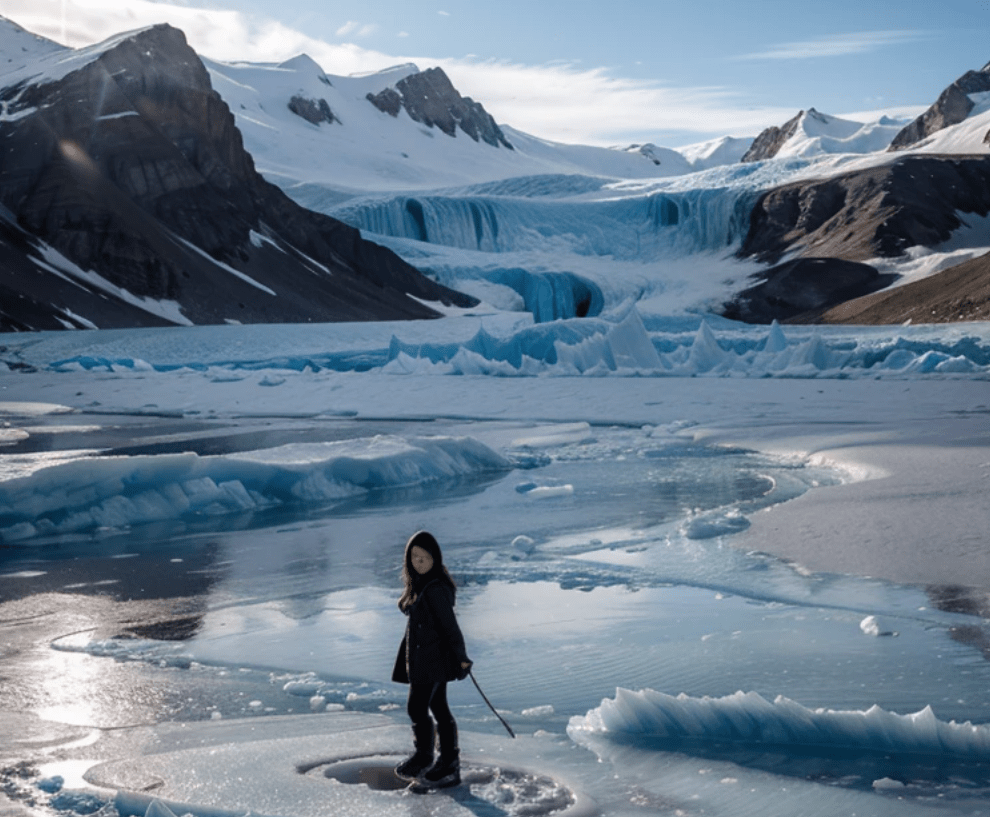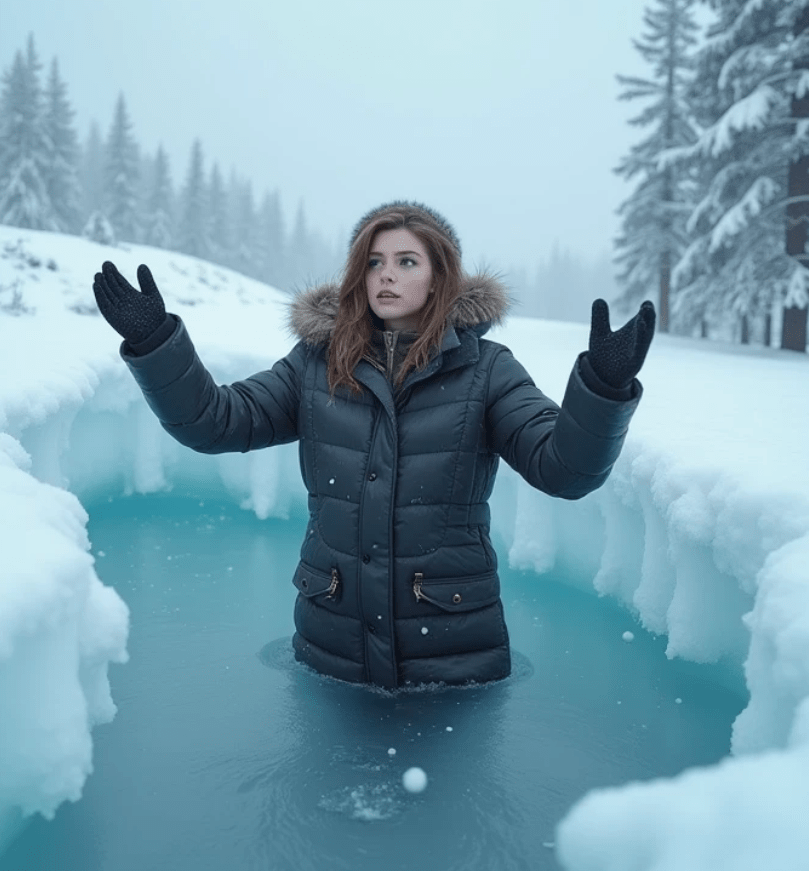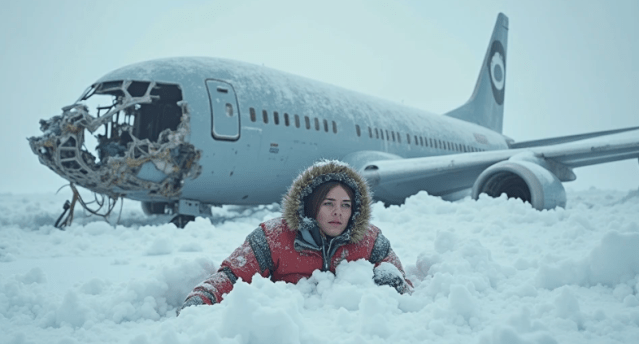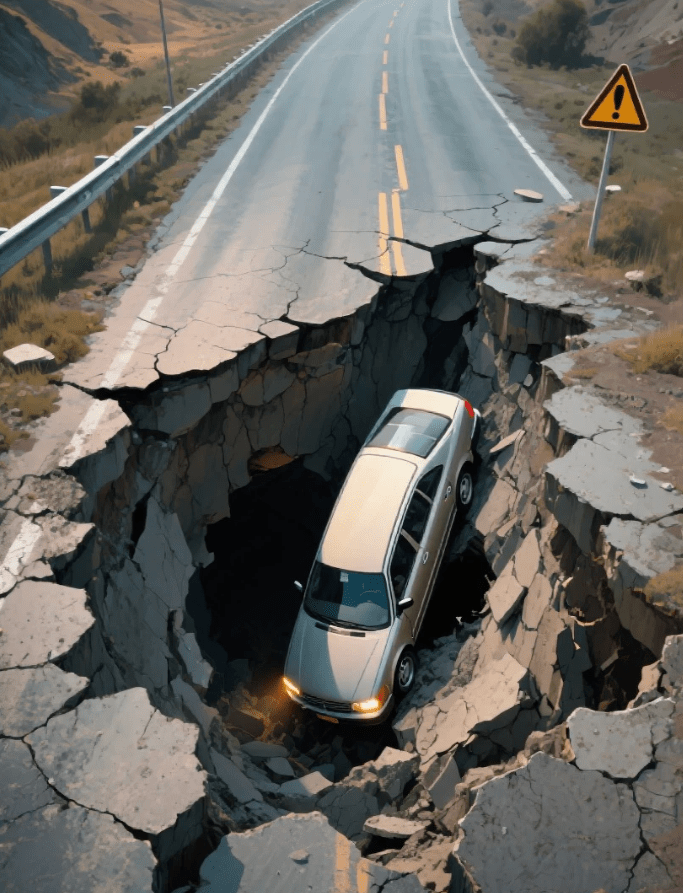
Alaska’s Deadliest and Ugliest BUGS: Survival Prepper Advivce from a Man Who Should’ve Been on FRIENDS

I didn’t come to Alaska because I loved the cold.
I came here because I needed to disappear.

Hollywood didn’t want me. Casting directors didn’t want me. Eighty auditions during the late-1990s sitcom pilot season, and not one callback that mattered. And yes, I told people I landed the role of “Joey” on FRIENDS. I told them all. I believed it long enough that the lie became heavier than the truth.

When the lie collapsed, I did what any rational, broken, angry almost-actor would do: I went north. Far north. Somewhere nobody asked questions, and where survival mattered more than stories.

Alaska doesn’t care who you were supposed to be.
Alaska only cares whether you’re prepared.

And most people aren’t.

When folks think about Alaska killing them, they imagine bears, blizzards, or falling through ice. They don’t think about insects. They don’t think about the things that crawl, bite, sting, swarm, and inject your body with reactions you didn’t plan for.

That’s a mistake.

Because while Alaska doesn’t have jungles or deserts, it does have insects that can absolutely end your life—not dramatically, not cinematically, but quietly, efficiently, and without apology.

This article is about those insects.
And it’s about what I carry in my bug-out bag because I’ve learned the hard way that nature doesn’t give second chances, and neither does denial.


Why Insects in Alaska Are More Dangerous Than You Think

Let’s clear something up right now:
Alaska doesn’t need venomous spiders or exotic scorpions to be deadly.

What it has instead is isolation, extreme reactions, and limited access to help.

An insect bite that might be inconvenient in a city can become fatal in the Alaskan backcountry because:

  • Medical help may be hours—or days—away
  • Weather can ground aircraft
  • Allergic reactions don’t wait for rescue
  • Infections thrive in cold, wet environments
  • Swarms don’t stop when you panic

In Alaska, the danger isn’t just the insect.
It’s the context.

And context is everything.


1. Mosquitoes: Alaska’s Most Dangerous Insect (Yes, Really)

Everyone laughs at mosquitoes until they stop laughing.

Alaska mosquitoes are not the delicate, polite insects you remember from childhood summers. These are aggressive, persistent, swarming blood-seekers that emerge in numbers so large they look like weather patterns.

Why Mosquitoes Are Dangerous in Alaska

Mosquitoes in Alaska are dangerous for three primary reasons:

  1. Sheer Volume
    In some regions, mosquito density is among the highest on Earth. You don’t get bitten once—you get bitten hundreds of times in minutes.
  2. Severe Allergic Reactions
    Some people experience extreme swelling, systemic reactions, or breathing issues after repeated bites.
  3. Secondary Effects
    • Infection from excessive scratching
    • Blood loss in extreme cases
    • Hypothermia risk when you stop moving to escape them
    • Panic, which leads to bad decisions

People underestimate mosquitoes because they don’t look dramatic. That’s how they win.

Survival Reality Check

If you’re miles from shelter and mosquitoes force you to stop moving, remove gloves, or expose skin, you’re already losing.

In Alaska, mosquitoes don’t just bite you.
They control your behavior.

And anything that controls your behavior in the wilderness can kill you.


2. Black Flies: Small, Silent, and Relentless

Black flies don’t buzz.
They don’t warn you.
They just appear.

And then they start biting.

Why Black Flies Are Dangerous

Black flies are especially dangerous because:

  • Their bites slice the skin instead of puncturing it
  • Bleeding can continue longer than expected
  • Swarms can overwhelm exposed skin rapidly
  • Bites often swell significantly

In remote areas, multiple black fly bites can cause:

  • Intense inflammation
  • Fever-like symptoms
  • Fatigue and weakness
  • Risk of infection

Again, none of this is dramatic.
That’s what makes it dangerous.

You don’t collapse.
You deteriorate.


3. No-See-Ums (Biting Midges): Psychological Warfare in Insect Form

If mosquitoes are bullies, no-see-ums are sadists.

You don’t feel them at first.
You don’t see them.
Then hours later, your skin is on fire.

Why No-See-Ums Matter

These microscopic insects:

  • Penetrate standard mosquito netting
  • Cause delayed reactions
  • Create clusters of intensely itchy bites
  • Lead to excessive scratching and broken skin

In Alaska’s damp climate, broken skin is an open invitation for infection.

I’ve seen grown adults mentally unravel after a night of no-see-um exposure. Sleep deprivation alone can get you killed in the wilderness.


4. Wasps, Hornets, and Yellowjackets: The Real Sting Threat

Alaska doesn’t have tropical wasps, but what it does have is territorial, aggressive stinging insects that do not tolerate mistakes.

Why Stinging Insects Are a Serious Threat

  • Multiple stings can overwhelm the body
  • Allergic reactions can escalate rapidly
  • Nests are often hidden in brush or woodpiles
  • Encounters happen suddenly

In the backcountry, there’s no ambulance.
There’s no quick injection unless you brought it.

You don’t need to be “deathly allergic” for stings to become life-threatening. Sometimes the body just decides it’s had enough.


5. Ticks: Slow, Quiet, and Potentially Devastating

Ticks in Alaska are less common than in warmer states, but they exist—and their danger is long-term rather than immediate.

Why Ticks Are Dangerous in Alaska

  • They attach without pain
  • They can remain unnoticed
  • They can cause systemic illness
  • Cold weather does not eliminate risk

The danger with ticks isn’t panic.
It’s neglect.

And neglect is a killer in survival situations.


The Real Killer: Underestimating “Small” Threats

Here’s the truth nobody wants to hear:

People die in the wilderness not because of dramatic events, but because of compounding problems.

A bite leads to swelling.
Swelling leads to limited movement.
Limited movement leads to exposure.
Exposure leads to hypothermia or injury.

That’s how it happens.

No soundtrack.
No hero speech.
Just consequences.


What I Carry in My Bug-Out Bag While Camping in Alaska (Because I’m Done Being Unprepared)

I don’t carry gear because I’m paranoid.
I carry gear because I’ve been disappointed by systems, people, and my own past decisions.

Nature doesn’t care about your confidence.
Only your preparation.

Below is what I carry specifically to deal with insect threats in Alaska.


1. Full-Coverage Insect Protection Clothing

  • Lightweight long-sleeve shirts
  • Bug-resistant pants
  • Head net designed for mosquitoes and midges
  • Gloves that allow dexterity

Skin exposure is a liability.


2. Industrial-Strength Insect Repellent

I don’t rely on “natural” solutions when my safety is on the line.

I carry repellents proven to work against:

  • Mosquitoes
  • Black flies
  • Biting midges

Application discipline matters more than brand loyalty.


3. First Aid Supplies Focused on Bites and Stings

My kit includes:

  • Antihistamine tablets (non-sedating when possible)
  • Topical anti-itch treatments
  • Antiseptic wipes
  • Bandages for secondary wounds

This isn’t comfort gear.
It’s damage control.


4. Emergency Allergy Preparedness

If you or someone in your group has known severe allergies:

  • Carry prescribed emergency medication
  • Store it properly
  • Know where it is at all times

Hope is not a plan.


5. Shelter That Keeps Insects Out

Your shelter should:

  • Seal completely
  • Have fine mesh netting
  • Allow ventilation without exposure

Sleep deprivation is a silent killer.


6. Fire-Starting Tools

Smoke is one of the oldest insect deterrents for a reason.

I carry:

  • Redundant fire starters
  • Dry tinder
  • Knowledge of safe fire use

Fire equals warmth, visibility, and control.


7. Mental Preparedness (The Thing Nobody Packs)

This matters more than gear.

You need to accept that:

  • Discomfort is inevitable
  • Panic makes everything worse
  • Anger can be useful if it keeps you moving

I survived rejection, lies, and starting over in a frozen state. Bugs don’t get to break me.


Final Thoughts from a Man Who Learned Too Late

I didn’t become famous.
I didn’t become rich.
I became realistic.

Alaska stripped away every illusion I had about control. And insects—small, relentless, underestimated—taught me that survival is about respecting all threats, not just the cinematic ones.

You don’t have to love the wilderness.
You just have to prepare for it.

Because Alaska doesn’t care who you were supposed to be.

It only cares whether you’re ready.

And if you’re not?

Something small will remind you.

Alaska’s Worst Roads to Drive on During a Disaster

Alaska’s Worst Roads to Drive on During a Disaster – From the Eyes of a Seasoned Survivalist

I’ve spent decades carving tire tracks across some of the most rugged, merciless terrains known to man—from the punishing sands of the Mojave to the dense, axle-busting jungles of the Darien Gap. But few places demand as much raw respect behind the wheel as Alaska. The Last Frontier isn’t just a nickname—it’s a truth carved in black ice and frost-heaved pavement. When disaster strikes—be it earthquake, wildfire, blizzard, or civil collapse—Alaska’s roads become both escape route and executioner.

The truth is, you don’t “drive” Alaska during a crisis—you survive it. And if you want to live to tell the tale, there are a few roads you better know, and a few skills you better master before that engine growls in protest.


Alaska’s Worst Roads During a Disaster

1. Dalton Highway (aka “Haul Road”)

Stretching over 400 miles from Fairbanks to Deadhorse, the Dalton is a white-knuckle ride even on a good day. Isolated, barely maintained, and stalked by arctic weather, this trucker’s lifeline turns savage in a disaster. Landslides, freezing rain, and zero services mean you’re on your own. Cell service? Forget it. One bad decision and you’re a ghost story.

2. Seward Highway (Anchorage to Seward)

Scenic? Sure. Deadly in a quake or flood? Absolutely. This coastal stretch hugs cliffs and runs parallel to rail lines and avalanche zones. A tsunami alert could turn this highway into a death trap in minutes, and heavy snowfall regularly buries vehicles in surprise whiteouts.

3. Tok Cut-Off

It connects the Alaska Highway to Glennallen. But it’s narrow, remote, and mostly wilderness. Heavy snowfall or volcanic ash from nearby Mt. Wrangell can choke visibility. If the gas stations dry up during a fuel crisis, you’re stranded—no tow truck’s coming.

4. Denali Highway

This 135-mile gravel road cuts through pure wilderness, rarely plowed and often impassable in spring and fall. During disaster scenarios like forest fires or landslides, the Denali becomes a trap with few escape routes and fewer human beings.

5. Glenn Highway

While more traveled, this artery between Anchorage and Glennallen is flanked by landslide-prone mountains and earthquake faults. Any structural compromise in its bridges can isolate half the state.

6. Richardson Highway

Connecting Valdez to Fairbanks, the Richardson is vulnerable to avalanches, flash flooding, and thick snow. When disaster knocks, it doesn’t take much to sever this old military route.


15 Survival Driving Skills for Disaster Scenarios

If you think four-wheel drive and a full tank will save you in Alaska, you’re not thinking like a survivalist. Here are 15 crucial driving skills that separate survivors from statistics:

  1. Reading the Road Ahead – Spotting black ice, sinkholes, or fire damage before it eats your tires.
  2. Engine Braking on Descents – Don’t ride your brakes; downshift to save control and prevent burnout.
  3. Knowing When to Bail – The ability to ditch a vehicle when it becomes a coffin, and switch to foot travel fast.
  4. Tire Chain Application Under Duress – Learn to throw on chains even when fingers are frozen or the wind’s howling.
  5. Self-Recovery Using a Winch – Master the pulley systems, tree savers, and anchors to get unstuck solo.
  6. River Ford Judgment – How to judge depth, flow, and bottom material before a crossing floods your rig.
  7. Spotting Weak Ice – Never trust a frozen creek; knowing ice thickness can save your life.
  8. Improvised Traction Aids – From floor mats to chopped wood, know what can get you moving when stuck.
  9. Fuel Conservation Tactics – Idle less, coast more, cut AC/heat, and drive in the sweet RPM zone.
  10. Navigation Without GPS – Know how to use maps, a compass, and landmarks to reroute on the fly.
  11. Night Driving with Blackout Discipline – Keeping lights low or off when you don’t want to attract attention.
  12. Bug-Out Load Balancing – How to pack heavy but balanced gear for traction and speed.
  13. Escape Driving (Evasive Maneuvers) – J-turns, high-speed reverses, and off-road veers—practice them.
  14. Mechanical Triage – Know how to bypass a fuel pump, plug a radiator, or jury-rig a serpentine belt.
  15. Psychological Endurance – Fatigue kills more than speed. Train your mind for 36-hour nonstop focus under pressure.

3 DIY Survival Driving Hacks When You Run Out of Gas

Because it will happen. And when it does, knowing these could turn a death sentence into a delay:

1. DIY Alcohol-Based Fuel Substitute

If you’ve got access to high-proof spirits (Everclear, moonshine, etc.) or ethanol, small engines can burn it in a pinch. It’s dirty and inefficient, but if you’re only trying to limp 10 miles to safety, it might work—especially on older, carbureted engines. Just be warned: this is emergency-only, and not all engines will tolerate it.

2. Siphon Like a Pro

Always keep a siphon hose with a one-way valve. Abandoned cars, tractors, boats—Alaska has plenty of them. Pop a fuel line, drop the hose, and get what you can. Pro tip: newer vehicles often have anti-siphon traps; go for the fuel line under the car instead of the filler neck.

3. Gravity Feed Bypass

If your fuel pump dies and you’ve got gas in a container, you can rig a gravity feed. Strap the can to your roof, run a fuel-safe hose to the carburetor or intake rail, and let physics do the rest. It’s old-school, crude, and flammable—but effective in the middle of nowhere.


Final Word From the Trail

Driving in Alaska during a disaster isn’t just about the road—it’s about mindset. You can have the best tires, a modded-out rig, and a full bug-out kit, but if you panic or hesitate, you’re dead weight. I’ve seen rigs buried in landslides, frozen in rivers, and roasted in wildfires. In every case, it wasn’t just about what broke down—it was about what the driver didn’t know.

Alaska rewards preparation and punishes arrogance. Treat every road like it wants to kill you, and you’ll start to drive like a survivor.

So, build your skills, prep your vehicle, know your roads—and always have an exit strategy. Because when the world ends, the last thing you want is to still be trying to start your truck.


Is Alaska’s Drinking Water Safe – Heck No—Here’s What to Do About It


You ever trust a government agency telling you the water’s fine? That it’s “perfectly safe to drink”? Well, if you’re the kind of person who sleeps through a blizzard in June and thinks the tap won’t betray you, close this window and go back to watching moose videos. For the rest of you—those of us who actually give a damn about staying alive in the Alaskan wilderness—let’s talk about the real state of Alaska’s drinking water and what you need to do to survive.

Because here’s the brutal truth: Alaska’s drinking water isn’t always safe. Sure, there are places with treated municipal water, but do you really trust every remote cabin, every village, every melting glacier? Hell no. Between natural contamination, failing infrastructure, mining runoff, and straight-up negligence, you’re on your own. And that’s exactly how a survivalist likes it.

So before you keel over from giardia or puke your guts out from heavy metals, let’s talk tactics.


15 Water Filtration Survival Skills You Need If You’re Not an Idiot

1. Boil the Hell Out of It

Bring that water to a rolling boil for at least one minute (three if you’re above 6,500 feet—yeah, a lot of Alaska is). That kills most parasites and bacteria.

2. Use a Gravity Filter System

If you’ve got a base camp, a gravity-fed filter like the Berkey or homemade system can crank out clean water while you sleep. No pumping. No babysitting.

3. Carry a Pump Filter

Lightweight, compact, and essential. I swear by my MSR Guardian—it filters viruses, bacteria, protozoa, and even sediment from glacial melt. No filter, no survival.

4. DIY Charcoal Filter

Don’t have gear? Layer charcoal from your fire, sand, and cloth in a container. It’s not perfect, but it’ll take the edge off toxins and odors.

5. Learn to Use Iodine or Chlorine Dioxide

These chemicals kill the nasties. Iodine tabs are lighter than filters, though they taste like a swimming pool. Still alive beats tasting berries.

6. Pre-filter with a Bandana or Shirt

Got glacial silt or scum? Strain that gunk out before it clogs your filter. Less crap = longer filter life.

7. Know Your Sources

Rivers near mining operations? Avoid them like a rabid wolverine. Look for high-altitude streams, snow melt, or springs.

8. Solar Water Disinfection (SODIS)

Clear PET bottles in direct sun for six hours—UV radiation zaps the bad stuff. It’s real science, not hippie voodoo.

9. Dig a Seep Well

Find a water source, then dig a few feet back and let groundwater seep in. You’ll avoid surface contaminants and turds floating downstream.

10. Sand and Gravel Filter

Layer sand and gravel in a column—like a bottle or pipe. Pour water through it to mechanically remove sediment and larger organisms.

11. Always Carry Backup Purification Tablets

Stash them in every kit, pocket, and ammo can. Filters break. Fires go out. Tablets just work.

12. UV Sterilizers (Like the SteriPEN)

Battery-powered UV light kills pathogens in seconds. Good for small quantities—especially when stealth is critical.

13. Catch Rainwater

Set up a tarp, rain fly, or your tent’s fly to funnel rainwater into containers. It’s usually clean enough to drink with minimal treatment—still filter it if you’re smart.

14. Make a Solar Still

Dig a hole, place a container in the center, cover with plastic, and let solar evaporation do the rest. It’s slow, but it’ll keep you from dying of thirst.

15. Use Natural Filters: Moss, Sandstone, and Charcoal

In an emergency, use what nature gives you. Pack moss and charcoal into bark or birch tubes, and filter slow. You’ll still want to boil it afterward.


3 DIY Survival Drinking Water Hacks for the Bush

You’re out there with nothing but your wits and what’s in your pack. Here are three down-and-dirty tricks that can save your hide:

Hack #1: The Plastic Bottle Distiller

Take two plastic bottles. Cut one in half and put the dirty water in it. Connect the two using duct tape or a rubber seal. Set it near a heat source (like fire-warmed rocks) so the steam from the dirty side condenses into the clean side. It’s slow, but it can desalinate or purify almost anything.

Hack #2: Tree Transpiration Trap

Tie a clear plastic bag over leafy branches. As the sun hits, the plant releases moisture which condenses inside the bag. Drink that water. Just don’t pick anything toxic—don’t be dumb.

Hack #3: Fire-Baked Clay Filter

Shape some clay into a bowl and fire it in your campfire until it’s hardened. Mix in crushed charcoal before firing and you’ve got a primitive ceramic filter. It’s fragile but effective—if you’re not stupid and actually test it.


Alaska’s Water: What’s the Real Threat?

You think it’s just cold and clean because it’s “the Last Frontier”? Let’s break your fantasy.

  • Rural Alaska still relies on untreated wells and surface water. Hundreds of villages don’t have piped water. They haul it by the bucket.
  • Heavy metals and arsenic—especially in areas near old mines or natural deposits—can seep into groundwater. Arsenic doesn’t give you the runs. It gives you cancer.
  • Melting permafrost and climate change are unleashing ancient pathogens. Think that’s a sci-fi problem? Ask the Siberians.
  • Wildlife defecation upstream from your idyllic glacier stream is a guarantee. Moose, bears, and beavers don’t respect your thirst.
  • Boil water advisories are common in rural areas during storms, infrastructure failures, or contamination spikes. But guess what? When the grid goes down, there’s no advisory at all.

Bottom Line: You’re on Your Own

If you’re living in or traveling through Alaska—especially off-grid—no one is coming to save you. Your life depends on the choices you make before you’re choking on creek water or huddled with diarrhea in a tent at -10°F.

Build your kit. Know your skills. Practice them when your life doesn’t depend on them. Because one day, it will.


What To Do Right Now:

  • Inventory your water purification gear. If all you have is a LifeStraw, congratulations—you’re going to die eventually.
  • Test your sources. Get a water test kit. Know if your well or creek is contaminated before your kidneys fail.
  • Train your family. A good filter is useless if your kid drops it in the river.
  • Stockpile purification tablets, extra filters, and emergency water. This isn’t prepper paranoia—it’s called not being helpless.
  • Filter everything. Rain, snowmelt, tap water from a sketchy town—trust nothing that hasn’t been treated like an enemy.

You’re either prepared or you’re a liability. In Alaska, water isn’t just life—it’s life or death. Choose wisely.

Top Hiking Trails in Alaska: Conquer Them, But Don’t Underestimate Their Threat

If you’re the kind of person who thinks a good day starts with a full pack, a topo map, and boots laced tight, then you already know: Alaska is the crown jewel of American wilderness. It’s raw, unforgiving, and more beautiful than any postcard could ever show. But don’t let the splendor fool you. These trails are not for the complacent. They’ll test your gear, your grit, and your ability to adapt when plans go sideways—which they will in The Last Frontier.

I’m not just some guy with a CamelBak and a GoPro. I’m a survival prepper. I hike with purpose, and I live by one rule: hope for the best, prepare for hell. Alaska doesn’t coddle the unprepared, and every trail up here is a reminder that Mother Nature doesn’t care about your cell signal.

Let’s talk about the top 20 hiking trails in Alaska—routes every serious hiker should aspire to conquer. But heed my words: these aren’t scenic strolls. They’re battles between you and the wild. You might win, but only if you respect the terrain, the weather, and your own limitations.


1. Crow Pass Trail (Girdwood to Eagle River)

Distance: 21 miles (point to point)
This is no walk in the park. You’ll cross icy rivers, traverse avalanche chutes, and spot bears if you’re lucky—or unlucky, depending on your prep. Don’t skimp on waterproofing your gear. Weather flips fast here.

2. Harding Icefield Trail (Kenai Fjords National Park)

Distance: 8.2 miles (round trip)
If you’re not in shape, this trail will chew you up. It’s a relentless climb with glacial views that’ll steal your breath—literally and figuratively. Bring traction devices, and know how to use them.

3. Kesugi Ridge Trail (Denali State Park)

Distance: 27.4 miles (one-way, multiple access points)
This ridgeline trek offers views of Denali, assuming the clouds give you a break. The exposure is real. Bring layers, an emergency bivy, and always know where your next water source is.

4. Mount Marathon Trail (Seward)

Distance: 3.1 miles (round trip)
This short trail is brutal. A vertical grind followed by a sketchy descent. It’s famous for a reason. People have been lost, hurt, and worse. Don’t let its size fool you—it’s one of the deadliest races in America.

5. Flattop Mountain Trail (Anchorage)

Distance: 3.3 miles (round trip)
Flattop is popular, but overconfidence here can get you in trouble. Ice, high winds, and sheer drops make this a fine training ground for tougher climbs. Watch the weather like a hawk.

6. Resurrection Pass Trail (Hope to Cooper Landing)

Distance: 39 miles (point to point)
Perfect for a multi-day trek if you want solitude and scenery. Moose, bears, and even wolves prowl this route. Bring a bear can, a good map, and boots that won’t quit on mile 25.

7. Savage Alpine Trail (Denali National Park)

Distance: 4 miles (one way)
A high-elevation hike with killer views. The switchbacks will punish you if you come unfit. Stay alert—wildlife is everywhere, and there’s no cell coverage for miles.

8. Chilkoot Trail (Skagway)

Distance: 33 miles (one way, permit required)
This historic Gold Rush trail is a beast. It’s rugged, remote, and crosses into Canada. Bring ID, your passport, and the mental fortitude to carry a 40-pound pack over the pass.

9. Winner Creek Trail (Girdwood)

Distance: 5–9 miles (depending on route)
More beginner-friendly, but don’t relax too much. The hand tram over the gorge is intense, and rain can make the trail slicker than oiled granite.

10. Mount Healy Overlook Trail (Denali NP)

Distance: 5.4 miles (round trip)
A steep climb, but the views at the top are a big reward. Weather can shift rapidly, and the trail turns icy in shoulder seasons. Carry microspikes—always.

11. Exit Glacier Overlook (Kenai Fjords)

Distance: 2.2 miles (round trip)
Short but spectacular. Glacial terrain changes yearly, so don’t trust old maps. Glaciers can collapse or calve without warning. Stay behind the ropes.

12. Deer Mountain Trail (Ketchikan)

Distance: 6.8 miles (round trip)
This trail goes straight up and into clouds more often than not. Slick rocks and deep fog make route-finding tricky. Don’t rely on your phone’s GPS—it can and will fail you.

13. Granite Tors Trail (Chena River State Rec Area)

Distance: 15 miles (loop)
Hot springs nearby lull people into a false sense of ease. The tors are alien and brutal in bad weather. Insects here bite like they’re paid to.

14. Portage Pass Trail (Whittier)

Distance: 4 miles (round trip)
Quick access to Portage Glacier, but even in summer, the wind here cuts like a knife. Rain gear isn’t optional—it’s survival.

15. Bonanza Mine Trail (Wrangell-St. Elias)

Distance: 9 miles (round trip)
You’ll be climbing an old mining road into pure wilderness. Bring extra water, and don’t trust the structures near the mine—collapse risk is real.

16. Russian Lakes Trail (Cooper Landing)

Distance: 21 miles (point to point)
Bears love this trail—especially in salmon season. Make noise, carry spray, and never hike alone unless you’ve got a death wish or a grizzly-sized ego.

17. Mount Baldy (Eagle River)

Distance: 2.5 miles (round trip)
Popular with locals, but high winds and exposure mean this little peak can still surprise you. Great training hike, but don’t skip the layers.

18. Slaughter Gulch Trail (Cooper Landing)

Distance: 4 miles (round trip)
Don’t let the name scare you—unless you’re unprepared. This one goes straight up with little reprieve. Trekking poles are your best friends here.

19. Lost Lake Trail (Seward to Primrose)

Distance: 15 miles (point to point)
Alpine meadows and panoramic views make this a favorite. Mosquitoes are relentless in summer—bring DEET, and pack for overnight even if you plan a day hike.

20. Twin Peaks Trail (Eklutna Lake)

Distance: 5 miles (round trip)
Steep switchbacks and epic views over the lake. If the clouds roll in, you’re blind. Bring GPS, a whistle, and let someone know where you’re headed.


Final Words from the Trail

You don’t conquer Alaska. You earn every mile, every summit, every view. The price? Preparation. Knowledge. Discipline. And a healthy dose of fear.

Before you lace up, check the forecast, tell someone your route, and carry the ten essentials. Add a couple extras too—because in Alaska, redundancy isn’t paranoia. It’s wisdom.

These trails will give you memories that last a lifetime, if you respect them. If not? Well, let’s just say the wilderness doesn’t care about your intentions—it cares about your execution.

Happy trails, and keep your knife sharp.

Stay ready out there.

Surviving Alaska: How to Prepare for Natural Disasters in the Last Frontier

How Alaska Residents Prepare for the State’s Worst Natural Disasters

Living in Alaska, we know that the harsh environment is as much a part of life as breathing. From freezing winters to unpredictable earthquakes and wildfires, natural disasters are just another reality we must contend with. Preparing for these challenges isn’t a choice—it’s a necessity. If you’re a resident of the Last Frontier, you understand that survival isn’t about waiting for disaster to strike. It’s about being ready long before the storm hits.

Alaska is vast and diverse, stretching across multiple climate zones, making it prone to a wide range of natural disasters. Earthquakes, tsunamis, wildfires, and severe weather events are common, each presenting its own set of challenges. Let’s break down the most significant natural disasters that could impact the state and how we prepare for them.

Earthquakes

Alaska is located on the Pacific Ring of Fire, making it one of the most seismically active regions in the world. The state experiences thousands of earthquakes each year, though most go unnoticed. However, there’s always the risk of a major earthquake. In 1964, Anchorage experienced a magnitude 9.2 earthquake—the most powerful earthquake ever recorded in North America.

Preparation Tips for Earthquakes in Alaska:

  1. Secure Heavy Items: Make sure furniture, water heaters, and other large items are securely anchored to walls. In an earthquake, the last thing you need is a heavy object falling on you or causing a fire.
  2. Emergency Kit: Keep a survival kit with food, water, medical supplies, and a flashlight. Keep it in an easily accessible location.
  3. Learn to Drop, Cover, and Hold On: Earthquakes strike without warning. Teach your family how to protect themselves when the shaking starts.
  4. Have a Communication Plan: During a major earthquake, phone lines may be down. Make sure everyone knows where to meet and how to communicate in case of an emergency.
  5. Know Your Exit Routes: In an earthquake, you may need to evacuate. Familiarize yourself with alternate exit routes from your home.

Tsunamis

Alaska’s long coastline is vulnerable to tsunamis, triggered by undersea earthquakes or volcanic activity. The Alaska Peninsula, Aleutian Islands, and southern coastal areas are at the highest risk. In 1964, the Great Alaska Earthquake triggered a tsunami that caused widespread damage across the state and even as far as Hawaii and Japan.

Preparation Tips for Tsunamis in Alaska:

  1. Know Your Evacuation Zone: If you live along the coast, find out whether you’re in a tsunami evacuation zone. Local authorities often provide maps that show evacuation routes.
  2. High Ground: Always know the nearest high ground in case of a tsunami warning. Get to higher ground immediately—don’t wait to see if the water rises.
  3. Tsunami Warning System: Pay attention to local tsunami warnings. They’re issued by the National Weather Service and can save lives. Make sure your emergency kit includes a battery-powered radio to receive alerts.
  4. Family Meeting Points: Tsunamis can be especially dangerous if you’re separated from your family. Set predetermined meeting points in the event of an evacuation.
  5. Prepare for Aftershocks: After a tsunami or earthquake, there may be aftershocks that cause further damage or trigger additional tsunamis. Be prepared for more seismic activity.

Wildfires

Alaska experiences some of the largest wildfires in the country, especially in the summer. The state’s vast forests and dry conditions create ideal environments for fires to spread quickly. Fire seasons can be unpredictable, with some years experiencing little activity and others facing massive outbreaks.

CLICK HERE TO LEARN HOW TO SURVIVE A FAMINE

Preparation Tips for Wildfires in Alaska:

  1. Create a Defensible Space: Clear brush, dead trees, and flammable materials from around your home. Creating a defensible space can help protect your property from encroaching wildfires.
  2. Fire-Resistant Materials: If you’re building or renovating, consider using fire-resistant materials like metal roofing and non-combustible siding to reduce your home’s risk.
  3. Fire Extinguishers: Keep fire extinguishers in strategic locations around your home and property. Make sure you know how to use them.
  4. Evacuation Routes: Plan multiple evacuation routes in case of a wildfire. Roads may become impassable, so it’s essential to have alternatives.
  5. Emergency Kit: In addition to the usual items in an emergency kit, include N95 masks to protect against smoke inhalation during a wildfire.

Severe Winter Weather

Alaska’s winter weather is brutal. Snowstorms, ice storms, and temperatures regularly dipping below freezing are common occurrences. With little daylight in the winter months, Alaskans must be especially vigilant about staying prepared.

Preparation Tips for Severe Winter Weather:

  1. Winterize Your Home: Insulate your pipes and windows. Ensure your home’s heating system is in good working order, and stock up on firewood if you use a wood stove for heat.
  2. Winter Survival Gear: Always have cold-weather survival gear in your vehicle, including blankets, extra clothing, food, and water. If you get stranded, these items can mean the difference between life and death.
  3. Snow Removal Tools: Keep snow shovels, salt, and other tools on hand to keep driveways and walkways clear.
  4. Car Maintenance: Before winter sets in, make sure your vehicle is ready. Check the tires, battery, and fluid levels to prevent breakdowns in freezing temperatures.
  5. Emergency Heat Sources: Consider having a backup heat source in case your primary heating system fails. A propane heater or kerosene heater can be life-saving.

Flooding

Click here to learn how to survive a nationwide blackout

Floods can occur in Alaska due to rapid snowmelt, heavy rain, or ice jams. While the state’s vast wilderness areas are less prone to flooding than more developed areas, communities along rivers and streams still face a significant risk, especially during the spring thaw.

Preparation Tips for Flooding in Alaska:

  1. Elevate Important Items: In flood-prone areas, raise valuables and important documents off the ground to prevent water damage.
  2. Sandbags: Keep sandbags on hand to divert floodwaters away from your property. These can be used around doors or windows to protect your home.
  3. Know Your Flood Zones: If you live in a floodplain, check local maps and understand the risks to your property. Develop a plan to evacuate quickly if necessary.
  4. Keep a Boat or Floatation Device: If you live in a flood-prone area, having a small boat or floatation device on hand can help with evacuations or emergency rescues.
  5. Flood Insurance: Regular homeowner’s insurance won’t cover flood damage. Look into flood insurance if you live in a high-risk zone.

10 Survival Prepper Tips for Alaska’s Natural Disasters

  1. Layer Up: In Alaska’s unpredictable weather, layering is key to staying warm. A good base layer will keep sweat off your skin and trap heat.
  2. Stockpile Non-Perishables: Buy extra canned goods, dried foods, and long-lasting supplies to ensure you can survive during an emergency.
  3. Water Filtration: Have a water filtration system or purification tablets on hand in case your water supply is contaminated.
  4. Battery-Powered Radio: Stay informed by having a battery-powered or hand-crank radio to listen to weather alerts and emergency instructions.
  5. Fire-Starting Kit: A fire can save your life in extreme cold. Keep waterproof matches, lighters, and fire starters in your survival kit.
  6. Work Boots and Gloves: Protect your feet and hands with durable boots and gloves, especially when working outside in harsh conditions.
  7. GPS Devices: If you’re traveling in remote areas, a GPS device can help you navigate and stay on track if traditional landmarks are covered in snow or debris.
  8. Practice Regular Drills: Regularly practice your emergency plans with your family so everyone knows what to do when disaster strikes.
  9. Know the Wild Edibles: Familiarize yourself with local plant life so you can forage for food in an emergency situation.
  10. Stay Fit: Physical fitness is crucial for survival. Whether it’s hiking, snowshoeing, or even carrying firewood, staying strong will help you endure tough conditions.