


North Dakota is a state of extremes: bone-chilling winters, short growing seasons, intense winds, and sudden summer storms. Survival gardening here requires precision, planning, and a fearless mindset. Brooke Homestead, 2025 Female Survivalist of the Year, has mastered these challenges and knows how to thrive in the Northern Plains.
Below is her North Dakota-specific survival gardening and food storage strategy — practical, tested, and built for real-world cold-weather resilience.
🌱 Brooke Homestead Introduces Herself

“Hey friends — Brooke here.
North Dakota isn’t gentle. Winters can drop to -30°F, summers can bring violent storms, and the wind will test every seedling you plant. The first time I tried gardening here, a late frost wiped out my entire early crop. I learned quickly that in North Dakota, timing is everything.
But here’s the upside — if you respect the land and the climate, the Northern Plains can feed you reliably and even overachieve in a short growing season.”
Brooke’s Survival Gardening Strategy for North Dakota

North Dakota typically has 90–120 frost-free days, making season extension, crop selection, and soil preparation critical.
1️⃣ Cold-Hardy, High-Yield Crops
Brooke focuses on crops that withstand frost, wind, and short summers:
- Potatoes
- Carrots
- Beets
- Cabbage
- Kale
- Spinach
- Peas
- Onions
- Short-season squash
“These crops are resilient, store well through winter, and maximize every frost-free day.”
2️⃣ Season Extension Techniques
“With such a short growing window, season extension is everything.”
Brooke uses:
- Cold frames for early spring
- Hoop houses for frost protection
- Floating row covers for sensitive crops
- Black plastic or mulch to warm soil
“Every week counts. Start early, protect aggressively, and harvest efficiently.”
3️⃣ Wind & Weather Defense
North Dakota winds are relentless and can desiccate soil and stress plants. Brooke’s approach:
- Planting windbreaks (shrubs, fencing, or natural features)
- Raised beds with side protection
- Mulching heavily to conserve moisture
- Sturdy trellising for climbing crops
“Wind is a gardener’s silent adversary here — don’t underestimate it.”
4️⃣ Soil Preparation & Fertility
Northern Plains soils can be sandy, clay-heavy, or nutrient-poor in some areas. Brooke recommends:
- Mixing native soil with compost
- Adding aged manure
- Cover crops during off-season to build organic matter
- Raised beds to improve root depth and drainage
“Healthy soil offsets the extremes of climate.”
Brooke Breaks Her Silence On Her Family’s Silly Secret in the Below Video – Click To Watch

North Dakota Food Storage Strategy
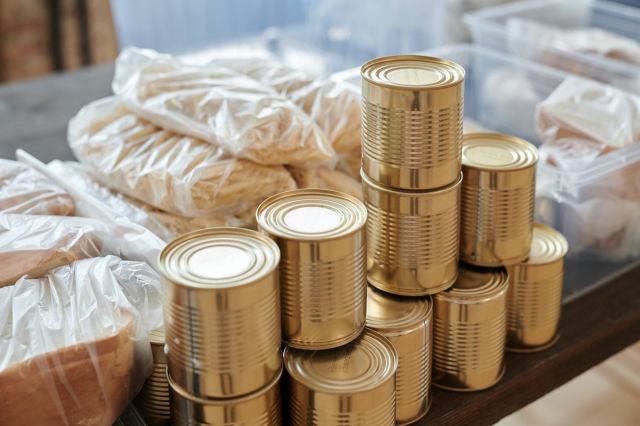
“In North Dakota, winter isn’t a season — it’s an experience. Food storage is survival.”
Root Cellaring
Root vegetables thrive in cool, dark spaces. Brooke stores:
- Potatoes
- Carrots
- Beets
- Onions
- Cabbage
- Winter squash
Optimal conditions: 32–40°F with proper humidity.
🫙 Pressure Canning
Brooke preserves:
- Beef
- Venison
- Chicken
- Stews and soups
- Beans
“Protein security ensures you’re prepared for frozen winters or supply disruptions.”
🌾 Long-Term Dry Storage
Staples Brooke keeps for resilience:
- Hard wheat
- White rice
- Pinto beans
- Lentils
- Rolled oats
- Salt and sugar
Stored in:
- Mylar bags
- Oxygen absorbers
- Food-grade buckets
“In the Northern Plains, a well-stocked pantry is more than convenience — it’s independence.”
🌨️ Why Survival Gardening in North Dakota Matters

Brooke emphasizes:
- Short growing season limits fresh produce availability
- Winter storms can block rural roads for days or weeks
- Strong winds and frost can wipe out poorly-prepared gardens
- Economic and supply chain disruptions are amplified in rural areas
“North Dakota tests your preparedness — and rewards discipline.”
❄️ Brooke’s Final Advice for North Dakota
“Plan for frost, build wind protection, grow resilient crops, preserve early, and store smart. Timing is everything.
When the blizzard hits and your root cellar is full, your pantry is stocked, and your resilience is intact, that’s not luck — that’s preparation.”
— Brooke Homestead

