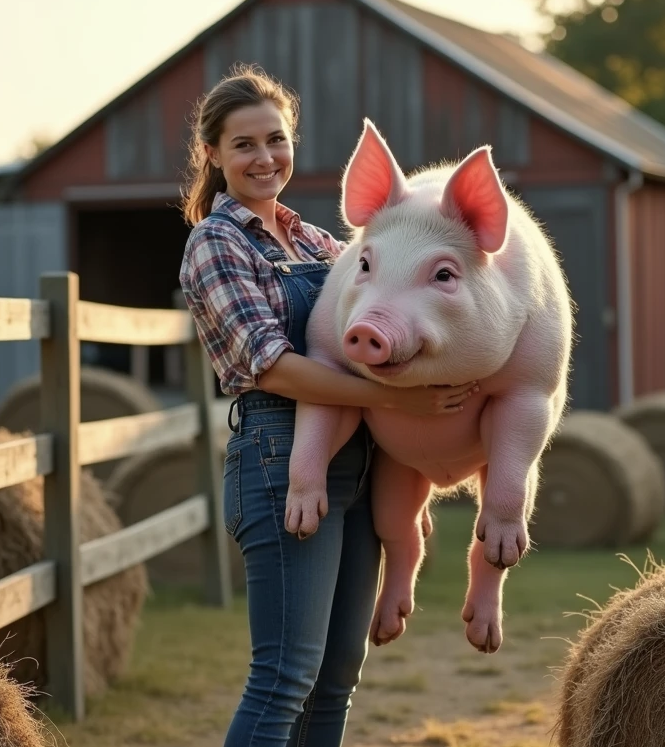
(pictured above: Brooke Homestead – The 2025 Female Survivalist of the Year)
Now let’s talk resilience… with a twist. Brooke Homestead, 26, ex-yoga model turned prepper sensation, brings style, wit, and zero-BS practicality to the survival world.
Here’s Brooke introducing herself in her own vivacious style:
Brooke Homestead Speaks

“Hey, I’m Brooke Homestead! Yes, I was a yoga model — now I’m basically the Indiana Jones of survival gardening. Florida taught me one important lesson: humidity will kill your plants faster than you’ll kill a zombie, and hurricanes have zero chill. But you can thrive if you laugh, sweat, and plant like your life depends on it — because one day, it just might!”
Brooke’s Florida Survival Gardening Guide
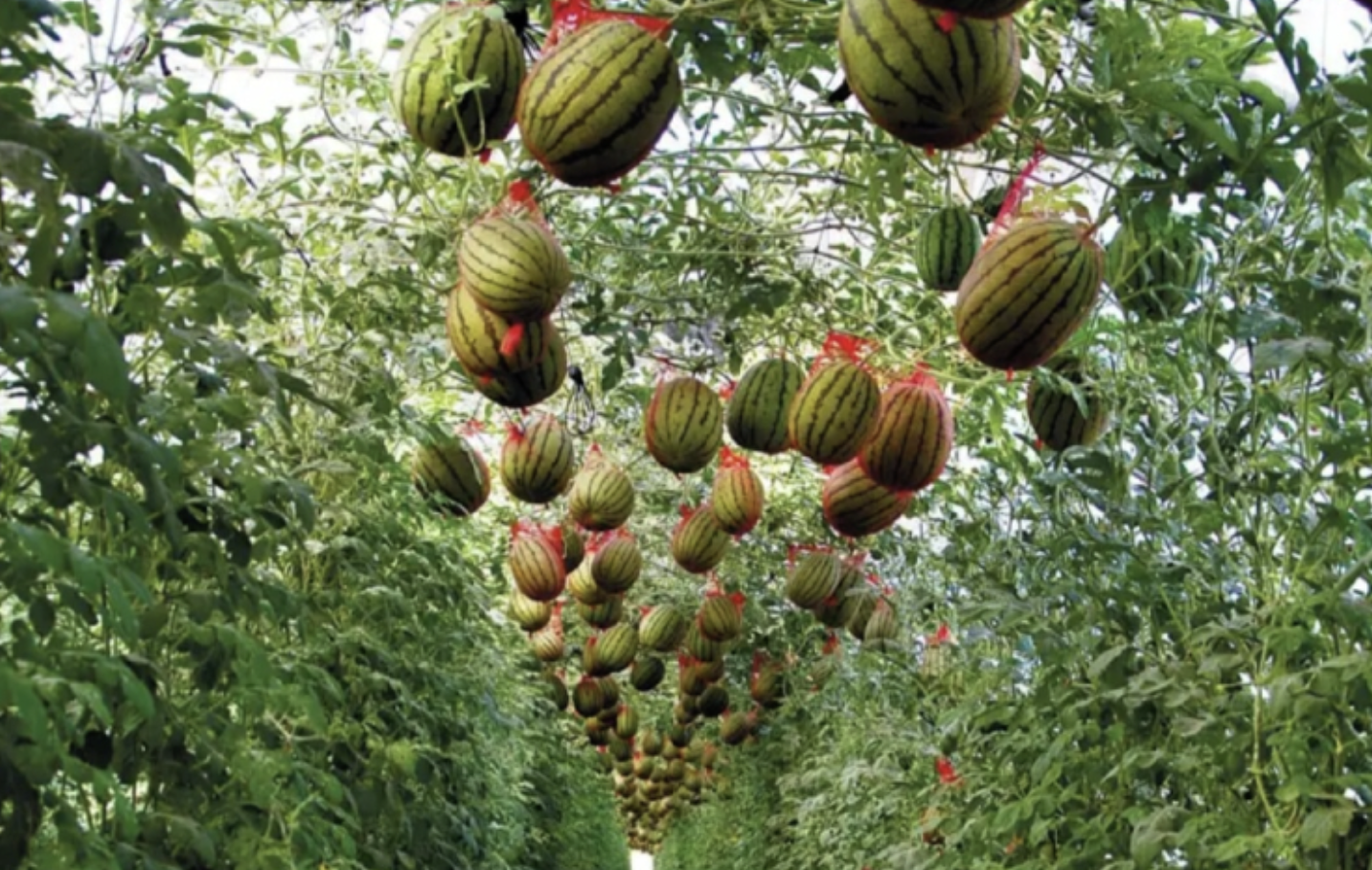
“Florida gardens are basically tiny ecosystems that fight back. Heat? Humidity? Raccoons? Gators? (Okay, maybe not gators in your backyard, but stay alert!) Here’s my prepper-approved guide:
- Know Your Zone – Florida ranges USDA zones 8–11. South Florida is tropical; North Florida gets frosts. Plant accordingly
- Heat-Loving Crops Only – Okra, sweet potatoes, peppers, eggplant, and Malabar spinach thrive in full sun. Forget delicate greens in summer unless you have shade cloth.
- Water Like a Boss – Rain is plentiful but irregular. Set up rain barrels, drip irrigation, and mulch like your garden depends on it (because it does).
- Seasonal Flexibility – Plant quick-maturing greens in winter; focus on long-term calorie crops in spring/summer.
- Layered Defenses – Cage your tomatoes, stake your peppers, and scare away wildlife with fun DIY deterrents (shiny foil strips, solar lights).
- Preserve & Store – Florida grows fast, so preserve faster. Dehydrate peppers, pressure can beans, ferment pickles. Nothing goes to waste.
- Hurricane Prep – Keep plants portable or easily protected; tie down trellises and move sensitive containers indoors.
Florida prepper gardening is part science, part battle strategy, and 100% rewarding. Get your hands dirty, laugh when it rains sideways, and enjoy knowing that your survival plan tastes like a fresh salsa garden on a sunny day. Boom — that’s prepper chic!”
Best Survival Garden Vegetables to Grow in Florida

Florida’s warm, humid climate and long growing season make it ideal for survival gardening, but gardeners must select heat- and disease-tolerant crops that thrive in humidity and occasional heavy rains. The key is to focus on vegetables that produce reliably and store well.
Tomatoes are a staple for Florida survival gardens. Heat-tolerant varieties like ‘Solar Fire’ and ‘Florida 91’ withstand the summer sun and produce heavy yields. They can be canned, made into sauces, or frozen for long-term storage.
Okra is perfect for Florida’s hot, humid summers. It’s drought-tolerant, disease-resistant, and produces abundant pods that can be eaten fresh, pickled, or frozen.
Southern peas (black-eyed peas, crowder peas) are classic Florida survival crops. They thrive in heat, improve soil fertility, and their seeds store well for future planting.
Sweet potatoes are highly resilient and can tolerate poor soils and drought. Both tubers and leaves are edible, making them a highly efficient crop for survival gardens.
Peppers, especially hot varieties like jalapeños, thrive in Florida’s sun and humidity. They can be preserved by drying or pickling for year-round use.
Collard greens and kale provide nutrition during Florida’s cooler months. They are hardy, heat-tolerant, and can be harvested multiple times.
Winter squash, including butternut and acorn varieties, store well when properly cured and provide dense calories and vitamins.
By selecting crops that handle Florida’s unique climate challenges, gardeners can create a productive survival garden that provides fresh, nutritious vegetables almost year-round.
Best Survival Garden Fruits to Grow in Florida

Florida’s subtropical climate makes it perfect for a survival fruit garden that produces year-round. The focus should be on heat-tolerant, disease-resistant, and perennial fruits with long-term storage potential.
Citrus fruits—oranges, lemons, limes, and grapefruits—thrive in Florida’s sun. They produce vitamin-rich fruit during winter and early spring, and citrus can be juiced, preserved, or eaten fresh.
Figs are exceptionally heat-tolerant and require little maintenance. Once established, they provide abundant summer fruit that can be eaten fresh or dried.
Pineapples grow well in Florida’s sandy soils and warm climate. They are easy to care for, drought-tolerant, and produce sweet, calorie-dense fruit.
Bananas thrive in Florida’s subtropical zones, providing high-yield, nutrient-rich fruit throughout the warmer months.
Mangoes are another excellent survival fruit. They produce heavily in summer and can be preserved by drying or making preserves.
Blackberries and blueberries grow best in northern and central Florida. Blueberries require acidic soil, while blackberries are more adaptable and can produce multiple harvests.
Papayas are fast-growing, high-yielding tropical fruits. They provide vitamins and calories and can fruit within the first year of planting.
By focusing on heat-tolerant and perennial fruits, Florida gardeners can establish a resilient survival orchard that supplies fresh, nutritious produce year after year.