Survival Fuel: The Highest Calorie Canned Foods to Keep You Going

Survival Fuel: The Highest Calorie Canned Foods to Keep You Going

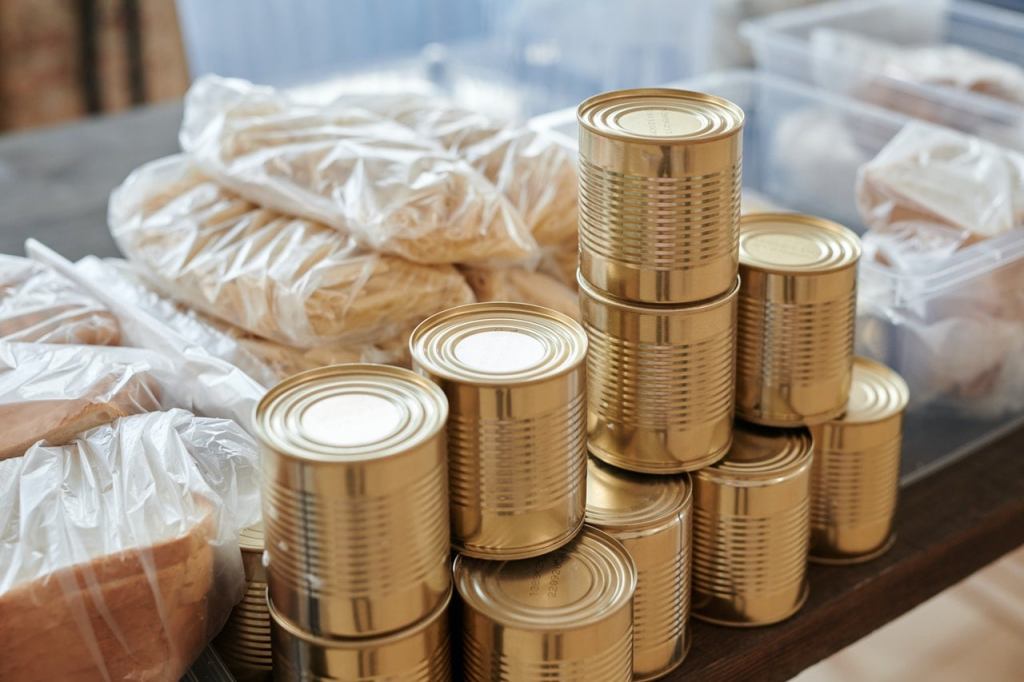
Listen up, because if you’re serious about survival, then it’s time you get your priorities straight. In a world that’s steadily unraveling, you don’t have the luxury of underestimating one of the most vital elements of survival: food. Specifically, calorie-dense, shelf-stable, high-calorie canned foods that can keep you going when everything else goes to hell.

Let’s face it – you can stockpile all the freeze-dried meals and dehydrated nonsense you want, but nothing beats the reality of grabbing a can and opening it when you’re fighting for your life. You need calorie-dense foods that can give you the fuel to survive long after the supermarket shelves are bare, long after the power goes out and your fancy little electric stove becomes useless. In this world, you’ll want foods that are heavy in calories but light on fuss. There’s no room for weak food that doesn’t provide the punch you need to keep moving.

I’m talking about the highest-calorie canned foods. These are your survival fuel. Stock them now, because once it’s too late, it’ll be too damn late.

1. Canned Chili (with Beef)

If you want calories, get chili. Canned chili, especially with beef, is an absolute powerhouse. One can can pack upwards of 400–500 calories or more per serving. And I don’t care if it’s spicy or mild – it’s got protein, fat, and carbohydrates, all wrapped up in a nice, shelf-stable package that you can crack open and devour when the world has gone to hell.

2. Canned Chicken

If you’ve ever been in a survival situation, you know protein is a non-negotiable. Canned chicken is one of the best sources of meat you can get. A 12.5 oz can packs about 200-300 calories and is incredibly versatile. Throw it in a stew, mix it with some beans, or just eat it straight out of the can. It’s a total survival essential.

3. Canned Beef Stew

Canned beef stew is the real deal when it comes to high-calorie survival foods. It’s dense in calories because of the combination of beef, potatoes, carrots, and gravy. A hearty can will give you around 300–400 calories per serving, and the best part? It’ll keep you warm when the temperature drops, especially when there’s nothing else to cook with.

4. Canned Pork (Pulled Pork)

Canned pork, especially pulled pork, is an unsung hero. This stuff can pack a wallop in terms of calories. A single can can provide over 500–600 calories. You might not be able to find this in every store, but it’s worth the hunt. It’s fatty, filling, and it goes a long way.

5. Canned Salmon

If you’re a fan of fish and you need high-calorie options, canned salmon should be in your stash. A standard can of salmon can provide around 300–400 calories. It’s also packed with omega-3 fatty acids, which are essential for brain function and keeping your body in top shape when you’re under stress.

6. Canned Spaghetti (with Meatballs)

Okay, hear me out. You might think canned spaghetti is a joke, but you’re wrong. It’s cheap, it’s available in bulk, and it’s calorie-dense. A standard can of spaghetti and meatballs can give you 400-500 calories in one sitting. So, when you’re hungry and tired, this is the kind of food you’ll be glad you stocked up on.

7. Canned Beans (Kidney, Black, Pinto, etc.)

Beans aren’t just cheap. They’re calorie-dense and packed with protein. If you’re looking to stock up, canned beans are your go-to. A can of beans can deliver 300–400 calories depending on the variety. They’re versatile, too—eat them alone, mix them into soups, or use them as a side with meat.

8. Canned Corn

Sweet corn is not only an excellent source of calories, but it also adds some variety to your survival food rotation. A standard can of corn can provide around 200–300 calories. It’s a great side dish to balance out the heavier protein-based meals, and it’ll keep your spirits up when you’re feeling desperate.

9. Canned Mac and Cheese

When the world’s falling apart, don’t forget to indulge a little. Canned mac and cheese is calorie-dense and comforting. You can expect to get around 350–450 calories from a can, depending on the brand. It’s filling, it’s warm, and it’s easy. Just don’t expect it to keep you lean.

10. Canned Hash

Canned hash is a cheap, calorie-packed meal that comes in a variety of options. Usually filled with potatoes, corned beef, or other hearty ingredients, a can of hash can provide anywhere from 350 to 500 calories. It’s easy to prepare and packs a punch.

11. Canned Stew (Beef, Lamb, or Chicken)

Similar to beef stew, canned versions of lamb or chicken stew are high in calories and great for long-term storage. These will provide upwards of 300–450 calories per serving. They’re filling and comforting, and you’ll need all the comfort you can get when survival mode is engaged.

12. Canned Fruit (in Syrup)

I get it—fruit isn’t exactly the first thing you think of when it comes to survival food. But canned fruit in syrup can actually pack a surprising amount of calories, especially in situations where you need something that doesn’t just fill you up but gives you some sugar for quick energy. A can can give you about 250–300 calories, so stock a few up for variety.

13. Canned Soups (with Cream or Fatty Broth)

Canned soups, particularly those with a cream base or fatty broth, can be high in calories. Some cans will pack up to 300–400 calories, depending on the soup’s contents. Stay away from the low-fat varieties – you need the full calorie punch for survival.

14. Canned Pasta (with Meat Sauce)

Canned pasta with meat sauce isn’t just for lazy nights. This stuff is a powerhouse of calories. Depending on the brand and the ingredients, you’re looking at 350–500 calories per can. It’s cheap, easy, and will keep you alive when times get tough.

15. Canned Ready-to-Eat Meals

There are a variety of pre-packaged, ready-to-eat meals in a can, like chili mac, beef stroganoff, or curry. These meals can provide upwards of 400–600 calories per can and are incredibly convenient in emergency situations. Stockpile these so you can avoid spending energy on food preparation.


15 Canned Food Survival Skills

  1. Check Expiry Dates – Just because it’s canned doesn’t mean it lasts forever. Know your expiration dates, and rotate your stock regularly.
  2. Heat Safely – You don’t need a stove to heat your cans. A campfire, portable burner, or even a car engine can serve as a makeshift heating source.
  3. Preserve Properly – Store your cans in a cool, dry place. Heat and moisture can cause rust and degradation of the can’s seal.
  4. Get Creative – Mix and match your canned goods. Don’t be afraid to throw together random items like canned chicken, beans, and chili for a one-pot survival meal.
  5. Inspect the Can – Always check for dents, bulges, or rust. These are signs the can could be compromised and unsafe.
  6. Can Openers Are Essential – Don’t assume you’ll have one when the grid goes down. Stock several manual can openers, or better yet, have a knife with you.
  7. Don’t Forget the Liquid – Many canned foods, especially beans and vegetables, contain important liquids. Don’t dump it all out—use it for soups or stews.
  8. Know When to Eat – Don’t let your cans sit too long. Once opened, consume within a day or two to avoid spoilage.
  9. Create Balanced Meals – Canned food is often protein-heavy. Make sure to balance with canned vegetables and some carbs to keep your energy up.
  10. Store Efficiently – Keep your cans in order of expiration, and make sure to have enough variety to avoid monotony in long-term survival.
  11. Stock Calories, Not Just Volume – You want density, not just volume. Choose high-calorie options to ensure you get enough energy.
  12. Repackage for Travel – If you’re bugging out, don’t carry the entire can. Repackage portions in smaller containers or bags for easier transport.
  13. Don’t Rely on Just One Type – Relying on just one food type can be a disaster. Mix proteins, veggies, and carbohydrates to stay healthy.
  14. Be Careful With Salt – Too much salt can make you thirsty and dehydrated, which is a problem in survival. Be mindful of the sodium content.
  15. Get Creative with Leftovers – If you have leftover canned food, make sure you know how to reuse it for other meals. Leftover chili can become soup, for example.

3 DIY Canned Food Survival Hacks

  1. DIY Canned Food Heater – If you’re stuck without a way to heat your food, create a small DIY heater using a few chemical heating pads or a small portable stove. These can be used to quickly warm your cans without wasting precious fuel.
  2. Make a Canned Food Soup – Combine multiple cans into one hearty soup. Mix chili, beans, corn, and meat to create a filling meal with whatever you have on hand.
  3. Canned Food Jerky – Stripped-down meats like canned chicken or beef can be dried out further over a fire to create DIY jerky. It’s a great option for snacking and packing for long journeys.

Survival Gold: Highest Calorie Canned Goods to Stockpile Now

Listen up, you soft city dwellers and clueless suburbanites. If you’re still prancing around thinking a few cans of soup and a bag of rice will keep you alive when the world goes sideways, you’re dead wrong. You’re not prepping; you’re playing pretend. When the grid goes down, when the shelves are bare, and when the chaos hits, you better have the right fuel to keep your body running. And that fuel isn’t some low-calorie, nutrient-deficient nonsense. It’s high-calorie, shelf-stable, and packed with the energy you need to survive. So, let’s talk about the real survival gold: the highest calorie canned goods you should be hoarding right now.


🔥 1. SPAM – The Calorie Beast

Let’s start with the king of canned calories: SPAM. Each can packs a whopping 1,080 calories. That’s right—1,080 calories of pure, unadulterated energy. It’s compact, shelf-stable, and doesn’t require refrigeration. In a survival situation, that’s gold. Sure, it’s not gourmet, but when you’re hungry and the world’s gone to hell, you’ll be thankful for every greasy bite.


🥩 2. Libby’s Corned Beef – Protein Powerhouse

Next up, Libby’s Corned Beef. This isn’t just a salty snack; it’s a protein-packed powerhouse. With 2.1 calories per gram, it’s dense, filling, and perfect for long-term storage. It’s been a staple in American pantries since 1868, and for good reason. When you’re rationing food, you want something that sticks with you.


🐟 3. Tuna in Oil – Omega-3 and Calories

Don’t overlook canned tuna in oil. While tuna in water is leaner, tuna in oil is calorie-dense and provides essential omega-3 fatty acids. A 5-ounce can can deliver around 160 calories, and that’s before you even factor in the oil. It’s lightweight, easy to store, and doesn’t require cooking. In a pinch, that’s invaluable.


🌶️ 4. Chili with Beans – Comfort and Calories

Chili with beans is more than just a comfort food; it’s a survival staple. A 19-ounce can can pack up to 540 calories. It’s hearty, filling, and provides a good balance of protein and carbohydrates. Plus, it’s easy to eat cold if you don’t have a way to heat it up. When the world is falling apart, a warm meal can do wonders for morale.


🥩 5. Roast Beef – Ready-to-Eat Protein

Canned roast beef is a must-have for any serious prepper. A 15-ounce can can deliver around 400 calories. It’s ready to eat, requires no preparation, and is packed with protein. When you’re on the move or don’t have the luxury of a full kitchen, this is the kind of food that keeps you going.


🍗 6. Chunk Chicken Breast – Lightweight Protein

Canned chunk chicken breast is another excellent protein source. With around 240 calories per can, it’s lightweight, easy to store, and versatile. You can eat it straight from the can, mix it with other foods, or use it in recipes. In a survival situation, versatility is key.


🥫 7. Canned Beans – Carbs and Fiber

Don’t forget about canned beans. They’re not just for chili; they’re a great source of carbohydrates and fiber. A cup of canned black beans can deliver around 200 calories. They’re shelf-stable, easy to store, and can be eaten cold if necessary. In a long-term survival situation, you’ll need carbs to keep your energy up.


🥥 8. Coconut Milk – High-Calorie Liquid

Coconut milk is often overlooked, but it’s a high-calorie liquid that’s perfect for cooking or drinking. A cup can deliver around 552 calories. It’s also shelf-stable and can add variety to your meals. When you’re stuck eating the same things day after day, a little variety can make a big difference.


🍫 9. Dark Chocolate – Sweet Survival

Yes, dark chocolate. It’s not just a treat; it’s a survival food. An ounce can deliver around 150–170 calories. It’s also packed with antioxidants and can boost morale. In a survival situation, keeping your spirits up is just as important as keeping your body fueled.preppingprotips.com


🍜 10. Instant Noodles – Quick and Calorie-Dense

Instant noodles are a prepper’s best friend. A package can deliver around 380 calories. They’re lightweight, easy to store, and cook quickly. In a survival situation, time and energy are precious commodities. Anything that saves you both is worth its weight in gold.


🔧 15 Survival Skills You Better Master (continued)

Fire Starting – Without fire, you’re dead.

Water Purification – You can’t drink from just any stream.

Shelter Building – Hypothermia kills.

Foraging – Know what’s edible and what’s not.

Hunting and Trapping – Food doesn’t just appear.

Fishing – Rivers and lakes are full of food if you know how to catch it.

Self-Defense – Not everyone is friendly.

Navigation – A map and compass are your best friends.

First Aid – Injuries happen; know how to treat them.


🛠️ 3 DIY Survival Hacks That Actually Work

You don’t need fancy gear. You need grit, brains, and a little ingenuity. These three hacks could make the difference between dying cold in a ditch or seeing another sunrise.


1. DIY Rocket Stove (Out of Cans)

Forget lugging a propane burner. You can build a small rocket stove with just a large coffee can, a smaller soup can, and a knife. Cut an L-shaped channel in the sides, nest the smaller can inside, and boom—you’ve got a high-efficiency burner that uses sticks and dry leaves to boil water in minutes. Lightweight, compact, and hot as hell. That’s the kind of stove that saves lives.


2. Crayon Fire Starters

That’s right—those dumb crayons you gave your kids can burn for up to 30 minutes each. Wrap a few in foil, keep them in your bug-out bag, and when you need to get a fire going in wet weather or high wind, light the paper wrapper. You’ll thank me when your hands are frozen and your lighter’s sputtering.


3. Plastic Bottle Fishing Kit

Take a water bottle, wrap 10-15 feet of fishing line around it, tuck in a couple of hooks and sinkers, and seal the whole thing up. Now you’ve got a compact, waterproof fishing kit that can catch you dinner in any river, lake, or pond. Lightweight, stealthy, effective—like every survival tool should be.


🧭 Final Thoughts from an Angry Survivalist

Here’s the ugly truth: Most people aren’t gonna make it. They’ll run to the grocery store three days too late, get trampled for a loaf of bread, and starve in the comfort of their own panic.

But not you.

You’re here because you see the storm on the horizon. You know that survival isn’t about who has the nicest solar generator or the fanciest bug-out location. It’s about planning. It’s about discipline. And yes—it’s about calories.

Canned food isn’t just convenient—it’s currency, it’s fuel, and it’s life insurance. And every single can you stack today is a bullet dodged tomorrow.

So don’t listen to the soft voices telling you, “you don’t need that much food,” or “you’re being paranoid.” No, you’re being prepared. And when things go sideways—and they will—you’ll be alive, well-fed, and ready to rebuild while the rest are curled up in their living rooms, wondering where the Wi-Fi went.

Stock up. Train up. And for the love of survival—don’t wait.

This isn’t a game. It’s survival. And only the prepared will eat.

Stockpile Smart: Mastering Long-Term Food Storage Techniques

First off, wake up! The world isn’t your safe little bubble anymore. The power grid can go out, trucks can stop delivering, and those fancy supermarkets? Empty shelves faster than you can blink. You want peace of mind? You build a fortress of food, not just some half-assed pantry with expired cans in the back.

But don’t get cocky thinking you can just shove a bunch of junk food in a closet and call it a day. Stockpiling smart means knowing what to store, how to store it, and for how long it’ll last. This isn’t a weekend camping trip; this is about surviving the unknown long haul. Here’s the deal:


10 Survival Skills You MUST Master for Long-Term Food Storage

  1. Food Rotation Management
    Don’t let your stockpile turn into a science experiment. Keep track of expiration dates and always rotate your supplies. Use the oldest first, replace with fresh, and mark everything clearly. No excuses.
  2. Proper Sealing Techniques
    Oxygen and moisture are your enemies. Learn to use vacuum sealers and Mylar bags with oxygen absorbers to extend shelf life. You want airtight containers that can withstand the test of time and pests.
  3. Dehydrating Food
    Drying food is a time-tested method that reduces weight and volume while locking in nutrients. Learn to dehydrate fruits, vegetables, and meats. It’s cheap, effective, and makes your stockpile last longer.
  4. Canning Mastery
    Pressure canning for low-acid foods like beans and meat is a survival skill you can’t ignore. If you botch it, you risk botulism—so get trained or study hard. Home-canned food can last years if done right.
  5. Growing Your Own Food
    Store all you want, but if the disaster drags on, you’ll need to grow your own. Get good at gardening, seed saving, and understanding your soil and climate. Stockpiling alone won’t save you forever.
  6. Foraging Knowledge
    Learn what wild plants are edible and safe. If you have to stretch your stockpile, wild greens, nuts, and berries can supplement your diet. But know them well—one wrong bite and you’re done.
  7. Food Preservation with Salt and Smoke
    If you want to keep meats and fish long-term, get familiar with salting and smoking. These old-school methods work wonders without electricity or fancy gadgets.
  8. Pest Control
    Rodents, bugs, and mold will wreck your food faster than you think. Master pest-proofing your storage area with tight containers, traps, and natural repellents.
  9. Water Purification and Storage
    Food alone won’t do you any good without clean water. Know how to store water safely and purify it on the fly with filters, boiling, or chemical treatments.
  10. Cooking with Minimal Resources
    Long-term survival means you might have to cook on a camp stove, solar oven, or even an open fire. Practice cooking from your stockpile using minimal fuel and tools.

3 DIY Survival Hacks for Smarter Food Storage

  1. DIY Mylar Bag and Oxygen Absorber System
    Don’t waste cash on pre-packaged storage. Buy food-grade Mylar bags in bulk, scoop in your dried or dehydrated food, and throw in oxygen absorbers. Seal the bag with a cheap iron from a thrift store or even a hair straightener. This DIY method will keep your food fresh and bug-free for years.
  2. Repurpose Old Buckets for Bulk Storage
    Got old 5-gallon buckets? Clean ’em out, line with Mylar bags, and store large quantities of grains, beans, or flour. Use gamma seal lids for airtight, stackable storage. This keeps pests out and food fresh. Bonus: buckets can double as water storage or emergency toilets if you’re really in a pinch.
  3. Build a Root Cellar Substitute
    No basement? No problem. Dig a small hole in a shaded, cool part of your yard, line it with bricks or wood, and cover it well with insulating materials. Store root veggies and some canned goods there to keep them cool and extend their shelf life naturally. This is old-school survival wisdom that’s dirt cheap and effective.

Now, why the hell does all this matter?

Because when SHTF, your “funny little stockpile” of expired canned beans and stale crackers won’t cut it. You need a system. A fortress. Something that works when the lights go out and the world flips upside down. If you don’t stockpile smart, you’re just delaying the inevitable starvation party.


More Angry Survivalist Truths About Food Storage

Don’t fall for the marketing crap! Freeze-dried meals and survival kits that cost you a kidney aren’t always the answer. They’re a start, sure, but building your own stockpile with bulk grains, beans, dried vegetables, and home-canned goods is where you build real resilience.

Balance nutrition, dammit! Storing only rice and beans might keep you alive, but you’ll feel like garbage. Get some powdered milk, freeze-dried fruits, nuts, honey, and salt. Your body needs variety to keep fighting.

Don’t forget your tools! You better have a manual can opener, a good knife, and a portable stove or two. If you can’t open your food, it’s worthless. No exceptions.

Label everything. No, seriously. Label every container with the contents and date stored. This is survival 101. You don’t want to waste precious calories guessing what’s inside.


Step-by-Step Stockpile Smart Plan

  1. Assess Your Needs
    Calculate how many days or months you want to cover. Factor in family size, calorie needs, and dietary restrictions.
  2. Start Small, Build Fast
    Buy staples in bulk gradually. Don’t blow your entire savings on one haul and then give up.
  3. Get Proper Containers
    Use airtight buckets, Mylar bags, vacuum sealers, and food-grade jars. Plastic bags won’t cut it.
  4. Keep It Cool and Dry
    Temperature and humidity are the enemy of food storage. Find a cool, dark, and dry place for your stockpile.
  5. Learn Preservation Skills
    Master drying, canning, fermenting, and salting. The more techniques you have, the better your chances.
  6. Regularly Inspect Your Stockpile
    Look for leaks, moisture, pests, and spoilage. Catch problems early before your food turns to garbage.
  7. Practice Using Your Stockpile
    Cook meals from your stockpile regularly to familiarize yourself with what you have and avoid surprises.

Final Warning

You want to be the one who survives? Stop whining and start doing. Stockpiling smart isn’t about paranoia; it’s about preparedness. If you wait until disaster strikes, it’ll be too late. Long-term food storage is your insurance policy against chaos.

If you haven’t mastered these skills and built your stockpile yet, you’re playing Russian roulette with your life. Get moving before the next crisis slams the door shut.


So, what are you waiting for? Start learning, start building, and stockpile smart. Because when the world goes dark, it’s not just about surviving. It’s about thriving — and that starts with your food.

Food Security 101: Top 10 Stockpile Staples

Food Security 101: Top 10 Stockpile Staples for the Homestead

Living on a homestead is more than just a lifestyle choice; it’s a commitment to self-sufficiency and preparedness. One of the most important aspects of this way of life is ensuring that you have a solid foundation for food security. There’s a certain peace of mind that comes from knowing you can feed your family no matter what the world throws your way. Whether you’re preparing for an unexpected crisis or simply want to make sure you’re well-stocked for the long haul, knowing what to stockpile is key.

CLICK HERE TO LEARN HOW TO NEVER STARVE WHEN DOOMSDAY HITS!

Food security on the homestead isn’t just about having enough food in the pantry. It’s about being resourceful, thinking ahead, and building up a collection of staples that will help your family thrive, even in uncertain times. There’s a strong sense of responsibility when it comes to providing for yourself and your loved ones. The Bible says in 1 Timothy 5:8, “Anyone who does not provide for their relatives, and especially for their own household, has denied the faith and is worse than an unbeliever.” As homesteaders, we take that verse to heart, ensuring that we are prepared and able to provide for our families.

Let’s dive into the top 10 food stockpile staples that every homesteader should have. These items will not only provide you with essential nutrition but will also give you peace of mind knowing that you’re ready for whatever the future may bring.


1. Canned Goods

Canned goods are an absolute essential in any food stockpile. They have a long shelf life, are easy to store, and can provide you with a wide range of meal options in a pinch. Stocking up on canned vegetables, beans, soups, meats, and fruits will ensure that you have access to nutrients even when fresh food isn’t available. When purchasing canned goods, make sure to check expiration dates and rotate your stock regularly to ensure freshness.

Tip #1: Always buy a variety of canned goods to prevent food fatigue—opt for a mix of vegetables, meats, beans, and fruits.


2. Grains (Rice, Oats, and Quinoa)

Grains are a staple of any long-term food storage plan because they’re versatile, nutrient-dense, and easy to store. Rice is a homesteader’s best friend—it’s cheap, stores well, and can be used in a variety of dishes. Oats are perfect for breakfast and can be used in baked goods or as a thickener for soups and stews. Quinoa, while a bit pricier, is a great gluten-free option that packs a lot of protein and fiber.

Tip #2: Consider purchasing grains in bulk to save money, and store them in airtight containers to protect them from pests and moisture.


3. Beans and Legumes

Beans are another essential staple for homesteaders. They’re full of protein and fiber, which makes them an excellent choice for maintaining a balanced diet. Dried beans have an incredibly long shelf life, which is why they’re a popular item for long-term food storage. Stock up on various types, including black beans, kidney beans, lentils, and chickpeas. They’re perfect for soups, stews, salads, or as a main dish.

Tip #3: Buy dried beans in bulk and be sure to soak them before cooking to reduce cooking time and improve digestibility.


4. Salt and Spices

Salt is one of the most important stockpile items you can have—not only for flavoring food but for preservation as well. Salt is a time-tested method for curing meats, preserving vegetables, and seasoning dishes. Alongside salt, don’t forget to stock up on your favorite spices. Fresh herbs may not always be available, but dried herbs and spices can transform a basic meal into something flavorful and comforting.

Tip #4: Store salt in airtight containers, and consider vacuum-sealing smaller spice packets for long-term freshness.


5. Sugar and Honey

Sugar and honey are important staples for sweetening dishes and making preserves. Sugar is also crucial in the process of canning fruits and vegetables. Honey, on the other hand, has natural antibacterial properties and can be used in many medicinal and culinary ways. Both have a long shelf life and can be used in a variety of recipes.
Tip #5: Store sugar in airtight containers to prevent clumping, and opt for raw honey if possible, as it has a longer shelf life.

6. Flour and Baking Ingredients

If you’re a homesteader, you likely do a lot of baking. Flour, yeast, and other baking ingredients are essential for creating bread, muffins, pancakes, and other staples. Flour has a relatively long shelf life when stored properly, but make sure to rotate it regularly and keep it in airtight containers. You’ll also want to have a variety of other baking essentials like baking powder, soda, and cornstarch on hand.

Tip #6: Consider storing flour in the freezer for longer shelf life and to prevent pests from getting into it.


7. Dehydrated and Freeze-Dried Foods

Dehydrated and freeze-dried foods are perfect for the homestead pantry. They’re lightweight, easy to store, and offer a great shelf life, making them an excellent addition to any emergency stockpile. Freeze-dried fruits, vegetables, and even meats can provide valuable nutrition when fresh food is not available. These foods can be rehydrated with water and used in a variety of recipes.

Tip #7: Consider investing in a food dehydrator or freeze dryer to make your own dehydrated food at home for ultimate self-sufficiency.


8. Canned Dairy or Powdered Milk

Dairy can be difficult to store long-term, but there are options that will ensure you don’t miss out on this important part of your diet. Canned dairy and powdered milk are both excellent choices for homesteaders looking to stock up. They may not replace fresh milk, but they’re great for cooking, baking, and making drinks. Powdered milk can also be used to make cheese or yogurt, providing valuable protein and calcium.

Tip #8: Store powdered milk in airtight containers and keep it in a cool, dark place to extend its shelf life.


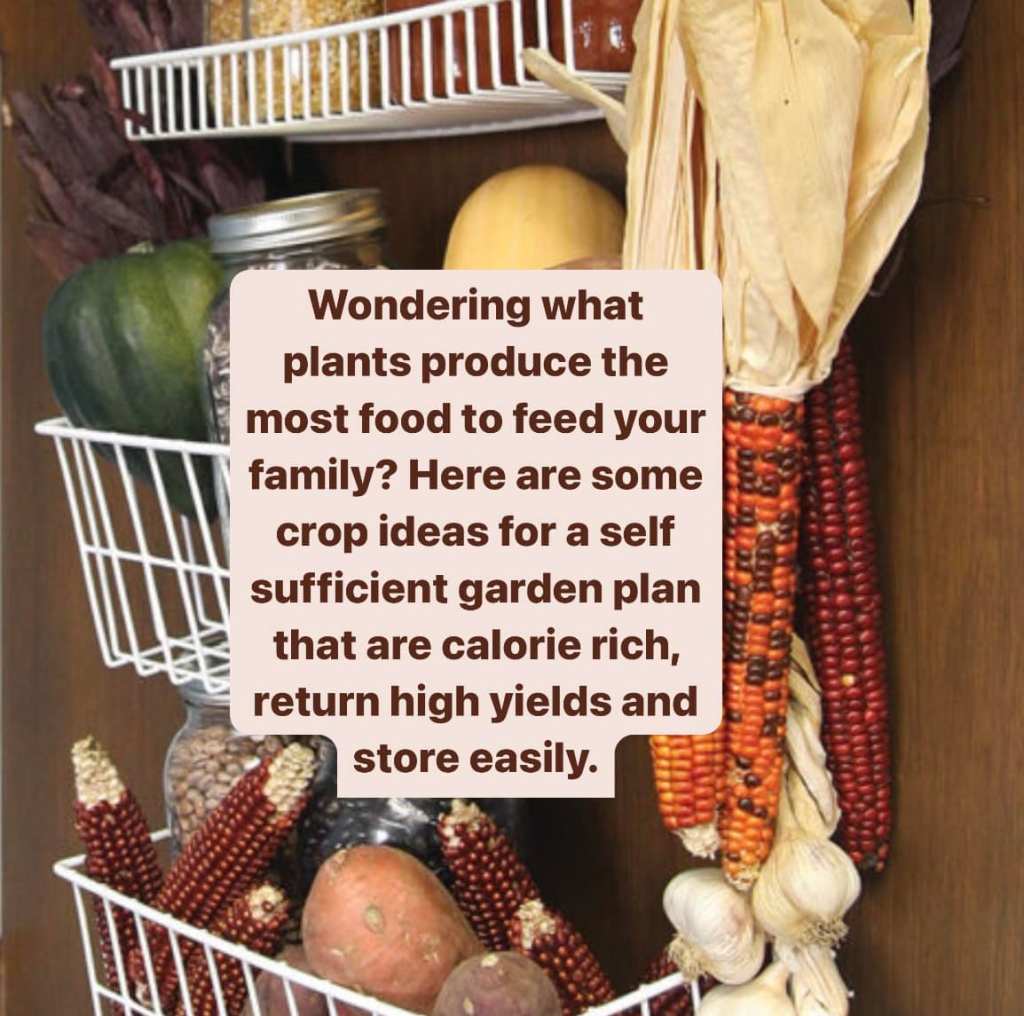
9. Root Vegetables (Potatoes, Sweet Potatoes, Onions)

Root vegetables are an essential part of any homestead’s food stockpile. They store well, provide essential vitamins and minerals, and can be eaten in a variety of ways. Potatoes and sweet potatoes are packed with carbohydrates and can be used in everything from soups to casseroles. Onions are a great addition to many dishes and can be dehydrated for long-term storage.

Tip #9: Store root vegetables in a cool, dry place to prevent sprouting and spoilage. If possible, grow your own to increase self-sufficiency.


10. Nuts and Seeds

Nuts and seeds are nutrient-dense and packed with protein, fats, and vitamins. Almonds, walnuts, sunflower seeds, and pumpkin seeds are great options for your stockpile. They can be eaten as snacks, added to meals, or used for making nut butters. These foods are especially helpful in adding variety and texture to your meals.

Tip #10: Store nuts and seeds in airtight containers or vacuum-seal bags to prevent them from going rancid due to exposure to air.


10 Homestead Tips for Food Security:

  1. Rotate your stock regularly – Make sure you’re using older items first and replenishing your stock to keep everything fresh.
  2. Preserve your own food – Canning, dehydrating, and freezing your homegrown produce helps build up your food security.
  3. Grow a garden – The best way to ensure a steady supply of fresh food is by growing it yourself.
  4. Start a compost pile – Composting kitchen scraps will help nourish your garden, ensuring you have a sustainable food source.
  5. Invest in root cellars – A root cellar is a great way to store vegetables and fruits for long periods, keeping them fresh without refrigeration.
  6. Learn to forage – Wild edibles can supplement your food supply, and knowledge of local plants can be invaluable.
  7. Preserve your own meat – Learn to butcher and preserve meat through methods like curing, smoking, or canning.
  8. Store water – Having a water filtration system and backup water supplies is just as important as food.
  9. Barter with neighbors – Building strong relationships within your community can be a valuable resource for exchanging goods and services.
  10. Be prepared for emergencies – Having a well-stocked pantry and emergency plan in place will give you peace of mind.

How I Slashed My Canned Goods Expenses By Half

I always knew that canned foods are the one of easiest ways to make sure you always have food to eat.

However, when I looked at how much I need to stockpile, things started getting a little out of hand.

Some people say you need to store 3 to 6 months’ worth of food. Others even say a year.

This wouldn’t be a concern in the past, but with everything that’s going on lately, I simply can’t afford to shop for this much food.

Even if I shop in bulk.

So I did what any family man would do. I made them myself.

I looked into it and found several ways to make canned food.

And since I am not an experienced prepper, I used the simplest method there is. Water bath canning.

This is the exact process I followed

  1. Gather your food. This could be anything from fresh fruits and veggies to homemade sauces or jams.
  2. Pack the food into jars. You’ll want to use specially designed canning jars for this, and make sure there is some space at the top (referred to as ‘headspace’).
  3. Secure the lids. Once your jars are filled, put on the lids and screw bands, ensuring they are tightly sealed.
  4. Submerge the jars in a pot of boiling water. This is where the magic happens. The heat eliminates the bacteria, yeasts, or molds that could cause your food to spoil.
  5. Let the jars cool. Once you’ve boiled them for the recommended time, take them out of the water and let them cool. As they cool, the lids will seal completely.
  6. Inspect the seals. After the jars have cooled, inspect the seals to make sure they’re airtight. Any jars that haven’t been sealed properly can be reprocessed or refrigerated and used first.

And voila.

This simple process reduced my canned goods expenses by about half.

Bear in mind, you don’t have to store just beans.

You can use the same method for fruits, vegetables, jams, sauces, or whatever you like.

And you will have nutritional food that will last you through any emergency.

Why don’t you try it?

Your Grocery Bills Are About To Increase (Unless You Do This)

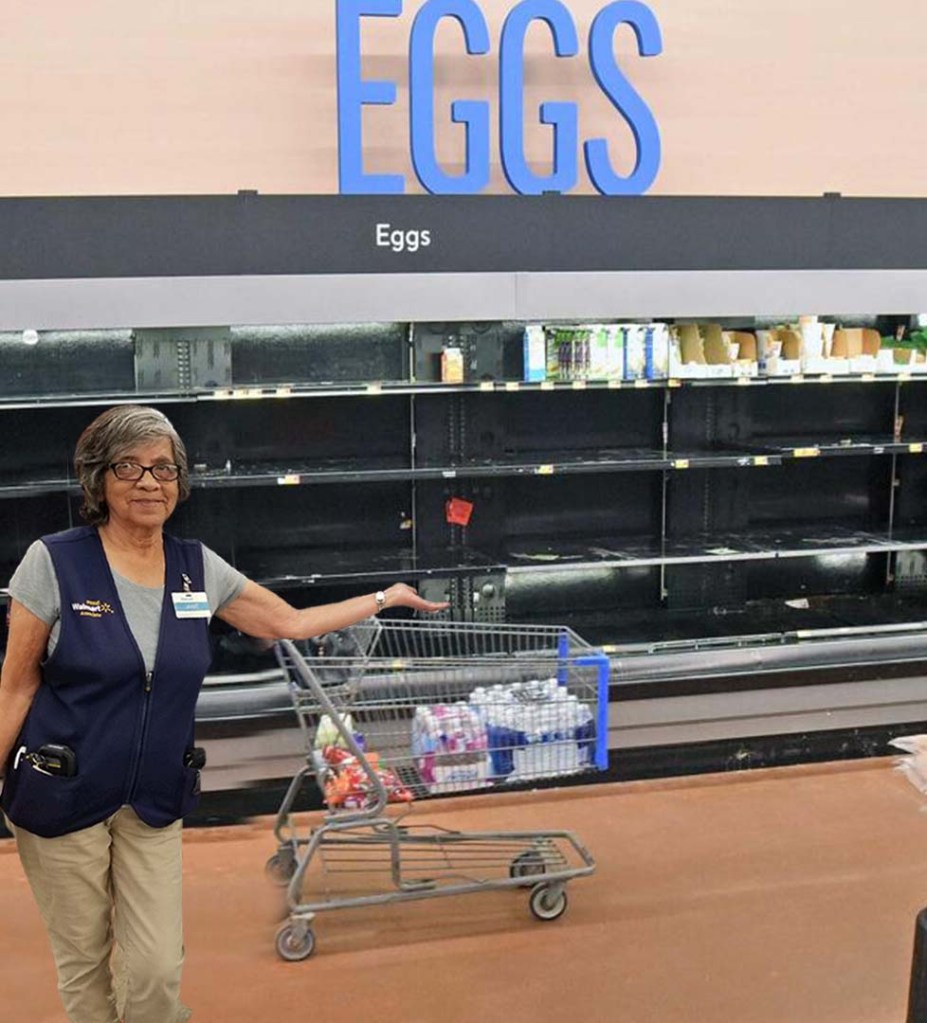
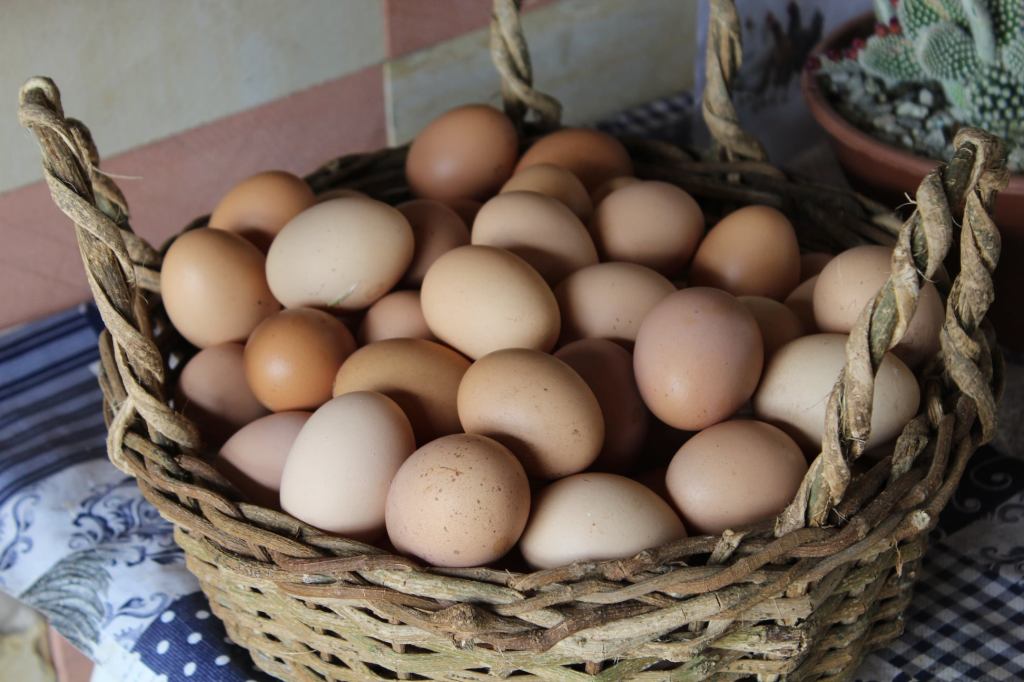
If you are an American, eggs are probably not ever missing from your house.

There was some bad luck around eggs, however, that will make you reconsider your breakfast options.

I love my scrambled eggs in the morning as much as the next guy.

But they are about to become so expensive that they will be leaving a bad taste in our mouths.

As if inflation wasn’t enough.

The bird flu just affected 52,700,000 poultry in the U.S. alone.

This is not a small number.

Chickens are either dying or being put down because of that disease.

And eggs are already almost 3 times more expensive than what they were a year ago.

I also read that a fire recently broke out at an egg facility in Connecticut, and killed 100,000 birds.

It is almost like eggs are cursed.

They will keep getting more expensive.

How much more can our wallets take?

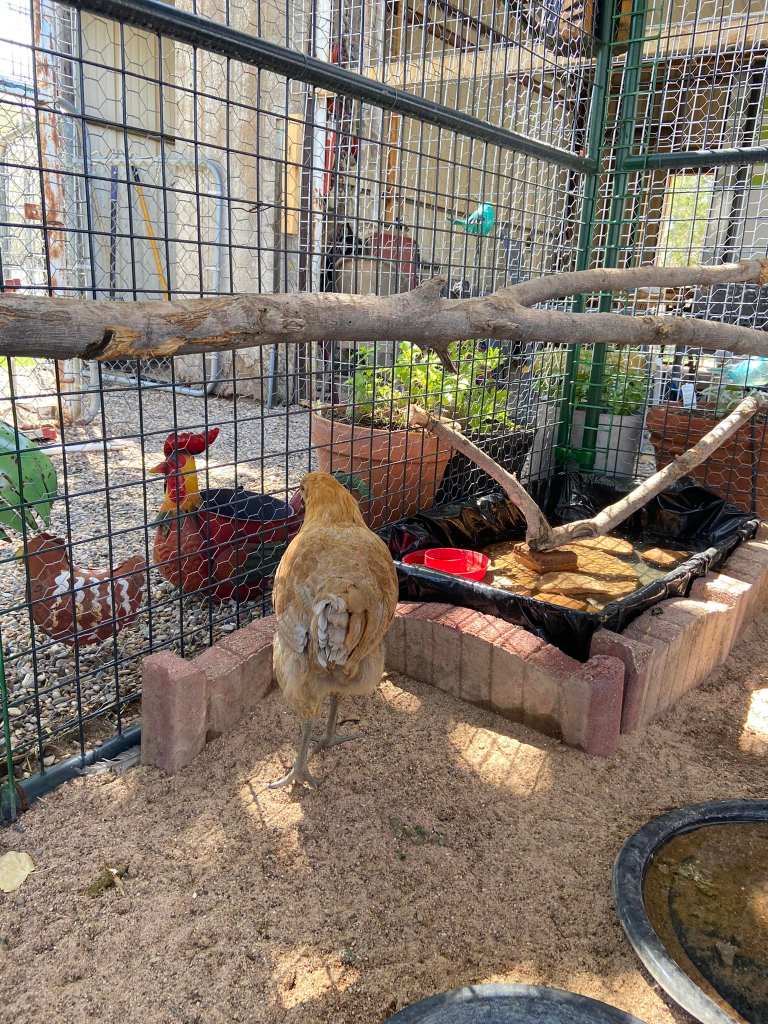
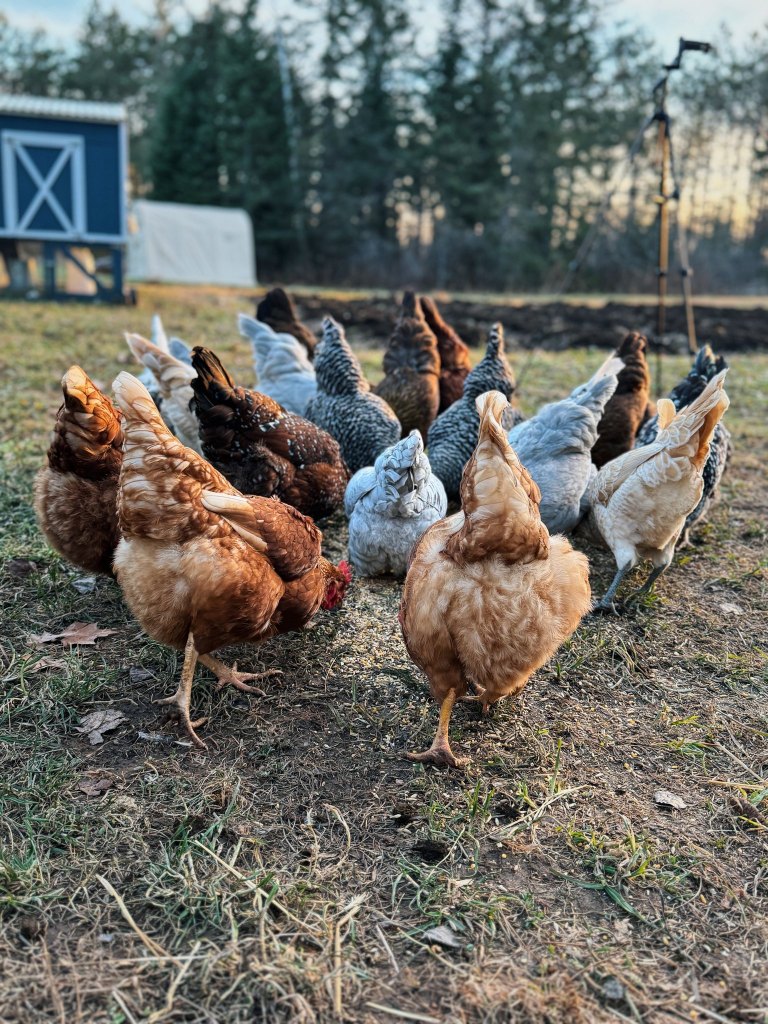
If you don’t want your jaw to drop every time you shop for groceries, I suggest you raise your own chickens.

Raising your own chickens is not just good for your wallet, but for your health too.

You will be the one who chooses what to feed them.

So you will know that they’ll produce nutritious eggs that are not filled with any weird hormones.

With just a little bit of effort, you can set up a small coop in your backyard and start raising a few chickens.

It’s a fun and rewarding hobby, and it will pay for itself in no time.

There are many breeds of chickens out there.

And you can even choose breeds that are known for their laying ability.

This will also give you peace of mind, knowing that if things come to worse, you will always have emergency food.

If you enjoy eggs as much as I do, this decision is a no-brainer.

It will assist you with feeding your family nutritious eggs even when they become too expensive.

Processed with VSCO with g6 preset

See what to look out for when raising your own chicken.

Plant These During Late Spring and How To Protect Your Garden From Storms

Spring is the greatest time to plan your garden.

The long days, the mild temperatures, the frequent rainfall

These conditions create the ideal environment for plants to flourish.

Below I’ve listed several crops that don’t just thrive during spring or late spring, but are also hardy, resilient, and packed with nutrients.

Making them excellent for this season.

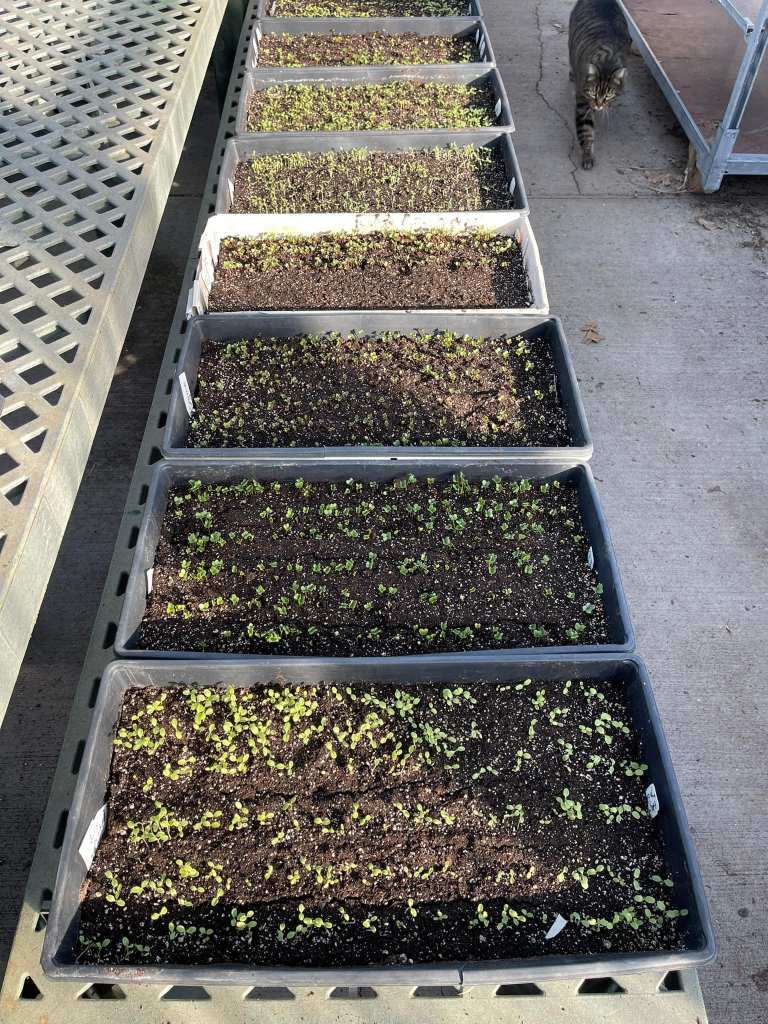
1) Tomatoes. These sunny-weather loving plants are an essential part of any survival garden. Start them indoors if there is still frost outside, and move them outdoors to soak up the spring sunshine.

2) Lettuce. Lettuce can be planted right when the soil is workable. Its quick growth cycle means you’ll have a fresh, crunchy harvest in no time.

3) Spinach. Spinach thrives in the cooler temperatures of spring. Packed with nutrients, it’s an excellent addition to your survival garden.

4) Peas. Plant these directly into the ground when the soil softens. The young shoots add a burst of green to your spring salads, and the peas are a sweet treat.

5) Radishes. Quick to mature, radishes bring a spicy crunch to your dishes. They prefer the cooler weather of spring and can be ready to harvest in just a few weeks.

6) Carrots. Carrots require a bit of patience and loose, sandy soil, but the result is worth it. They are rich in B vitamins, like niacin and B6, which are important for being able to use the energy from food.

7) Beets. Beets provide two harvests in one. Tasty, sweet roots, and leafy greens that can be used in salads or cooked like spinach.

Each of these crops brings something unique to the table.

They can ensure that your prepping garden is not just varied and vibrant, but also nutrient-dense and hardy.

If you haven’t already, why don’t you plant some?

How To Protect Your Garden From Storms

Last summer, my cousin Jimmy shared a devastating story with me.

He meticulously cared for his garden.

He spent countless hours cultivating it.

And you would always see the pride in his eyes and he talked about it.

But a sudden hurricane changed everything overnight.

The strong winds destroyed his garden.

His tough work vanished before his eyes, leaving him without a vital food source for the coming months.

I don’t want this to happen to any of you.

Your garden is more than just a hobby. It’s a vital food source and a lifeline during emergencies.

When tragedy strikes, protecting your garden is essential for ensuring your’s and your family’s safety.

An easy way to weather-proof your garden is to choose resilient plants.

Some plants are naturally more resistant to extreme weather conditions.

Look for varieties that can handle heavy winds, excessive rain, or fluctuating temperatures.

Sturdy plants with strong root systems are your safest bet.

Opt for crops like kale, collard greens, and Swiss chard.

These plants can bounce back after a storm, and regain their strength.

Once you’ve chosen your crops, you need to place them in the right places.

When designing your garden, consider the natural windbreaks and barriers on your property.

Planting near fences, walls, or shrubs can shield your garden from strong winds.

Additionally, space your plants appropriately to allow for proper root development, which contributes to their overall stability.

But you are still not done.

You have to keep an eye on weather reports.

When you know a storm is on the horizon, take the necessary steps to reinforce them.

Install stakes or cages to provide additional support, especially for taller or top-heavy plants.

For smaller plants, you can use cloches or protective coverings to shield them from harsh weather.

Preventing damage to your garden during a hurricane may not be possible sometimes

But by taking these steps, you can minimize its impact.

And you can allow your crops to make it through the storm.

In the end, protecting your garden means protecting your food source.

It is something we shouldn’t neglect.

So folks, let’s fortify our gardens against the elements and ensure that we can weather even the strongest hurricane.

This Is The First Sign Society Is About To Collapse

When most people think about the start of the apocalypse

They usually picture something out of a dystopian movie. A sudden, widespread terror, or perhaps a catastrophic event.

But in reality, societal breakdowns don’t happen overnight.

The first sign is far subtler than that

It’s a shift in trust.

That’s right, folks.

Trust is the glue that holds our society together.

The belief that your neighbor will respect your property.

That the grocery store will have food..

That your funds are safe.

But when that trust begins to erode, we’re on a slippery slope.

When people start losing confidence in the institutions that uphold society

When faith in the authorities dwindles…

We start edging closer to a societal breakdown.

Imagine going to work one day, and noticing a huge crowd of worried individuals outside of the biggest local banks.

Everyone is suddenly trying to withdraw their funds

Why?

Are banks not to be trusted anymore?

Do you have to withdraw your savings too?

Or imagine if trust in law enforcement begins to falter, and individuals may take matters into their own hands

Leading to an increase in vigilante justice and public unrest.

I am not sharing this to scare you. Quite the opposite. Awareness is the first step towards preparation.

If we can spot the signs early enough, we can prepare, adapt, and survive.

So, what can we do?

We can keep a close eye on societal sentiment.

Pay close attention to current events, the rumblings on social media, and the worries and concerns of your neighbors and friends.

These can provide valuable insights into the state of societal trust.

Then, you can ensure you are prepared for self-sufficiency.

This means having a reliable stockpile, honing our survival skills, and fostering a close-knit community of like-minded individuals.

Societal collapse is a gradual process.

If we spot it early enough, it can give us the upper hand.

So let us stay vigilant and aware.

This Is Why Most People Will Not Make It When SHTF

Imagine you’re planning a road trip that will last a week.

You figure out where you’ll stay, what you’ll eat, and which sights you’ll see.

But what if this trip wouldn’t last a week, but an entire year

Would you be able to remain safe?

This is a real possibility, folks.

Emergencies can force us to transform our way of living for good.

Most people think about what they’ll do for an emergency that might last a couple of days or weeks.

But that’s just not enough.

To really thrive when SHTF, we need to think months, years, and even decades ahead.

The long-term, day-to-day living in a different world.

Canned food and bottled water will keep you safe for some time. Months even.

But what happens when those run out?

In the long run, skills like hunting, fishing, farming, preserving food, and sourcing clean water are essential.

This is why what we do is so important.

We constantly improve our prepping abilities and add to our skill set.

Just like our ancestors did.

They knew the land, the seasons, the plants, and the animals. They understood that prepping wasn’t a sprint, but a marathon.

We have to adopt this kind of mindset as well.

We need to think beyond the initial emergency, beyond the canned goods, and towards a future where we don’t just think about what we have, but about what we know and what we can do.

Prepping is a lifestyle.

For most people, this shift in thinking is not easy. For others, it isn’t even possible.

But you and I both know the peace of mind that comes from knowing you’re ready for anything.

So, let’s not be like most people. Let’s think ahead. Let’s stay prepared. And let’s keep improving.

“Preppers Don’t Have Fun”

Someone once accused me of taking things too seriously.

She said that since I’m always trying to prepare for the worst, I don’t ever enjoy the present moment.

When I heard about this, I couldn’t help but chuckle.

Yes, I’m focused on prepping.

Yes, I’m keen on making sure my family and I can weather any storm that comes our way.

But who’s to say that I don’t have fun doing it?

You see, there is a certain joy that comes with being prepared for anything that most people can’t ever understand

A joy that most people will not ever understand.

When you are constantly acquiring different skills that can help survive potential threats, it’s like solving an exciting puzzle.

Remember the excitement as a child, that spark of curiosity when you first learned to ride a bike or tie your shoelaces? 

This is how I feel every time I learn about a different way to purify water, start a fire, or build a survival shelter.

And the reason I created this newsletter is because I wanted to share my excitement with people like you.

People who appreciate the value of emergency preparedness.

But the fun of prepping doesn’t end with the thrill of learning different skills. 

It’s also about putting these skills to the test, challenging yourself, and celebrating those moments of achievement.

Imagine successfully building a survival shelter from scratch for the first time.

It’s not just a place with a roof. It’s a testament to your resilience and resourcefulness.

Or think about the feeling of triumph when you manage to start a fire using just flint and steel.

There’s an indescribable sense of fulfillment in these moments.

I know “fun” is not something we think about when we talk about survival situations.

But it’s an important topic.

It’s what makes prepping sustainable in the long run.

So if someone says you’re a “doomsayer” or accuses you of being too focused on bad situations, just ignore them.

Keep prepping, and enjoy the process.

Survival prepping Like This Could Be A Double-Edged Sword

Prepping Like This Could Be A Double-Edged Sword

Have you ever heard the saying, “a little knowledge is a dangerous thing”?

Well, I’ve been thinking about this lately, especially when it comes to prepping.

Everyone knows that the right gear is essential.

But there’s a concealed risk lurking beneath the surface — something that might catch us unprepared if we’re not careful.

It will become clear once you read this story.

Last week, I was talking to a buddy of mine who’s also into prepping.

He was excited to show me the latest thing he bought. A top-of-the-line water filtration system.

He proudly explained its features and how it would provide clean water for his family in case of an emergency.

So far so good

But then he said something that made me pause.

“I feel so much safer ever since I have it. I don’t have to worry about anything.”

I couldn’t fault him for his enthusiasm.

But his words struck me as a stark reminder of the pitfall that is complacency.

When we feel like we’ve got everything covered, it’s easy to let our guard down. To assume that we’re invincible.

And yet the truth is, no matter how ready we are, there’s always something that can catch us by surprise.

That’s why it’s essential to remain vigilant, to continuously challenge ourselves and adapt to different situations.

At the end of the day, it’s not just about what we have at our disposal. It’s about our ability to think on our feet, to adapt and overcome.

Our mindset is what truly sets us apart as preppers.

So folks, let’s not fall into the trap.

Let us keep improving our skills, our equipment, and let us keep expanding our knowledge.

That way, we can ensure that our prepping efforts serve us well when the time comes.

Stay safe and vigilant.

How much food should you stockpile?

Everyone in the prepping world talks about stockpiling food for an emergency situation.

Beans, cans, rice, anything that lasts a long time can allow us to make it through emergency situations.

And even though it’s crystal clear that stockpiling is essential

People usually don’t know how much food is too much or too little.

I want to provide some clarity, so you can decide how much to stockpile based on your specific circumstances.

The answer, as always, is that it depends.

Everything boils down to the specifics of your situation. Your family headcount, dietary needs, and the type of emergency you’re prepping for.

But don’t worry, we’ll break it down together.

First and foremost, it’s essential to consider the duration of the emergency.

Are you expecting a short-term disruption, like a brief power outage or a snowstorm?

Or are you prepping for a more long-term scenario, like a natural emergency or an economic collapse?

For short-term emergencies, a supply of about two weeks’ worth of food should suffice.

This will tide you over until services are restored, and you can replenish your pantry.

But remember, it’s always more ideal to have a little more, just in case.

So let’s talk about long-term emergencies.

In these cases, you’ll want to have a minimum of three months’ worth of food stocked up.

However, to truly be on the safe side, I would recommend aiming for a full year’s supply.

This might sound daunting, but it’s a goal worth striving for. The future is uncertain, and it’s more reasonable to be over- than underprepared.

If this seems too difficult, there is a way to make it easier.

That is by gradually building up your stockpile.

Don’t try to shop for everything at once.

Instead, focus on adding to your reserves over time.

Slow and steady wins the race.

And don’t forget to diversify your stockpile.

A well-rounded supply should include non-perishable items such as canned goods, dried fruits, grains, and freeze-dried meals.

Also, make sure you account for any dietary restrictions or allergies.

And there you have it, folks!

Being mindful of these factors will put you on the right path.

Remember, it’s not about hoarding. It’s about being ready and self-reliant in the face of uncertainty.

Do you have any other topics that you would like me to cover? Let me know by commenting on this survival preppers article.

Don’t Make This Post-Emergency Mistake

What’s the number 1 thing most people want to do once an emergency situation has passed?

If you guessed returning to their houses, you’re spot on.

Everyone will feel that incredible urge to survey the damage, to begin picking up the pieces, and to reclaim what was theirs.

But there’s something that we need to remember.

Giving in to this urge is the single most dangerous mistake we could make after an emergency.

You will see why in a sec.

Emergencies are not over when the storm passes, the ground is not shaking, or the flames die down.

The aftermath is just as deadly.

Collapsed buildings, live electrical wires, gas escapes, contaminated water

The potential hazards lurking could be numerous and lethal.

And let’s not forget the ones who try to take advantage of such times

Your once peaceful neighborhood can transform into a perilous landscape, brimming with threats.

I know that you’ll probably want to rush back and start rebuilding. I feel the same way.

But my answer?

There’s a time and a place for everything, folks, and rushing back to a hazard zone is not it.

When local authorities provide your clearance, that’s your signal.

Then you can move as quickly as possible to assess everything and figure out your next step.

Also, during emergency situations, the world is different than what we’re used to.

And there are some hazards that we might not be aware of yet.

So if a real SHTF scenario happens, let us resist the impulse to head back at the first signs of calm.

This is not the time for hasty decisions or unnecessary risks.

Prepping isn’t just about weathering the storm, it’s about navigating the aftermath wisely.

Don’t compromise the progress you’ve made by hastily returning to risky situations.

Your house can be rebuilt.

Your family’s safety will always be more important.

4 Times That Hunting For Food Can Be Deadly

I was reminiscing about a hunting trip I took a few years back.

It was supposed to be a quiet couple of days, just me and nature. But, as fate would have it, it wasn’t quite that simple.

As the dawn broke, I spotted a fine-looking deer.

However, I noticed something odd about its movements.

The deer seemed disoriented, stumbling, and acting unnaturally. It struck me then that this was not a safe animal to hunt.

See, it wasn’t about the deer itself, but with what might be lurking inside it.

This deer could have been exposed to harmful contaminants that can make the meat unsafe to consume.

Think about it like this.

When SHTF, the air we breathe, the water we drink, and the food we eat can become contaminated.

And the same applies to the wildlife around us.

Certain times and places make it risky to hunt due to the likelihood of contamination.

These are the 4 most common scenarios when you should steer clear of hunting

Post-Industrial Areas

Industrial waste can seep into the environment and contaminate local wildlife.

Don’t hunt near abandoned factories or industrial zones where the local animals might have been exposed to harmful pollutants.

Post-Nuclear Events

If there’s been a nuclear event in your area, radiation can contaminate animals for a significant time. The risk isn’t worth the potential food source.

During and After Wildfires

Wildfires can release heavy metals and toxins from burnt materials into the atmosphere. Animals exposed to these contaminants can become unsafe to eat.

Disease Outbreaks

Certain diseases like Chronic Wasting Disease (CWD) in deer can affect the safety of the meat.

Look out for erratic behavior, drooling, or lack of coordination in animals as signs of potential disease.

Hunting is more than just getting a good shot.

It’s about understanding the animal, the environment, and the potential risks involved.

It’s crucial to be aware of these dangers and make informed decisions about when to hunt and when to let it go.

So next time you’re out in the wilderness, remember to consider more than just the size of the game you spot.

We also have to ensure that food is safe to eat.