Big Bugs That Kill in Louisiana: A Survival Prepper’s Guide to Staying Alive in the Bayou State

I’m going to start with full honesty, because honesty keeps people alive.

I am a professional survival prepper. I’ve spent decades studying hostile environments, biological threats, grid-down scenarios, and how small, overlooked dangers can wipe out entire communities if people aren’t paying attention. I’ve lived in deserts, forests, mountains, and frozen wastelands.

But Louisiana?

I’ve only ever been there for Mardi Gras.

And after what I saw crawling, flying, biting, stinging, and swarming—usually while everyone else was drunk and distracted—I knew one thing for certain:

Louisiana’s insects are not playing games.

This is a state where heat, humidity, standing water, and lush vegetation create the perfect breeding ground for insects that don’t just inconvenience you. They hospitalize you, disable you, and in certain conditions, kill you outright.

In a normal world with air conditioning, hospitals, and insect control services, many people survive encounters with these creatures.

But this article is not about comfort.

This is about survival.

This is about what happens when the grid is down, emergency services are overwhelmed, storms flood entire parishes, or you find yourself stranded, bug-bitten, infected, and alone.

Let’s talk about the insects in Louisiana that can end your life—and exactly what you need to do to stay breathing.


Why Louisiana Is One of the Most Dangerous States for Insect Threats

Louisiana is an insect paradise—and a human nightmare.

Here’s why:

  • Extreme humidity allows insects to thrive year-round
  • Warm temperatures mean no real “die-off” season
  • Swamps, bayous, wetlands, and flood zones create endless breeding grounds
  • Hurricanes and floods displace insects into populated areas
  • Dense vegetation gives insects hiding places and ambush points

From a survival prepper’s perspective, Louisiana is what happens when nature stacks the deck against you.

And the insects know it.


1. Mosquitoes: Louisiana’s Most Dangerous Killer (Yes, Really)

If you think mosquitoes are just annoying, you won’t survive Louisiana.

Mosquitoes are the deadliest animals on Earth, and Louisiana is one of their strongest footholds in the United States.

Why Louisiana Mosquitoes Are So Dangerous

Louisiana mosquitoes are not just aggressive—they are biological weapons.

They transmit:

  • West Nile Virus
  • Eastern Equine Encephalitis (EEE)
  • Zika Virus
  • Dengue Fever
  • Chikungunya
  • Heartworm (fatal to animals, devastating to morale in survival scenarios)

In a grid-down situation, even a single infected bite can spiral into high fever, neurological damage, paralysis, or death.

EEE alone has a fatality rate of up to 30%, with survivors often suffering permanent brain damage.

Survival Reality Check

In Louisiana, mosquitoes:

  • Bite during the day AND night
  • Breed in bottle caps worth of water
  • Enter homes through cracks you didn’t know existed
  • Swarm after floods and storms

How to Survive Mosquitoes in Louisiana

  • Wear long sleeves and pants—even in heat
  • Use permethrin-treated clothing
  • Eliminate standing water daily
  • Sleep under mosquito netting
  • Burn natural repellents like citronella and pine resin
  • Never ignore fever after a bite

In Louisiana, mosquitoes aren’t pests.

They’re executioners with wings.


2. Fire Ants: Tiny, Ruthless, and Capable of Killing You

Fire ants are everywhere in Louisiana, and they are one of the most underestimated threats in the state.

Why Fire Ants Are Deadly

Fire ants attack in swarms. They don’t bite once—they bite dozens or hundreds of times, injecting venom with each sting.

For many people, fire ant venom causes:

  • Severe allergic reactions
  • Anaphylaxis
  • Respiratory failure
  • Cardiac shock

Children, the elderly, and those with compromised immune systems are especially vulnerable.

In survival conditions, falling into a fire ant mound can be fatal within minutes.

Survival Mistakes That Get People Killed

  • Standing still while ants climb upward
  • Trying to brush ants off instead of fleeing
  • Panicking and falling

How to Survive a Fire Ant Attack

  • Move immediately and aggressively away
  • Strip infested clothing fast
  • Wash stings with soap and water
  • Apply cold compresses
  • Carry antihistamines if possible

Fire ants don’t look dangerous.

That’s why they kill people.


3. Brown Recluse Spider: Silent Venom, Slow Death

Louisiana is within the range of the brown recluse spider, one of the most medically significant spiders in North America.

Why Brown Recluse Bites Are So Dangerous

Brown recluse venom causes:

  • Tissue necrosis (flesh literally rots away)
  • Severe infection
  • Sepsis
  • Organ failure in rare cases

Many victims don’t even feel the bite at first. By the time symptoms appear, the damage is already spreading.

Where They Hide

  • Shoes
  • Clothing piles
  • Storage boxes
  • Crawl spaces
  • Abandoned buildings

Survival Response to a Bite

  • Seek medical treatment immediately
  • Clean the wound aggressively
  • Monitor for spreading discoloration
  • Do NOT ignore minor pain

In a survival scenario, untreated necrosis can lead to amputation or death.


4. Black Widow Spider: Venom That Attacks the Nervous System

Black widows are common in Louisiana and far more dangerous than most people realize.

What Black Widow Venom Does

  • Causes severe muscle cramps
  • Triggers high blood pressure
  • Disrupts nervous system function
  • Can cause respiratory failure

Children and elderly victims are at highest risk.

Survival Tips

  • Shake out shoes and gloves
  • Wear gloves when reaching into dark areas
  • Treat bites as medical emergencies

Black widows don’t chase people.

But they don’t forgive mistakes either.


5. Assassin Bugs (Kissing Bugs): Disease-Carrying Killers

Assassin bugs are increasingly common in Louisiana—and they carry Chagas disease, a slow killer most people have never heard of.

Why Chagas Disease Is So Dangerous

  • Symptoms can take years to appear
  • Causes heart failure
  • Causes digestive system collapse
  • Often diagnosed too late

Once symptoms appear, damage is often irreversible.

How to Survive Assassin Bugs

  • Seal cracks in homes
  • Use fine mesh screens
  • Avoid sleeping near lights at night
  • Inspect bedding regularly

This is a long-game killer, and Louisiana is fertile ground.


6. Wasps, Hornets, and Yellow Jackets: Airborne Death Squads

Louisiana’s wasps are aggressive, territorial, and relentless.

Why They’re So Dangerous

  • Swarm attacks
  • Multiple stings
  • High venom load
  • Severe allergic reactions

In survival conditions, even non-allergic individuals can die from toxic envenomation.

Survival Strategy

  • Avoid nests at all costs
  • Wear neutral colors
  • Carry antihistamines
  • Retreat immediately if attacked

Wasps don’t warn twice.


7. Horseflies and Deer Flies: Blood Loss and Infection

These insects don’t inject venom—they rip flesh.

Why They’re Dangerous

  • Painful, bleeding wounds
  • Disease transmission
  • Psychological stress

In swamp environments, open wounds become infected quickly.

Survival Tactics

  • Cover exposed skin
  • Use head nets
  • Treat bites immediately

Pain is a warning.

Ignore it, and infection follows.


8. Fleas: Tiny Vectors of Big Problems

Fleas carry:

  • Typhus
  • Plague (rare but possible)
  • Tapeworms

In disaster scenarios, fleas spread rapidly among humans and animals.

Survival Measures

  • Control rodents
  • Wash clothing frequently
  • Treat pets aggressively

History proves fleas can collapse societies.


9. Scorpions: Rare, But Not Harmless

Louisiana scorpions aren’t usually fatal—but pain and infection can still kill in survival conditions.

Survival Advice

  • Shake out boots
  • Avoid sleeping on ground
  • Treat stings seriously

Pain weakens judgment.

And poor judgment kills.


Survival Reality: Louisiana Is an Insect War Zone

I’ve studied survival across the country.

Louisiana stands apart.

Not because of bears or mountains or cold—but because everything bites, everything carries disease, and everything thrives in chaos.

If you live in Louisiana—or plan to pass through when society is unstable—your survival depends on respecting the insects.

Ignore them, and they will outlast you.

Prepare for them, and you stand a fighting chance.

Because in Louisiana, it’s not the gators or hurricanes that will get you first.

It’s the things you didn’t feel bite you.

How To Stay Safe and Survive During a Riot in Louisiana (Especially New Orleans)

If you’re reading this, there’s a good chance you’re worried about the growing tension, unrest, and chaos spreading across cities—including right here in Louisiana. Whether it’s New Orleans, Baton Rouge, Lafayette, or a smaller parish town, no place is truly off-limits when society boils over.

I’ve been in this game for over 20 years. Former Marine, lifelong prepper, and self-defense instructor. I don’t sugarcoat things: when a riot kicks off, you’ve got two choices—be prepared or be prey. The goal isn’t to fight every battle—it’s to survive and protect what matters most: your life, your family, and your home.

Let’s get into the nitty-gritty. Below, I’ll lay out the top 8 self-defense skills you need to survive a riot, along with 3 DIY survival weapons you can build fast using what you’ve already got. But before that, I want you to understand the mindset: don’t panic—prepare.


First, Know the Nature of a Riot

Riots move fast and unpredictably. What begins as a peaceful protest can escalate in minutes with one bad actor. Fires, looting, and armed aggression can erupt out of nowhere. And in Louisiana, where gun laws are loose and tempers are fiery, things escalate fast.

You won’t have time to think in the moment. You’ll only have time to react. That’s why training and preparation save lives.


8 Self-Defense Skills You MUST Know Before a Riot

1. Situational Awareness

This is your #1 weapon—awareness beats strength. Always know your exits, keep an eye on crowd behavior, and trust your gut. If people start pushing, shouting, or moving aggressively, leave immediately. Watch hands, not faces—that’s where the danger comes from.

2. De-escalation Techniques

Sometimes your mouth can save your life. Know how to use calm, confident speech to avoid confrontation. Back away slowly, speak clearly, and avoid threatening posture. Your tone should be firm, not fearful.

3. Escape and Evasion Tactics

Move like a ghost. Stick to the edges of crowds, never the middle. Learn how to use alleyways, stairwells, parking garages, and even rooftops as exit routes. Blend in—don’t draw attention. Carry a hoodie, change your appearance quickly if needed.

4. Striking Vital Points

If it comes to a fight, go for the vitals: eyes, throat, knees, and groin. A good palm strike to the nose or throat can end a fight before it starts. This isn’t MMA—it’s survival. You’re buying time to escape, not win a trophy.

5. Improvised Weapons Training

You don’t need a gun to defend yourself. A flashlight, tactical pen, belt buckle, or even a steel water bottle can become a devastating weapon in the right hands. Train with what you carry every day.

6. Ground Defense

If you get knocked down, fight like hell to get up. Protect your head and vital organs, and know how to shrimp (escape from underneath) and post (create space). Learn basic BJJ escapes—they save lives.

7. Knife Defense & Use

Know both how to defend against a blade and how to use one. A fixed-blade knife is easier to deploy than a folding one in high-stress situations. Aim for disabling—not killing. Slash tendons, stab center mass, and get out.

8. Firearm Handling (If Legal and Trained)

Louisiana allows open and concealed carry, but only carry a gun during a riot if you’re fully trained. Understand escalation of force, legal consequences, and keep your finger off the trigger until you’re ready to shoot. Never brandish unless you intend to use it.


3 DIY Survival Weapons You Can Make at Home

When supply chains shut down or stores are looted, you’ll need to rely on your own resourcefulness. Here are three quick, brutal DIY weapons anyone can make.

1. The Pipe Baton

Find a metal or PVC pipe, about 1.5 to 2 feet long. Wrap the handle with paracord or duct tape for grip. Fill it with sand or small metal nuts to increase the weight. This is a blunt force tool that can break bones and end a confrontation fast.

2. The Slingbow (Modified Slingshot)

Take a high-tension slingshot and modify it to shoot arrows. Use surgical tubing for stronger draw, and fashion simple arrows from carbon rods or wooden dowels. It’s silent, reusable, and surprisingly accurate at short range.

3. The Weighted Sap Cap

Take a ball cap and sew lead fishing weights or metal washers into the rim of the hat. Looks normal—but swing it in a pinch, and it hits like a blackjack. Easy to carry, quick to use.


Additional Riot Survival Tips (Specific to Louisiana)

  1. Know Your Exits – Downtown New Orleans or Baton Rouge? Know where the bridges, tunnels, and back roads are. Avoid interstates during riots—they get jammed fast.
  2. Keep Your Vehicle Riot-Ready – Full tank of gas, bug-out bag in the trunk, and always park facing out for a quick escape.
  3. Stay Off Main Streets – Rioters gravitate toward popular streets, government buildings, and shopping centers. Avoid these areas at the first sign of unrest.
  4. Use Police Scanners or Local Apps – Get real-time updates. Apps like Scanner Radio, Citizen, or local Facebook groups can tell you where the chaos is happening.
  5. Avoid Confrontation – Your ego can get you killed. If someone challenges you, ignore and exit. Pride is the luxury of peace—not war.

Mental Toughness: Your Greatest Asset

In a survival scenario like a riot, your mindset is 80% of your success. You have to stay calm under chaos, make quick decisions, and protect your own. That includes understanding when to fight and when to flee.

Train regularly. Not just physically, but mentally. Simulate what you’d do in a riot. Go through “what-if” scenarios. Practice bugging out from your home. Rehearse using your DIY weapons.

Train like your life depends on it—because it might.


Final Words

I don’t write this to scare you—I write it to prepare you. I’ve seen what happens when good people get caught in bad situations. And I’ve seen how quickly the rule of law disappears when the fire starts spreading.

Louisiana is a beautiful state—but she’s wild, proud, and unpredictable. That means you can’t rely on the government, the police, or your neighbors when the lights go out and the crowd turns angry. You’ve got to rely on yourself.

Survival isn’t luck—it’s training.

Louisiana’s Worst Roads to Drive on During a Disaster

I’ve driven through war zones in the Middle East, flash floods in Indonesia, and blackouts in California, but let me tell you something straight—Louisiana’s roads during a disaster? They’ll test every ounce of grit, patience, and tactical skill you’ve got behind the wheel.

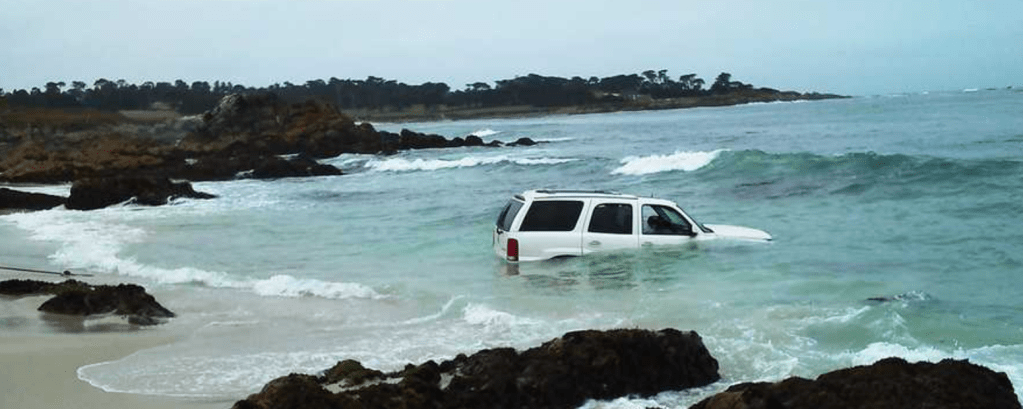
The roads here aren’t just roads—they’re trapdoors waiting to open. Bayous overflow, pavement buckles, potholes morph into craters, and if you’re not paying attention, you might just end up swallowed by a backwater swamp or stuck on a bridge that’s now a boat ramp. Hurricanes, flash floods, tornadoes, and heat waves? The Bayou State gets them all. And when it hits the fan, knowing which roads to avoid and how to maneuver becomes the line between making it out or becoming part of the debris.

The Louisiana Gauntlet: Roads to Avoid When It All Goes South

Here are some of the worst roads in Louisiana during a disaster—routes you should avoid like a rattlesnake in your boot:

  1. I-10 between Baton Rouge and Lafayette
    Flood-prone and prone to traffic bottlenecks, especially around the Atchafalaya Basin Bridge. If the water doesn’t get you, the stalled traffic will.
  2. I-610 in New Orleans
    A deathtrap during hurricanes. Low elevation, lots of exits prone to flooding, and traffic that grinds to a halt fast.
  3. US-90 near Morgan City
    This area’s like a sponge—it soaks up floodwaters and keeps them. Debris, broken asphalt, and submerged stretches are common.
  4. LA-1 South to Grand Isle
    Beautiful under normal skies, but it’s a one-way ticket to being stranded when the Gulf decides to rage.
  5. I-20 near Shreveport
    During tornado season, it turns into a wind tunnel. Add low visibility from storms, and it’s a high-speed hazard.
  6. Airline Highway (US-61)
    Passes through flood-prone and urban zones. Infrastructure’s outdated, and during a crisis, it’s a twisted mess.
  7. Causeway Bridge over Lake Pontchartrain
    Don’t let its beauty fool you. High winds, zero shelter, and panic drivers make it lethal in a storm.
  8. LA-70 through Assumption Parish
    A scenic drive turned swampy rollercoaster when the water rises.
  9. Chef Menteur Highway
    Long, flat, and exposed—especially dangerous during storm surge conditions.
  10. River Road in Baton Rouge
    Flirts with the Mississippi. One good surge and the whole route can disappear.

Now that you know what roads to think twice about, let’s get into how you survive them when you don’t have a choice.


15 Survival Driving Skills That’ll Keep You Alive in a Disaster

  1. Situational Awareness
    Scan the road, your mirrors, the skies, and even other drivers. Awareness keeps you ahead of danger by minutes, which is a lifetime in a disaster.
  2. Off-Road Maneuvering
    Learn how to navigate mud, gravel, or grassy terrain. Sometimes the ditch is the road when the pavement’s gone.
  3. Water Wading Judgment
    Know how deep your vehicle can go. Six inches of water can cause loss of control. A foot? You’re floating.
  4. Brake Feathering
    Feather your brakes when you need control on slick roads—especially during heavy rain or floods.
  5. Throttle Control
    Smooth inputs save lives. Gunning it gets you stuck or sliding. Know when to creep and when to charge.
  6. Evasive Maneuvering
    Can you dodge a falling tree or swerving semi at 60 mph? Practice J-turns, quick swerves, and emergency braking.
  7. Map Mastery
    GPS may die. Paper maps don’t. Keep one in your glovebox with disaster escape routes marked in red.
  8. Driving Without Headlights
    Sometimes stealth matters. Know how to move silently and unseen—especially in looting-prone zones.
  9. Mechanical Literacy
    Know your vehicle. Change a tire blindfolded. Patch a radiator. Rig a fan belt with paracord if needed.
  10. Fuel Economy Driving
    No jackrabbit starts. Coast on declines. Save every drop because the next station might be 100 miles of chaos away.
  11. Convoy Driving
    If you’re with a group, learn to drive in formation. Keep spacing, use signals, and maintain visual contact.
  12. Bridge & Overpass Assessment
    Some look solid but are structurally weak after quakes or flooding. Don’t be the tester.
  13. Night Vision Discipline
    Use red light inside the vehicle. Don’t blind yourself or others with high beams when stealth or night travel’s essential.
  14. Wind Awareness
    Crosswinds can flip box trucks—and your SUV if it’s loaded top-heavy. Stay low-profile and move cautiously.
  15. Urban Escape Routes
    Study back alleys, industrial roads, and railway access paths. Cities will lock down fast—know the ratlines out.

3 DIY Survival Driving Hacks When You Run Out of Gas

Let’s say you’ve run out of fuel and you’re miles from help. Here’s how to MacGyver your way to another few miles or stay put safely:

1. The Campfire Fuel Extractor

If stranded with access to old vehicles or lawn equipment, siphon gas using a piece of hose and gravity. No hose? Melt a piece of hard plastic into a funnel and drain the fuel tank manually.

2. The Ethanol Boost

Got alcohol-based hand sanitizer, vodka, or even mouthwash? In small quantities, these can supplement gasoline in a pinch—IF your engine can handle it (older engines or multi-fuel vehicles only). Add no more than 10% volume and run gently.

3. Solar Battery Starter

No jump cables? Rig up solar lights or panels (many people have cheap solar garden lights) to trickle-charge your battery. Strip the wires, connect carefully to terminals, and give it time. It won’t start the car immediately, but over time can give you enough juice to crank once.


Final Thoughts from the Road

In Louisiana, roads are as wild as the swamps they cut through. When a disaster strikes, they morph into battlegrounds—where skill, preparation, and grit will mean more than any four-wheel drive badge on your bumper. You don’t rise to the occasion, you fall to your level of training. So, train now. Drive smart. Map your exits. Keep your gear close and your instincts sharper.

Remember, survival driving isn’t about speed—it’s about making decisions that keep you rolling when others are stuck, submerged, or stranded. From the Spanish moss-covered bridges near Slidell to the cracked pavement outside of Lake Charles, every inch of this land has a story. Make sure yours doesn’t end in the ditch.

Louisiana Homestead Lifestyle

You wanna talk about living off the land down here in Louisiana? You better be ready to get your hands dirty, sweat through the humidity, wrestle with mosquitos the size of your fist, and learn more skills than a city slicker’s ever dreamed of. This ain’t some vacation spot for weekend gardeners or “I’ll try it once” types. Homesteading in Louisiana is a tough, relentless lifestyle that’ll chew you up if you don’t come prepared—and stay prepared.

I’ve been living this swampy, humid, sun-baked, hurricane-rattled life for years now, and lemme tell you, it’s not for the faint-hearted. You want to thrive here, not just survive? You gotta master your craft and learn the skills that’ll make this muddy, crawfish-infested, alligator-friendly land work for you—not against you.


1. Soil Management and Raised Beds

If you think you can just plant crops straight into that Louisiana clay mud, you’re dead wrong. The soil here is heavy and waterlogged. You’ve got to build raised beds or amend your soil with plenty of organic matter and sand to keep those roots from drowning in the swamp. Ain’t nobody got time for soggy roots and rot.


2. Rainwater Collection and Management

With all the rain we get, you better learn how to catch it and store it. You need barrels, gutters, and a filtration system because relying on well water or city water in rural parts is a gamble. And when the dry spells hit, that stored water is your lifeline.


3. Swamp-Aware Planting

You want to grow stuff that survives humidity, bugs, and occasional flooding? You plant what’s native or adapted. Okra, sweet potatoes, collard greens, and blackberries thrive here. Forget your northern heirlooms—they’ll rot or wilt faster than you can say “bayou.”


4. Pest Control—Mosquito Edition

You think a little bug spray’s gonna save you? Ha! Learn to build mosquito traps, use natural repellents like citronella and lemongrass, and create a habitat that doesn’t breed swarms of the little bloodsuckers. Otherwise, you’ll be itching till kingdom come.


5. Butchering and Processing Game

Alligator, squirrel, duck, and deer aren’t just for tourists to gawk at—they’re food. You better learn to clean and process your game properly or risk wasting good meat. Ain’t nobody gonna bring your dinner ready-made out here.


6. Canning and Preserving

With all this bounty from garden and swamp, you’d be an idiot not to preserve it. Whether it’s pickled okra, smoked sausage, or homemade preserves, you need to know how to store food safely for leaner times.


7. Smokehouse and Meat Curing

Heat and humidity are a homesteader’s enemy—meat spoils fast. That’s why building a smokehouse and curing meat with salt or smoke is a must. I built mine from cypress wood scraps and it’s saved countless pounds of bacon and venison from rot.


8. Composting in Humid Climate

You can’t just toss scraps and hope for compost in Louisiana. You have to turn your pile often to avoid a stinky mess that attracts critters. Learn the right mix of browns and greens, or you’ll get nothing but swamp sludge.


9. Firewood Processing and Storage

Humidity means wood rots fast. You need to cut, split, and store firewood properly off the ground, covered but ventilated, or it’s worthless by winter. And yeah, you better have a chainsaw and axe skills.


10. Beekeeping for Honey and Pollination

Bees are essential, but they don’t just show up and set up shop. You have to build hives, manage swarms, and harvest honey carefully or risk losing your whole colony to disease or predators.


11. Waterproofing and Building Raised Structures

Flooding is real. You better build your coop, barn, and root cellar on stilts or raised foundations. Otherwise, you’ll be bailing water and losing all your hard work after every storm.


12. Fishing and Trapping

Swamps and bayous are loaded with fish and critters if you know how to catch ‘em. Learn to set trotlines, gig frogs, or trap crawfish and you’ve got a steady protein source. But be legal about it—or you’ll have the wildlife officers breathing down your neck.


13. Herbal Medicine and Natural Remedies

Forget the drugstore. You better know which swamp plants soothe bites, heal wounds, or knock down fevers. Elderberry, sassafras, and mint are staples around here. It’s survival, not luxury.


14. Chainsaw Safety and Maintenance

You will need to clear downed trees, chop firewood, and build fences. Chainsaws are a homesteader’s best friend—and deadliest enemy if you don’t respect ‘em. Learn to maintain and use them properly, or you’ll be in the ER before you know it.


15. Root Cellar and Cold Storage

The southern heat is brutal. Without electricity or air conditioning, you need to build a root cellar or a cool storage pit. It’s the difference between rotting veggies and keeping your harvest fresh for weeks.


Now, Let Me Share 3 DIY Hacks I’ve Used That’ll Save Your Hide on a Louisiana Homestead

Hack #1: Mosquito Trap from a 2-Liter Bottle

Cut a 2-liter soda bottle in half. Mix water, sugar, and yeast in the bottom half to ferment. Invert the top half, funnel side down, into the base. Tape it. Mosquitoes get in chasing the CO2 and drown. Cheap, easy, and you’ll get fewer bites.


Hack #2: Raised Garden Beds with Pallets and Clay Soil

Got clay soil? Use old wooden pallets, line them with cardboard, and fill with a mix of topsoil, sand, and compost. The pallets keep your beds contained and elevated, while the cardboard rots away, improving soil texture over time. Works like a charm.


Hack #3: DIY Solar Water Heater for Bathing

Build a solar water heater by painting a black garden hose coil and attaching it to a clear plastic sheet on a frame. Lay it in the sun all day, and you’ll have warm water for washing off mud and sweat without running up your utility bill.


Final Word

This ain’t no easy life, and if you think homesteading in Louisiana is just about pretty vegetable gardens and cute chickens, you’re dead wrong. It’s a battle every single day against humidity, pests, weather, and unforgiving soil. But you do it because you want independence, because you want to eat what you grow, and because you don’t want to be dependent on grocery stores that could disappear in a storm.

If you ain’t got the grit to learn these skills, if you ain’t ready to sweat, itch, and work your hands raw, then get out of the way for those of us who do.

Louisiana homesteading isn’t for the weak. But it’s the most real way to live—rooted in the land, tied to the seasons, and tough as cypress wood.


If you want me to break down any of these skills or hacks further, or if you want more ranting about the trials of this lifestyle, just say the word. But don’t come asking for sugarcoated nonsense. We’re homesteaders, not city folk on a nature retreat.

Is Louisiana’s Drinking Water Safe

Alright, buckle up. You want the truth about Louisiana’s drinking water? You want it raw, unfiltered, no sugarcoating? Then listen up, because I’m about to lay it down straight, survivalist style—angry, unapologetic, and armed with the cold hard facts and skills you need to keep your family from becoming a bunch of sick, water-poisoned zombies.


Is Louisiana’s Drinking Water Safe? Hell No.

You’ve probably heard the official line: “Our water meets EPA standards.” Yeah, right. That’s bureaucratic bullshit designed to keep you calm while you’re drinking chemicals, heavy metals, pesticides, and god knows what else. Louisiana’s water infrastructure is a ticking time bomb, riddled with old pipes, contamination, and pollution from oil refineries, agricultural runoff, and industrial waste. You don’t need me to tell you the state has had numerous boil-water advisories and contamination incidents. The Mississippi River, which supplies a huge chunk of Louisiana’s water, is one of the most polluted rivers in America.

So if you think you’re safe just filling up your glass and sipping away, you’re dead wrong. You’re gambling with your health and the health of your loved ones. If you care even one bit about survival and self-reliance, you better learn how to filter, purify, and secure your water NOW.


15 Water Filtration Survival Skills You Need to Master NOW

  1. Boiling Water — The simplest and oldest method. Boil water for at least 1 minute (3 minutes if you’re above 6,500 feet) to kill bacteria, viruses, and parasites. No fancy gear needed, just fire and a pot.
  2. Using a Portable Water Filter — Get a solid survival filter like the Sawyer Mini or LifeStraw. These remove protozoa and bacteria, but remember: most don’t kill viruses.
  3. DIY Charcoal Filter — Crush hardwood charcoal, layer it with sand and gravel in a container. Pour water through to reduce chemicals and improve taste. It’s basic, but effective for sediment and some impurities.
  4. Solar Disinfection (SODIS) — Fill clear plastic bottles with water, place them in direct sunlight for 6 hours. UV rays kill pathogens. It’s slow, but a good backup.
  5. Chemical Purification with Iodine or Chlorine Tablets — Lightweight and portable, tablets kill most pathogens. But beware of taste and allergies.
  6. Distillation — Boil water and capture the steam on a cold surface, collecting pure water. It removes almost everything, including heavy metals and salts.
  7. Using Coffee Filters or Bandanas — Not for purification but for removing large sediments and debris before filtering or boiling.
  8. Creating a Sand and Gravel Filter — Layer sand, fine gravel, and coarse gravel in a container to remove suspended particles. This is a good pre-filter.
  9. Using Zeolite or Activated Carbon — These materials bind chemicals and heavy metals. Activated carbon filters are essential to remove chlorine, pesticides, and VOCs.
  10. Making a Solar Still — Dig a hole, place a container in the center, cover the hole with plastic, and place a rock to create a low point. Condensation collects pure water. Great for emergency situations.
  11. Water Bag Filtration — Use specialized survival water bags with built-in filters when hiking or bugging out.
  12. DIY Ceramic Filters — Porous ceramic blocks filter out bacteria and protozoa. They require regular cleaning but can be made at home if you know how.
  13. Magnetic Water Treatment — Some survivalists swear by magnets to reduce scale and contaminants; it’s controversial but worth researching.
  14. Finding and Using Natural Spring Water — Locate and test natural springs. Spring water is usually cleaner but must still be filtered.
  15. Using UV Water Purifiers — Battery-powered UV purifiers zap pathogens. They’re fast but rely on power, so keep backup options.

3 DIY Survival Drinking Water Hacks to Save Your Life

Hack 1: Make Your Own Water Filter from a Plastic Bottle

Cut the bottom off a clean plastic bottle. Invert it like a funnel. Layer the inside with cotton balls, activated charcoal (charcoal from a campfire will work if crushed), sand, and gravel—top to bottom. Pour murky water through it slowly. This filters out sediment and some toxins. It won’t purify water, so boil or chemically treat it afterward. This simple hack turns trash into life-saving tech.

Hack 2: Use Household Bleach as a Water Purifier

In a survival pinch, plain unscented household bleach can disinfect water. Add 8 drops (about 1/8 teaspoon) of bleach per gallon of clear water. Stir and let it sit for 30 minutes. If the water smells strongly of bleach after that, let it air out. This kills most pathogens. Don’t use scented or splashless bleach — those have chemicals that can poison you.

Hack 3: Solar Still from Household Items

If you’re stuck with salty or contaminated water, create a solar still. Use a wide bowl, put a cup in the center, cover with plastic wrap, and place a small weight in the center to create a dip. Sunlight evaporates the water; condensation drips into the cup. This produces drinkable water even from swampy or salty sources. It’s slow but reliable.


Why You Can’t Trust Louisiana’s Tap Water

Let’s get real: Louisiana’s tap water has been exposed to everything from industrial pollution, agricultural chemicals, lead leaching from old pipes, to algal blooms fueled by nutrient runoff. The Gulf Coast’s flooding disasters regularly contaminate municipal water supplies with sewage and chemical waste. And the state’s infrastructure? Aging, underfunded, and vulnerable.

Don’t expect the government or water companies to admit these problems openly or fix them fast. Your survival depends on your readiness to take water filtration and purification into your own hands. Nobody else is coming to save you when the water turns toxic.


How to Prepare NOW

  • Stock up on filtration gear. No excuses.
  • Learn how to boil and distill water.
  • Gather materials for DIY filters: charcoal, sand, gravel, cotton.
  • Keep bleach and iodine tablets handy.
  • Scout natural water sources near you and test them.
  • Practice water purification methods regularly. In a real crisis, you won’t have time to fumble.

Final Warning

If you don’t have survival water skills, you’re playing Russian roulette with your health. Louisiana’s drinking water is not a sure bet — it’s a gamble with serious consequences. Prepare to filter, purify, and treat your water every single time you drink it. Otherwise, you’re inviting sickness, disease, and disaster.

I don’t sugarcoat this because people die when they ignore the truth. Be smart. Be ready. Be self-reliant.


If you want, I can help you make a full survival water kit checklist, or guide you step-by-step through building your own filters and purification setups. Just say the word.

Stay sharp and stay hydrated—the right way.

Don’t Be Fooled: Louisiana’s Most Dangerous Hiking Trails Are Waiting for You

Screenshot

Don’t Be Fooled: Louisiana Hiking Trails Are Waiting for You

Let me be real straight with you from the get-go—Louisiana ain’t just mossy cypress trees, jazz music, and beignets. For those of us who lace up our boots, strap on a pack, and feel more alive ten miles deep in the woods than we ever do in town, Louisiana is a wild frontier that will chew you up if you walk into it thinking it’s all gumbo and gators.

I’m not trying to scare you (okay, maybe a little), but I’ve spent more time in the wilderness than most people spend in front of a TV, and I’m telling you: the Pelican State’s most dangerous hiking trails are out there, waiting, and they don’t care one bit if you’ve only brought your Instagram spirit and a half-empty water bottle.

The Misconception of “Safe” Trails

Too many greenhorns make the mistake of underestimating Louisiana’s terrain. They assume that because we’re not dealing with towering mountain ranges or desert canyons, the risk is low. That’s where they’re dead wrong. You see, danger in the backcountry doesn’t always come in the shape of cliffs or blizzards. Sometimes, it’s the slow creep of heat exhaustion. Sometimes, it’s losing the trail after heavy rain. Sometimes, it’s a cottonmouth at your ankle before you’ve even registered the hiss.

If you’re hiking here thinking the land is forgiving, you’re gonna learn fast. Or worse—you won’t.

1. Kisatchie National Forest: Backbone Trail

Kisatchie is where I first cut my teeth on serious solo treks. It’s beautiful, no doubt. Longleaf pine, sandstone outcrops, and a quiet that gets into your bones. But don’t be fooled—this is no stroll in the woods.

The Backbone Trail is only about 7.5 miles one way, but it’s remote, exposed in stretches, and poorly marked in others. One misstep off-trail and you can be bushwhacking in thick underbrush with no clear way out. I once had to bivy overnight with just a poncho and a flint after missing a turn near the Bayou Cypre. Thank God I had my topo map and compass—GPS was useless under cloud cover and the canopy. Lesson: Don’t hike Kisatchie without serious prep. Period.

2. Wild Azalea Trail: Longest and Loneliest

This is Louisiana’s longest trail at around 31 miles. It’s stunning in spring with blooming azaleas, but don’t let the flowers fool you. Isolation is your biggest enemy here. Cell service is a joke, and water sources are questionable in the hotter months.

Hiking this without a solid purification system and heat protocol is a rookie mistake. Temps can climb past 95°F with swamp-like humidity. I’ve seen folks get heatstroke six miles in because they underestimated their water needs. I pack minimum 4 liters and a Lifestraw even in cooler seasons. You want to test your limits? Fine. But don’t test them with one bottle and a Cliff bar.

3. Barataria Preserve Trails: Wet, Wild, and Watching You

The Barataria Preserve, part of the Jean Lafitte National Historical Park, looks like a nature walk—and that’s what makes it dangerous. The boardwalk trails lull you into thinking it’s all smooth sailing, but the surrounding swamp is alive. I mean alive. Cottonmouths, gators, and enough mosquitoes to drain a man dry if he’s not wearing proper layers and repellant.

Once, I watched a tourist lean too far over a railing to get a photo of a gator. Slipped. Landed inches from the water. Lucky it wasn’t feeding time. Lesson there? Respect the wildlife and remember: these trails are built because the terrain is not passable.

Best Hiking Gear and Tools to Keep You Safe at All Times – Click Here

Also, storms roll in fast. A sunny morning can turn into a lightning-riddled swamp trap by noon. I always pack a tarp shelter and emergency rations, even on short hikes. If you can’t ride out a surprise downpour without panicking, you’ve got no business on these trails alone.

4. Tunica Hills: Slippery and Steep

Now, if you want terrain that rivals Appalachia in microbursts, Tunica Hills is your bet. These trails north of St. Francisville are surprisingly rugged. Elevation shifts, steep ridges, and—get this—actual waterfalls in Louisiana. Beautiful, yes. But when wet (which is often), those hills turn into slick mud chutes.

I’ve known experienced hikers to blow out knees or worse, sliding on wet clay with a 30-pound pack. It’s not the Rockies, sure, but in the South, unexpected injury is a death sentence if you can’t self-rescue. I never hit this trail without trekking poles, a first-aid kit with a trauma dressing, and my sat phone. A twisted ankle out here isn’t an inconvenience—it’s a full-blown crisis.

The Survivalist’s Mindset

Now let me drop some truth that’s saved me more than once: Prepare for the worst, hope for the best.

Every time I pack for a trail in Louisiana—whether it’s a two-hour jaunt or a multi-day slog—I pack like I’m not coming back. Sounds paranoid? Maybe. But I’ve seen too many casual hikers get rescued dehydrated, snakebitten, or just plain lost because they treated the backcountry like a theme park.

Survival out here isn’t about being the toughest. It’s about being the smartest. Here’s what I never hike without:

  • Water (and purification tools)
  • Detailed topo maps & compass (learn to use ’em)
  • Knife, fire starter, poncho, and emergency bivy
  • First-aid kit (with pressure bandage, not just Band-Aids)
  • High-calorie food, not just “snacks”
  • Weather-appropriate clothing & rain gear
  • Flashlight/headlamp (with backup batteries)
  • Satellite communication if I’m going deep
  • 10 Hiking Trail Wilderness Skills for the State of Louisiana
    Louisiana might not have towering peaks or vast deserts, but make no mistake: the wild down here is unforgiving if you’re unprepared. Swamps, heat, sudden storms, and unpredictable terrain mean you need more than just a water bottle and a trail map. Here are 10 essential wilderness skills every hiker needs before stepping onto Louisiana’s trails:

    1. Navigation Without GPS
    GPS can fail fast under thick tree cover or stormy skies. Learn how to read a topographic map and use a compass. The Kisatchie backcountry and Wild Azalea Trail demand solid wayfinding skills.
    2. Water Purification
    Heat and humidity drain you quick. Always carry a water filter or purification tablets, especially on longer hikes like the Wild Azalea Trail. Swamp and creek water may look clear but can carry bacteria and parasites.
    3. Snake Awareness and First Aid
    Cottonmouths, copperheads, and rattlers are real risks in Louisiana. Learn to identify venomous snakes and carry a proper first-aid kit—not just bandages, but compression wraps and a plan for getting help fast.
    4. Weather Reading Skills
    Louisiana weather can turn from sunny to storming in an hour. Recognize signs of incoming thunderstorms and have rain gear ready. Hypothermia can strike even in the South if you’re soaked and stuck overnight.
    5. Heat Management
    Understand heat exhaustion and heatstroke symptoms. Hike early, take shade breaks, wear light layers, and consume electrolytes—not just water.
    6. Insect Protection
    Mosquitoes, ticks, and chiggers thrive here. Know how to use repellents, wear long sleeves, and check yourself thoroughly after hikes. Tick-borne illness isn’t just a northern problem.
    7. Emergency Shelter Setup
    If you get stranded or caught in a sudden storm, knowing how to rig a tarp or emergency bivy is critical. Don’t count on finding natural shelter in swampy terrain.
    8. Fire-Starting
    In wet conditions, starting a fire is a challenge. Learn to use fire starters, waterproof matches, and build a fire that works even when your wood is damp.
    9. Wildlife Awareness
    From wild boars to gators, Louisiana wildlife demands space. Know how to store food properly and react calmly to animal encounters.
    10. Trail Etiquette and Leave No Trace
    Always follow Leave No Trace principles. Preserve the beauty of Louisiana’s wild spaces so future hikers can enjoy them too.

It’s Not About Fear. It’s About Respect.

Look, I love Louisiana’s wild places. I’ve seen sunrises over misty bayous that’ll humble you. I’ve watched deer move through cypress groves like ghosts. But I’ve also buried my boots knee-deep in muck, watched lightning hit 50 yards away, and fended off a raccoon hellbent on stealing my food stash.

Hiking here is rewarding, yes. But it’s real. Raw. And sometimes, downright dangerous. That’s the point. That’s the thrill. That’s the why.

So if you’re coming down here with city eyes and an ultralight TikTok pack, do yourself a favor: gear up, study up, and take this land seriously. It demands respect, and if you don’t give it, it’ll take it.

Don’t be fooled by the moss and melody. Louisiana’s most dangerous hiking trails are waiting for you—with all the beauty, brutality, and backcountry tests a true prepper could ask for.

And I wouldn’t have it any other way.