Louisiana Tiny Home Lifestyle: Cities Open to Small Living

Louisiana Tiny Home Lifestyle: Cities Open to Small Living

by Brooke Homestead — 2025 Female Survival Prepper of the Year

Louisiana is a state of culture, charm, and character — from the jazz-soaked streets of New Orleans to the bayous and piney woods of the north. Tiny home living here comes with unique challenges: flood zones, humid summers, and strict urban zoning. But if you know where to look, Louisiana offers cities and communities where small living can thrive. I’m Brooke Homestead, and after years of off-grid tiny home building and survival prepping, I know that success depends on picking the right location, understanding local regulations, and planning for climate challenges.

Let’s explore the best cities for tiny homes in Louisiana, areas to avoid, zoning considerations, land costs, and how to thrive in this Southern state.


Best Cities for Tiny Homes in Louisiana: Lafayette and Ruston

Lafayette — Heart of Cajun Culture and Tiny Home Potential

Lafayette combines vibrant culture with affordable land, making it an ideal spot for tiny home living.

Why Lafayette works:

  • Flexible suburban zoning: Many neighborhoods allow accessory dwellings or small homes under 400 sq. ft., particularly in newer developments or outskirts.
  • Affordable land: Parcels outside the city center are reasonably priced, often $20,000–$50,000 for small lots.
  • Community openness: The city’s culture embraces creativity and alternative living solutions, from music studios to small homesteads.

💡 Brooke Tip: Check the Lafayette Parish planning office for parcels with fewer setback requirements. Outskirts offer the most flexibility for small-footprint homes.


Ruston — Small-Town Charm and Rural Freedom

Ruston, in northern Louisiana, is perfect if you want rural space, forests, and small-town friendliness.

Why Ruston works:

  • Rural zoning flexibility: County rules allow tiny homes on private lots, including THOWs (tiny homes on wheels) in some areas.
  • Outdoor lifestyle: Lakes, forests, and open land make off-grid setups for solar, water, and gardening feasible.
  • Community support: Smaller towns value independence and self-sufficiency — qualities that align perfectly with tiny living.

Brooke Survival Insight: While winters are mild, summers are humid and hot. Plan for ventilation, shade, and moisture-resistant building materials.


Worst Cities for Tiny Homes in Louisiana: New Orleans & Baton Rouge

While culturally rich, New Orleans and Baton Rouge present major zoning and climate hurdles:

  • Zoning restrictions: Minimum lot sizes, floodplain regulations, and historic district rules make tiny homes difficult to place legally.
  • Flood risk: These urban centers are prone to flooding and hurricanes, requiring elevated foundations and complex permits.
  • Cost of land: Even small lots can be prohibitively expensive compared to rural areas.

💡 Brooke Tip: Tiny homes in these areas are mostly feasible as ADUs behind an existing home or in planned tiny home communities that meet flood and zoning regulations.


Zoning Laws in Louisiana — Tiny Home Considerations

Louisiana doesn’t have statewide tiny home laws, so everything depends on parish and city regulations:

  • Accessory Dwelling Units (ADUs): Increasingly allowed in progressive parishes, typically 200–400 sq. ft.
  • Tiny Homes on Wheels (THOWs): Treated as RVs; allowed mainly on private rural land or in designated RV parks.
  • Foundation-based Tiny Homes: Must meet state and local residential building codes, including plumbing, electrical, and structural standards.

Brooke Advice: Contact your parish planning and building departments before purchasing land. Tiny home legality can differ between adjacent lots, especially near flood zones or historic areas.


Cost of Land in Louisiana — Budgeting for Tiny Homes

Land prices vary widely:

  • Rural north (Ruston, Shreveport outskirts): $5,000–$15,000 per acre — perfect for off-grid or small-scale living.
  • Lafayette suburbs: $20,000–$50,000 per small lot; more zoning flexibility than city centers.
  • New Orleans & Baton Rouge: $75,000+ per lot; tiny homes require creative solutions like ADUs or shared property.

Other costs: septic systems, wells, solar setups, elevated foundations, and drainage systems. Humid, flood-prone areas demand extra planning.


Climate Considerations — Louisiana Weather for Tiny Homes

Louisiana has hot, humid summers and mild, wet winters, which affects tiny home planning:

  • Humidity: Proper ventilation and moisture-resistant materials prevent mold and rot.
  • Rain & flooding: Elevated foundations or stilts may be required in flood-prone areas.
  • Heat: Shade, ventilation, and energy-efficient cooling are essential for comfortable living.
  • Storm preparedness: Hurricanes are a real threat; tie-downs, storm shutters, and emergency plans are crucial.

Brooke Survival Insight: Tiny homes are compact — every design choice counts. Prioritize structural safety, airflow, and water management to thrive in Louisiana’s climate.


Brooke Homestead’s Final Thoughts On Louisiana’s Tiny Homes

Louisiana offers great opportunities for tiny living if you choose your city and parish wisely:

  • Best Cities: Lafayette for culture, affordability, and zoning flexibility; Ruston for rural space and off-grid potential.
  • Challenging Areas: New Orleans and Baton Rouge due to zoning, flood risk, and cost.
  • Planning Essentials: Check zoning, prepare for storms, and design for heat and humidity.

Tiny home living in Louisiana is about resilience, adaptability, and connection to the land and community. Pick the right location, plan smart, and you can thrive in a small, sustainable home amid Louisiana’s bayous, forests, and vibrant towns.

BIG Easy Dying: Top Ways to Die in Louisiana & How to Survive Them All

If you live in Louisiana, you already know one thing for certain:
This state does not play around.

Louisiana is beautiful, dangerous, humid enough to breathe like soup, and packed with more survival challenges per square mile than most people realize. Between the wildlife, the weather, the roads, and human behavior that can only be explained by “hold my beer,” Louisiana quietly racks up fatalities that have nothing to do with old age, cancer, or disease.

As a professional survivalist prepper—and someone who uses humor as a coping mechanism—I believe in two things:

  1. Staying alive
  2. Laughing while doing it

So today, we’re breaking down the Top 10 non-disease ways people die in Louisiana, why it happens, and exactly what you must do to survive. Because preparation beats panic, and panic plus humidity equals poor decision-making.

Let’s begin.


1. Motor Vehicle Accidents (a.k.a. Louisiana’s Favorite Extreme Sport)

If Louisiana had an official state hobby, it would be reckless driving.

Car accidents remain the number one non-medical cause of death in the state. And no, it’s not just “bad luck.”

Why People Die This Way

  • Speeding like the interstate is the Daytona 500
  • Distracted driving (phones, food, drama)
  • Driving impaired (alcohol, drugs, fatigue)
  • Poor road conditions and sudden weather changes
  • Not wearing seat belts (still… in 2026…)

Louisiana regularly ranks among the worst states for traffic fatalities per capita, and the highways are basically obstacle courses sprinkled with potholes and bad decisions.

How to Survive It

  • Wear your seatbelt. This isn’t optional. This is physics.
  • Drive like everyone else is actively trying to kill you (because statistically… they might be).
  • Never assume someone will stop at a red light.
  • Avoid driving during heavy rain when roads flood fast.
  • Keep an emergency kit in your vehicle: flashlight, water, first-aid kit, reflective vest.

Survival rule: Arriving late is better than arriving dead.


2. Drowning (Because Water Is Everywhere)

Louisiana is about 50% land, 50% water, and 100% dangerous if you underestimate it.

From rivers and bayous to lakes, canals, and floodwaters, drowning is a constant threat.

Why People Die This Way

  • Swimming in rivers with strong currents
  • Alcohol involved around water (a bad combo)
  • Boating accidents
  • Floodwater underestimation
  • Children falling into unsecured water sources

Floodwater is especially deadly because it hides:

  • Debris
  • Downed power lines
  • Open drains
  • Wildlife that absolutely does not want to be touched

How to Survive It

  • Never swim in moving water unless you’re trained.
  • Wear life jackets on boats (fashion comes second to breathing).
  • Fence pools and secure access points.
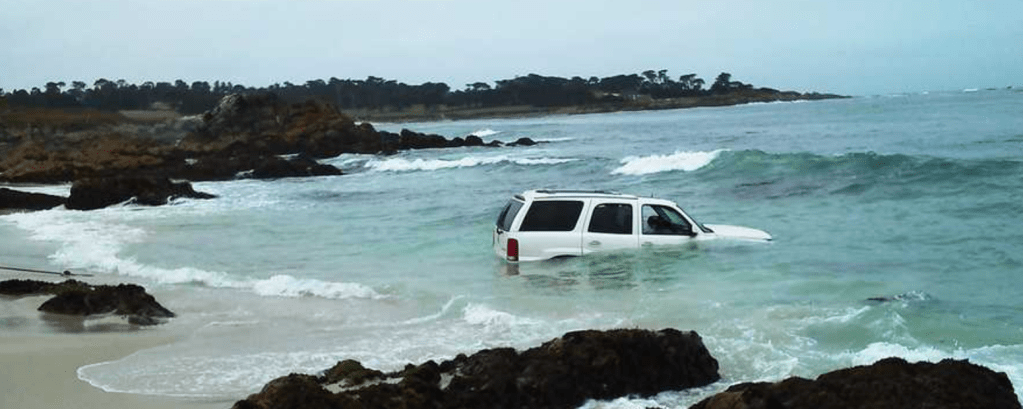
  • Never drive into floodwaters. “Turn around, don’t drown” exists for a reason.
  • Learn basic water rescue skills—but don’t become victim #2 trying to save someone.

Water doesn’t care how confident you are.


3. Hurricanes and Storm Surge (Nature’s Way of Evicting You)

Hurricanes aren’t rare events in Louisiana. They’re seasonal personality traits.

Storm surge and flooding kill more people than wind alone, often after the storm “looks calm.”

Why People Die This Way

  • Ignoring evacuation orders
  • Underestimating storm surge
  • Remaining in flood-prone areas
  • Lack of emergency planning
  • Generator misuse (carbon monoxide poisoning post-storm)

The hurricane doesn’t have to hit directly. Water moves sideways, upward, and into places it absolutely shouldn’t.

How to Survive It

  • Evacuate when told. Pride is not a flotation device.
  • Have a go-bag ready before hurricane season.
  • Elevate valuables and electrical systems.
  • Never run generators indoors or near windows.
  • Stay informed through NOAA weather alerts.

Survival tip: You can’t rebuild if you’re not alive.


4. Firearms Accidents and Violence

Louisiana has a strong gun culture—which means responsibility must match access. Unfortunately, accidents and violent encounters claim lives every year.

Why People Die This Way

  • Unsafe firearm handling
  • Negligent discharges
  • Domestic disputes escalating
  • Criminal violence
  • Lack of situational awareness

Many deaths happen not from intent, but from complacency.

How to Survive It

  • Treat every firearm as loaded.
  • Store guns securely, especially around children.
  • Avoid confrontations whenever possible.
  • Practice de-escalation.
  • Get professional firearms training.

Survival isn’t about being the toughest—it’s about going home.


5. Extreme Heat (The Louisiana Sauna Effect)

Louisiana heat doesn’t politely ask if you’re hydrated. It just takes you down.

Heat-related deaths occur during outdoor work, recreation, or even indoors without proper cooling.

Why People Die This Way

  • Dehydration
  • Heat exhaustion turning into heat stroke
  • Overexertion
  • Alcohol use in high heat
  • Lack of air conditioning

Heat stroke kills fast and quietly.

How to Survive It

  • Drink water constantly, not “when thirsty.”
  • Take breaks in shade or AC.
  • Wear breathable clothing.
  • Avoid peak sun hours.
  • Know the signs of heat illness: dizziness, confusion, nausea.

If you stop sweating, you’re already in trouble.


6. Falls (Yes, Seriously)

Falls kill more people than you think—especially from ladders, roofs, and slick surfaces.

Why People Die This Way

  • Wet floors
  • Poor lighting
  • Unsafe ladders
  • Alcohol use
  • Flood-related debris

One bad fall can lead to fatal head trauma.

How to Survive It

  • Use proper footwear.
  • Secure ladders.
  • Install handrails.
  • Slow down—especially on wet surfaces.
  • Don’t mix alcohol with “home improvement.”

Gravity always wins.


7. Boating Accidents

Louisiana loves boats. Unfortunately, boats don’t love recklessness.

Why People Die This Way

  • No life jackets
  • Alcohol use
  • Overcrowded boats
  • Poor weather awareness
  • Nighttime navigation errors

Water + speed + alcohol = tragedy.

How to Survive It

  • Wear a life jacket at all times.
  • Check weather forecasts.
  • Avoid boating while intoxicated.
  • Carry emergency communication devices.
  • Learn navigation rules.

Boats float. People don’t.


8. Alligator Encounters (They Were Here First)

Alligators are not mascots. They are apex predators with patience.

Why People Die This Way

  • Feeding gators
  • Walking pets near water
  • Swimming in unsafe areas
  • Ignoring warning signs

Gators don’t chase often—but when they do, it’s already too late.

How to Survive It

  • Never feed wildlife.
  • Keep distance from water edges.
  • Walk pets on short leashes.
  • Swim only in designated areas.
  • If you see a gator, leave the area.

You are not faster. You are not stronger.


9. Industrial and Workplace Accidents

Louisiana’s economy includes oil, gas, construction, and shipping—dangerous industries when safety slips.

Why People Die This Way

  • Equipment failure
  • Lack of training
  • Fatigue
  • Ignoring safety protocols
  • Pressure to rush jobs

One shortcut can be fatal.

How to Survive It

  • Follow safety procedures religiously.
  • Use proper PPE.
  • Speak up about unsafe conditions.
  • Rest when fatigued.
  • Respect heavy machinery.

No job is worth your life.


10. Flooding (The Silent Killer)

Flooding kills more Louisianans than most people realize.

Why People Die This Way

  • Driving into water
  • Being trapped in homes
  • Flash floods
  • Poor drainage systems
  • Underestimating water depth

Just six inches of moving water can knock you over.

How to Survive It

  • Never walk or drive through floodwater.
  • Elevate living areas in flood zones.
  • Know evacuation routes.
  • Keep emergency supplies ready.
  • Respect water warnings.

Floodwater doesn’t care how familiar the road looks.


Final Thoughts from a Survivalist Who Likes to Laugh

Louisiana is wild, beautiful, dangerous, and absolutely worth surviving.

Most deaths on this list are preventable, and survival often comes down to:

  • Awareness
  • Preparation
  • Humility
  • Common sense

You don’t need to live in fear—you just need to live prepared.

Stay safe. Stay smart. And remember:
Survival is serious business, but that doesn’t mean we can’t laugh while staying alive.