New Jersey Crime Report 2026: Most Dangerous City, Safest 50K+ City & National Safety Score

New Jersey Crime Survival Report 2026: The Most Dangerous City Over 50,000 — And the Safest Urban Stronghold in the Garden State

New Jersey has a reputation problem.

Mention the state and people think of crowded highways, dense cities, and crime headlines bleeding over from New York and Philadelphia. But reputation and reality are two different case files.

As a professional survival prepper who studies crime data like an undercover investigator mapping a network, I don’t rely on stereotypes. I rely on numbers, patterns, and structural indicators.

Today we’re examining New Jersey cities with populations over 50,000 to identify:

  • The most dangerous and criminally active city
  • The safest large city in the state

No exaggeration. No denial. Just data — analyzed through a preparedness lens.


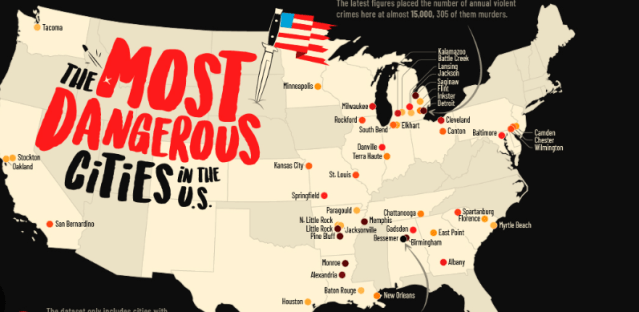
The Most Dangerous Large City in New Jersey: Camden

With a population hovering around 70,000 residents, Camden has long been associated with high crime rates. While the city has made measurable improvements over the past decade, it still ranks as the most crime-impacted city in New Jersey among those over 50,000 residents.

Let’s look at the numbers.

Crime Statistics (Recent FBI & State Reporting Trends)

  • Violent crime rate: Approximately 1,200–1,600 incidents per 100,000 residents
  • Aggravated assault: Often exceeding 900 per 100,000
  • Robbery: Roughly 250–350 per 100,000
  • Homicide rate: Historically elevated, though significantly reduced from peak years
  • Property crime rate: Around 2,500–3,500 per 100,000

Camden once ranked among the most dangerous cities in America. Reforms, including restructuring of the police department, have reduced homicides and overall violent crime substantially compared to the early 2010s.

But per-capita violent crime remains among the highest in the state.


What Makes Camden High-Risk?

When I evaluate a city, I look beyond totals and into structural stress.

1. Concentrated Poverty

Camden struggles with long-term economic hardship. High unemployment and limited economic mobility create fertile ground for underground economies.

Crime doesn’t appear randomly. It clusters where opportunity disappears.

2. Density & Proximity

Camden sits directly across the river from Philadelphia, increasing regional mobility and cross-city criminal activity patterns.

Major transit corridors increase both legitimate commerce and criminal opportunity.

3. Drug Market Activity

Drug trafficking and related disputes historically contributed to violent crime levels. While enforcement and reform have improved trends, narcotics-related incidents remain a factor.

Where illicit markets operate, violence follows.

4. Legacy of Violence

Even as crime drops, reputation lingers. That reputation influences economic investment, housing patterns, and community development — all of which affect long-term safety.


Survival Prepper Risk Assessment: Camden

If you live in Camden:

  • Harden home entry points.
  • Maintain layered security (cameras, lighting, alarms).
  • Avoid predictable routines.
  • Stay aware of neighborhood-specific crime maps.
  • Build trusted local networks — intelligence reduces vulnerability.

Camden is not the chaos it once was. But it requires vigilance.


The Safest Large City in New Jersey: Edison

With a population exceeding 100,000 residents, Edison consistently ranks among the safest large cities in the state.

Yes, there are small suburban towns with lower crime rates — but among cities over 50,000, Edison stands out.

Crime Statistics (Recent Trends)

  • Violent crime rate: Approximately 100–200 incidents per 100,000 residents
  • Aggravated assault: Typically under 100 per 100,000
  • Robbery: Often below 40 per 100,000
  • Homicide: Extremely rare annually
  • Property crime rate: Around 1,000–1,500 per 100,000

Compared to Camden, Edison’s violent crime rate is dramatically lower — often a fraction per capita.


Why Is Edison So Safe?

From an investigator’s standpoint, several stabilizing factors stand out.

1. Strong Median Household Income

Higher median income correlates with lower violent crime. Economic stability reduces desperation-driven offenses.

2. Suburban Infrastructure

Edison’s layout is primarily suburban, with lower density housing and strong zoning separation between commercial and residential areas.

Reduced density often means fewer opportunity crimes.

3. Education & Workforce Stability

Edison benefits from high education attainment and proximity to corporate employment hubs.

Stable careers reduce crime volatility.

4. Community Engagement

Active neighborhood associations, well-funded public services, and consistent policing contribute to low violent crime levels.


Survival Prepper Risk Assessment: Edison

Edison is statistically safe.

But preparedness doesn’t disappear just because the numbers are low.

Recommendations:

  • Basic home security remains essential.
  • Secure packages (porch theft exists everywhere).
  • Prepare more for severe weather events than violent crime.
  • Maintain emergency supplies for coastal storm impacts.

In Edison, natural disasters may pose a greater risk than violent crime.


New Jersey’s Crime Landscape: The Larger Pattern

New Jersey consistently ranks among the safer states for violent crime nationally.

But here’s what most people miss:

Crime in New Jersey is highly localized.

Urban pockets — like Camden — experience elevated rates. Meanwhile, suburban cities like Edison maintain exceptionally low violent crime levels.

The key differences:

  • Income distribution
  • Population density
  • Drug market concentration
  • Regional transit flow
  • Historic investment patterns

As a prepper, I don’t see New Jersey as “dangerous.”

I see it as stratified.

Some neighborhoods demand hardened awareness.

Others demand routine preparedness.

What Kills People in New Jersey The Most — And How Prepared Citizens Stay Alive

New Jersey may be called the Garden State, but don’t let the greenery fool you. Between dense population centers, aging infrastructure, busy highways, unpredictable weather, and human complacency, New Jersey is a state where survival awareness matters.

As a lifelong New Jersey prepper and survivalist, I’ll tell you something most people don’t like to hear:

Most deaths in this state are preventable.

They’re not caused by fate. They’re caused by lack of preparedness, poor situational awareness, and failure to respect everyday risks.

This article covers the Top 10 most common ways people die in New Jersey that are not related to old age, why they happen, and — most importantly — what you must do to avoid becoming a statistic.

This isn’t fear-mongering.
This is practical survival intelligence for living in New Jersey.


1. Drug Overdoses (Especially Opioids and Synthetic Fentanyl)

Why People Die From It in New Jersey

New Jersey has been hit hard by the opioid epidemic, particularly fentanyl, which is now found in everything from heroin to cocaine to counterfeit pills.

People die because:

  • They underestimate potency
  • They unknowingly ingest fentanyl
  • They use alone with no rescue possible
  • They delay calling for help
  • They don’t carry Naloxone (Narcan)

Overdose deaths don’t just affect “addicts.” Weekend users, partygoers, and even first-time experimenters are dying at alarming rates.

How to Survive It

Survival Steps:

  • Carry Narcan (it’s legal and often free in NJ)
  • Never use alone
  • Test substances with fentanyl test strips
  • Learn overdose signs (slow breathing, blue lips, unconsciousness)
  • Call 911 immediately — NJ has Good Samaritan protections

Prepper Mindset:
You don’t need to approve of drug use to prepare for reality. Carry Narcan the same way you carry a tourniquet.


2. Motor Vehicle Crashes (Cars, Motorcycles, and Pedestrians)

Why People Die

New Jersey has some of the most congested highways in America. Fatal crashes happen due to:

  • Speeding and aggressive driving
  • Distracted driving (phones)
  • Impaired driving
  • Poor road conditions
  • Pedestrian strikes in urban areas

Motorcyclists and pedestrians are especially vulnerable.

How to Survive It

Survival Steps:

  • Assume every driver is distracted
  • Avoid driving during peak crash hours (late night, rush hour)
  • Wear seatbelts — every trip
  • Motorcyclists: full protective gear, no exceptions
  • Pedestrians: high-visibility clothing, eye contact before crossing

Prepper Mindset:
Driving is the most dangerous thing most people do daily. Treat it like a survival operation, not a routine task.


3. Suicide and Mental Health Crises

Why People Die

Stress, financial pressure, isolation, addiction, and untreated mental illness claim thousands of lives in NJ every year.

People die because:

  • They feel trapped with no options
  • They don’t seek help
  • They lack community support
  • They have easy access to lethal means

How to Survive It

Survival Steps:

  • Build real community connections
  • Remove or secure lethal means during crisis periods
  • Normalize mental health check-ins
  • Use crisis resources when needed (988 Lifeline)
  • Learn to recognize warning signs in others

Prepper Mindset:
Mental resilience is survival gear. A strong mind keeps you alive longer than any weapon or stockpile.


4. Homicide and Violent Crime

Why People Die

Most homicides in NJ are:

  • Personal disputes
  • Domestic violence
  • Gang-related
  • Situational crimes (wrong place, wrong time)

Violence escalates fast when emotions, substances, and weapons mix.

How to Survive It

Survival Steps:

  • Avoid predictable routines
  • Practice situational awareness
  • De-escalate conflicts whenever possible
  • Trust your instincts — leave early
  • Take self-defense training

Prepper Mindset:
The best fight is the one you never enter. Survival means avoidance first, defense second.


5. Falls and Traumatic Injuries (Not Just the Elderly)

Why People Die

Falls kill more people than most realize — including:

  • Construction accidents
  • Ladder falls
  • Slips on ice
  • DIY home projects gone wrong

Head injuries are often fatal.

How to Survive It

Survival Steps:

  • Use safety equipment (helmets, harnesses)
  • Avoid risky shortcuts
  • Clear ice and hazards promptly
  • Never rush physical tasks
  • Keep homes well-lit and clutter-free

Prepper Mindset:
Overconfidence kills. Respect gravity — it never misses.


6. Heart Attacks and Sudden Cardiac Events (Non-Elderly)

Why People Die

Heart attacks don’t just affect seniors. In NJ, many occur due to:

  • Chronic stress
  • Poor diet
  • Smoking and vaping
  • Undiagnosed conditions
  • Delayed response

How to Survive It

Survival Steps:

  • Know warning signs (jaw pain, shortness of breath, nausea)
  • Keep blood pressure in check
  • Learn CPR
  • Call 911 immediately — don’t “wait it out”
  • Reduce daily stress where possible

Prepper Mindset:
Your heart is a mission-critical system. Maintain it like your life depends on it — because it does.


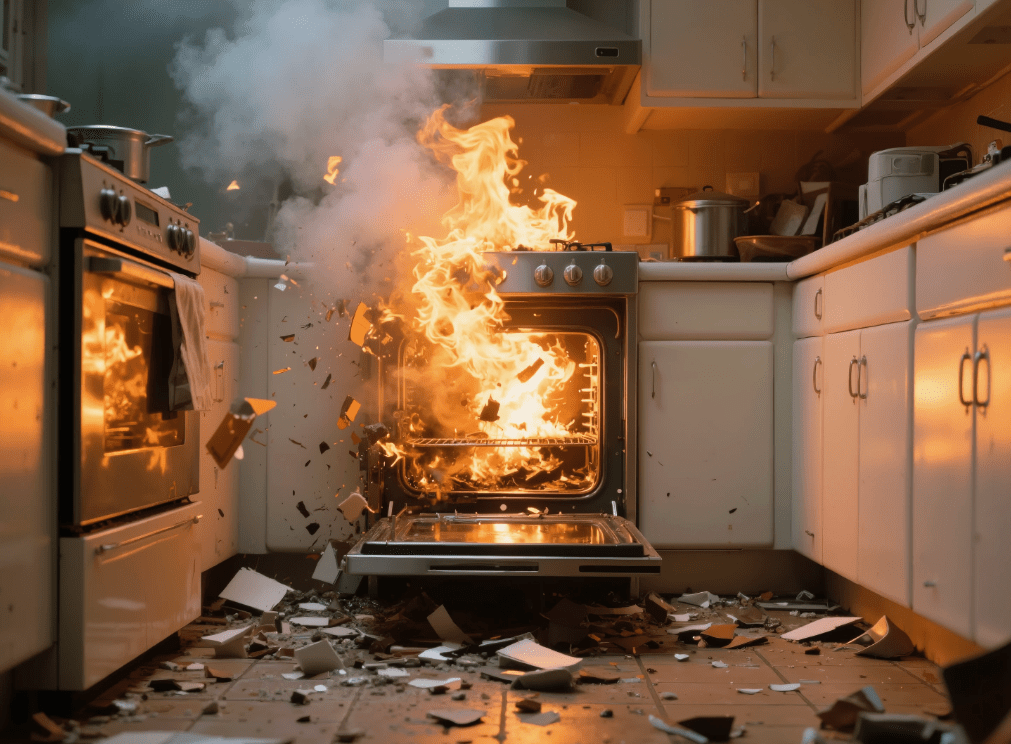
7. House Fires and Residential Fires

Why People Die

Fires kill through smoke inhalation, not flames.

Common causes include:

  • Faulty wiring
  • Space heaters
  • Cooking accidents
  • Candles
  • Smoking indoors

How to Survive It

Survival Steps:

  • Install smoke detectors on every level
  • Test alarms monthly
  • Keep fire extinguishers accessible
  • Practice escape plans
  • Never overload outlets

Prepper Mindset:
Fire moves faster than panic. Preparation buys you seconds — and seconds save lives.


8. Carbon Monoxide Poisoning

Why People Die

Carbon monoxide is silent and invisible.

Deaths occur from:

  • Faulty furnaces
  • Blocked vents
  • Generators used indoors
  • Car exhaust in garages

How to Survive It

Survival Steps:

  • Install CO detectors near bedrooms
  • Service heating systems annually
  • Never run engines indoors
  • Vent fireplaces properly

Prepper Mindset:
If you can’t see the threat, your gear must detect it for you.


9. Drowning (Beaches, Lakes, and Rivers)

Why People Die

New Jersey’s coastline and waterways claim lives every year due to:

  • Rip currents
  • Alcohol use
  • Overconfidence in swimming ability
  • Cold water shock

How to Survive It

Survival Steps:

  • Swim near lifeguards
  • Learn rip current escape techniques
  • Wear life jackets when boating
  • Avoid alcohol while swimming

Prepper Mindset:
Water doesn’t care how fit you are. Respect it or it will humble you fast.


10. Extreme Weather and Environmental Exposure

Why People Die

New Jersey experiences:

  • Heat waves
  • Winter storms
  • Flooding
  • Hurricanes and nor’easters

Deaths happen due to:

  • Power outages
  • Hypothermia
  • Heatstroke
  • Flooded vehicles

How to Survive It

Survival Steps:

  • Maintain emergency kits
  • Stock food, water, and meds
  • Never drive through floodwater
  • Have backup heat and power plans
  • Monitor weather alerts

Prepper Mindset:
Weather doesn’t kill people — lack of preparation does.


Final Survival Takeaway

Most people don’t die because they didn’t know better.

They die because they:

  • Ignored warnings
  • Assumed “it won’t happen to me”
  • Failed to prepare
  • Reacted instead of planned

Survival in New Jersey isn’t about paranoia.


It’s about awareness, discipline, and respect for reality.

Prepare now — while you still have the choice.