As a survival prepper, I’ve learned one truth that many people underestimate: the most dangerous threats are often the smallest and most overlooked. In Ohio, people tend to focus on severe weather, power outages, or economic uncertainty. But insects—tiny, silent, and often ignored—can pose serious, sometimes fatal risks under the right conditions.
Let’s be clear and responsible from the start: Ohio does not have “instantly deadly” insects roaming every backyard. However, insects in this region can lead to life-threatening outcomes through allergic reactions, venom toxicity, infections, and disease transmission—especially when preparedness is lacking or medical response is delayed.
This article is not meant to cause fear. It’s meant to build awareness, readiness, and survival discipline. Knowledge keeps you alive. Preparation stacks the odds in your favor.
Below are the most dangerous insects found in Ohio, why they’re dangerous, and what a survival-minded individual can do to reduce risk and stay alive.
1. Mosquitoes: Ohio’s Most Lethal Insect (By Numbers)
If you think mosquitoes are just an itchy nuisance, you’re already behind.
Globally and nationally, mosquitoes are responsible for more human deaths than any other insect due to their role as disease vectors. In Ohio, mosquitoes are known carriers of West Nile virus, Eastern Equine Encephalitis (EEE), and other pathogens that can cause severe neurological complications or death in rare cases.
Why Mosquitoes Are Dangerous
They transmit diseases without immediate symptoms
Infections can escalate quickly in vulnerable individuals
Standing water is common in Ohio’s climate
Peak activity aligns with summer outdoor exposure
Survival Prepper Strategy
Eliminate standing water around your property weekly
Use physical barriers like screens and protective clothing
Avoid peak mosquito hours (dawn and dusk)
Keep your immune system strong through sleep, nutrition, and hydration
A prepper understands that disease prevention is survival, not convenience.
2. Bees and Wasps: Small Stingers, Massive Risk
Bees, yellowjackets, hornets, and wasps are common throughout Ohio. For most people, a sting is painful but manageable. For others, a single sting can trigger anaphylaxis, a rapid, life-threatening allergic reaction.
Many fatalities linked to insect stings occur because:
The person didn’t know they were allergic
Emergency care was delayed
The sting occurred in a remote area
Why Stinging Insects Are Dangerous
Venom can trigger airway swelling and shock
Multiple stings increase toxin load
Nests are often hidden or disturbed accidentally
Survival Prepper Strategy
Learn nest locations on your property
Avoid sudden movements around stinging insects
Keep emergency response plans when hiking or working outdoors
Know the signs of severe allergic reactions and act immediately
Preparedness is not panic—it’s anticipation.
3. Ticks: The Slow Killers Most People Forget
Ticks are not insects technically, but from a survival standpoint, they belong in this discussion.
Ohio has seen a rise in Lyme disease, Rocky Mountain spotted fever, and other tick-borne illnesses. These diseases may not kill quickly, but untreated infections can lead to long-term disability or life-threatening complications.
Why Ticks Are Dangerous
Bites are often painless and unnoticed
Symptoms may appear days or weeks later
Early treatment is critical for survival
Survival Prepper Strategy
Perform full body tick checks after outdoor activity
Wear light-colored clothing to spot ticks easily
Shower soon after exposure to wooded or grassy areas
Remove ticks promptly using proper techniques
In survival terms, delay equals danger.
4. Brown Recluse Spiders: Rare, But Serious
Brown recluse spiders are not widespread in Ohio, but confirmed populations exist, especially in southern regions and inside structures.
Their venom can cause severe tissue damage in rare cases and may lead to systemic complications if left untreated.
Why Brown Recluses Are Dangerous
Bites may go unnoticed at first
Tissue damage can worsen over time
Secondary infections increase risk
Survival Prepper Strategy
Reduce clutter where spiders hide
Shake out clothing and bedding in storage
Seal cracks in homes and garages
Seek medical evaluation for unexplained, worsening wounds
Prepared living spaces are safer living spaces.
5. Fire Ants and Invasive Stinging Species
While not as established in Ohio as southern states, invasive stinging ants are increasingly reported due to climate shifts and transported materials.
Multiple stings can overwhelm the body, especially in children or those with allergies.
Why They’re Dangerous
Aggressive swarm behavior
Venom accumulates with multiple stings
Can cause systemic reactions
Survival Prepper Strategy
Monitor new insect activity on your land
Treat infestations early
Avoid disturbing mounds
Wear protective footwear outdoors
Early detection is a prepper’s best defense.
Environmental Factors That Increase Insect Risk in Ohio
A survival-focused mindset considers conditions, not just creatures.
Factors that increase danger include:
Flooding and heavy rainfall
Warm, humid summers
Abandoned structures
Poor sanitation or waste management
Preparedness means controlling your environment, not just reacting to threats.
What To Do If You’re Bitten or Stung
From a survival perspective, response matters more than fear.
General Survival Principles
Stay calm to slow venom spread
Move away from the insect source
Monitor symptoms closely
Seek medical care if symptoms worsen or become systemic
Never ignore:
Difficulty breathing
Rapid swelling
Confusion or dizziness
Fever following a bite
In survival situations, denial kills. Early action saves lives.
Final Prepper Thoughts: Small Threats, Serious Consequences
The average person underestimates insects because they’re small, common, and familiar. A survival prepper knows better.
In Ohio, insects are unlikely to kill a healthy, prepared individual—but lack of awareness, delayed response, and poor planning turn manageable risks into deadly outcomes.
Preparedness isn’t about fear. It’s about respecting reality.
Control your environment. Learn the risks. Prepare your response.
That’s how you survive—no matter how small the threat appears.
Ohio’s Worst Roads to Drive on During a Disaster Written by a Well-Traveled Survivalist
I’ve spent years charting backroads, crawling through mud-slick forest trails, and navigating disaster-struck towns from the Gulf to the Great Lakes. But nowhere tests your grit like Ohio when nature—or chaos—comes knocking. Between Lake Erie storms, industrial accidents, train derailments, and winter whiteouts, Buckeye roads can turn deadly fast.
Now, I’m not talking about a pothole here and there—though Lord knows Ohio’s got those in spades. I’m talking about roads that become death traps when the grid fails, GPS dies, and panicked drivers clog every escape route like ants fleeing a flood.
If you want to survive when the power’s out, water’s rising, or the sky’s turning green, you need to know where not to drive—and more importantly, how to drive when disaster strikes. Below are the worst roads to avoid in Ohio during a disaster scenario, 15 survival driving skills to get you through hell and back, and 3 DIY driving hacks for when you’re flat out of fuel and time.
Ohio’s Worst Roads During a Disaster
1. Interstate 71 (Cincinnati to Cleveland)
Sounds like a solid escape route, right? Not during a crisis. This highway runs through Columbus, one of Ohio’s most congested urban areas. During an evacuation, it clogs up like a backed sewer. Add a winter storm or mass panic and you’ve got an open-air parking lot stretching for miles.
2. Interstate 75 (Toledo to Cincinnati)
I-75 is infamous for multi-vehicle pileups in fog, rain, and snow. This highway cuts through Dayton—an area prone to tornadoes and flooding. Avoid it if the weather’s turned or the state’s issued a major emergency.
3. U.S. Route 23 (Columbus to Toledo)
Route 23 becomes dangerously slick in icy conditions and is one of the first to close when weather takes a turn. It also runs parallel to active rail lines, making it risky during train derailments or chemical spills.
4. Interstate 480 (Cleveland area)
In an urban disaster, this heavily trafficked highway near Cleveland becomes a choke point. Accidents on overpasses or bridges can trap you fast, especially during snow or ice storms.
5. State Route 2 (Sandusky to Cleveland)
This road hugs Lake Erie, and in a storm surge or polar vortex, it’s as treacherous as they come. Winds whip across the lake, snow drifts swallow cars whole, and visibility drops to near zero.
6. Appalachian Routes (SR-78, SR-56, SR-93)
Ohio’s Appalachian counties are rural, rugged, and stunningly beautiful. But during a disaster? Twisting two-lane mountain roads become slippery, isolated deathtraps with poor cell reception and limited rescue access.
7. Interstate 270 (Columbus Outerbelt)
In a mass-evacuation, this beltway around Columbus is gridlocked in minutes. If you’re not out ahead of the pack, you’re stuck.
15 Survival Driving Skills That Might Save Your Life
Terrain Scouting Don’t rely on GPS. Study topographic maps and understand elevation, flood zones, and alternate rural routes.
Night Navigation Without Headlights Use moonlight and silhouette driving to evade detection in hostile situations or urban unrest. Practice in safe, dark areas.
Engine Quieting In stealth situations, you may need to run your engine intermittently. Learn how to muffle noise with insulation or by coasting.
Brake Feathering Master the art of slowing without flashing your brake lights—essential in a stealth convoy or if being followed.
Improvised Traction Stuck in mud or snow? Use your car’s floor mats, branches, or gravel to regain traction.
Driving in Reverse at Speed Learn how to maneuver your vehicle in reverse under control. Can save you when a dead-end or ambush blocks the road.
Two-Wheel Off-Road Navigation If you don’t have four-wheel drive, learn how to modulate throttle and steering to limp through dirt roads or grassy fields.
Reading Smoke and Sky A change in wind or the color of the sky can tell you where not to go. Drive upwind of smoke and avoid valleys during fires.
Mirror Discipline Cover or remove mirrors when parked in dangerous zones to prevent glints from giving away your position.
Quick U-Turns Practice J-turns or handbrake turns in open areas. Knowing how to flip your direction fast can avoid disaster—literally.
Low-Visibility Driving Fog lights, window treatments, and windshield management are critical. Rain-X or a DIY vinegar mix keeps vision clear.
Crossing Flooded Roads Don’t do it if water’s over your axle. If you must, drive slow and steady. Keep momentum—don’t stop in the middle.
Mechanical Triage Know how to bypass a starter relay, fix a belt with a shoelace, or clear a clogged fuel line.
Using Vehicles as Barriers Need cover? A car can be a bullet barrier. Park diagonally across roads to stop traffic behind you if needed.
Convoy Driving and Signals Hand signals, CB radios, and tail-light codes matter when driving in groups. Never assume you’ll have cell coverage.
3 DIY Survival Driving Hacks When You’re Out of Gas
1. Alcohol-Based Fuel Substitutes In a pinch, high-proof alcohol (like Everclear or some rubbing alcohol blends) can power older carbureted engines. Filter it thoroughly and mix with any remaining fuel. Not ideal—but if you’re stuck in the woods, it might get you 5–10 miles.
2. Gravity-Fed Fuel Transfer No siphon pump? Use gravity. A hose and a bottle placed below the fuel tank level can pull out fuel from an abandoned vehicle. Elevate the donor car if needed.
3. Wood Gasifier Rig (Long-Term Hack) This is for the die-hards. You can convert a wood-burning campfire into usable vehicle fuel using a homemade gasifier. This involves heating wood chips in a sealed chamber to release flammable gases. It’s bulky, but if you’re bugging out permanently—worth learning.
Final Thoughts from the Road
Disaster doesn’t care if your tank is full or if you’re ten minutes from home. When the sirens blare or the sky turns dark, you’ll either be ready—or stuck. Ohio may not be the Rockies or the deserts of Nevada, but don’t let the Midwest charm fool you. Black ice, whiteouts, and chemical spills are just as deadly as any landslide or wildfire.
Preparation isn’t about paranoia—it’s about options. Know the bad roads, master the survival skills, and always—always—keep your head on a swivel.
Listen here, I’m sick and tired of folks thinking the homestead life is some kind of leisurely stroll through a field of daisies. Out here in Ohio, it’s a battle every damn day. The weather’s fickle as a wild fox, the soil’s a pain in the ass to work with, and the so-called “easy homestead life” is a fairy tale told by city folk who don’t know a plow from a pitchfork.
I’ve been busting my back on this Ohio homestead for years, and I’ll tell you this straight: if you ain’t ready to learn and work like a damn machine, you might as well pack it up and go back to your cushy apartment with your grocery store aisles. This ain’t no hobby. It’s survival.
Let me break down what it really takes to keep a homestead running here in the Buckeye State. And I’m not just talking about planting a few tomatoes and calling it a day. No, you’ve gotta be skilled up, hands dirty, brain working, and heart set on this life, or you’ll starve or freeze come winter.
15 Homestead Skills You Better Learn Quick
Soil Preparation and Composting This land won’t grow squat if you don’t build your soil right. You better know how to compost kitchen scraps, manure, and dead leaves into gold. If your soil’s dead, your crops die.
Garden Planning and Crop Rotation Planting the same damn crop in the same spot year after year is how you kill your soil. You gotta know which crops work well together, and which ones suck the life out of the dirt.
Seed Saving Buying seeds every year? Ha! That’s money wasted. Save your own seeds from your best plants. It’s cheaper and your plants will adapt better to Ohio’s climate.
Basic Carpentry If you think you can build a coop or fix a fence without basic carpentry skills, you’re dreaming. Get comfortable with saws, hammers, and nails, or you’re done.
Animal Husbandry Whether it’s chickens, goats, or pigs, knowing how to care for animals is non-negotiable. Feed ’em right, clean their pens, and know when they’re sick.
Preserving Food Canning, drying, freezing—whatever it takes to store your harvest so you don’t waste it. Ohio winters are brutal, and you’ll need food stockpiled.
Herbal Medicine Modern medicine isn’t always around on a homestead. Learn which plants treat cuts, burns, or stomach aches. A little knowledge can save a trip or a hospital bill.
Firewood Cutting and Splitting Heating with firewood is how we survive cold snaps. Chainsaws, axes, splitting mauls—master them or freeze your butt off.
Water Management and Rainwater Harvesting Rain here isn’t reliable. Collect it, store it, and manage runoff so your crops don’t drown or parch.
Basic Plumbing and Repairs When the water line freezes or the septic acts up, you can’t call a plumber. Know how to fix leaks, clear pipes, and maintain your water system.
Trap and Hunt Small Game Sometimes the garden fails or runs dry, and a homesteader’s gotta eat. Small game hunting and trapping can fill the freezer.
Soap Making Cleanliness matters, but store-bought soaps often come with nasty chemicals. Make your own with lye and animal fats.
Beekeeping Bees mean pollination, which means better crops and honey. Knowing how to manage a hive is a skill worth its weight in gold.
Blacksmith Basics Fixing tools and making hooks or hinges out of scrap metal keeps your homestead running. You don’t need to be a pro, but you better know some basics.
Weather Forecasting Without Technology If the power’s out, the internet’s down, and your phone’s dead, how do you know when a storm’s coming? Learn to read the sky, the wind, and the critters for signs.
The Real Dirt on Ohio Weather and Land
If you think Ohio is all flat plains and gentle rolling hills, think again. It’s a patchwork of rocky soil, stubborn clay, and pockets of good land that’ll bite you if you don’t respect it. Spring floods can drown your seeds before they even sprout, and summer droughts will fry your crops if you don’t irrigate right.
And don’t get me started on winter. We get snow and ice like nobody’s business. If you’re not prepared to feed your livestock and keep water flowing, you’re done. A single frozen pipe or an empty feed bin means disaster.
3 DIY Homestead Hacks That Will Save Your Bacon in Ohio
1. Old Tire Raised Garden Beds Don’t have money for fancy beds? Stack old tires filled with good soil and compost. They retain heat, drain well, and keep your plants from being smothered in that Ohio clay muck.
2. DIY Solar Water Heater Cut a black hose, coil it on your roof or south-facing wall, and connect it to a water tank. The sun will warm your water for washing and watering plants without a dime spent on propane.
3. Chicken Coop Heat Lamps Using Broken Headlights Don’t toss old car headlights! Clean ’em, mount a heat lamp bulb inside, and you’ve got a reflector to keep your chicks warm through cold snaps.
Why Most People Quit
I see it every year — fresh-faced city folk with dreams of homesteading glory move out here, and six months later, they’re back on Craigslist selling off their chickens and tools. They didn’t learn the skills, they didn’t prepare for Ohio’s brutal climate swings, and they underestimated the work.
Homesteading isn’t about Instagram-worthy garden pics or “sustainable living” buzzwords. It’s about hard, gritty work day in and day out. It’s waking before dawn to milk a goat, fixing a fence in a thunderstorm, or hauling a cord of firewood when your back screams.
The Honest Truth
If you want to survive and thrive on an Ohio homestead, start with learning these skills, get your hands dirty, and stop whining about the weather or “how hard it is.” Every skill listed above is a lifeline. They’re what separate the homesteader from the wannabe.
There’s no room for laziness or shortcuts here. Nature doesn’t care about your schedule, and neither does the land. You gotta respect it, work with it, and adapt. Only then will you turn this rough Ohio soil into a homestead that feeds your family through harsh winters and fickle seasons.
Final Warning
So don’t come here thinking you can hop on a tractor once a week, plant some seeds, and call it a homestead. Learn the skills, build the hacks, and sweat blood for it. Otherwise, you’re just another quitter with a pile of rusty tools and broken dreams.
Ohio’s a beautiful place to homestead — but it’s no damn vacation. Get your hands dirty, your mind sharp, and your grit thick. That’s the only way you’ll make it through the Ohio homestead lifestyle without losing your mind.
The Ultimate List of Survival Foods You Should Grow Yourself
(Told by a Fed-Up, No-Nonsense Survivalist)
Listen up. If you think the grocery store is your safety net, you’re already screwed. This isn’t a joke and it sure as hell ain’t a game. When the trucks stop rolling, the power goes out, or the world goes sideways — your fancy apps and two-day shipping won’t feed you.
You want to survive? You GROW your food.
I’m not talking about pretty little herb gardens. I’m talking calorie-dense, nutrient-rich, survival-grade crops that’ll keep you and your family alive when the rest of the neighborhood is fighting over moldy cans of beans.
Here’s the no-BS list of survival foods you should be growing RIGHT NOW — and if you’re not, then get off your butt and get planting.
🔥 The Survival Foods You NEED To Grow
Potatoes These starchy workhorses are loaded with carbs and keep well in a root cellar. Grow them in buckets, raised beds, whatever you’ve got. Easy, fast, and reliable.
Beans (Pole & Bush) High in protein, they’re your best friend when meat isn’t an option. They also fix nitrogen in the soil — which means better yields overall.
Corn Don’t grow sweet corn for fun. Grow dent or flint corn — the kind you can dry and grind into meal. This is real survival food.
Winter Squash Long shelf life. Heavy on calories. Butternut, acorn, spaghetti — doesn’t matter. They’ll keep through winter if stored right.
Garlic Not just for flavor. Garlic is antibacterial, antifungal, and boosts immunity. Plus, it stores for months.
Onions Adds depth to every meal, and it’s another strong natural antibiotic. Plant a lot — they go quick.
Carrots Vitamin A bombs. Easy to grow, easy to store, and great for morale. Don’t underestimate morale food.
Kale and Collards Leafy greens that don’t quit. They’ll grow in frost and keep producing for weeks. Nutrient-rich and damn tough.
Cabbage Eat it raw, cooked, or ferment it into sauerkraut for gut health. Stores well and produces big.
Tomatoes (Paste Types) Forget salad tomatoes. Grow Roma or San Marzano. They’re meaty, great for sauces, and can be preserved easily.
Peppers Bell or hot, they’re loaded with vitamin C and they dehydrate well. Hot peppers also help preserve food and boost metabolism.
Sweet Potatoes Grow the greens and the tubers. High in nutrients, hardy in poor soil, and sweet enough to break up food boredom.
Zucchini One plant can feed a neighborhood. You’ll get tired of zucchini before it stops producing.
Turnips Fast-growing and reliable. The roots feed you, the greens feed your livestock or compost. Win-win.
Herbs (Basil, Thyme, Oregano) Not just flavor. Many herbs have medicinal benefits, and let’s be honest — bland food kills morale faster than cold weather.
🧠 Top 15 Survival Skills You Better Learn Yesterday
Canning and Preservation If you can’t store it, you’re wasting harvest. Learn water bath and pressure canning NOW.
Seed Saving No seed = no food next season. Learn to save and store seeds properly.
Composting Fertilizer won’t fall from the sky. Compost everything — food scraps, manure, leaves.
Irrigation Setup No water = dead garden. Build a rain catchment system or gravity-fed drip line.
Crop Rotation Don’t plant the same thing in the same spot. It destroys your soil.
Soil Building Healthy soil is LIFE. Use compost, mulch, manure, and worm castings.
Foraging Know what edible weeds and wild plants grow near you — just in case your garden fails.
Basic First Aid What’s that got to do with food? A LOT when you slice your hand harvesting cabbage in a blackout.
DIY Pest Control No pesticides? Learn natural methods — neem oil, diatomaceous earth, companion planting.
Root Cellar Building Store food the old-school way — underground and temperature-stable.
Cooking Without Power Solar oven, rocket stove, open fire. Know them all.
Water Purification Rainwater + bacteria = diarrhea. Filter it, boil it, or don’t drink it.
Tool Maintenance A broken hoe doesn’t feed you. Learn how to fix and sharpen your gear.
Animal Husbandry (Bonus) Chickens, rabbits, goats — they add meat and manure to your homestead. Even if you start small.
🛠️ 3 DIY Survival Hacks You’ll Thank Me For Later
5-Gallon Bucket Potato Tower No space? No problem. Drill drainage holes in a 5-gallon bucket. Plant seed potatoes at the bottom, keep adding soil as they grow. Harvest a full bucket of potatoes in a few months.
Homemade Self-Watering Containers Take two buckets. One for the water reservoir, one with soil and a wicking system. Perfect for growing during hot months or if water is limited.
Eggshell Calcium Boost Dry and crush eggshells, sprinkle them in your garden beds. It adds calcium, keeps slugs away, and helps prevent blossom-end rot in tomatoes.
Final Word from a Tired, Angry Survivalist
Look — I don’t care who you voted for. I don’t care how many TikToks you’ve watched about prepping. If you don’t get serious and start growing your own food, you’re gambling with your life.
The system is fragile. The soil is ready. The question is — are you?
You don’t need land, money, or even experience. You need the will to survive, some dirt, and the guts to get started.
Start now. Not tomorrow. Not when things “calm down.” Because when it all goes dark — those who grow, eat. And those who wait… don’t.
The Best States to Grow a Survival Garden
(Told Straight by Someone Who Actually Grows Their Own Damn Food)
Let’s cut the fluff. If you’re thinking about survival gardening, your location matters — a lot. You don’t want to be stuck trying to grow tomatoes in 100-degree desert heat or watching your crops rot from nonstop rain in the Pacific Northwest. You need a place where the soil is good, the growing season is long, and the government leaves you alone.
So here it is — the hard truth about the best states to grow a survival garden. I’m talking about places where you can grow enough food to survive, thrive, and stick it to the system if things go sideways.
1. Tennessee
You want rich soil? You want rain? You want a long growing season and low land prices? Tennessee checks all the boxes. Mild winters, plenty of sunshine, and you can grow almost everything here — beans, corn, squash, tomatoes, leafy greens, potatoes, fruit trees. The laws are also favorable to homesteaders. Not too many restrictions, and folks mind their own business.
2. Missouri
The Ozarks are a survivalist’s dream. Tons of natural resources, plenty of fresh water, and excellent soil. Plus, land is still affordable if you know where to look. You can grow food, raise animals, and build off-grid without some HOA telling you your solar panels are “unsightly.” It’s no wonder so many preppers are quietly heading this way.
3. North Carolina
Western North Carolina especially. Good elevation, great soil, and a long enough growing season to plant more than one crop per year. You’ve got access to fresh water from mountain streams, and the climate isn’t brutal. It’s a solid blend of self-sufficiency potential and relative safety from extreme weather.
4. Kentucky
If you want underrated, this is it. Kentucky is quiet, lush, and has some of the best topsoil in the country. It’s perfect for growing survival staples like corn, beans, squash, and root veggies. There’s plenty of space, low taxes, and folks are generally self-reliant and leave you alone — exactly how we like it.
5. Texas (East Texas, specifically)
Forget West Texas unless you like growing dust. East Texas, though? It’s humid, green, and fertile. Long growing season, tons of water, and enough room to build a self-sustaining setup. The state itself has a strong “don’t tread on me” culture — and that counts for something when the grid goes down.
Final Word
You can prep all you want, but if you’re trying to grow food in a place where nothing grows, you’re wasting your time. Survival gardening isn’t just about planting seeds — it’s about being strategic, knowing your climate, and choosing a location where your garden will feed your family, not fail you when you need it most.
So stop scrolling and start planning. Because when the supply chain collapses, real security isn’t ammo — it’s potatoes.
Ohio’s Natural Disasters: The Top Prepper Tips You Need
Living in Ohio means experiencing a variety of natural disasters that can strike at any moment, and for those of us who have embraced the survivalist mindset, preparation is key. Ohio may not have the frequent wildfires or hurricanes that other parts of the country face, but we are certainly not immune to serious threats like tornadoes, severe winter storms, flooding, and even earthquakes. As a survival prepper in Ohio, I’ve learned that the only way to face these challenges is to plan ahead, be aware of the risks, and make sure that you and your loved ones are ready for whatever comes our way.
1. Understanding Ohio’s Most Dangerous Natural Disasters
Ohio is known for its unpredictable weather patterns, which can sometimes change in the blink of an eye. The state is especially susceptible to severe storms, tornadoes, flooding, and harsh winters. Understanding the nature of each disaster is critical to being able to prepare for them.
Tornadoes: The Silent Destroyer
Ohio is part of “Tornado Alley,” and although we don’t experience as many tornadoes as states like Kansas or Oklahoma, we still see dozens of them each year. In fact, Ohio averages 15-20 tornadoes annually, particularly in the spring and summer months. Tornadoes can strike with little warning, and their damage is often catastrophic. Knowing how to respond quickly and effectively is crucial.
Winter Storms and Extreme Cold
While not as intense as some of the blizzards that hammer the Northeast, Ohio still experiences significant winter storms, with heavy snowfalls, freezing rain, and temperatures that regularly dip below zero. These winter conditions can leave roads impassable, power lines downed, and homes without heat.
Flooding
Ohio has many rivers, and when heavy rain hits, they can overflow and flood homes, roads, and fields. The worst flooding in Ohio’s history occurred in 1937, but more recent floods have still caused severe damage. Communities along the Ohio River and its tributaries are particularly vulnerable, but flash floods can also strike with little warning anywhere in the state.
Earthquakes
While Ohio is not known for frequent seismic activity, the state has experienced earthquakes in the past. The 1937 Anna Earthquake and the 1931 Anna Earthquake were both significant, and there is always the possibility of a small earthquake occurring near Ohio’s fault lines.
Extreme Heat
Though Ohio winters can be harsh, the summer months can bring scorching heatwaves, especially in urban areas where heat islands form. These high temperatures can lead to heat exhaustion, dehydration, and in severe cases, heatstroke, especially for vulnerable populations like the elderly and children.
Severe Thunderstorms and Lightning
Thunderstorms are frequent in Ohio, particularly in the spring and summer. These storms can bring dangerous lightning, hail, and strong winds. A particularly dangerous aspect of these storms is the possibility of downed power lines and flooding due to heavy rain.
2. Building a Comprehensive Emergency Kit for Ohio’s Disasters
A major part of prepping is ensuring that you have the right supplies. Whether you’re dealing with a tornado, a winter storm, or flooding, certain items will be essential to your survival. Here’s a breakdown of what every Ohioan prepper should have in their emergency kit:
Water – At least one gallon per person per day for at least three days.
Non-perishable food – Canned goods, freeze-dried meals, and protein bars.
First-aid kit – Bandages, antiseptics, pain relievers, and prescription medications.
Flashlights – Preferably hand-crank or solar-powered to save batteries.
Extra batteries – Always have spares for flashlights, radios, and other devices.
Portable charger – Solar-powered chargers are the best option.
Blankets and sleeping bags – Warmth is essential in Ohio’s cold winters.
Multi-tool – A good multi-tool can help in a variety of situations.
Weather radio – A NOAA weather radio will keep you updated on the latest emergency alerts.
Fire-starting tools – Matches, lighters, and a fire starter.
Important documents – Copies of IDs, insurance papers, and medical records.
Clothing and footwear – Pack durable and weather-appropriate clothing for each member of your family.
Pet supplies – Don’t forget your furry friends – food, water, and medicines.
Cash – During and after a disaster, access to banks and ATMs may be limited.
In addition to these supplies, make sure you have a plan for food storage, heating, and cooking if the power goes out for an extended period.
3. Ten Survival Prepper Tips for Ohio Residents
Preparing for natural disasters isn’t just about having an emergency kit—it’s also about knowing how to respond in different situations. Here are ten tips for Ohio preppers:
Have a Shelter Plan – Ohio is home to tornadoes, and you need to know where to go for safety. A basement or storm cellar is ideal, but if you don’t have one, a small interior room without windows is your best option.
Winterize Your Home – Before winter hits, make sure your heating system is in good working condition, windows are sealed, and you have extra blankets, coats, and warm clothing on hand. Stock up on salt for driveways and sidewalks, and keep a snow shovel handy.
Know Your Flood Zones – Research the flood-prone areas in your community and consider moving valuable items to higher ground. Keep an emergency evacuation route mapped out in case floodwaters rise unexpectedly.
Prepare for Power Outages – Ohio’s storms can knock out power for days at a time. Have backup generators, a battery-powered charger, and enough fuel to run them for several days. Keep the refrigerator door closed to prevent food from spoiling.
Stockpile Emergency Water – Ohioans know that floods can happen after heavy rains, but so can droughts. Keep a good supply of water on hand, especially if you’re in an area susceptible to supply interruptions.
Stay Informed – Always keep an eye on the weather forecast, especially during spring and summer, when severe weather is most common. A reliable weather radio can be a lifesaver.
Create a Family Communication Plan – If the power goes out, and you are separated from your family, it’s essential to know how to contact each other. Have a designated meeting point, and ensure that everyone knows how to reach emergency services.
Learn Basic First Aid – In emergencies, medical care may be delayed, so it’s important to know how to treat injuries, stop bleeding, and perform CPR if necessary.
Secure Your Home – For tornadoes and other high-wind events, reinforce your roof, windows, and doors. In some cases, it may even be worth investing in storm shutters or a reinforced storm shelter.
Practice Emergency Drills – Practice your tornado, fire, and flood evacuation plans regularly. The more familiar you and your family are with your disaster plan, the quicker and more calmly you’ll respond in an emergency.
4. Prepare for the Unexpected
Ohio residents know that disaster preparation is a way of life. In a state where the weather can change in an instant, it’s not just about surviving; it’s about thriving during difficult times. Whether it’s stockpiling the right supplies, learning new skills, or building a strong network of like-minded preppers, you have to be ready for anything. Ohio’s natural disasters may not be predictable, but your ability to respond can make all the difference when it matters most.
Conclusion: Preparedness is Key to Ohio’s Survival
As a survival prepper in Ohio, I’ve come to understand that the state’s weather and environmental conditions can be unpredictable, and no matter how resilient we might think we are, nature has a way of keeping us on our toes. Ohioans have faced some of the most extreme weather patterns in the country, and while the state may not be at the forefront of national disaster headlines, the risks are still very real. The responsibility to stay prepared falls on all of us, and it’s a crucial step in ensuring not only our own survival but the well-being of our families and communities.
The Importance of Preparation
Preparation is the foundation of survival in Ohio. Whether it’s a tornado barreling down on a summer afternoon, a blizzard that traps you indoors for days, or a flash flood sweeping through a nearby river, knowing what to do when disaster strikes can be the difference between life and death. The state may be known for its agriculture, vibrant cities, and the rolling landscapes of rural areas, but it is also home to volatile weather patterns and natural disasters that can be just as severe as those in other parts of the country.
Having a plan, a kit, and the knowledge to respond quickly can reduce panic and help you manage the situation more effectively. Ohio’s residents are no strangers to challenges, and our history of overcoming adversity has fostered a strong spirit of community and resilience. But it’s not just about having the right equipment—it’s about mindset. Being proactive in preparing for the worst allows you to remain calm in the face of chaos, which ultimately makes it easier to help others when disaster strikes.
Adaptability: The Key to Surviving Natural Disasters
One of the most important lessons I’ve learned as an Ohio prepper is the need to be adaptable. Natural disasters don’t come with a warning sign, and their impact can be immediate and devastating. The very nature of preparedness involves not just accumulating supplies, but developing the skills to think critically in high-stress situations. Whether you’re preparing for a tornado, winter storm, or flood, each event requires a different strategy, and being flexible in your approach is essential.
For example, a winter storm might force you to focus on keeping your home warm and your water supply clean, while a tornado may leave you seeking shelter in the lowest, most secure part of your home. Being adaptable in these situations—whether it’s your response to power outages, first aid, or even how to deal with damaged property—will enhance your chances of survival.
Building Community and Support Networks
While personal preparedness is crucial, the strength of any prepper’s plan is greatly enhanced when they have a support network. In Ohio, we’re no strangers to community spirit, and fostering relationships with neighbors and local organizations can make a significant difference when disaster strikes. In times of emergency, those who have worked together in advance to share resources, ideas, and skills will find it easier to come together and help one another out.
Consider starting a local prepper group or participating in community preparedness activities. Whether it’s sharing information about weather patterns, emergency response training, or simply creating a list of local resources, building a network will help ensure that your community remains strong and self-sufficient during difficult times. The better connected we are, the more effective our response will be.
The Role of Ongoing Learning
Survival isn’t a one-time thing—it’s an ongoing process of learning, improving, and adapting to new risks. In Ohio, where the weather is ever-changing, staying up-to-date on emergency procedures, weather patterns, and even new survival techniques is essential. Don’t wait for the next disaster to occur before you start thinking about what you might have missed in your preparation. Constantly improve your knowledge about self-defense, food storage, first aid, and even long-term survival techniques like farming or water purification.
Take courses, read books, watch videos, and engage with other preppers to expand your skill set. The more you learn, the more prepared you’ll be when a disaster strikes. And don’t forget the psychological aspect of survival. Managing stress, maintaining a positive attitude, and staying focused during the chaos of a natural disaster are critical survival skills that can be just as important as physical preparedness.
Ohio’s Future: Preparedness for the Next Generation
As we look to the future, it’s essential to consider the long-term effects of natural disasters on Ohio’s communities. Flooding, tornadoes, and harsh winters will continue to be a reality for generations to come, and the next generation of Ohioans will need to be just as prepared as we are. It’s our responsibility to teach younger generations about survival, preparedness, and resilience. Passing down knowledge about emergency procedures, practical survival skills, and the importance of being self-reliant will ensure that future generations are ready to face Ohio’s unpredictable natural events.
Consider getting children and young adults involved in your prepping activities. Teach them how to prepare an emergency kit, practice evacuation drills, and educate them on the importance of maintaining mental and physical health during an emergency. Ensuring that they are equipped with these life-saving skills will go a long way in making sure Ohio remains a resilient and prepared state in the years to come.
In Conclusion: A Call to Action
If there’s one thing I’ve learned in my years as a prepper living in Ohio, it’s that we can’t afford to wait for a disaster to happen before we take action. Being proactive is the only way to ensure our safety and the safety of our loved ones. In a state that’s prone to tornadoes, flooding, extreme winter weather, and other natural events, preparation is not just an option—it’s a necessity.
Start by assessing your current level of preparedness. Take stock of your emergency supplies, review your family’s disaster plan, and ensure that you have the skills and knowledge to respond effectively when the worst happens. Look for ways to improve your preparedness and invest in your future safety by learning new skills, connecting with others, and staying informed.
At the end of the day, survival in Ohio isn’t just about facing the next disaster; it’s about thriving in the face of adversity, supporting one another, and living with a mindset of readiness that will help us weather any storm. Stay prepared, stay informed, and always be ready to adapt—because in Ohio, you never know what the weather will bring tomorrow, but you can be sure that your preparedness will give you the best chance to survive, no matter what.
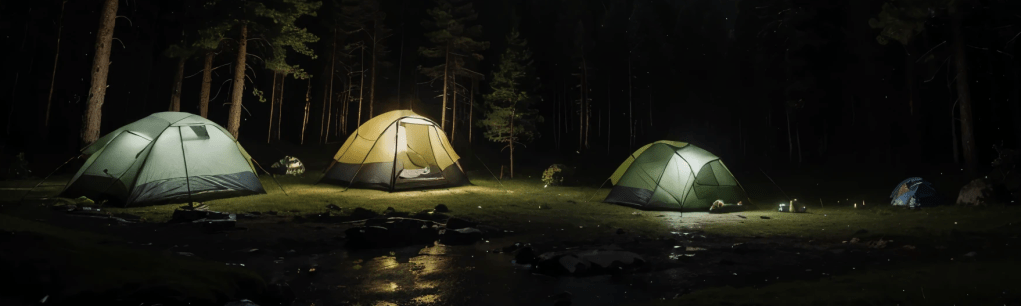
The Best Campsites for Ohio Survival Preppers: Nature, Resources, and Strategic Retreats
When you’re living in Ohio and preparing for any number of potential disasters, you need to make sure you’re ready. Having the right camping spots in your back pocket is vital—these locations are not just great for a weekend getaway but are crucial to your preparedness strategy. Whether it’s because of a natural disaster, civil unrest, or an economic collapse, knowing where to go and what to bring is half the battle.
But let’s be real: camping in Ohio isn’t just about pitching a tent in the woods. As a prepper, you’re looking for more. You need access to freshwater, shelter from the elements, strategic positioning in case of an emergency, and an understanding of the local wildlife and plants. Fortunately, Ohio has plenty of off-the-grid campgrounds and outdoor retreats that can help you hone your survival skills while also giving you peace of mind. Below, I’m going to share 30 of the best campsites across Ohio that will not only allow you to connect with nature but also give you the opportunity to practice critical survival skills in a relatively safe and controlled environment.
So grab your bug-out bag, check your gear, and let’s dive into these Ohio survival prepper-approved camping locations.
Wayne National Forest, covering over 240,000 acres, is a survival prepper’s dream. This expansive forest offers rugged terrain, ample water sources, and plenty of natural resources to forage. The diverse landscapes—from dense woods to open grasslands—make it the perfect place to test your skills. With campsites like Lake Vesuvius and Clear Creek Campground, Wayne National Forest has plenty of options for those looking to get deep into Ohio’s wilderness.
Survival Prepper Bonus: The forest is home to several unique species of wildlife, including deer, wild turkey, and black bears, making it a prime location to practice hunting and tracking.
2. Hocking Hills State Park – Southeastern Ohio
Hocking Hills is probably one of the most popular camping areas in Ohio, and for good reason. With its dramatic cliffs, cascading waterfalls, and rich ecosystems, this park is not only beautiful but also strategic. The Old Man’s Cave area offers excellent shelter in the form of rock shelters and caves that can be utilized in an emergency scenario.
Survival Prepper Bonus: Learn how to utilize rock formations for protection against the elements and practice water purification techniques using the local streams.
3. Cuyahoga Valley National Park – Northeastern Ohio
Just outside Cleveland, this 32,000-acre national park offers everything from dense forests to open fields, making it a great prepper location. Brandywine Falls and the Towpath Trail provide water access and good paths for tracking. The park’s diverse habitats give you the chance to practice different survival skills in varied terrain.
Survival Prepper Bonus: Practice building shelters near water sources and take note of edible plants like wild mushrooms and berries.
4. Salt Fork State Park – Eastern Ohio
Salt Fork State Park is Ohio’s largest state park, with over 17,000 acres of wilderness. It has plenty of campsites spread throughout, allowing you to pick a more remote location if you’re trying to truly get away from civilization. The Salt Fork Lake can be used for water filtration experiments or fishing, and the woods provide plenty of resources for shelter and fire-building.
Survival Prepper Bonus: Plenty of game animals roam these forests, so it’s an ideal place for practicing hunting, trapping, and tracking.
5. Tar Hollow State Park – Southeastern Ohio
This park is a hidden gem for prepper types looking for a quiet, less-traveled location to hone their skills. With over 5,000 acres of forest, it’s a great place to learn how to live off the land in Ohio. The terrain is rugged and challenging, which is perfect for survival training.
Survival Prepper Bonus: If you can handle the rugged conditions here, you’ll be able to survive anywhere. It’s also a great place for practicing water purification and shelter-building techniques.
6. Mohican State Park – Central Ohio
Known for its dense forest and wild beauty, Mohican State Park is another excellent location for prepping. The Clear Fork Gorge provides a natural barrier to entry, and there’s no shortage of resources. Whether you’re hunting, fishing, or practicing foraging, you’ll find plenty to keep you busy.
Survival Prepper Bonus: The Mohican River can be used to practice fishing and water purification, and the area is rich in medicinal plants.
7. John Bryan State Park – Southwestern Ohio
Nestled along the Little Miami River, John Bryan State Park offers a mix of wooded areas and rolling hills. It’s a fantastic location for hiking, water access, and testing your ability to navigate Ohio’s river systems. This park is perfect for learning to build temporary shelters, especially near riverbanks.
Survival Prepper Bonus: Excellent for practicing watercraft navigation (kayaking or canoeing), fishing, and shelter-building.
8. Lake Erie Islands – Northern Ohio
The islands in Lake Erie, such as Kelleys Island, South Bass Island, and Put-in-Bay, offer a unique challenge for prepper-minded campers. With access to the lake for freshwater and fishing, combined with an abundance of plant life, you can practice survival skills while being a bit more isolated.
Survival Prepper Bonus: Islands provide an added level of natural protection. Learn to live off fish and foraged items, and practice navigation using the lake.
9. Scioto Trail State Park – Southern Ohio
Known for its rugged hills and beautiful vistas, Scioto Trail is perfect for those who want to practice long-term survival techniques. Its extensive trail systems allow you to traverse different terrains, including deep woods and wide meadows. You’ll also find some primitive campsites for a more secluded experience.
Survival Prepper Bonus: Ideal for testing your ability to stay off the grid for long periods, with plenty of wildlife for hunting and trapping practice.
10. Blue Rock State Park – Southeastern Ohio
This park offers some of Ohio’s most remote and wild areas. With dense forests, river access, and plenty of off-trail options, it’s a great place to practice map reading, tracking, and other essential prepper skills. It’s also a great location for fishing and primitive camping.
Survival Prepper Bonus: Blue Rock Lake offers an opportunity for water purification practice and fishing, while the surrounding forest is full of edible plants.
11. Punderson State Park – Northeastern Ohio
Located near Cleveland, Punderson State Park offers a combination of forest, meadow, and lake environments. It’s a great spot for honing your fishing and shelter-building skills. Punderson Lake can be used for water collection and purification experiments.
Survival Prepper Bonus: Try setting up your camp near the lake and practicing your skills with a nearby water source.
12. Giant Eagle Trail and the Appalachian Backcountry
Ohio’s portion of the Appalachian Trail offers prime opportunities for survivalists looking for a longer, more challenging environment. The Giant Eagle Trail section winds through hilly, wooded terrain, making it a solid location to practice route planning and resource gathering.
Survival Prepper Bonus: This is a great spot to practice long-distance navigation and pack-bearing, simulating a real bug-out scenario.
13. Nelson-Kennedy Ledges State Park – Northeast Ohio
This park is known for its unique rock formations and ravines, making it ideal for natural shelter-building and learning the ways of the land. The trails are not overcrowded, so you’ll have a chance to practice your survival techniques with minimal interruptions.
Survival Prepper Bonus: Excellent for creating improvised shelters and using natural materials to make tools.
A government-owned experimental forest, Vinton Furnace offers a unique mix of rugged terrain and learning opportunities. It’s a prime location to practice off-the-grid living, as the forest is managed for research purposes, so it provides pristine and diverse ecosystems to explore.
Survival Prepper Bonus: This forest is an excellent place to practice mapping and off-trail navigation, as well as foraging and fishing.
15. Kelleys Island State Park – Northern Ohio
As part of the Lake Erie Islands, Kelleys Island offers a secluded environment ideal for prepping. Access to water, fishing opportunities, and natural shelter-building materials make it a perfect place to practice your bug-out survival skills.
Survival Prepper Bonus: Islands can be harder to reach in emergencies, making them perfect practice grounds for isolating yourself while managing limited resources.
16. Cedar Falls – Hocking Hills
An iconic site in the Hocking Hills area, Cedar Falls is perfect for survival preppers who want to practice living off the land with limited supplies. The location is a natural gathering point, with lots of resources for hunting and shelter-building.
Survival Prepper Bonus: Cedar Falls offers both fresh water and dense woods, making it perfect for a long.
17. Old Man’s Cave Campground – Hocking Hills
An ideal spot for those seeking both natural beauty and tactical advantages. The area provides large rock shelters that can be utilized in emergencies, and the surrounding forest is rich with wildlife and foraging opportunities.
Survival Prepper Bonus: Perfect for practicing natural shelter construction and water filtration from nearby streams.
18. Hueston Woods State Park – Southwestern Ohio
This park offers a mix of forest and lake environments, making it perfect for practicing various survival skills. The Acton Lake provides opportunities for water-based techniques, including purification and fishing.
Survival Prepper Bonus: Utilize the surrounding wilderness for small game hunting, fishing, and shelter-building practices.
19. Lake Hope State Park – Southeastern Ohio
Lake Hope State Park offers seclusion and a variety of landscapes to explore. From dense forests to marshland, it’s a perfect spot for honing survival strategies like navigation, water purification, and shelter-building.
Survival Prepper Bonus: The park’s varied terrain and access to fresh water make it perfect for an extended survival trip.
20. The Burr Oak State Park – Southeastern Ohio
The natural beauty and isolation of Burr Oak make it a great location for practicing off-grid living and long-term survival. This park provides plenty of wooded areas and is a great spot for both primitive camping and survival training.
Survival Prepper Bonus: Excellent for testing your foraging and water collection skills.
21. Wolf Creek Campground – Southeastern Ohio
Known for its dense forests and the nearby Wolf Creek, this campground is ideal for preppers looking to practice resource management and water purification.
Survival Prepper Bonus: Practice filtering water from Wolf Creek and constructing natural shelters using local materials.
22. Pine Lake Campground – Northeastern Ohio
A peaceful setting for preppers who want a more serene environment while practicing their skills. Located near Pine Lake, this campground offers plenty of opportunities to forage, fish, and practice fire-starting techniques.
Survival Prepper Bonus: Excellent for building a wilderness camp and learning to live off the land.
23. The Best Campsites for Ohio Survival Preppers
With over 30 amazing survival camping spots, Ohio offers everything from dense forests to secluded islands. Each of these locations provides opportunities to hone your survival skills, ranging from hunting and foraging to fire-building and shelter construction. Remember, the best way to prepare for any crisis is by getting out there and practicing—these sites will help you master your skills, and maybe even discover some new techniques along the way.
24. The Ultimate Prepper’s Guide to Ohio Camping
As preppers, we’re not just looking for the perfect camping trip; we’re searching for locations that will help us refine essential survival skills in real-world environments. Whether it’s the ability to forage for wild edibles, find clean water, or build a shelter that can withstand Ohio’s weather conditions, the camping sites in this list are perfect training grounds for survival. Ohio offers the variety of landscapes needed to mimic nearly every survival situation you may encounter, whether it’s a rural disaster, a bug-out scenario, or a simple test of your skills.
25. Wildlife and Flora: A Prepper’s Advantage
Ohio’s diverse ecosystems provide an incredible advantage for preppers. Beyond just providing a peaceful escape, these natural environments can be rich with resources that can make or break your survival plans. From edible mushrooms to wild berries, from the abundance of deer to the common presence of wild turkey, these ecosystems are an excellent way to practice your hunting, trapping, and foraging skills.
Understanding what’s edible and what’s not can be the difference between survival and failure. These campsites—whether in dense forests like Wayne National Forest or alongside lakes like Lake Erie Islands—offer the perfect training grounds to learn about local flora and fauna.
Survival Prepper Bonus: Knowing the wild edibles and medicinal plants of Ohio will increase your chances of surviving when traditional food sources are unavailable. Take time to familiarize yourself with local plant life, and you’ll add a valuable skill to your survival repertoire.
26. Water Resources in Ohio: A Survivalist’s Key to Success
Water is one of the most critical aspects of survival, and Ohio’s plentiful lakes, rivers, and streams make it a prime location for testing your water purification techniques. Whether you’re using a portable water filter, boiling water over an open flame, or experimenting with DIY methods, these Ohio camping locations give you real-world practice in accessing and purifying water.
Some of the top camping sites for water access include Cuyahoga Valley National Park, where you can practice filtering water from the Cuyahoga River, and Salt Fork State Park, where Salt Fork Lake offers abundant opportunities to test your water purification skills.
Survival Prepper Bonus: Practice filtering water from both clear and murky sources. Some areas may offer highly contaminated water, perfect for testing your advanced purification methods.
27. Shelter Building in Ohio’s Weather Conditions
Surviving the elements is a major concern for any prepper, and Ohio’s ever-changing weather—from freezing winters to hot and humid summers—gives you the perfect environment to hone your shelter-building skills. Understanding how to create shelters that will keep you warm in the winter and cool in the summer is vital for your survival training.
Sites like Hocking Hills and Wayne National Forest are known for their rock formations and natural shelters, such as caves and overhangs, which you can utilize for practice. Also, consider using Mohican State Park‘s deep woods to experiment with creating shelters out of locally available materials.
Survival Prepper Bonus: Try building multiple types of shelters—whether it’s a tarp shelter, a debris hut, or a lean-to—before the weather forces you to use them for real.
28. Advanced Fire Starting Techniques: Testing Your Skills
Building a fire is one of the most fundamental skills a prepper can have, and Ohio’s wilderness provides plenty of opportunities to practice this skill. Whether you’re using traditional matches or testing primitive methods such as friction fire or flint and steel, Ohio’s campsites give you access to a variety of fire-starting materials.
Tar Hollow State Park, with its dry underbrush and fallen trees, is an excellent location to test your fire-starting skills. You’ll also find dry, dead wood in places like Blue Rock State Park and Punderson State Park, which can be perfect for creating fires in even the harshest of conditions.
Survival Prepper Bonus: Practice using fire-starting methods in all weather conditions—rain, wind, and snow. Ohio’s weather will push you to improve your techniques to ensure your fire stays lit in any circumstance.
29. Ohio: A Preppers’ Paradise for Long-Term Bug-Out Scenarios
In the event of a long-term disaster scenario, it’s not just about having a quick place to run to—it’s about having a spot where you can survive for an extended period. Ohio’s vast wilderness areas offer numerous opportunities for just that. Salt Fork State Park, with its expansive size and secluded campsites, is an excellent location for long-term survival.
Wayne National Forest and Scioto Trail State Park also offer vast remote areas where you can practice skills like setting up a permanent camp, hunting, and living off the land for a prolonged period.
Survival Prepper Bonus: Test your ability to live off the land for a week or more, practicing everything from water purification to hunting, fishing, and shelter construction.
30. Bug-Out Bags: Essential Gear for Ohio Campers
No prepper is ever fully prepared without a well-stocked bug-out bag, and these Ohio campgrounds provide the perfect places to test out your gear. From Wayne National Forest to Hocking Hills, you’ll need a solid bug-out bag that includes everything from fire-starting tools to first-aid supplies.
When you camp in Ohio’s wild areas, it’s essential to understand which gear is most effective. If you’re hiking through rugged areas like Mohican State Park or Cedar Falls, you’ll want lightweight but durable gear. Alternatively, when camping near water sources like Lake Erie Islands, consider waterproof gear and fishing supplies.
Survival Prepper Bonus: Take your bug-out bag to the next level by testing new gear, evaluating its weight, and learning which tools and supplies are most useful in a true survival situation.
Conclusion: Ohio as a Survival Preppers’ Playground
Ohio isn’t just home to cornfields and small-town charm—it’s a survivalist’s paradise that provides varied terrains, abundant natural resources, and the opportunity to practice every essential survival skill imaginable. Whether you’re trying to master shelter-building, water purification, fire-starting, or hunting, the state’s diverse parks, forests, and lakes give you the opportunity to get real-world practice.
From remote, off-the-grid locations like Blue Rock State Park to more accessible, yet still strategic, sites like Hocking Hills State Park, Ohio offers endless opportunities to refine your skills and build confidence in your ability to survive in any situation. As preppers, the more you practice these techniques in real-world settings, the more prepared you will be for anything that comes your way. And let’s face it—Ohio’s natural beauty doesn’t hurt either.
The ultimate goal is to never be caught unprepared. So, pack your gear, gather your supplies, and hit the trails at these top 30 camping sites. After all, you can never know enough about your surroundings, and the best time to practice is now—before you need to rely on your skills in a true survival scenario.




















 TheDailyChristian