Florida Survival Prepper’s Handbook: Navigating Nature’s Challenges

Florida Survival Prepper’s Guide: Conquering Nature’s Fury

CLICK HERE TO LEARN HOW TO SURVIVE A FAMINE

Living in Florida means embracing the sun, sand, and surf—but it also means preparing for nature’s unpredictable challenges. As a seasoned survival prepper in the Sunshine State, I’ve learned that readiness isn’t just a choice; it’s a necessity. From hurricanes to wildfires, Florida’s diverse climate demands a comprehensive approach to survival.

Understanding Florida’s Natural Disasters

Florida’s unique geography exposes it to a variety of natural disasters:

  • Hurricanes: The state’s coastal position makes it a prime target for Atlantic hurricanes. These storms bring heavy rains, high winds, and storm surges that can devastate communities.
  • Flooding: Low-lying areas and heavy rainfall can lead to flash floods, especially during hurricane season.
  • Wildfires: The dry season, combined with lightning strikes and human activity, can ignite wildfires that spread rapidly.
  • Tornadoes: Particularly in the central and northern parts of the state, tornadoes can form during thunderstorms, causing localized destruction.
  • Earthquakes: While rare, Florida isn’t immune to seismic activity, with occasional minor earthquakes recorded.

10 Survival Prepper Tips for Florida’s Natural Disasters

  1. Create a Comprehensive Emergency Kit: Ensure you have at least seven days’ worth of supplies, including water, non-perishable food, medications, flashlights, batteries, and a first aid kit. Don’t forget pet supplies and baby essentials if applicable.
  2. Fortify Your Home: Install storm shutters or plywood over windows, reinforce garage doors, and trim trees and shrubs to prevent wind damage. Elevate electrical appliances above potential flood levels.
  3. Develop an Evacuation Plan: Know your evacuation routes and have a designated meeting point for family members. Keep your vehicle’s gas tank full and have a portable charger for your phone.
  4. Stay Informed: Use a NOAA weather radio to receive real-time updates. Download emergency alert apps and follow local authorities on social media for the latest information.
  5. Secure Important Documents: Store vital records like insurance policies, birth certificates, and passports in a waterproof container or digital format.
  6. Prepare for Power Outages: Invest in a generator, but ensure it’s used safely outdoors. Stock up on batteries, solar-powered chargers, and consider a manual can opener for food.
  7. Practice Shelter-in-Place Drills: Regularly review safety protocols with your family, including where to take cover during a tornado or how to shut off utilities during a flood.
  8. Maintain a First Aid Kit: Regularly check and update your first aid supplies. Include items like antiseptics, bandages, tweezers, and any necessary prescription medications.
  9. Plan for Pets: Have a pet emergency kit with food, water, medications, and a leash. Research pet-friendly shelters in advance.
  10. Stay Calm and Be Resourceful: In the face of disaster, maintaining a level head is crucial. Rely on your training and resources to navigate challenges effectively.

Recent Developments in Florida’s Disaster Preparedness

As the 2025 hurricane season approaches, Florida residents are reflecting on past storms and enhancing their preparedness strategies. Taylor County, for instance, is still recovering from the impacts of Hurricanes Idalia, Debby, and Helene. These storms caused significant damage, particularly in coastal areas like Keaton Beach, where over 250 properties were destroyed, leading to damages exceeding $50 million .

In response, local officials are emphasizing the importance of having a comprehensive emergency plan, assembling a disaster kit, and heeding evacuation orders. With the possibility of storm surges up to 12 feet, it’s crucial to prepare for all scenarios .

Conclusion

Surviving Florida’s natural disasters requires more than just luck—it demands preparation, knowledge, and resilience. By understanding the risks and implementing proactive measures, you can safeguard yourself and your loved ones against nature’s unpredictability. Remember, in the world of survival prepping, it’s better to be over-prepared than caught off guard.


Additional Resources:

Stay safe, stay prepared, and embrace the spirit of survival.

Surviving California: A Prepper’s Guide to Natural Disasters

How California Residents Prepare for the State’s Worst Natural Disasters

Living in California is a double-edged sword. The state’s natural beauty is unparalleled, but it’s also a hotbed for some of the most unpredictable and devastating natural disasters in the U.S. As a seasoned prepper in the Golden State, I’ve learned that survival isn’t about luck—it’s about preparation.

CLICK HERE TO LEARN HOW TO SURVIVE A FAMINE


1. Earthquakes: The Silent Shakers

California sits atop the Pacific Ring of Fire, making earthquakes a constant threat. While we can’t predict when the “Big One” will hit, we can certainly prepare for it. Securing heavy furniture, retrofitting older homes, and practicing the “Drop, Cover, and Hold On” drill are essential. The Great California ShakeOut is an annual event that brings communities together to rehearse earthquake preparedness. Wikipedia


2. Wildfires: The Unforgiving Blaze

With climate change extending fire seasons, wildfires have become a year-round concern. Creating defensible space around your property, using fire-resistant materials, and maintaining a “go-bag” with essentials like medications, important documents, and pet supplies are crucial. The California Governor’s Office of Emergency Services (Cal OES) emphasizes the importance of being prepared for a wildfire. TimeCal OES News+1Axios+1


3. Floods: The Rising Tide

While not as frequent as earthquakes or fires, floods can be equally destructive. Living near rivers or in low-lying areas increases the risk. It’s vital to know your evacuation routes, have sandbags ready, and keep valuable items elevated. Additionally, discussing flood safety and preparedness measures with your family can help reduce fear and anxiety. IZC Insurance+1Cal OES+1Cal OES


4. Tsunamis: The Coastal Threat

California’s coastline is at risk of tsunamis, especially after undersea earthquakes. If you’re near the coast, it’s essential to have a tsunami evacuation plan, practice your route, and keep a disaster kit handy. Familiarity with your escape route, even at night or during inclement weather, can save lives. Cal OES


5. Power Outages: The Silent Disruptor

Natural disasters often lead to power outages. Investing in backup power sources like generators or solar-powered battery systems ensures you can keep essential appliances running. Always place generators outside in well-ventilated areas to prevent carbon monoxide poisoning. IZC Insurance


10 Survival Prepper Tips for California’s Natural Disasters

  1. Stay Informed: Use NOAA Weather Radio with a tone-alert feature to keep you informed of local watches and warnings. Cal OES
  2. Backup Power: Invest in a backup generator or solar-powered battery storage system to keep essential appliances running. IZC Insurance
  3. Fireproofing: Install ember-resistant vents and use non-combustible fencing materials near your home to reduce fire hazards. IZC Insurance
  4. Water Storage: Store at least one gallon of water per person per day for at least two weeks. IZC Insurance
  5. Smart Technology: Install smart smoke and carbon monoxide detectors that send alerts to your phone. IZC Insurance
  6. Evacuation Routes: Know multiple evacuation routes from your home, school, workplace, or anywhere else you may go that is at risk. Cal OES+1California Health and Human Services+1
  7. Family Plan: Create a family disaster plan and designate an emergency meeting place outside of your area. KCRW+3NBC Los Angeles+3disaster.asmdc.org+3
  8. Insurance: Talk to your insurance agent about coverage for natural disasters, including flood insurance. KCRW
  9. Community Training: Join programs like Community Emergency Response Team (CERT) to gain practical skills in emergency preparedness. The Guardian
  10. Stay Connected: Designate an out-of-area contact, a friend or relative, in case local phone lines are clogged. NBC Los Angeles+1disaster.asmdc.org+1

Final Thoughts

In California, we don’t have the luxury of waiting for help to arrive. We must be our own first responders. By staying informed, having a solid plan, and being proactive, we can face the challenges that nature throws our way. Remember, survival isn’t just about enduring—it’s about thriving in the face of adversity.

DAY 10 AFTER THE SHTF — SURVIVAL ISN’T JUST ABOUT FINDING FOOD

It’s Day 10 since everything went sideways. The grid’s down. The streets are lawless. You’re living off what’s left of your preps and what you can scavenge in the ruins. Your family comes first—your kids eat before you do—because that’s what a real protector does.

Your gut’s been gnawing at itself for days now, that deep hunger turning into something primal. You’ve grown used to the emptiness. It becomes part of you. A constant reminder: you’re still alive.


Watch What The Off Grid Survivalist of the Year Has to Say About Survival Prepper!

Then it happens. You strike gold—a hidden stash of food. Maybe it was buried, maybe left behind in a rush, maybe a forgotten emergency cache. Either way, it’s yours now.

You dig in like a starving wolf. Your family devours every bite. For a moment, you taste victory.

And then—bam. Nausea. Dizziness. Weakness. Your body betrays you. What you thought was salvation turns into a full-blown emergency.

You’ve just met the silent killer called refeeding syndrome.


WHAT IS REFEEDING SYNDROME?

When you go without food for an extended time—say 10 days or more—your body hits the brakes. It slows your metabolism, conserves every last ounce of energy. You’re running on fumes, and your electrolytes (magnesium, potassium, phosphorus) get drained.

Then, you eat like it’s Thanksgiving. Your system gets shocked. That sudden spike in nutrients flips the metabolic switch, demanding electrolytes you no longer have. The result? Cardiac failure, seizures, coma—or worse.


SURVIVAL PREPPER TIPS: AVOIDING THE REFEEDING TRAP

  1. Reintroduce food SLOWLY after extended starvation.
    Start with fluids or broths. Give your system time to adjust.
  2. Focus on electrolyte-rich foods first.
    Bananas, bone broth, leafy greens, nuts—these can restock your depleted reserves.
  3. Avoid carbs in the first refeeding stage.
    Carbs spike insulin and demand phosphorus. Go with fats and proteins first.
  4. Keep oral rehydration salts (ORS) in your bug-out bag.
    They’re lightweight and can save your life during refeeding.
  5. Know the symptoms: weakness, confusion, shortness of breath.
    Don’t mistake these signs for just being “tired.” It could be fatal.
  6. Keep a stash of electrolyte tablets or powders.
    A little prep now can prevent a deadly crash later.
  7. Always rotate your food preps to avoid long fasts.
    Prevent running out altogether by tracking expiry dates and cycling through supplies.
  8. Train your body to adapt with occasional fasts before disaster strikes.
    This builds metabolic resilience and makes you more adaptable.
  9. Teach your family about phased eating.
    Survival isn’t just about feeding them—it’s about feeding them smart.
  10. Don’t let relief override discipline.
    Finding food isn’t the finish line—it’s just another checkpoint. Stay sharp.

Remember: In survival, it’s not always the obvious threats that take you down. Sometimes it’s the first meal after the storm that does it.

Stay vigilant. Stay smart. And for the love of all that’s sacred, don’t let your guard down just because you’ve found food. Survival is a marathon, not a sprint.

Prep hard. Stay ready. Live to tell the tale.

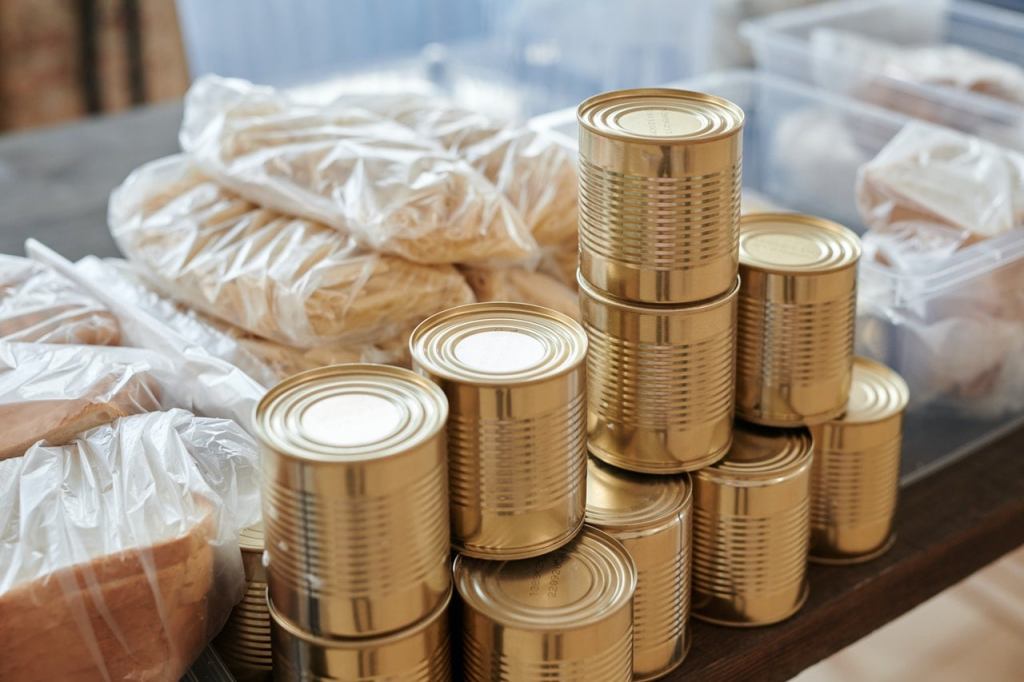
How I Slashed My Canned Goods Expenses By Half

I always knew that canned foods are the one of easiest ways to make sure you always have food to eat.

However, when I looked at how much I need to stockpile, things started getting a little out of hand.

Some people say you need to store 3 to 6 months’ worth of food. Others even say a year.

This wouldn’t be a concern in the past, but with everything that’s going on lately, I simply can’t afford to shop for this much food.

Even if I shop in bulk.

So I did what any family man would do. I made them myself.

I looked into it and found several ways to make canned food.

And since I am not an experienced prepper, I used the simplest method there is. Water bath canning.

This is the exact process I followed

  1. Gather your food. This could be anything from fresh fruits and veggies to homemade sauces or jams.
  2. Pack the food into jars. You’ll want to use specially designed canning jars for this, and make sure there is some space at the top (referred to as ‘headspace’).
  3. Secure the lids. Once your jars are filled, put on the lids and screw bands, ensuring they are tightly sealed.
  4. Submerge the jars in a pot of boiling water. This is where the magic happens. The heat eliminates the bacteria, yeasts, or molds that could cause your food to spoil.
  5. Let the jars cool. Once you’ve boiled them for the recommended time, take them out of the water and let them cool. As they cool, the lids will seal completely.
  6. Inspect the seals. After the jars have cooled, inspect the seals to make sure they’re airtight. Any jars that haven’t been sealed properly can be reprocessed or refrigerated and used first.

And voila.

This simple process reduced my canned goods expenses by about half.

Bear in mind, you don’t have to store just beans.

You can use the same method for fruits, vegetables, jams, sauces, or whatever you like.

And you will have nutritional food that will last you through any emergency.

Why don’t you try it?

Your Grocery Bills Are About To Increase (Unless You Do This)

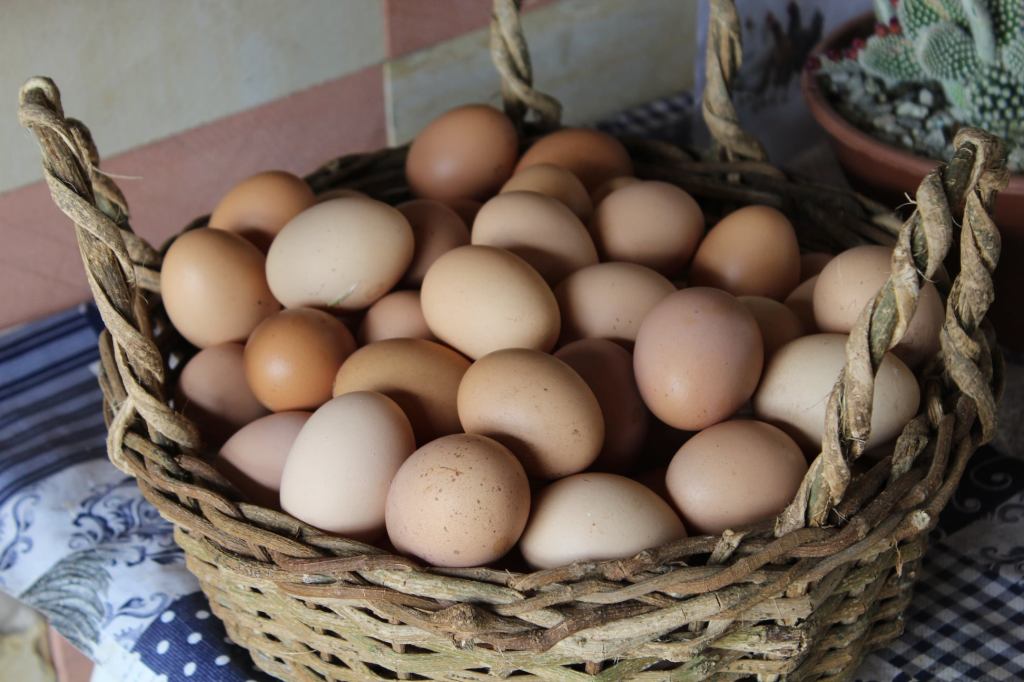
If you are an American, eggs are probably not ever missing from your house.

There was some bad luck around eggs, however, that will make you reconsider your breakfast options.

I love my scrambled eggs in the morning as much as the next guy.

But they are about to become so expensive that they will be leaving a bad taste in our mouths.

As if inflation wasn’t enough.

The bird flu just affected 52,700,000 poultry in the U.S. alone.

This is not a small number.

Chickens are either dying or being put down because of that disease.

And eggs are already almost 3 times more expensive than what they were a year ago.

I also read that a fire recently broke out at an egg facility in Connecticut, and killed 100,000 birds.

It is almost like eggs are cursed.

They will keep getting more expensive.

How much more can our wallets take?

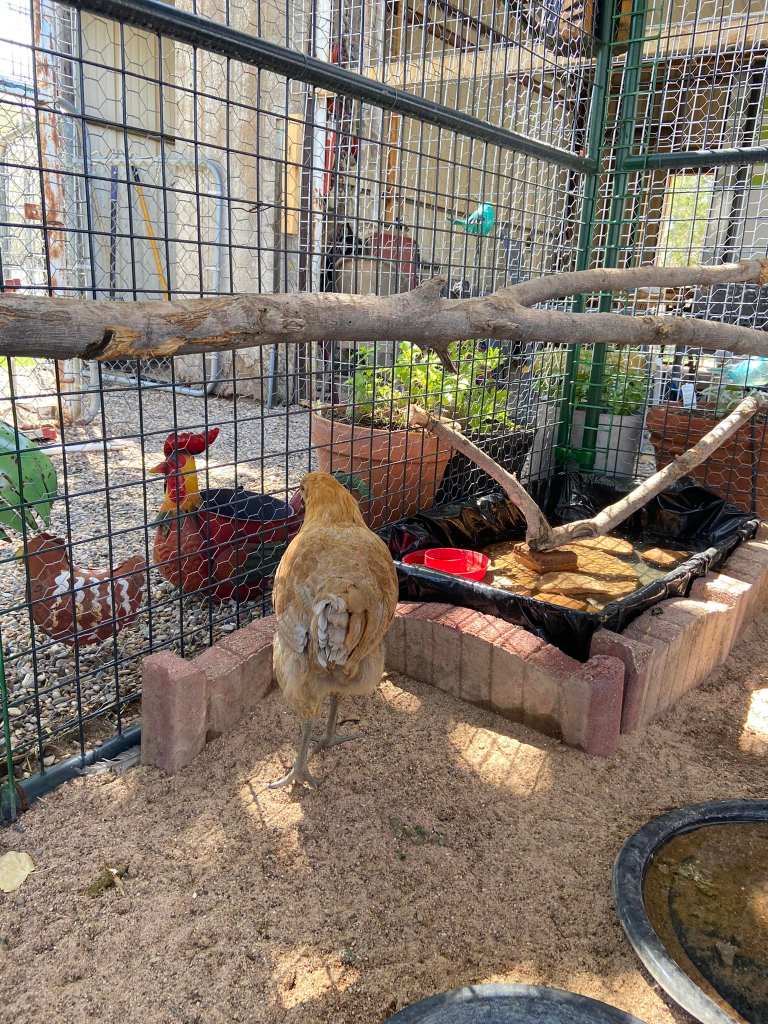
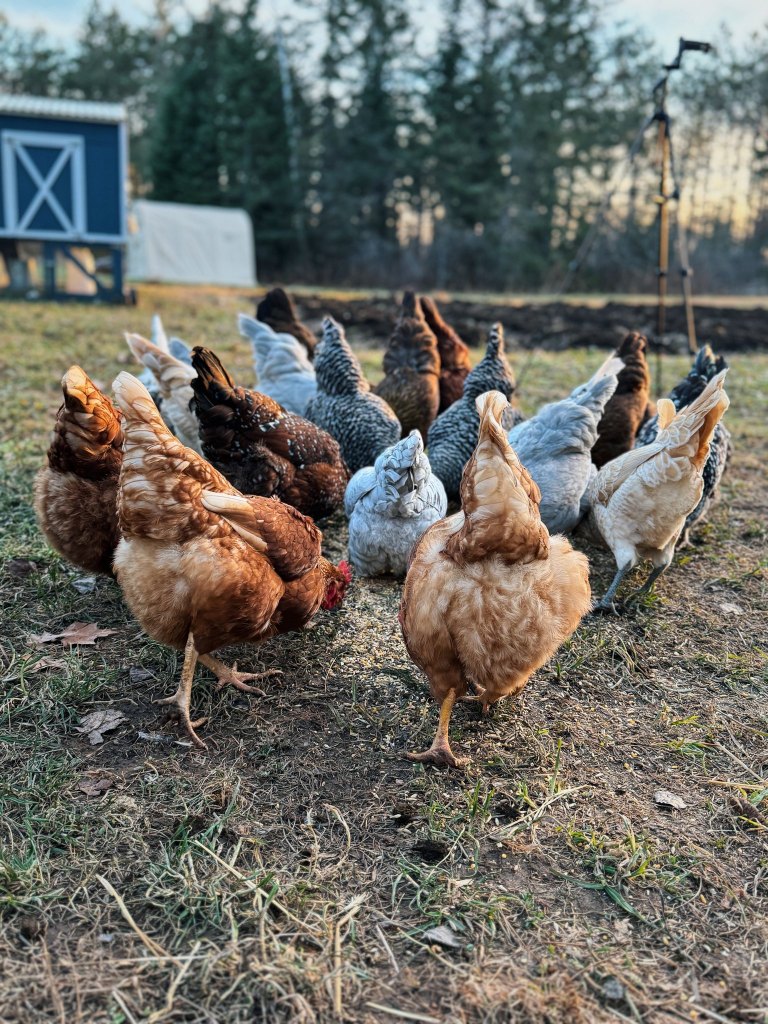
If you don’t want your jaw to drop every time you shop for groceries, I suggest you raise your own chickens.

Raising your own chickens is not just good for your wallet, but for your health too.

You will be the one who chooses what to feed them.

So you will know that they’ll produce nutritious eggs that are not filled with any weird hormones.

With just a little bit of effort, you can set up a small coop in your backyard and start raising a few chickens.

It’s a fun and rewarding hobby, and it will pay for itself in no time.

There are many breeds of chickens out there.

And you can even choose breeds that are known for their laying ability.

This will also give you peace of mind, knowing that if things come to worse, you will always have emergency food.

If you enjoy eggs as much as I do, this decision is a no-brainer.

It will assist you with feeding your family nutritious eggs even when they become too expensive.

Processed with VSCO with g6 preset

See what to look out for when raising your own chicken.