Signs For End Of Times: What Preppers Need to Know
Many people today are asking themselves: Are we truly living in the end times? From global instability to natural disasters, there are signals that can’t be ignored. As Brooke Homestead often emphasizes, preparedness isn’t about fear—it’s about responsibility. Understanding the warning signs and being ready is the best way to protect yourself, your family, and your loved ones.
Modern life is convenient, but also fragile. Supply chains stretch across the globe, power grids connect millions of homes, and digital systems control almost everything, from banking to communication. When these systems fail—even temporarily—the consequences can arrive quickly. Recognizing the signs early allows you to take steps to ensure your household is prepared for emergencies and worst-case scenarios.
Unusual Natural Events
One of the first categories to watch is natural events. These include extreme weather patterns, earthquakes, floods, and unusual climate anomalies. While isolated incidents are common, a noticeable increase in frequency or severity can signal larger disruptions ahead. Preppers should monitor weather reports, geological activity, and unusual natural phenomena to stay informed and adjust their preparedness strategies.
Social and Political Unrest
Another critical sign is increasing social or political instability. Widespread protests, government instability, economic turmoil, and breakdowns in local communities can all indicate societal stress. Observing trends in your own community and across the globe helps you anticipate disruptions and prepare accordingly. Being prepared doesn’t mean expecting the worst every day—it means building resilience into your lifestyle so that you and your family remain safe regardless of circumstances.
Supply Chain and Resource Issues
Supply chain disruptions and shortages of essential goods are also key indicators. Empty store shelves, rising prices of food and fuel, or delays in essential products can be early warning signs of larger problems. Preppers focus on having emergency supplies and food storage plans in place, ensuring that their family has access to necessities during unexpected crises.
Health and Medical Signals
Pandemics, new diseases, or overwhelming medical systems can also be a sign that things are shifting. Having basic survival and medical skills—including first aid, CPR, and trauma care—can make a major difference during emergencies. Communities that invest in localized training or preparedness programs are often better equipped to handle sudden health crises.
Spiritual and Personal Awareness
Brooke Homestead also encourages preppers to remain spiritually and mentally aware. Being alert, practicing self-reliance, and cultivating a mindset that balances caution with practical action are essential pillars of preparedness. Recognizing warning signs doesn’t mean living in fear; it means building a lifestyle of readiness and resilience.
Staying Prepared
Preparation is not about predicting doom—it’s about creating a secure environment for your family no matter what happens. Monitoring signs like extreme weather, social unrest, supply chain issues, and health risks, combined with practical survival skills, can help you stay ahead of potential crises. Simple steps, such as maintaining emergency food and water supplies, learning survival skills, and building a self-reliant mindset, will make all the difference when unexpected challenges arise.
In conclusion, the end times—or at least major disruptions—may be closer than some think. By paying attention to early warning signs and prioritizing preparedness, you can ensure that your family is safe, resilient, and ready for anything. Remember Brooke Homestead’s words: preparedness isn’t about fear, it’s about responsibility. Stay informed, stay vigilant, and stay prepared.
If you think railroad tracks are your secret navigation hack when everything collapses, then congratulations—you’re already halfway to being a ghost wandering through the ruins of a world that never cared about you in the first place. I know the fantasy. Movies, old adventure stories, nostalgic childhood daydreams—they all painted railroad tracks as some kind of dependable path through chaos. A beautiful, overgrown trail leading to safety, civilization, or at the very least some forgotten town where you might scavenge a can of beans.
But let me drag you back down into reality, the same reality we preppers stare into every day while everyone else scrolls on their phones pretending the world isn’t circling the drain. Because post-SHTF, when society has finally finished its swan dive off a cliff, railroad tracks won’t be romantic, helpful, or safe.
They’ll be a map, alright—a map straight to your final destination.
And you won’t like what’s waiting at the end.
The Railroad Myth Is the First Thing That Will Get You Killed
In normal times, railroad tracks feel harmless. They’re predictable, linear, and easy to follow. So people assume that in a crisis, they’ll be even more useful—leading survivors to towns, bridges, depots, or some imagined sanctuary.
But what people forget is this: If it’s easy for you to follow, it’s easy for everyone else to follow.
And in a world where desperation replaces morality, you don’t want to be funneled into the same predictable routes as everyone with an empty stomach and a loaded weapon. You think you’re “navigating,” but you’re actually putting yourself on the most obvious human migration corridor that will exist after the collapse.
People will cling to anything familiar, and railroad tracks are a beacon for the unprepared masses. You won’t be alone out there. You’ll be packed shoulder-to-shoulder with every hungry, desperate, panicked soul who believed the same stupid myth you did.
You won’t find safety. You’ll find crowds, conflict, ambushes, and disease. You’ll find people who want what you have. And they’ll take it—because tracks don’t offer any place to hide.
Railroads Will Become Predators’ Highways
This is the part most people refuse to think about. In a post-SHTF world, predictable travel routes become hunting grounds.
Predators—human predators—are always looking for the easiest place to find prey. And what’s easier than a narrow, linear path where all travelers are forced to move single-file with nowhere to escape?
Following railroad tracks makes you the deer walking into the wolf’s jaws. No cover. No elevation. No escape routes. Just you, exposed, visible against open gravel or steel.
And don’t kid yourself—if you can see a half mile down the tracks, so can someone else. Someone who might be hungrier, colder, and far less patient than you.
When the world falls apart, people get territorial, tribal, and vicious. Some groups will set up along these tracks intentionally, knowing they can pick off stragglers like fruit hanging too low on the tree.
But hey, sure—keep walking the magical steel path from fairy tales. See how that works out.
Railroad Infrastructure Becomes a Beacon for the Worst Human Behavior
Railroad depots, maintenance sheds, abandoned stations, bridges, and tunnels all become choke points. They look like shelter and supply hubs, which means they’ll attract exactly the kind of people you don’t want to meet.
Think about it:
Bridges funnel you into a single narrow crossing
Tunnels turn into traps where sound echoes but movement is limited
Depots become contested territory
Rail yards become sprawling zones where ambushes are easy and escape routes are confusing
Abandoned stations become squatter camps full of people who lost more than just their homes
It doesn’t matter how tough you think you are. Every single one of these spots becomes a risk multiplier.
Railroads don’t guide you to safety—they guide you directly into conflict zones.
“But Tracks Lead to Towns!” Yeah—Destroyed, Picked-Clean Towns
Let’s knock down the next fantasy. The idea that railroad tracks will lead you to towns and therefore resources.
Here’s the truth:
If a town is connected by a railroad, it will be one of the first places scavenged, looted, or burned. Rail access means easy movement of goods pre-collapse—and easy movement of desperate survivors post-collapse. That means:
Stores emptied
Homes stripped
Hospitals overrun
Local police overwhelmed or gone
Rioters and gangs taking over
Fires left uncontained
Disease spreading
Railroad towns are not charming havens. They are graveyards filled with reminders of how fast civilization fell apart.
But hey, if you want to be the thousandth person to show up looking for supplies, be my guest.
Walking Tracks Drains Your Energy and Sanity
Everyone imagines railroad tracks as level and easy to walk. Try it in real life sometime. Walk five miles on uneven gravel with heavy gear, then come back and tell me how “easy” it is.
Now imagine doing it after the collapse, when:
You’re running on limited calories
You’re dehydrated
You’re stressed
You’re hyper-alert
You’re carrying your life on your back
Railroad ballast tears up your feet and ankles. It slows you down. It exhausts you faster than dirt trails or roads. Energy is survival, and tracks drain it with every step you take.
But the fantasy hikers will still tell you it’s a shortcut to safety.
Railroads Offer Zero Concealment, Zero Cover
And this one is simple:
You have nowhere to hide.
Dense woods? Nope. Rocks? Nope. Structures you can duck behind? Not really.
Railroad tracks are open wounds cutting across the landscape. You are visible from a distance. You are predictable. You are exposed.
If you want to survive a post-SHTF landscape, staying hidden is life. Walking along railroad tracks is a declaration of your location to every living thing within a mile radius.
In a World Without Rules, Tracks Are a Liability, Not a Lifeline
Movies have lied to you. Nostalgia has lied to you. Childhood memories have lied to you.
In the real collapsed world—the one preppers think about while the rest of society sleeps—railroad tracks are not a rescue line.
They are:
Funnels for refugees
Highways for predators
Snares for the optimistic
Dead ends for the naive
Markers of desperate travel
Predictable, dangerous migration corridors
In other words: They’re a map straight to your final destination—just not the one you hoped for.
If you take nothing else from this angry rant at humanity’s collapsing sense of reality, take this:
When the world finally burns, the safest path is the one no one else is dumb enough to walk.
And railroad tracks? Everyone will walk them.
Which means you shouldn’t.
Not if you want to stay alive long enough to see whether the world manages to claw its way back from the ashes.
People love to brag about their gear. They’ll wave around their $300 flashlights, their tacticool backpacks overloaded with things they don’t even know how to use, and their shelves stacked with food they’d burn through in three panicked weeks. Everyone wants to look prepared. Everyone wants to pretend they’re going to be the rugged survivor when everything collapses. But here’s the ugly truth that most people can’t—and won’t—face:
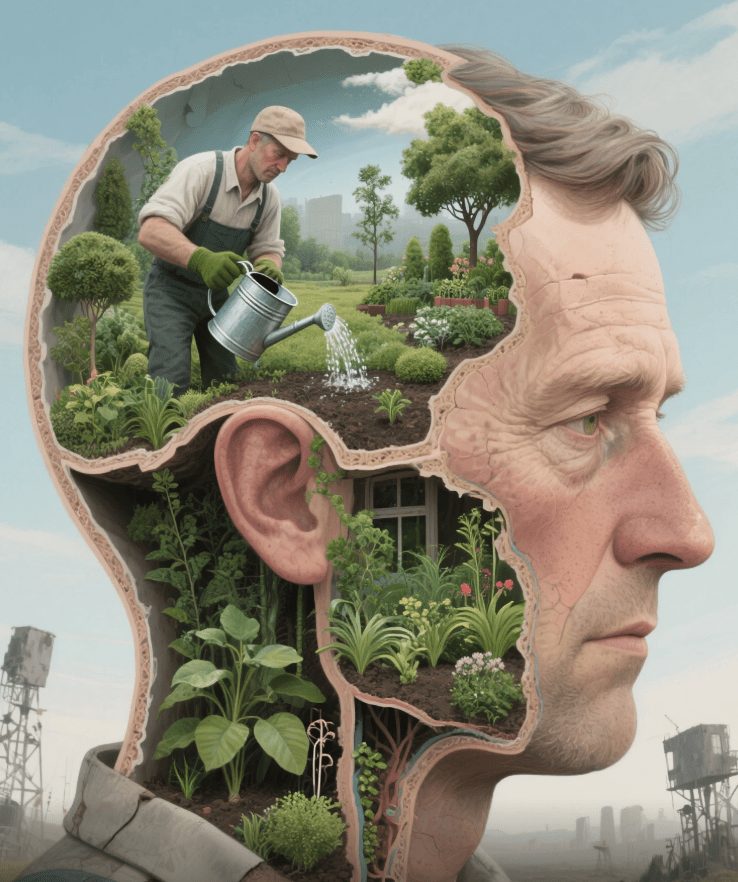
Your gear isn’t your salvation. Your storage isn’t your guarantee. The ONLY prep that actually matters when SHTF is inside your skull.
And judging by how the world behaves these days, most people’s mental preparedness is as empty as the store shelves will be when everything finally goes over the cliff.
People Prepare for Everything Except Actually Using Their Brains
The survival world has turned into a shopping spree masquerading as preparedness. Preppers buy gear the way the average person buys comfort foods—out of insecurity and habit. They think the gear will magically make up for their lack of experience, their lack of discipline, and their lack of mental resilience. But a tool is only as useful as the person holding it, and when SHTF, the only tool you won’t be able to lose, break, misplace, forget, or run out of batteries in is your MIND.
But instead of sharpening the most powerful survival tool they own, people distract themselves with toys and gadgets. They practice bushcraft once a year, maybe, when the weather is nice and the bugs aren’t biting. They read survival books but never actually test the ideas in real life. They make plans that only work under perfect conditions. Worst of all, they assume they’ll think clearly under pressure.
Let me tell you something: your brain, right now, in your daily comfort, is NOT the brain you will have when SHTF.
Stress Turns Most People Into Useless Liabilities
Everybody imagines themselves as the calm, collected hero in a crisis. But real disaster doesn’t care about your fantasies. When panic hits, your brain flips into primal mode. Fine motor skills degrade. Decision-making deteriorates. People freeze. Some scream. Some sit down and give up. Some make the worst possible choices simply because their nervous system has taken the wheel.
You think you’ll be able to shoot straight when someone is threatening your life? You think you’ll remember your fancy gear setup when you’re running on no food, no sleep, and are dehydrated enough that your brain is misfiring? Without mental conditioning—and I mean real conditioning, not just imagining yourself in a heroic scenario—you’ll crumble like the rest.
A weak mind is dead weight. And dead weight doesn’t survive collapse.
Situational Awareness: The Lost Art That Will Save Your Life
The saddest thing about society right now is how blind people are to their surroundings. Everyone is glued to a screen, walking around with the awareness of a stunned sheep. Nobody pays attention. Nobody watches for threats. Nobody picks up on social cues or environmental changes.
When SHTF, the people who can’t see danger until it’s touching them won’t last 24 hours.
Situational awareness—REAL awareness—is the skill that separates survivors from statistics. It’s about observing, processing, analyzing, and predicting. It’s about seeing an escalating threat before it becomes unavoidable. It’s about noticing resources others overlook. It’s about reading people and understanding when someone is about to become a problem.
This doesn’t come from gear. It doesn’t come from buying more things to store in your garage. It comes from deliberately retraining your mind to pay attention to the world you live in.
Adaptability: The Survival Trait Everyone Thinks They Have But Don’t
People love their routines. They cling to stability like it’s oxygen. But when the world breaks—and it will—it won’t break cleanly or politely. It’ll happen at the worst moment, with the worst conditions, and you’ll need to change course instantly.
Most people can’t handle that level of uncertainty. They need someone to tell them what to do. They need structure. They need reassurance. When everything familiar disappears, they mentally collapse.
But the survivors? The real survivors?
They adapt instantly. They improvise. They maintain clarity. They pivot without hesitation.
Adaptability is pure mental flexibility, and it’s far more rare than you think. Society trains people to be obedient consumers, not independent thinkers. So don’t expect the average person to suddenly switch into survival mode when the world falls apart. They won’t. They’ll freeze up and wait for help that’s never coming.
You want to be different? Then train your mind for chaos NOW.
Knowledge Beats Gear Every Time
I’m not saying gear is useless. I’m saying gear without brains is useless.
Take two people:
One has a cheap knife and solid survival skills.
The other has a $300 knife and zero clue how to actually use it.
Who survives? The one who knows what the hell they’re doing.
A skilled mind makes ANY tool better. An unskilled mind makes EVERY tool worthless.
You can replace gear. You can replace supplies. But you can’t replace the knowledge and mental resilience that turns a disaster into a manageable challenge.
Your Mindset Determines Whether You Survive or Become a Casualty
Here’s the harsh truth most preppers never want to confront: Survival isn’t about strength, or toughness, or gear, or who has the most cans of beans. Survival is about psychology—pure and simple.
The survivors are the ones who:
Stay calm when others panic
Think clearly when others lose their minds
Make decisions without hesitation
Control their emotions
Accept reality instantly
Act without waiting for permission
This is mental conditioning. This is internal preparedness. This is what actually keeps you alive when SHTF.
Stop Preparing Your Home and Start Preparing Your Head
If you want to survive the collapse that’s slowly rolling toward us like an unstoppable train, you need to stop relying on your gear and start relying on yourself. Start thinking critically, training your awareness, practicing decision-making under stress, and facing the reality that the world is NOT stable, NOT dependable, and NOT safe.
Your brain is the prep you can’t lose, can’t misplace, and can’t run out of. But only if you actually train it.
Otherwise, when SHTF, you’re just another panicked, confused liability wandering into danger.
The world is falling apart. Get your head on straight before it’s too late.
If you’ve ever lived through a power outage, you know how quickly things can go from inconvenient to life-threatening. Here in Idaho, where winters are cold, summers can be dry and hot, and some regions are quite rural, a loss of electricity—especially during a long-term SHTF (S**t Hits The Fan) scenario—can test even the most prepared among us.
Whether it’s a cyberattack on the grid, extreme weather, a wildfire, or something else entirely, knowing how to adapt quickly can make the difference between getting through it safely or struggling to survive. Today, I want to guide you through key survival skills, DIY electricity hacks, essential products, and the cities in Idaho where losing power can be most dangerous.
Why Preparing for Grid Failure in Idaho Matters
Idaho is a beautiful, rugged state, rich in natural resources and resilient people. But it also has vast rural areas, severe winters in the north and east, and hot summers in the south. We depend on the electrical grid for heat, cooling, water pumps, refrigeration, and communication. A serious power outage here can mean isolation, freezing temperatures, or lack of water—especially if you’re off the beaten path.
Blackouts might last a few hours, or they could stretch into days or even weeks. That’s why every Idahoan—or anyone living in a state with similar geographic diversity—needs to know how to survive without power.
5 Survival Skills to Master Without Electricity
Let’s start with the fundamentals. Electricity has only been part of our lives for a little over a century. People lived—and thrived—without it for thousands of years. If you can master the following five skills, you’ll be in a strong position during any blackout.
1. Water Collection and Purification
Without electricity, your well pump won’t work and city water services may fail. Learn how to collect rainwater, locate nearby natural water sources, and purify water using methods like:
Boiling (if you can make a fire)
Gravity-fed filters
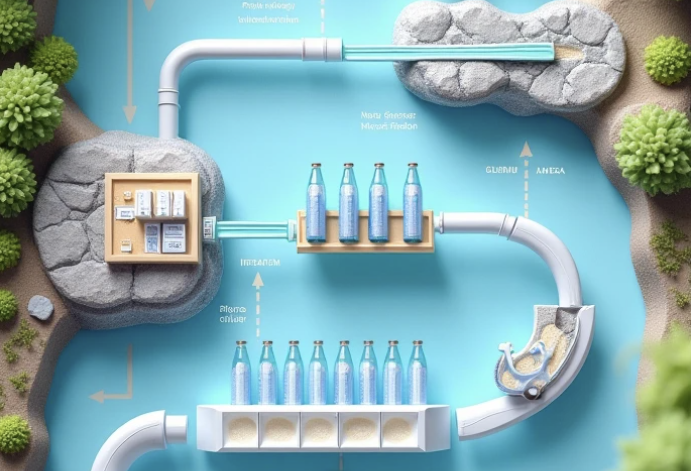
DIY sand, charcoal, and gravel filtration Keep water stored ahead of time: aim for one gallon per person per day for at least two weeks.
2. Off-Grid Cooking
Electric stoves, microwaves, and even many propane ranges won’t function during a blackout. Learn how to cook safely using:
Rocket stoves
Cast iron over an open fire
Dutch ovens buried in coals
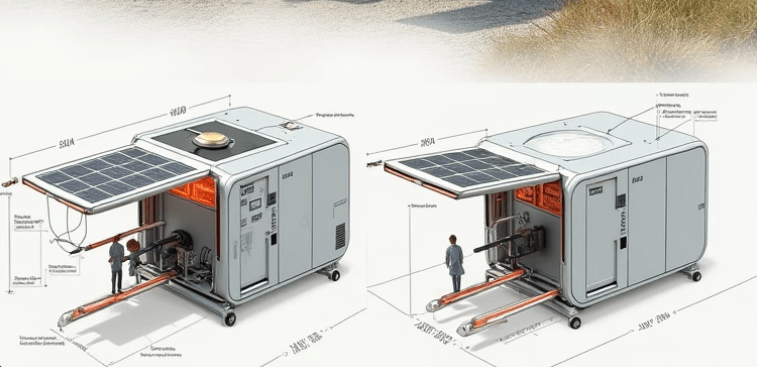
Solar ovens (especially in sunny southern Idaho) Cooking without electricity can be enjoyable and nourishing if you’ve prepared the right tools and skills.
3. Food Preservation
When the fridge and freezer go out, you risk losing days’ worth of food. Learn how to:
Can (especially pressure canning for meats and vegetables)
Dehydrate using solar dehydrators
Salt-cure or smoke meats
Store root vegetables in a root cellar or cool basement These methods have stood the test of time for a reason.
4. Heating and Cooling Your Shelter
Winter in northern Idaho can be brutal without electric heating. Understand how to insulate your home and stay warm using:
Wood stoves (always ventilate properly)
Thermal mass heating (stones warmed by fire)
Layered clothing and mylar blankets
Passive solar gain (opening curtains during the day, covering windows at night) In summer, ventilate your home, use shade effectively, and stay hydrated to avoid heatstroke.
5. Low-Tech Communication
In a widespread outage, cell towers may go down. Knowing how to communicate without relying on modern tech is vital. Learn how to:
Use shortwave/ham radios with a hand-crank or solar power
Set up signaling systems (mirrors, flags, or fire/smoke)
Create simple message boards or drop points with neighbors In emergencies, community coordination can be your lifeline.
3 DIY Electricity Hacks During a Blackout
When the grid fails, a little ingenuity can go a long way. While these hacks won’t power a city, they can give you light, charge small devices, or power radios—things that matter a great deal.
1. DIY Solar Battery Bank
Build a basic solar power system using:
A 100W solar panel
A deep-cycle marine battery
A charge controller
An inverter This setup can run lights, charge phones, power a laptop, or keep a small fridge going for short periods. It’s simple, modular, and scalable.
2. Hand-Crank Generator
Convert an old exercise bike into a hand-crank generator by attaching a car alternator to the wheel and connecting it to a battery. It takes effort, but it can charge radios, phones, or even small LED lights. Great exercise too!
3. Thermoelectric Generator (TEG)
These clever devices use the difference in temperature between two surfaces to generate power. You can use a TEG on a wood stove or campfire to charge small electronics. Look for camping-specific models that are efficient and compact.
The 3 Most Important Survival Products You’ll Need Without Electricity
When the lights go out and stay out, you don’t want to rely on last-minute scrounging. The following three products are absolute game-changers:
1. Water Filtration System
Whether it’s a gravity-fed Berkey system, a LifeStraw, or a Sawyer filter, clean water is priority #1. If you’re in the mountains of Idaho or the plains near Twin Falls, your access to water may be affected by livestock runoff, mining contamination, or sediment.
2. Alternative Light Source
Headlamps, LED lanterns, and crank-powered flashlights will make nights easier and safer. Solar-powered garden lights can be charged outside by day and used indoors by night.
3. Heat Source
A wood-burning stove or portable propane heater (like a Mr. Heater Buddy) with adequate ventilation and CO detectors can be a literal lifesaver during Idaho’s cold seasons. Even emergency thermal blankets can help maintain body heat.
5 Worst Cities in Idaho to Be Without Electricity
Idaho’s geography plays a big role in how badly an outage could affect you. Here are five cities where losing power could pose serious challenges:
1. Idaho Falls
This eastern city experiences severe winter weather, and many homes rely on electric heat. An outage in January here could be deadly without backup heating.
2. Coeur d’Alene
Beautiful, but heavily forested and prone to snowstorms, the area around Coeur d’Alene sees frequent outages and difficult road conditions. It can become quickly isolated.
3. Twin Falls
Hot, dry summers mean a lack of air conditioning can cause heat-related illnesses. Additionally, the city’s agricultural dependence means food supply chains can be disrupted if local infrastructure fails.
4. Mountain Home
High desert and a large Air Force presence could make this a strategic target in national grid failure scenarios. Water availability and summer heat are big concerns here.
5. McCall
A beloved mountain town, but remote and snowy. Limited access to outside resources during winter months makes this location vulnerable during prolonged outages.
Final Thoughts from a Survival-Minded Friend
Prepping doesn’t mean panic. It means peace of mind. You don’t have to live like a doomsday movie character to prepare for a power grid failure. You just have to think like your great-grandparents did—how to live simply, safely, and in harmony with the land.
Idaho is a state of survivalists at heart. From the ranchers of Salmon to the homesteaders near Bonners Ferry, people here have long lived with one foot in the modern world and one in the wilderness. That’s a legacy to honor—and a skill set worth passing down.
If you’re new to prepping, start small. Store extra water. Learn to cook off-grid. Practice camping in your backyard with no power. Talk to neighbors about creating a local emergency plan. Community is strength.
Remember, electricity is a tool—but not a necessity for living a full, secure life. Stay warm, stay dry, and keep learning.
As preppers, we’re always thinking about the “what ifs” — what if the power grid goes down? What if food becomes scarce? What if our security is compromised? But one thing that often gets overlooked in prepping is how we handle something as common as wifi when SHTF (Sh*t Hits The Fan).
Sure, most of us are used to having wifi at our fingertips. It’s something we take for granted in our daily lives, whether we’re at home, at a café, or even traveling. But when disaster strikes—whether it’s a natural disaster, an EMP, or some form of societal collapse—the wifi we rely on can become a huge liability.
Think about it: every time a major storm hits or an earthquake shakes things up, what happens? The power grid goes down, cell towers collapse, and suddenly, we’re cut off from the world. The internet disappears. But if you’re a prepper, you’ve probably planned ahead. You’ve got your own generator, and maybe even a backup power source for your wifi. You’re sitting pretty, right?
Well, not quite.
The Dangerous Wifi Mistake Most People Make
The truth is, while having wifi during a crisis can be a blessing—it can also make you a target. When you’ve got a working wifi signal in an otherwise digitally dead area, you’re sending out a beacon. A signal to anyone with a device searching for a connection. And when people are desperate—whether it’s for information, communication, or resources—they’ll stop at nothing to get to you. That includes the possibility of using force.
Picture this: a massive power outage or grid failure. You’re sitting in your home with your backup generator, using your wifi to access essential information or stay in touch with other preppers. But that signal, that tiny little wave bouncing off your router, is broadcasting to anyone nearby. And when resources are scarce, there are plenty of people who would be willing to do whatever it takes—perhaps even storm your house or break into your perimeter—to steal those resources.
This is a situation we must be prepared for. If you’ve got wifi set up for a SHTF scenario, there are a few things you need to understand to stay safe.
Reducing Your Wifi Range: A Smart Strategy
What’s the solution? Do we simply throw our routers out the window during a power outage? Of course not. But there are steps you can take to ensure your wifi doesn’t make you an easy target in an already dangerous situation.
One way to protect yourself is by reducing the range of your wifi signal. Most modern wifi routers allow you to adjust the power output—basically controlling how far your signal reaches. By lowering the power, you can restrict your wifi’s range and make it much less noticeable to anyone outside your immediate vicinity.
This is a smart strategy for preppers who don’t want to broadcast their presence to the wrong people.
Tip #1: Most wifi routers allow you to control the transmit power. Check your router’s settings and adjust the power output. You’ll want to reduce it to a level where only those inside your home or immediate property can access the signal.
Tip #2: Always refer to your router’s manual or interface to make sure you’re adjusting the correct settings. Each router model is different, but most will have an option to control the signal strength or transmit power.
How to Hide Your Wifi with Physical Barriers
Now, let’s say you’re not tech-savvy or don’t want to mess with your router settings. There’s another simple method you can use: physical barriers. You can reduce the range of your wifi signal by surrounding your router with dense materials like concrete or stones.
Think about it: wifi signals can only travel through certain materials. Concrete, metal, and stone are excellent at blocking signals. By placing your router in a space surrounded by these materials, you’re naturally limiting the range without having to adjust any settings. For example, if you have a basement or a sturdy, windowless room in your house, that could serve as a great space to keep your router safe.
Tip #3: A simple and effective method is placing your router in a room with thick concrete walls or a storage area made of dense materials. This will help shield the signal from reaching the outside world.
Prepping for Emergencies Beyond the Basics
As a prepper, it’s crucial to think outside the box, especially when you’re facing an unprecedented situation. Most people think of wifi as a convenience, not as a potential vulnerability. But in an emergency, your technology can become both a tool and a liability. The key is to adapt.
Tip #4: Don’t just prep for short-term scenarios. Plan for long-term sustainability. A few days without the grid is one thing; surviving for months or even years is something entirely different.
The Importance of Digital Security
Just as you would lock your doors and secure your home, you need to protect your digital space. In the chaos following a major disaster, people might go to extreme lengths to obtain your resources. You need to be aware of how much you’re broadcasting. This goes beyond just wifi—think about all the digital signals your devices are sending out. Cell phones, radios, and even Bluetooth can be tracked or intercepted if you aren’t careful.
Tip #5: Turn off Bluetooth, GPS, and Wi-Fi on devices when not in use. The fewer signals you send out, the less chance you’ll attract attention from those looking to exploit your resources.
Additional Wifi Safety Measures
Another smart move is to create a network that’s encrypted and secure. In a post-collapse world, information is power, and anyone who can hack into your system will have a major advantage. Set up a VPN (Virtual Private Network) to protect your online communications and data.
Tip #6: Always use a VPN on your devices. It encrypts your online activity and adds an extra layer of security when accessing the internet in a crisis.
Know Your Neighbors (But Keep Your Distance)
If you’re living in a close-knit neighborhood, don’t underestimate the value of knowing who is nearby. The stronger your community connections, the better prepared you’ll be to handle any situation. But even within a close community, you need to remain vigilant. Trust is built, not given.
Tip #7: Form a prepper group with trusted neighbors, but always remain cautious about who you allow into your circle. Trust, but verify.
Redundancy is Key to Prepper Success
While you’re reducing your wifi signal and securing your digital footprint, remember that redundancy is critical. You can’t rely on a single system. A backup communications plan is necessary, whether it’s a two-way radio or even an old-fashioned CB.
Tip #8: Invest in walkie-talkies or ham radios for backup communication in case the internet and cell towers fail completely.
Stay One Step Ahead
At the end of the day, the goal is to stay one step ahead of the game. By taking these simple but effective precautions, you reduce your exposure and keep your home from becoming a target when the chips go down.
Tip #9: Be proactive, not reactive. Anticipate problems before they occur, and stay prepared for any scenario that may unfold.
Conclusion: A Tactical Approach to Wifi in a Crisis
When SHTF, you’re going to face a whole new set of challenges. Wifi may be a tool, but it can also be a dangerous liability if you don’t handle it right. From adjusting power settings to using physical barriers, there are simple and effective ways to reduce the range of your wifi signal and avoid drawing attention to yourself.
Tip #10: Continuously reassess your preparedness plan. Emergencies evolve, and your prepping must evolve with them.
By being aware of the wifi mistake that many preppers overlook, you’re one step closer to ensuring that your home remains secure—and that you’re truly ready when the chips go down.
Surviving Without a Hospital: Medic Skills You Need When SHTF
When the world collapses and the grid goes down, most of us will be cut off from the very systems that we rely on for survival—no electricity, no cell service, and no access to medical professionals. In those moments, you’ll need to rely on yourself. One of the most important skills you can develop is knowing how to be your own medic when SHTF. You won’t have the luxury of rushing to the emergency room, so your knowledge and your ability to treat injuries and illnesses will be critical to your survival.
The Importance of Medic Skills When SHTF
In a survival situation, you are the first responder. When disaster strikes, the hospitals and emergency services will be overwhelmed, or they may not even be available. You’ll need to step up, stay calm, and take control of your health. That means knowing how to handle common medical issues on your own—from minor cuts to more serious wounds, sprains, burns, fractures, and everything in between.
The good news is that with some basic training and the right mindset, you can equip yourself to manage medical emergencies until help arrives—or until you can find it. This might sound overwhelming at first, but it’s a skill set that will make the difference between life and death when the chips are down. So, let’s dive into some essential first aid skills and survival tips you need to know.
First Aid Basics for Survival Situations
1. Cuts and Scrapes: The First Line of Defense
Cuts and scrapes are the most common injuries you’ll encounter, and thankfully, they’re also some of the easiest to treat. If it’s a minor cut, you should:
Clean the wound with warm water and soap to prevent infection.
Apply an antibiotic ointment like Neosporin to ward off bacteria.
Cover the wound with a bandage to keep it clean and dry.
But if you’re dealing with a deeper cut or gash, things get more complicated.
Stop the bleeding by applying direct pressure with a clean cloth. Hold it in place until the bleeding slows.
For severe bleeding, use a tourniquet above the injury (only if you cannot stop the bleeding with pressure), but this should be a last resort. Remember, tourniquets can cause damage if left on too long, so it’s vital to get medical help as soon as possible.
2. Sprains and Strains: The R.I.C.E. Method
If you twist your ankle or injure your wrist, it’s crucial to address the injury immediately to prevent further damage. The R.I.C.E. method is your go-to strategy:
Rest: Limit movement to prevent further strain on the injury.
Ice: Apply an ice pack or a makeshift cold compress to reduce swelling.
Compression: Wrap the injured area with a bandage to provide stability and reduce swelling.
Elevation: Raise the injured limb above the level of your heart to reduce swelling.
While it may not completely heal the injury, it can minimize the damage and reduce pain until you get help or the injury heals naturally.
3. Burns: Treating Heat Injuries in the Wild
We’ve all burned ourselves at some point. Whether it’s from touching a hot pan or getting too close to a fire, burns can be debilitating. Here’s how to handle them:
For minor burns, immediately immerse the area in cool water (not ice-cold, which could cause more damage). You can also apply aloe vera or a soothing burn ointment.
For severe burns, cover the area with a clean, dry cloth (don’t use anything that could stick to the wound, like gauze or cotton). Don’t pop any blisters, as this can lead to infection. Seek medical help as soon as possible—burns can be life-threatening if they cover a large area.
4. Broken Bones: Immobilization Is Key
If you suspect a broken bone, the most important thing is to immobilize the area. Movement can worsen the damage and cause more pain. Here’s how you can handle it:
Immobilize the limb using a splint or any rigid material you have at hand, such as a stick, board, or even a rolled-up newspaper.
Apply a cold compress to reduce swelling.
Elevate the injured limb to reduce swelling and pain, if possible.
Remember, a fracture may be painful, but with proper immobilization, you can manage it until you can either get to help or set up a longer-term solution.
The Role of Knowledge in Survival Medicine
Now that we’ve covered some basic injuries, it’s important to stress that knowledge is your best weapon when dealing with medical emergencies in a survival situation. The key to surviving when medical help isn’t available is not just knowing how to stop bleeding or treat a sprain. You need to think on your feet and stay calm under pressure.
10 Prepper Tips for Managing Medical Emergencies When SHTF
Master First Aid and CPR: Make sure you’re certified in both basic first aid and CPR. These certifications provide the knowledge you need to treat a variety of injuries and help keep someone alive until professional help arrives.
Assemble a Fully Stocked First Aid Kit: Ensure that your first aid kit includes essential supplies like bandages, antiseptics, pain relievers, splints, and tourniquets. But don’t stop there—think about additional items like saline solution for wound irrigation, a good pair of scissors, and medical gloves.
Learn to Use Herbal Remedies: In a grid-down situation, over-the-counter medications might not be available. Learn to identify and use medicinal plants for natural pain relief, wound care, and other common ailments. Echinacea, garlic, and yarrow are all great examples.
Know How to Suture Wounds: In a real emergency, you might need to close a deep wound yourself. Take a class or practice using a suture kit. It could save your life or someone else’s.
Prepare for Infection: Keep your wounds as clean as possible and apply antibacterial ointment. In a survival situation, infections can become life-threatening without antibiotics, so keep wounds covered and change dressings regularly.
Learn to Make a Splint: You don’t always have a store-bought splint on hand. Learn how to improvise using sticks, cloth, or whatever materials you can find in your environment.
Stockpile Antibiotics: While illegal in many areas, antibiotics are a must-have in a prepper’s medical supplies. Talk to a healthcare professional about obtaining them for emergency situations and learn how to use them properly.
Stay Calm Under Pressure: One of the most important skills in a medical emergency is maintaining composure. Stay calm and assess the situation before rushing into action. The more calm and collected you are, the better your chances of dealing with the injury.
Learn How to Build a Survival Medical Kit: You can’t always rely on pre-packaged kits. Consider building your own kit with the items that you know will be most useful in a survival situation. Don’t forget tools for improvisation.
Practice Regularly: Medic skills are like any other skill—they get better with practice. Regularly practice treating injuries using your kit, and familiarize yourself with emergency procedures so you’re ready when things go sideways.
Conclusion: Be Your Own Medic, Be Your Own Lifeline
In a world where hospitals may not be an option, your ability to be your own medic could make all the difference. The knowledge you gain now will prepare you for any medical emergency that may arise, ensuring that you can handle everything from simple cuts to serious trauma.
By investing in your medical knowledge today, you’ll have the skills you need to survive and thrive in a world where help is no longer on the way. Keep learning, keep practicing, and above all, be prepared. Your life, and the lives of those around you, could depend on it.
Stay or Go? Making the Right Call When SHTF By Someone Who’s Sick of People Not Paying Attention
Listen up, because I’m only going to say this once: when the world falls apart—and it will—you won’t have time to play “what if?” There’s one question you better be able to answer on instinct: Do you bug in or bug out? If you haven’t figured that out ahead of time, you’re already behind and probably dead.
I’m tired of watching soft-handed weekend warriors debate this online like it’s a damned video game. This isn’t theory. It’s your life, your family, your future. So let’s strip the fluff and deal with cold, brutal reality.
The First Truth: There’s No One-Size-Fits-All Answer
Anyone telling you that “bugging out is always best” or “never leave your home” is full of it. Every scenario is different. Civil unrest? Chemical spill? EMP? Martial law? You have to evaluate your surroundings, your supplies, your risks—and do it fast.
Your default should be bugging in. Why? Because your home is where your resources are. You’ve (hopefully) stockpiled food, water, tools, weapons. It’s your ground. You know it. You can defend it. But if staying put puts a target on your back, or if your house becomes a death trap, you better have a Plan B. And that Plan B better not be “run into the woods with a backpack and pray.”
15 Survival Skills You Better Have Locked Down
Forget Netflix and social media. Here’s what you should be spending your time learning:
Water purification – Learn to boil, filter, or purify dirty water.
Fire starting – Matches run out. Know how to start a fire with flint, steel, or a bow drill.
First aid – Not band-aids. I’m talking trauma care: tourniquets, wound dressing, infections.
Self-defense – Knife, firearm, bare hands. Be ready to defend your life.
Situational awareness – Learn to read people, crowds, and danger signs before they explode.
Food preservation – Dry it, smoke it, can it. Don’t waste calories.
Shelter building – A tarp and cordage or deadfall and brush. Know how to stay warm and dry.
Navigation – No GPS. Learn to use a compass and read a topographic map.
Silent movement – Move like a ghost. Don’t attract attention.
Bartering – Know what’s valuable post-collapse and how to trade smart.
Knot tying – Rope is useless if you don’t know what to do with it.
Camouflage – Hide yourself, your gear, your scent. Blend in or disappear.
Mental toughness – If you can’t handle fear, hunger, or pain, you won’t make it.
Basic mechanics – Know how to fix a generator, mend a pack, patch a leak.
Assessing When to Bug-Out: The Signs You Can’t Ignore
Bugging out isn’t some cool Rambo fantasy. It’s risky as hell and should only happen if you’ve got no other choice. These are your red flags:
Your location is compromised (riots, looting, structural damage).
No more resources (water gone, food looted, power permanently out).
Tactical disadvantage (can’t defend your home, too exposed).
Incoming threat (chemical cloud, wildfire, or flood you can’t stop).
You’re being targeted (neighbors know you’ve got supplies).
If two or more of those are true, you pack up and get moving NOW. No debate. No hesitation.
Bugging Out the Right Way: No Room for Amateurs
Let me be crystal clear: If you’re going to bug out, it better not be your first time trying it. You better have your gear dialed in, your route memorized, and your backup plans in place.
Key Reminders:
Have at least 3 bug-out locations, not just “Uncle Joe’s cabin.”
Know at least 2 alternate routes to each location—highways are dead traps.
Your bug-out bag should be ready to grab in 30 seconds. Period.
Dress to disappear, not impress. Earth tones, layers, sturdy boots.
Move at dawn or dusk—less visibility, less heat, fewer people.
NEVER go without a map, water filter, knife, and fire starter.
3 DIY Survival Hacks You’ll Thank Me For
Let’s cut the fancy gear crap. When your $300 gadget fails, these will save you:
1. Aluminum Can Stove
Cut a soda can, poke air holes, fill with alcohol or cotton soaked in petroleum jelly = instant lightweight stove. Weighs nothing. Boils water in minutes. Make five. They’re cheap.
2. Condom Water Carrier
Yep, condoms. Unlubricated ones. They can carry a liter of water, are compact, and don’t weigh a thing. Wrap it in a sock or bandana to protect it from punctures.
3. Super Glue for Wounds
Medical-grade or not, super glue can seal a cut fast when you don’t have time or materials to stitch. Clean the wound, pinch shut, apply glue. Done. Infection still a risk, but it stops bleeding.
Stop Waiting for a Wake-Up Call
I’ve heard every excuse in the book: “My wife won’t let me.” “I don’t have time to prep.” “It probably won’t happen.” Shut up. Just shut up.
When the grocery shelves are empty, when the cops stop coming, when your neighbor kicks in your door because he knows you stored food and he didn’t, you’ll realize prepping wasn’t paranoia—it was necessary.
Don’t be the fool who dies waiting for the government to come fix it. Don’t be the moron who loads his truck for the first time after the sirens start. Don’t be the statistic.
Final Word: Make the Call Now—Not Later
Bug in if you can. It’s safer, smarter, and you’re in control. But don’t get romantic about your house—it’s just walls and wood. If it turns against you, walk away with your life and don’t look back.
This isn’t a game. This is survival. Either you make the decision ahead of time, or the chaos will make it for you. And believe me, chaos doesn’t give a damn about your comfort.
The SHTF Wake-Up Call: How to Prepare for a World Where What You Have Is All That Matters
If you’re still sitting around, thinking that everything is going to be fine and that some miracle will come along to save you, then it’s time for a serious wake-up call. You’ve been warned, and if you haven’t taken action yet, you’re a fool. When shit hits the fan (SHTF) for real, you won’t have time to run to the store and pick up a few cans of beans. You won’t have a backup plan that depends on someone else’s help. The hard truth is, what you have on hand will be ALL that matters. That’s it. You think you’re prepared? Think again. You can’t survive on optimism or hope alone.
So, let me make it crystal clear: You better have your act together now, or you’re done.
The problem with most people today is that they’re completely blind to the real threats we face. They walk around, heads buried in their phones, oblivious to the fact that this whole society could collapse in the blink of an eye. But it’s not just some far-off apocalypse I’m talking about. I’m talking about economic collapse, social unrest, grid failures, natural disasters, pandemics, and everything in between. The kind of world where your food, your water, your shelter, and your ability to protect yourself from the chaos around you will depend entirely on what you’ve managed to gather and the skills you’ve learned.
That’s right. Skills. Skills that you better start mastering now.
Here’s the thing: when the grid goes down and the grocery stores empty out, you won’t be able to waltz into your friendly local convenience store to grab a snack. And let me tell you, unless you live in a rural area and have prepared for the worst, you won’t be seeing those preppers with “lots of ammo and supplies” coming to save you. It’s every man for himself, and you will quickly realize just how unprepared you are if you don’t start taking this seriously.
So, let’s get into it. If you want to survive the collapse, you need to have the right skills in your back pocket. Here are 15 critical SHTF survival skills you need to master before it’s too late.
1. Water Filtration and Purification
If there’s one thing that’s more precious than gold when SHTF, it’s water. You can go without food for weeks, but you can’t survive more than a few days without water. Stockpiling water is smart, but you also need the knowledge to purify any water you come across. Learn how to boil water, use filtration systems, and make DIY purification methods.
2. Fire Starting
A fire isn’t just for cooking or warmth. It’s a beacon for rescue, a deterrent for predators, and a signal to others. Learn how to start a fire with limited supplies. I’m talking about using flint and steel, magnifying glasses, fire starters, and even primitive methods like rubbing sticks together. If you can’t make fire, you’re screwed.
3. Food Preservation
Stockpiling food is essential, but do you know how to make it last? Canning, dehydrating, and fermenting food are all necessary skills. If you’re relying solely on canned goods, you’re setting yourself up for failure in the long run. Learning how to preserve your own food can make the difference between life and death.
4. Self-Defense
Let me say it loud and clear: the world isn’t going to be a safe place when SHTF. People will become desperate, and desperation breeds violence. If you don’t know how to defend yourself—whether that’s with a firearm, a knife, or your bare hands—you’re putting yourself at extreme risk. Learn how to use weapons, but also know how to fight without them.
5. Shelter Building
When your home is no longer safe, you’ll need to know how to build a shelter. Do you know how to construct a lean-to, a tarp shelter, or even use natural resources for protection? If you’re stuck in the wilderness, your survival depends on your ability to stay dry, warm, and protected.
6. Hunting and Fishing
You’re not going to find a butcher shop to supply you with steaks once society falls apart. Knowing how to hunt, fish, trap, and forage is vital for long-term survival. You need to have the skills to put food on the table in a world where hunting for a meal isn’t just a recreational activity.
7. First Aid and Medical Knowledge
When help isn’t on the way, you better know how to take care of yourself. You need more than just a basic first aid kit—you need to know how to use it. Learn basic field medicine, including how to treat wounds, fractures, infections, and even how to perform CPR. The human body is fragile, and when it goes wrong, you’ll be on your own.
8. Navigation
If the GPS goes down, are you prepared to find your way? Learn how to read a map and use a compass. In a collapsed world, you’ll need to be able to navigate through urban areas or the wilderness. Whether you’re running from danger or searching for a safer place, the ability to find your way will be crucial.
9. Bartering
Cash is worthless when the economy collapses, but goods and services still hold value. If you don’t understand how to barter, you’re going to be at a serious disadvantage. Learn how to negotiate and trade supplies or skills to get what you need.
10. Composting and Growing Food
When you can no longer rely on grocery stores, you better know how to grow your own food. If you can’t grow your own crops or raise livestock, you’ll quickly run out of resources. Learn how to compost, plant, and maintain a garden. It’s one of the most valuable survival skills you can have.
11. Mental Toughness
Let’s face it: survival isn’t just about physical skills; it’s also about mental resilience. If you lose your nerve when things get tough, you won’t last long. You need to stay calm, think critically, and be able to make tough decisions when everything around you is falling apart. Mental toughness will be your secret weapon.
12. Improvised Weapons
When ammunition and weapons are scarce, you need to know how to improvise. A sharp stick or a hammer can be just as effective as a firearm in a pinch. Learn how to turn everyday objects into weapons for self-defense.
13. Electricity Alternatives
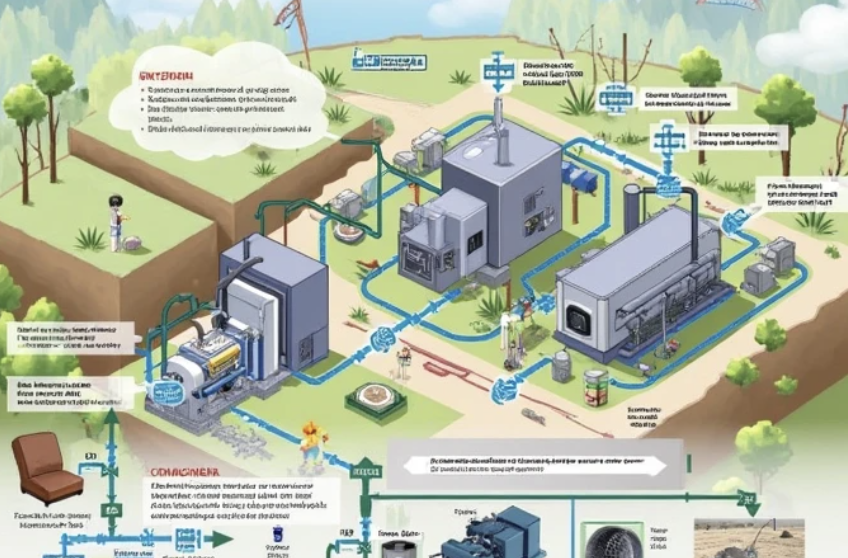
You won’t have access to the grid when it goes down, so you better know how to create your own power. Solar panels, wind turbines, and hand-crank generators are all viable options. You also need to know how to repair basic electrical systems.
14. Communication
When cell towers and the internet are gone, you need to know how to communicate without relying on modern technology. Ham radios, signal fires, and other low-tech methods will keep you connected when everyone else is in the dark.
15. Mental Health Care
When society breaks down, your emotional and psychological state can make or break your survival. Depression, stress, and anxiety can destroy your ability to function. Learn techniques for maintaining mental health during chaotic times. You need to stay strong, calm, and focused.
3 DIY SHTF Survival Hacks
Now, let’s talk about some simple, DIY hacks that can save your life when SHTF. If you’re relying on a pre-made kit, you’re already behind the curve. Here are three hacks you need to know:
1. DIY Water Filter
You don’t need an expensive water filtration system to clean dirty water. Create a simple water filter using sand, gravel, charcoal, and a piece of cloth. Just layer these materials in a plastic bottle, and it will filter out the bigger contaminants, leaving you with cleaner water. It won’t purify it entirely, but it will make it much safer to drink.
2. DIY Solar Still
If you’re out in the wilderness without access to clean water, a solar still can help. Dig a small hole, place a container at the bottom, and surround it with plastic sheeting. Place a small stone in the center of the plastic to create a low point, and the sun will cause the water to evaporate, collect, and drip into the container. It’s a slow process, but it can provide clean water.
3. Fire Starter with Cotton Balls and Vaseline
When you don’t have matches, and you need to start a fire, make your own fire starter. Soak cotton balls in Vaseline and store them in a waterproof container. When you need to start a fire, just light one of these balls. The Vaseline will act as an accelerant, giving you a fast and hot flame to get your fire going.
If you think all of this is overkill, fine. Keep living in your fantasy world where someone else will save you when the world falls apart. But remember this: when SHTF, what you have is all you’ll have. No backup plans, no help from anyone. It’s time to wake up, get real, and start preparing. Or you’ll be one of the ones begging for help when it’s already too late. Your survival starts now, not tomorrow.
When most folks talk about bugging out, they focus on the obvious threats: looters, martial law, roving gangs, civil unrest, and the ever-looming collapse of modern infrastructure. You’ve heard it all before. Pack your bug-out bag. Choose your route. Scout a fallback location. Stock up on MREs, water filters, knives, ammo, comms gear—the whole nine yards.
And yet, while the prepping world drowns itself in gear reviews and tactical hypotheticals, one crucial hazard gets completely and unforgivably overlooked.
I’m talking about complacency’s ugly cousin: Group Fragility. That’s right. The people you trust, the ones you’re planning to survive alongside—your family, your so-called “mutual assistance group,” your bros from the shooting range—they might be the very thing that gets you killed.
Let me say it plain: a bug-out plan is only as strong as its weakest member.
Now before you roll your eyes and tell yourself, “I’ve trained with my team,” or “My wife’s tough,” or “We’ll be fine because we’ve practiced,” let me stop you right there. Practice doesn’t equal performance under real pressure. And emotional breakdowns, moral disagreements, and physical weaknesses don’t show themselves when you’re camping for fun over a long weekend.
They show themselves when the stakes are real. When someone’s bleeding. When you’re out of clean water and three days into a storm. When someone you love starts panicking and you realize: “This is what’s going to get us killed.”
You Think You’re Ready? Think Again.
The fantasy of bugging out is seductive. The romantic image of disappearing into the woods, rifle slung over your shoulder, hunting deer and living off the land—it’s so appealing it blinds people. But reality has no use for fantasy. The truth is most people can’t even handle a power outage without losing their minds, let alone a full-blown collapse that drives you from your home with nothing but your bug-out gear and a prayer.
Sure, you can pack iodine tablets and solar chargers. But you can’t pack mental stability. You can’t pack maturity. And you sure as hell can’t pack grit.
I’ve seen it happen. Big, strong men break down crying when they realize they forgot to bring spare socks and now their feet are soaked, blistered, and infected. Gung-ho preppers who bought $3,000 rifles but didn’t bring tampons for their wives. Families that fall apart arguing over where to camp because no one ever decided who the leader was. The gear didn’t fail. The people did.
The Real Enemy Is Human Weakness
So what is the “forgotten hazard” I’m so mad about? It’s the human element. The people in your party are walking question marks under pressure. They are liabilities—until they’ve been tested under fire, for real, and have proven otherwise.
Bugging out isn’t about gear. It’s about mindset. It’s about psychological resilience, leadership, discipline, and trust forged through shared hardship. Without that, your so-called team is just a group of panic-prone strangers carrying matching backpacks.
Your spouse, your kids, your best friend—if they’ve never suffered, never hiked ten miles with a rucksack while sick, never made a decision under extreme duress—they are not ready. And if you haven’t prepared them for that moment, then you are not ready either.
Emotional Collapse Is Contagious
Ever seen what happens when someone panics in a group setting? It spreads. Fast. Like a virus. One person screams, and suddenly three people are hyperventilating. One person freezes in the middle of a river crossing, and now everyone’s stuck in place, vulnerable, visible, exposed.
Fear is louder than logic. And once it takes root, it doesn’t matter how much food you stockpiled or how fancy your GPS watch is. Fear will kill you.
What happens when the teenager in your group refuses to keep walking and bursts into tears from exhaustion? What happens when your partner gets a stomach bug and can’t walk for two days? What happens when two people start screaming at each other over which direction to go?
Let me tell you what happens. You stop moving. You waste precious daylight. You compromise your location. You become prey.
You Better Start Training People Now
If you’re reading this and feeling uncomfortable, good. That means you still have time. Time to fix this. Time to take off the blinders and face the uncomfortable truth: survival is about people, not just products.
Start drilling your team—your real team, not your fantasy squad. Take your kids hiking in the rain. Make your partner build a fire without matches. Go camping without any electronics and leave the granola bars at home. Eat beans, sleep on cold ground, hike until your muscles scream.
And do it all together.
Why? Because the only way to root out weakness is to force it to the surface. And once you’ve seen it—once your daughter breaks down crying, or your best friend lies to your face about losing the compass—then you can start building real trust. Not the feel-good, “we’re family” trust. I’m talking about battlefield trust. Hard-earned, honest, proven trust.
That is the only kind that matters when society collapses.
Leadership Isn’t Optional
Another thing most bug-out plans lack? Clear hierarchy. When everyone thinks they’re in charge, no one is. And when bullets are flying or you’re sprinting from a wildfire, hesitation will kill you.
Designate a leader now. Establish a chain of command. Decide who makes the call when things go sideways—and make sure everyone agrees ahead of time.
Don’t fall into the trap of “we’ll decide when it happens.” That’s a fantasy. In real life, there will be no time. You’ll need to act instantly, or you’ll all be corpses under a tarp.
Don’t Forget Morality Clashes
This part stings the most. What if the person you’ve planned to bug out with suddenly disagrees with how far you’re willing to go to survive?
Will you loot if necessary? Will you kill to protect supplies? Will you lie to strangers, leave people behind, steal from the dead?
You might think you know what you’d do. You might think you know what your loved ones would do. But let me tell you from experience: people’s morals mutate fast when their stomach is empty and their hands are shaking from fear.
Talk about it now. Set boundaries. Make plans. Or get ready for a knife in the back when things get dark enough.
Final Word: Your Real Bug-Out Plan Is Psychological
You can pack all the gear in the world, memorize every knot, and learn every edible plant. But if your group breaks down because of fear, conflict, or weakness, none of that will save you.
The forgotten hazard isn’t the EMP. It’s not the government. It’s not even the weather.
It’s the people standing next to you.
So fix that now. Train them. Test them. Talk to them.




















 TheDailyChristian