

Kentucky doesn’t have jungles or deserts, but don’t let that fool you. Our state is home to several insects that can seriously injure or kill you under the right conditions. Whether it’s venom, allergic reactions, or disease transmission, these insects deserve your respect. Survival isn’t about fear—it’s about knowledge and preparation.
Below are the most dangerous insects in Kentucky and what you need to do to survive an encounter with each one.
1. Mosquitoes: Kentucky’s Silent Killers
If I had to name the most dangerous insect in Kentucky, it wouldn’t be exotic or rare. It would be the mosquito.
Mosquitoes in Kentucky can transmit West Nile virus, Eastern Equine Encephalitis (EEE), and other serious illnesses. Most folks swat them away without thinking, but these diseases can lead to brain inflammation, long-term neurological damage, or death—especially in children and older adults.
Why They’re Dangerous
- Carry life-threatening viruses
- Bite unnoticed, often multiple times
- Thrive near standing water common in Kentucky
Survival Tips
- Eliminate standing water around your home (gutters, buckets, livestock troughs)
- Use EPA-approved insect repellents with DEET or picaridin
- Wear long sleeves and pants at dusk and dawn
- Install window screens and repair holes immediately
As a prepper, I treat mosquito control as a medical preparedness issue, not a comfort issue.
2. Ticks: Small, Patient, and Deadly
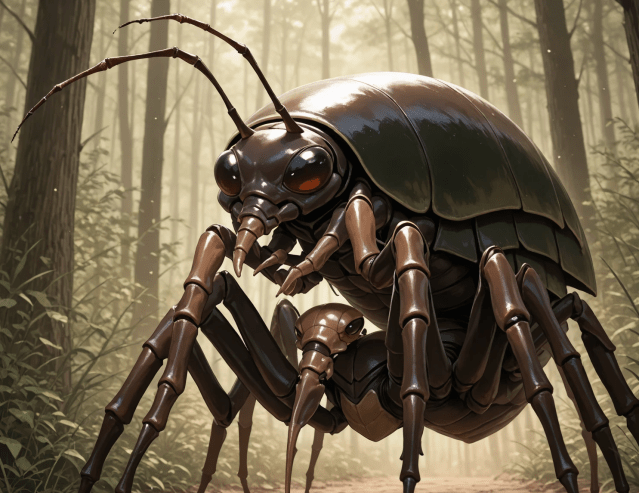
Ticks may not look like much, but in Kentucky they are a serious threat. Lone Star ticks, American dog ticks, and blacklegged ticks are all present here, and they can transmit Rocky Mountain spotted fever, ehrlichiosis, and Lyme disease.
Left untreated, some tick-borne illnesses can cause organ failure or death.
Why They’re Dangerous
- Carry bacteria that attack the nervous system
- Can stay attached for days
- Often go unnoticed until symptoms appear
Survival Tips
- Perform full body tick checks after time outdoors
- Shower within two hours of coming inside
- Treat clothing with permethrin
- Remove ticks properly using fine-tipped tweezers
In Kentucky, tick checks are as routine as checking the weather.
3. Brown Recluse Spider: The One Every Kentuckian Fears
The brown recluse spider is real, it’s native to Kentucky, and yes—it can absolutely ruin your life.
While bites are rare, when they do occur, the venom can cause tissue necrosis, leading to open wounds, infections, and in extreme cases, systemic illness or death.
Why They’re Dangerous
- Venom destroys skin and tissue
- Bites often occur indoors
- Symptoms may worsen days after the bite
Survival Tips
- Shake out shoes, clothing, and bedding
- Reduce clutter in basements and storage areas
- Seal cracks and entry points in your home
- Seek medical care immediately if bitten
I don’t panic about brown recluses—but I respect them enough to stay alert.
4. Black Widow Spider: Venom That Attacks Your Nervous System
Black widows also call Kentucky home. Their venom affects the nervous system and can cause intense pain, muscle cramps, and difficulty breathing.
While deaths are rare, they can be fatal for children, the elderly, or anyone with underlying health conditions.
Why They’re Dangerous
- Neurotoxic venom
- Pain can escalate quickly
- Bites often happen in garages or woodpiles
Survival Tips
- Wear gloves when handling firewood
- Keep storage areas clean and well-lit
- Seek medical attention for severe symptoms
Pain doesn’t kill people—delayed treatment does.
5. Wasps, Hornets, and Yellow Jackets: Death by Allergy
Stings from wasps, hornets, and yellow jackets are common in Kentucky, especially in late summer. For most folks, it’s just painful. For others, it’s deadly.
Anaphylaxis can occur within minutes and can shut down breathing completely.
Why They’re Dangerous
- Highly aggressive when nests are disturbed
- Multiple stings increase venom load
- Allergic reactions can be fatal
Survival Tips
- Identify and avoid nest areas
- Wear light-colored clothing outdoors
- Carry an EpiPen if you have known allergies
- Seek emergency care immediately for swelling or breathing issues
Preparedness means knowing your own medical vulnerabilities.
6. Fire Ants: A Growing Threat in Kentucky
Fire ants are slowly spreading north, and parts of Kentucky are starting to see them. Multiple stings can cause severe allergic reactions and secondary infections.
Why They’re Dangerous
- Swarm attacks
- Painful venomous stings
- Risk of infection from scratching
Survival Tips
- Watch where you step in fields and yards
- Treat mounds immediately
- Wash sting areas and avoid scratching
Fire ants aren’t common everywhere yet—but they’re coming.
7. Kissing Bugs: Rare but Worth Knowing About
Kissing bugs are uncommon in Kentucky, but sightings do occur. They can transmit Chagas disease, which can cause heart failure years after infection.
Why They’re Dangerous
- Transmit parasites through feces
- Bite while you’re asleep
- Long-term health consequences
Survival Tips
- Seal gaps around doors and windows
- Keep pets indoors at night
- Use bed nets if camping or sleeping outdoors
Rare threats still matter in long-term survival planning.
Final Thoughts from a Kentucky Prepper
Living in Kentucky means living close to nature. That’s a blessing—but it comes with responsibility. Insects don’t care how tough you are, how rural you live, or how long your family’s been on the land. They operate on instinct, and they do it well.
Survival isn’t about paranoia. It’s about awareness, prevention, and quick action. Learn the threats. Prep your home. Teach your family. And treat even the smallest creature with respect—because in Kentucky, it doesn’t take much to turn a normal day into a fight for your life.
























 TheDailyChristian