Surviving a Sinking Car in a World That Doesn’t Care If You Drown

Let’s get something straight right out of the gate: if your car is sinking, the world has already failed you. Society has crumbled long before you ever hit the water. Whether it’s shoddy infrastructure, distracted drivers, or the laughable excuse for “emergency preparedness” drilled into us by people who have never been in an actual emergency, the system isn’t coming to save you. And your precious online “life hacks”? They’ll be as useless as a seatbelt on the Titanic.

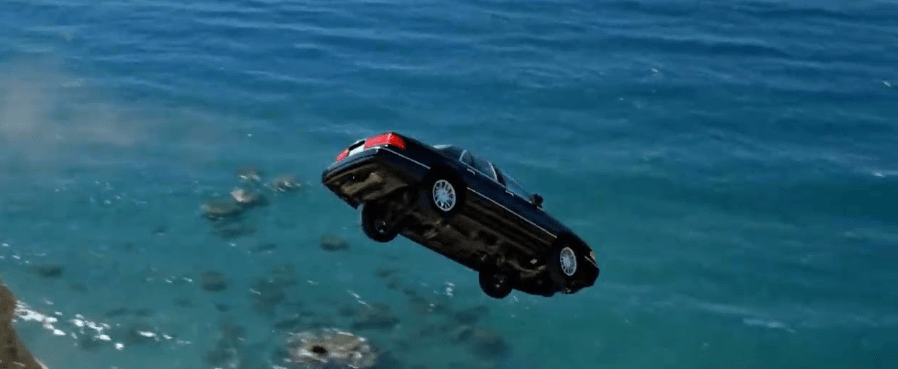
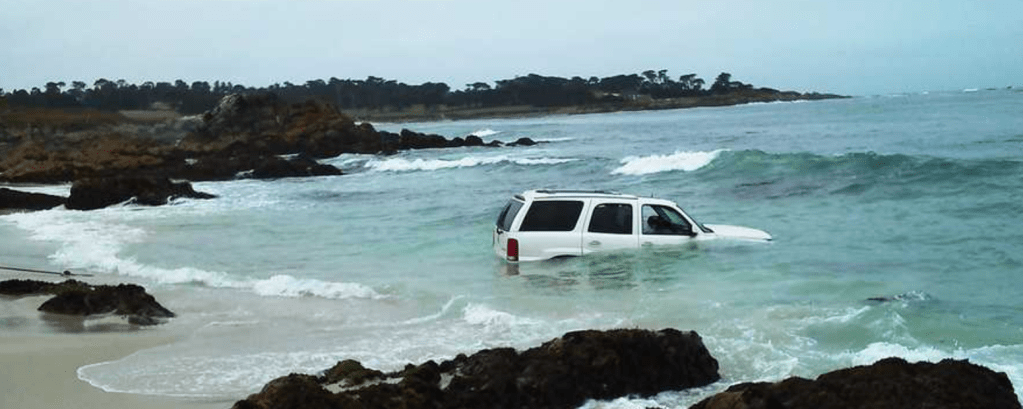
If you’re sinking in a car, you have one job: get out before the vehicle becomes a steel coffin. And the irony, the absolute cosmic joke of it all, is that escaping a sinking car is actually simple—if you know what you’re doing. But of course, most people don’t. People think the car will float serenely like a movie stunt scene while they calmly dial 911. No. Your car sinks faster than the average attention span on social media.

So here’s the truth—the bleak, harsh, angry truth—about how to escape a sinking car in a world determined to drag you down with it.


Step 1: Accept That You Are On Your Own

First things first. The moment your car hits water, you must assume no one is coming. Not quickly enough, not competently enough, and definitely not before the water fills your lungs. You don’t have time to wait. You don’t have time to debate. And you sure as hell don’t have time to panic.

You have between 30 seconds and 2 minutes in most sinking-car scenarios. That’s it. That’s your survival window. Every second you waste looking around like a confused tourist brings you closer to the bottom.

Everyone always says, “Call emergency services!”
Sure—if you want rescuers to retrieve your body rather than rescue it. Your phone call should happen after you reach dry land, not while you’re still strapped in watching water rise.

Your life is in your hands. Everyone else is just part of the background noise.


Step 2: Unbuckle Immediately—Not After You Debate It

People underestimate how fast panic sets in. They freeze in denial, thinking the car will stop sinking, or someone will magically show up, or that they’ll “figure it out in a second.” That second never comes.

The moment you hit the water, unbuckle your seatbelt.
No speeches. No hesitation. No dramatic last phone calls.

And for the love of survival, unbuckle the kids first if you have them. Children often can’t free themselves; adults can. Secure them, then move.

Seatbelts save lives—until they don’t. In water, they become shackles.


Step 3: Forget the Door—It’s a Trap

Hollywood lies. It lies about everything, but especially this.

You can’t just open the door when your car’s sinking. Unless you’re built like a hydraulic press, that door won’t budge. Water pressure makes sure of that.

If you try, you will fail.
If you keep trying, you will drown trying.
The door is a lost cause until the inside is fully flooded—and if you wait that long, well, good luck making it to the surface in time.

The door is not your friend. In fact, in a sinking car, it might as well be welded shut.


Step 4: The Window Is Your Way Out—Break It or Open It Fast

The window is your escape route. It is the ONLY escape route in the crucial early moments.

You cannot rely on power windows when your electrical system is immersed in water, but here’s the rough truth: they typically work for a few seconds after impact. That’s your grace period. A gift from the universe, even though the universe doesn’t care.

Best-case scenario: Open the window immediately.

Power windows still working? Good. Hit the button the instant the car touches water.
Rolling down a window could save your life faster than any rescue team ever will.

Worst-case scenario: Break the window.

Use a spring-loaded window punch. Not a hammer. Not your fist (unless you’re trying to break bones). A small, cheap punch. The kind every realist carries but most people don’t, because they’re too busy trusting society to protect them.

Aim for a corner of the window, not the center. Breaking the center is like trying to knock down a brick wall with good intentions.

And don’t even try the windshield. It’s laminated and designed to resist shattering. Focus on the side windows.

This is the life-or-death moment. Get that window open or broken, and you’ve bought yourself a chance.


Step 5: Escape Through the Window and Forget Your Belongings

Once the window is open, escape immediately. Do not turn around for your phone, your purse, your laptop, or the sentimental trinket you think you can grab in two seconds. Those seconds will drown you.

Every survival prepper knows this truth: stuff can be replaced, oxygen cannot.

If you’re helping others—kids, elderly passengers—push them through the window first. They may not have the strength to fight the outward pressure or the rising water.

Then get yourself out.

Push out and swim upward at an angle, because cars often drift downward while sinking. The surface isn’t always directly above you anymore.


Step 6: Swim Away From the Car

Cars don’t sink vertically like stones—they tilt, shift, and churn the water around them. Some even release air pockets that can disorient you. That’s the world for you: even in death, it tries to confuse you.

Swim upward and away. Put distance between you and the vehicle. Use strong kicks. Don’t waste breath. Don’t fight physics—work with it.

When you reach the surface, then you can inhale panic. Not before.


Step 7: Only After Survival—Call for Help

Congratulations. If you reached this point, you’ve done what many cannot: you took responsibility for your own survival.

Now, and only now, do you call for help. Emergency services can take it from here, but they won’t get the credit. Your instincts will.


Final Thoughts From Your Resident Angry Prepper

The world doesn’t prepare you for real emergencies. It hands you pretty safety slogans and expects you to be grateful. But reality is cruel, and water is unforgiving. When your car starts sinking, the only person you can count on is yourself.

I’m not here to sugarcoat anything. I’m here to tell you the truth the world hides because it scares people: most emergencies give you one shot. One window. One moment to act.

And now you know how to use it.

Learn these steps, prepare for the worst, and maybe—just maybe—the world won’t get the satisfaction of dragging you under.

The EMP Threat Is Real: Why Prepared Families Are Safer Families

If there’s one thing I’ve learned after helping over 9,000 people get prepared, it’s this: you will never regret being ready, but you will always regret being caught off guard. And when it comes to the threat of electromagnetic pulse (EMP) weapons, that saying has never been more true.

I’m a happy prepper—not because I’m excited about disasters (far from it), but because I’ve seen firsthand how empowered and joyful a family becomes once they take control of their safety. Preparedness isn’t fear. Preparedness is FREEDOM. And today, I want to talk about a topic that many folks still believe lives only in sci-fi movies… but in reality, it’s as current as the phone in your pocket.

EMP weapons are no longer something governments merely research. They’re no longer hypothetical “maybe one day” scenarios. EMPs—whether naturally occurring from solar flares or man-made through specialized devices—are very real, very present, and very capable of turning modern society upside down in seconds.

But here’s the good news (and I always bring good news): with preparation, your family can weather an EMP event with confidence, comfort, and capability. Let’s break it all down so you walk away empowered—not overwhelmed.


What Exactly Is an EMP? (And Why It Matters)

An electromagnetic pulse (EMP) is a sudden burst of electromagnetic energy that can disrupt or disable electronics and electrical systems. You don’t need to understand the physics behind it to grasp the critical point: an EMP can knock out the power grid and anything dependent on it.

That means:

  • No lights
  • No refrigeration
  • No cell phones or computers
  • No ATMs
  • No functioning gas pumps
  • No running water in many areas
  • No modern vehicles that rely heavily on electronics

In other words, an EMP could set us back technologically by decades—overnight.

There are two major sources to be aware of:

1. Natural EMPs

These stem from massive solar storms or coronal mass ejections (CMEs). These have happened many times in Earth’s history, including the famous Carrington Event of 1859. Back then, telegraph systems caught fire—imagine that level of energy hitting our digital society today.

2. Man-Made EMPs

These include specialized devices designed to generate powerful electromagnetic bursts. You don’t need details about how they’re made or deployed (and I won’t provide any), but it’s enough to know: the technology exists, is well-understood, and multiple nations acknowledge its development.

EMP weapons have moved from the “maybe someday” category into the “they exist today” category.

And that’s why YOU are smart for wanting to prepare your family.


Why You Need to Prepare Your Family NOW

EMP preparedness isn’t about panic. It’s about practicality. It’s about loving your family enough to put a plan in place while life is calm and peaceful—so that if chaos ever arrives, you’re ready to rise above it.

Here are five reasons preparation is essential:

1. The Grid Is Vulnerable

Our electrical grid is a patchwork of aging components. Engineers, government reports, and infrastructure experts regularly point out its vulnerabilities. Even without malicious threats, it’s fragile enough that storms knock out power for thousands each year.

Add in an EMP? The impact could be nationwide.

2. Society Relies Almost Entirely on Electronics

Think of how much everyday life depends on digital systems. Banking, communication, transportation, heating, water purification—all electrical, automated, and interconnected.

EMP preparedness is really just basic societal failure preparedness.

3. Emergency Services Will Be Overwhelmed

When 9,000 people look to me for help, I can handle that. When 90 million people look to emergency responders? Impossible. If you’re not prepared, you’re in a race with millions of others who suddenly need the same resources.

4. Prepared Families Thrive While Others Panic

I’ve seen this over and over: families that have even a modest preparedness plan experience calm, confidence, and capability during crisis. Instead of scrambling, they adapt. Instead of fear, they move with purpose.

5. It Doesn’t Take Much to Be Far Ahead

The beauty of EMP preparation is that small actions create big advantages. You don’t need a bunker, a thousand acres, or a doomsday fortress. You simply need a plan and a few smart tools.


How to Prepare Your Family for an EMP (Without Stressing Out)

Let’s get to the fun part. Yes—FUN. Because prepping isn’t doom and gloom. It’s a lifestyle of empowerment. It’s about building a cushion of safety and independence.

Here are the foundational steps I’ve taught for years, the same steps that have helped thousands of families get ready without overwhelm.


1. Build a Reliable Food & Water Plan

In a grid-down scenario, food supply chains and water systems can fail quickly.

Water:
Store at least one gallon per person per day for two weeks. Add filtration and purification tools, because stored water eventually runs out.

Food:
Build a pantry of shelf-stable foods you already love. Canned meats, beans, rice, oats, pasta, freeze-dried meals—simple, comforting items your family already eats.

A prepared pantry means peace of mind.


2. Protect Critical Electronics in a Simple Faraday Container

You don’t need anything fancy. Metal containers with tight-fitting lids, specialized EMP bags, or a galvanized steel trash can with rubber insulation can all act as Faraday cages.

Items worth protecting include:

  • Small radios
  • Flashlights
  • Rechargeable batteries
  • Portable solar chargers
  • Medical devices that can be stored safely
  • Hard-drive backups of important family documents

Remember: you’re not protecting luxury—you’re protecting capability.


3. Get Comfortable Going Off-Grid

You don’t have to live off-grid—you just have to be capable of doing so temporarily.

Skills to practice include:

  • Cooking without electricity
  • Heating safely without the grid
  • Using alternative lighting
  • Managing sanitation

Make these practice days fun. Turn them into family adventures. I promise—kids love “grid-free nights.”


4. Strengthen Family Communication & Plans

In an EMP event, communication networks may fail. Your family needs a simple plan:

  • Where to meet
  • Who checks on whom
  • What to do if separated
  • What gear each person is responsible for

Prepared families don’t panic—they execute.


5. Build a “Grid-Down” Emergency Kit

A basic kit includes:

  • First-aid supplies
  • Flashlights
  • Batteries
  • Portable solar chargers
  • A crank radio
  • Water filters
  • Emergency blankets
  • Extra medications

This isn’t about fear—it’s about being comfortable when others aren’t.


Preparedness Is Love in Action

I’ve helped thousands of people build resilient, capable families. Every time I meet a newly prepared household, their eyes light up with confidence.

You’re not preparing because disaster is inevitable. You’re preparing because your family is worth protecting.

EMP threats aren’t futuristic—they’re part of our modern reality. But with the right mindset, the right tools, and the right plan, you can transform that reality into peace of mind.

And I’ll tell you this from experience:
Prepared families are happier families.

So take the next step. Build your plan. Protect your loved ones. And join the growing community of joyful preppers who face any challenge with a smile and a full toolkit.

You’ve got this—and I’ve got your back.

Emergency Preparedness Planning 101: What to Do Before Everything Falls Apart

If you’re reading this, congratulations—you’re at least aware enough to realize the world is a mess and getting messier by the day. Most people shuffle through their lives staring at their phones, trusting the government, corporations, or some miraculous stroke of luck to save them when disaster strikes. Spoiler alert: no one is coming to save you. Emergency preparedness isn’t a hobby; it’s the bare minimum level of responsibility any halfway conscious adult should take. And yet here we are, in a society where people panic when the WiFi goes down for twenty minutes.

Welcome to Emergency Preparedness Planning 101—the class everyone should have taken, but most didn’t because they assumed everything would always be fine. Those of us who actually prepare know better. We don’t do it because it’s “fun” or because we want to feel special. We do it because we’ve seen enough to know that chaos is inevitable. And when chaos comes, you’re either ready… or you’re a liability.

Let’s go through what you should already know but probably don’t.


1. The First Rule: Accept That Disasters Happen

Most people cling to the fantasy that emergencies are rare. They’re not. At any moment, you could be dealing with:

  • Natural disasters
  • Power grid failures
  • Economic collapse
  • Social unrest
  • Pandemics
  • Infrastructure breakdown
  • Supply chain interruptions

And let’s not pretend any of these are far-fetched. Recent years have made it painfully clear how quickly society falls apart when even small disruptions hit. Yet people still act shocked when they walk into a store and see empty shelves. The truth is that modern society is held together with duct tape and wishful thinking. Preparing isn’t pessimism—it’s realism.


2. Water: The One Thing You Can’t Afford to Overlook

It’s astounding how many people stockpile gadgets, weapons, or flashlights but forget water—the literal foundation of survival. The rule is simple: one gallon per person per day, and that’s scratching the surface. Add pets, hygiene, cooking, and unforeseen emergencies, and that number climbs quickly.

If you think a few plastic bottles shoved in a closet is enough, you’re fooling yourself. Water sources get contaminated, municipal systems fail, and bottled water disappears instantly during any crisis. You need:

  • A minimum two-week supply stored
  • A long-term water storage plan
  • Filtration and purification systems
  • Redundant backup methods

Because if you don’t plan now, you’ll be fighting your neighbor at the nearest drainage ditch when the taps run dry.


3. Food Storage: Not the Instagram Version

People love the idea of food prepping until they realize it involves work and discipline. Emergency food storage is not about bragging rights or looking cool in a bunker selfie. It’s about having the calories and nutrients you need to keep going when grocery stores are stripped bare—which happens faster than most people believe.

Your food storage should include:

  • Shelf-stable staples (rice, beans, oats, pasta)
  • Freeze-dried meals
  • Canned protein
  • Long-term storage containers with oxygen absorbers
  • A rotation schedule

And before you even think it: no, your freezer doesn’t count. When the power goes out and everything inside turns into a thawed, useless mess, don’t say you weren’t warned.


4. Power: Because Sitting in the Dark Isn’t a Plan

If a grid failure happened right now, most people would be paralyzed. You need alternative power sources—plural. Relying on a single generator is a rookie mistake. Fuel runs out. Systems fail. Weather gets unpredictable.

A real prepper builds redundancy:

  • Solar power systems
  • Portable solar panels
  • Battery banks
  • Hand-crank chargers
  • Generators (as a secondary system)

This isn’t paranoia. It’s accepting the reality that modern life depends on electricity, and electricity is far more fragile than anyone wants to admit.


5. First Aid: Because the World Doesn’t Hand Out Second Chances

You don’t need to be a doctor, but you need more than an outdated band-aid box from 2004. When emergencies strike, hospitals overload instantly, and you may be on your own.

Your first aid preparedness should include:

  • A professional-grade trauma kit
  • Knowledge of wound care
  • Skills in CPR and basic first aid
  • Over-the-counter medications
  • Prescription backups (if possible)

Because when someone gets hurt—and someone will get hurt—waiting for help isn’t an option.


6. Security: The Topic Everyone Tiptoes Around

Let’s be honest: during real emergencies, people can be almost as dangerous as the disaster itself. Society runs on rules and consequences—take those away, and human behavior becomes incredibly unpredictable.

You need a plan to keep yourself and your loved ones safe. That includes:

  • Physical security
  • Situational awareness
  • Reinforced entry points
  • Lighting
  • Alarms
  • Nonviolent self-defense tools
  • Communication plans

The point isn’t to live in fear; it’s to not be blindsided when people act desperate, irrational, or opportunistic.


7. Communication: Because Isolation Is a Death Sentence

You need to be able to reach others—and they need to be able to reach you—when the world goes quiet. Don’t rely on cell towers and internet providers; they’re usually the first to collapse during crises.

A real emergency communication setup should include:

  • Battery-powered radios
  • NOAA weather radios
  • Two-way radios
  • Backup power sources
  • Written communication plans for your group or family

Being disconnected during an emergency is not only dangerous—it’s completely avoidable with minimal planning.


8. A Mindset That Doesn’t Crumble

Gear is useless without the right mindset. Emergency preparedness is about being mentally ready to deal with unpredictability. It’s about accepting that you’re responsible for you, no matter how much society has trained people to outsource responsibility.

Mindset means:

  • Staying calm under pressure
  • Being adaptable
  • Making decisions when others freeze
  • Thinking ahead
  • Maintaining discipline even when everything feels pointless

Preparing isn’t pessimistic—it’s acknowledging reality. Anyone who thinks the world is stable hasn’t been paying attention.


Final Thoughts

Emergency preparedness planning isn’t complicated. What makes it difficult is the denial people cling to. If you’re reading this, you’re already ahead of most. But being aware is only step one. Doing something about it is what matters. Stocking up, planning, learning, and preparing aren’t overreactions. They’re survival.

If the world goes sideways—and eventually it will—your only regret will be not preparing sooner.