

The Ultimate List of Survival Foods You Should Grow Yourself

The Ultimate List of Survival Foods You Should Grow Yourself

(Told by a Fed-Up, No-Nonsense Survivalist)

Listen up. If you think the grocery store is your safety net, you’re already screwed. This isn’t a joke and it sure as hell ain’t a game. When the trucks stop rolling, the power goes out, or the world goes sideways — your fancy apps and two-day shipping won’t feed you.

You want to survive? You GROW your food.

I’m not talking about pretty little herb gardens. I’m talking calorie-dense, nutrient-rich, survival-grade crops that’ll keep you and your family alive when the rest of the neighborhood is fighting over moldy cans of beans.

Here’s the no-BS list of survival foods you should be growing RIGHT NOW — and if you’re not, then get off your butt and get planting.


🔥 The Survival Foods You NEED To Grow

  1. Potatoes
    These starchy workhorses are loaded with carbs and keep well in a root cellar. Grow them in buckets, raised beds, whatever you’ve got. Easy, fast, and reliable.
  2. Beans (Pole & Bush)
    High in protein, they’re your best friend when meat isn’t an option. They also fix nitrogen in the soil — which means better yields overall.
  3. Corn
    Don’t grow sweet corn for fun. Grow dent or flint corn — the kind you can dry and grind into meal. This is real survival food.
  4. Winter Squash
    Long shelf life. Heavy on calories. Butternut, acorn, spaghetti — doesn’t matter. They’ll keep through winter if stored right.
  5. Garlic
    Not just for flavor. Garlic is antibacterial, antifungal, and boosts immunity. Plus, it stores for months.
  6. Onions
    Adds depth to every meal, and it’s another strong natural antibiotic. Plant a lot — they go quick.
  7. Carrots
    Vitamin A bombs. Easy to grow, easy to store, and great for morale. Don’t underestimate morale food.
  8. Kale and Collards
    Leafy greens that don’t quit. They’ll grow in frost and keep producing for weeks. Nutrient-rich and damn tough.
  9. Cabbage
    Eat it raw, cooked, or ferment it into sauerkraut for gut health. Stores well and produces big.
  10. Tomatoes (Paste Types)
    Forget salad tomatoes. Grow Roma or San Marzano. They’re meaty, great for sauces, and can be preserved easily.
  11. Peppers
    Bell or hot, they’re loaded with vitamin C and they dehydrate well. Hot peppers also help preserve food and boost metabolism.
  12. Sweet Potatoes
    Grow the greens and the tubers. High in nutrients, hardy in poor soil, and sweet enough to break up food boredom.
  13. Zucchini
    One plant can feed a neighborhood. You’ll get tired of zucchini before it stops producing.
  14. Turnips
    Fast-growing and reliable. The roots feed you, the greens feed your livestock or compost. Win-win.
  15. Herbs (Basil, Thyme, Oregano)
    Not just flavor. Many herbs have medicinal benefits, and let’s be honest — bland food kills morale faster than cold weather.

🧠 Top 15 Survival Skills You Better Learn Yesterday

  1. Canning and Preservation
    If you can’t store it, you’re wasting harvest. Learn water bath and pressure canning NOW.
  2. Seed Saving
    No seed = no food next season. Learn to save and store seeds properly.
  3. Composting
    Fertilizer won’t fall from the sky. Compost everything — food scraps, manure, leaves.
  4. Irrigation Setup
    No water = dead garden. Build a rain catchment system or gravity-fed drip line.
  5. Crop Rotation
    Don’t plant the same thing in the same spot. It destroys your soil.
  6. Soil Building
    Healthy soil is LIFE. Use compost, mulch, manure, and worm castings.
  7. Foraging
    Know what edible weeds and wild plants grow near you — just in case your garden fails.
  8. Basic First Aid
    What’s that got to do with food? A LOT when you slice your hand harvesting cabbage in a blackout.
  9. DIY Pest Control
    No pesticides? Learn natural methods — neem oil, diatomaceous earth, companion planting.
  10. Food Dehydration
    Dry fruits, veggies, and meats. Lightweight, long-lasting survival food.
  11. Root Cellar Building
    Store food the old-school way — underground and temperature-stable.
  12. Cooking Without Power
    Solar oven, rocket stove, open fire. Know them all.
  13. Water Purification
    Rainwater + bacteria = diarrhea. Filter it, boil it, or don’t drink it.
  14. Tool Maintenance
    A broken hoe doesn’t feed you. Learn how to fix and sharpen your gear.
  15. Animal Husbandry (Bonus)
    Chickens, rabbits, goats — they add meat and manure to your homestead. Even if you start small.

🛠️ 3 DIY Survival Hacks You’ll Thank Me For Later

  1. 5-Gallon Bucket Potato Tower
    No space? No problem. Drill drainage holes in a 5-gallon bucket. Plant seed potatoes at the bottom, keep adding soil as they grow. Harvest a full bucket of potatoes in a few months.
  2. Homemade Self-Watering Containers
    Take two buckets. One for the water reservoir, one with soil and a wicking system. Perfect for growing during hot months or if water is limited.
  3. Eggshell Calcium Boost
    Dry and crush eggshells, sprinkle them in your garden beds. It adds calcium, keeps slugs away, and helps prevent blossom-end rot in tomatoes.

Final Word from a Tired, Angry Survivalist

Look — I don’t care who you voted for. I don’t care how many TikToks you’ve watched about prepping. If you don’t get serious and start growing your own food, you’re gambling with your life.

The system is fragile. The soil is ready. The question is — are you?

You don’t need land, money, or even experience. You need the will to survive, some dirt, and the guts to get started.

Start now. Not tomorrow. Not when things “calm down.”
Because when it all goes dark — those who grow, eat.
And those who wait… don’t.

The Best States to Grow a Survival Garden

(Told Straight by Someone Who Actually Grows Their Own Damn Food)

Let’s cut the fluff. If you’re thinking about survival gardening, your location matters — a lot. You don’t want to be stuck trying to grow tomatoes in 100-degree desert heat or watching your crops rot from nonstop rain in the Pacific Northwest. You need a place where the soil is good, the growing season is long, and the government leaves you alone.

So here it is — the hard truth about the best states to grow a survival garden. I’m talking about places where you can grow enough food to survive, thrive, and stick it to the system if things go sideways.


1. Tennessee

You want rich soil? You want rain? You want a long growing season and low land prices? Tennessee checks all the boxes. Mild winters, plenty of sunshine, and you can grow almost everything here — beans, corn, squash, tomatoes, leafy greens, potatoes, fruit trees. The laws are also favorable to homesteaders. Not too many restrictions, and folks mind their own business.


2. Missouri

The Ozarks are a survivalist’s dream. Tons of natural resources, plenty of fresh water, and excellent soil. Plus, land is still affordable if you know where to look. You can grow food, raise animals, and build off-grid without some HOA telling you your solar panels are “unsightly.” It’s no wonder so many preppers are quietly heading this way.


3. North Carolina

Western North Carolina especially. Good elevation, great soil, and a long enough growing season to plant more than one crop per year. You’ve got access to fresh water from mountain streams, and the climate isn’t brutal. It’s a solid blend of self-sufficiency potential and relative safety from extreme weather.


4. Kentucky
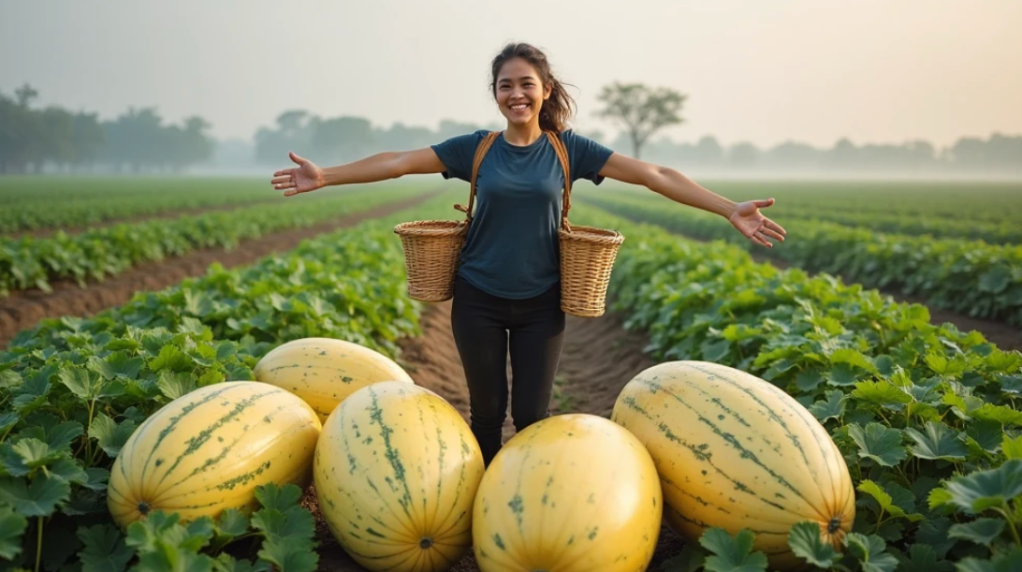
If you want underrated, this is it. Kentucky is quiet, lush, and has some of the best topsoil in the country. It’s perfect for growing survival staples like corn, beans, squash, and root veggies. There’s plenty of space, low taxes, and folks are generally self-reliant and leave you alone — exactly how we like it.


5. Texas (East Texas, specifically)

Forget West Texas unless you like growing dust. East Texas, though? It’s humid, green, and fertile. Long growing season, tons of water, and enough room to build a self-sustaining setup. The state itself has a strong “don’t tread on me” culture — and that counts for something when the grid goes down.


Final Word

You can prep all you want, but if you’re trying to grow food in a place where nothing grows, you’re wasting your time. Survival gardening isn’t just about planting seeds — it’s about being strategic, knowing your climate, and choosing a location where your garden will feed your family, not fail you when you need it most.

So stop scrolling and start planning. Because when the supply chain collapses, real security isn’t ammo — it’s potatoes.


Vermont’s Best Campsites for Off-Grid Survival Training

The Best Campsites for Vermont Survival Preppers: Top 30 Hidden Gems to Know

As a Vermont survival prepper, it’s essential to have a keen eye for locations that not only provide peace and solitude but also offer a wealth of resources for self-sufficiency. Whether you’re planning for an extended off-grid stay or just want to get away from it all, Vermont has some of the best campsites that offer everything from dense forests and flowing rivers to mountains that promise strategic vantage points. These sites are perfect for preppers who want to practice essential skills like fire starting, water purification, trapping, and navigation, all while keeping an eye on their preparedness plans.

Vermont is a state that’s ripe for prepping, with its rugged terrain and abundance of natural resources. The state offers an ideal blend of beautiful landscapes, safety, and isolation. If you’re ready to tap into Vermont’s survival potential, here are 30 of the best campsites for preppers, along with some key tips on why these sites should be your go-to for both training and relaxation.

1. Green Mountain National Forest

Let’s start with the crown jewel of Vermont’s outdoor experience. Green Mountain National Forest stretches across a vast area, filled with dense woods, hidden trails, and pristine lakes. Perfect for bugging out, it’s one of the best locations to practice wilderness survival skills. The area has countless campsites, ranging from established to primitive sites, where you can practice everything from bushcraft to long-term camping strategies.

CLICK HERE TO LEARN HOW TO SURVIVE A FAMINE

2. Smuggler’s Notch State Park

This one is perfect for learning about terrain navigation and survival in mountainous regions. Smuggler’s Notch is known for its steep cliffs and dense forest, making it a challenge for anyone who wants to test their skills in tough conditions. The park has a number of campgrounds that cater to preppers looking to escape and practice their off-grid living techniques.

3. Mount Mansfield State Forest

For those wanting a higher elevation experience, Mount Mansfield offers breathtaking views and tough terrain. It’s Vermont’s highest peak, so it’s a prime spot for honing navigation and shelter-building skills while you take in the incredible vistas.

4. Lake Willoughby

This hidden gem in the Northeast Kingdom provides some of the clearest water in the state, making it perfect for fishing, water purification training, and even just enjoying some fresh water in the wild. The surrounding forests and hiking trails offer ample opportunities to learn primitive skills, and the area is isolated enough for a peaceful retreat.

5. Silver Lake State Park

Silver Lake offers opportunities for water-based survival skills. From fishing and boating to learning how to purify water, you’ll find plenty of natural resources here. Plus, the surrounding woods are home to an array of edible plants and wildlife to practice foraging.

6. Camel’s Hump State Park

A prime spot for a rugged, survivalist experience, Camel’s Hump State Park offers rugged, rocky terrain and thick woods. You can practice tracking, shelter-building, and identifying edible plants and animals. It’s also great for honing your ability to move stealthily through the wilderness.

7. Lake Champlain Islands

Situated along Vermont’s border with New York, the Lake Champlain Islands offer access to both water and land resources. Perfect for preppers who want to practice fishing, trapping, and wilderness navigation, this area is an ideal spot for a long-term survival test.

8. Elmore State Park

A peaceful and quiet location, Elmore State Park offers an opportunity for preppers to practice stealth camping. The wooded areas and lake offer various ways to learn about living off the land, and its isolation ensures a less crowded environment for prepper-style camping.

9. Underhill State Park

Underhill is one of the more rugged parks in Vermont. This park is perfect for climbing, survival skills training, and tactical movements. Its mountainous terrain and dense forest make it an excellent location to practice bushcraft and self-sufficiency.

10. The Long Trail

Stretching from Massachusetts to Canada, the Long Trail is a famed hiking route, but it also offers plenty of remote areas to practice wilderness survival. With primitive campsites scattered along the way, it’s ideal for those looking to hone their skills in a more isolated environment.

11. Moscow Woods

Moscow Woods offers a more isolated experience for those wanting to learn skills like hunting, foraging, and building shelters. The dense forest provides cover, and its proximity to the Lamoille River means water access is easily within reach.

12. Gifford Woods State Park

Gifford Woods is a great place for preppers to get back to basics. The park is dense with trees and wildlife, offering plenty of foraging and hunting opportunities. It’s also a great spot for practicing shelter-building and learning how to make use of the natural resources around you.

13. State Forests Near Brandon

Brandon’s state forests are rich in flora and fauna, making it an ideal environment for preppers who want to practice gathering wild food. It also has streams and ponds that offer water purification opportunities.

14. Niquette Bay State Park

This park offers easy access to Lake Champlain and is perfect for preppers who want to practice water-based survival tactics. It also offers plenty of land resources, such as berries and game, and is close to Burlington for any supplies you may need.

15. Big Basin Campground

Located in the heart of Vermont, Big Basin Campground offers a secluded environment perfect for learning all the aspects of wilderness living, from fire-starting techniques to food preservation. It’s ideal for those wishing to train with minimal distractions.

16. Quechee State Park

Situated along the Ottauquechee River, Quechee offers a more tranquil camping experience. It’s a fantastic place for practicing navigation and finding shelter in a mixed forest and riverine landscape. The proximity to water makes it an ideal location for testing your water purification and fishing skills.

17. Brighton State Park

Brighton’s remote location in the Northeast Kingdom provides ample space for camping and practicing wilderness survival. It’s an excellent spot for fishing, wildlife tracking, and learning how to forage for wild food in Vermont’s northern woods.

18. Woodford State Park

Located near the Green Mountains, this park offers opportunities for both water and woodland survival techniques. Its remote location makes it great for secluded training, and it’s known for its wildlife, including deer and wild turkey.

19. Lye Brook Falls Wilderness Area

For the more advanced prepper, Lye Brook Falls offers challenging terrain, waterfalls, and a variety of wildlife. It’s perfect for survivalists looking for tough conditions to train in and develop a variety of outdoor skills.

20. North Beach Campground

Located near Burlington, North Beach offers a unique blend of lakefront camping and wooded areas. This is a great place for water survivalists looking to practice kayaking or canoeing in Vermont’s waterways.

21. Kettle Pond State Park

This park offers a mix of woodland and water-based survival opportunities, including fishing, water purification, and boat-building. It’s a peaceful and secluded place to practice these skills without interference.

22. Harriman Reservoir

Harriman Reservoir offers a fantastic location for preppers who want to combine survival skills with water-based activities. It’s remote enough to provide the necessary privacy for long-term camping and practicing your wilderness survival skills.

23. Woods Hill State Forest

For those looking for complete isolation, Woods Hill State Forest offers a rare opportunity to practice being completely off-grid. The forest is dense with vegetation, and its steep terrain offers unique challenges for preppers to overcome.

24. Moose Bog

Moose Bog offers a unique combination of marshland and forest, providing a variety of skills for the survivalist to learn, from navigating wetlands to building natural shelters. It’s also a good spot for tracking and observing wildlife.

25. New Discovery State Park

Known for its pristine forests and proximity to nearby mountain ranges, New Discovery offers many opportunities for backwoods survival training. The park’s isolation makes it an ideal spot for preppers to test their skills in true wilderness conditions.

26. Pine Hill Park

This park is located near Middlebury and offers both wooded areas and access to the Otter Creek, a great resource for preppers to practice water purification and fishing techniques.

27. Mount Philo State Park

With its panoramic views and wooded terrain, Mount Philo offers an ideal spot for learning shelter-building, fire-making, and map reading. It’s a perfect training ground for beginners and experienced preppers alike.

28. Warren Falls

Known for its scenic beauty, Warren Falls is a great place to practice water-based survival skills. The falls are surrounded by dense woods, providing an opportunity for stealthy camping and survival skill practice.

29. Bolton Valley Resort

For the more adventurous prepper, Bolton Valley Resort provides a great mixture of alpine terrain and deep woods, perfect for building winter survival skills. It’s a great place to practice shelter-building in harsh conditions.

30. Stowe Mountain Resort

Not only is it a popular tourist destination, but Stowe offers incredible opportunities for those looking to practice winter survival techniques. Its mountainous environment is ideal for testing cold-weather gear and practicing emergency winter survival tactics.


Conclusion:

Vermont is home to countless beautiful and remote campsites that cater to preppers looking to practice their survival skills. Whether you’re focused on water purification, shelter building, hunting, or foraging, these locations offer unparalleled opportunities for both beginners and seasoned survivalists alike.

By choosing the right spot, you can sharpen your skills, learn new techniques, and immerse yourself in the wild. Remember, always prioritize safety, carry the right equipment, and respect the environment while you prepare for the challenges ahead.

Surviving Vermont’s Worst Disasters: Are You Prepared for the Worst?

This is How Vermont Residents Prepare for the State’s Worst Natural Disasters

Living in Vermont, we understand that the weather and natural environment can be unpredictable and harsh, especially when it comes to natural disasters. Being a prepper here means adapting to the unique challenges that our beautiful state offers. From snowstorms to floods, we know firsthand that being prepared can make all the difference when the worst happens.

Vermont’s natural disasters aren’t like the catastrophic hurricanes or earthquakes you might hear about in other parts of the country. Instead, they come in the form of things like heavy snow, intense flooding, ice storms, and even the occasional tornado. While we’re lucky enough to be far removed from some of the extreme weather patterns, we don’t take our safety lightly. We know that preparation isn’t just about stockpiling supplies; it’s about having the skills, knowledge, and mindset to thrive no matter what nature throws at us.

The Power of Preparation in Vermont

CLICK HERE TO LEARN HOW TO SURVIVE A FAMINE

Vermont’s weather is not for the faint-hearted. Winters can bring heavy snowfalls, freezing temperatures, and power outages that can last for days. In the summer, flooding from sudden rains can wreak havoc on homes, roads, and infrastructure. And then there’s the unpredictable threat of tornadoes, especially in the spring. As preppers, we don’t sit around waiting for a disaster to strike. We actively plan, prepare, and adapt to make sure we’re as self-sufficient as possible when the worst happens.

The Top Natural Disasters Vermonters Face

  1. Heavy Snowstorms and Blizzards
    Winters in Vermont are brutal, with snowstorms and blizzards often hitting the state hard. It’s not unusual for a storm to dump several feet of snow, and combined with subzero temperatures, these events can cause power outages, block roads, and make travel nearly impossible.
  2. Flooding from Spring Rains
    Vermont’s rivers and streams are subject to rapid rises in water levels during the spring thaw or after heavy rainfalls. This can lead to severe flooding, especially in areas near the Winooski and Otter Creek. Flooding can damage homes, businesses, and infrastructure, and the aftermath is often a long recovery process.
  3. Ice Storms
    Ice storms are another common issue. Freezing rain can coat everything, including trees and power lines, leading to widespread power outages. These storms can be just as dangerous as blizzards and often result in hazardous driving conditions and downed trees.
  4. Tornadoes
    While Vermont is not as tornado-prone as places like the Midwest, tornadoes do occur here, typically in the spring and early summer. They can cause sudden and violent destruction in their path, and while they are generally weaker than those in more tornado-prone areas, they can still be deadly.
  5. Wildfires
    While not as common as in western states, wildfires have become more of a concern in Vermont in recent years due to changing climate patterns. Dry conditions combined with gusty winds can create the perfect storm for fast-moving fires in forested areas, especially in the late summer and fall.

The Importance of Self-Reliance

Being a prepper in Vermont isn’t just about having a stash of supplies in your basement or garage. It’s about self-reliance, resourcefulness, and building a lifestyle that can withstand whatever nature throws your way. Here are ten essential tips that all Vermonters should consider when preparing for natural disasters:

1. Winterize Your Home and Vehicles

Snow and freezing temperatures are a given in Vermont. Ensure your home is well-insulated, with backup heating options such as a wood stove or propane heater. Keep your car stocked with essentials like blankets, extra gloves, and a shovel. Never rely on your car to keep you warm for long periods.

2. Stockpile Emergency Supplies

The importance of having a solid supply of food, water, and medical necessities cannot be overstated. In Vermont, snowstorms and power outages can keep us cut off from stores for days. Store at least 72 hours’ worth of supplies, including non-perishable food, bottled water, and any medications you may need.

3. Invest in a Generator

Vermont’s winter storms often result in power outages that can last for several days. A generator can be a game-changer, providing power for essentials like lighting, heating, and refrigeration. Ensure your generator is in good working order and that you have enough fuel to run it.

4. Create an Emergency Evacuation Plan

Flooding, wildfires, and even tornadoes can force you to evacuate. Know the safest routes out of your area and establish a communication plan with family and neighbors. Practice this plan regularly so that everyone knows what to do in case of an emergency.

5. Be Prepared for Ice Storms

Ice storms can create hazardous conditions very quickly. Keep your driveway and walkways clear of ice, and keep a supply of sand or salt handy for traction. In the event of a power outage, a battery-powered radio or a crank-powered device can keep you informed.

6. Prepare Your Land for Fires

Even if wildfires aren’t frequent in Vermont, they are a possibility, especially with the changing climate. Clear brush and dead trees from around your property, and make sure that you have a water source nearby in case of a fire emergency.

7. Stay Informed with Weather Alerts

Vermont’s weather can change quickly. Sign up for emergency weather alerts, whether through your phone or local news stations, so you’re always in the loop. A NOAA weather radio is also a great backup in case the power goes out.

8. Have a Bug-Out Bag Ready

A bug-out bag (BOB) should contain the basics for survival: food, water, clothing, first aid supplies, and tools. Make sure that every family member has one, and keep it easily accessible in case you need to leave in a hurry.

9. Understand Local Terrain and Risks

Vermont’s landscape can be both beautiful and dangerous. Understand your local risks, whether that’s flooding along a river, avalanche zones, or areas prone to wildfires. Knowing the terrain can help you make better decisions when it comes to evacuation and survival strategies.

10. Grow Your Own Food

If you have the space, growing your own food is a sustainable and rewarding practice. Vermont’s growing season may be short, but hardy crops like root vegetables and cold-weather crops can thrive here. A garden can help you stay self-sufficient, especially if grocery stores become inaccessible.

Community Preparedness: Helping Each Other

In Vermont, we’re a tight-knit community. Whether it’s lending a hand to a neighbor after a blizzard or checking in on elderly family members during an ice storm, we know the value of community in times of disaster. Keep in touch with your neighbors and family members and establish a support system. In emergencies, it’s not just about surviving on your own—it’s about surviving together.

Conclusion

While Vermont may not face the same level of natural disasters as other parts of the country, we’re still vulnerable to the forces of nature. As Vermonters, we understand the importance of preparation, self-reliance, and community. By following these tips and taking a proactive approach to disaster preparedness, we can ensure that we’re ready for whatever comes our way. When disaster strikes, it’s not about panicking; it’s about staying calm, staying prepared, and staying safe.