Virginia Homestead Lifestyle

Virginia Homestead Lifestyle: The Rant You Need from an Angry Homesteader

Let me tell you something right off the bat — this modern world’s gone soft. Folks can’t go two hours without a drive-thru meal, their third iced coffee, and their precious little phone telling them how to breathe. Meanwhile, out here in the rolling hills of Virginia, we’re doing things the way our great-grandparents did — with grit, with dirt under our fingernails, and without needing to Google “how to boil water.”

You want the Virginia homestead lifestyle? Good. But don’t expect it to be all cute chickens and fresh eggs. This ain’t a Pinterest board. This is real life. Real work. And if you’re not willing to break a sweat, bleed a little, and maybe cry into your calloused hands now and then, you might as well turn back now and go back to your soy lattes and your HOA complaints.

Now that we’ve weeded out the weak, let me give you a crash course in what it really means to homestead in Virginia. We’ve got four solid seasons here — from blazing humidity in July to frozen ground in January. If you don’t respect the land and the weather, the land will eat you alive. Period.

Let’s start with the 15 skills you better learn fast if you want to make it out here:


1. Gardening (with actual results)

I’m not talking about a pot of basil on your windowsill. You better learn how to grow food — tomatoes, potatoes, beans, squash, corn. Figure out succession planting, crop rotation, and pest control that doesn’t destroy your soil. This is survival gardening, not Instagram.

2. Canning and Preserving

If you don’t know what a pressure canner is, you’re behind. Water bath canning for high-acid stuff, pressure canning for low-acid. Learn it, practice it, and keep your shelves stocked. Freezers fail — jars don’t.

3. Basic Carpentry

You’re going to need to build things. Coops, sheds, fences, maybe even a barn if you’re ambitious. A hammer, a saw, a level — get familiar with them. Ain’t nobody got time to wait on contractors who charge $200 just to show up.

4. Animal Husbandry

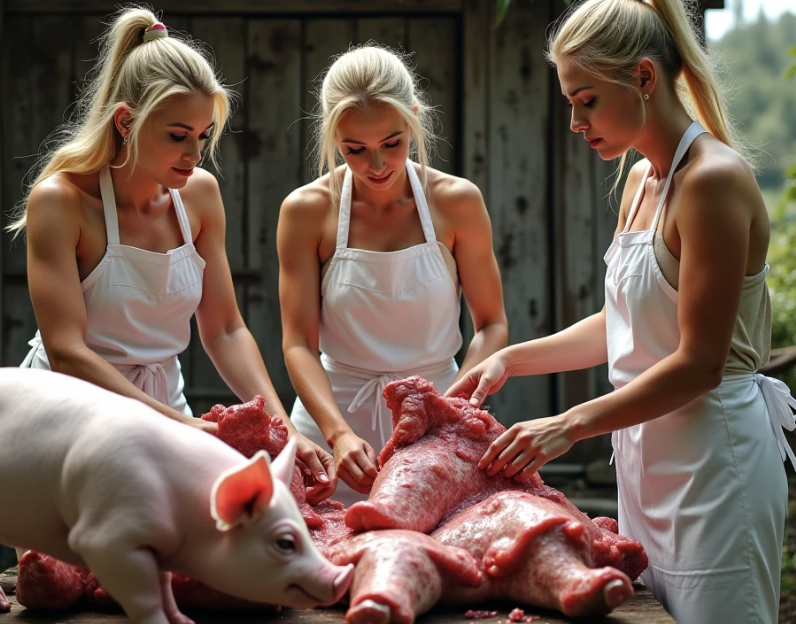
Chickens, goats, rabbits, maybe a couple pigs. You need to know how to feed them, breed them, and when the time comes — butcher them. Harsh? Maybe. But it’s honest.

5. Composting

Waste nothing. That pile of kitchen scraps and animal bedding can turn into black gold. Know what to compost, how to keep it hot, and how to use it.

6. Seed Saving

You really want to be self-sufficient? Stop buying seeds every spring. Learn how to save them. Tomatoes, beans, squash — they’re easy starters.

7. Hunting and Trapping

Deer season isn’t just for fun. It fills your freezer. Know the laws, respect the game, and sharpen your shot. Trapping’s trickier, but muskrats and raccoons don’t belong in your chicken coop.

8. Firewood Management

Chainsaw skills, axe work, splitting, stacking, seasoning — your heat depends on it if you’re off-grid or using a wood stove. Start early, or you’ll be burning green wood and cursing yourself in January.

9. Food Storage (beyond the pantry)

Root cellars, smokehouses, drying racks — these old-school methods still work. Don’t act surprised when the power goes out and your freezer full of meat is suddenly a liability.

10. Beekeeping

Not just for honey. Bees help everything grow. They’re finicky, though. Treat them right and they’ll give you liquid gold and pollinate your crops. Treat them wrong and they’ll abandon you.

11. Basic Veterinary Skills

Can’t call the vet every time a chicken sneezes or a goat limps. Learn how to treat wounds, give shots, and recognize illness. Your animals are your livelihood.

12. Soap Making

Store shelves empty? You’ll still be clean. Lye, fat, and patience. That’s all it takes. Plus, it beats rubbing synthetic nonsense on your skin.

13. Sewing and Mending

Clothes tear. Blankets wear out. Learn how to stitch a seam and patch a hole. Keep your gear going instead of tossing it.

14. Water Management

Wells, rainwater catchment, filtering, hauling — know it all. When the faucet stops running, will you know where to turn?

15. Emergency Medical Know-How

A well-stocked first aid kit won’t save you if you don’t know how to use it. Splints, wound care, recognizing infections — these are essential.


You still with me? Good. Then let me sweeten the pot with 3 DIY homestead hacks that’ll save your hide one day:


Hack #1: 5-Gallon Bucket Nesting Boxes

You don’t need to spend a fortune on fancy nesting boxes. Take a few 5-gallon buckets, cut off the top third at a 45° angle, bolt them to the wall at a slight upward tilt, and throw in some pine shavings. Chickens love ‘em, and they’re easy to clean. Durable, too — and free if you salvage from restaurants or bakeries.


Hack #2: Solar-Powered Electric Fence from Recycled Parts

Predators don’t care how much your livestock cost. Keep them out with a DIY solar electric fence. Repurpose an old solar yard light, a small car battery, and some wire from that junk pile you keep meaning to clean up. Hook up a low-voltage fence charger, and bam — perimeter security without raising your electric bill.


Hack #3: DIY Root Cellar in a Trash Can

Don’t have the time or money for a full root cellar? Bury a metal trash can up to the rim in a shady spot. Line the bottom with gravel for drainage, then stack your root veggies in layers of sand or sawdust. Pop the lid on and cover with straw bales in winter. It’ll stay cool and dark — perfect for carrots, potatoes, and turnips.


Living the Virginia homestead lifestyle isn’t about prepping for doomsday. It’s about living honestly — away from the noise, the lies, and the weakness of a society that’s forgotten how to feed itself. It’s about waking up with the sunrise, working your body to the bone, and falling asleep with pride instead of anxiety.

People say, “I could never do that. It’s too hard.” Damn right, it’s hard. That’s the point. If you’re looking for ease, go back to your concrete jungle. But if you’re looking for a life with meaning, sweat, and real satisfaction — get your boots on. We’ve got work to do.


So go on — till that soil, raise that barn, gather those eggs, and for the love of all things sacred — stop whining. This is Virginia. We don’t just survive out here. We thrive.


The Ultimate List of Survival Foods You Should Grow Yourself

The Ultimate List of Survival Foods You Should Grow Yourself

(Told by a Fed-Up, No-Nonsense Survivalist)

Listen up. If you think the grocery store is your safety net, you’re already screwed. This isn’t a joke and it sure as hell ain’t a game. When the trucks stop rolling, the power goes out, or the world goes sideways — your fancy apps and two-day shipping won’t feed you.

You want to survive? You GROW your food.

I’m not talking about pretty little herb gardens. I’m talking calorie-dense, nutrient-rich, survival-grade crops that’ll keep you and your family alive when the rest of the neighborhood is fighting over moldy cans of beans.

Here’s the no-BS list of survival foods you should be growing RIGHT NOW — and if you’re not, then get off your butt and get planting.


🔥 The Survival Foods You NEED To Grow

  1. Potatoes
    These starchy workhorses are loaded with carbs and keep well in a root cellar. Grow them in buckets, raised beds, whatever you’ve got. Easy, fast, and reliable.
  2. Beans (Pole & Bush)
    High in protein, they’re your best friend when meat isn’t an option. They also fix nitrogen in the soil — which means better yields overall.
  3. Corn
    Don’t grow sweet corn for fun. Grow dent or flint corn — the kind you can dry and grind into meal. This is real survival food.
  4. Winter Squash
    Long shelf life. Heavy on calories. Butternut, acorn, spaghetti — doesn’t matter. They’ll keep through winter if stored right.
  5. Garlic
    Not just for flavor. Garlic is antibacterial, antifungal, and boosts immunity. Plus, it stores for months.
  6. Onions
    Adds depth to every meal, and it’s another strong natural antibiotic. Plant a lot — they go quick.
  7. Carrots
    Vitamin A bombs. Easy to grow, easy to store, and great for morale. Don’t underestimate morale food.
  8. Kale and Collards
    Leafy greens that don’t quit. They’ll grow in frost and keep producing for weeks. Nutrient-rich and damn tough.
  9. Cabbage
    Eat it raw, cooked, or ferment it into sauerkraut for gut health. Stores well and produces big.
  10. Tomatoes (Paste Types)
    Forget salad tomatoes. Grow Roma or San Marzano. They’re meaty, great for sauces, and can be preserved easily.
  11. Peppers
    Bell or hot, they’re loaded with vitamin C and they dehydrate well. Hot peppers also help preserve food and boost metabolism.
  12. Sweet Potatoes
    Grow the greens and the tubers. High in nutrients, hardy in poor soil, and sweet enough to break up food boredom.
  13. Zucchini
    One plant can feed a neighborhood. You’ll get tired of zucchini before it stops producing.
  14. Turnips
    Fast-growing and reliable. The roots feed you, the greens feed your livestock or compost. Win-win.
  15. Herbs (Basil, Thyme, Oregano)
    Not just flavor. Many herbs have medicinal benefits, and let’s be honest — bland food kills morale faster than cold weather.

🧠 Top 15 Survival Skills You Better Learn Yesterday

  1. Canning and Preservation
    If you can’t store it, you’re wasting harvest. Learn water bath and pressure canning NOW.
  2. Seed Saving
    No seed = no food next season. Learn to save and store seeds properly.
  3. Composting
    Fertilizer won’t fall from the sky. Compost everything — food scraps, manure, leaves.
  4. Irrigation Setup
    No water = dead garden. Build a rain catchment system or gravity-fed drip line.
  5. Crop Rotation
    Don’t plant the same thing in the same spot. It destroys your soil.
  6. Soil Building
    Healthy soil is LIFE. Use compost, mulch, manure, and worm castings.
  7. Foraging
    Know what edible weeds and wild plants grow near you — just in case your garden fails.
  8. Basic First Aid
    What’s that got to do with food? A LOT when you slice your hand harvesting cabbage in a blackout.
  9. DIY Pest Control
    No pesticides? Learn natural methods — neem oil, diatomaceous earth, companion planting.
  10. Food Dehydration
    Dry fruits, veggies, and meats. Lightweight, long-lasting survival food.
  11. Root Cellar Building
    Store food the old-school way — underground and temperature-stable.
  12. Cooking Without Power
    Solar oven, rocket stove, open fire. Know them all.
  13. Water Purification
    Rainwater + bacteria = diarrhea. Filter it, boil it, or don’t drink it.
  14. Tool Maintenance
    A broken hoe doesn’t feed you. Learn how to fix and sharpen your gear.
  15. Animal Husbandry (Bonus)
    Chickens, rabbits, goats — they add meat and manure to your homestead. Even if you start small.

🛠️ 3 DIY Survival Hacks You’ll Thank Me For Later

  1. 5-Gallon Bucket Potato Tower
    No space? No problem. Drill drainage holes in a 5-gallon bucket. Plant seed potatoes at the bottom, keep adding soil as they grow. Harvest a full bucket of potatoes in a few months.
  2. Homemade Self-Watering Containers
    Take two buckets. One for the water reservoir, one with soil and a wicking system. Perfect for growing during hot months or if water is limited.
  3. Eggshell Calcium Boost
    Dry and crush eggshells, sprinkle them in your garden beds. It adds calcium, keeps slugs away, and helps prevent blossom-end rot in tomatoes.

Final Word from a Tired, Angry Survivalist

Look — I don’t care who you voted for. I don’t care how many TikToks you’ve watched about prepping. If you don’t get serious and start growing your own food, you’re gambling with your life.

The system is fragile. The soil is ready. The question is — are you?

You don’t need land, money, or even experience. You need the will to survive, some dirt, and the guts to get started.

Start now. Not tomorrow. Not when things “calm down.”
Because when it all goes dark — those who grow, eat.
And those who wait… don’t.

The Best States to Grow a Survival Garden

(Told Straight by Someone Who Actually Grows Their Own Damn Food)

Let’s cut the fluff. If you’re thinking about survival gardening, your location matters — a lot. You don’t want to be stuck trying to grow tomatoes in 100-degree desert heat or watching your crops rot from nonstop rain in the Pacific Northwest. You need a place where the soil is good, the growing season is long, and the government leaves you alone.

So here it is — the hard truth about the best states to grow a survival garden. I’m talking about places where you can grow enough food to survive, thrive, and stick it to the system if things go sideways.


1. Tennessee

You want rich soil? You want rain? You want a long growing season and low land prices? Tennessee checks all the boxes. Mild winters, plenty of sunshine, and you can grow almost everything here — beans, corn, squash, tomatoes, leafy greens, potatoes, fruit trees. The laws are also favorable to homesteaders. Not too many restrictions, and folks mind their own business.


2. Missouri

The Ozarks are a survivalist’s dream. Tons of natural resources, plenty of fresh water, and excellent soil. Plus, land is still affordable if you know where to look. You can grow food, raise animals, and build off-grid without some HOA telling you your solar panels are “unsightly.” It’s no wonder so many preppers are quietly heading this way.


3. North Carolina

Western North Carolina especially. Good elevation, great soil, and a long enough growing season to plant more than one crop per year. You’ve got access to fresh water from mountain streams, and the climate isn’t brutal. It’s a solid blend of self-sufficiency potential and relative safety from extreme weather.


4. Kentucky

If you want underrated, this is it. Kentucky is quiet, lush, and has some of the best topsoil in the country. It’s perfect for growing survival staples like corn, beans, squash, and root veggies. There’s plenty of space, low taxes, and folks are generally self-reliant and leave you alone — exactly how we like it.


5. Texas (East Texas, specifically)

Forget West Texas unless you like growing dust. East Texas, though? It’s humid, green, and fertile. Long growing season, tons of water, and enough room to build a self-sustaining setup. The state itself has a strong “don’t tread on me” culture — and that counts for something when the grid goes down.


Final Word

You can prep all you want, but if you’re trying to grow food in a place where nothing grows, you’re wasting your time. Survival gardening isn’t just about planting seeds — it’s about being strategic, knowing your climate, and choosing a location where your garden will feed your family, not fail you when you need it most.

So stop scrolling and start planning. Because when the supply chain collapses, real security isn’t ammo — it’s potatoes.

Wilderness Survival in Virginia: 30 Perfect Campsites for Preppers

30 Virginia Campsites That Will Help You Hone Your Survival Skills

Living in Virginia as a survival prepper offers a unique set of challenges and opportunities. This state, with its diverse terrain ranging from the Appalachian Mountains to the Atlantic coastline, provides countless opportunities for prepping, camping, and honing survival skills. Whether you’re looking to escape the chaos of everyday life or prepare for uncertain times, Virginia has a wealth of camping sites that cater to those with a survival mindset. From deep forested areas to remote mountain ridges, these sites offer the perfect blend of wilderness immersion and security.

CLICK HERE TO LEARN HOW TO SURVIVE A FAMINE

As a survival prepper, you’re likely already familiar with the importance of selecting campsites that not only provide a break from the modern world but also allow you to practice and refine critical survival skills. In Virginia, the options are endless. These campsites allow you to build your survival kit, test your shelter-building techniques, practice fire-starting, or simply connect with nature to hone your instincts. Each site presents a new opportunity to grow your prepping knowledge, and many of them are secluded enough to ensure that you’re practicing true wilderness survival techniques.

1. Grayson Highlands State Park

Located in the southwestern corner of Virginia, Grayson Highlands is famous for its rugged beauty and wild ponies. As a prepper, you can practice long-range navigation, fire-building, and shelter construction here. The park has several hiking trails that challenge your endurance and survival tactics, especially with the unpredictable weather and varied terrain. With over 4,500 acres of natural beauty, it’s an ideal spot for wilderness survival training.

2. Shenandoah National Park

Shenandoah National Park, located just two hours from Washington, D.C., offers over 200,000 acres of pristine wilderness. This park has numerous trails that vary in difficulty, making it a perfect place for survivalists to practice different skills. The Appalachian Trail runs through this park, allowing you to experience long-distance hiking and camping in one of the most rugged, remote parts of Virginia.

3. James River State Park

For those who love water-based survival skills, James River State Park is a great option. The park is located along the James River and provides various camping experiences, from backcountry camping to more accessible spots. It’s a fantastic site for practicing water purification techniques, fishing, and learning how to use the river for navigation.

4. Douthat State Park

Douthat State Park is located in the Allegheny Mountains and features over 4,500 acres of wilderness. The park’s terrain is a mix of thick forests and rugged hills, perfect for testing your survival techniques. Douthat is known for its peacefulness and isolation, making it a great spot for long-duration survival camping.

5. Mount Rogers National Recreation Area

Another gem in southwestern Virginia, Mount Rogers National Recreation Area, offers both alpine terrain and deep forests for survivalists to test their skills. It’s known for its remoteness and challenging hiking conditions. This area offers a great chance for testing your endurance while practicing wilderness navigation and shelter building.

6. George Washington and Jefferson National Forests

These vast forests in Virginia are ideal for those who want to get deep into the wilderness. The terrain includes a variety of ecosystems and challenges that will push you to hone your survival skills, from fire-starting to navigation. With thousands of miles of trails, you can easily find a secluded campsite that fits your prepper needs.

7. Gravel Hill Campground

Located in the George Washington National Forest, Gravel Hill Campground offers a more basic, no-frills camping experience. It’s perfect for preppers who want to truly disconnect and practice survival skills without the distractions of modern amenities. The campground is remote, which makes it ideal for testing your ability to be self-sufficient.

8. New River Trail State Park

This park is an excellent spot for preppers looking to practice water-based skills such as fishing and purification. The New River offers both a relaxing environment and the opportunity to learn more about using natural water sources for survival. The trails here are relatively easy, making it a good choice for beginner preppers.

9. Pocahontas State Park

Pocahontas State Park offers a large, diverse area for camping, hiking, and survival practice. The park features both primitive campsites and more modern amenities, but its more isolated areas provide an ideal environment for prepping. The park’s forested environment makes it great for learning to live off the land.

10. Fairy Stone State Park

Fairy Stone State Park is named for the rare “fairy stones” found within its boundaries. The park offers a variety of landscapes, from the quiet shores of Stuart Lake to the rugged foothills of the Blue Ridge Mountains. Preppers will find plenty of opportunity here for practicing wilderness survival techniques, from shelter building to foraging.

11. Back Bay National Wildlife Refuge

Back Bay National Wildlife Refuge is located along the Virginia Beach coastline. It offers a unique setting for preppers who want to practice survival techniques in coastal environments. The park is home to a variety of wildlife and is known for its isolation. It’s an ideal spot for practicing beach camping and water purification using saline sources.

12. Sparrow Hill Campground

Located in the Jefferson National Forest, Sparrow Hill is perfect for those who prefer a more rugged and remote camping experience. It’s isolated, ensuring you’ll be able to practice real survival scenarios like making do with minimal resources and living off the land.

13. Lake Anna State Park

For survival preppers who enjoy the mix of forest and water, Lake Anna State Park offers an excellent environment. You can practice building shelters near the water’s edge, fishing, and purifying water for drinking. The park’s secluded areas offer privacy and a great space for honing wilderness skills.

14. Luray Caverns Campground

For a unique survival challenge, consider camping at Luray Caverns Campground. The nearby caverns offer a completely different dimension to wilderness survival, with opportunities to practice navigating caves and using underground environments to your advantage.

15. Skyline Drive

Skyline Drive runs through Shenandoah National Park and offers access to some of the best wilderness areas in Virginia. It’s a prime location for survival preppers to practice long-term camping, test gear, and even engage in wild food foraging. The high-altitude areas provide additional challenges, especially during the colder months.

16. Lake Moomaw

Located in the Allegheny Highlands, Lake Moomaw is perfect for water-based prepping. With its tranquil setting, you can practice fishing, water purification, and shelter-building by the water. The area is surrounded by dense forests, which offer additional survival practice opportunities.

17. Big Survey Campground

A secluded spot within the George Washington National Forest, Big Survey Campground offers a perfect environment for wilderness survival training. With limited facilities and plenty of natural resources, this campground lets you practice being entirely self-sufficient. The surrounding forest provides ample opportunities for fire-building, shelter-making, and other key survival skills.

Additional Virginia Campsites for Preppers:

  1. Mason Neck State Park
  2. Natural Bridge State Park
  3. Claytor Lake State Park
  4. Kiptopeke State Park
  5. Belle Isle State Park
  6. Appalachian Trail Campgrounds
  7. Cedar Creek Battlefield Park
  8. Blandford Cemetery
  9. Wilderness Road State Park
  10. Chippokes Plantation State Park
  11. Piney River Campground
  12. Milboro Springs Campground
  13. Meadows of Dan
  14. Jordan’s Point Park
  15. Montpelier Estate
  16. Blue Ridge Parkway Campgrounds
  17. Hickory Hill Campground
  18. Roaring Run Natural Area
  19. Harrisonburg City Parks
  20. Cave Mountain Lake Campground

Conclusion: Virginia’s Campsites – A Preppers’ Ultimate Survival Playground

Virginia offers an impressive array of landscapes, diverse terrains, and rich wilderness areas that make it a perfect destination for survival preppers. From the wild, windswept ridges of the Appalachian Mountains to the tranquil shores of the Chesapeake Bay, the state’s vast forests, rivers, and highlands provide the ideal backdrop for honing essential survival skills. Whether you’re looking to practice shelter-building techniques, develop fire-starting proficiency, or test your ability to navigate remote trails, Virginia’s campsites deliver a variety of opportunities to strengthen your preparedness.

For a prepper, choosing the right campsite is about more than just getting away from it all – it’s about immersing yourself in nature, learning to live with less, and testing your gear and skills in real-world conditions. Many of the locations mentioned in this guide offer exactly that, allowing you to practice the vital survival skills that could one day prove indispensable in a crisis. You can learn to live off the land, purify water from natural sources, forage for food, and adapt to changing conditions – all of which are key elements of survival training.

Moreover, Virginia’s backcountry campsites offer the opportunity to disconnect from the modern world and experience true isolation, which can be crucial for preppers aiming to build resilience and self-reliance. Whether it’s navigating in dense forests, fishing in remote lakes, or surviving in the harsh elements, these campsites push you to develop the mental fortitude and practical knowledge that are the backbone of survival prepping.

The variety of campsites in Virginia – ranging from well-established parks with modern amenities to more rugged, primitive sites – ensures that you can tailor your experiences to suit your needs. Whether you’re a beginner prepper looking for safe and accessible locations or an advanced survivalist seeking remote, off-the-grid sites, Virginia has something for everyone. The parks and wilderness areas covered here offer everything from well-maintained campgrounds to completely isolated areas where you can push your skills to the limit.

Additionally, camping in Virginia allows you to test not only your physical and practical skills but also your mental preparedness. The solitude of these campsites can challenge your ability to stay calm under pressure, think critically, and adapt to unexpected situations. In a survival scenario, these qualities could be the difference between success and failure.

The natural beauty and ruggedness of Virginia’s outdoors are also a reminder of how important it is to respect nature and be prepared for anything. Prepping isn’t just about stockpiling food and gear – it’s also about understanding and respecting the environment, learning how to live sustainably, and knowing how to use nature to your advantage. Each of these campsites provides a unique opportunity to learn these crucial lessons.

As we look to the future, it’s clear that preparedness will continue to be a priority for many individuals, and Virginia’s campsites remain an invaluable resource in this journey. Whether you’re preparing for a natural disaster, a social collapse, or simply want to improve your wilderness skills, Virginia offers some of the best training grounds in the country.

The campsites mentioned in this guide are more than just places to camp – they are survival sanctuaries, each offering a chance to test and refine your skills. Take the time to explore these sites, immerse yourself in the wilderness, and challenge yourself to become a more self-sufficient prepper. In the end, the lessons learned and the skills gained in Virginia’s wilderness may very well be what helps you thrive when it matters most.

Remember, prepping isn’t about fear – it’s about preparedness, self-reliance, and being ready to face the unknown with confidence. And with the right mindset, the right skills, and the right training grounds, you’ll be ready for whatever the future holds. So, pack your gear, hit the trail, and discover the countless ways Virginia’s campgrounds can help you sharpen your survival instincts and achieve the peace of mind that comes from being truly prepared.

How Virginians Stay Ready for Mother Nature’s Fury

How We Virginians Prepare for the State’s Worst Natural Disasters

Living in Virginia, it’s not a matter of if a natural disaster will strike, but when. The state is vulnerable to a wide range of catastrophic events, from hurricanes and tornadoes to blizzards and flooding. As a prepper, it’s my duty to always be ready for the unexpected, and let me tell you, the unpredictable weather in Virginia can keep you on your toes.

Having lived here for years, I know firsthand the kinds of disasters that can strike at any moment. But with the right mindset and proper preparation, you can survive just about anything. Whether you’re on the coastal plains or nestled in the Appalachian foothills, being ready for the worst can mean the difference between life and death.

Virginia’s Natural Disaster Threats

CLICK HERE TO LEARN HOW TO SURVIVE A FAMINE

Here in Virginia, we face a variety of natural disasters. While the types of events may vary by region, it’s crucial to understand the risks specific to your area. I’ve seen firsthand how much chaos can result from a single storm, but I’ve also learned how to mitigate that chaos. Here’s a rundown of the most common threats Virginians face:

  1. Hurricanes and Tropical Storms
    The coastal regions, especially near Hampton Roads, are most at risk for hurricanes. These storms can pack a punch, flooding homes, downing power lines, and causing massive wind damage. The remnants of hurricanes can even affect inland areas, bringing heavy rainfall, flash flooding, and tornadoes.
  2. Flooding
    Whether it’s from heavy rainfall, overflowing rivers, or coastal storm surges, flooding is a major risk across Virginia. We’ve had many years where cities like Richmond and Charlottesville see water levels rise to dangerous heights. Flash floods, in particular, can occur without warning, especially after heavy rains.
  3. Tornadoes
    While not as frequent as in the Midwest, Virginia does experience tornadoes, particularly in the spring and summer months. These violent storms can destroy homes and leave a trail of devastation in their wake. In 2011, a significant tornado outbreak affected parts of Virginia, so it’s something we can’t ignore.
  4. Winter Storms and Blizzards
    If you live in the mountainous regions, particularly along the Blue Ridge or Appalachian Mountains, you’re no stranger to snow. While Virginia’s winters aren’t as harsh as those farther north, winter storms and blizzards can still bring about power outages and travel disruptions.
  5. Earthquakes
    While Virginia isn’t known for frequent earthquakes, the state does experience them from time to time. The most notable event was the 2011 earthquake near Mineral, VA, which was felt all the way to Washington, D.C. and beyond. It’s a reminder that earthquakes can happen even in places you wouldn’t expect.

10 Survival Prepper Tips for Virginia’s Natural Disasters

Now, let me share some survival prepper tips that have kept me and my family safe through countless storms. These strategies are designed to prepare you for the variety of natural disasters that can strike in Virginia. You don’t have to be caught off-guard—get ahead of the curve with these tips.

  1. Stock Up on Emergency Supplies
    It’s essential to have enough food and water for at least 72 hours. I recommend a 1-week supply, just in case. Canned goods, freeze-dried meals, and water filtration systems are key. Don’t forget a manual can opener.
  2. Create a Disaster Plan
    Knowing where to go and what to do in case of an evacuation can save lives. Have a designated meeting point for your family, and make sure everyone knows how to communicate if phone lines go down.
  3. Invest in a Generator
    Power outages are a regular part of life here, whether from hurricanes or winter storms. A backup generator, along with extra fuel, is a must. Just make sure it’s stored safely outside to avoid carbon monoxide poisoning.
  4. Secure Your Home Against Flooding
    If you live in an area prone to flooding, elevate critical appliances and move important documents to higher ground. Invest in sandbags or flood barriers to protect your home.
  5. Prepare for Winter Weather
    Stock up on blankets, warm clothing, and winter survival gear like a wood stove, propane heater, and hand warmers. You’ll also want to make sure you have shovels and ice melt on hand in case of snow and ice.
  6. Install a Weather Radio
    Early warning systems can give you a heads-up about severe weather. A battery-powered weather radio can alert you to things like tornado warnings, flood risks, and other emergencies, even if the power goes out.
  7. Maintain Your Vehicle
    During winter storms or evacuation situations, you may need to drive. Ensure your car has a full gas tank, working tires, and a survival kit. I keep a flashlight, extra blankets, non-perishable snacks, and water in my trunk just in case.
  8. Stay Informed
    Sign up for local emergency alerts through your county or city government. The National Weather Service is another excellent resource. Stay on top of forecasts during hurricane season and during times of high flood risk.
  9. Learn First Aid and CPR
    Knowing basic first aid and CPR can save a life, especially in remote areas where help might be delayed. Make sure you have a well-stocked first aid kit and know how to use it.
  10. Have a Bug-Out Bag Ready
    Your bug-out bag should contain everything you need to survive for at least 72 hours in case you have to evacuate. This includes food, water, first aid supplies, important documents, and clothes. Make sure it’s easy to carry and kept in a ready-to-go condition.