Surviving Ohio: The 10 Most Dangerous Things That Could Kill You at Any Moment

The state of Ohio, with its cornfields, sleepy suburbs, and so-called “friendly people,” is quietly plotting your demise. Most of the population strolls around blind to the fact that death is lurking behind seemingly innocent facades—your local forest, a quiet pond, even the air you breathe. I’m done watching idiots get themselves killed while pretending everything is “fine.”

Here’s a cold, unfiltered rundown of the top 10 most dangerous things in Ohio that can easily end your life, and what you absolutely must do to survive them. Spoiler alert: if you think luck or a polite smile will save you, you’re already halfway to the morgue.


1. Tornadoes

Ohio isn’t Oklahoma, but don’t let that fool you—tornadoes are unpredictable, brutal, and they love Ohio in spring. These rotating death funnels can obliterate homes in seconds, hurl cars like toys, and turn your entire life into a nightmare in minutes.

How to survive:

  • Never, ever ignore tornado warnings. Your “I’ll wait it out” mentality will get you killed.
  • Have a storm cellar or a reinforced basement stocked with essentials.
  • Keep helmets and heavy blankets on hand—anything to protect your skull from flying debris.

Ignoring tornadoes is like challenging a bear to a thumb war. You’ll lose.


2. Rattlesnakes and Other Venomous Critters

Ohio is home to the Eastern Massasauga rattlesnake. Cute? Sure. Deadly? Absolutely. Most people never see them until it’s too late. Combine that with aggressive bees, spiders, and other venomous creatures, and your backyard can quickly become a death trap.

How to survive:

  • Watch your step in tall grass or near rivers.
  • Keep a snakebite kit handy and know how to use it.
  • Do NOT try to handle any venomous animals. You are not a superhero.

3. Flooding

Flooding in Ohio is subtle and sinister. A seemingly calm river can swell in hours, destroying homes, sweeping cars away, and drowning the unprepared. Many deaths happen not because people can’t swim, but because they underestimate water power.

How to survive:

  • Monitor local flood alerts—this isn’t optional.
  • Never drive or walk through floodwaters. A few inches can turn into a swift, deadly current.
  • Elevate critical items in your home and have an evacuation plan.

4. Poisonous Plants

Yes, you read that right. Ohio’s forests are full of plants that can slowly, painfully kill you if ingested or touched. Poison hemlock, wild parsnip, and deadly mushrooms aren’t folklore—they’re real, and they’re everywhere.

How to survive:

  • Learn to identify toxic flora. Ignorance is fatal.
  • Never eat foraged plants unless you are 100% sure they are safe.
  • Protect your skin when walking through thick vegetation.

5. The Ohio Highways

Forget bears, snakes, or tornadoes—humans on the road are just as deadly. Ohio’s highways are crawling with reckless drivers, distracted teenagers, and commuters fueled by coffee and rage. Statistics show thousands die in car accidents each year, many preventable.

How to survive:

  • Defensive driving isn’t optional. Assume every driver is trying to kill you.
  • Avoid driving at night on rural roads; wildlife is just waiting to plow into your car.
  • Seatbelts are the bare minimum—think of them as life insurance, not a suggestion.

6. Extreme Weather

Ohio doesn’t just have tornadoes. Winters bring bone-chilling cold, ice storms, and hypothermia-inducing blizzards. Summers are sweltering, humid, and perfect for heatstroke. Nature here will test your body, patience, and survival skills.

How to survive:

  • Stock layered clothing for winter and hydration strategies for summer.
  • Never underestimate exposure—frostbite and heatstroke are silent killers.
  • Have backup heat sources and cooling methods in case the grid fails.

7. Drowning in Lakes and Rivers

Ohio has thousands of lakes, rivers, and ponds. People go to swim, fish, or boat without realizing that water can end their life in moments. Currents, cold water shock, or even just poor swimming skills can kill you faster than you think.

How to survive:

  • Always wear a life jacket while boating or fishing.
  • Swim only in designated areas with lifeguards if possible.
  • Never underestimate cold water—it can incapacitate you in minutes.

8. Rabid Animals

Rabies isn’t a legend here; it’s a very real and very deadly threat. Bats, raccoons, and even stray dogs can carry the virus. A single bite can be fatal if not treated immediately.

How to survive:

  • Avoid wild animals, especially if they are acting unusually aggressive or tame.
  • Vaccinate pets and keep them away from wildlife.
  • Seek immediate medical attention if bitten—time is critical.

9. Foodborne Illnesses

You think dying in Ohio means a tornado or snakebite? Think again. Contaminated food, whether from local farms, restaurants, or your own kitchen, kills hundreds every year. Bacteria like E. coli and Salmonella are stealthy killers.

How to survive:

  • Wash hands, cook meat thoroughly, and store food properly.
  • Be skeptical of “fresh” produce from unknown sources.
  • When in doubt, throw it out. Your life is worth more than a moldy tomato.

10. The Complacent Mindset

Finally, the most lethal danger of all is your own ignorance. People assume Ohio is “safe” because it’s not New Orleans, not California, not Alaska. That complacency kills more than snakes, floods, and tornadoes combined.

How to survive:

  • Always be aware of your surroundings.
  • Learn survival skills, first aid, and basic self-defense.
  • Never trust that luck will keep you alive. It won’t.

Conclusion

Ohio might look peaceful with its rolling hills, cornfields, and “friendly” neighborhoods, but underneath lurks a deadly cocktail of natural, human, and environmental hazards. Tornadoes, floods, venomous creatures, and your own stupidity are waiting to end your life.

If you want to survive, you need to wake up. Be vigilant, be prepared, and respect every threat like it has a vendetta against your sorry existence—because, honestly, it does. Don’t wait until it’s too late. In Ohio, death doesn’t send a warning; it just comes for you quietly, and often, ruthlessly.

You’ve been warned.

Survive Anything: The Lifespan of Your Emergency Kit and the Best Places to Keep It

When it comes to surviving the unexpected, there’s nothing more empowering than having a fully stocked emergency preparedness kit. Whether it’s a hurricane, an earthquake, a power outage, or even civil unrest, having the right supplies within reach can make the difference between a stressful inconvenience and a true life-or-death situation.

But as any seasoned prepper will tell you, it’s not just about having a kit—it’s about maintaining it, understanding its lifespan, and storing it in the right location. Today, we’re going to dive into how long emergency kits can last, what factors affect their longevity, and the best practices for storing them so they’re always ready when you need them.


Understanding the Lifespan of an Emergency Kit

First, let’s address the big question: how long can an emergency kit last? The answer isn’t straightforward, because it depends on what’s inside the kit, the storage conditions, and how often you rotate or check your supplies.

1. Food Supplies
Most preppers know that food is the cornerstone of any survival kit. However, food has a shelf life, and not all emergency foods are created equal.

  • Canned Goods: Most canned foods can last anywhere from 2 to 5 years if stored properly in a cool, dry place. However, the acidic nature of foods like tomatoes or citrus can shorten the lifespan to around 18 months to 2 years.
  • Freeze-Dried Meals: These are the gold standard for preppers because they can last anywhere from 25 to 30 years if stored correctly. They’re lightweight, nutritious, and easy to prepare with just water.
  • MREs (Meals Ready-to-Eat): Military-grade MREs can last about 5 years at room temperature, with longevity decreasing in higher temperatures.

2. Water and Hydration Supplies
Water is arguably the most critical component of any emergency kit. While tap water stored in sealed containers can last up to 6 months, commercially bottled water has a shelf life of 1 to 2 years. For long-term storage, consider water purification tablets or filters, which can last up to 10 years unopened.

3. Medical Supplies
First aid kits often contain bandages, antiseptics, medications, and other medical essentials. While bandages and gauze can last indefinitely if stored properly, medications and ointments have expiration dates ranging from 1 to 5 years. Always check these regularly and rotate them out as needed.

4. Tools and Gear
Flashlights, multi-tools, batteries, and other equipment may not “expire” in the traditional sense, but they can degrade over time. For instance, batteries may corrode or lose charge, and plastic components can become brittle if exposed to extreme temperatures. Store tools in a controlled environment and check them at least twice a year.


Factors That Affect Kit Longevity

Several external factors can influence how long your emergency kit lasts:

  • Temperature: Extreme heat can dramatically shorten the shelf life of food, medications, and batteries. Keep your kit in a cool, dry place.
  • Humidity: Moisture can cause canned goods to rust, mold to develop, or bandages to degrade.
  • Light Exposure: Sunlight can break down packaging, degrade medications, and dry out essential oils. Always keep your kit in a dark or opaque container.
  • Movement: Shaking or jostling can damage cans, glass containers, or delicate items like matches and electronics.

Understanding these factors helps you make informed decisions about where and how to store your kit for maximum longevity.


Where to Keep Your Emergency Kit

Knowing how long your kit can last is only half the battle—the other half is knowing where to store it. The ideal storage location is one that balances accessibility with protection from environmental threats.

1. Home Storage
For most people, keeping a kit at home is the first priority. Consider these options:

  • Basement: Often the most temperature-stable area of a house, a basement can protect supplies from heat and light. However, ensure it’s dry to avoid mold or rust.
  • Closet: A dedicated closet or pantry can work well if it’s away from heat sources like ovens, heaters, or direct sunlight.
  • Under Bed or Furniture: Some preppers like to keep a compact kit under the bed or in a storage ottoman for quick access during emergencies.

2. Car Storage
A smaller, portable emergency kit in your car can be a lifesaver during road accidents, breakdowns, or natural disasters while away from home. Keep a kit in your trunk or glove compartment—but remember, cars can experience extreme temperatures, so check supplies regularly.

3. Workplace Storage
For people who spend long hours at work, having an emergency kit at your office or workspace can be crucial. Opt for a compact kit with essentials like food, water, first aid, and a flashlight.

4. Bug-Out Locations
If you maintain a secondary shelter, cabin, or safe house, keep a kit there as well. Store long-lasting supplies in airtight containers and in areas protected from moisture and rodents.


Tips for Maintaining Your Emergency Kit

Even the best kit won’t do you much good if it’s expired or broken when disaster strikes. Here are some essential maintenance tips:

  1. Label Everything: Clearly label containers with the purchase or expiration date.
  2. Rotate Supplies: Use older items for everyday use and replace them with fresh stock.
  3. Inspect Regularly: At least twice a year, check for leaks, rust, mold, or broken items.
  4. Keep a Checklist: Maintain a written or digital inventory to track what’s inside and when items need to be replaced.
  5. Temperature Control: If possible, store your kit in a climate-controlled area to extend shelf life.
  6. Educate Household Members: Everyone should know where the kit is and how to use it. Knowledge is as critical as the supplies themselves.

The Psychological Edge of Preparedness

One of the most overlooked benefits of having an emergency kit is the peace of mind it brings. Knowing that you have food, water, medical supplies, and essential tools at your fingertips reduces panic, helps you make rational decisions, and increases your overall resilience during any disaster.

Preparedness isn’t just about surviving—it’s about thriving when chaos strikes. A well-maintained kit gives you the confidence to act decisively, whether it’s evacuating your home during a hurricane or sheltering in place during a prolonged blackout.


Conclusion: Survival Starts With Preparedness

An emergency kit isn’t just a collection of items—it’s a lifeline. By understanding how long each component lasts and storing it in the right location, you’re ensuring that your kit will be effective when you need it most.

From canned foods and freeze-dried meals to water, first aid supplies, and tools, each item has its role in helping you survive disasters—both natural and man-made. Regular maintenance, strategic storage, and periodic rotation are key to keeping your kit reliable.

Remember, survival isn’t just about stockpiling supplies; it’s about foresight, knowledge, and the peace of mind that comes from knowing you’re prepared for whatever life throws your way.

So, take action today: check your kit, refresh your supplies, and secure it in a place that maximizes both longevity and accessibility. Your future self will thank you when disaster strikes.

Purify Water With Sunlight: The Grim Truth About Glass vs. Plastic

Most people wander through life convinced that the world will always provide clean, running water. They think the tap will flow forever, the power grid will hum smoothly, and city infrastructure will never buckle under pressure. Well, congratulations to them. They’re oblivious. The reality is that the systems everyone relies on are barely held together with duct tape and wishful thinking. One natural disaster, one political blunder, or one supply-chain hiccup and suddenly people are fighting each other over a half-empty bottle of off-brand water.

But if you’re reading this, you’re at least somewhat aware that you can’t depend on the world to take care of you. And that’s why it’s time to talk about a method of survival water purification that most people either ignore or scoff at: purifying water with sunlight.

Yes, sunlight. The one resource the world hasn’t figured out how to ration yet.

It’s called SODIS—short for Solar Water Disinfection—and despite how brilliant it is, most people will never bother learning it because they assume a clean world will always be handed to them on a sanitized platter. Good luck to them when the taps go dry.

Let’s rip off the bandage and look at how this actually works, and more importantly, which containers—glass or plastic—actually matter when you’re staring down contaminated water and a future that gets darker every year.


The Ugly, Brutal Reality of Water in a Collapse

Before we get into sunlight purification, it’s worth reminding everyone why this matters. Water is the first thing to go during any disaster. Municipal systems fail. Wells get contaminated. Store shelves get wiped out by the same people who never thought ahead but suddenly feel entitled to hoard everything in sight.

You don’t need a full societal collapse to lose access to clean water. A chemical spill, a blackout, a storm knocking out treatment plants—any of these is enough to turn your reliable tap water into a roulette wheel of intestinal doom.

So yes, you’d better know at least one backup purification method—preferably several. And sunlight just happens to be one of the easiest, most overlooked, and most reliable when everything else goes up in flames.


How Sunlight Purifies Water (For Those Who Never Paid Attention in Science Class)

Here’s the part the world likes to pretend is “too hard,” which is hilarious because it’s one of the simplest survival methods on Earth.

Solar Water Disinfection (SODIS) works because UV-A radiation from sunlight, combined with heat, disrupts, damages, and destroys microorganisms—the same nasties that give you diarrhea, dysentery, and dehydration, which conveniently kill more people in disasters than bullets ever will.

All you need is:

  • Contaminated but reasonably clear water (mud doesn’t count; strain it first), and
  • A transparent container.

Expose the water to direct sunlight for 6 hours on a sunny day. On cloudy days, 2 consecutive days is safer. The UV radiation penetrates the water, wrecking pathogens’ DNA, leaving them unable to reproduce or harm you.

That’s it. Not magic. Not complicated. Just sunlight doing what sunlight has always done, long before humans got too comfortable and forgot how fragile civilization is.


But Here’s the Big Question: Glass or Plastic?

People love to argue about this, usually without understanding anything beyond a headline they skimmed three years ago. The answer isn’t as simple as “one is good, one is bad,” but survival rarely gives you perfect choices anyway.

Let’s break it down.


Plastic Bottles: The Unlikely Hero (with Annoying Limitations)

Plastic—specifically clear PET bottles—is the standard for SODIS. Why?

Because PET plastic does a great job at letting UV-A radiation pass through. The very thing people complain about (“sunlight degrades plastic!”) is ironically why it works so well for this method.

Advantages of PET bottles

  • Lightweight – Carrying them is easy when everything else already weighs a ton.
  • More UV-A passes through than many types of glass.
  • Cheap – And scavenged everywhere; even the clueless masses leave them lying around.
  • Safer if dropped – A broken glass bottle can ruin an entire day.

But of course, there’s a catch

Plastic doesn’t last forever. It can scratch, becoming less effective. And yes, extreme heat can make it degrade. But let’s be honest: if you’re in a survival scenario and your biggest concern is chemical leaching instead of dehydration, your priorities need a tune-up.

For quick SODIS use, PET bottles get the job done. Period.


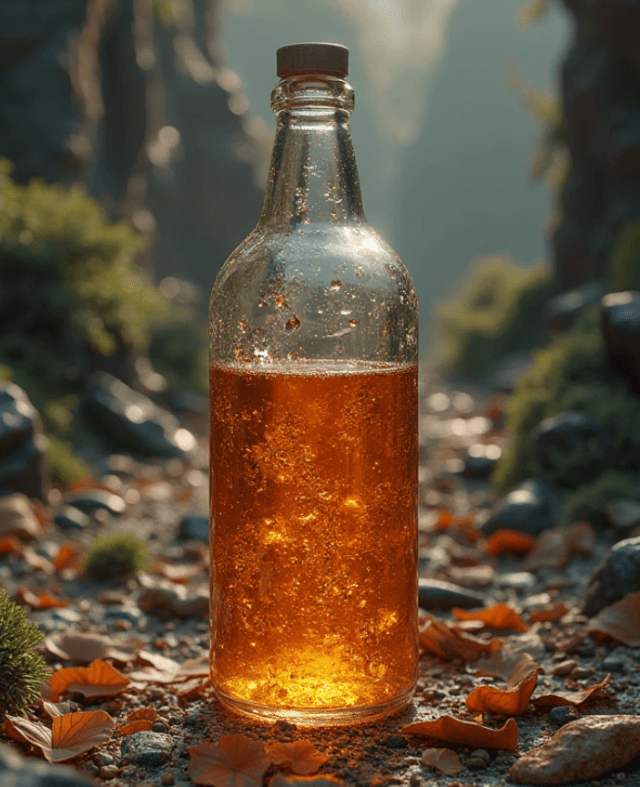
Glass Bottles: The Noble but Imperfect Alternative

You’d think glass would be better—after all, it’s cleaner, more durable over time, and won’t leach anything sketchy. But glass isn’t always the hero people imagine.

Glass Advantage

  • No chemical concerns – If this is what keeps you up at night.
  • Durable long-term – Doesn’t scratch or degrade like plastic.
  • Doesn’t warp in heat – Important if you’re stranded somewhere scorching.

But here’s the kicker

Glass is thicker. The thicker the material, the less UV-A gets through. And UV-A is the entire point. Not all glass is created equal—some types block UV radiation so effectively that they turn the bottle into a museum display case instead of a disinfecting tool.

Also:

  • It’s heavy.
  • It breaks.
  • And most glass bottles aren’t shaped to maximize sunlight exposure.

In short, glass can work, but it requires the right kind—thin, clear, colorless, non-tempered glass—and most people aren’t exactly swimming in that during emergencies.


So Which Should You Actually Use?

If you’re thinking like a prepper instead of an Instagram homesteader, here’s the truth:

Use PET plastic when you need results fast.

It’s the quickest, most accessible, most UV-friendly option.

Use glass if you:

  • Have the right type
  • Trust it to transmit enough UV
  • Want something long-lasting for repeated use
  • Aren’t hiking with it
  • Won’t be furious when it breaks (because it will)

And yes, in a real emergency, you use whatever container you have.

Some people overthink this until they’d rather stay thirsty.


The Real Problem Isn’t Glass vs. Plastic — It’s People

Sunlight purification is one of those skills that should be common knowledge. Every family should know it. Every emergency kit should include the right bottles. Every community should be prepared to teach it during a crisis.

But the world isn’t built that way. People trust technology too much, ignore basic self-reliance, and scoff at simple solutions. They wait for governments, charities, or neighbors to solve their problems. And when those systems fail—because they always do at some point—they’re left panicking, helpless, and dehydrated.

Meanwhile, the ones who bothered to learn skills like SODIS…
Well, we drink clean water while everyone else scrambles.


Final Thoughts (Not That Anyone in Charge Is Listening)

Sunlight purification is simple. Reliable. Proven. Yet most people won’t use it until they’re desperate—and even then, they’ll probably do it wrong. The world isn’t getting more stable. Resources aren’t getting more abundant. And clean water certainly isn’t going to magically become easier to access.

So learn the skill. Practice it. Store the right containers. And accept the reality that once things go downhill, you’re on your own.

Because when the world finally breaks—and it will—those who know how to treat their own water will be miles ahead of those who thought the tap would run forever.

Survive smart. Assume nothing. Trust no system. And let the sun do at least one job right.

Foggy Roads and Foolish Drivers: Safety Tips for When the World Goes Dark

Driving in the fog is one of those experiences that reminds you of a simple truth: you are completely on your own out there. Nobody else seems to take danger seriously anymore. Most drivers barrel down the road like they’re invincible, assuming that the weather, physics, and common sense will magically rearrange themselves to suit their recklessness. Meanwhile, the fog thickens, your visibility shrinks to nothing, and you’re left trying to survive in a world where everyone else acts like they’re starring in an action movie.

But unlike them, you actually want to live. And in this age where attention spans have shriveled to the size of a raindrop, it’s up to the few remaining realists—preppers like us—to understand the real dangers and take responsibility for our survival. Fog isn’t just moisture hanging in the air; it’s a silent disaster waiting to happen. It hides hazards, confuses your senses, and turns ordinary roads into death traps.

So let’s talk about how to drive in the fog like someone who actually values their life, even if the rest of the world is too busy being oblivious.


1. Slow Down—Because Everyone Else Is Going Too Fast

If you think you’re going slow, slow down more. Most people treat fog like an annoying inconvenience rather than the lethal hazard it really is. They assume their headlights and overconfidence will substitute for actual caution. They’re wrong.

Fog kills visibility, depth perception, and reaction time. If you’re moving faster than you can see, then you’re not driving—you’re gambling. And the house always wins.

Driving slower gives you more time to react when another driver—probably scrolling on their phone—drifts into your lane or slams on their brakes.


2. Use Low Beams, Not High Beams—Unless You Enjoy Blinding Yourself

Here’s a fact that should be obvious, yet somehow isn’t: high beams make fog worse. They reflect light back at you like a giant glowing wall, cutting visibility even more.

Low beams and fog lights are your friends. They spread the light downward, closer to the road, where it matters. But every day, you’ll still see some genius blasting their high beams straight into the mist, wondering why they can’t see anything. Don’t be like them. The world already has enough fools.


3. Increase Following Distance—Because People Will Slam Their Brakes at the Worst Time

Fog has a cruel way of making ordinary drivers panic. The moment they feel uneasy, they slam on the brakes with zero warning. If you’re tailgating, you’re done.

Increase your following distance—double it, triple it, whatever it takes. If the person in front of you decides to reenact a scene from a disaster movie, you’ll need the space to save yourself from becoming part of the collision.


4. Stay in Your Lane—And Don’t Trust Anyone Else to Stay in Theirs

Fog makes borders blur. Road lines disappear. And other drivers? They drift, wander, and overcorrect like they’re hypnotized.

Use the right-side white line (not the center line) as your guide. It’s usually easier to see and safer to follow. Staying away from the center reduces your chances of colliding with oncoming traffic—especially the kind that refuses to respect their side of the road.

You can’t trust other drivers to stay where they’re supposed to. But you can control your own path.


5. Avoid Stopping on the Road—Unless You Want to Be Hit

Stopping in the fog is practically inviting someone to plow into you. Visibility is too low, and people drive too unpredictably. If you absolutely have to stop, pull as far off the road as humanly possible.

Turn on your hazard lights. Make your vehicle visible. Stand away from the road if you exit the car—because being outside the vehicle is often safer than sitting in it during a pileup.

Survival rule: never assume other drivers can see you. In fact, assume they can’t.


6. Eliminate Distractions—This Is Not the Time for Music, Snacks, or Daydreaming

Driving in fog requires the kind of attention most people reserve for watching the last slice of pizza disappear. You need to be alert, focused, and free of distractions.

Turn off the radio if you must. Put away your phone. Forget the coffee cup. You need every sense operating at full capacity.

Fog has a way of tricking your brain into thinking you’re going slower or faster than you really are. Staying fully aware helps you avoid falling into that trap.


7. Use Your Defrosters and Wipers—Fog Loves Turning Your Windshield Into a Mess

Fog often brings moisture, and moisture loves sticking to your windshield. Combine that with temperature changes and you’ve got the perfect recipe for fogged-up glass.

Use your front and rear defrosters. Adjust your AC to circulate dry air. Run your wipers if needed. A clear windshield is one of the few advantages you still have.


8. Know When to Pull Over—Your Survival Comes First

Sometimes the fog is simply too dense. If you can’t see the hood of your own car, you’re not driving anymore—you’re guessing.

Pull off the road completely (not just partly). Don’t rely on the kindness or intelligence of other drivers to avoid hitting you. Wait for conditions to improve. It’s better to arrive late than not at all.

The world won’t look out for your safety—you have to do that yourself.


9. Prepare Before You Drive—Because Emergencies Don’t Wait

A true prepper knows that half of survival happens before disaster strikes. Before you even put the key in the ignition:

  • Check your lights
  • Top off your windshield washer fluid
  • Keep an emergency kit in the car
  • Carry a flashlight
  • Keep blankets and supplies
  • Maintain your tires

Fog can turn a simple drive into a full-blown emergency faster than you think.


10. Don’t Expect Others to Know What They’re Doing

This is maybe the most important fog-driving rule of all: trust no one.

Not the teenager speeding in his sports car.
Not the commuter rushing to work.
Not the driver who doesn’t even know what fog lights are.

Everyone out there is guessing, hoping, and pretending. You’re the only one taking survival seriously. Their mistakes can become your tragedy—unless you’re prepared.


Final Thoughts: Survive Because No One Else Will Save You

Driving in the fog isn’t just about visibility—it’s about mindset. It’s about understanding that the road is unforgiving, other drivers are unpredictable, and danger doesn’t care how confident you feel.

But you’re not like the others. You’re a survival prepper. You think ahead. You stay alert. You know the world is full of hazards—and you prepare for them.

Fog may hide the road, but it doesn’t hide the truth:
You’re responsible for your own survival. And if you stay vigilant, you’ll make it through the mist while others get lost in it.

Unless You Fix Your Seed Germination, Your Survival Garden Will Fail

If you’re banking on your survival garden to save your life when the world finally collapses under its own stupidity—well, I’ll tell you right now, you’re already behind. And if you’re like most clueless optimists strolling around pretending everything’s fine, you probably assume that seeds magically sprout into food because that’s what they showed in kindergarten. Spoiler: they don’t. Seed germination is the first, brutal test of whether you’ll eat in a crisis or starve beside the raised beds you so proudly posted on social media.

You want the cold, infuriating truth? Most people fail at seed germination, and they fail hard. Not because it’s difficult, but because nature doesn’t care about your survival fantasies. Seeds germinate when conditions are right, not when society crumbles, not when you panic, and definitely not when you suddenly decide to “live off the land.” The seeds don’t care about your timeline. They respond only to reality—and reality is rarely on your side.

Why Germination Even Matters (As If Anyone Thinks Ahead)

You can stock all the canned food you want, but when things get ugly—and they will—your shelf-stable comfort zone will run out. Seeds are supposed to be your renewable lifeline. But seeds are only useful if they sprout. And if they don’t? Congratulations, you’re just a starving hoarder with fancy paper packets.

Food security starts at the moment that seed decides it’s safe enough to wake up. Moisture, warmth, oxygen—those are the essentials. But if you get even one variable wrong, your seeds either rot, stall, or shrivel up like everything else in this collapsing world.

This is why survivalists who rely purely on seed storage are fooling themselves. Stored seeds are potential. Germinated seeds are food. And the process between those two states is where the entire operation can fall apart.

The Seeds Themselves: Heirloom or Bust

I shouldn’t even have to explain this anymore, but apparently I do. If you’re still buying genetically mutated, chemically dependent, corporate-owned hybrid trash seeds, then you deserve whatever failure you get. For survival gardening, you go heirloom or you go hungry.

Heirloom seeds are stable, open-pollinated, and most importantly, they reproduce reliably, which is more than I can say for most modern humans. They also germinate more predictably when stored correctly, which brings me to the next infuriating topic.

Storage: The Thing Nobody Takes Seriously

You’d think people preparing for food shortages would understand that seeds are alive. But no—half the “preppers” I meet store their seeds in hot garages, humid sheds, or worse… their kitchens. Seed viability plummets with heat and moisture. If you wouldn’t store antibiotics or gunpowder in a certain place, don’t store seeds there either.

Here’s what seeds need if you want them to germinate when your life depends on it:

  • Cool temperatures (ideally 40–50°F)
  • Dry conditions (low humidity is critical)
  • Dark storage (light triggers degradation over time)

Vacuum sealing helps. Mylar helps. Desiccant packs help. But you know what doesn’t help? Wishful thinking. Seeds don’t care about your nostalgia for “simpler times.” Without proper storage, they lose viability every single year. And once viability drops, germination becomes a gamble—one you probably can’t afford to lose.

Germination Medium: Not All Dirt Is Created Equal

The soil in your backyard is good for burying your hopes, not for germinating seeds. Real seed starting requires a sterile, lightweight, fine-textured medium. Something like seed-starting mix or sifted compost mixed with perlite.

If your soil is:

  • too dense
  • too cold
  • too compacted
  • too wet
  • too alkaline
  • too acidic

…your seeds either rot or never sprout. That’s the reality. Germination requires a perfect environment, and no, nature will not bend the rules just because the grid went down.

Water: The Line Between Life and Rot

Here’s a concept that seems to baffle people: seeds need moisture, not a swamp. Overwater and you drown them. Underwater and they dry out. You need consistent moisture, which means checking them daily—something most people fail to do even when civilization is functioning.

The best methods for survival germination include:

  • Bottom watering (wicking moisture upward without drowning the seed)
  • Misting (light sprays prevent disturbance of delicate seeds)
  • Humidity domes (temporary—not permanent—covers to keep moisture levels steady)

But most folks either ignore these rules or rely on instinct, which usually means killing the seed before it ever sees daylight.

Temperature: The Most Ignored Factor in Germination

Seeds are picky. Each plant species has a specific germination temperature range. Most vegetables want soil temps between 65 and 85°F. Try starting seeds in a cold room during early spring and you’ll wait three weeks only to watch mold grow instead of sprouts.

When the world is falling apart, you can’t rely on luxury items like heat mats—so learn right now how to improvise thermal environments:

  • Use compost piles as heat sources.
  • Germinate seeds indoors against insulated south-facing walls.
  • Start seeds in cold frames that trap daytime heat.

If you ignore temperature, your seeds will ignore you.

Light: Not Needed for Germination… But Required Immediately After

Yes, seeds germinate in darkness. No, they do not grow in darkness. The moment they sprout, they require strong light or they become pale, leggy, weak, and useless—much like society.

If you can’t supply adequate sunlight or artificial light after germination, then why bother germinating them at all?

Pre-Soaking and Scarification: Tricks for Stubborn Seeds

Some seeds are built like the world we live in: hard, resistant, and uncooperative. Beans, peas, squash, and certain herbs sprout faster and more reliably when pre-soaked for 6–12 hours. Others need scarification—light sanding or nicking of the seed coat.

If you don’t take the time to learn these techniques now, you’ll waste precious seeds later. And yes, this makes me angry, because this is survival 101, yet countless preppers still ignore it.

Testing Viability Before the Collapse Forces You To

This one really gets me. Seeds are not immortal, but people treat them like ancient treasure that magically springs to life when needed. Test your seeds every year, before the crisis hits.

A simple viability test:

  1. Take 10 seeds.
  2. Lay them on a damp paper towel.
  3. Roll it up and seal it inside a bag.
  4. Check after the standard germination period.

If only 4 of 10 sprout, that’s 40% viability. Plan accordingly. Plant extra—or replace the batch. But don’t wait until disaster strikes to find out your seeds died years ago.

The Harsh Reality: Germination Is Survival

When everything collapses—supply chains, power grids, trust in institutions—you will be left with whatever food you can grow. And that food begins with seed germination. No sprouting seeds means no garden. No garden means no calories. No calories means you become another statistic in humanity’s long list of unprepared fools.

If you want to survive, you need to master germination now, while the world is still barely functioning. Because once chaos hits full stride, your seeds won’t care. They will obey only nature—never you.

5 Simple Survival Prepper Ways to Save More Money Before the World Falls Apart

If you haven’t noticed yet, the world is spiraling downhill faster than a shopping cart racing through a pothole-ridden parking lot. Prices climb every week, wages drag behind like a busted wagon, and everyone seems too distracted by the latest shiny nonsense to realize how unstable everything has become. While most people are busy scrolling themselves into oblivion, the rest of us—the ones with the nerve to prepare—are left scrambling to stretch every dollar before the next crisis knocks the power grid offline or the food supply chain collapses again.

So yes, I’m irritated. And if you’re paying attention, you should be too. But anger is only useful if it fuels action, and right now the smartest action a survival-minded person can take is to learn how to save more money while the system still barely functions.

Below are five simple survival prepper ways to save more money, even in a world that seems dead-set on squeezing us dry. These strategies aren’t fancy. They won’t impress the clueless masses. But they will help you build resilience, independence, and a financial buffer—even when the economy looks like it’s on life support.


1. Cut Every Recurring Cost That Doesn’t Support Survival

Most people have no idea how much money they burn on subscriptions, memberships, apps, streaming services, and convenience traps that don’t do a single thing to actually help them survive. Corporations count on this. They want you distracted. They want you attached to digital pacifiers. They want your wallet leaking small amounts constantly so you never accumulate real financial strength.

As a survival prepper, your first mission is to strip away everything that does not get you closer to self-reliance.

Ask yourself brutally honest questions:

  • Does this service help me acquire skills?
  • Does it help me prepare for economic downturns or supply shortages?
  • Does it help me build long-term resilience?
  • Would I even miss it after three days without power?

If the answer is “no,” then congratulations—you just found your next cancellation.

Bake this into your weekly routine. Every Friday, scan your bank account and credit card for recurring charges. If a subscription does not directly contribute to survival knowledge, physical tools, or mental resilience, terminate it immediately. You’ll be shocked how fast you start saving. And no, you won’t miss that streaming service where you rewatch the same stale shows.


2. Master the Lost Art of Repairing Everything

We live in a disposable culture, which is fitting for a disposable society. People throw away perfectly good items because they don’t know how to tighten a bolt, patch a seam, or sharpen a blade. Meanwhile, those of us who still possess a spine (and a functioning brain) know that self-reliance starts with the ability to repair what we already have.

Repairing saves money in two major ways:

  1. It prevents buying replacements
  2. It teaches the skills you’ll need when replacements are no longer available

Every repair you make is one less chunk of cash handed over to companies that seem to raise prices every time the wind blows.

Start with the basics:

  • Fix clothing tears before they explode into unwearable rags
  • Patch hoses and buckets instead of tossing them
  • Maintain knives, tools, axes, and saws
  • Clean and oil equipment regularly
  • Learn small engine maintenance

If you don’t know how to repair something, there are thousands of tutorials online—free ones. Watch them now while the internet still functions. Skills outlast systems, and systems are crumbling.


3. Buy in Bulk… But Only the Right Way

People hear “bulk buying” and immediately picture giant warehouse stores filled with oversized boxes of sugar-coated nonsense. That’s not what a real prepper does. Bulk buying is only useful when you’re stocking items that check all three boxes:

  1. Long shelf life
  2. Essential for survival
  3. Cheaper per unit when bought in quantity

Smart bulk buying targets staples that won’t spoil, won’t go out of usefulness, and won’t break your budget:

  • Rice
  • Beans
  • Oats
  • Salt
  • Sugar
  • Flour
  • Canned goods
  • Water storage containers
  • Medical supplies
  • Batteries
  • Fuel stabilizers

And yes, prices fluctuate—badly. That’s why you track costs over time. When something dips briefly below the usual price, that’s your moment. Stock deep when the rest of the world is distracted and wasting money on things they’ll toss within a month.

The money you save buying essentials in bulk compounds over time. Meanwhile, your pantry becomes insurance against inflated grocery bills and empty shelves.


4. Make DIY Versions of the Things You Use the Most

You want to save money while building skills that actually matter? Learn to make your own versions of everyday items instead of paying triple for store-bought products filled with chemicals nobody can pronounce.

A true prepper knows that DIY doesn’t just save money—it builds independence.

Start with easy wins:

  • Homemade cleaning supplies
  • Vinegar-based disinfectants
  • DIY soap
  • Simple first-aid balms
  • Laundry detergent
  • Fire starters
  • Water filters (as backups)
  • Dehydrated foods

The more you make yourself, the less you rely on a system that is constantly on the verge of breaking. And when you realize how cheap these items are to create, you’ll feel a satisfying mix of accomplishment and disgust at how badly corporations overcharge for convenience.


5. Stop Buying Junk and Invest Only in Gear That Lasts Decades

One of the greatest financial drains on modern households is the relentless purchase of cheap garbage. Tools that break. Clothes that unravel. Electronics that fail after two updates. Furniture made of cardboard. Equipment designed to fail so you buy more.

As a prepper, you don’t have the luxury of wasting money on disposable junk. Every dollar should go toward items that can withstand harsh conditions and heavy use.

This means buying:

  • Real tools—not decorative ones
  • Clothing built for durability—not trends
  • Cast iron instead of flimsy aluminum
  • Heavy-duty backpacks instead of bargain-bin specials
  • Knives with real steel—not mass-produced replicas
  • Water containers that won’t crack when the temperature drops

Yes, higher quality costs more upfront. But long-lasting gear saves money over your lifetime—and it’s far more reliable when the world goes sideways. Buy once. Cry once. Use forever.


Conclusion: The World Won’t Fix Itself—So Start Saving Like Your Life Depends on It

Look, the world is unraveling. People might not want to admit it, but we all see the cracks forming. Inflation is turning dollars into confetti. Supply chains snap every time a ship turns sideways. Society is one good crisis away from chaos.

You can’t control any of that. But you can control your preparedness, your spending habits, and your self-reliance.

These five methods won’t just save you money—they’ll help you build the independence necessary to weather whatever comes next. Whether the next disaster is economic, environmental, social, or something we haven’t even imagined yet, the people who survive will be the ones who took action early, saved aggressively, and learned to rely on themselves instead of a failing system.

So start now. Start today. Because the world isn’t getting any better. And when things get worse, you’ll be thankful you prepared while there was still time.

Following Railroad Tracks After SHTF Leads Straight to Your Final Destination

If you think railroad tracks are your secret navigation hack when everything collapses, then congratulations—you’re already halfway to being a ghost wandering through the ruins of a world that never cared about you in the first place. I know the fantasy. Movies, old adventure stories, nostalgic childhood daydreams—they all painted railroad tracks as some kind of dependable path through chaos. A beautiful, overgrown trail leading to safety, civilization, or at the very least some forgotten town where you might scavenge a can of beans.

But let me drag you back down into reality, the same reality we preppers stare into every day while everyone else scrolls on their phones pretending the world isn’t circling the drain. Because post-SHTF, when society has finally finished its swan dive off a cliff, railroad tracks won’t be romantic, helpful, or safe.

They’ll be a map, alright—a map straight to your final destination.

And you won’t like what’s waiting at the end.

The Railroad Myth Is the First Thing That Will Get You Killed

In normal times, railroad tracks feel harmless. They’re predictable, linear, and easy to follow. So people assume that in a crisis, they’ll be even more useful—leading survivors to towns, bridges, depots, or some imagined sanctuary.

But what people forget is this:
If it’s easy for you to follow, it’s easy for everyone else to follow.

And in a world where desperation replaces morality, you don’t want to be funneled into the same predictable routes as everyone with an empty stomach and a loaded weapon. You think you’re “navigating,” but you’re actually putting yourself on the most obvious human migration corridor that will exist after the collapse.

People will cling to anything familiar, and railroad tracks are a beacon for the unprepared masses. You won’t be alone out there. You’ll be packed shoulder-to-shoulder with every hungry, desperate, panicked soul who believed the same stupid myth you did.

You won’t find safety.
You’ll find crowds, conflict, ambushes, and disease.
You’ll find people who want what you have.
And they’ll take it—because tracks don’t offer any place to hide.

Railroads Will Become Predators’ Highways

This is the part most people refuse to think about. In a post-SHTF world, predictable travel routes become hunting grounds.

Predators—human predators—are always looking for the easiest place to find prey. And what’s easier than a narrow, linear path where all travelers are forced to move single-file with nowhere to escape?

Following railroad tracks makes you the deer walking into the wolf’s jaws. No cover. No elevation. No escape routes. Just you, exposed, visible against open gravel or steel.

And don’t kid yourself—if you can see a half mile down the tracks, so can someone else. Someone who might be hungrier, colder, and far less patient than you.

When the world falls apart, people get territorial, tribal, and vicious. Some groups will set up along these tracks intentionally, knowing they can pick off stragglers like fruit hanging too low on the tree.

But hey, sure—keep walking the magical steel path from fairy tales. See how that works out.

Railroad Infrastructure Becomes a Beacon for the Worst Human Behavior

Railroad depots, maintenance sheds, abandoned stations, bridges, and tunnels all become choke points. They look like shelter and supply hubs, which means they’ll attract exactly the kind of people you don’t want to meet.

Think about it:

  • Bridges funnel you into a single narrow crossing
  • Tunnels turn into traps where sound echoes but movement is limited
  • Depots become contested territory
  • Rail yards become sprawling zones where ambushes are easy and escape routes are confusing
  • Abandoned stations become squatter camps full of people who lost more than just their homes

It doesn’t matter how tough you think you are. Every single one of these spots becomes a risk multiplier.

Railroads don’t guide you to safety—they guide you directly into conflict zones.

“But Tracks Lead to Towns!” Yeah—Destroyed, Picked-Clean Towns

Let’s knock down the next fantasy. The idea that railroad tracks will lead you to towns and therefore resources.

Here’s the truth:

If a town is connected by a railroad, it will be one of the first places scavenged, looted, or burned.
Rail access means easy movement of goods pre-collapse—and easy movement of desperate survivors post-collapse. That means:

  • Stores emptied
  • Homes stripped
  • Hospitals overrun
  • Local police overwhelmed or gone
  • Rioters and gangs taking over
  • Fires left uncontained
  • Disease spreading

Railroad towns are not charming havens. They are graveyards filled with reminders of how fast civilization fell apart.

But hey, if you want to be the thousandth person to show up looking for supplies, be my guest.

Walking Tracks Drains Your Energy and Sanity

Everyone imagines railroad tracks as level and easy to walk. Try it in real life sometime. Walk five miles on uneven gravel with heavy gear, then come back and tell me how “easy” it is.

Now imagine doing it after the collapse, when:

  • You’re running on limited calories
  • You’re dehydrated
  • You’re stressed
  • You’re hyper-alert
  • You’re carrying your life on your back

Railroad ballast tears up your feet and ankles. It slows you down. It exhausts you faster than dirt trails or roads. Energy is survival, and tracks drain it with every step you take.

But the fantasy hikers will still tell you it’s a shortcut to safety.

Railroads Offer Zero Concealment, Zero Cover

And this one is simple:

You have nowhere to hide.

Dense woods? Nope.
Rocks? Nope.
Structures you can duck behind? Not really.

Railroad tracks are open wounds cutting across the landscape. You are visible from a distance. You are predictable. You are exposed.

If you want to survive a post-SHTF landscape, staying hidden is life. Walking along railroad tracks is a declaration of your location to every living thing within a mile radius.

In a World Without Rules, Tracks Are a Liability, Not a Lifeline

Movies have lied to you. Nostalgia has lied to you. Childhood memories have lied to you.

In the real collapsed world—the one preppers think about while the rest of society sleeps—railroad tracks are not a rescue line.

They are:

  • Funnels for refugees
  • Highways for predators
  • Snares for the optimistic
  • Dead ends for the naive
  • Markers of desperate travel
  • Predictable, dangerous migration corridors

In other words:
They’re a map straight to your final destination—just not the one you hoped for.

If you take nothing else from this angry rant at humanity’s collapsing sense of reality, take this:

When the world finally burns, the safest path is the one no one else is dumb enough to walk.

And railroad tracks?
Everyone will walk them.

Which means you shouldn’t.

Not if you want to stay alive long enough to see whether the world manages to claw its way back from the ashes.

Don’t Be a Hero: How to Survive Being Held Hostage During a Robbery

The world is not full of good people waiting to do the right thing. It’s full of selfish, desperate, reckless individuals who will happily gamble with your life if it means getting what they want. Civilization is thin. Paper-thin. And when someone storms into a restaurant or bank with bad intentions, that illusion shatters instantly.

You didn’t choose to be there. You didn’t provoke it. But now you’re stuck inside someone else’s bad decisions. Survival becomes your only objective—not bravery, not justice, not heroics. Survival.

This isn’t about playing action-movie fantasy. This is about staying alive when the situation is completely out of your control.


First Rule: Accept Reality Immediately

The moment you realize a robbery is happening, kill the denial. People die because they hesitate, because they assume “this won’t involve me,” or because they wait for clarity that never comes.

If someone is threatening others, brandishing fear, or issuing commands, this is no longer a normal environment. Your job is to mentally switch into survival mode. That means:

  • You are not in charge
  • You are not special
  • You are not invincible

The faster you accept that, the faster you stop making dangerous assumptions.


Second Rule: You Are Not the Main Character

Hollywood lies. In the real world, “heroes” often end up as cautionary tales. When a robbery turns into a hostage situation, the people holding power are unstable, stressed, and unpredictable. Any action that draws attention to you increases risk.

Your goal is to become forgettable.

That means:

  • Don’t argue
  • Don’t make eye contact longer than necessary
  • Don’t stand out physically or verbally
  • Don’t volunteer information

You want to blend into the background like furniture.


Follow Instructions—Even If They’re Humiliating

Pride gets people killed. If you’re told to sit, lie down, stay quiet, or move slowly, you comply unless doing so puts you in immediate danger. Robbers and hostage-takers are often operating on adrenaline and fear. They’re looking for threats, not logic.

Sudden movements, resistance, or “correcting” them can trigger panic-driven violence.

It doesn’t matter how unfair or degrading it feels. Your dignity can be rebuilt later. Your life cannot.


Control Your Body Before It Betrays You

Fear causes people to shake, cry, hyperventilate, or freeze. While emotional reactions are natural, uncontrolled panic can make you look unpredictable—and unpredictable people get watched more closely.

Focus on:

  • Slow, steady breathing
  • Minimal movement
  • Keeping your hands visible if possible

You are trying to project compliance and calm, even if your mind is screaming.


Observe Quietly, Not Actively

There’s a difference between awareness and interference.

You should mentally note what’s happening around you without staring, pointing, or reacting. This helps you stay oriented and gives your mind something productive to do instead of spiraling into panic.

Pay attention to:

  • Where you are in the room
  • Who is near you
  • Changes in tone or urgency

But don’t try to “solve” the situation. You’re not there to intervene. You’re there to endure.


Do Not Try to Negotiate or Reason With Them

This isn’t a debate. These people are not interested in your opinions, explanations, or clever ideas. Attempting to reason can be interpreted as manipulation or defiance.

Unless you are directly spoken to, say nothing.

If addressed, keep responses:

  • Short
  • Neutral
  • Honest but minimal

The less emotional energy you inject into the situation, the safer you remain.


Time Is Not Your Enemy—Impatience Is

Hostage situations feel endless because fear stretches time. Minutes feel like hours. This is where people make fatal mistakes: they assume things are escalating when they aren’t, or they act because they want it to be over.

The ugly truth? Many situations end without harm if no one forces an outcome.

Your mindset should be:

“I can endure this longer than they can remain unstable.”

Patience is a survival tool.


Avoid Group Behavior

Crowds amplify panic. If people around you start crying, shouting, or moving unpredictably, do not mirror them. Emotional contagion can cause sudden chaos, and chaos leads to mistakes.

You don’t need to isolate yourself dramatically. Just don’t become part of a panicked cluster drawing attention.

Stay still. Stay quiet. Stay forgettable.


When Authorities Intervene, Stay Passive

If the situation changes suddenly—loud commands, rapid movement, confusion—this is not the moment to improvise.

Do not:

  • Run unless clearly directed
  • Grab objects
  • Make sudden movements

Follow commands exactly as given, even if they feel abrupt or harsh. In chaotic moments, clarity matters more than comfort.


Afterward: Expect the Shock

Surviving doesn’t mean walking away untouched. After the danger passes, your body may shake, your memory may feel fragmented, and emotions may hit hours or days later.

This is normal.

What’s not normal is pretending you’re fine when you’re not. Survival doesn’t end when the threat leaves. Give yourself space to recover.


Final Reality Check

The world is not getting kinder. Desperation is rising, patience is thinning, and people are increasingly willing to endanger strangers for personal gain. You don’t survive situations like this by being brave or bold.

You survive by being:

  • Calm
  • Compliant
  • Patient
  • Invisible

It’s not heroic. It’s not cinematic. But it works.

And when the worst kind of person walks into the room, staying alive is the only victory that matters.

3 Survival Garden Herbs for When Society Finally Crashes

Every direction you look—politics, economy, supply chains, the bizarre behavior of everyday people—it all screams one thing: this whole system is held together with duct tape and denial. And if you’re smart enough to build a survival garden, you already know that depending on modern conveniences is the fastest road to becoming another helpless statistic when things finally snap.

Growing food is essential, yes, but if that’s all you’re planting, you’re missing half the picture. When hospitals are overrun, pharmacies are empty, and the average person is pacing around hoping the government will magically fix everything, you’ll need medicinal plants on hand—herbs that don’t require electricity, insurance, or permission to use.

Most people think throwing a few tomato plants in the ground makes them “prepared.” Please. When the grid fails and chaos rolls through town, tomatoes aren’t going to calm an infection or soothe a respiratory issue. Herbs, however, have kept humans alive since long before the modern world started falling apart.

Below are three herbs every serious survival gardener should be growing right now, not next season, not “someday,” but immediately. Because time is running out faster than anyone wants to admit.


1. Yarrow: The Battlefield Medic You Can Grow

Out of all the herbs the average gardener ignores, yarrow might be the most underrated lifesaver. This plant has been used for thousands of years for its ability to stop bleeding, reduce inflammation, and assist wound healing—which is exactly what you’ll need when emergency services are either unavailable or too busy dealing with the fallout of societal collapse.

Yarrow is a rugged plant. It doesn’t sulk if the soil is bad. It doesn’t demand pampering or daily attention. It grows like it knows the world is falling apart—and frankly, it probably is.

Why it belongs in your survival garden:

  • Stops bleeding quickly. You can crush fresh leaves and pack them onto wounds. Yes, the world we’re headed toward may involve more of those than you’d like.
  • Anti-inflammatory and antimicrobial. Useful for cuts, scrapes, burns, and infections—situations that become life-threatening when hospitals aren’t an option.
  • Thrives in harsh conditions. Heat, drought, poor soil—yarrow shrugs it off like a seasoned prepper.

How to grow it:

Plant yarrow in full sun. It spreads aggressively, which is perfect, because if things get ugly, you’re not going to complain about having too much medicine growing in your yard. Just keep it trimmed so it doesn’t take over everything else.

If modern society ever manages to collapse the rest of the way, you’ll be thankful you didn’t listen to the gardeners who said it was “weedy.” Weedy plants are survivors—and in the coming mess, so should you be.


2. Holy Basil (Tulsi): Because Stress Won’t Be Going Away Anytime Soon

Let’s face it: stress levels are already off the charts, and that’s before the supply chains snap, the grid flickers out, or inflation turns basics like rice and fuel into luxury items. Stress isn’t going to magically disappear once society destabilizes—it’ll get worse, heavier, and more relentless.

That’s where holy basil, or tulsi, steps in. This herb has been used in traditional medicine for centuries as an adaptogen, meaning it helps your body cope with stress—physical, mental, and emotional.

If you think you won’t need that in the middle of chaos, you’re kidding yourself.

Why tulsi is a survival essential:

  • Reduces stress and anxiety naturally. No prescriptions, no pharmacy lines, no shortages.
  • Strengthens the immune system. Which you’ll need when sanitation crumbles and illnesses spread.
  • Helps regulate blood sugar and improve overall resilience.
  • Can be made into tea with minimal effort. Hot water, dried leaves, and you’re good to go—even if your “stove” is a campfire.

Growing tips:

Tulsi loves warm weather and plenty of sun. The good news is that it grows fast—faster than society’s decline at this rate. It does fine in containers, raised beds, or directly in the ground. Just keep harvesting the leaves regularly; the more you pick it, the more it produces. Like a good prepper, it thrives under pressure.

When things get tough—and they will—having a natural way to calm your mind without relying on fragile supply chains is priceless.


3. Plantain: The Ugly Weed That Saves Lives

Forget everything you think you know about weeds. While the average suburban lawn-obsessed neighbor is busy spraying chemicals to kill off every useful plant in sight, plantain (Plantago major or Plantago lanceolata) is quietly offering some of the best emergency medicinal benefits you can get.

Plantain is the ultimate survival herb: ignored, misunderstood, and tougher than half the people wandering around today glued to their screens.

What makes plantain indispensable:

  • Pulls toxins out of wounds. Infected cuts, bug bites, stings—plantain can help draw out the problem.
  • Heals skin quickly. It’s used to soothe burns, rashes, and scrapes.
  • Anti-inflammatory and antimicrobial.
  • Grows literally everywhere. This plant pops up in abandoned lots, sidewalk cracks, damaged soil—exactly the kind of places we’re all headed if things keep going the way they are.

How to grow it:

Honestly? You barely have to try. Plantain grows like it’s preparing for the end times—which is great, because it’s one of the few things that will still be thriving when your local grocery store shelves are stripped bare.

To use it, you can chew a fresh leaf and slap it onto a sting or wound to make a quick poultice. It’s simple, primitive, and effective—exactly the kind of medicine that works when modern life stops working.


The Harsh Truth: No One Is Coming to Save You

Growing herbs isn’t some quaint hobby. It’s not a cute gardening project to post on social media. It is strategic self-preservation.

If you’re reading this, you already know what most people don’t want to admit: the world is getting more unstable by the day, and every system we rely on—food, medicine, power, transportation—is vulnerable. Fragile. Overstretched. And increasingly unreliable.

When the next big disruption sweeps through, whether it’s economic, political, environmental, or something entirely unexpected, you’ll either have what you need in your backyard… or you won’t.

These three herbs—yarrow, holy basil, and plantain—aren’t luxury plants. They’re tools. Weapons. Allies. They’re the difference between being helpless or being capable.

Grow them now, while you still can.
Because once things really fall apart, it’ll be too late.

Surviving a Sinking Car in a World That Doesn’t Care If You Drown

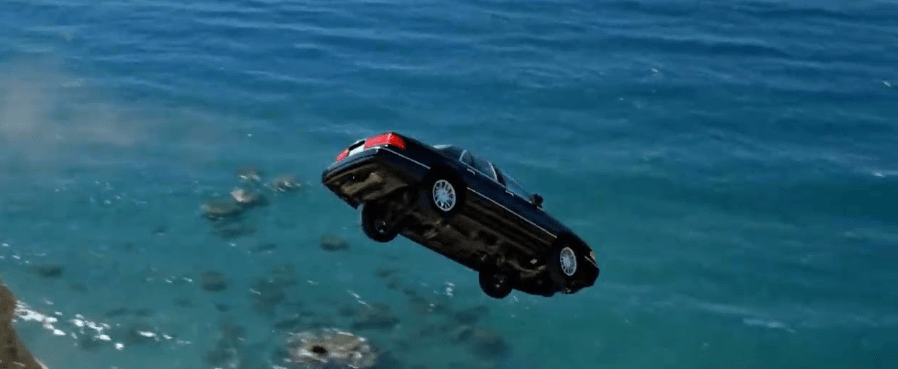
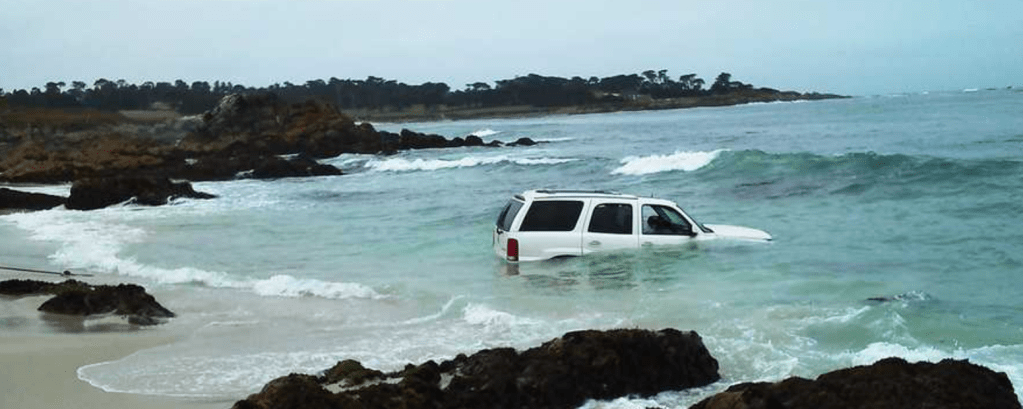
Let’s get something straight right out of the gate: if your car is sinking, the world has already failed you. Society has crumbled long before you ever hit the water. Whether it’s shoddy infrastructure, distracted drivers, or the laughable excuse for “emergency preparedness” drilled into us by people who have never been in an actual emergency, the system isn’t coming to save you. And your precious online “life hacks”? They’ll be as useless as a seatbelt on the Titanic.

If you’re sinking in a car, you have one job: get out before the vehicle becomes a steel coffin. And the irony, the absolute cosmic joke of it all, is that escaping a sinking car is actually simple—if you know what you’re doing. But of course, most people don’t. People think the car will float serenely like a movie stunt scene while they calmly dial 911. No. Your car sinks faster than the average attention span on social media.

So here’s the truth—the bleak, harsh, angry truth—about how to escape a sinking car in a world determined to drag you down with it.


Step 1: Accept That You Are On Your Own

First things first. The moment your car hits water, you must assume no one is coming. Not quickly enough, not competently enough, and definitely not before the water fills your lungs. You don’t have time to wait. You don’t have time to debate. And you sure as hell don’t have time to panic.

You have between 30 seconds and 2 minutes in most sinking-car scenarios. That’s it. That’s your survival window. Every second you waste looking around like a confused tourist brings you closer to the bottom.

Everyone always says, “Call emergency services!”
Sure—if you want rescuers to retrieve your body rather than rescue it. Your phone call should happen after you reach dry land, not while you’re still strapped in watching water rise.

Your life is in your hands. Everyone else is just part of the background noise.


Step 2: Unbuckle Immediately—Not After You Debate It

People underestimate how fast panic sets in. They freeze in denial, thinking the car will stop sinking, or someone will magically show up, or that they’ll “figure it out in a second.” That second never comes.

The moment you hit the water, unbuckle your seatbelt.
No speeches. No hesitation. No dramatic last phone calls.

And for the love of survival, unbuckle the kids first if you have them. Children often can’t free themselves; adults can. Secure them, then move.

Seatbelts save lives—until they don’t. In water, they become shackles.


Step 3: Forget the Door—It’s a Trap

Hollywood lies. It lies about everything, but especially this.

You can’t just open the door when your car’s sinking. Unless you’re built like a hydraulic press, that door won’t budge. Water pressure makes sure of that.

If you try, you will fail.
If you keep trying, you will drown trying.
The door is a lost cause until the inside is fully flooded—and if you wait that long, well, good luck making it to the surface in time.

The door is not your friend. In fact, in a sinking car, it might as well be welded shut.


Step 4: The Window Is Your Way Out—Break It or Open It Fast

The window is your escape route. It is the ONLY escape route in the crucial early moments.

You cannot rely on power windows when your electrical system is immersed in water, but here’s the rough truth: they typically work for a few seconds after impact. That’s your grace period. A gift from the universe, even though the universe doesn’t care.

Best-case scenario: Open the window immediately.

Power windows still working? Good. Hit the button the instant the car touches water.
Rolling down a window could save your life faster than any rescue team ever will.

Worst-case scenario: Break the window.

Use a spring-loaded window punch. Not a hammer. Not your fist (unless you’re trying to break bones). A small, cheap punch. The kind every realist carries but most people don’t, because they’re too busy trusting society to protect them.

Aim for a corner of the window, not the center. Breaking the center is like trying to knock down a brick wall with good intentions.

And don’t even try the windshield. It’s laminated and designed to resist shattering. Focus on the side windows.

This is the life-or-death moment. Get that window open or broken, and you’ve bought yourself a chance.


Step 5: Escape Through the Window and Forget Your Belongings

Once the window is open, escape immediately. Do not turn around for your phone, your purse, your laptop, or the sentimental trinket you think you can grab in two seconds. Those seconds will drown you.

Every survival prepper knows this truth: stuff can be replaced, oxygen cannot.

If you’re helping others—kids, elderly passengers—push them through the window first. They may not have the strength to fight the outward pressure or the rising water.

Then get yourself out.

Push out and swim upward at an angle, because cars often drift downward while sinking. The surface isn’t always directly above you anymore.


Step 6: Swim Away From the Car

Cars don’t sink vertically like stones—they tilt, shift, and churn the water around them. Some even release air pockets that can disorient you. That’s the world for you: even in death, it tries to confuse you.

Swim upward and away. Put distance between you and the vehicle. Use strong kicks. Don’t waste breath. Don’t fight physics—work with it.

When you reach the surface, then you can inhale panic. Not before.


Step 7: Only After Survival—Call for Help

Congratulations. If you reached this point, you’ve done what many cannot: you took responsibility for your own survival.

Now, and only now, do you call for help. Emergency services can take it from here, but they won’t get the credit. Your instincts will.


Final Thoughts From Your Resident Angry Prepper

The world doesn’t prepare you for real emergencies. It hands you pretty safety slogans and expects you to be grateful. But reality is cruel, and water is unforgiving. When your car starts sinking, the only person you can count on is yourself.

I’m not here to sugarcoat anything. I’m here to tell you the truth the world hides because it scares people: most emergencies give you one shot. One window. One moment to act.

And now you know how to use it.

Learn these steps, prepare for the worst, and maybe—just maybe—the world won’t get the satisfaction of dragging you under.